 Kingflex
Kingflex
Kingflex
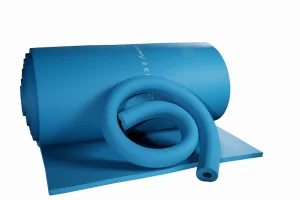
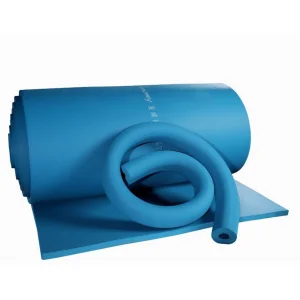
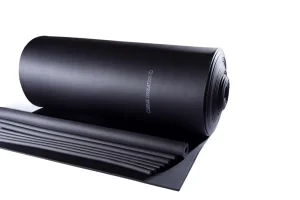
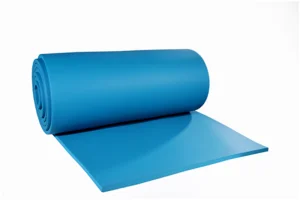
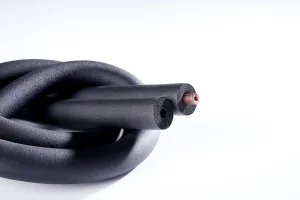
The global shift toward net-zero buildings and demanding noise suppression codes has elevated open-cell acoustics from niche engineering to a critical material specification. In modern industrial complexes, HVAC channels, and mechanical rooms, controlling transmission path noise (vibration and air-borne sound waves) is as vital as energy preservation. Open-cell NBR/PVC elastomeric matrix products stand at the intersection of thermal resilience and acoustic absorption.
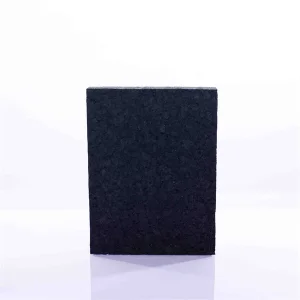
Traditional closed-cell foams are optimized for thermal resistance and moisture vapor barriers. Conversely, open-cell flexible structures contain interconnected pathways that act as viscous flow tortuous networks. When acoustic wave particles enter the open-cell grid, their kinetic energy is dissipated into thermal energy via localized friction against the cell walls. This delivers a much higher Noise Reduction Coefficient (NRC) compared to standard closed-cell foams.
Contractors and engineers prioritize supply-chain sustainability, certified fire protection (such as BS 476 and ASTM standards), and multi-functional performance. Wholesale purchasing from direct manufacturers allows project teams to secure structural customized profiles, custom densities, and optimal configurations while avoiding the compound markups of regional distributors.
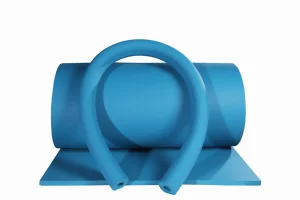
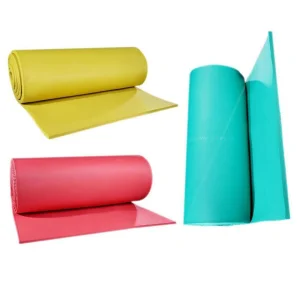
Kingflex elastomeric open-cell and closed-cell systems are designed to meet exact industrial tolerances. Our material configurations combine low thermal conductivity with optimized physical properties to perform in extreme thermal environments (-40°C to +105°C) and provide structural noise dampening.
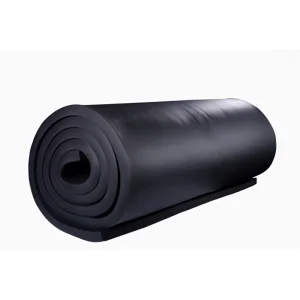
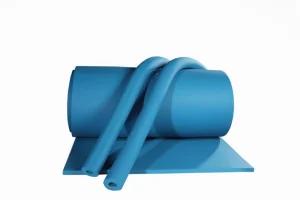
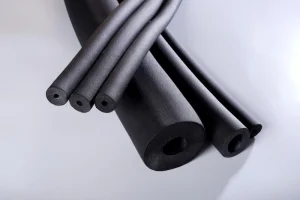
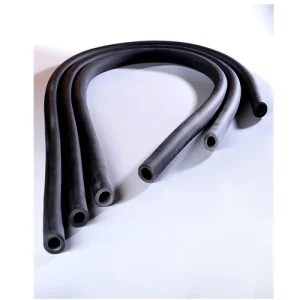
| Performance Characteristic | NBR/PVC Elastomeric Sheet Roll | NBR/PVC Elastomeric Pipe/Tube | Acoustic Testing Standard Reference |
|---|---|---|---|
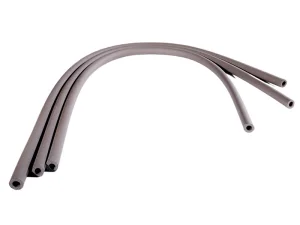
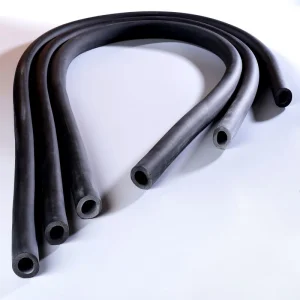
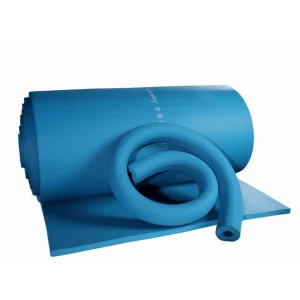
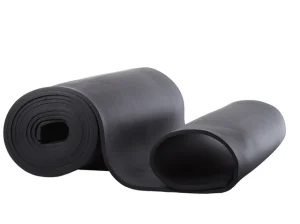
| Thickness Range | 6mm to 50mm | 9mm to 40mm (ID: 6mm-114mm) | ASTM C534 / EN 823 |
| Bulk Density | 40 - 55 kg/m³ | 40 - 55 kg/m³ | ASTM D1622 |
| Operating Temp. Range | -40℃ to 105℃ | -40℃ to 105℃ | ASTM C411 |
| Compression Resilience | > 80% | > 80% | ASTM D1056 |
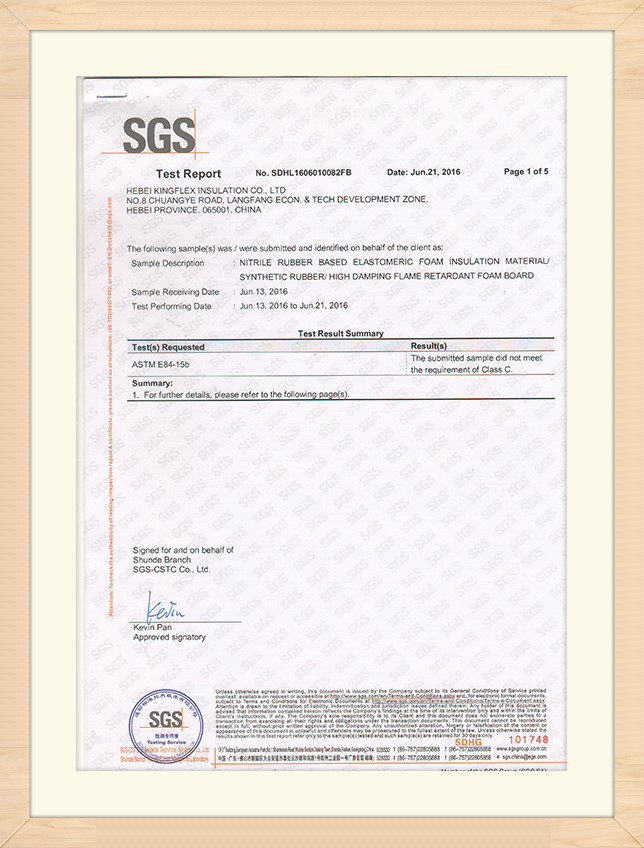
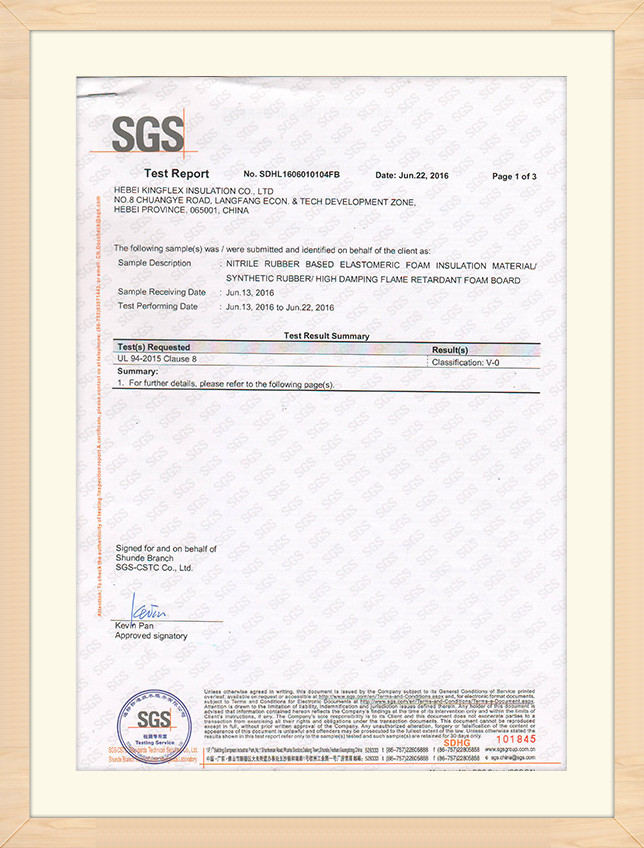
| Flame Retardancy | Class 0 & Class 1 | Class 0 & Class 1 | BS 476 Part 6 & 7 / UL94 V-0 |
| Acoustic Performance (NRC) | Up to 0.85 (Open-Cell variant) | N/A (Primarily Thermal) | ASTM C423 / ISO 354 |
Ventilation systems can act as megaphones for motor vibrations. Installing Kingflex open-cell acoustic insulation sheets inside air handling units (AHUs) and distribution plenums absorbs high-velocity turbulence and mechanical hums, preventing structural resonance from propagating through commercial duct paths.
In liquefied natural gas (LNG) terminals and processing facilities operating at ultra-low temperatures, elastomeric insulation prevents convective heat transfer and freezing risks. Combining an outer closed-cell vapor barrier with inner acoustic decoupling layers handles both temperature management and gas pipeline noise reduction.
Industrial generator rooms, pump enclosures, and manufacturing machinery produce continuous broad-spectrum noise. Kingflex's flexible acoustic sheets conform to irregular structural surfaces to isolate casing vibrations and reduce ambient noise levels, helping protect worker hearing.
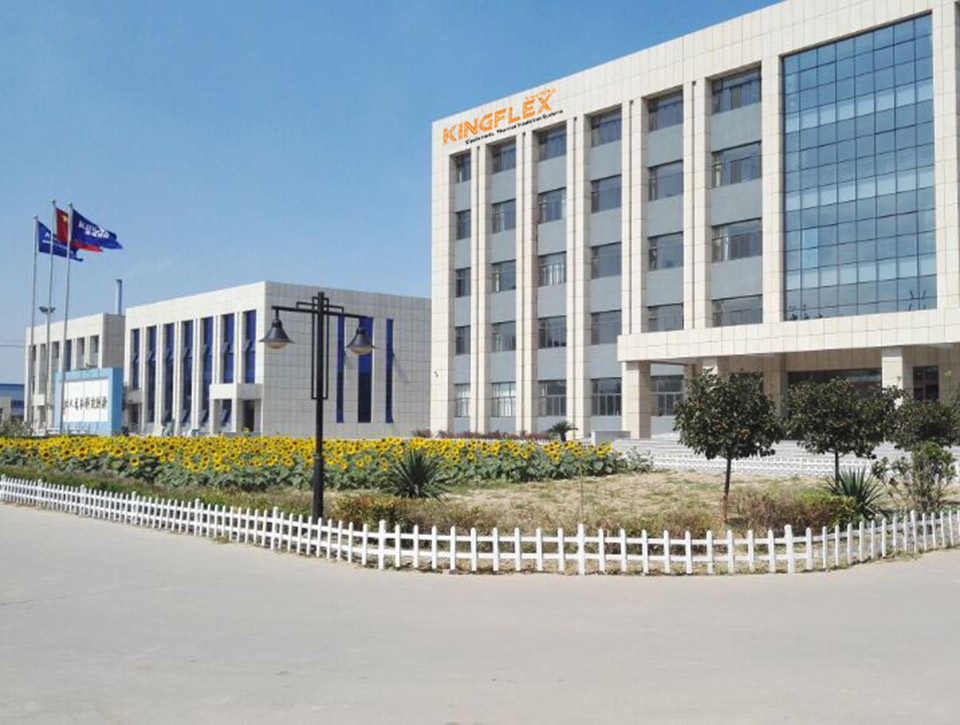
Located in Dacheng, China—the hub of green-building materials—Kingflex Insulation Co., Ltd. integrates production, research and development, and global logistics. Operating as a direct manufacturer, our philosophy centers on resource optimization, energy efficiency, and reliable supply chains.
Our manufacturing facility integrates advanced compounding technology, continuous vulcanization systems, and online quality control. This level of process control ensures consistent foam structure, density, and thickness—qualities that are essential for demanding acoustic and thermal engineering projects.
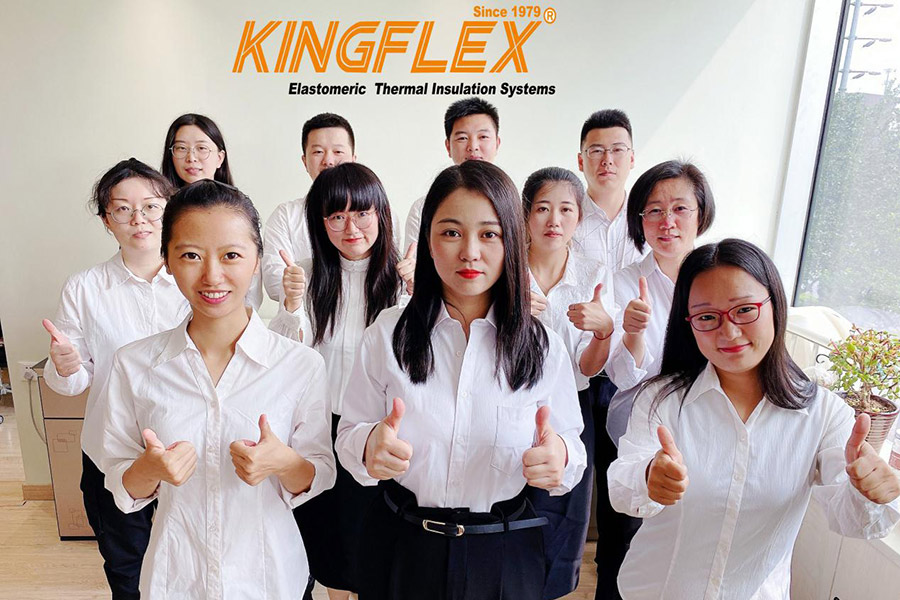
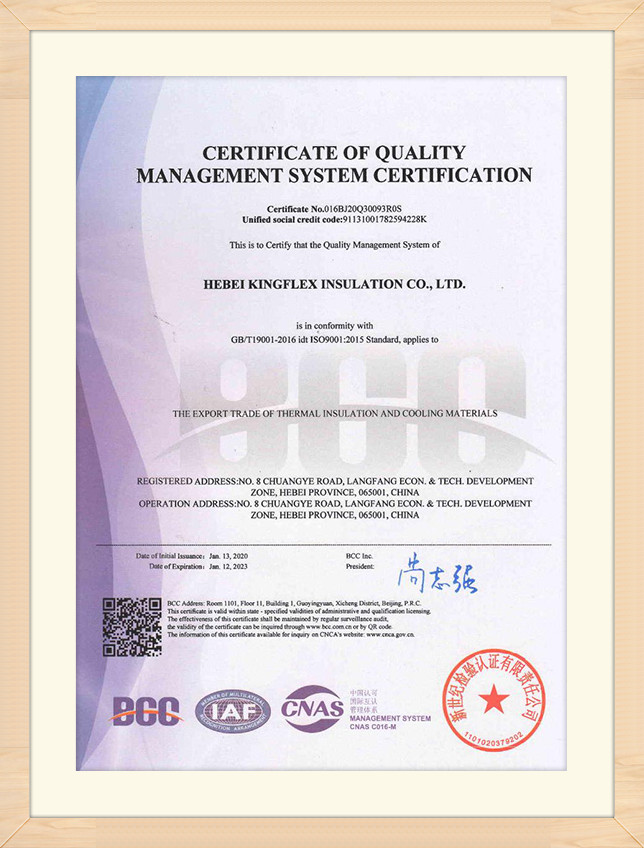
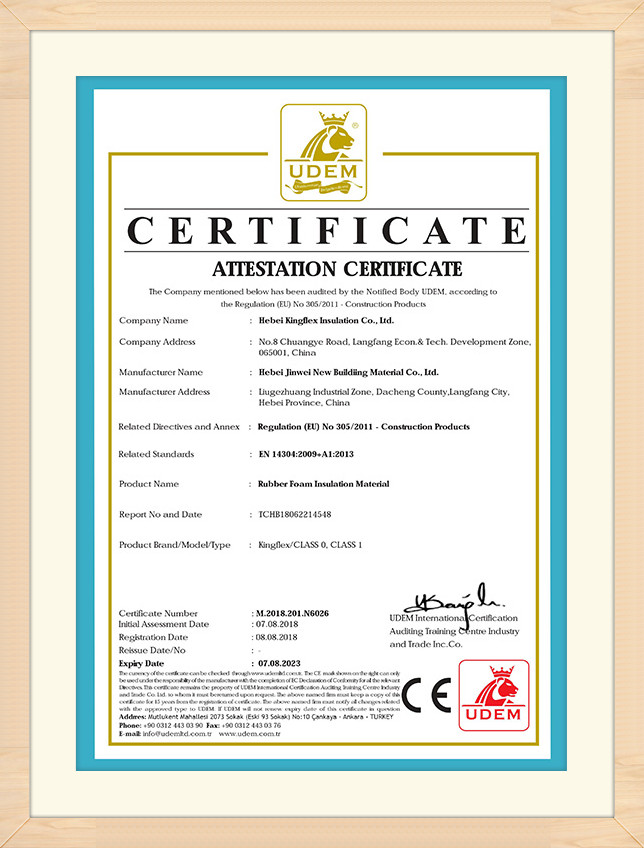
Our engineering team includes 8 dedicated technical specialists and 230 factory employees. Kingflex products carry international certifications, helping ensure compliance with strict regional safety regulations across the Americas, EU, Middle East, and Asia-Pacific.
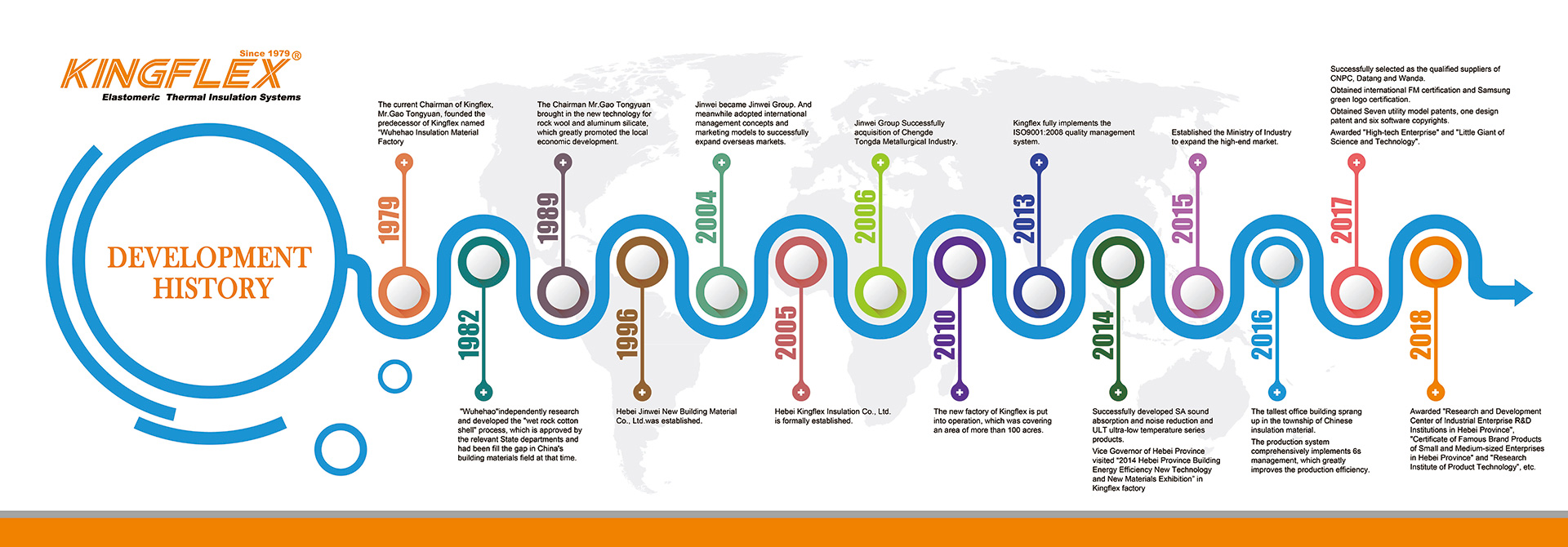
Established as the first manufacturer of thermal insulation materials north of the Yangtze River, laying the groundwork for our industrial research and production capability.
Expanded Kingflex's footprint into global markets, securing critical certifications (BS 476, CE, REACH, RoHS, UL94, and ASTM) to serve international industrial projects.
Operating 5 automated production lines in Dacheng. We supply complete energy-saving insulation systems and high-density acoustic sheet solutions worldwide.
We provide technical support and direct communication to help international clients verify specifications before container shipping.
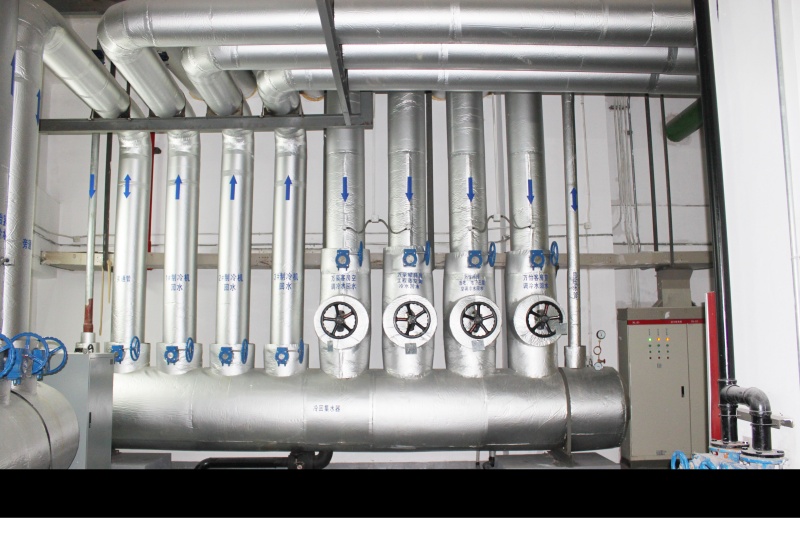
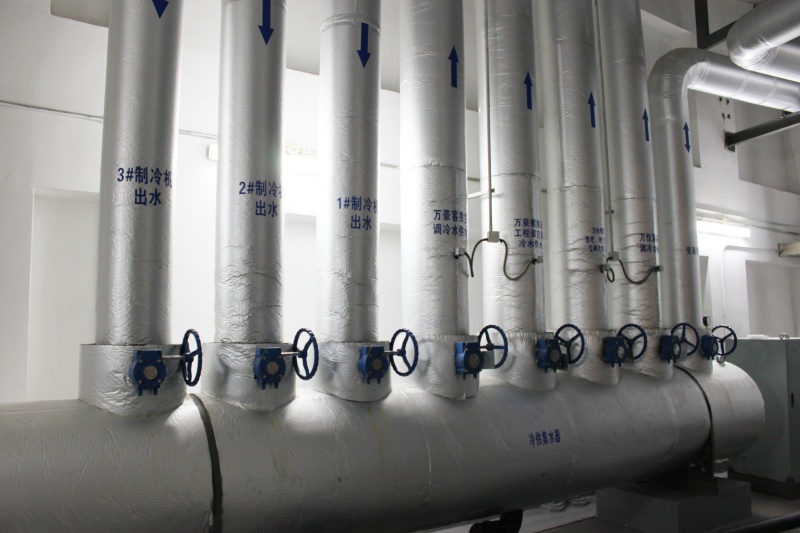
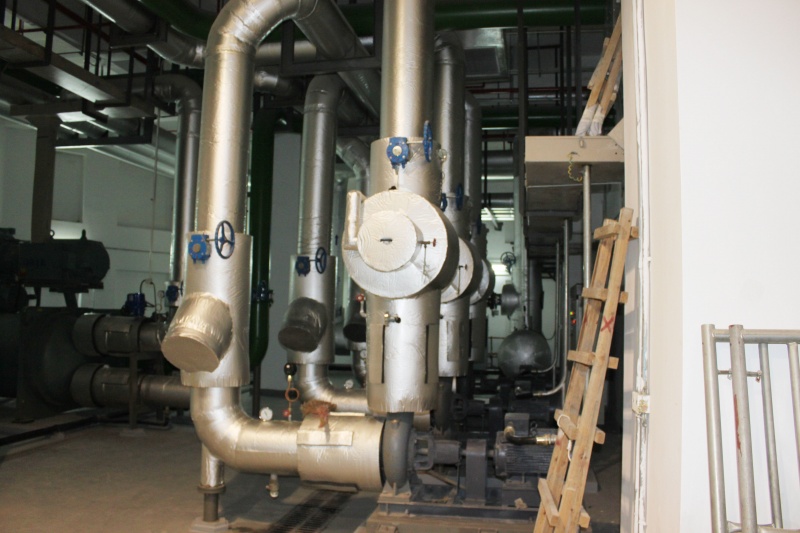
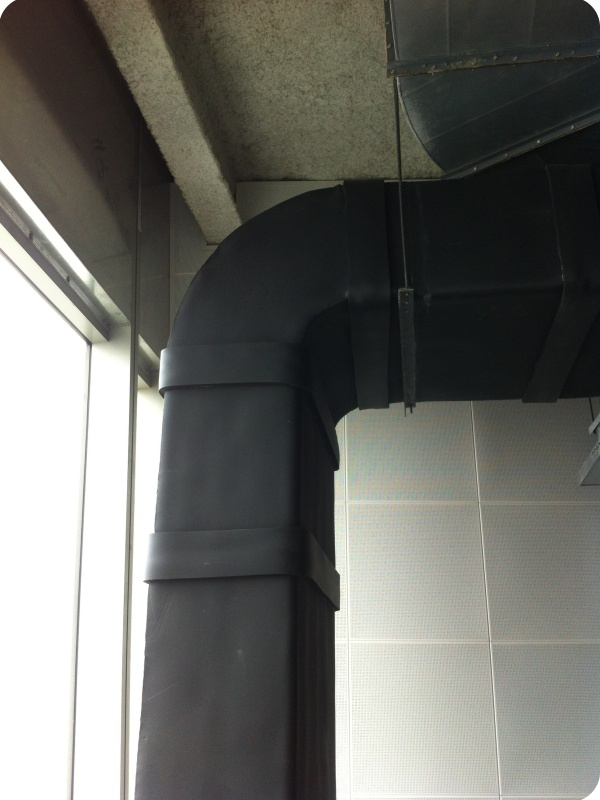
Our materials are utilized across diverse industries, from HVAC air ducts in commercial properties to process piping in petrochemical plants and sub-zero LNG processing terminals.
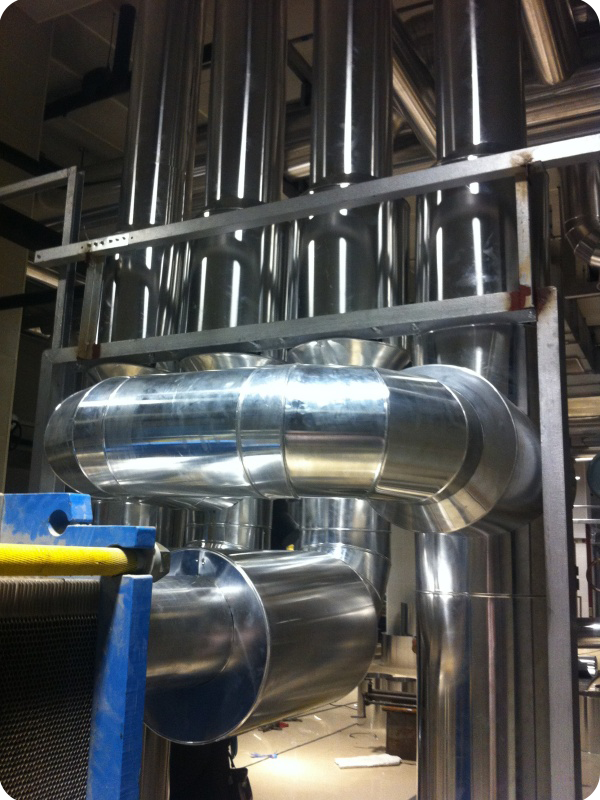
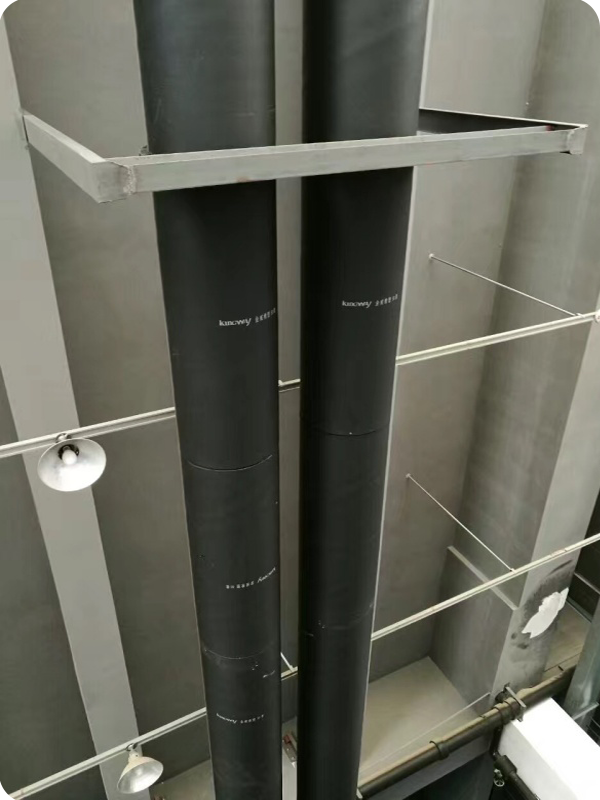
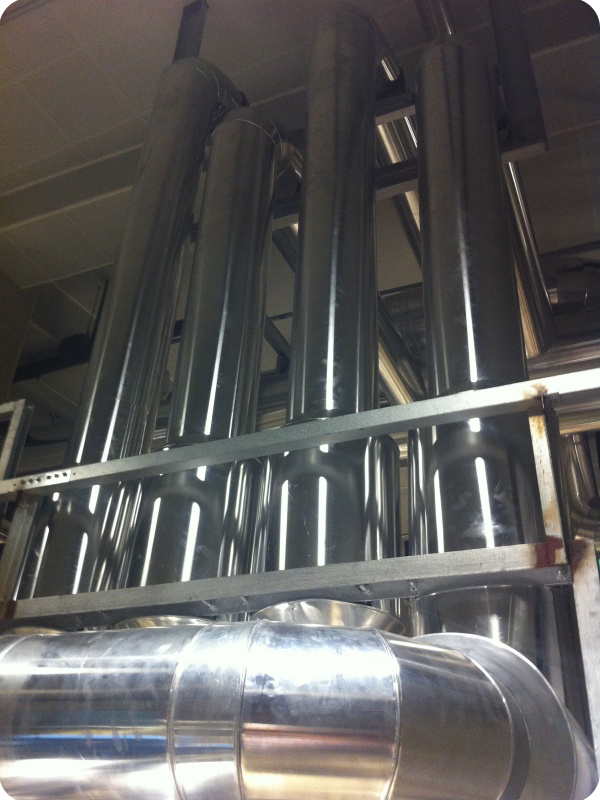
We work closely with clients to clarify dimensional tolerances, flame retardant specifications, and transport packaging, ensuring smooth delivery at destination ports.

Our logistics teams manage secure export packing to ensure that rolls and pipes retain their compression recovery and dimensional stability during transit.