 Kingflex
Kingflex
Kingflex
Direct wholesale procurement options for extreme low-temperature and structural engineering applications.
Thermal control in modern commercial facilities is no longer just about choosing an insulation material; it requires precise calculation of thickness parameters. To prevent energy loss, stop surface condensation, and limit thermal bridging, engineers rely on standardized calculation methodologies such as those in ASTM C534 and DIN EN ISO 12241.
Whether dealing with low-temperature chilled water lines, cryogenic processing, or high-temperature steam lines, selecting the appropriate thickness of elastomeric rubber foam directly affects operating efficiency, safety, and equipment lifespan. Inadequate thickness leads to condensation, which causes mold, corrosion under insulation (CUI), and costly structural failure. Conversely, excessive thickness results in unnecessary material expenses without proportional thermal performance gains.
Typical thickness guidelines based on ambient temperatures and pipe dimensions to optimize system performance.
| Nominal Pipe size (IPS) | Fluid Temp: 40°F to 60°F (Chilled Water) | Fluid Temp: 0°F to 39°F (Refrigeration) | Fluid Temp: -40°F to -1°F (Low-Temp/Cryo) | Recommended Material Form |
|---|---|---|---|---|
| 3/8" to 1-1/8" (ID 10-28mm) | 1/2" (13mm) Thickness | 3/4" (19mm) Thickness | 1" (25mm) Thickness | Elastomeric Tube |
| 1-3/8" to 2-1/8" (ID 35-54mm) | 1/2" (13mm) Thickness | 3/4" (19mm) Thickness | 1-1/2" (38mm) Thickness | Elastomeric Tube / Sheet Roll |
| 2-3/8" to 4-1/2" (ID 60-114mm) | 3/4" (19mm) Thickness | 1" (25mm) Thickness | 1-1/2" (38mm) Thickness | Elastomeric Tube / Custom sheet Wrap |
| Over 5" (ID > 114mm) | 1" (25mm) Thickness | 1-1/2" (38mm) Thickness | 2" (50mm) Thickness | Nitrile Rubber Foam Sheet Roll |
Condensation forms on a pipe surface when its temperature drops below the dew point of the surrounding air. In high-humidity environments (such as coastal areas or unconditioned mechanical rooms), you must specify thicker insulation to keep the outer surface temperature above the dew point.
Kingflex materials maintain a low thermal conductivity rating (approx. 0.034 W/(m·K) at 0°C). This lower coefficient allows you to use a thinner profile than with alternative open-cell fiberglass or rock wool systems while matching their thermal performance.
In addition to managing thermal transfer, elastomer foam structures absorb vibration and sound. When specified in thicker profiles, they serve as excellent acoustic barriers on high-pressure water lines and air duct systems.
A professional manufacturing and trading combo for thermal insulation products, focused on energy efficiency and global industrial support.
Kingflex research development and production department is located in well-known capital of green-building materials in Dacheng , China. It is an energy-saving environmental friendly enterprise concentrate the research and development, production and sales. In operation, Kingflex takes energy saving and consumption reduction as the core concept. We provide the solutions regarding the insulation by means of consultation, research and development production, installation guidance, and post-sale service to lead the development of global building materials industry.
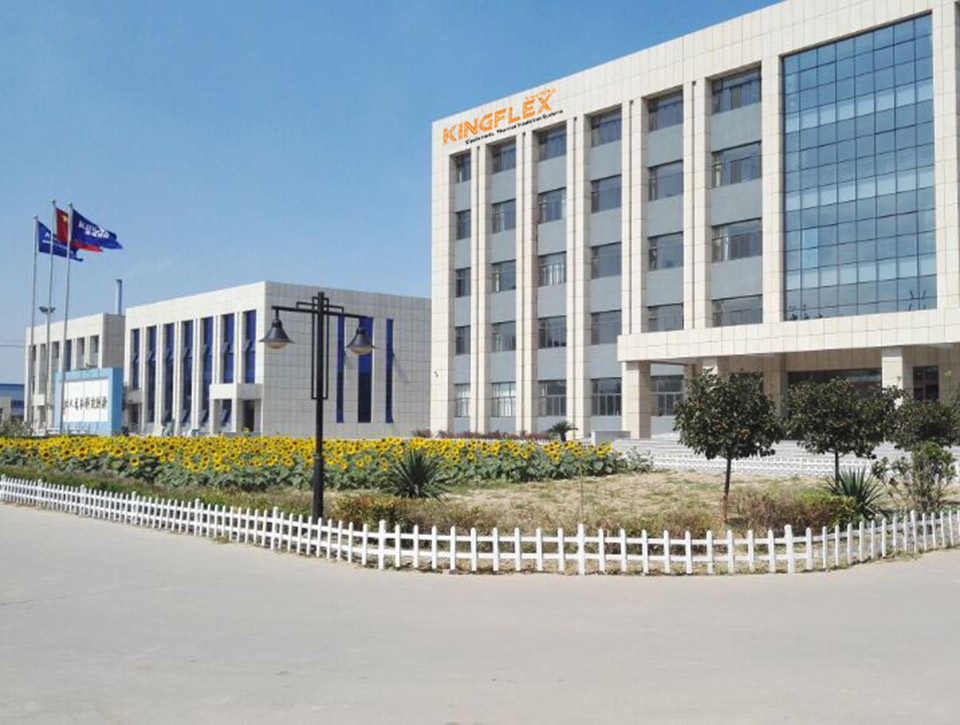
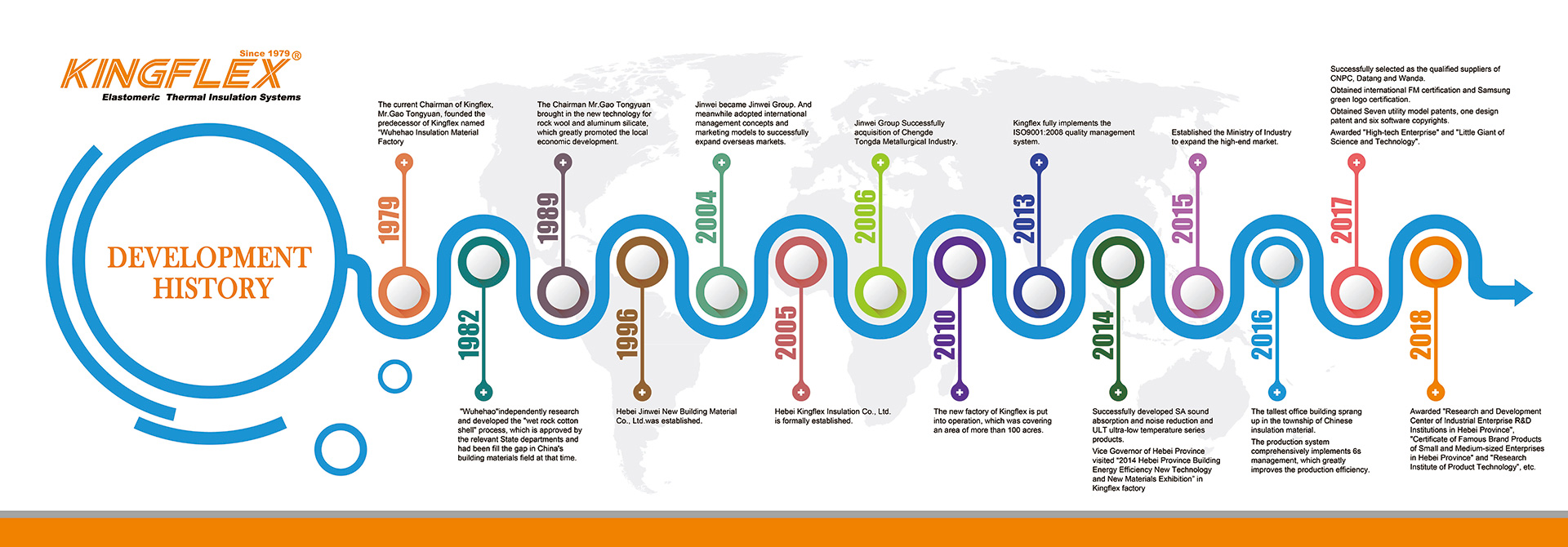
Kingflex is established by Jinwei Group which is more than 40 years history. Kingway Group is established in 1979. It was the first manufacturer of thermal insulation materials north of the Yangtze River.
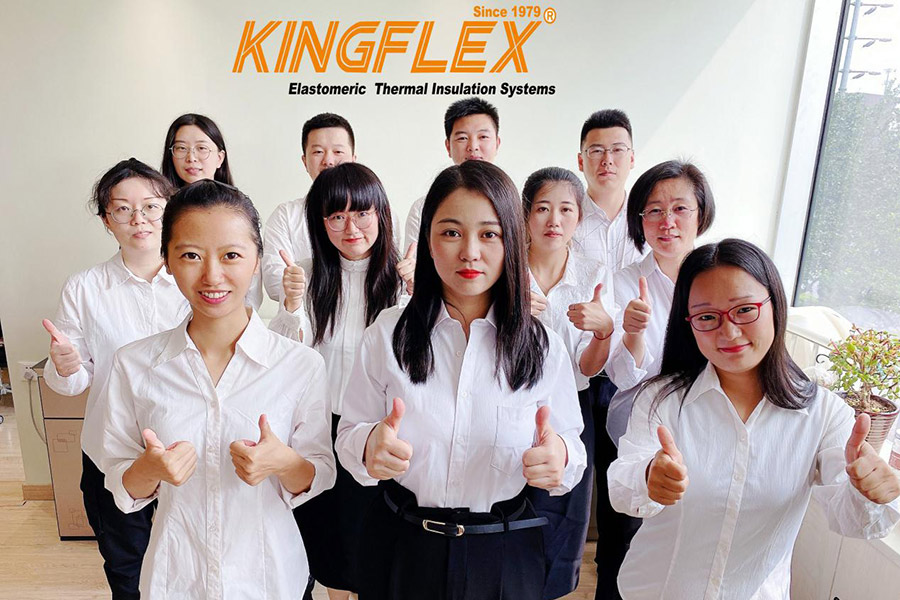
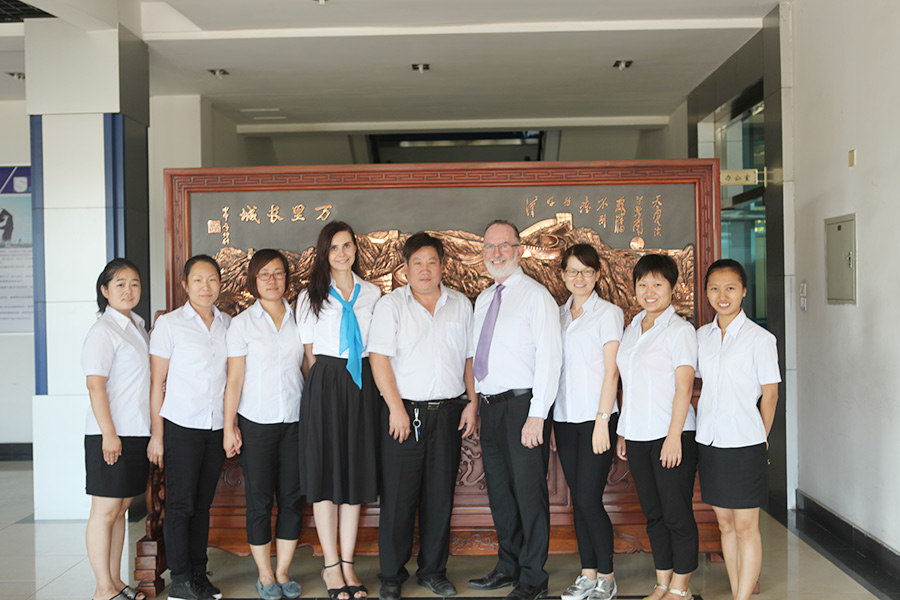
Our employees are amazing in their own right, but together they are what makes Kingflex such a fun and rewarding place to work. The Kingflex team is a tight-knit, talented group with a shared vision of giving consistently first class service for our clients. Kingflex has 8 professional engineers in R & D Department, 6 professional international sales, and 230 workers in production department.

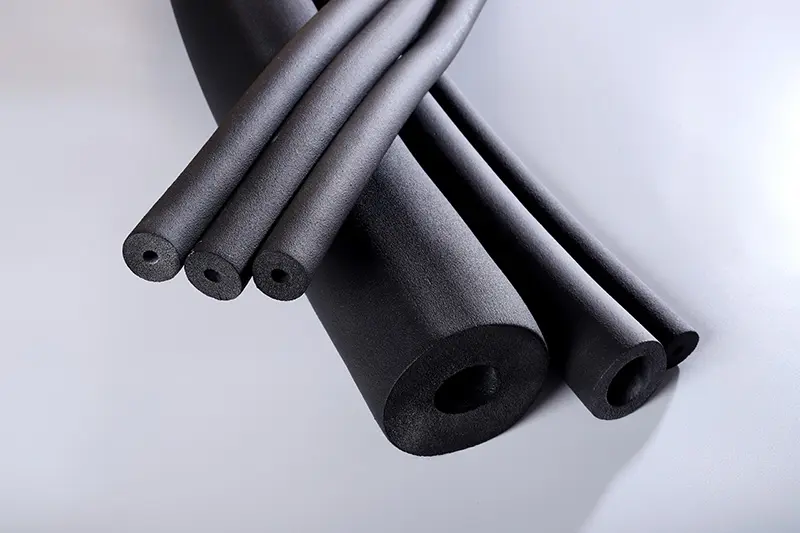
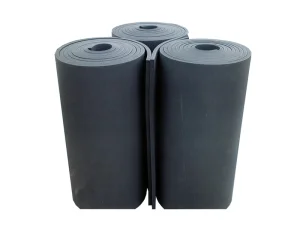
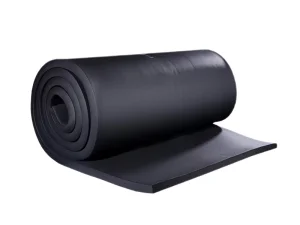
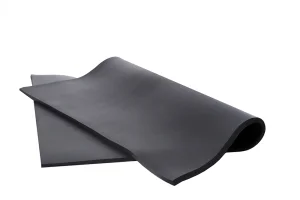
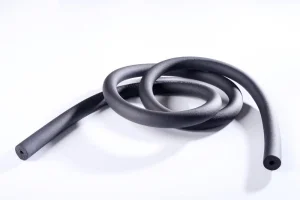
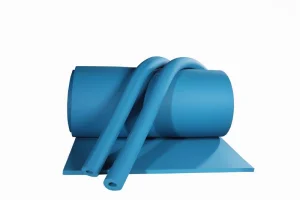
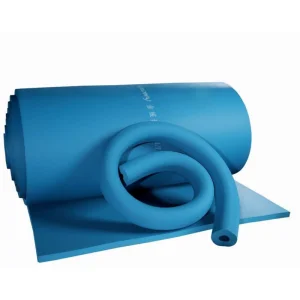
A detailed technical breakdown of Kingflex elastomeric foam rolls and prefabricated insulation tubes.
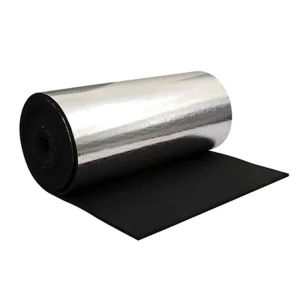
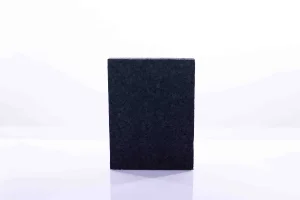
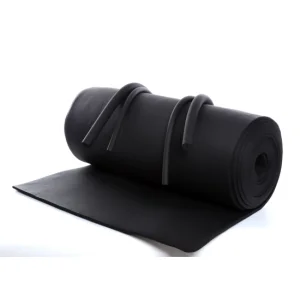
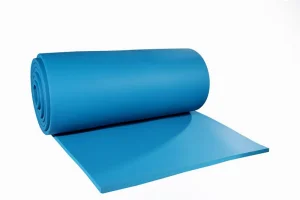
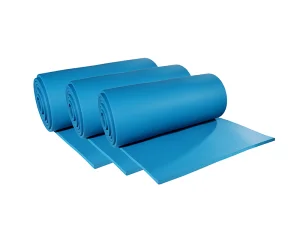
Designed for large-diameter pipelines, ventilation ducts, and storage tanks. Offers flexibility, simple installation, and durable thermal resistance.
| Material Composition | NBR/PVC Elastomeric Foam |
| Available Thickness | 6mm - 50mm |
| Density Range | 40 - 55 kg/m³ |
| Service Temperature | -40℃ to 105℃ |
| Closed-Cell Structure | > 98% rate, stable K-factor |
1. Central air conditioning: Heat insulation for air ducts and pipes
2. Buildings: Wall, roof and basement thermal & sound insulation
3. HVAC & water supply: Anti-condensation and anti-freezing for pipes
4. Industrial plants: Insulation for equipment, steam pipes and storage tanks
5. Hotels, malls & hospitals: Insulation and noise reduction for ventilation ducts and machine rooms
6. Rail transit & cold storage: Thermal insulation for carriages and cold rooms
7. Chemical industry: Heat insulation, sound insulation and corrosion protection for process pipe
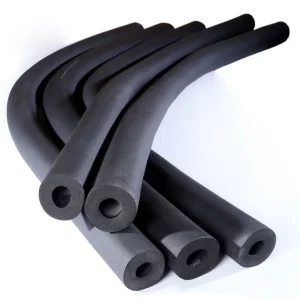
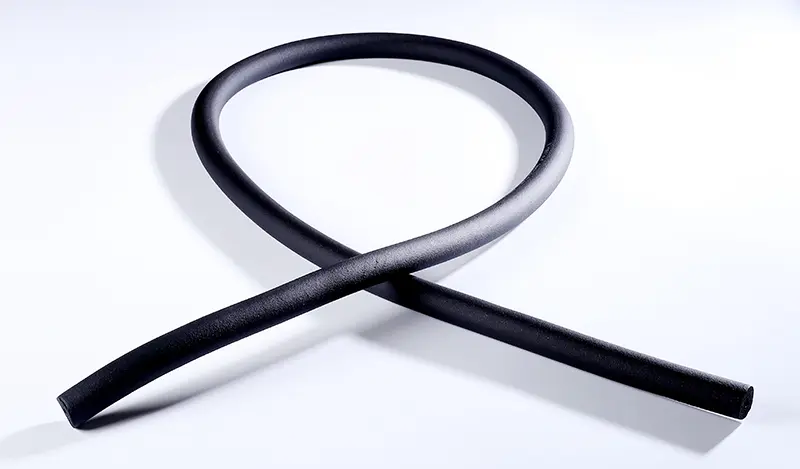
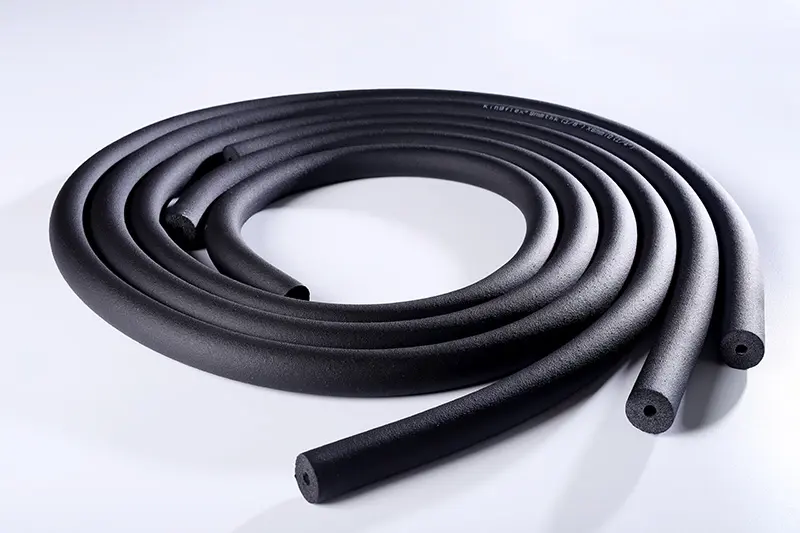
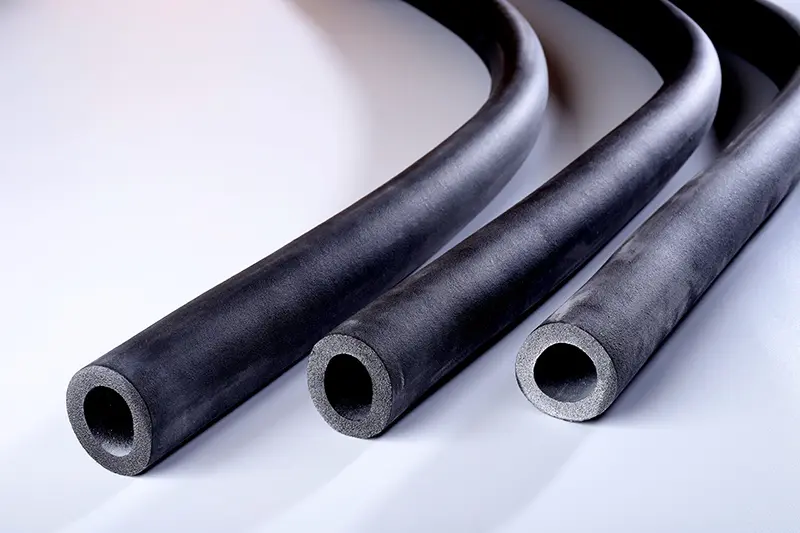
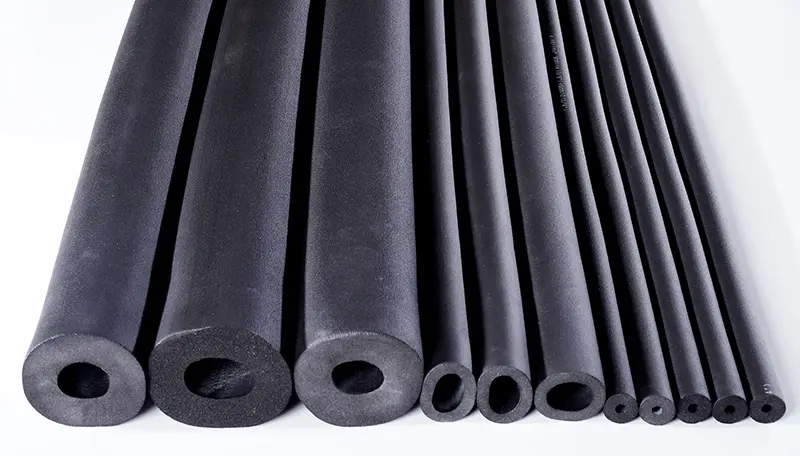
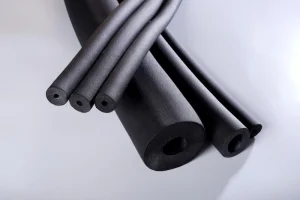
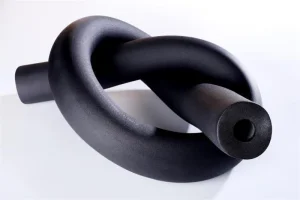
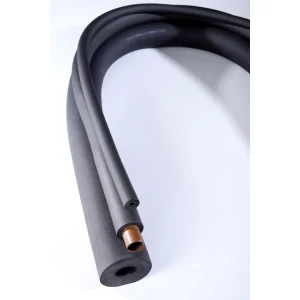
Prefabricated cylindrical insulation designed to slip easily onto copper, steel, and iron pipes. Speeds up installation and cuts labor costs.
| Material Composition | NBR/PVC Elastomeric Foam |
| Available Thickness | 9mm - 40mm |
| Inner Diameter (ID) | 6mm - 114mm |
| Density Range | 40 - 55 kg/m³ |
| Service Temperature | -40℃ to 105℃ |
1. Central air conditioning chilled/hot water pipes and condensate pipes
2. Building HVAC & water supply pipes: antifreeze and anti-condensation
3. Ventilation and equipment room pipes for hotels, malls and hospitals
4. Thermal & cold insulation for industrial steam and process pipes
5. Cold insulation for cold storage and cold chain pipelines
6. Insulation, sound and corrosion protection for chemical & petrochemical pipes
7. Thermal insulation for solar and hot water system pipelines
Kingflex maintains deep quality control structures throughout the entire production cycle, from raw material formulation to final extrusion and curing. Our testing facilities inspect every batch to verify thermal conductivity, density, and fire ratings.

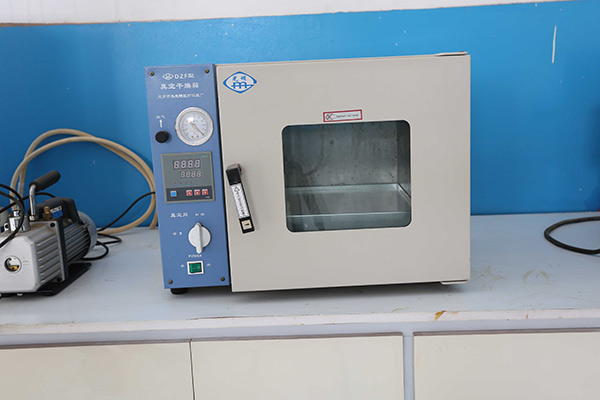
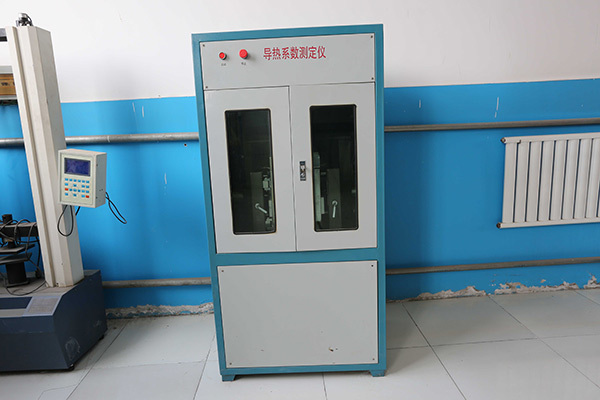
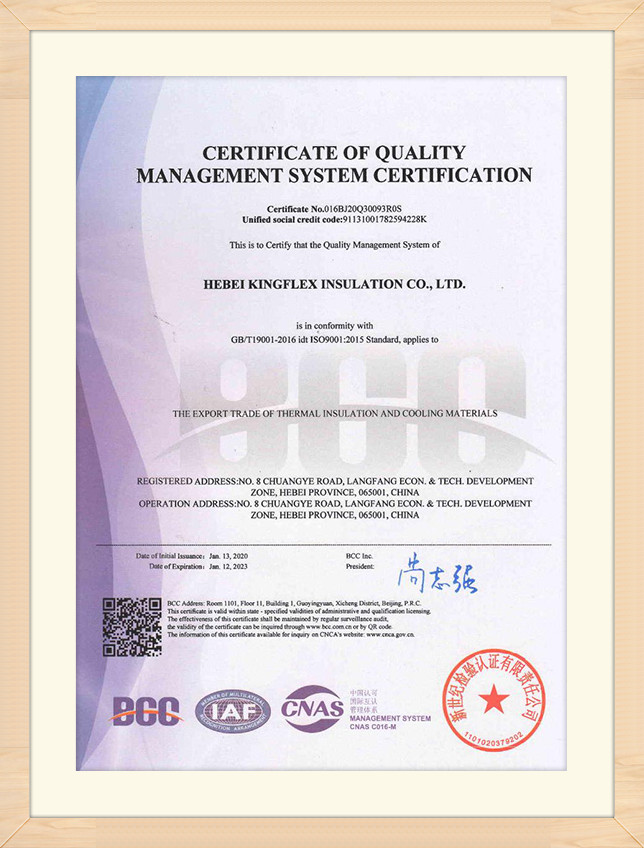
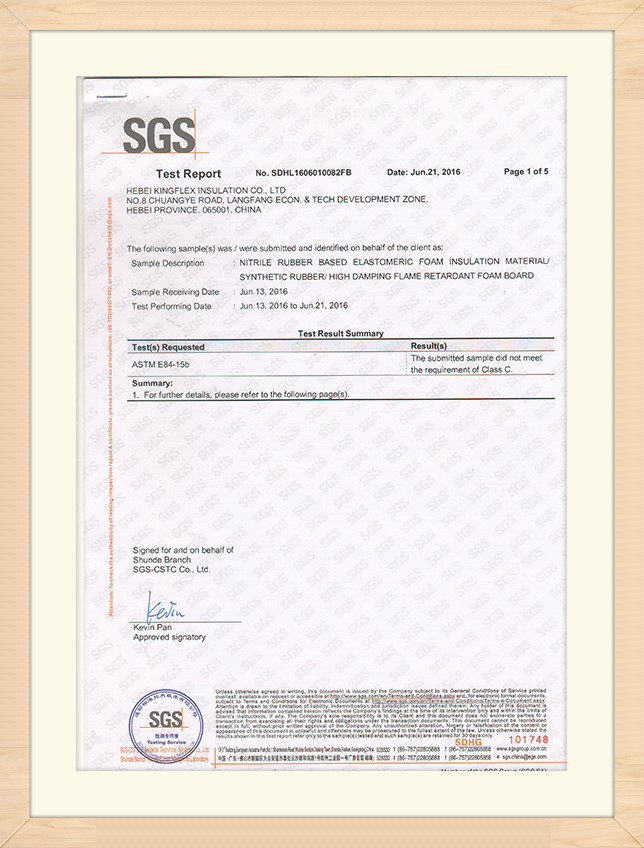
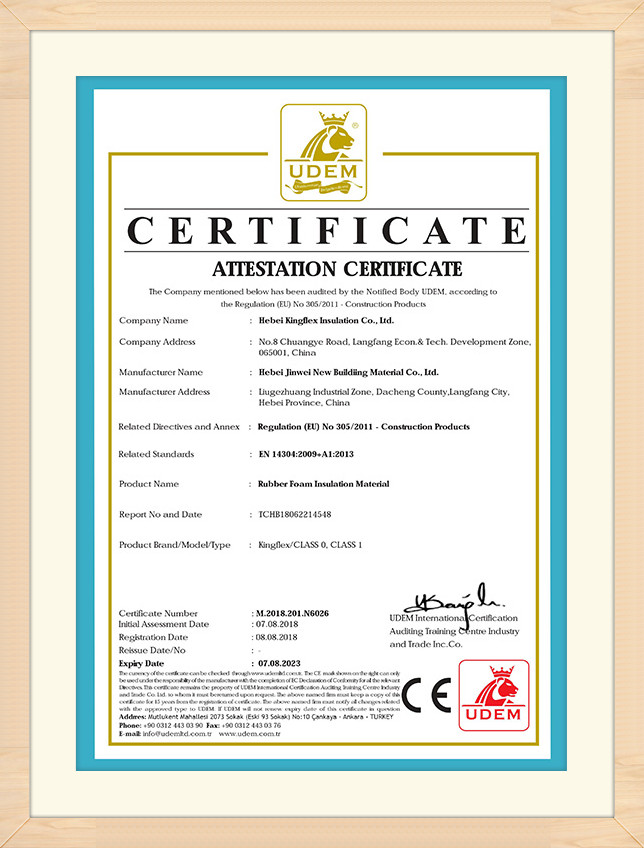
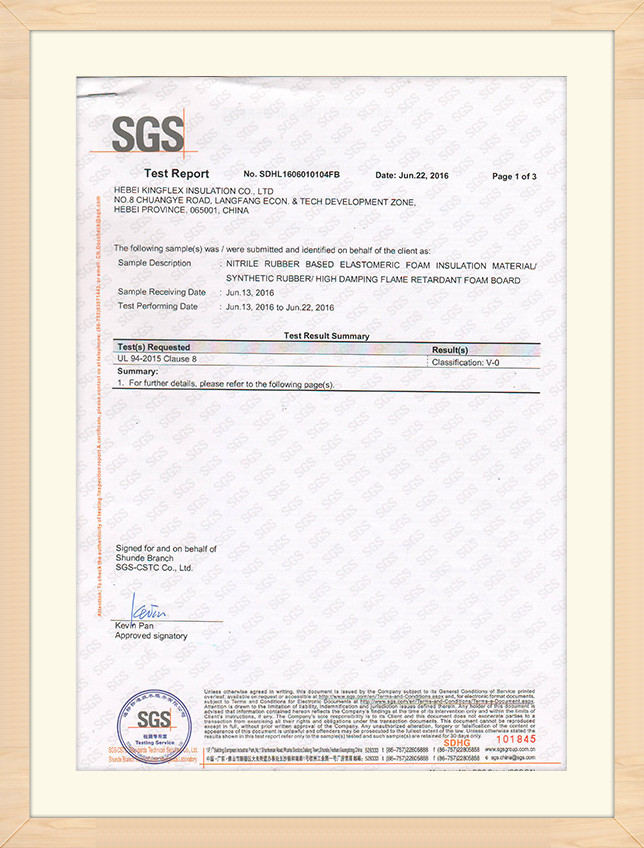
Our products comply with international fire and safety standards. Kingflex maintains a variety of industry-specific certifications, making it easy to secure local engineering and project approvals.
Traceability Guarantee: Every shipment of Kingflex insulation includes batch numbers for full tracking, from raw chemical compound production to project delivery.
Kingflex materials have passed BS 476, CE, REACH, RoHS, UL94, and ASTM certifications, verifying performance to international standards.
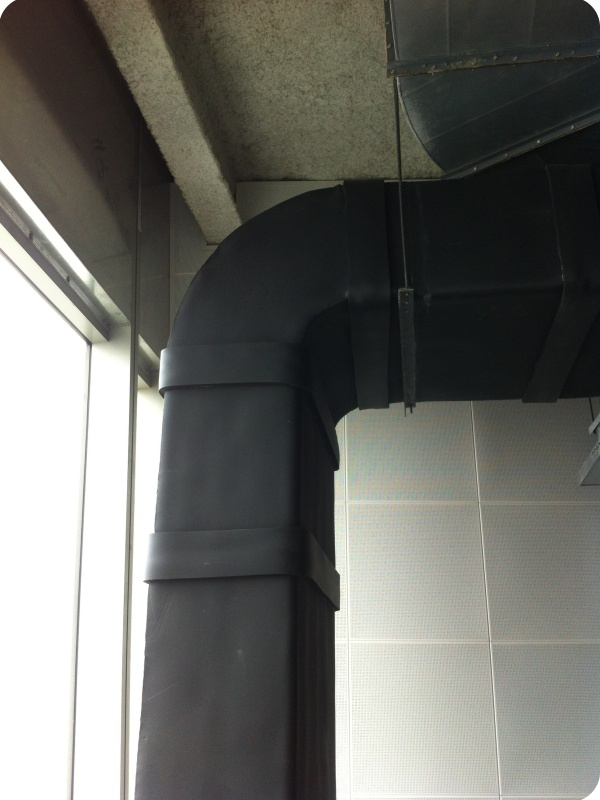
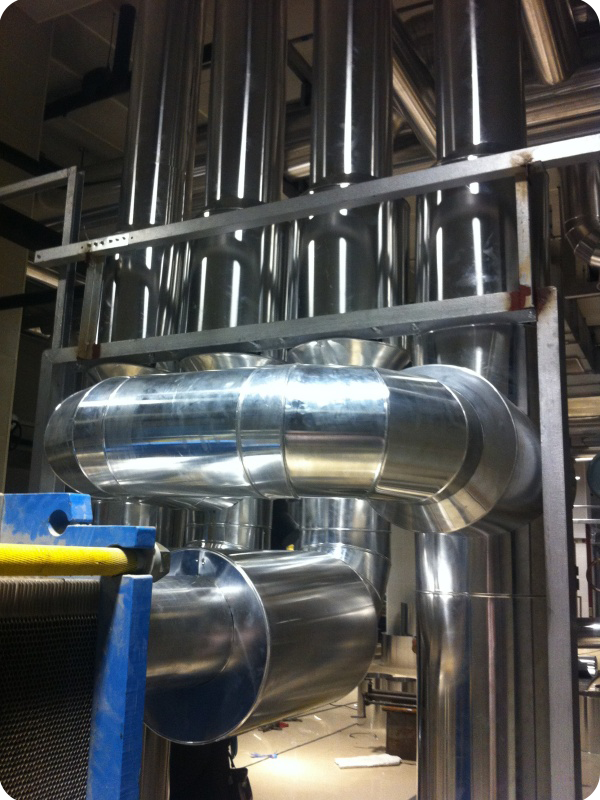
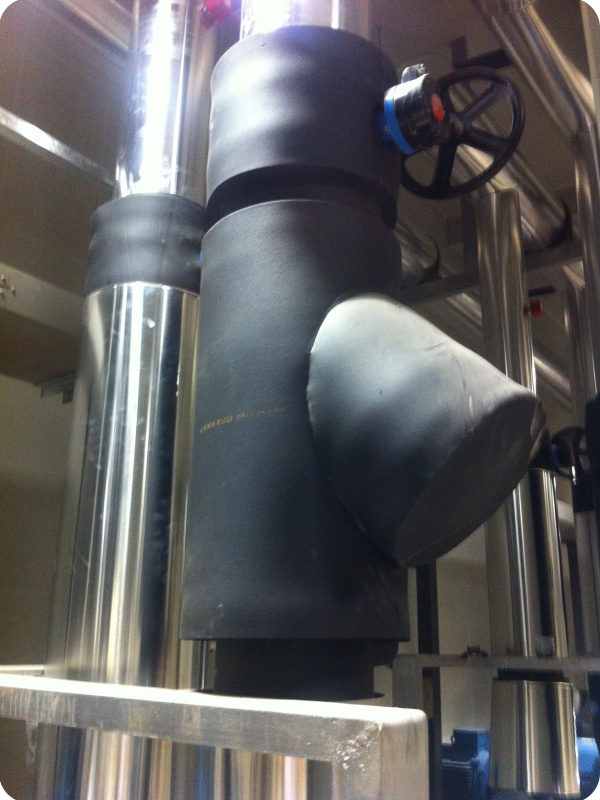
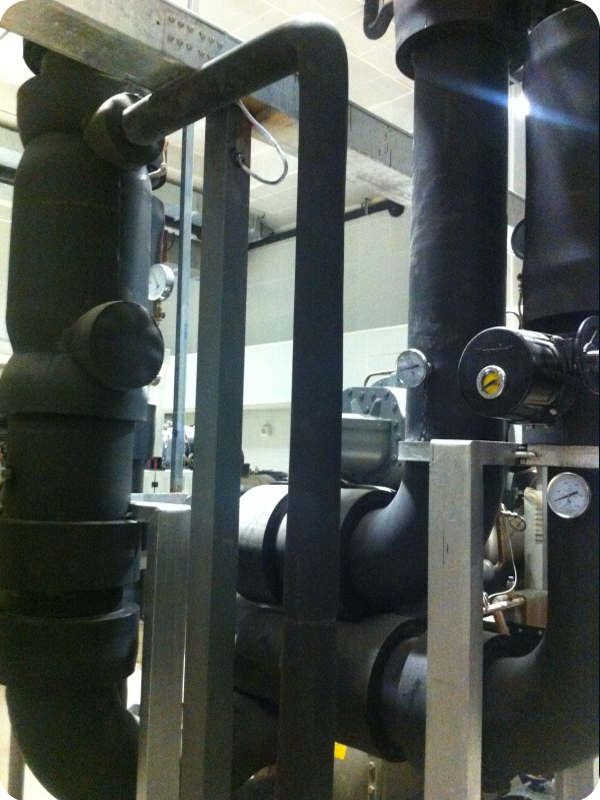
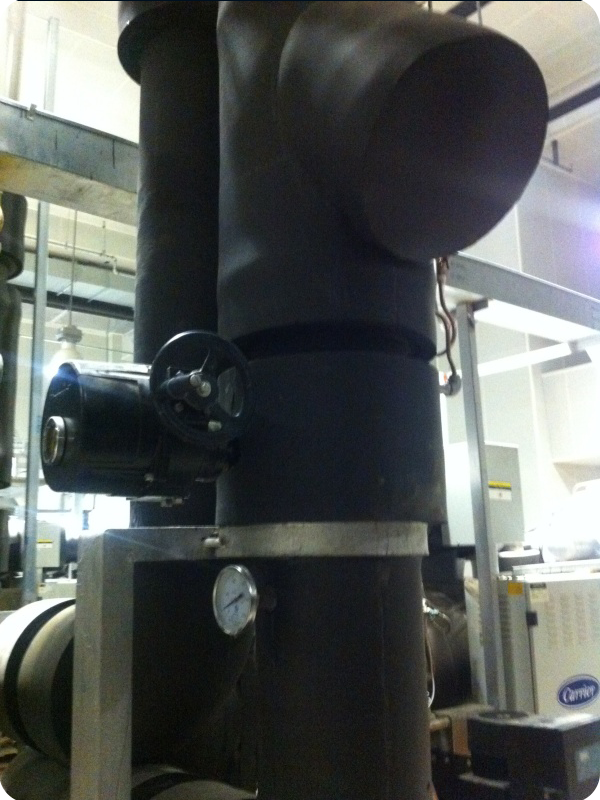
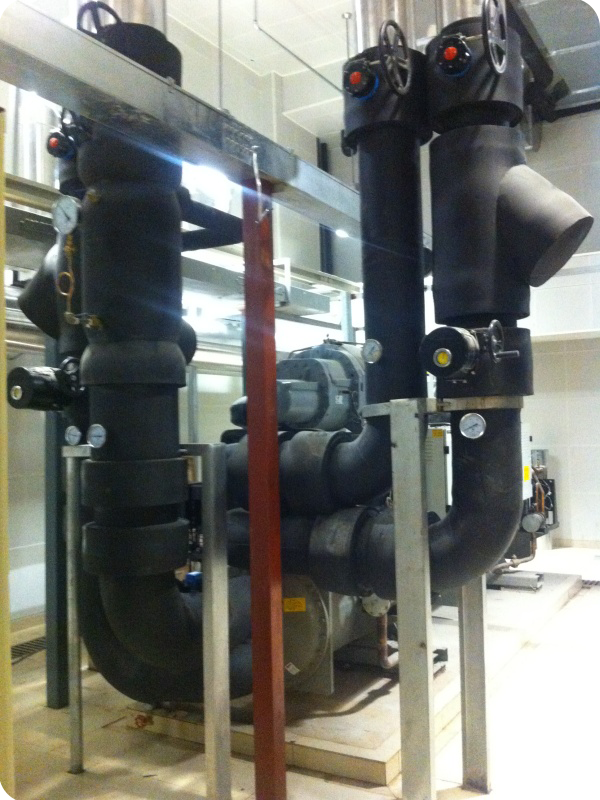
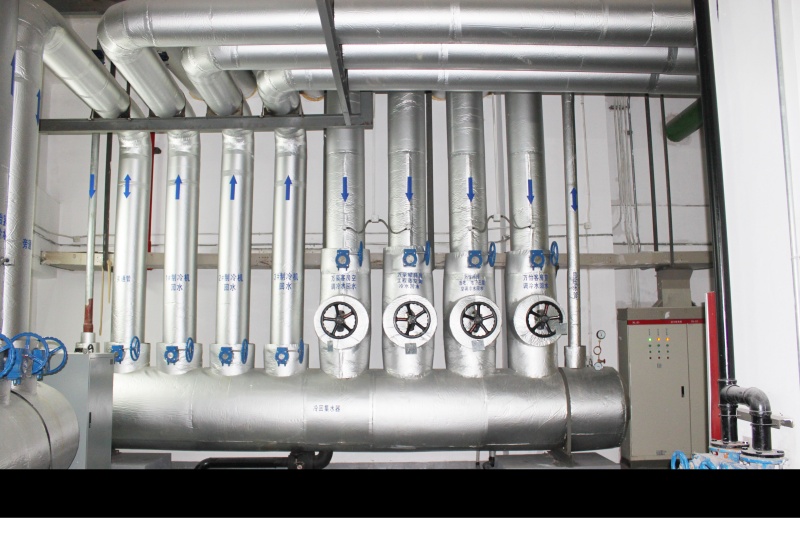
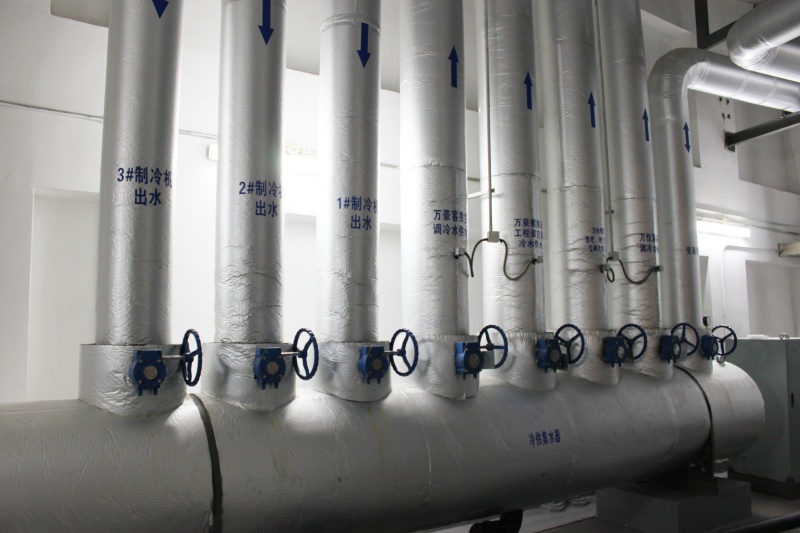
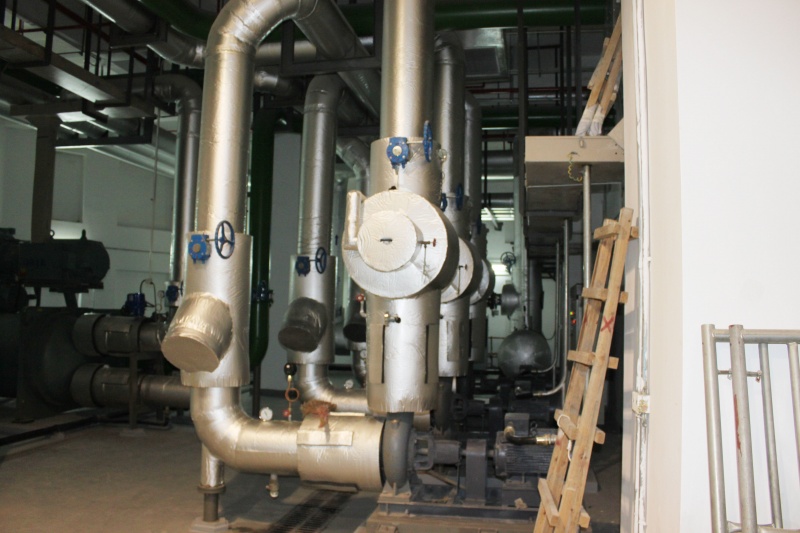
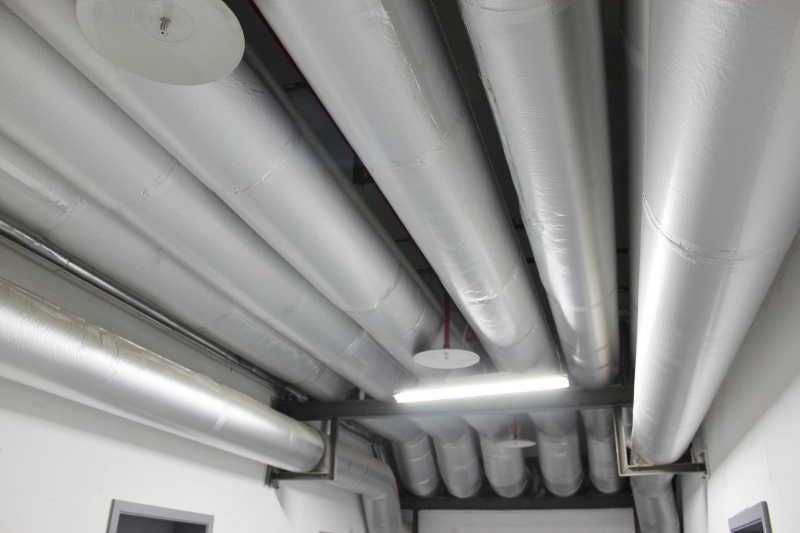
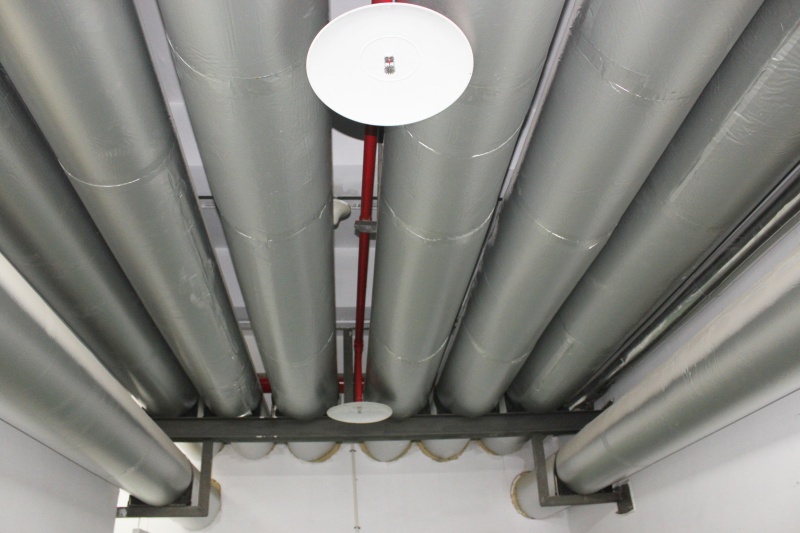
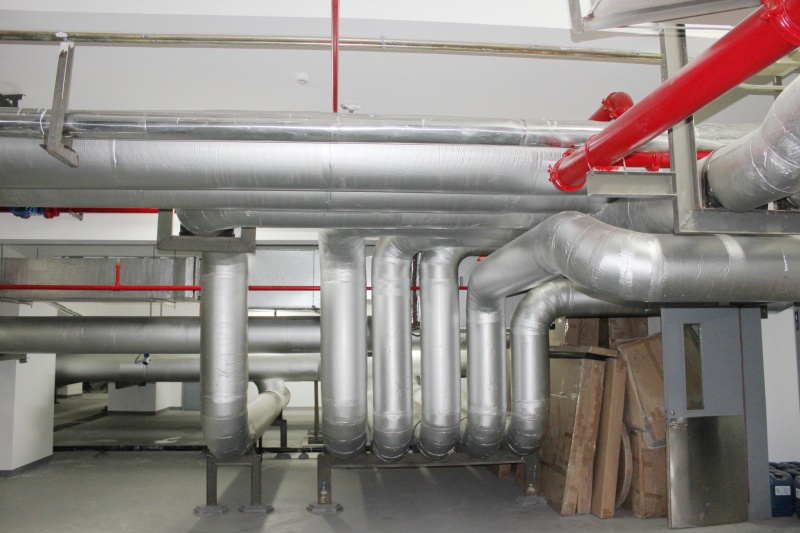
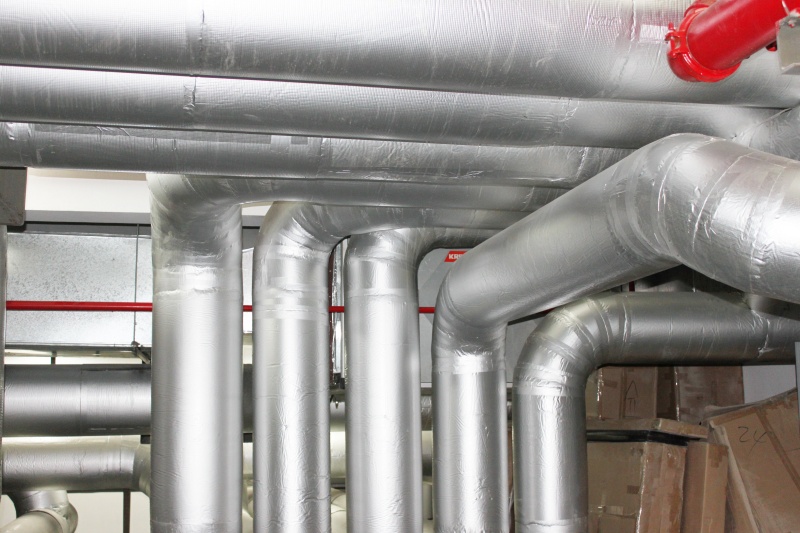
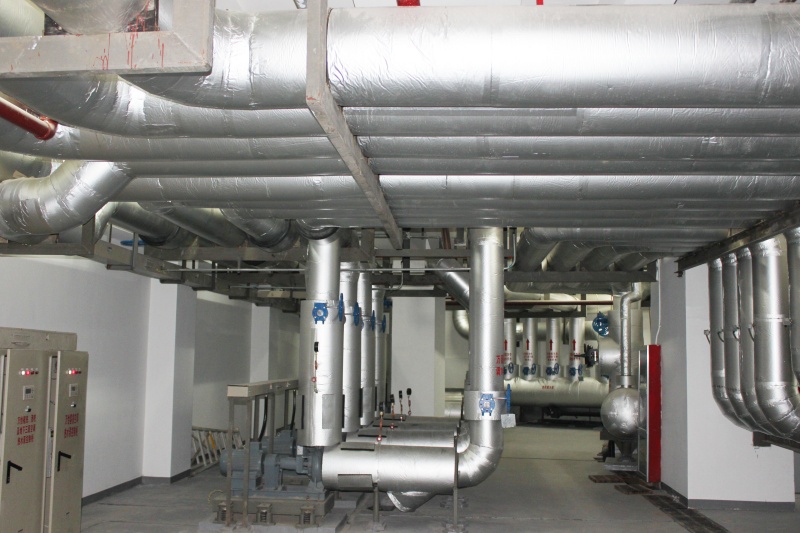
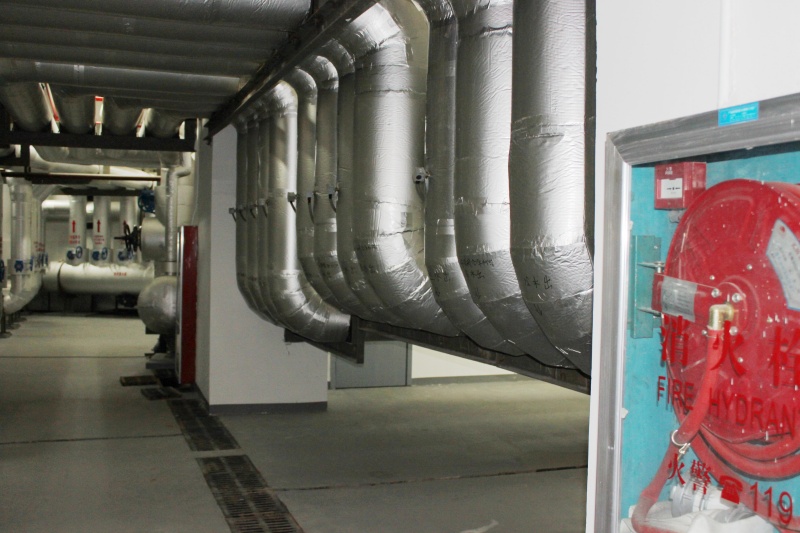
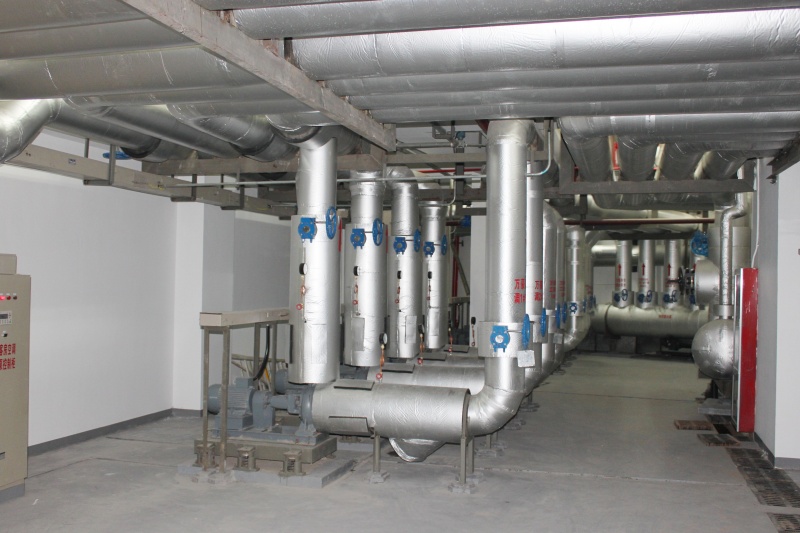
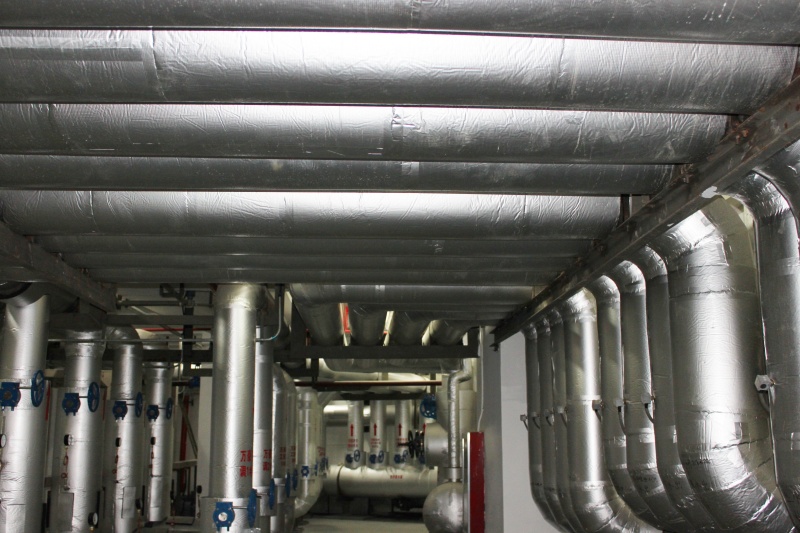
See how Kingflex systems perform in actual commercial HVAC, cryogenic installations, and industrial processing plants worldwide.
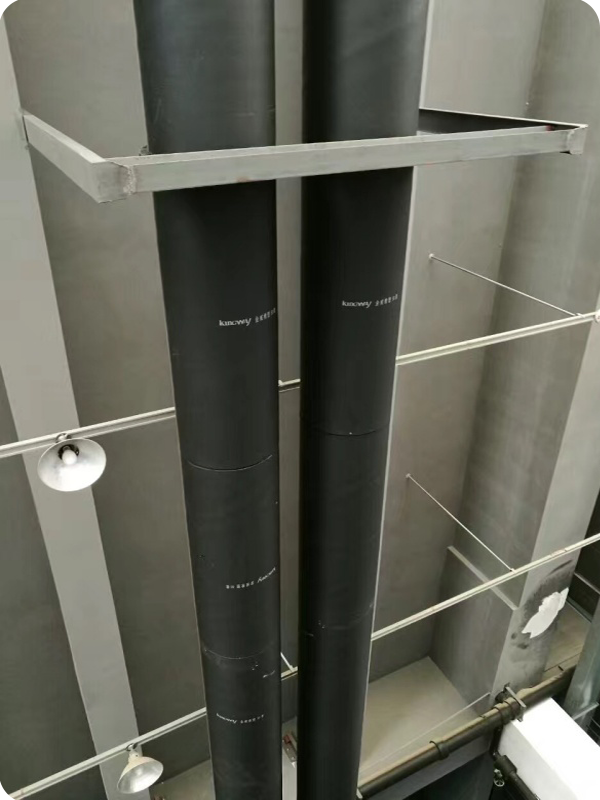
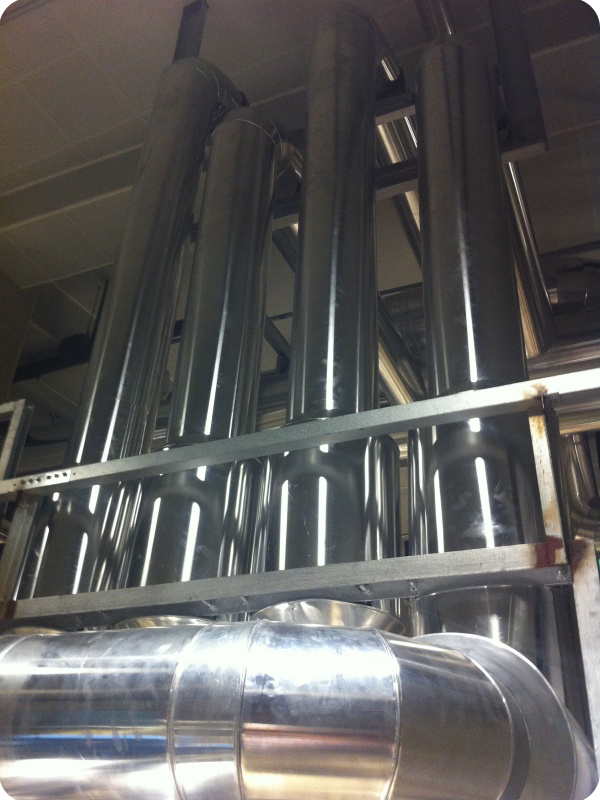

Order dispatch confirmation

Thickness compliance validation
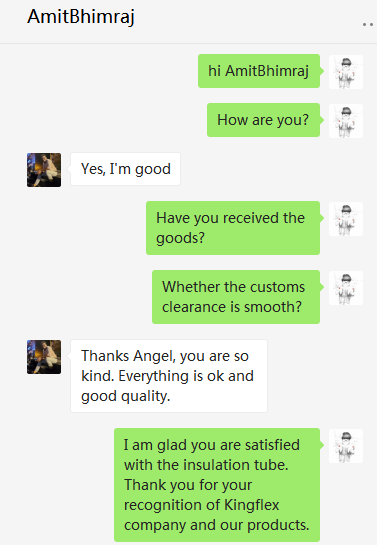
Logistics tracking update

Material standard review
Post-installation approval
How modern insulation materials address energy conservation demands, environmental regulations, and structural protection.
Industrial operations face increasingly strict carbon limits. Modern closed-cell insulation helps HVAC networks run more efficiently, reducing system load and direct energy usage.
When moisture gets trapped beneath insulation, it causes Corrosion Under Insulation (CUI). Kingflex's closed-cell structure keeps water out, protecting piping systems from rust and premature wear.
Our manufacturing process avoids ozone-depleting substances. We utilize clean blowing agents, making it easier for projects to achieve green building certifications like LEED.
An inside look at our 5 automated production lines and advanced material handling equipment.

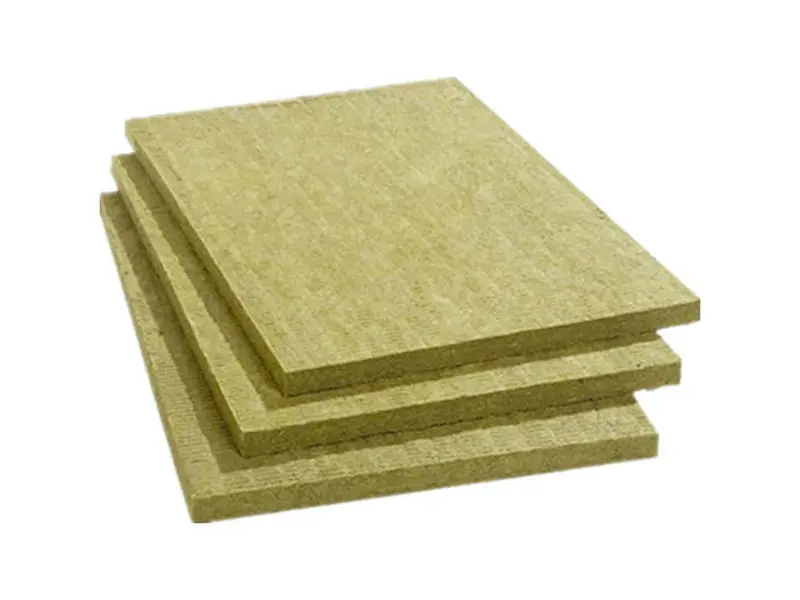
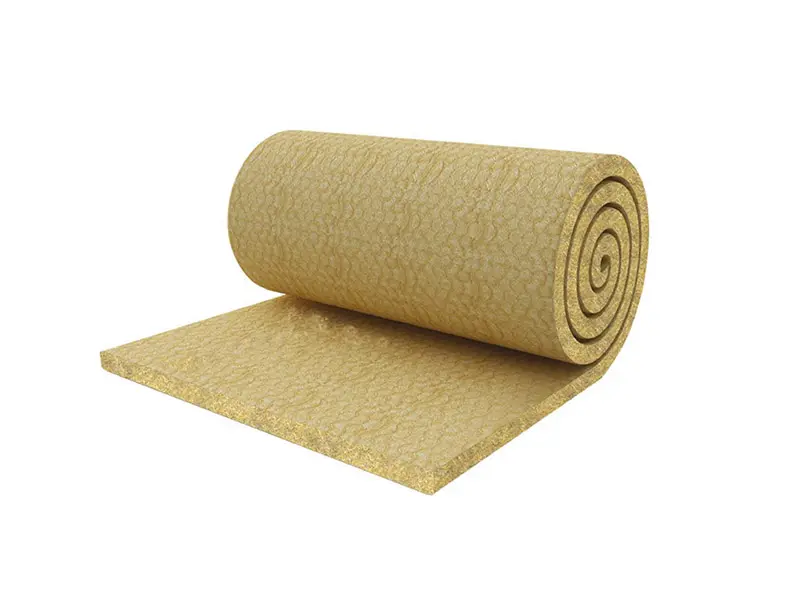
Review our specialized product range, including elastomeric tubes, sheets, and high-density rock wool materials.
Get answers to common technical and engineering questions about specifying elastomeric rubber foam insulation.
A look at the processes and team behind the production of Kingflex insulation materials.





Standard and specialized thermal barrier products ready for global shipment and bulk custom orders.