 Kingflex
Kingflex
Kingflex
Engineered to meet BS 476, Class 0/1 flame retardancy, and ultra-low thermal conductivity parameters.
Modern building services and heavy process industries are governed by a critical mandate: the minimization of parasitic energy losses while ensuring robust system integrity and environmental safety. Standard open-cell insulation materials have historically fallen short in applications where moisture ingress, condensation, and corrosion under insulation (CUI) pose structural and thermodynamic hazards. This engineering report provides a detailed overview of Nitrile Butadiene Rubber (NBR) and Polyvinyl Chloride (PVC) blended elastomeric closed-cell foam technology—a material configuration engineered to prevent thermal bridging and vapor transfer.
Extremely low thermal conductivity significantly reduces cooling losses in chilled water lines and HVAC/R duct systems, contributing to lower carbon emissions and energy consumption.
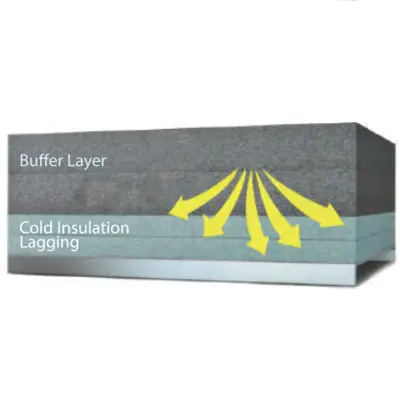
By shifting the dew point to the exterior surface of the high-resistance insulation jacket, the closed-cell matrix prevents moisture pooling and CUI on carbon steel and copper pipes.
The viscoelastic properties of blended NBR/PVC elastomer allow for substantial vibration isolation and acoustic insertion loss in fluid transportation lines.
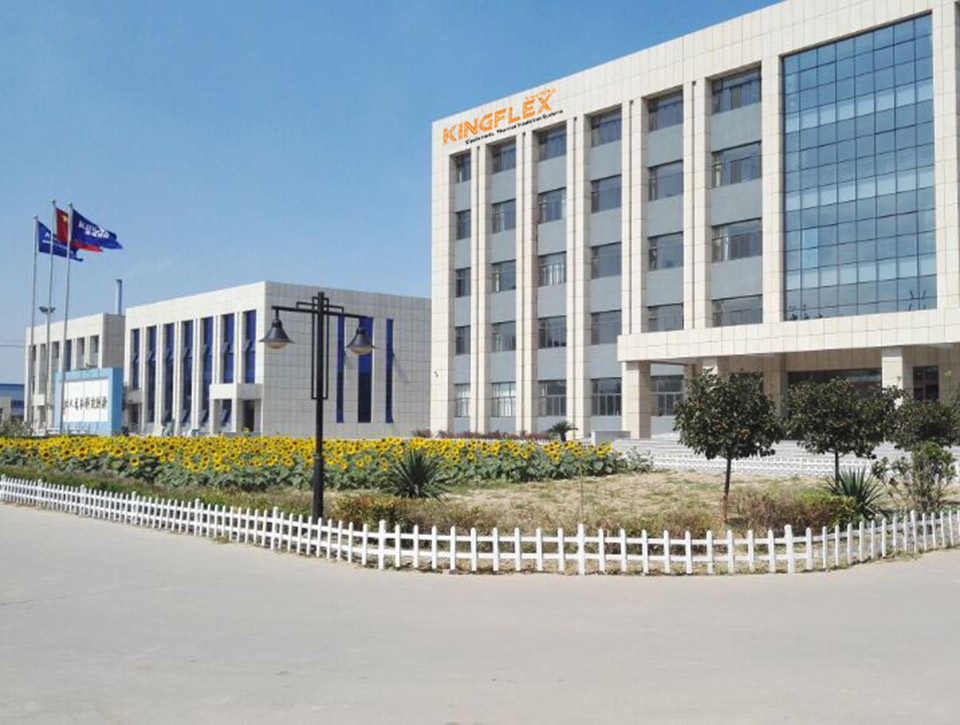
Kingflex Insulation Co., Ltd. is a professional manufacturing and trading combo for thermal insulation products. The Kingflex research, development, and production department is located in Dacheng, China—a hub for green-building materials. As an energy-saving and environmentally friendly enterprise, we integrate research, development, production, and sales. In operation, Kingflex prioritizes energy saving and consumption reduction. We provide comprehensive insulation solutions, including consulting, R&D, production, installation guidance, and post-sale services, supporting the growth of the global building materials industry.
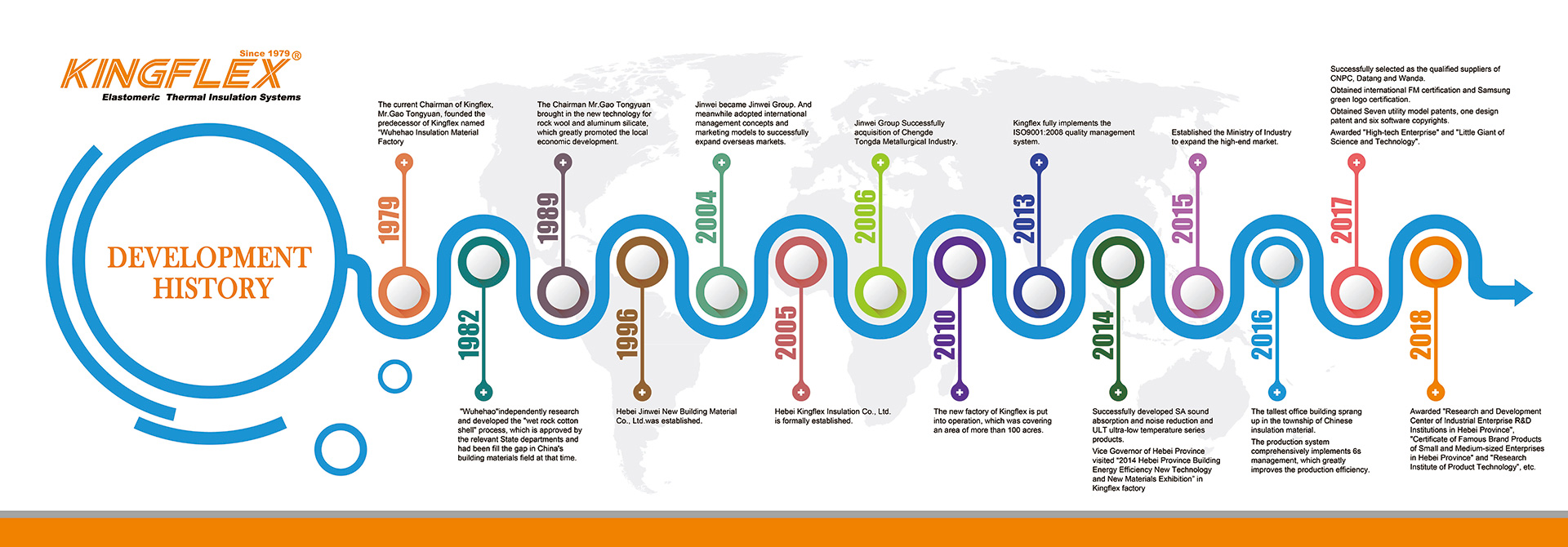
Kingflex was established by the Jinwei Group (also known as Kingway Group), which has a history of more than 40 years. Established in 1979, the group was the first manufacturer of thermal insulation materials north of the Yangtze River. Decades of technical refinement and industrial scaling have positioned Kingflex as a provider of advanced thermal control technology globally.
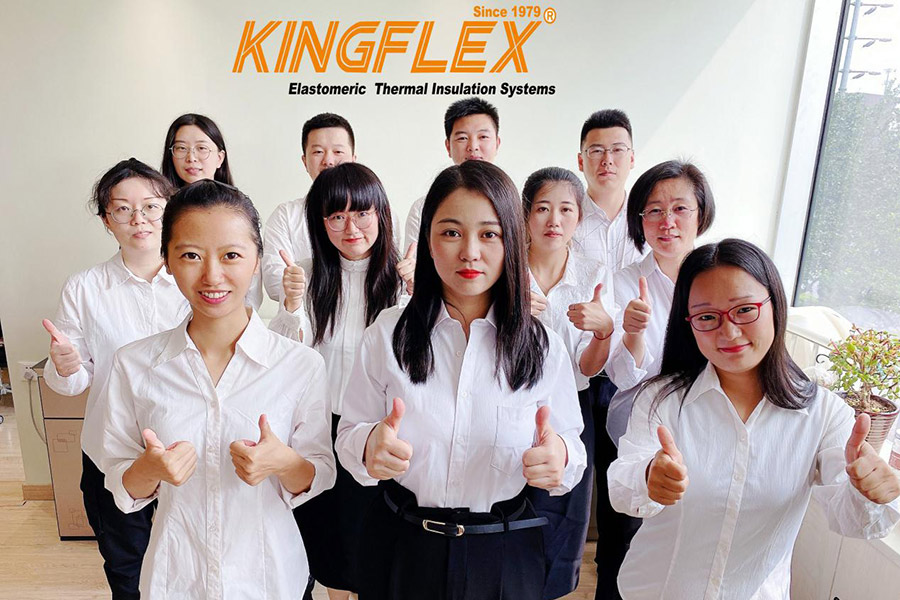
Our employees are central to Kingflex's collaborative work culture. The Kingflex team is a closely-knit group focused on delivering consistent, high-quality service. Our structure includes eight professional engineers in the R&D Department, six international sales managers, and 230 skilled production workers operating our automated lines.
Kingflex operates five automated assembly lines, achieving an annual production capacity exceeding 600,000 cubic meters. Designated as a key production enterprise by energy and chemical industrial authorities, our facility uses computer-controlled dosing, continuous vulcanization, and inline quality monitors to ensure stable density profiles and thermal performance.
Our R&D team works to refine polymer blends, improving cellular density control and smoke suppression properties. Regular tests for thermal conductivity, water vapor transmission, and aging are performed to confirm that each batch complies with global standards.

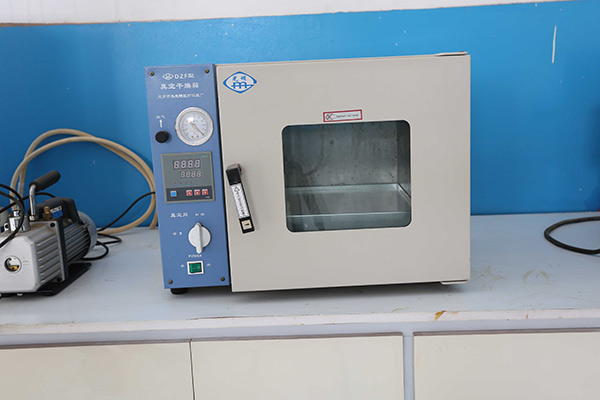
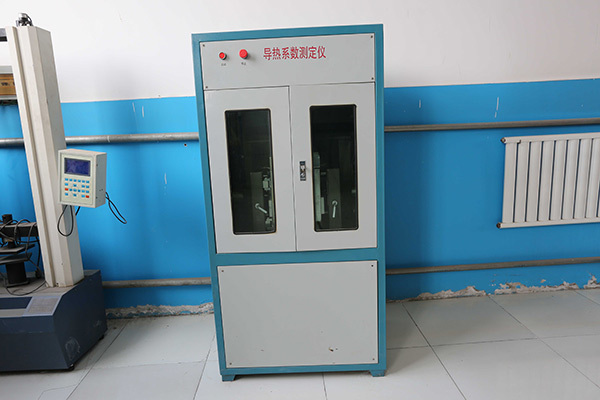
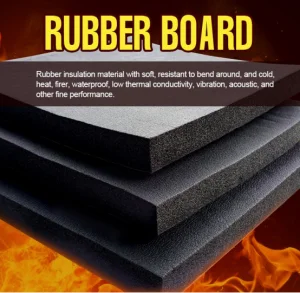
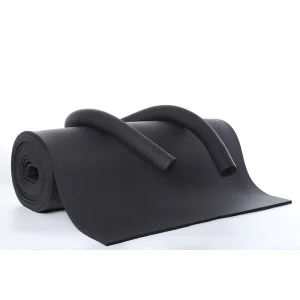
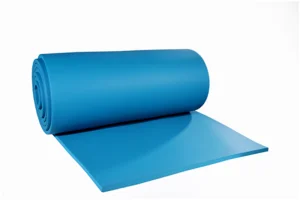
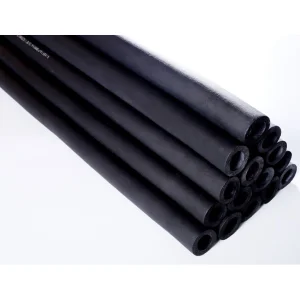
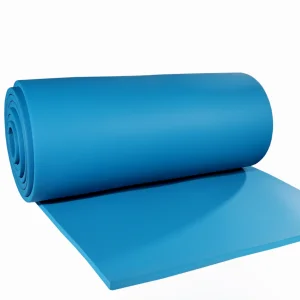
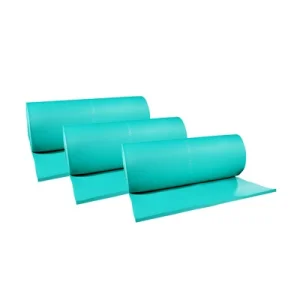
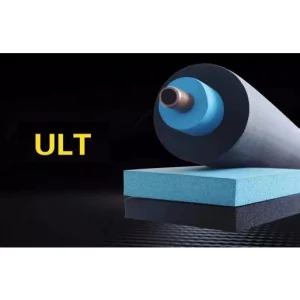
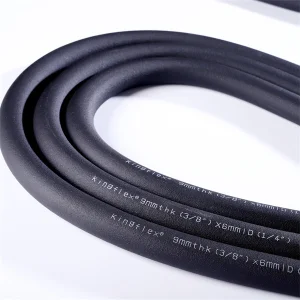
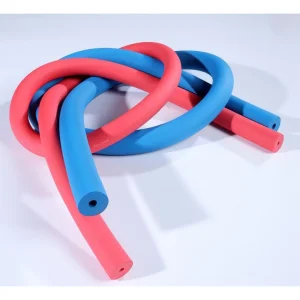
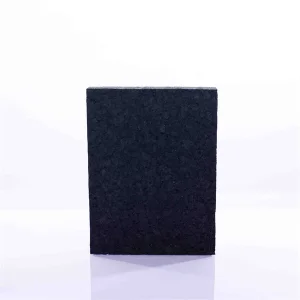
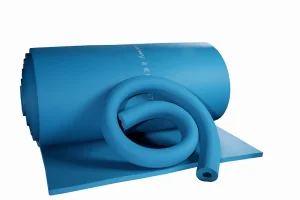
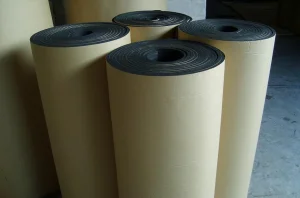
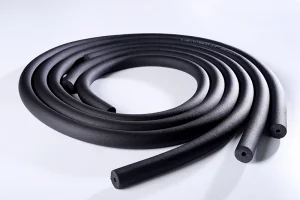
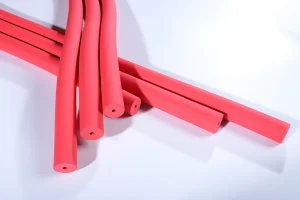
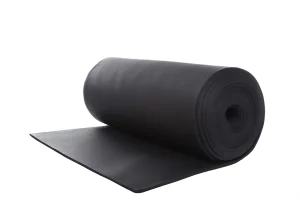
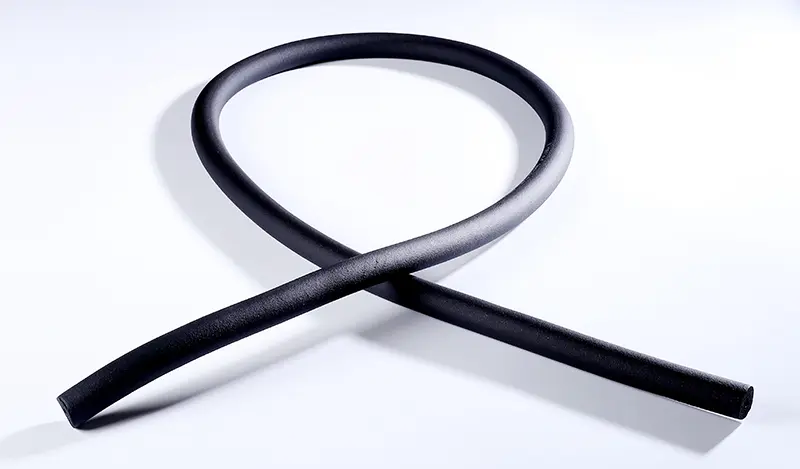
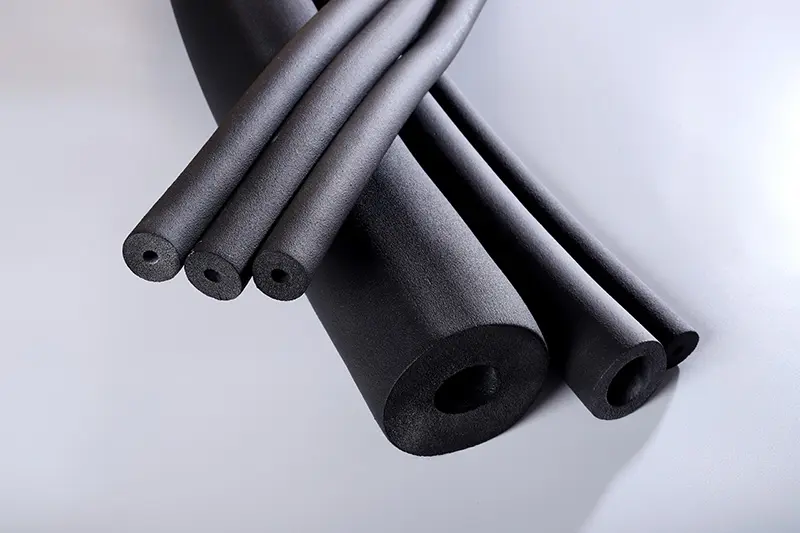
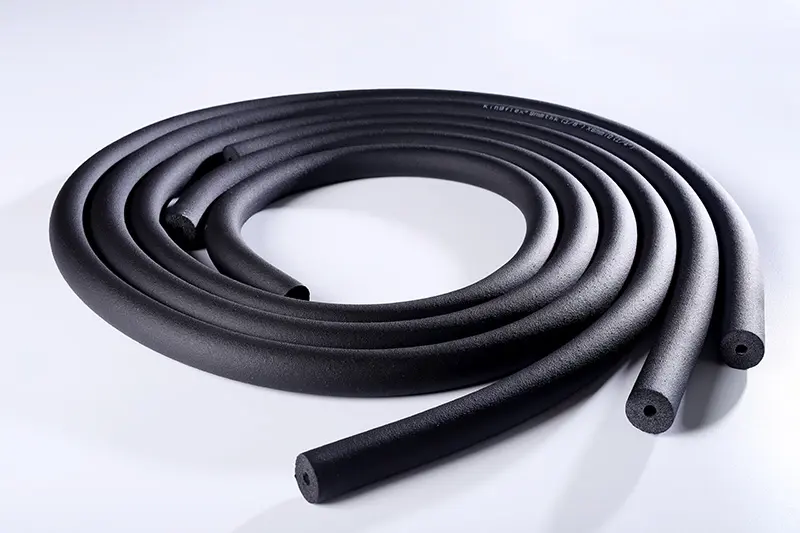
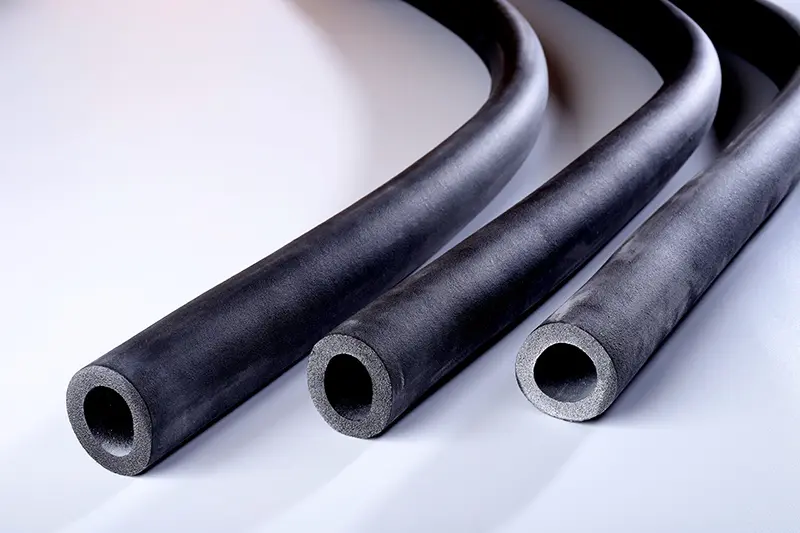
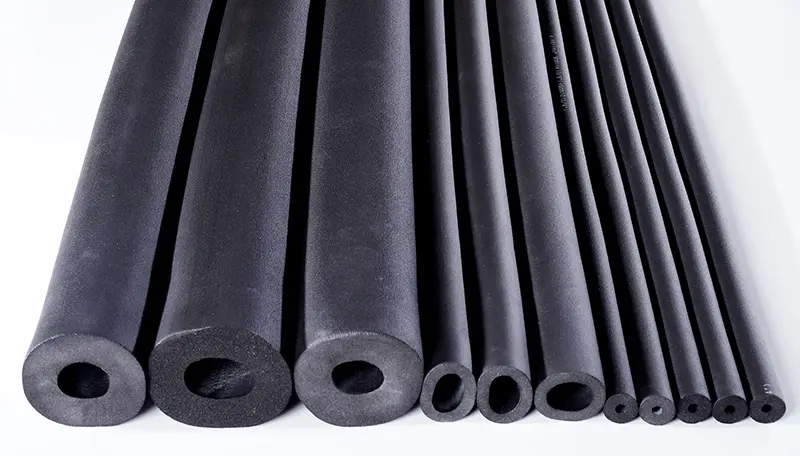
Engineering details for Kingflex NBR/PVC elastomeric foam sheets, rolls, and pre-formed tubes.
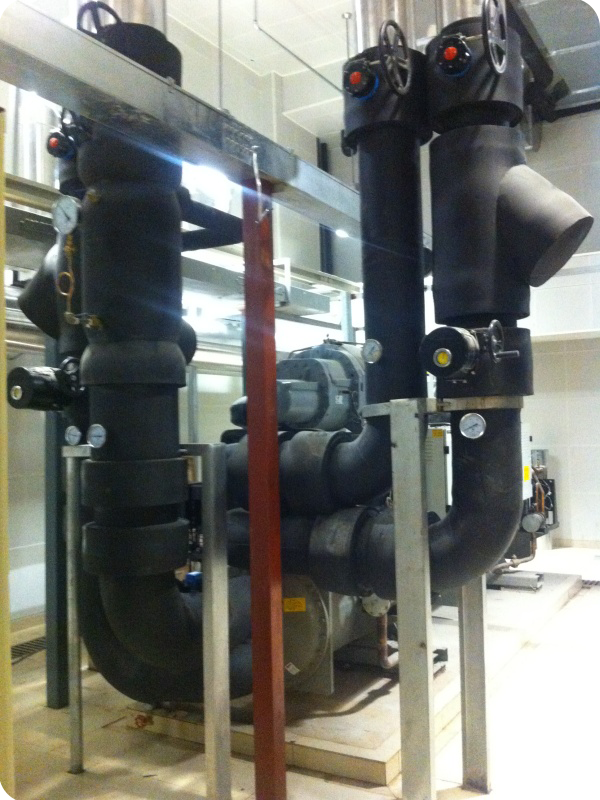
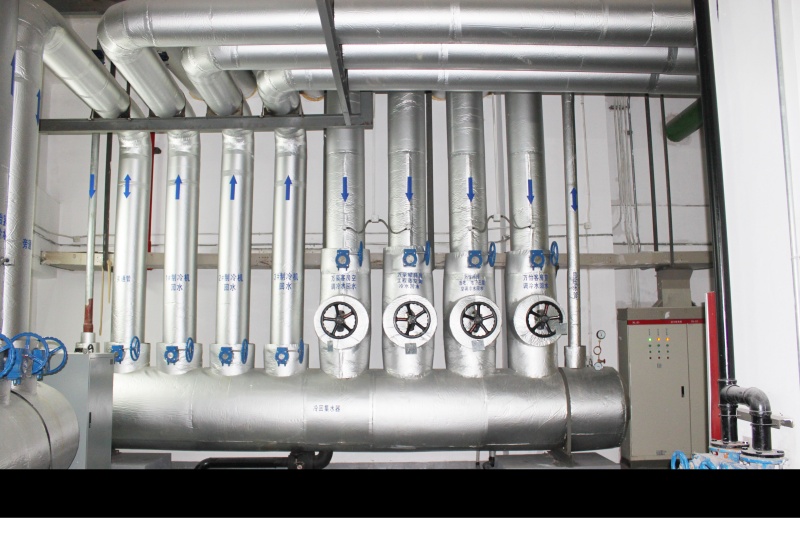
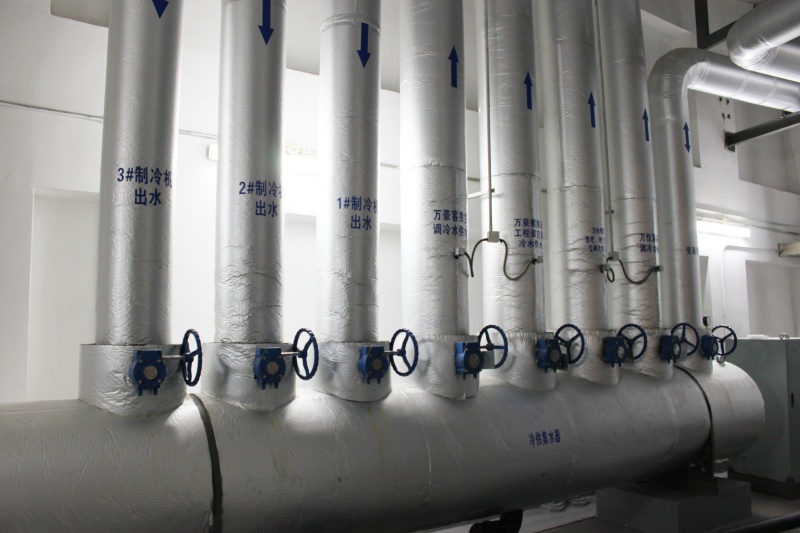
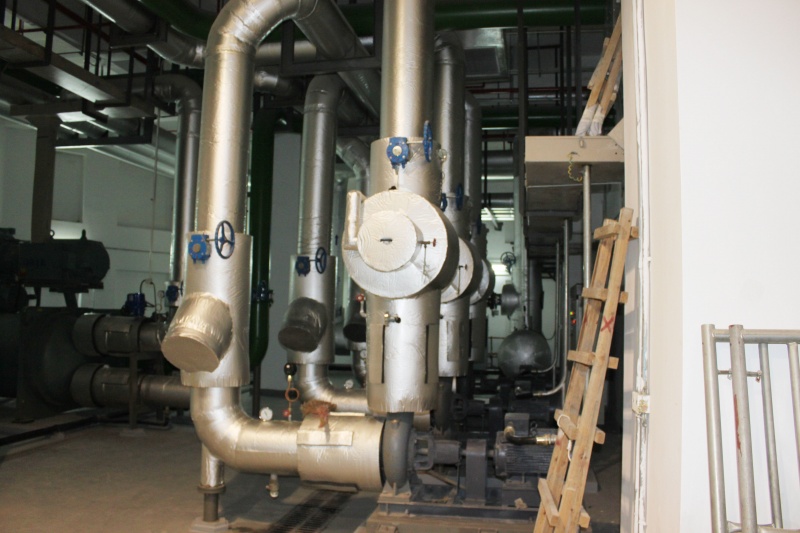
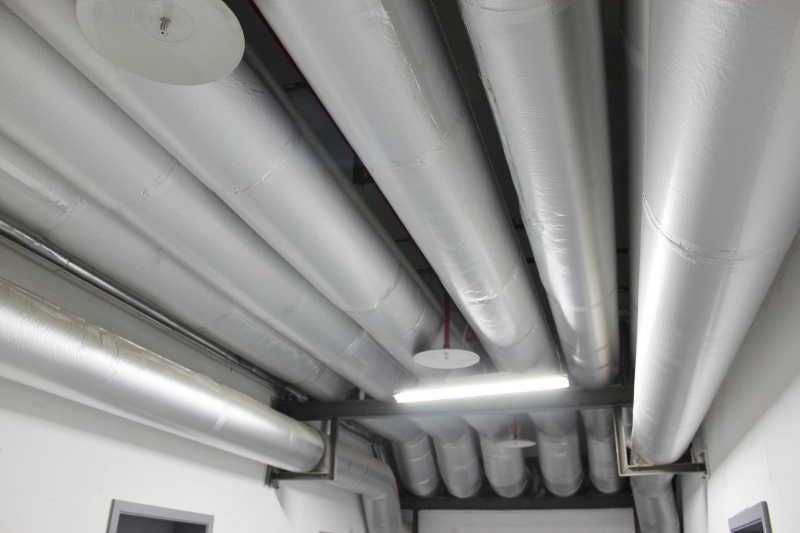
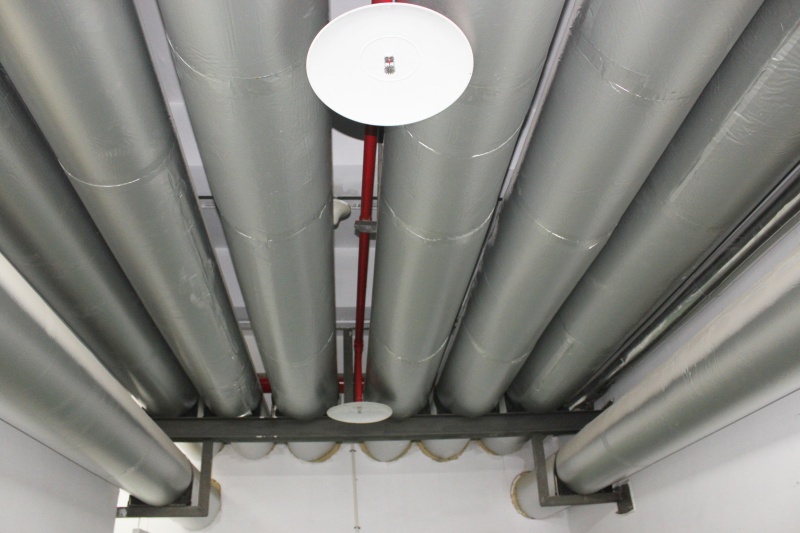
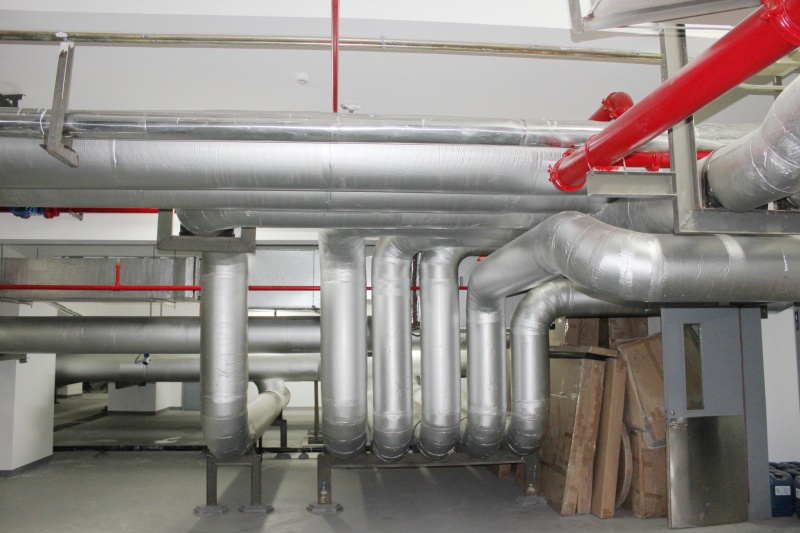
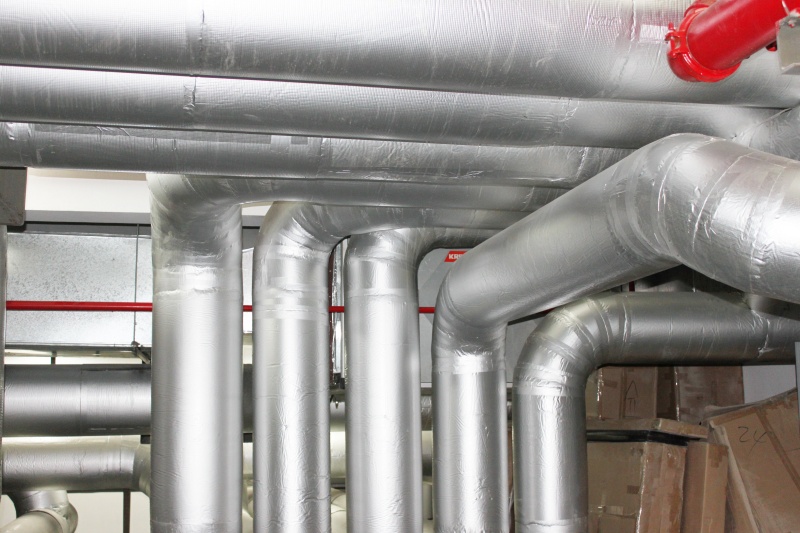
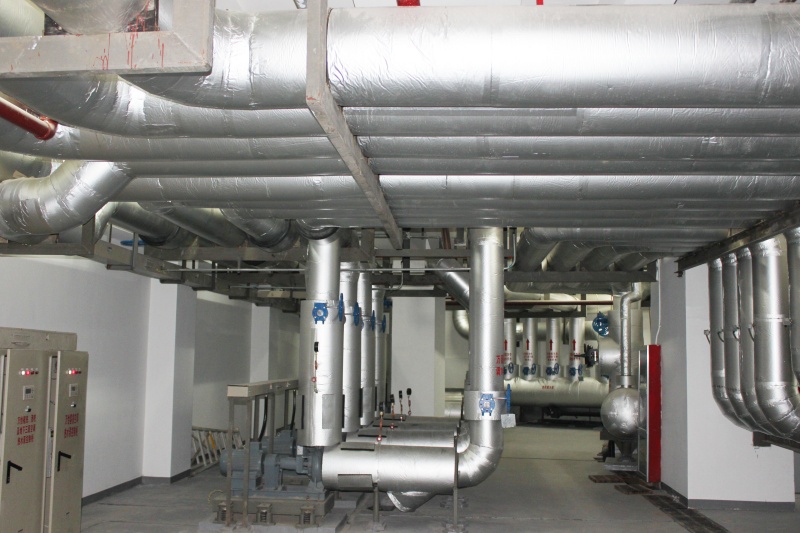
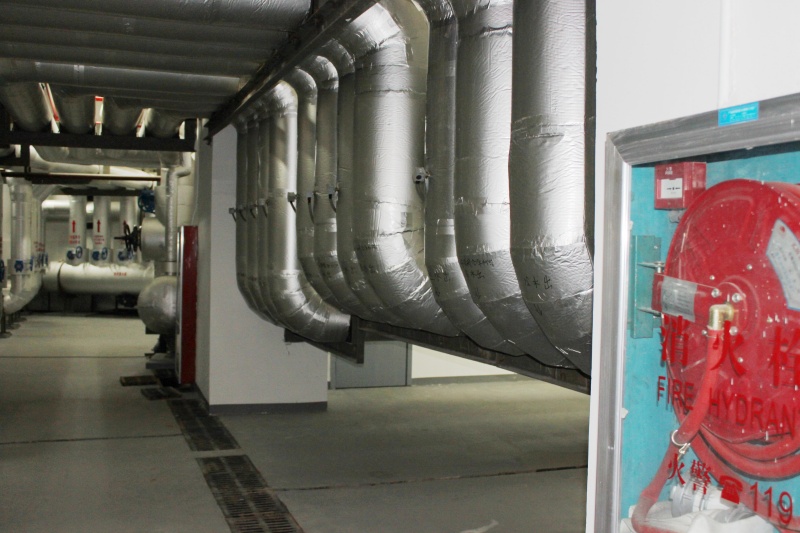
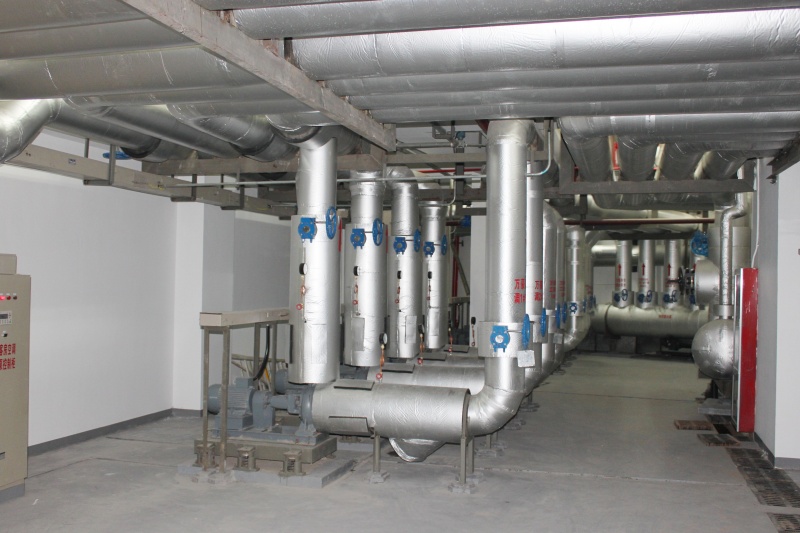
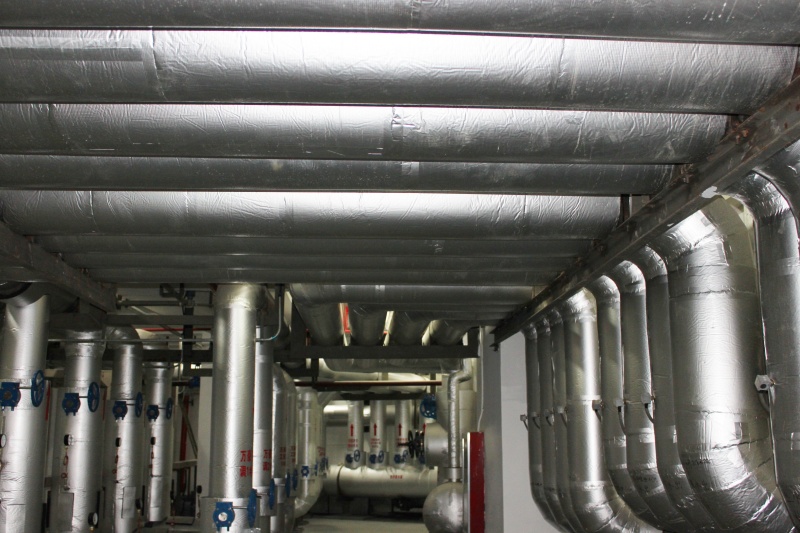
Commonly used in large commercial HVAC systems, chilled water networks, industrial process piping, high-traffic institutional buildings, cryogenic facilities, marine vessels, and data center temperature control systems.
| Insulation Material | Thermal Conductivity (λ) at 0°C | Vapor Resistance (μ-value) | Temperature Range | Primary Application |
|---|---|---|---|---|
| Kingflex Elastomeric NBR/PVC | ≤ 0.034 W/m·K | ≥ 10,000 | -40°C to +105°C | HVAC, Chilled Lines, Acoustic Control, Cryogenics |
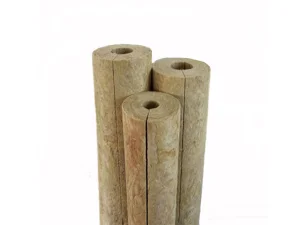
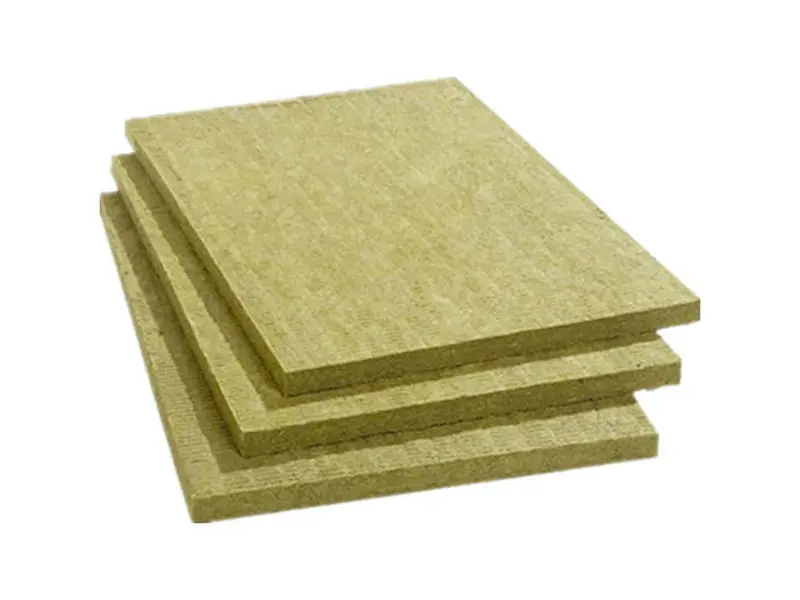
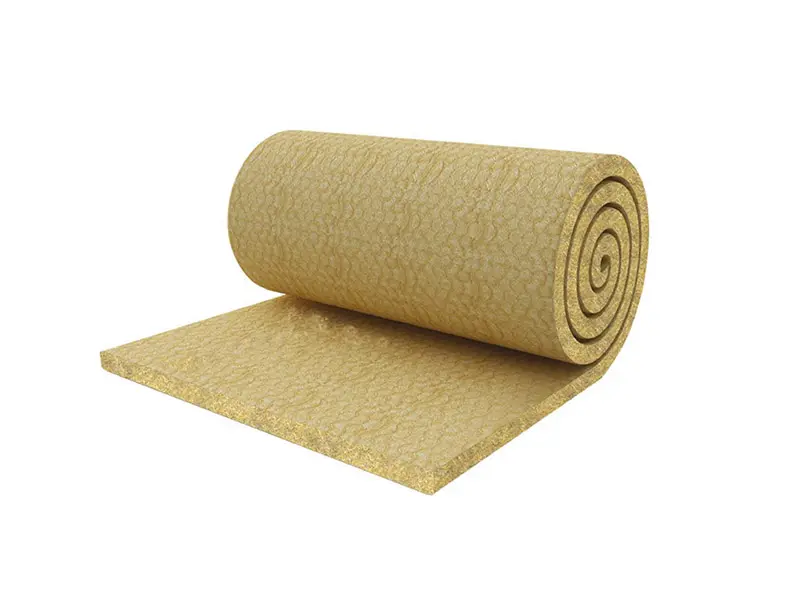
| Rock Wool Insulation | ≤ 0.040 W/m·K | 1 (Requires Vapor Barrier) | Up to +650°C | High-temp Steam Pipes, Firewalls, Furnaces |
| Polyethylene (PE) Foam | ≤ 0.038 W/m·K | ≥ 3,500 | -80°C to +90°C | Residential plumbing, domestic hot water lines |
As green building standards like LEED and BREEAM expand globally, the thermal insulation sector is moving toward stricter environmental criteria. Kingflex is currently directing R&D resources into the development of bio-based NBR matrices, reducing dependency on fossil-based raw materials without losing the elastomeric properties of the foam.
A primary objective is the production of halogen-free elastomeric foams. Standard fire retardants often rely on halogenated compounds that release acid gases during thermal degradation. Our research focuses on using organic phosphorus and mineral-based synergistic agents. These additives promote the formation of a stable char barrier, lowering smoke density and toxicity indices to meet strict transport and public building regulations (such as EN 45545 for railway transit).
Transporting liquefied natural gas at -162°C requires robust cryogenic insulation. Traditional elastomeric foams can experience thermal stress cracking at these temperatures. Kingflex develops specialized flexible insulation systems for ultra-low temperature piping, maintaining elasticity through thermal contraction cycles.
Modern data centers use large liquid cooling loops and chilled water distribution systems. Any condensation can threaten electronic components. Our Class 0 elastomeric pipe insulation provides condensation control and high thermal efficiency, helping to reduce Power Usage Effectiveness (PUE) metrics.
Offshore marine environments subject piping to salt spray, moisture, and mechanical wear. Our NBR/PVC insulation resists saltwater, ozone, and UV exposure. Combined with mechanical jackets, it protects stainless and carbon steel pipes from corrosion under insulation (CUI).
Kingflex products conform to key global standards, facilitating integration into international building and industrial projects.
Class 0 and Class 1 propagation ratings, confirming fire performance for high-occupancy commercial projects.
Meets flammability standards for elastomeric materials and physical property requirements for preformed sheet and tube insulation.
Free from prohibited polybrominated biphenyls and heavy metals, supporting environmental and occupational health safety.
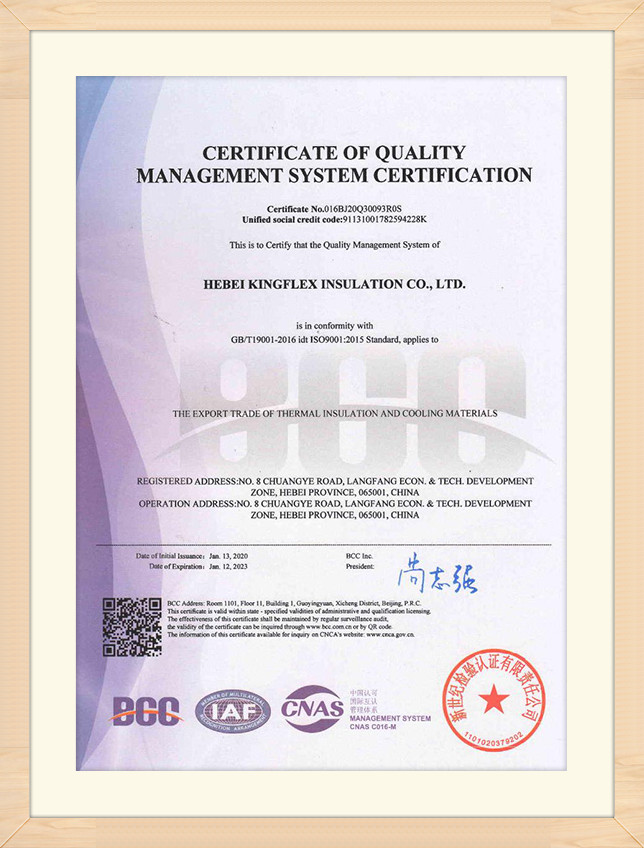
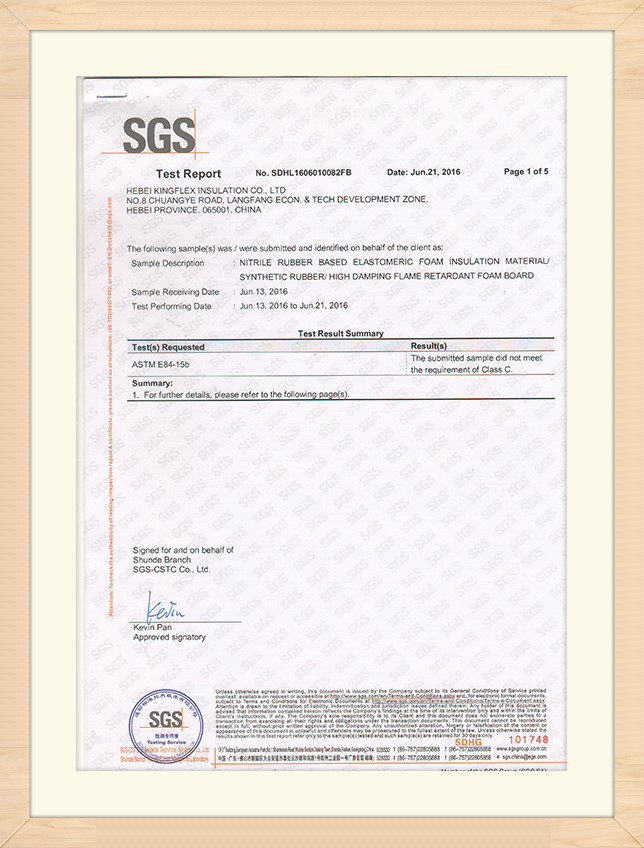
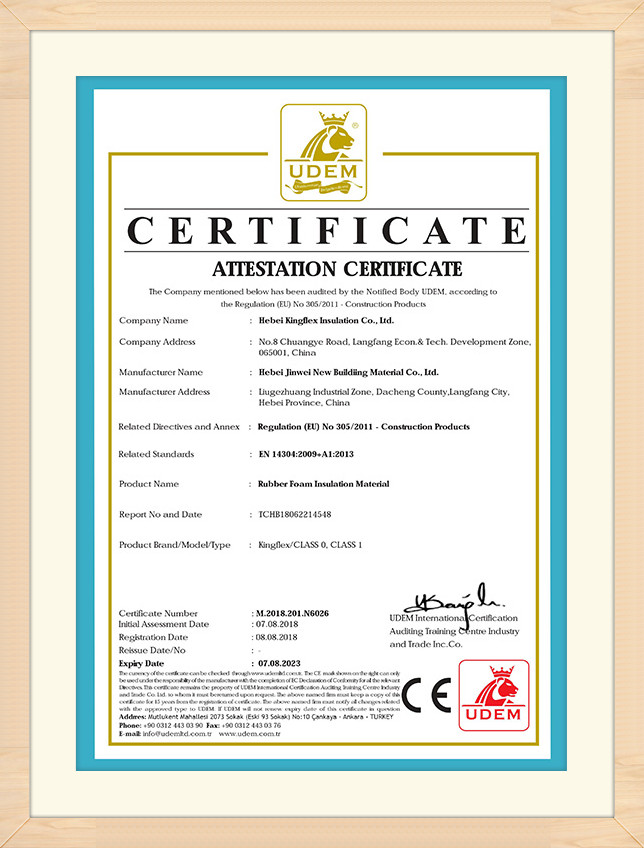
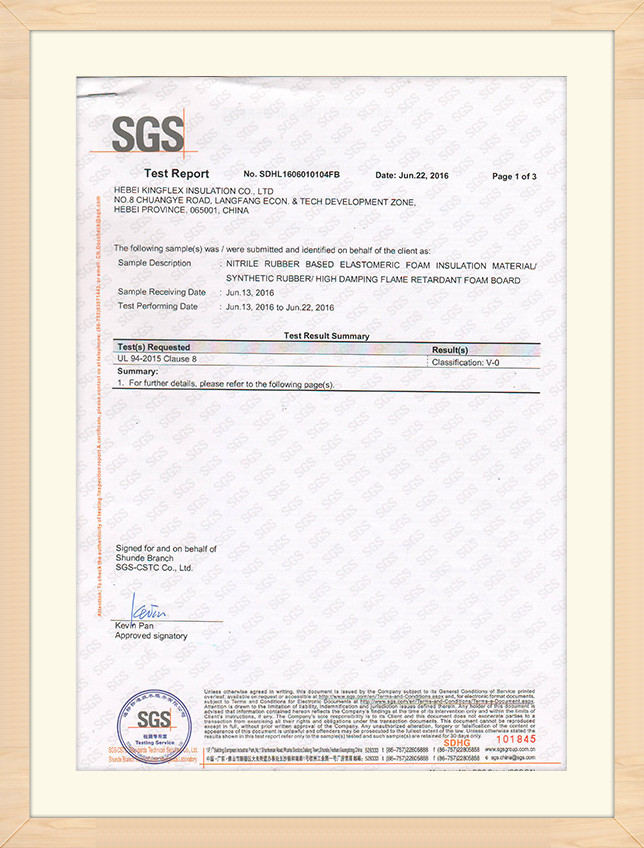
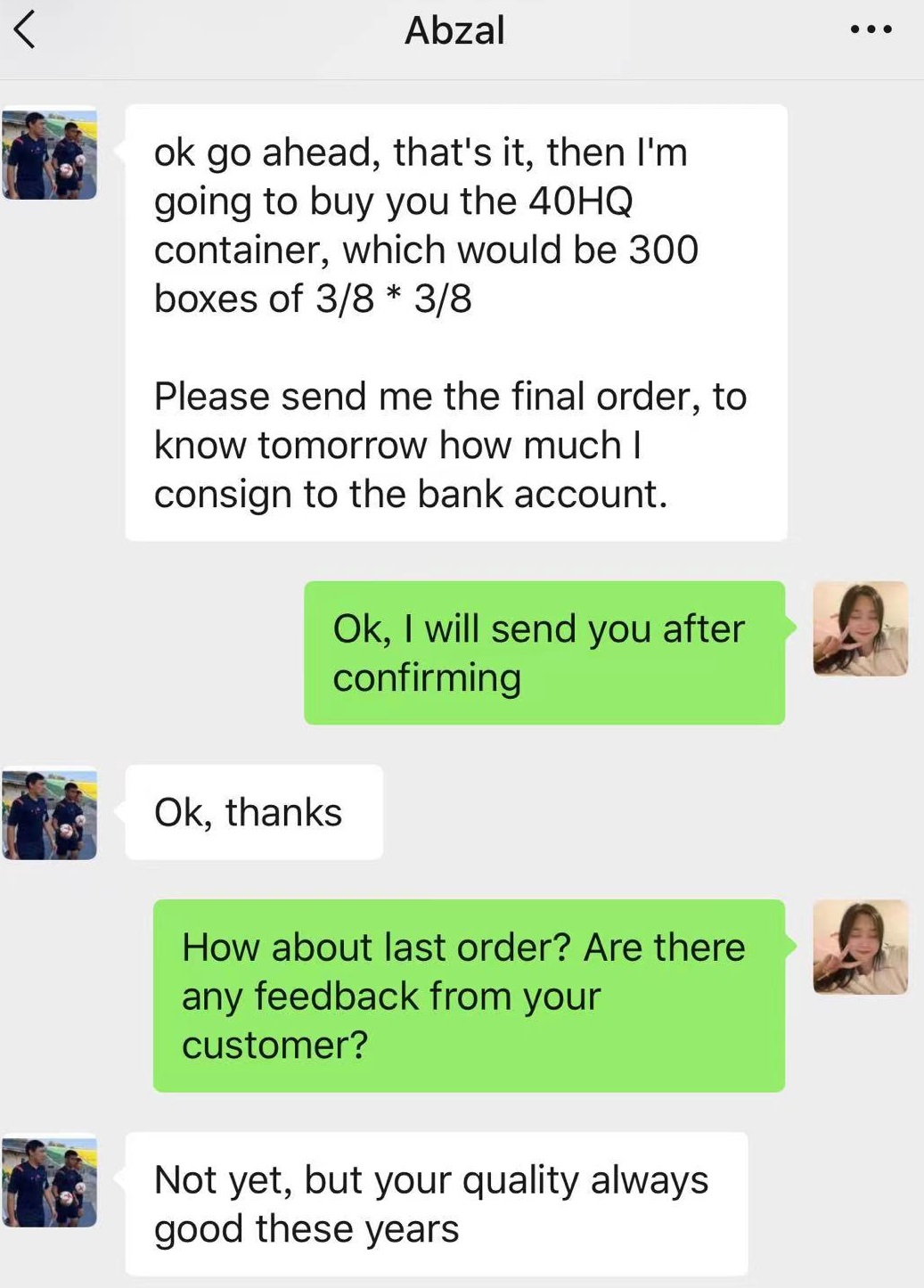
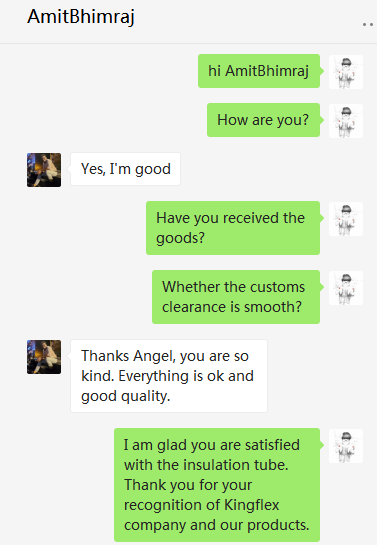
Kingflex exports to 66 countries. We maintain product traceability from raw materials to final shipment, helping to ensure consistent quality for international projects.


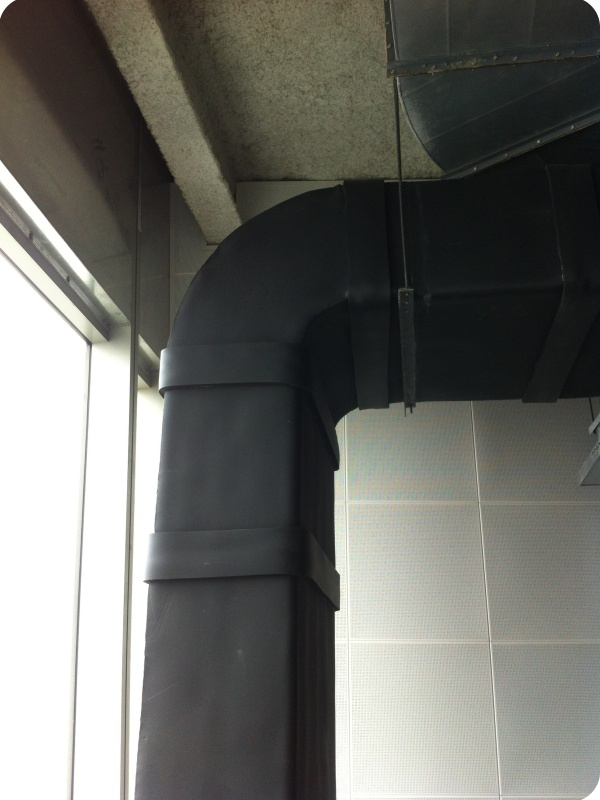
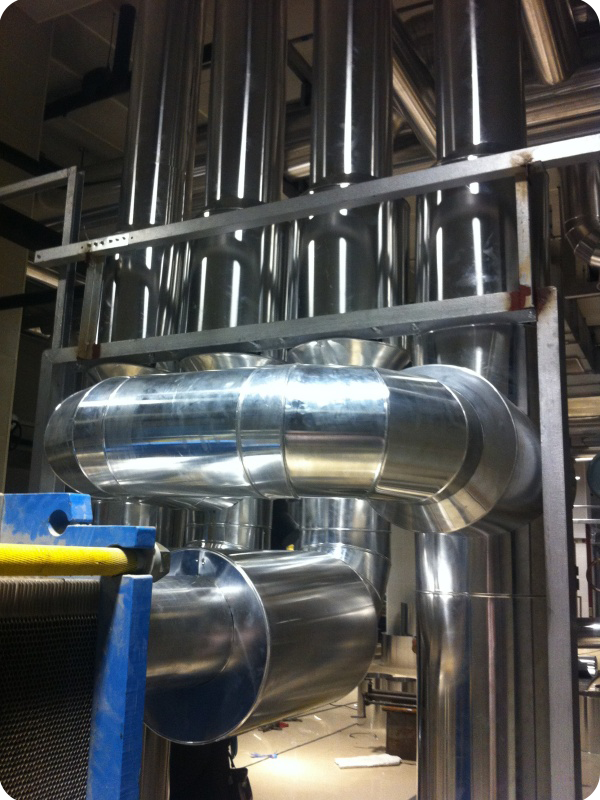
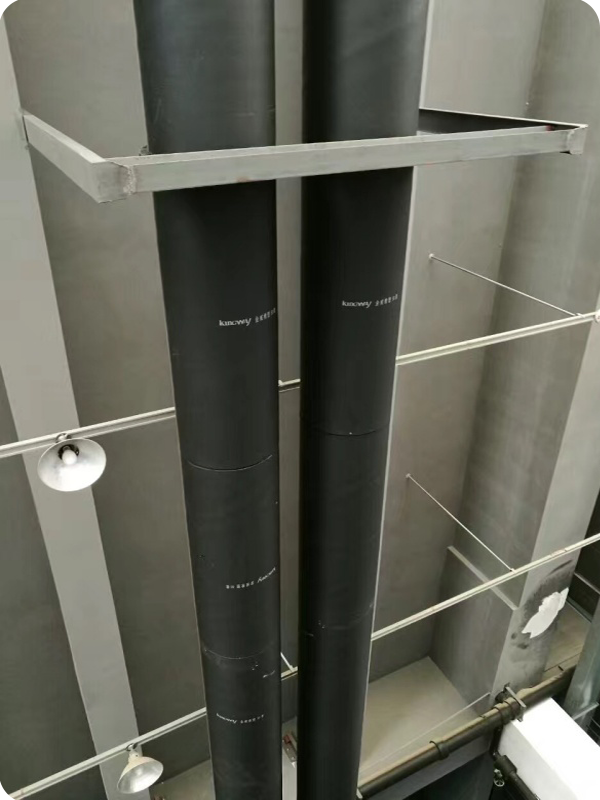
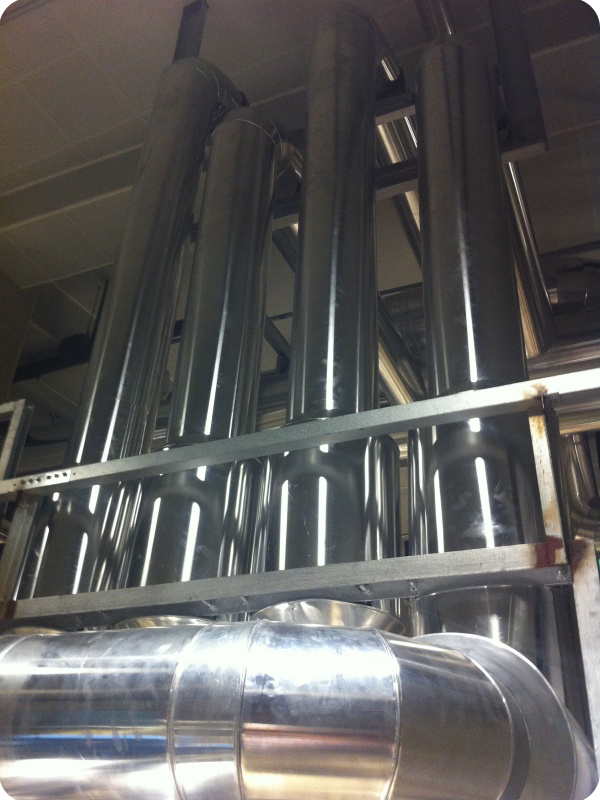
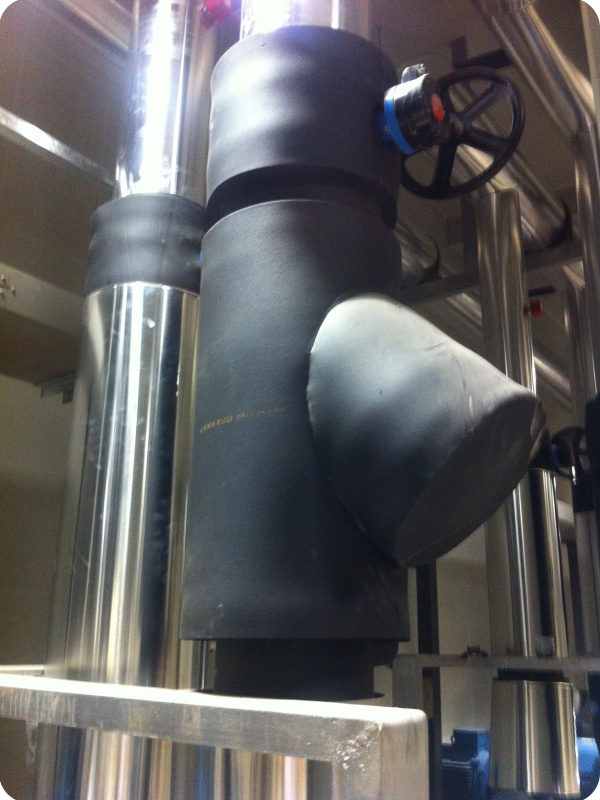
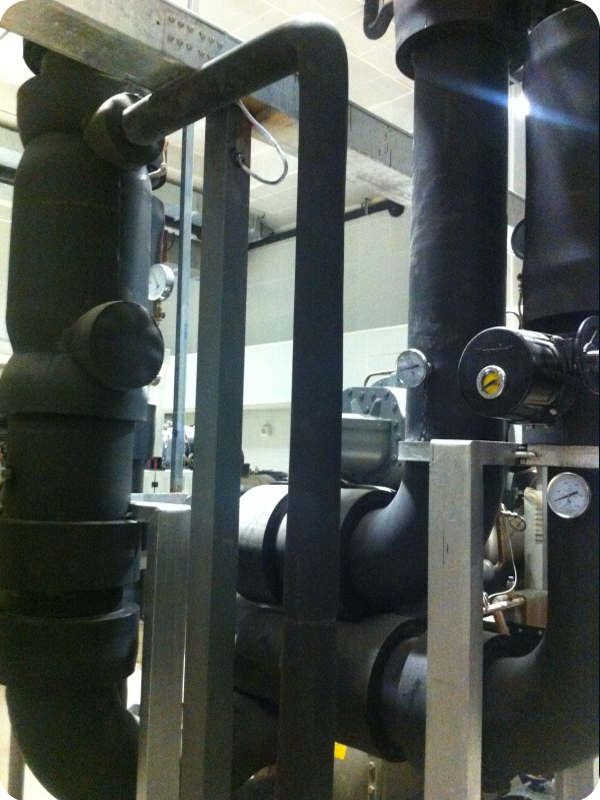
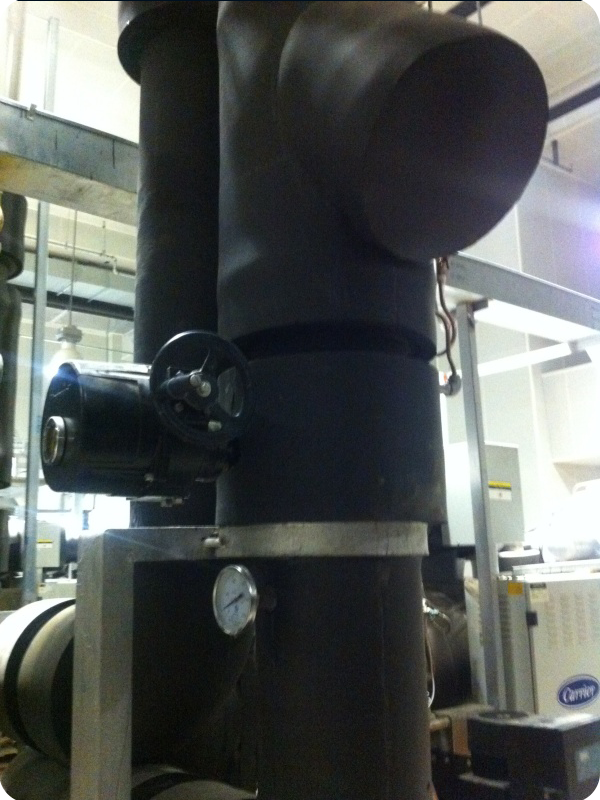
From chemical compound mixing to final product loading, our manufacturing processes follow ISO 9001 and ISO 14001 guidelines.

Discover our range of flexible tubes, open-cell soundproofing solutions, and cryogenic insulation materials.