 Kingflex
Kingflex
Kingflex
Premium elastomeric rubber foam pipes, sheets, and cryogenic specialty insulation engineered for maximum thermal efficiency and safety.
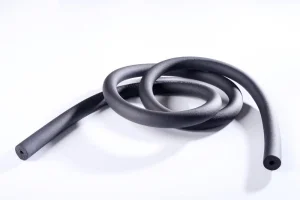
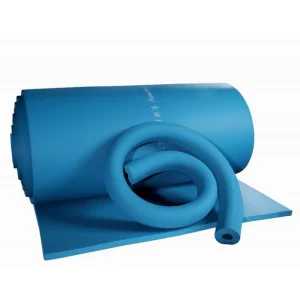
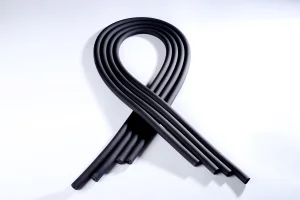
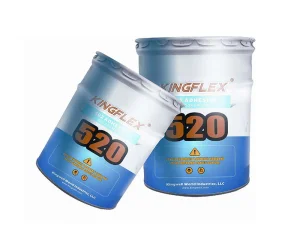
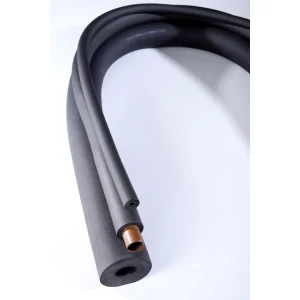
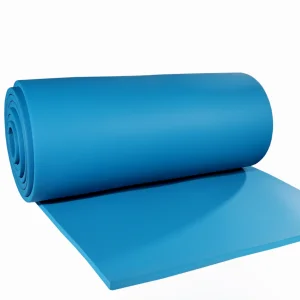
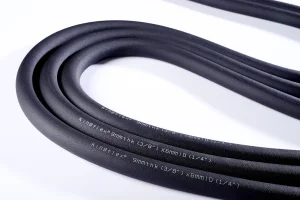
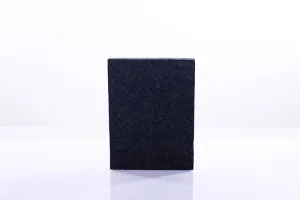
In modern structural design, the control of thermal transfer, acoustic resonance, and smoke migration is a critical engineering requirement. Smoke insulation refers to the system’s capability to withstand critical structural heat, prevent fire progression, and mitigate toxic smoke generation. During a structure fire, the primary cause of casualty is not the thermal envelope failure itself, but rather the inhalation of toxic off-gasses and rapid smoke travel through HVAC ducts.
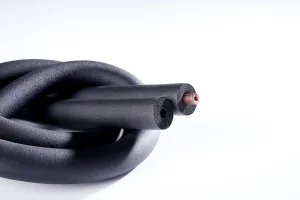
Kingflex elastomeric nitrile rubber insulation is formulated using high-grade Nitrile-Butadiene Rubber (NBR) and Polyvinyl Chloride (PVC) as main raw materials, coupled with active flame-retardant elements. This closed-cell structure operates as a barrier against thermal conductivity and moisture accumulation, and exhibits self-extinguishing properties when exposed to direct flame. This prevents flame propagation and suppresses toxic smoke density.
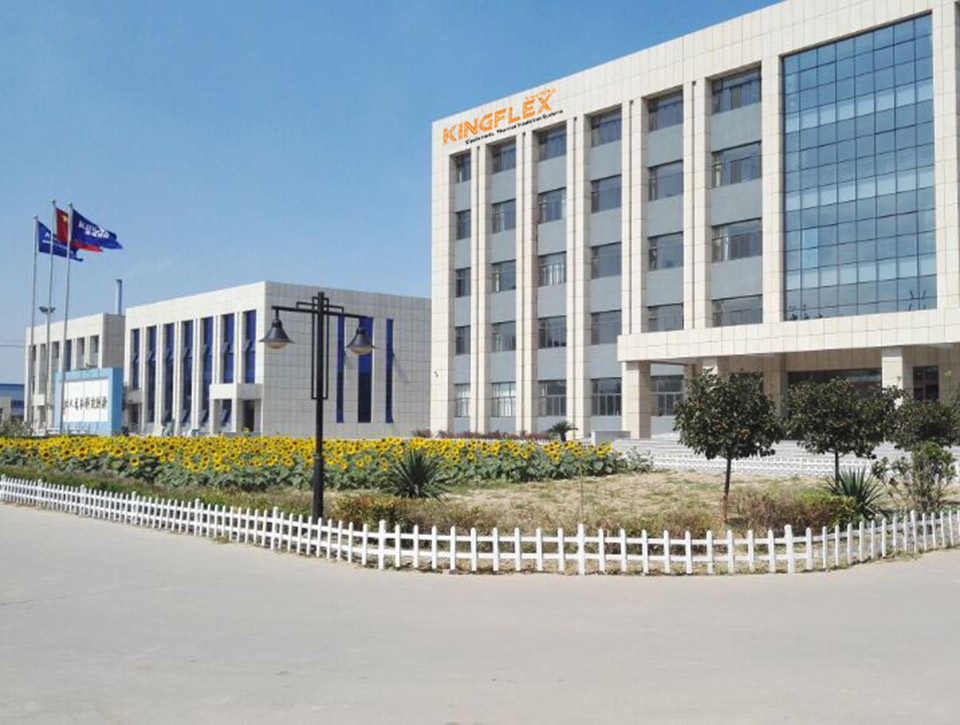
Figure 1: Advanced manufacturing plant of Kingflex Insulation Co., Ltd. in Dacheng, China.
Operating from China's primary hub of environmental building materials, Kingflex is a designated partner for global infrastructure energy-saving initiatives.
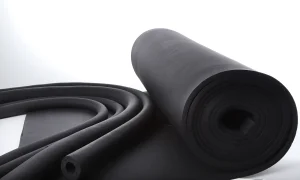
Established by the Jinwei Group, which holds a historic background dating back to 1979 as the first manufacturer of thermal insulation materials north of the Yangtze River, Kingflex has modernized its processes to feature 5 large-scale automated assembly lines. Our production lines integrate raw material feeding, advanced vulcanization, and continuous high-temperature foaming. This setup maintains density consistency between 40-55 kg/m³ across both elastomeric tubes and sheet rolls.
As an energy-saving and environmentally friendly enterprise, we provide end-to-end solutions. This includes upfront thermal consulting, custom compound formulation, installation guidance, and post-sale quality monitoring.

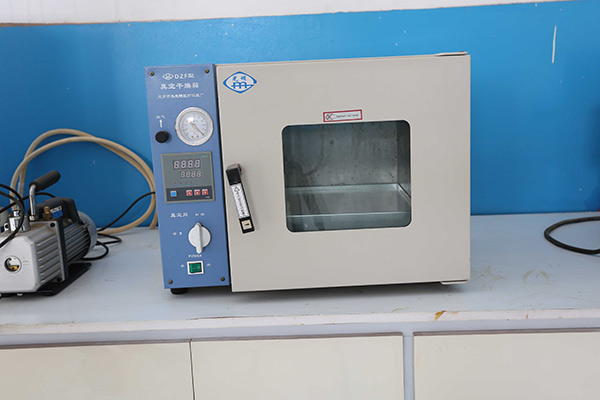
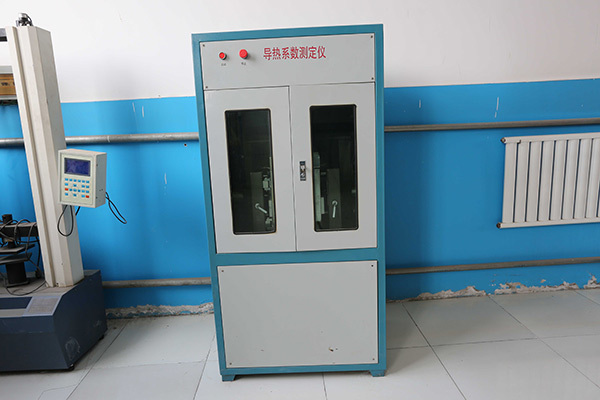
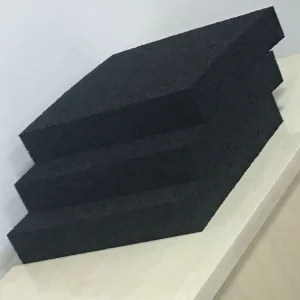
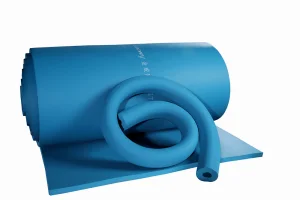
A technical assessment of Kingflex's signature elastomeric insulation line. Our products are formulated to ensure structural safety, low smoke emission, and moisture protection.
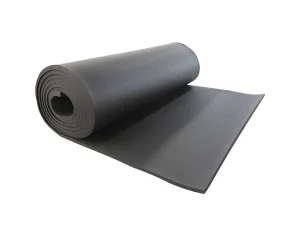
Engineered for wide-surface application such as HVAC plenums, square ducting, storage tanks, and heavy industrial machinery rooms. The sheet rolls provide continuous thermal and acoustic isolation.
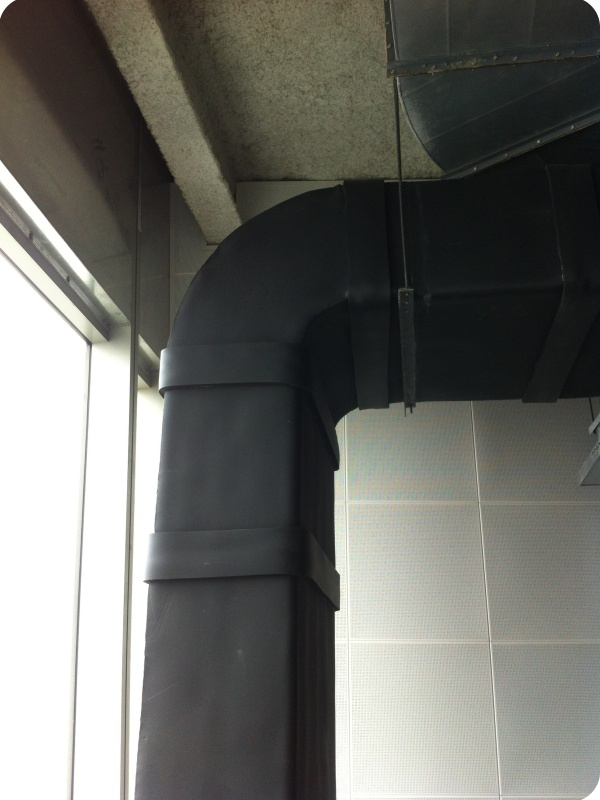
| Material Composition | Thickness Range | Density Range | Service Temp. Range | Flame Retardant Class |
|---|---|---|---|---|
| NBR/PVC Elastomeric Foam | 6mm - 50mm | 40 - 55 kg/m³ | -40℃ to 105℃ | BS 476 Part 7 Class 1 / UL94 V-0 |
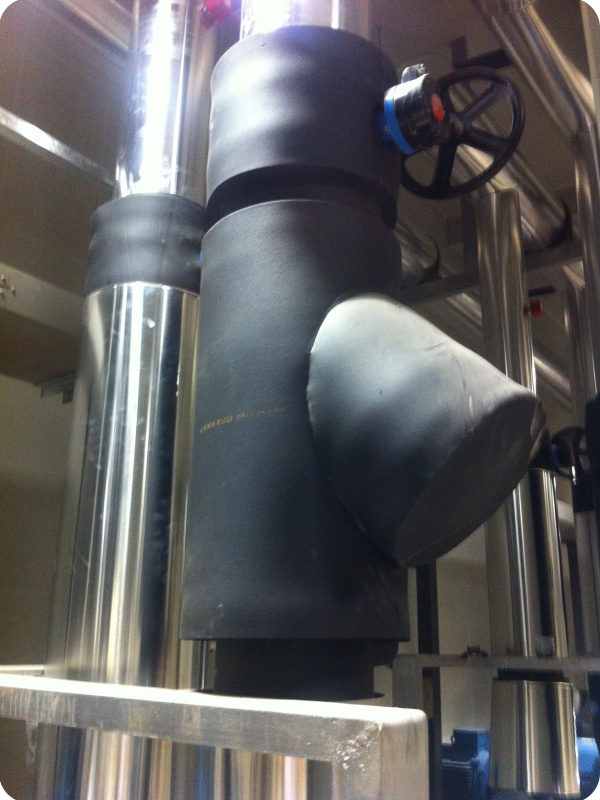
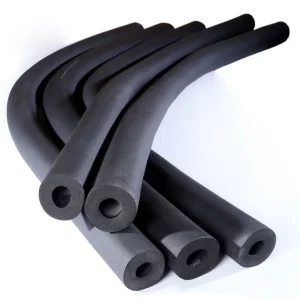
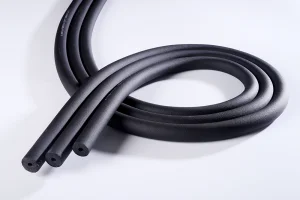
Designed for piping applications, including air conditioning chilled water lines, hot water plumbing, and refrigeration systems.
| Material Composition | Thickness Range | Inside Diameter (ID) | Density Range | Thermal Conductivity |
|---|---|---|---|---|
| NBR/PVC Elastomeric Foam | 9mm - 40mm | 6mm - 114mm | 40 - 55 kg/m³ | λ ≤ 0.035 W/(m·k) at 0℃ |
Ensuring compliance with localized fire-safety and build regulations while optimizing cost structures for international procurers.
By manufacturing in Dacheng, the green-building materials center of China, Kingflex accesses local economies of scale, raw chemical components, and advanced automated vulcanization lines. This allows us to offer competitive wholesale pricing.
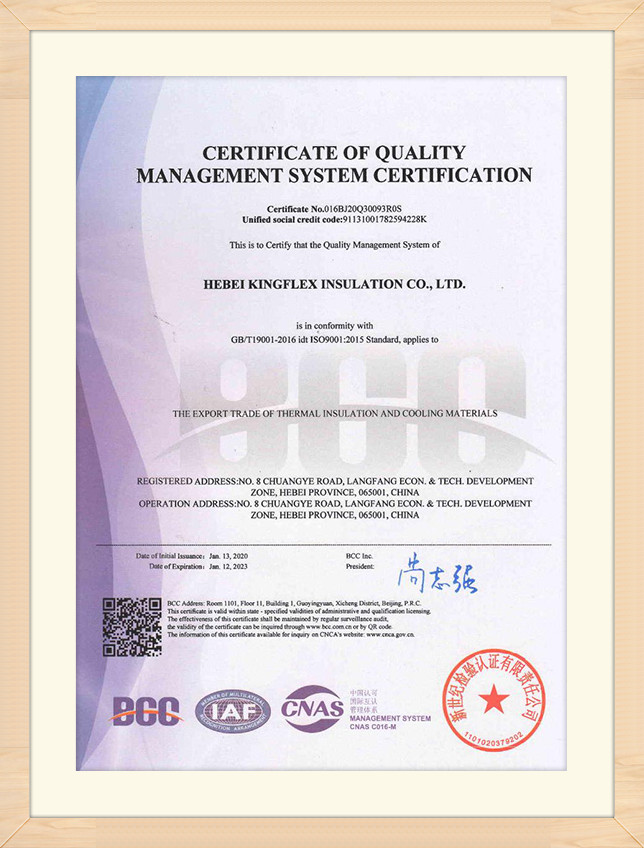
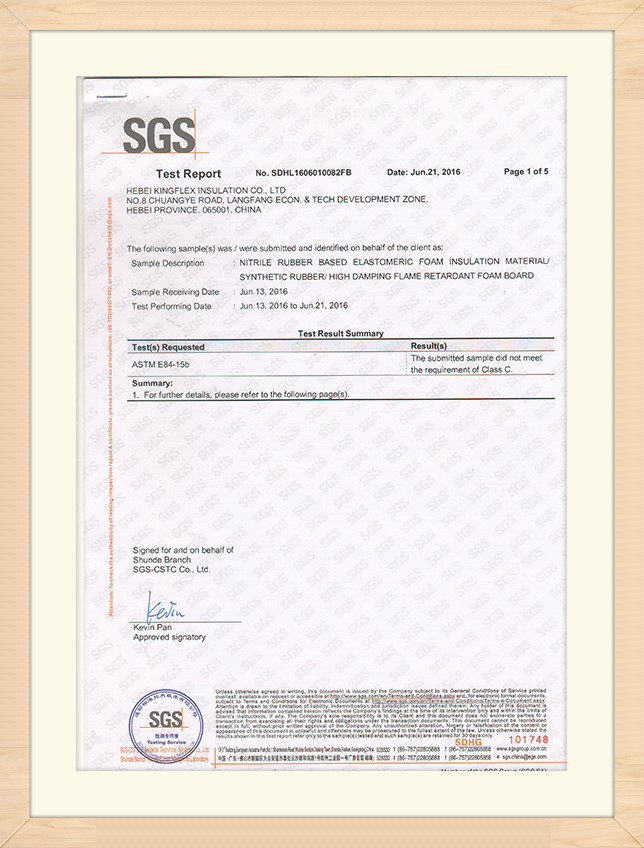
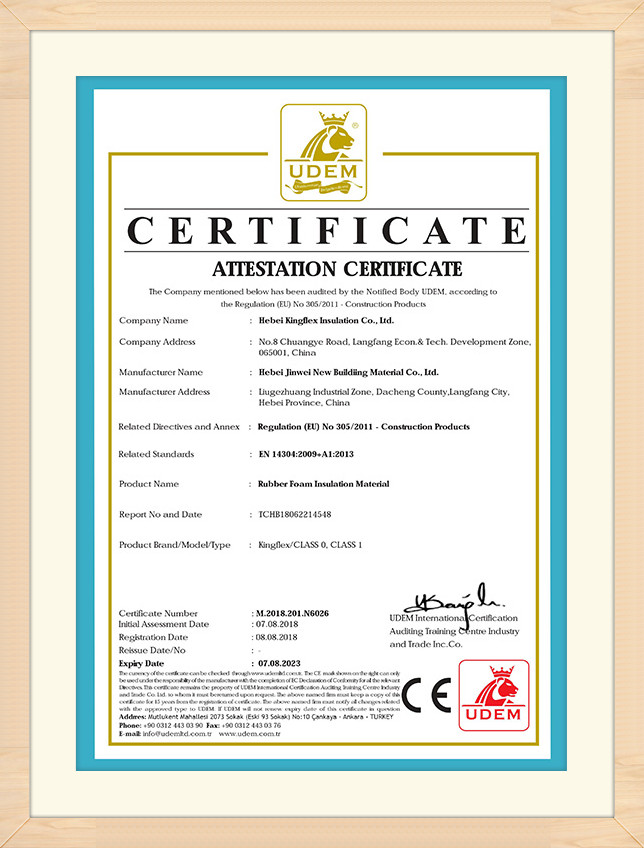
Our products meet international regulatory codes, such as BS 476, CE, REACH, RoHS, UL94, and ASTM. This reduces project risk and speeds up inspection approvals in North America, Europe, and Asia.
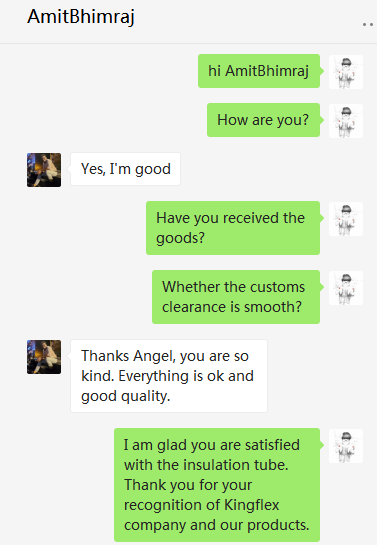
Kingflex implements a product tracking system from raw elastomer to batch curing. Each shipment carries verifiable batch numbers and laboratory analysis certificates for quality assurance.



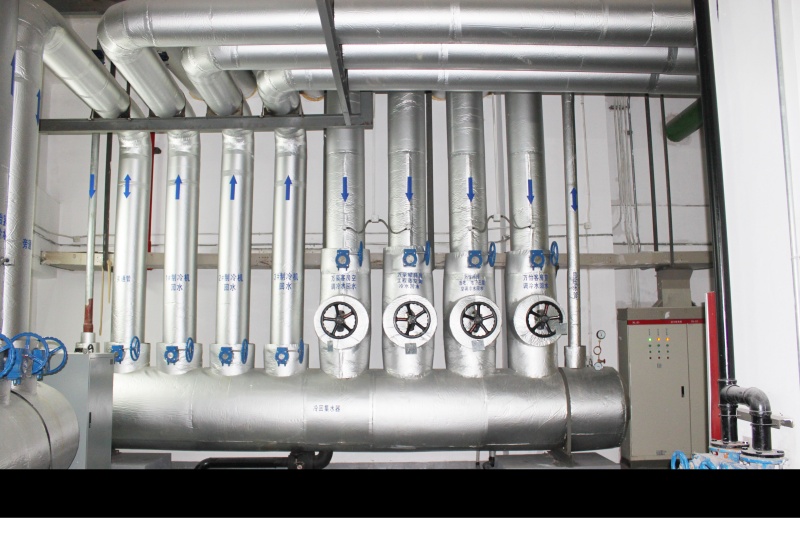
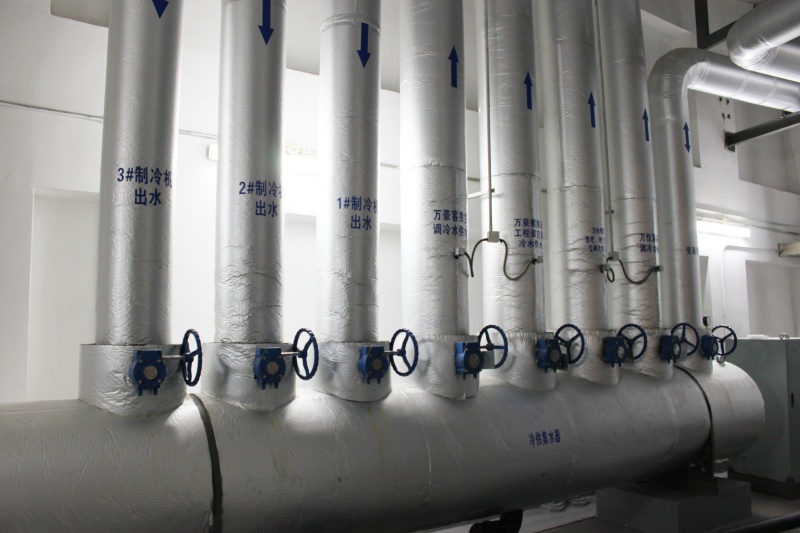
Our elastomeric insulation systems are designed to perform across a variety of building and industrial sectors.
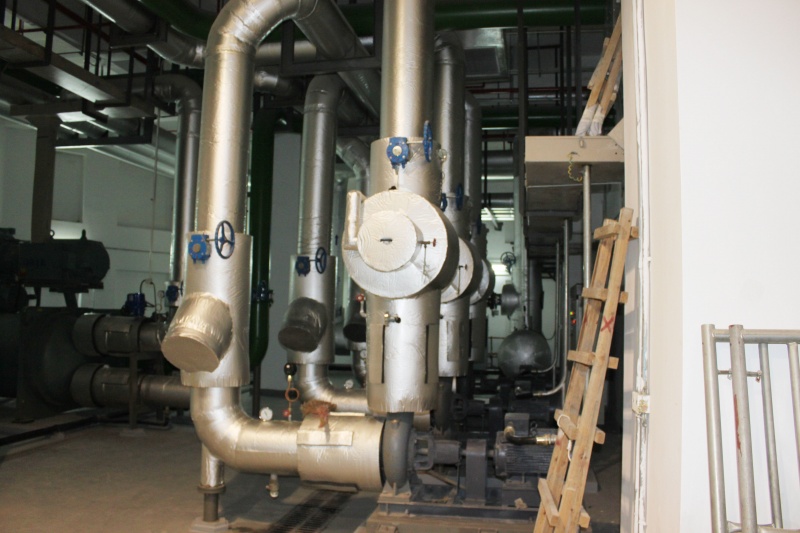
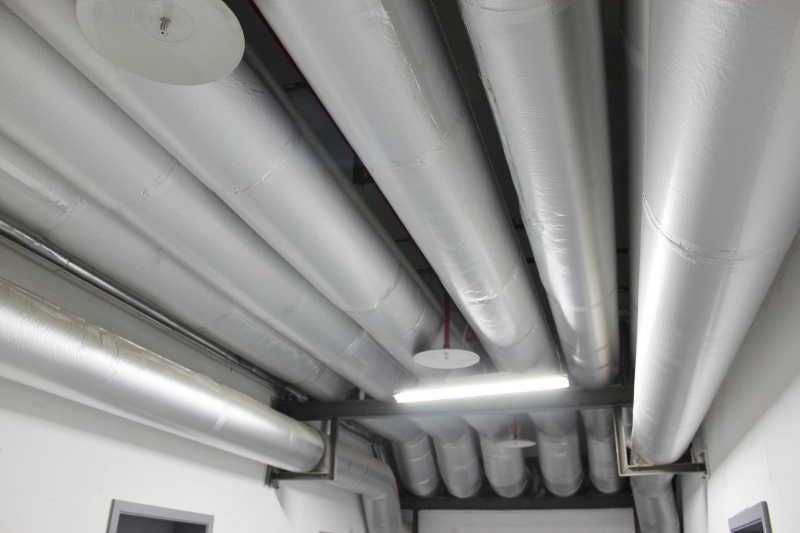
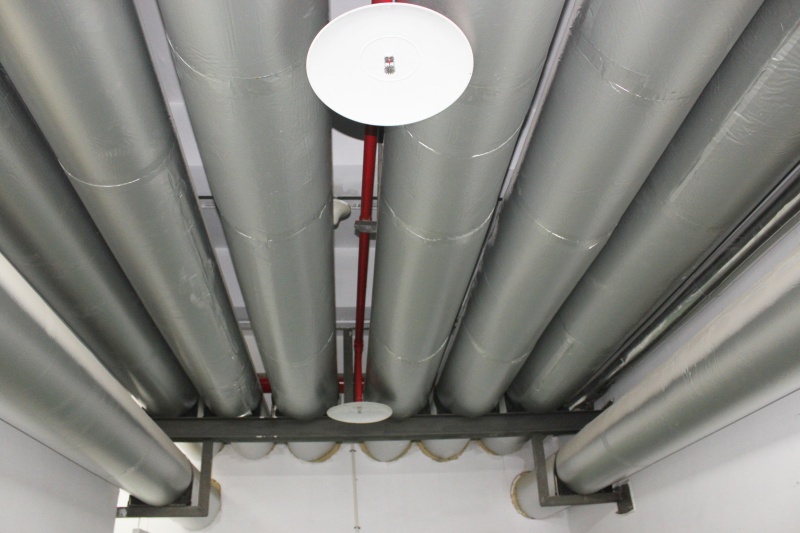
Provides insulation for hot/cold air ducts in commercial centers, hotels, and airports. This helps prevent condensation formation and reduces fan noise transmission through ductwork.
Reduces heat loss in industrial piping, chemical storage facilities, and high-temperature processing loops. This supports stable operational conditions and helps lower energy costs.
Our flexible cryogenic insulation prevents ice formulation and mitigates thermal shock in low-temperature pipelines down to -40℃, ensuring safety in liquified gas processes.

Direct answers from our engineering division regarding elastomeric insulation properties and ordering logistics.
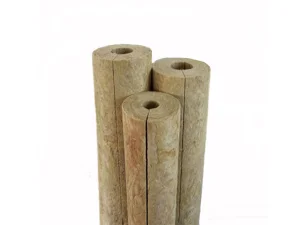
Specialty closed-cell sheets, rock wool blankets, and cryogenic insulation materials designed for extreme industrial temperatures.