 Kingflex
1. The Kazakhstan Sound & Thermal Insulation Market: Industrial Context
Kazakhstan stands as the economic engine of Central Asia, navigating massive infrastructure expansions, oil and gas developments in regions like Atyrau and Tengiz, and urbanization in Almaty and Astana. Given the geographical realities of the country—marked by extreme continentality where winter temperatures can plummet below -40°C and summer temperatures soar above +40°C—the demand for high-performance sound absorption and thermal insulation is unique and demanding.
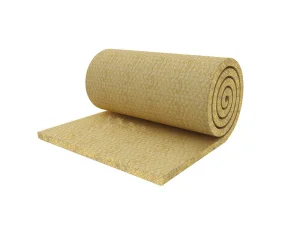
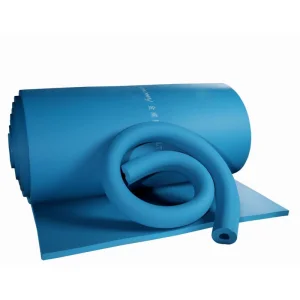
Local industrial projects in mining, petrochemical refining, and urban civil construction face severe challenges with condensation control, energy conservation, and environmental noise control. Traditional insulation systems are increasingly failing to meet modern Eurasian Economic Union (EAEU) safety standards and eco-regulations. The current procurement landscape is shifting towards elastomeric rubber foams (NBR/PVC) and engineered rock wool due to their exceptional moisture resistance, low thermal conductivity, and sound damping attributes.
2. Sourcing Drivers for Global EPC Contractors in Kazakhstan
Engineering, Procurement, and Construction (EPC) firms operating in the Caspian region and Kazakhstan have strict compliance and performance guidelines. Key requirements include:
- Acoustic Performance (NRC & STC): Urban high-rises and manufacturing sites require materials with a high Noise Reduction Coefficient (NRC) to damp equipment rumble and ventilation cross-talk.
- Extreme Environmental Resistance: Resistance to UV degradation and moisture-induced corrosion under insulation (CUI)—a major failure point in Caspian offshore and onshore petrochemical installations.
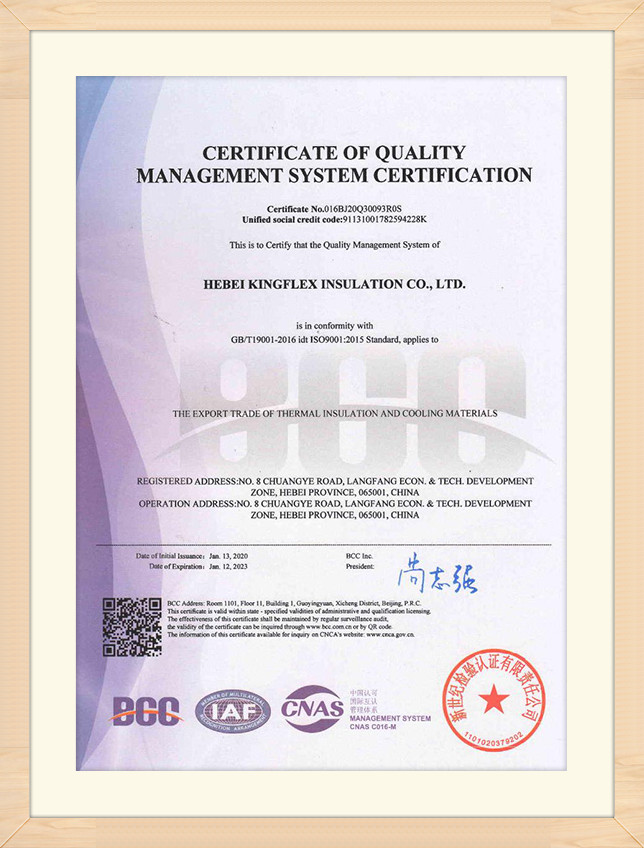
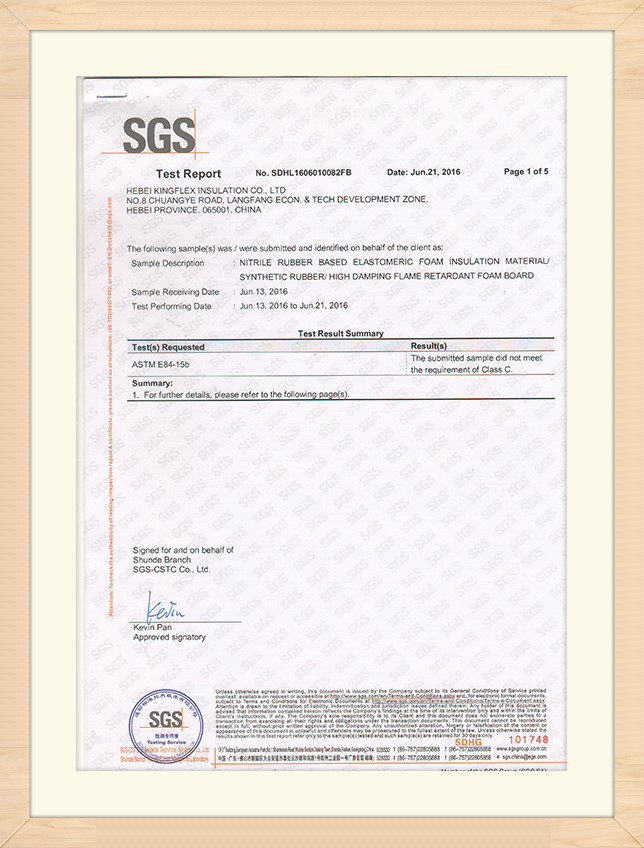
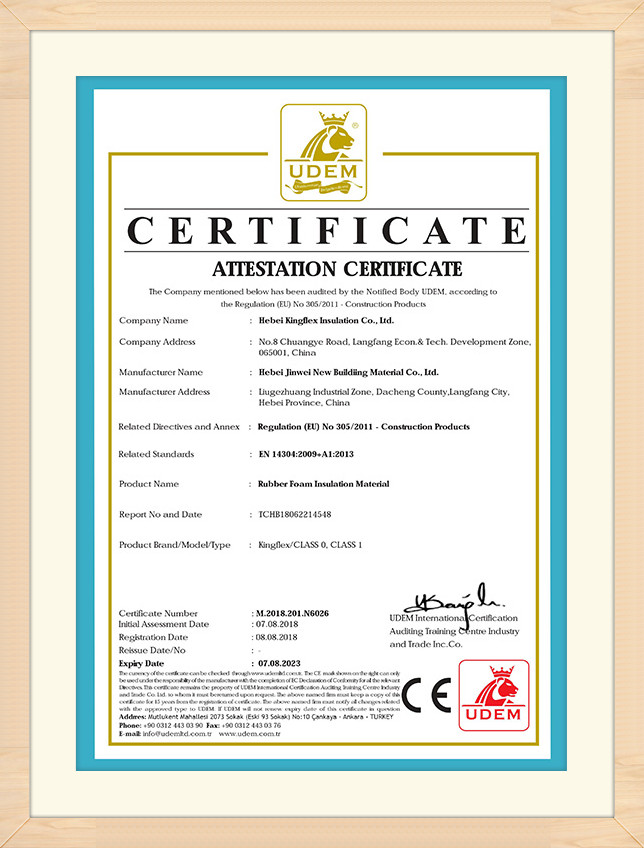
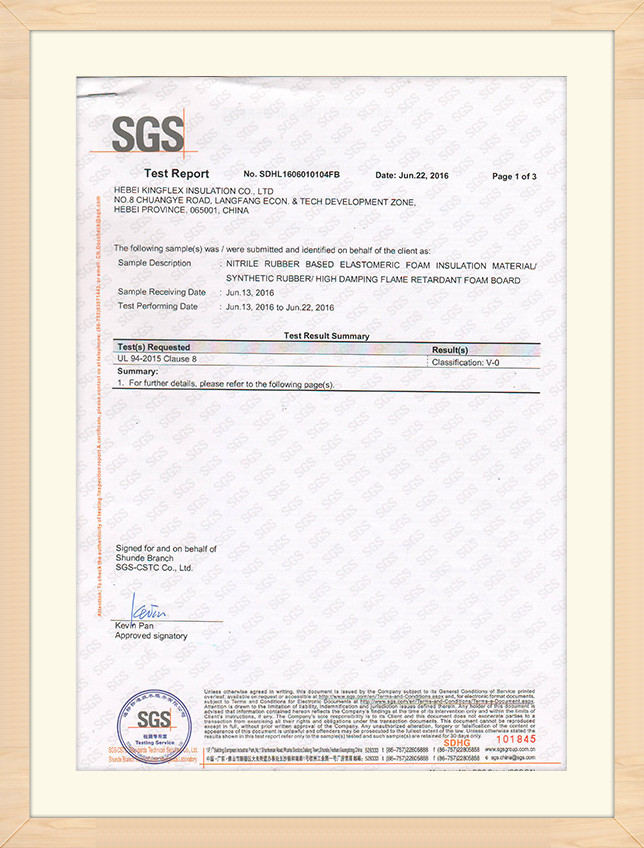
- EAEU and International Certifications: Materials must comply with GOST regulations alongside European (EN) and American (ASTM) standards to qualify for large-scale mining and metallurgical projects.
3. Macro-Level Acoustic and Thermal Insulation Solutions
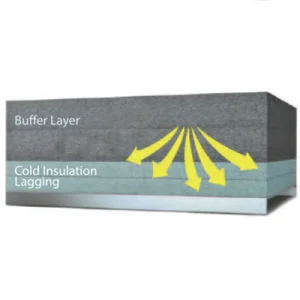
Modern architectural and HVAC design requires a dual-approach framework integrating sound absorption and thermal protection:
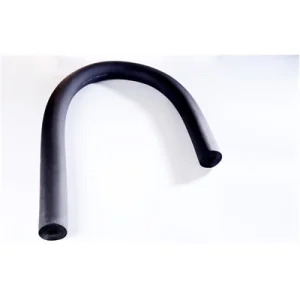
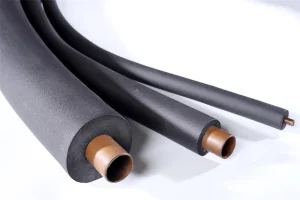
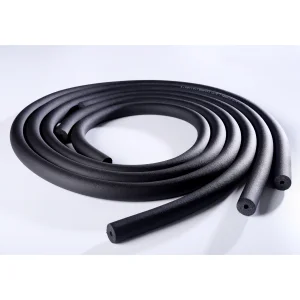
Decoupling HVAC Fan & Pipeline Noise: Fluid dynamics inside high-pressure chilled and hot water lines generate acoustic resonance. Open-cell and specialized closed-cell elastomeric sleeves absorb high and mid-frequency airborne noises, acting as structural vibration dampers.
Cryogenic Systems Protection: For liquid gas processing plants in Western Kazakhstan, utilizing specialized low-temperature elastomeric materials is vital to prevent ice-formation and pipe-bursting hazards. Our ultra-low temperature products maintain structural elasticity even at cryogenic temperatures, offering long-term stability.
| Physical Property | NBR/PVC Elastomeric Foam | Rock Wool Material | Standard Reference |
|---|---|---|---|
| Thermal Conductivity (at 0°C) | ≤ 0.034 W/(m·K) | ≤ 0.039 W/(m·K) | ASTM C518 / EN 12667 |
| Water Vapor Permeability | μ ≥ 10,000 (Closed-cell) | Highly Permeable | ASTM E96 / EN 12086 |
| Fire Classification | Class 0 / Class B-s3, d0 | Class A1 (Non-combustible) | BS 476 Part 6/7, EN 13501 |
| Density | 40 - 55 kg/m³ | 60 - 150 kg/m³ | ASTM D1622 / EN 1602 |
4. Technical Evolution: NBR/PVC vs. Traditional Mineral Fibers
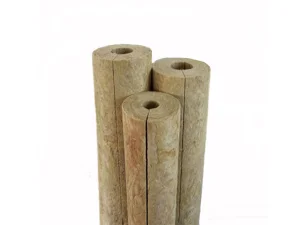
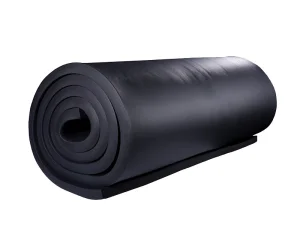
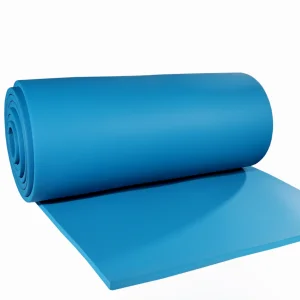
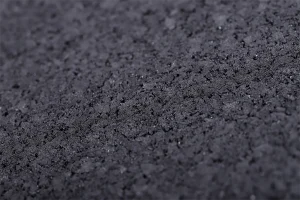
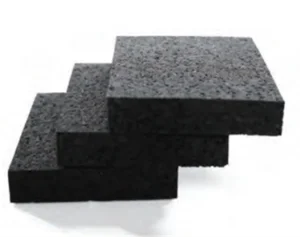
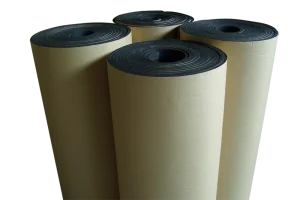
Historically, fiberglass and rock wool dominated the post-Soviet market. However, open-fiber systems present issues with water absorption, leading to thermal degradation. NBR/PVC-based elastomeric foam provides a vapor barrier built directly into the cell structure. This structural integrity guarantees that the thermal conductivity remains stable for over 10-15 years, eliminating the cost of frequent maintenance and replacement.