 Kingflex
Kingflex
Kingflex
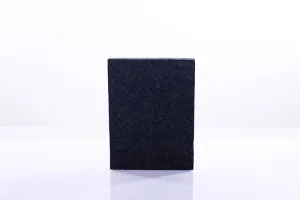
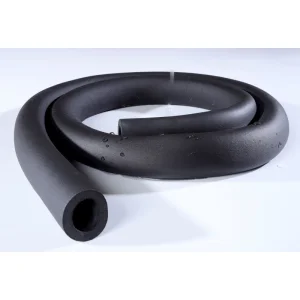
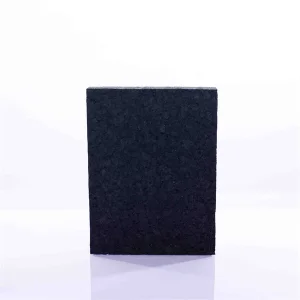
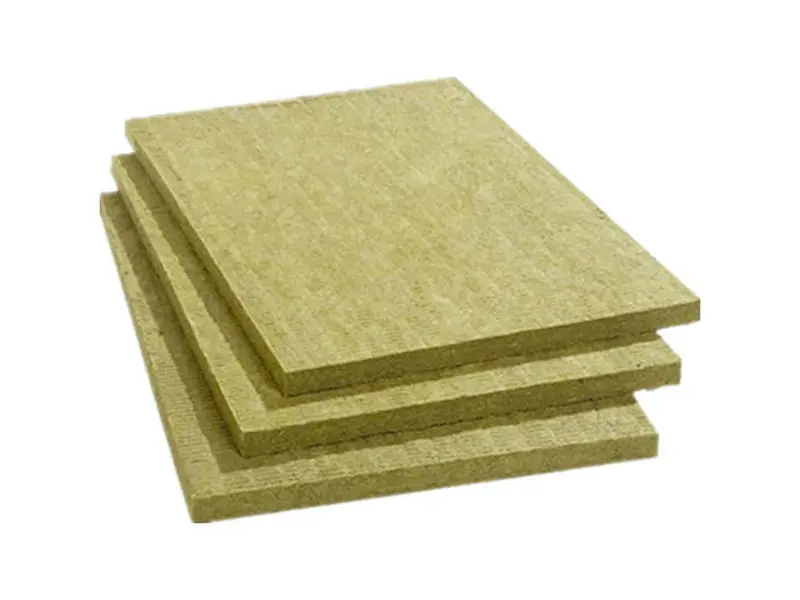
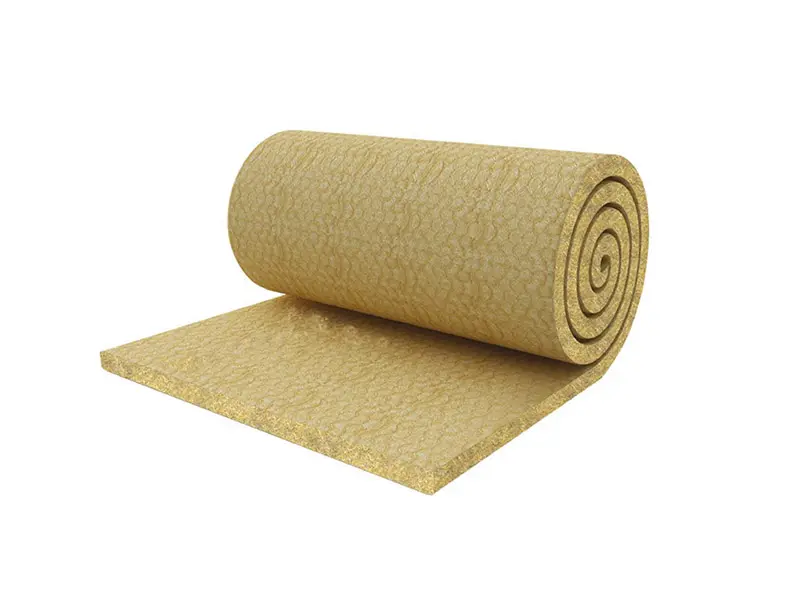
In modern structural engineering and process mechanics, managing thermal transmission while containing acoustics and moisture migration is a pivotal challenge. This technical guide explores the characteristics of Fiberglass Shell Pipe Insulation and high-performance elastomeric rubber foam complexes, comparing their structural advantages, efficiency metrics, and implementation methods in global commercial and industrial builds.
As global infrastructure moves toward lower carbon footprints and stricter mechanical code compliance, selecting the right piping insulation is no longer just about thermal resistance. It requires a balance of long-term durability, moisture management, smoke-flame safety, and environmental impact. China's top-tier manufacturers, particularly Kingflex Insulation Co., Ltd., are leading this space by combining legacy engineering with automated production technologies.
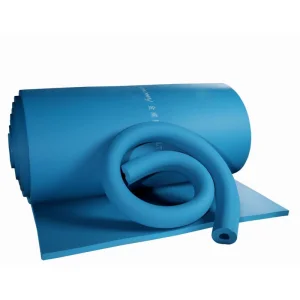
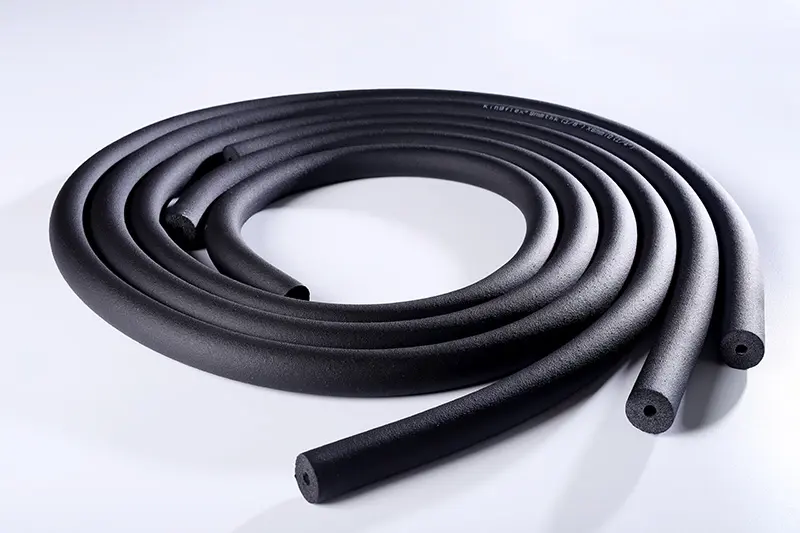
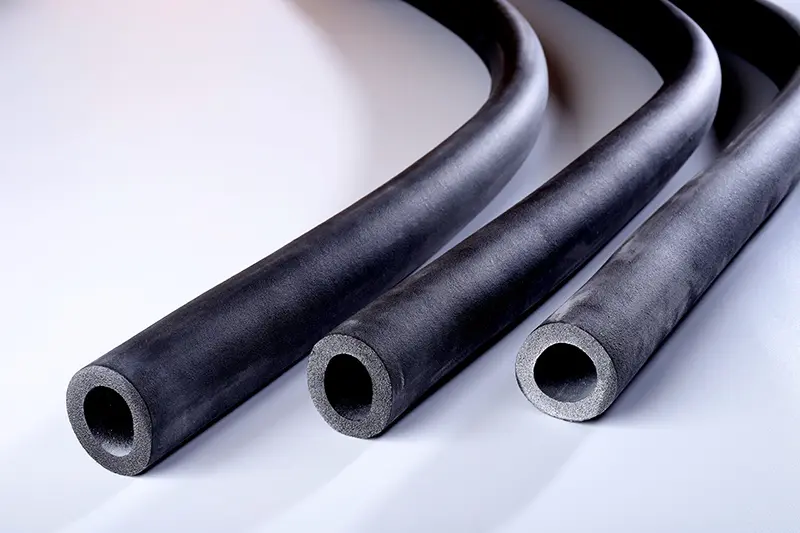
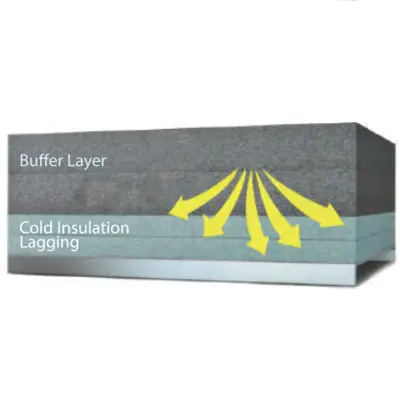
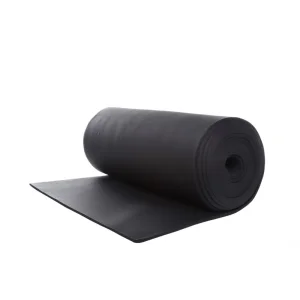
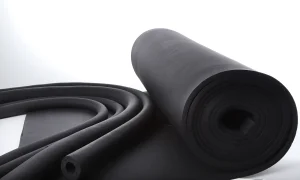
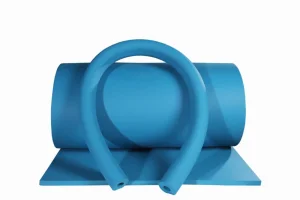
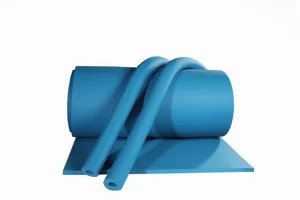
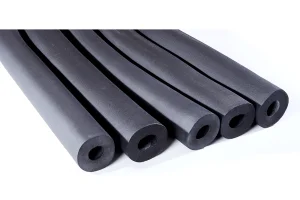
Insulation performance is dictated by its microscopic cell matrix. Traditional fiberglass shell pipe insulation relies on fine, inorganic glass fibers bonded with thermosetting resins to trap air. In contrast, elastomeric rubber foam insulation leverages a highly cross-linked closed-cell matrix (with a closed-cell rate exceeding 98%). This matrix forms a natural barrier against air circulation and moisture vapor diffusion.
With a stable, low thermal conductivity rating, elastomeric solutions ensure consistent performance over a service life of 10 to 15 years, significantly reducing energy losses.
The closed-cell configuration prevents moisture intrusion and condensation on chilled-water lines, protecting pipelines from Corrosion Under Insulation (CUI).
Fully certified to BS 476, CE, REACH, RoHS, UL94, and ASTM fire protection criteria, the material self-extinguishes, preventing the spread of flames.
| Property Parameter | Elastomeric Foam Insulation (NBR/PVC) | Traditional Fiberglass Shell Insulation |
|---|---|---|
| Thermal Conductivity (λ) | ≤ 0.034 W/(m·k) at 0°C | ≤ 0.032 - 0.036 W/(m·k) at 24°C |
| Operating Temperature Limits | -40°C to +105°C (ULT options down to -200°C) | 0°C to +450°C |
| Moisture Permeability Factor (μ) | ≥ 10,000 (Built-in Vapor Barrier) | Requires external foil jacket (μ ≤ 1.0 bare) |
| Combustion Classification | Class 1 / Class 0 (BS 476 Part 7/6) | Non-combustible (Class A1 / ASTM E84) |
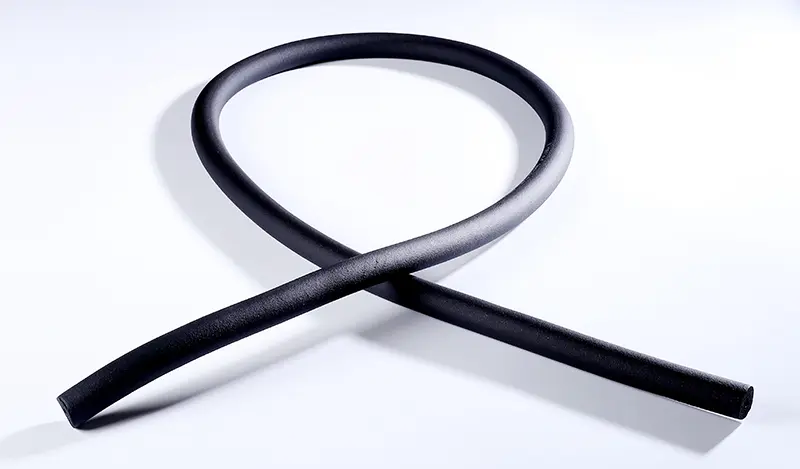
| Compression Resilience | > 80% Recovery Rate | Brittle, deforms permanently under loading |
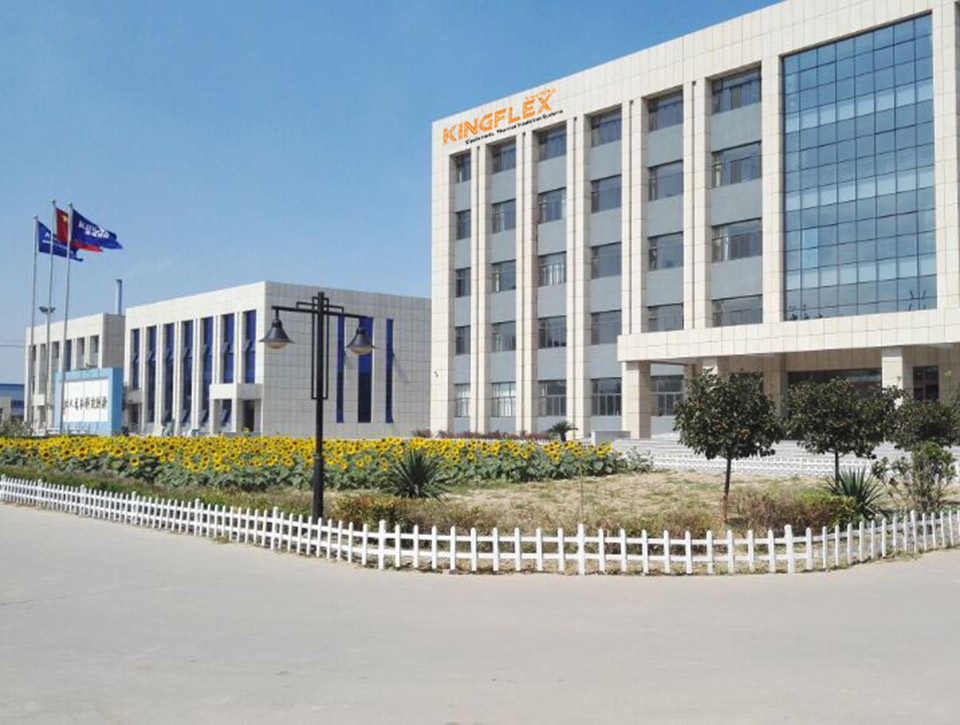
Operating out of the Dacheng industrial zone—recognized as the capital of green building materials in China—Kingflex Insulation Co., Ltd. has scaled its manufacturing capabilities to meet international project timelines. With 5 large-scale automated assembly lines, Kingflex achieves an annual production capacity of over 600,000 cubic meters.
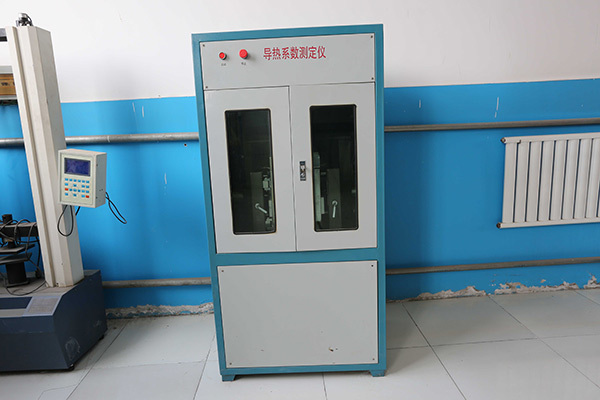
Our factory combines raw material optimization, real-time chemical compounding monitoring, and automated curing controls. This precise control ensures consistent cell density (40-55 kg/m³) across all rubber foam rolls and pipe sections. This high-capacity setup has earned Kingflex designated producer status with major energy, chemical, and electrical power ministries.
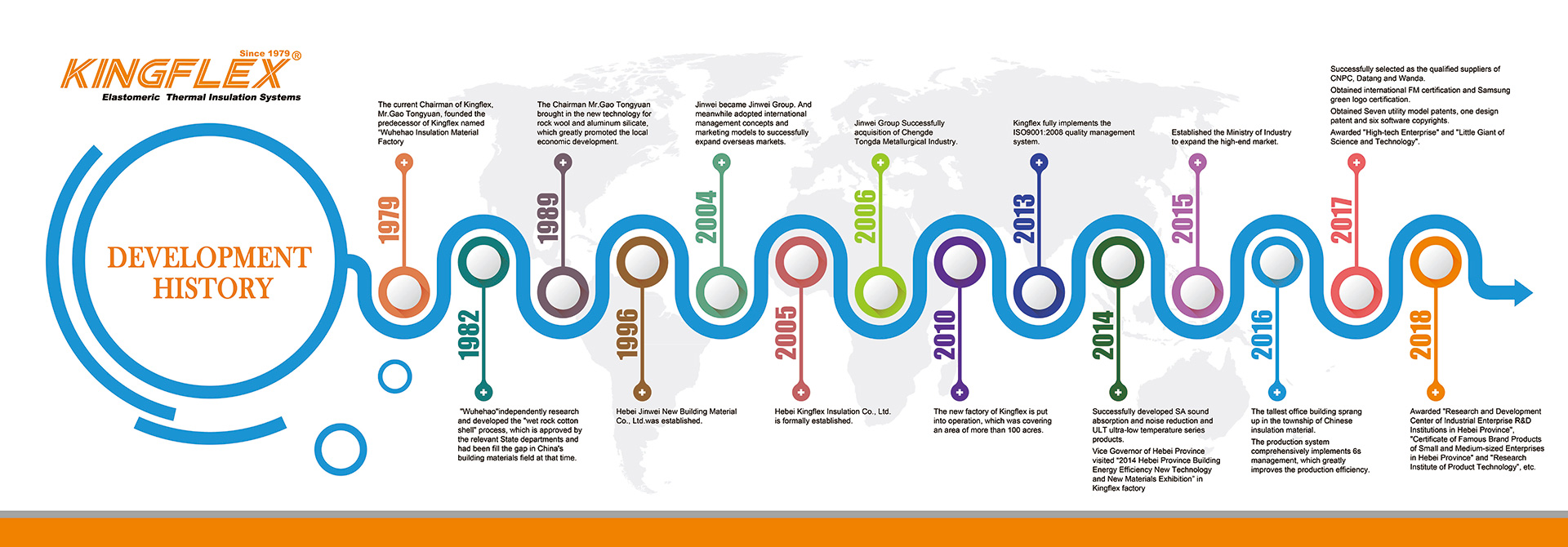
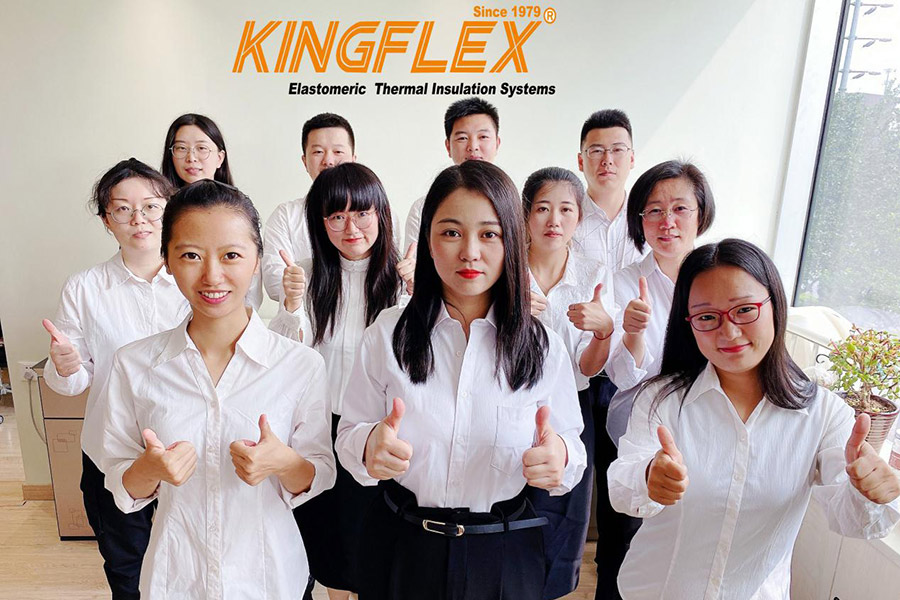

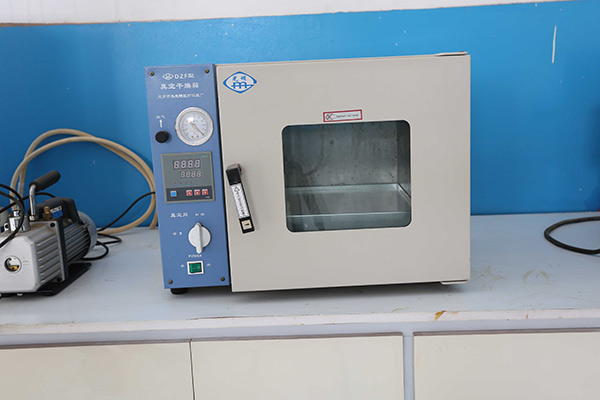
The manufacturing group was established by the Jinwei Group, which dates back to 1979. As the first thermal insulation manufacturer north of the Yangtze River, Kingflex draws on over 40 years of industry experience. This deep expertise underpins our R&D capabilities, led by 8 professional research engineers and supported by a dedicated workforce of 230 technicians.
The thermal insulation industry is undergoing a shift driven by decarbonization goals, zero-VOC building requirements, and demanding process engineering conditions. Kingflex is actively investing in next-generation material development, focusing on several key technical pathways:
By integrating silica aerogel matrices into standard NBR/PVC polymer formulations, we are targeting a thermal conductivity coefficient below 0.028 W/(m·k). This will allow for thinner profile jackets in space-constrained installations.
To address indoor air quality requirements in green building standards (such as LEED and BREEAM), our labs are developing halogen-free, bio-derived elastomeric foams that eliminate VOC emissions during installation and operation.
Incorporating phase change microcapsules into our rubber foam matrices allows for latent thermal energy storage. This technology stabilizes fluctuating process fluid temperatures in high-demand solar thermal and HVAC networks.
Mechanical systems operate under diverse conditions, from cryogenic cooling loops to high-pressure steam distribution networks. Kingflex systems are engineered for specialized applications across multiple sectors:
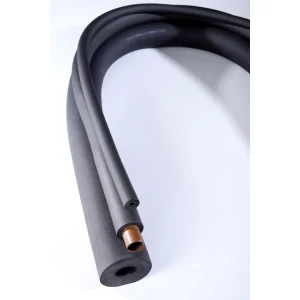
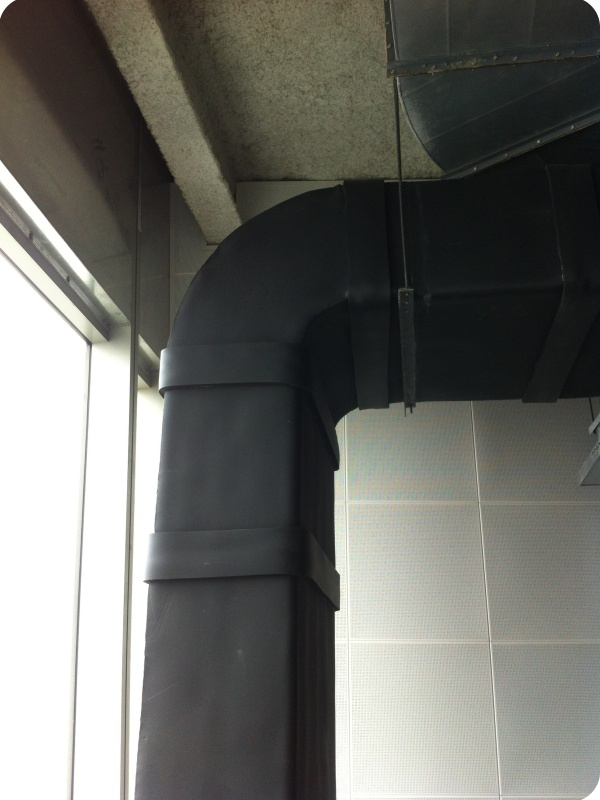
Used on central air conditioning chilled/hot water pipes, condensate drains, and ventilation ducts. These systems prevent condensation, reduce structural noise, and maintain temperature profiles in commercial, retail, and hospital developments.
Our specialized ultra-low temperature and alkadiene formulations provide cold insulation down to -200°C. They are designed for LNG terminals, processing complexes, and ethylene storage systems, preventing icing and CUI.
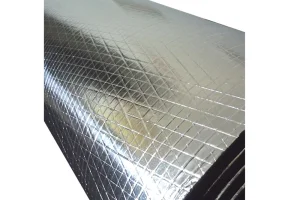
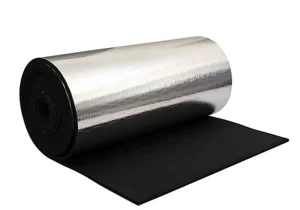
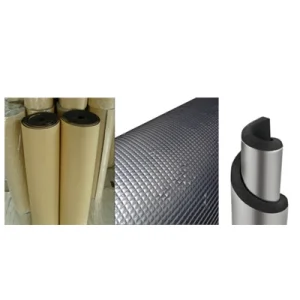
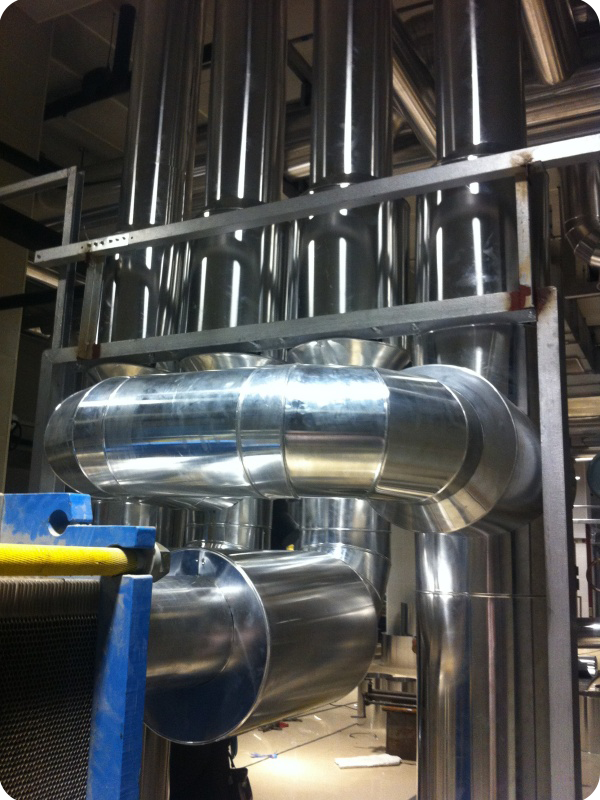
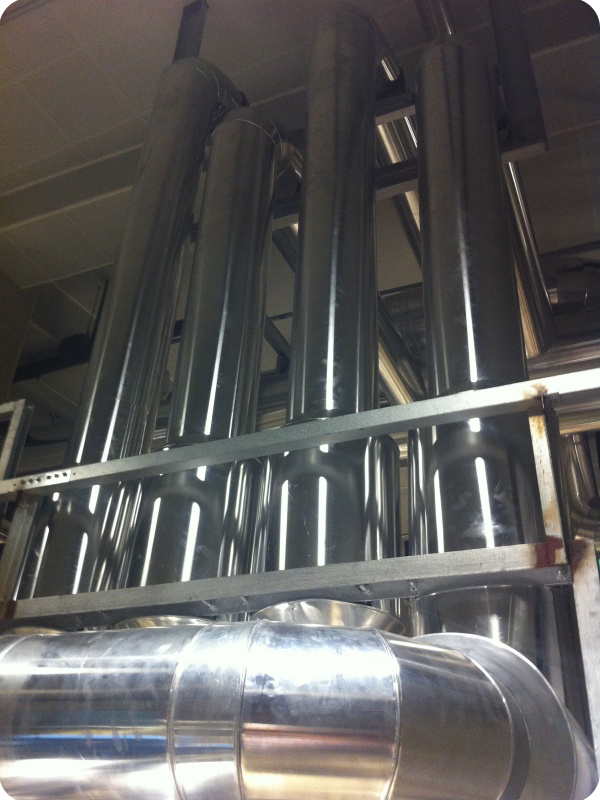
Aluminum foil-clad systems provide structural strength and dust-free surfaces, making them suitable for pharmaceutical cleanrooms, microelectronics facilities, and food processing plants.
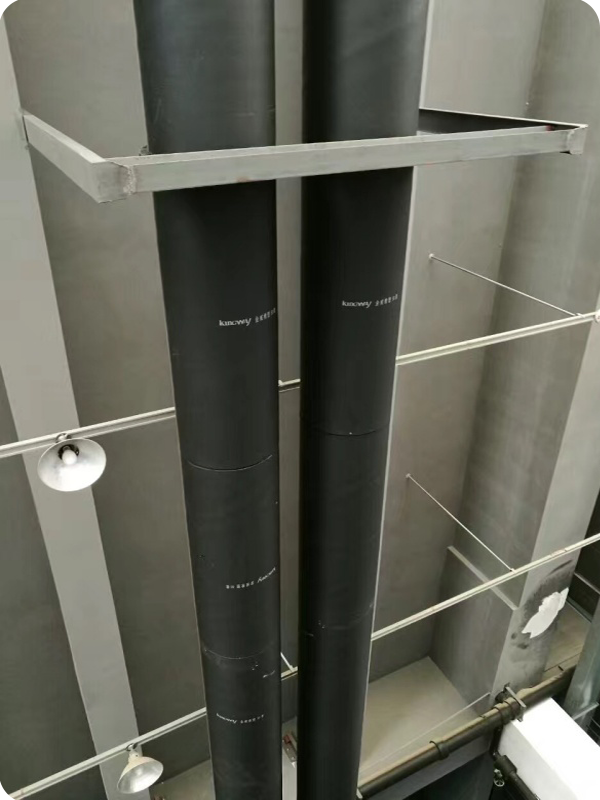
For international sourcing managers, purchasing fiberglass shells and rubber foam insulation from China requires clear cost visibility, regulatory compliance, and structural traceability. At Kingflex, we offer detailed Pricelists based on technical grades, thicknesses (6mm to 50mm), and jacket options (e.g., self-adhesive, aluminum foil face).
Procurement decisions should factor in total lifetime value rather than just initial material cost. High-quality materials reduce labor times during installation due to their flexibility, and lower operating costs by preventing thermal bridging and moisture ingress over their 15-year service life.
Kingflex products are fully certified under BS 476, CE, REACH, RoHS, UL94, and ASTM. This compliance simplifies customs clearance and ensures the materials meet local building codes.
Every shipment includes quality control records and raw material batch tracking. This traceabiity is critical for industrial projects requiring strict engineering documentation.
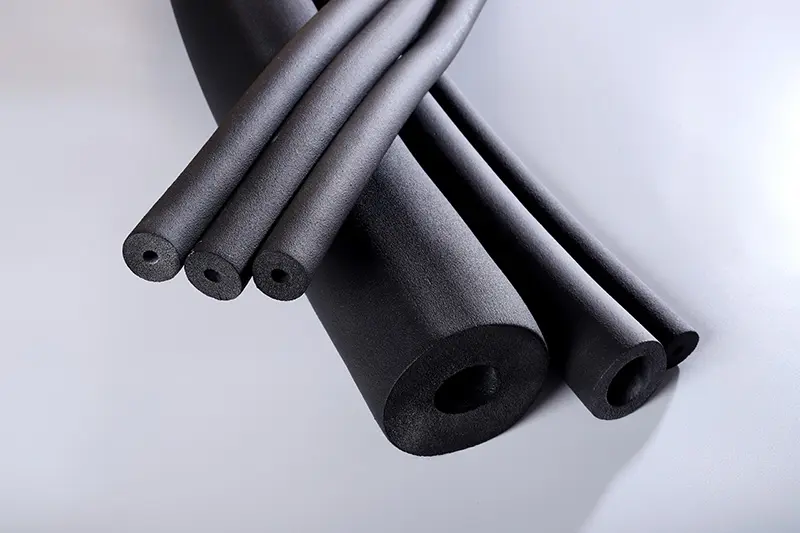
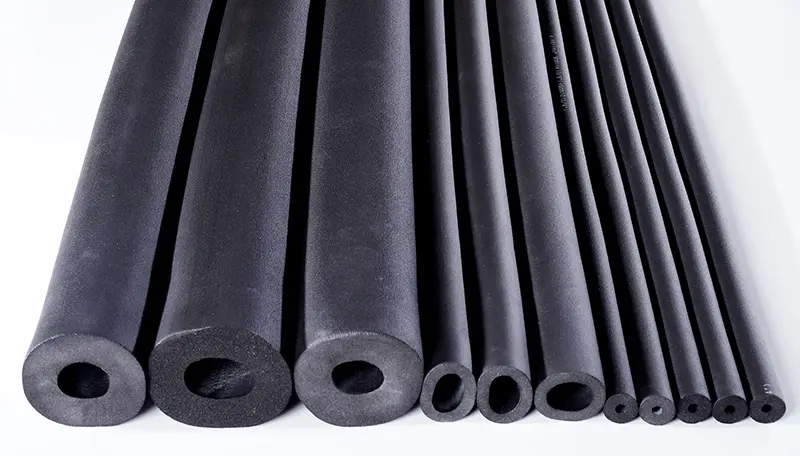
We supply customized lengths, inner diameters, and multi-layered configurations to meet specific mechanical designs.
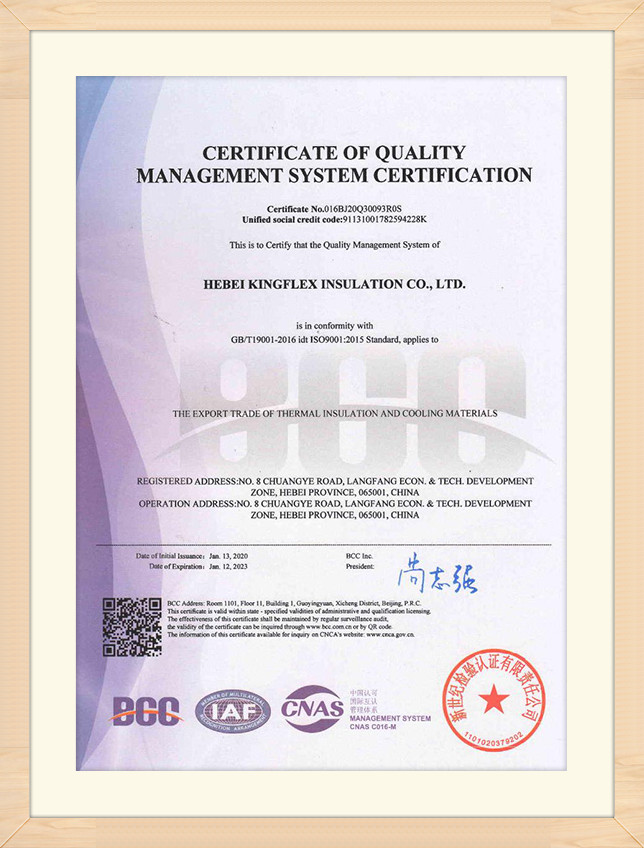
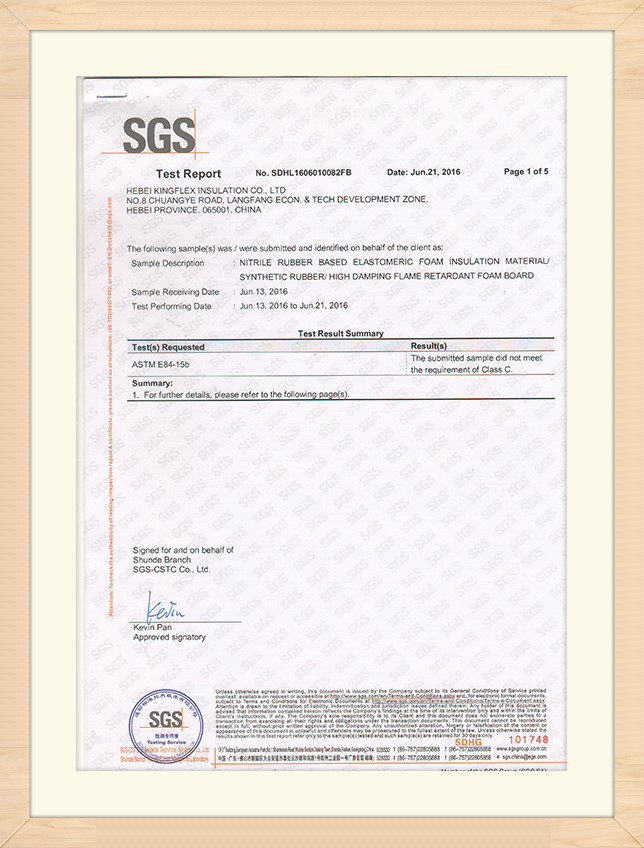
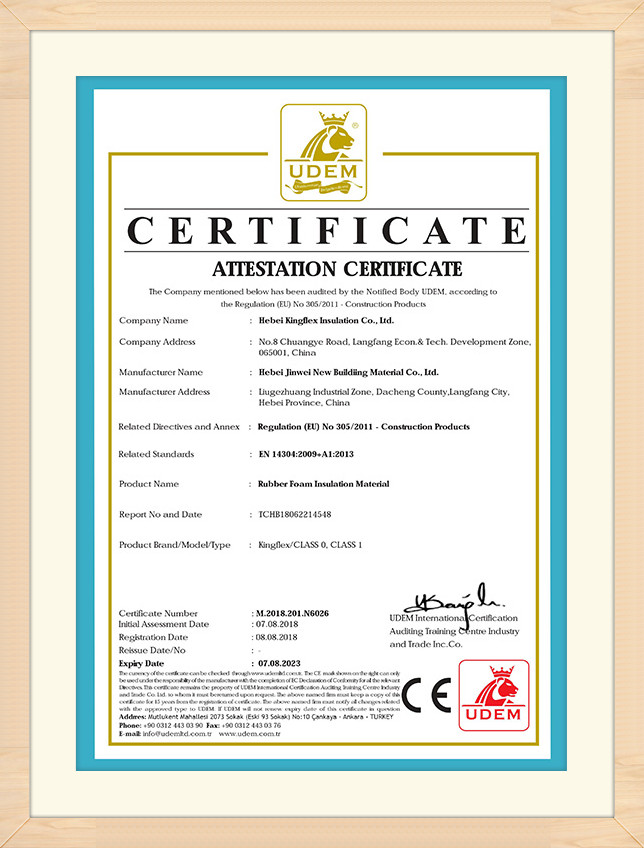
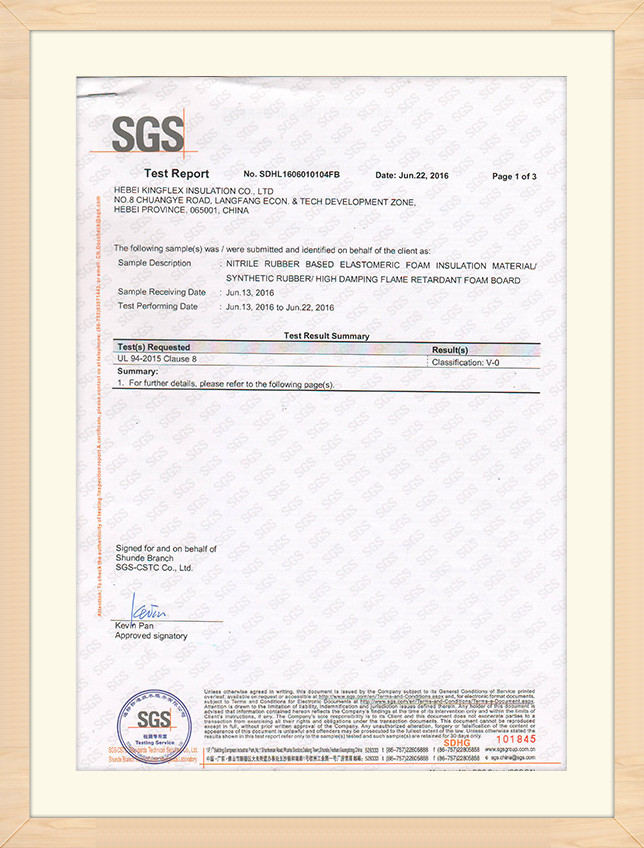
Our international sales and service teams work closely with consultants, engineers, and distributors to ensure smooth delivery. We maintain transparent communication channels, sharing order tracking details, structural drawings, and installation guides.



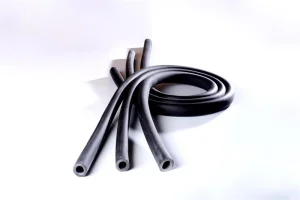
To assist design engineers with mechanical drawings, our primary product lines are manufactured to the following structural specifications:
Material: Elastomeric NBR/PVC blend
Thickness: 6mm - 50mm
Density: 40 - 55 kg/m³
Temperature Range: -40℃ to 105℃
Features: Closed cell rate >98%, compression resilience >80%, low moisture absorption.
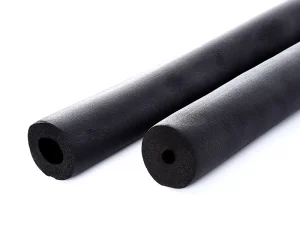
Material: Elastomeric NBR/PVC blend
Thickness: 9mm - 40mm
Inner Diameter (ID): 6mm - 114mm
Density: 40 - 55 kg/m³
Temperature Range: -40℃ to 105℃
Alu-Foil Layer: Standard reinforced aluminum foil
Self-Adhesive Option: Double-sided acrylic mesh adhesive backing
Acoustic Performance: Available in open-cell soundproofing variants.