 Kingflex
Kingflex
Kingflex
Engineered for extreme performance, thermal efficiency, and structural durability. Explore our top industrial components below.

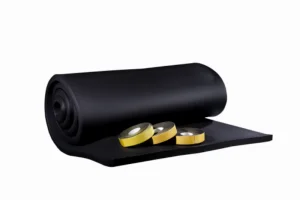
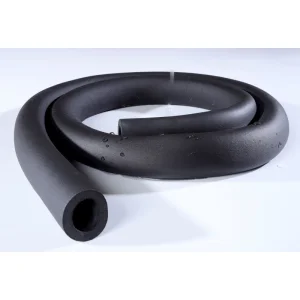
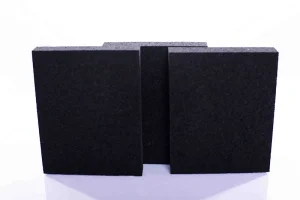
In the modern industrial landscape, energy conservation, thermal performance control, and acoustic isolation are paramount. Thermal insulation materials are no longer simple barriers; they are highly engineered cellular structures designed to mitigate thermal transfer under dynamic pressure, temperature, and moisture conditions. Among these materials, closed-cell elastomeric rubber foam stands out as a crucial technology for HVAC/R (Heating, Ventilation, Air Conditioning, and Refrigeration) applications, cryogenic systems, and high-performance building infrastructure.
The global demand for high-density, closed-cell elastomeric rubber foam continues to scale, driven by tightening municipal environmental mandates and international energy codes such as ASHRAE 90.1, the EU Energy Performance of Buildings Directive (EPBD), and LEED Green Building Standards. Elastomeric foam's unique molecular chemistry—principally composed of Nitrile Butadiene Rubber (NBR) blended with Polyvinyl Chloride (PVC)—allows it to offer a exceptionally low thermal conductivity ($\lambda \le 0.034$ W/m·K at 0°C) coupled with a massive built-in water vapor transmission resistance ($\mu \ge 10,000$).
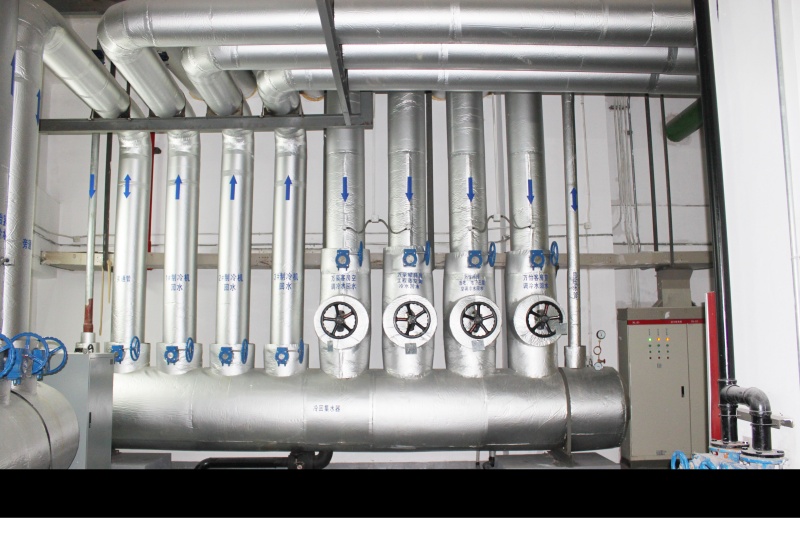
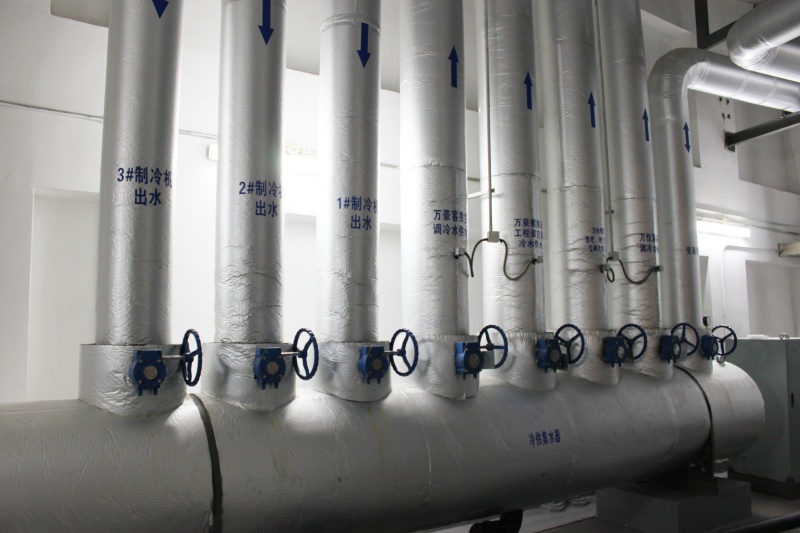
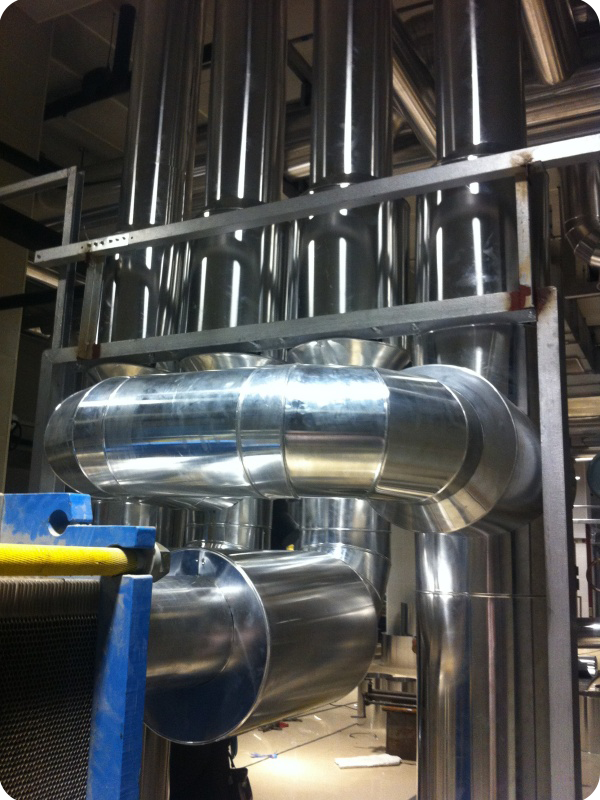
When selecting insulation for applications such as chilled water lines, cryogenic processing, or ductwork, the major operational threat is moisture ingress. Once moisture penetrates an insulation barrier, its thermal conductivity climbs exponentially because water conducts heat approximately 25 times more efficiently than air. Rigid open-cell materials or fibrous structures require external vapor barriers (such as aluminum jackets) that can puncture, crack, or degrade over time. In contrast, Kingflex closed-cell rubber foam features an intrinsic cell geometry where each microscopic cell acts as an independent, sealed air pocket. This eliminates the need for separate vapor wraps, guaranteeing long-term energy savings and preventing Under-Insulation Corrosion (UIC).
China is the engine of the global green building materials market, with Dacheng serving as the capital for structural insulation. The concentration of advanced polymer synthesis, mechanical engineering, and automated testing facilities in this region enables unprecedented supply chain integration.
Kingflex Insulation Co., Ltd. leverage this localized ecosystem to combine raw NBR/PVC sourcing, dynamic vulcanization processing, extrusion, and quality inspection into a unified, high-efficiency production flow. By bypassing fragmented supply routes, we achieve significant cost-efficiency and absolute traceability across our entire catalog.
This localized supply density enables Kingflex to deploy advanced continuous extrusion production lines. These lines maintain consistent thickness tolerances, even cell distribution, and uniform density profiles—metrics that smaller, regional manufacturing setups struggle to replicate consistently.
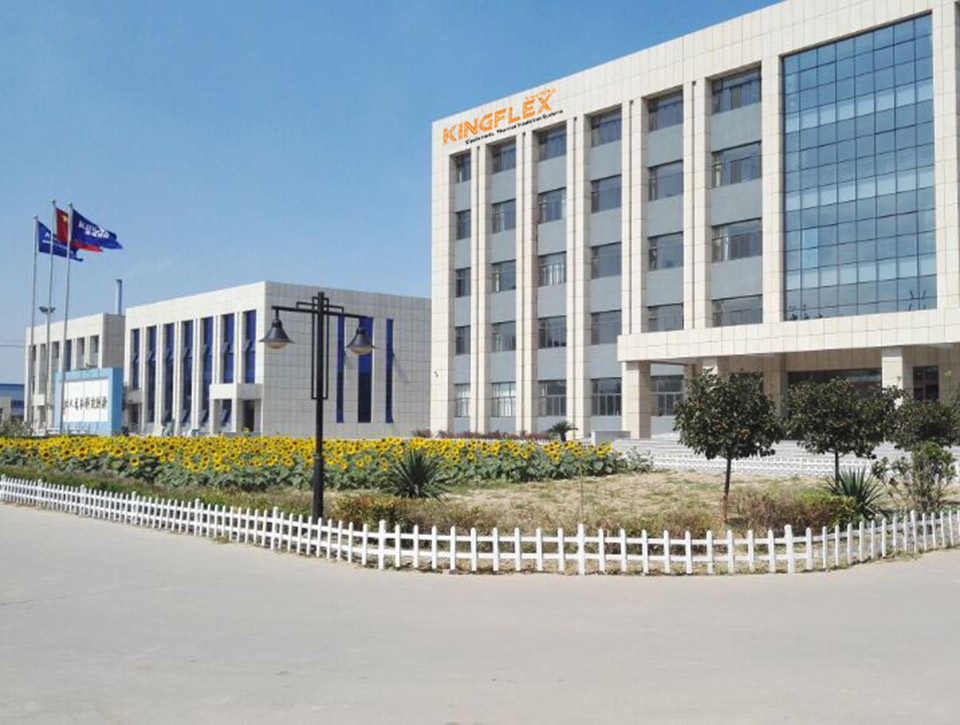
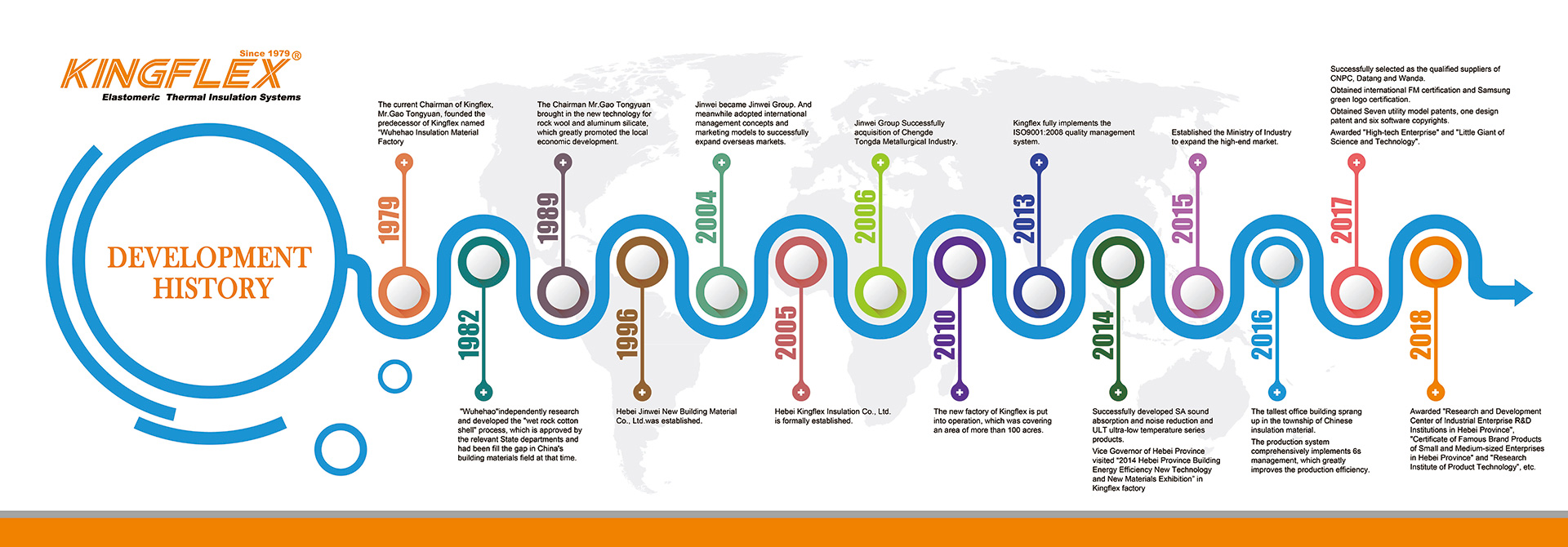
A joint manufacturing and trading combo, Kingflex stands at the forefront of the global thermal insulation sector. Formed under the Jinwei Group, we carry over four decades of thermal engineering history.
Kingflex was established by the Jinwei Group, which possesses a prestigious heritage dating back to 1979. Jinwei Group was the first manufacturer of thermal insulation materials north of the Yangtze River, paving the way for China's modern eco-friendly energy-saving materials industry.
We operate 5 modern, fully automated continuous extrusion assembly lines. With an annual production capacity exceeding 600,000 cubic meters, Kingflex is a designated supplier for major state projects across the Ministry of Energy, Ministry of Electric Power, and the Ministry of Chemical Industry.
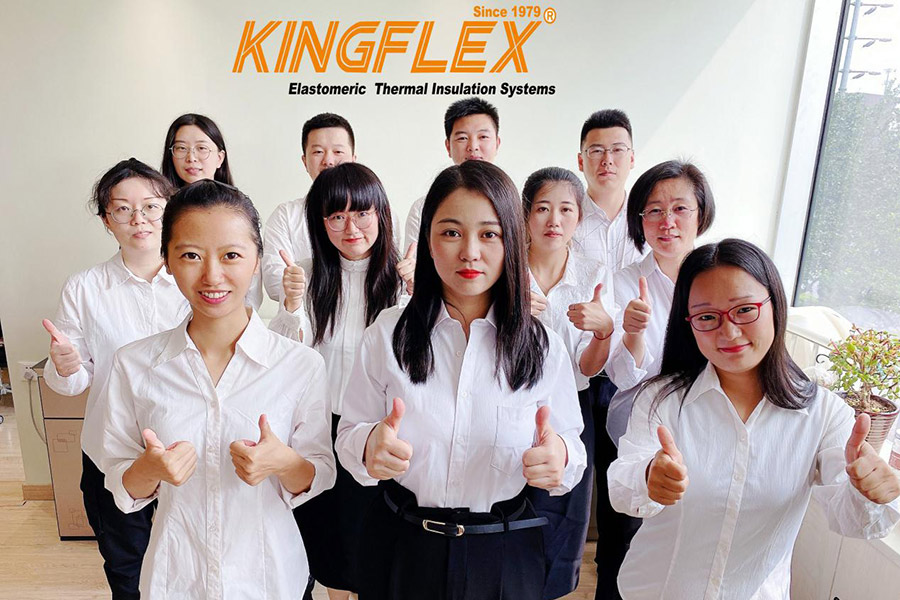
Our operation brings together a dedicated team of experts: 8 professional senior material engineers in our specialized R&D Department, 6 dedicated international sales managers, and 230 highly skilled factory technicians working across production, curing, and testing stages.
Kingflex acts as a complete solution provider, not just a raw component manufacturer. We support clients from the architectural planning phase down to post-installation inspection:
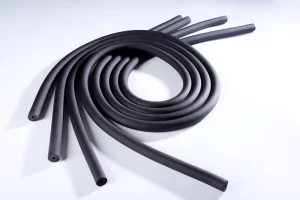
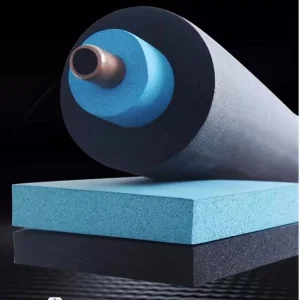
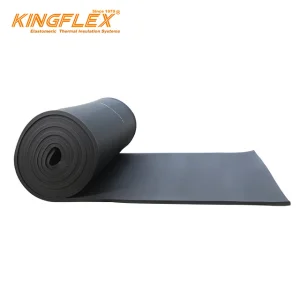
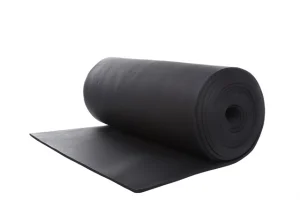
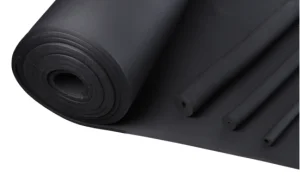
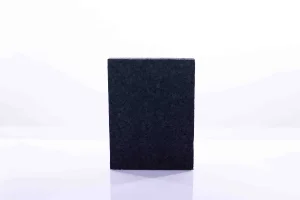
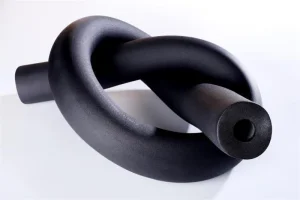
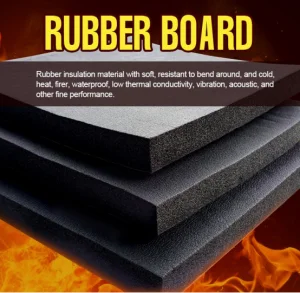
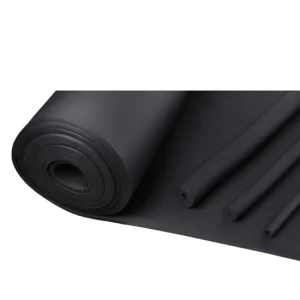
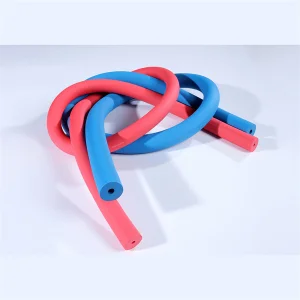
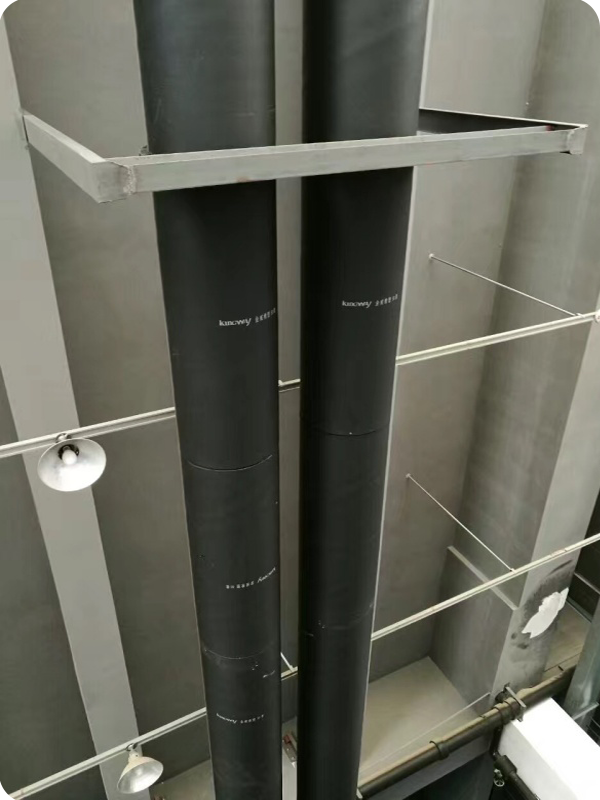
Our standard black rubber foam sheet rolls and pre-formed insulation pipes are engineered to precise specifications, ensuring long-term reliability under mechanical stress and temperature fluctuations.
| Physical Property | Insulation Sheet Roll Specification | Insulation Pipe / Tube Specification |
|---|---|---|
| Base Polymer Material | NBR/PVC Elastomeric Compound | NBR/PVC Elastomeric Compound |
| Available Thickness | 6mm to 50mm | 9mm to 40mm |
| Inner Diameter (ID) | N/A (Flat sheet / roll format) | 6mm to 114mm (Tailored for copper & iron pipe sizes) |
| Core Density Range | 40 to 55 kg/m³ | 40 to 55 kg/m³ |
| Thermal Conductivity ($\lambda$) | ≤ 0.034 W/m·K at 0°C | ≤ 0.034 W/m·K at 0°C |
| Moisture Resistance Factor ($\mu$) | ≥ 10,000 (ASTM E96 compliant) | ≥ 10,000 (ASTM E96 compliant) |
| Service Temperature Limit | -40℃ to +105℃ (Ultra-low Cryogenic options available) | -40℃ to +105℃ (Ultra-low Cryogenic options available) |
| Fire Safety Rating | Flame retardant, self-extinguishing (BS476 Class 0, UL94) | Flame retardant, self-extinguishing (BS476 Class 0, UL94) |
Closed-cell elastomeric foam functions via convective heat transfer suppression. By locking microscopic nitrogen and air molecules into permanent, non-interconnecting cells, the movement of heat is drastically slowed. The high density of individual cell walls limits radiation losses, while the absence of interstitial pathways prevents air drafts inside the insulation layer itself.
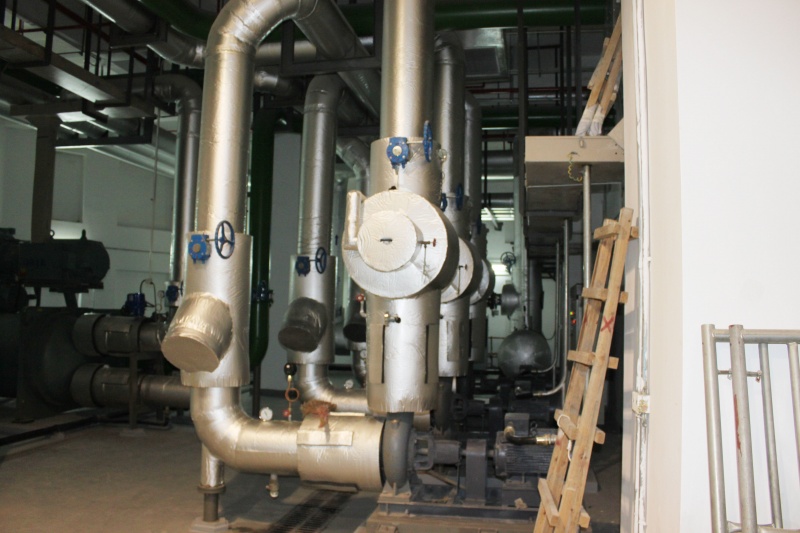
Additionally, the elastomeric nature of NBR/PVC prevents physical degradation when exposed to building movements, thermal expansion, or vibration from large compressor setups. This flexibility allows for rapid, seamless wrapping around complex joints, T-valves, and manifolds, eliminating gaps that often compromise traditional, rigid insulation designs.
From standard HVAC installations in shopping malls to cryogenic insulation in LNG cargo ships, Kingflex materials are engineered to meet specialized, project-specific demands worldwide.
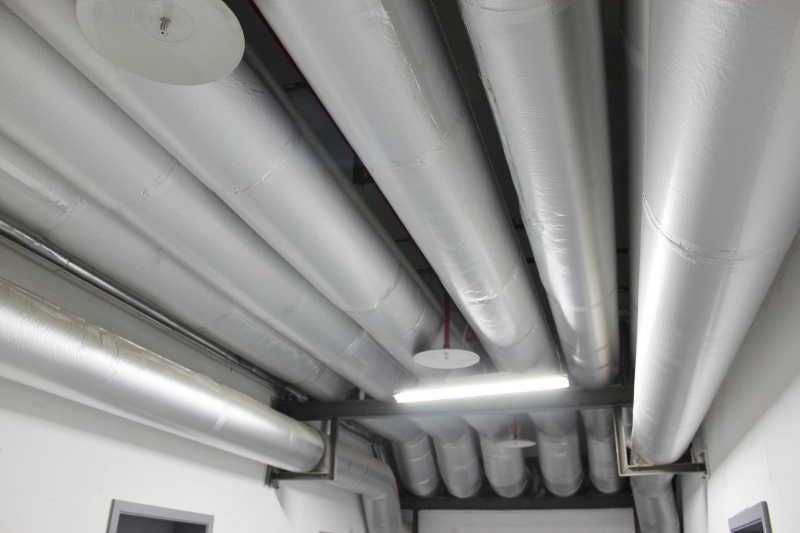
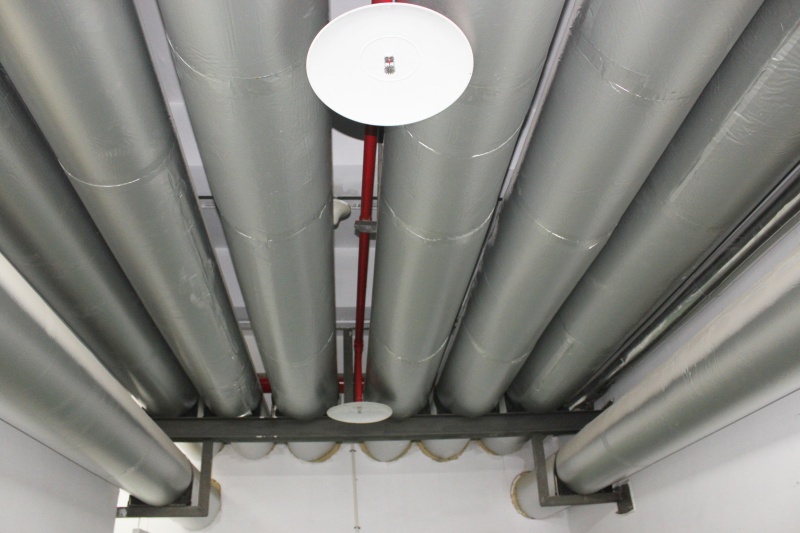
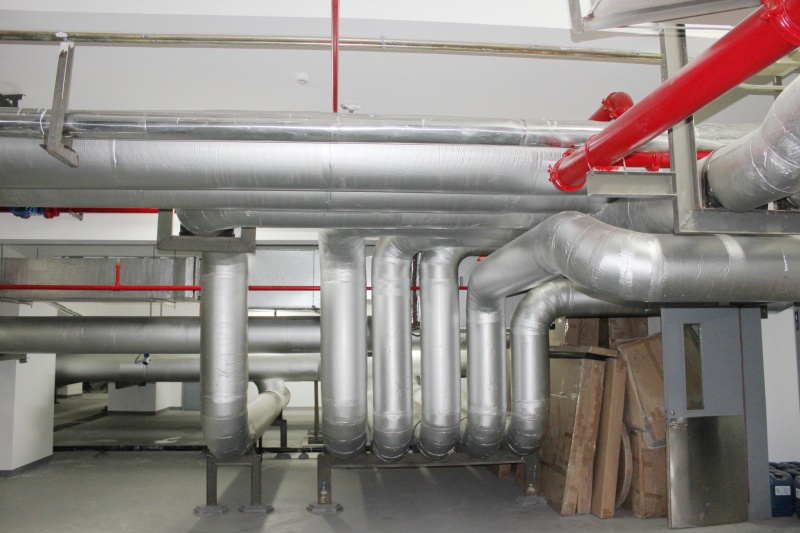
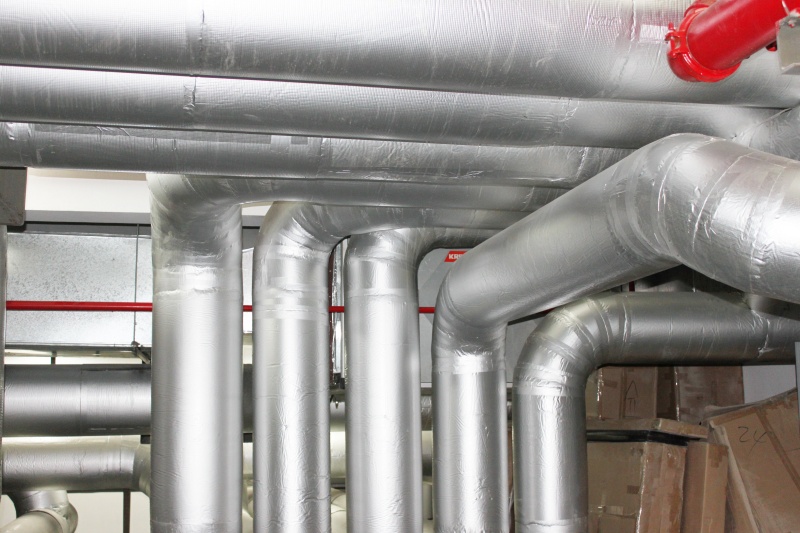
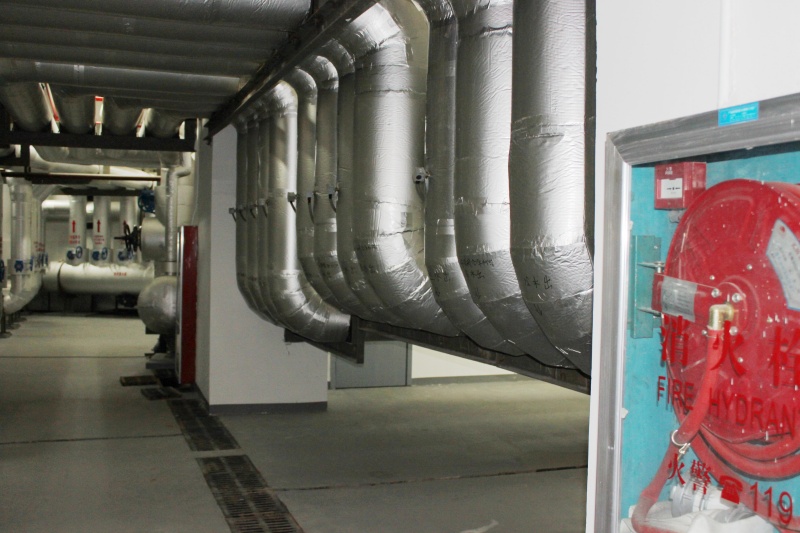
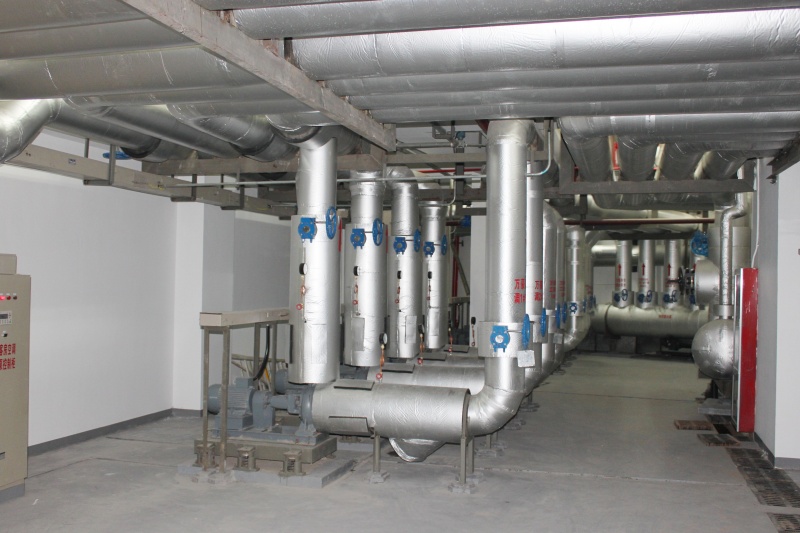
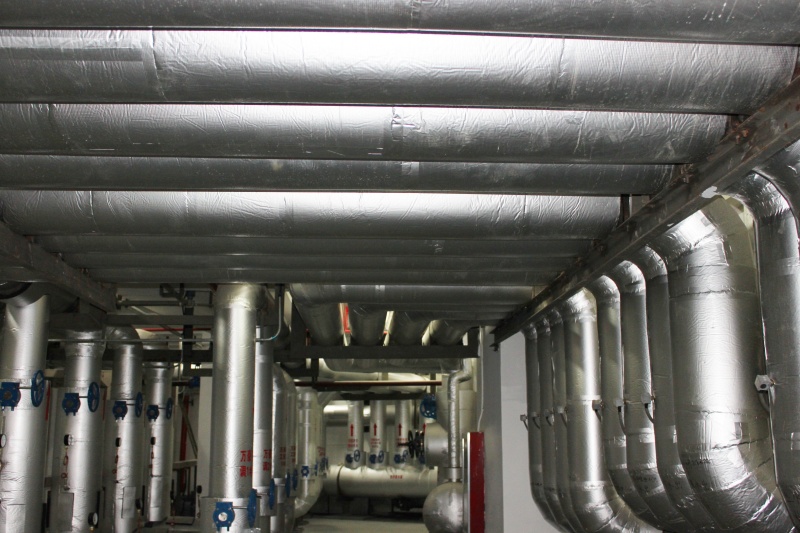
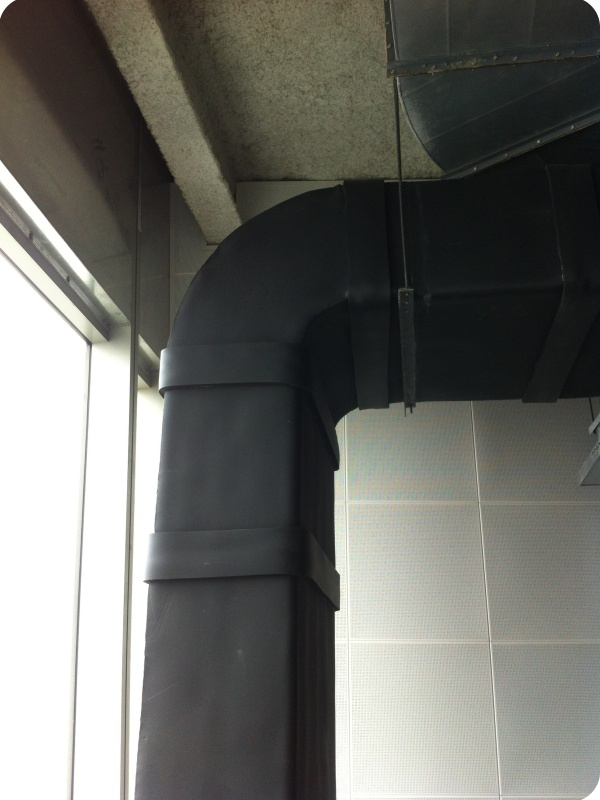
For high-rise office towers, healthcare facilities, and retail centers, preventing condensation on supply-air ducts is critical. Kingflex elastomeric sheets isolate chilled metal surfaces from warm, humid mechanical rooms, preventing water runoff, ceiling damage, and structural mold issues.
Petrochemical installations and liquid natural gas (LNG) storage complexes operate at temperatures down to -200°C. Traditional insulation cracks under such extreme cold stress. Kingflex's specialized Cryogenic rubber foam maintains flexibility, preventing thermal shock cracking and system failures.
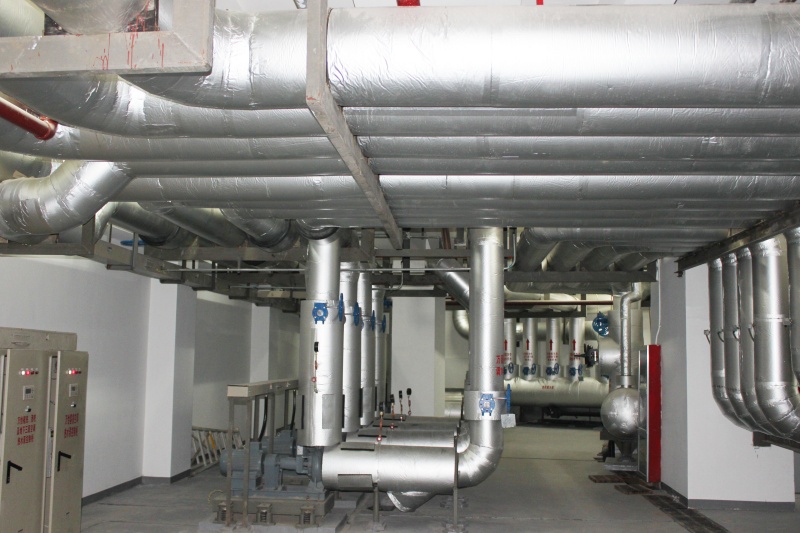
Modern machine rooms contain high-power pumps, compressor units, and high-velocity piping, generating significant airborne and structural noise. Our high-density acoustic insulation sheets absorb sound energy, helping projects comply with occupational noise control regulations.

As the international community works toward carbon neutrality, the environmental footprint of construction materials is coming under close scrutiny. Industry trends are shifting toward halogen-free, low-smoke, and non-toxic insulation compounds. Standard foam components must not only perform thermal duties but also meet strict chemical safety guidelines.
Kingflex meets these green initiatives by ensuring our foam products are REACH and RoHS certified. We use eco-friendly blowing agents that carry zero Ozone Depletion Potential (ODP) and zero Global Warming Potential (GWP), providing global EPC contractors with future-proof compliance.
We implement strict quality control from raw material compounding to final warehouse loading, ensuring compliance with global building codes.
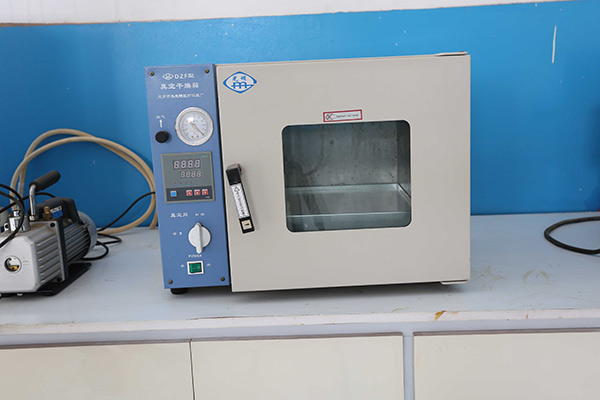
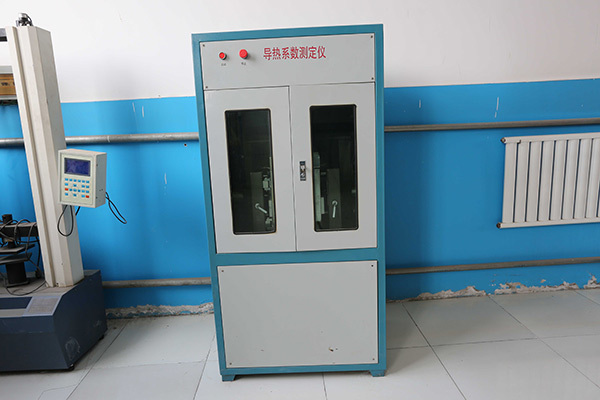
To remain a top-tier global supplier, Kingflex maintains an in-house laboratory equipped to perform key physical tests on every production batch:
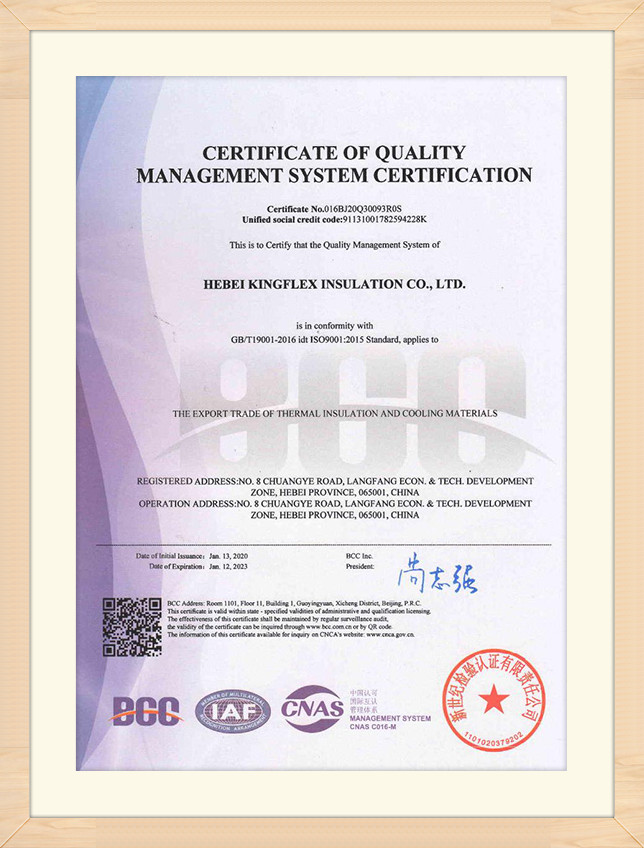
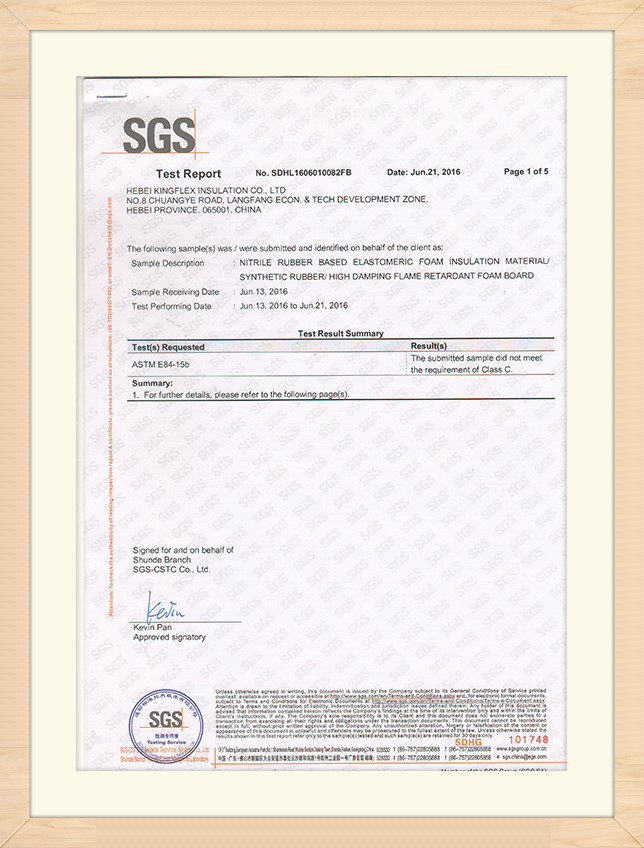
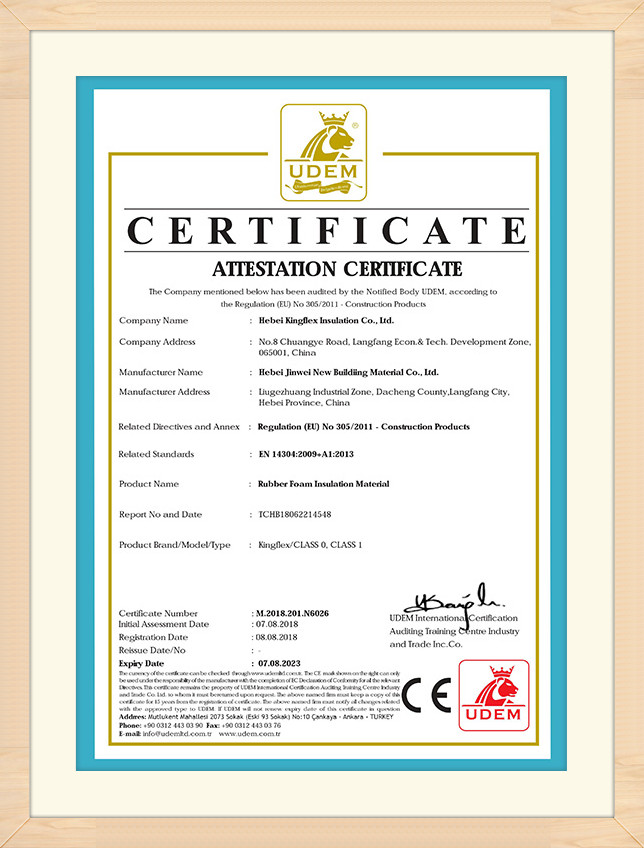
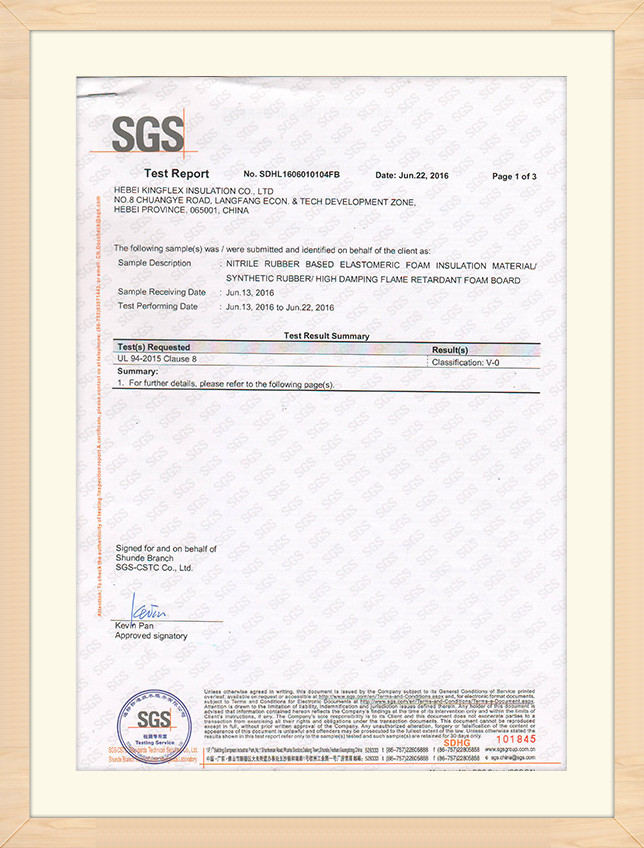
For over 16 years, Kingflex has exported to more than 66 countries. Our commitment is backed by transparent communication and verified performance.



Find answers to common questions about materials, applications, standards, and our services.
Engineered for extreme operating environments, including low-temperature pipelines and high-velocity HVAC systems.