 Kingflex
Kingflex
Kingflex
Explore our high-performance thermal and cryogenic pipeline products engineered for extreme environments.
In modern construction and industrial engineering, thermal efficiency and moisture containment are key issues. Glass Wool Insulation Felt with FSK (Foil-Scrim-Kraft) facing has become an industry standard for duct wrapping, pre-engineered metal buildings, and general HVAC insulation. As energy codes tighten from the European Union (under EPBD directives) to North America (via ASHRAE 90.1 protocols), procurement officers look to China as a hub for scaling high-spec glass wool roll production.
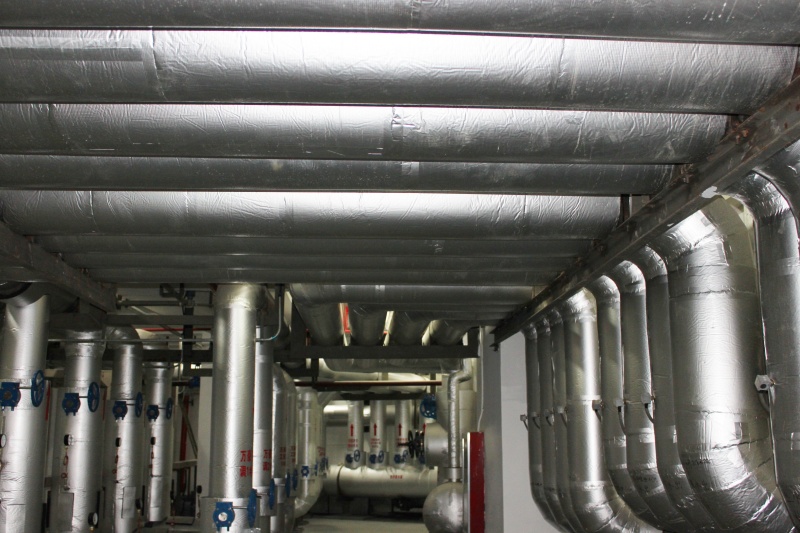
FSK facing features a triple barrier system: a layer of bright aluminum foil to reflect radiant heat, a reinforcing glass-fiber scrim for high tensile strength, and a durable kraft paper backing. This combination makes it suitable for extreme mechanical stress and high humidity. In markets like Southeast Asia and the Middle East, where high humidity can cause condensation inside HVAC systems, FSK-faced glass wool provides a low perm rating. This prevents ambient moisture from penetrating the fibrous glass core, preserving structural integrity and thermal resistance (R-value).
Specifying FSK glass wool requires analyzing density, thermal conductivity, and fire safety ratings. Glass wool insulation consists of long, fine inorganic glass fibers bonded by a thermosetting resin. When coupled with FSK, the resulting composite material provides structural strength and reliable fire retardancy.
| Property | Standard Reference | Design Value / Parameters |
|---|---|---|
| Density Range | ASTM C553 | 16 kg/m³ to 48 kg/m³ (1.0 to 3.0 lb/ft³) |
| Thermal Conductivity (λ) | ASTM C518 | ≤ 0.034 W/m·K at 24°C mean temperature |
| Vapor Permeability (FSK Facing) | ASTM E96 | ≤ 0.02 Perms (grains/hr·ft²·in.Hg) |
| Combustibility / Fire Hazard | BS 476 Part 6 & 7 / ASTM E84 | Class 0 / Flame Spread Index ≤ 25, Smoke Developed ≤ 50 |
| Service Temperature Limit | ASTM C411 | Fiber core: up to 250°C; FSK Facing: up to 80°C |
The aluminum foil outer surface reflects up to 97% of radiant heat, reducing heat transfer into cooling air ducts. Concurrently, the underlying fiberglass structure traps microscopic air pockets, restricting conductive heat transfer. This dual-action system is essential for maintaining cooling efficiency in large commercial installations.
Across global supply chains, industrial structures require reliable, low-maintenance insulation. Our glass wool and elastomeric solutions are deployed across three primary areas:
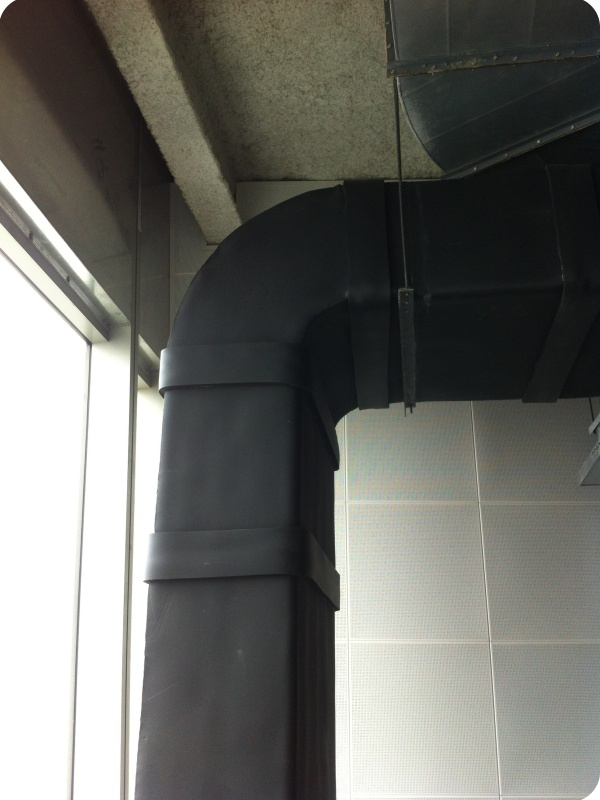
Ensures energy efficiency in thermal distribution lines, preventing condensation on duct walls and managing ambient noise levels in high-density office buildings.
Installed over purlins in pre-engineered metal warehouses to prevent condensation drips, protect roof panels from corrosion, and regulate internal temperatures.
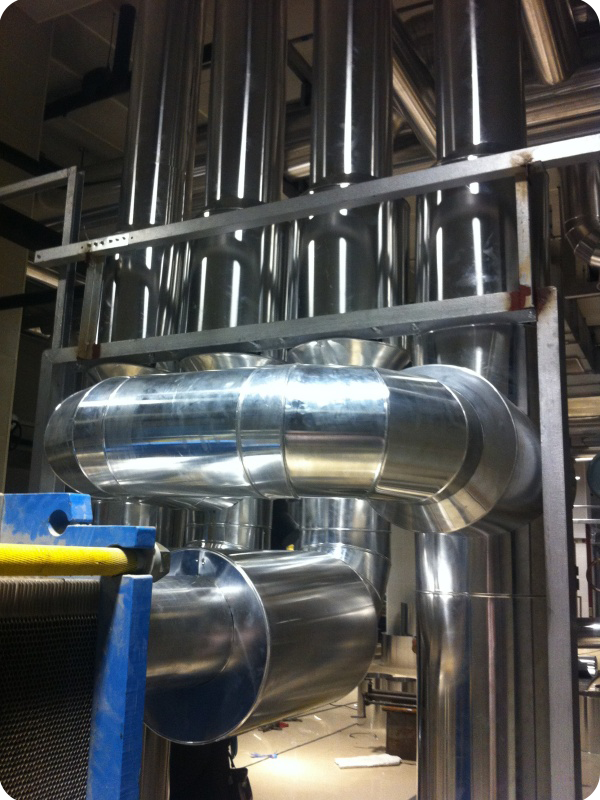
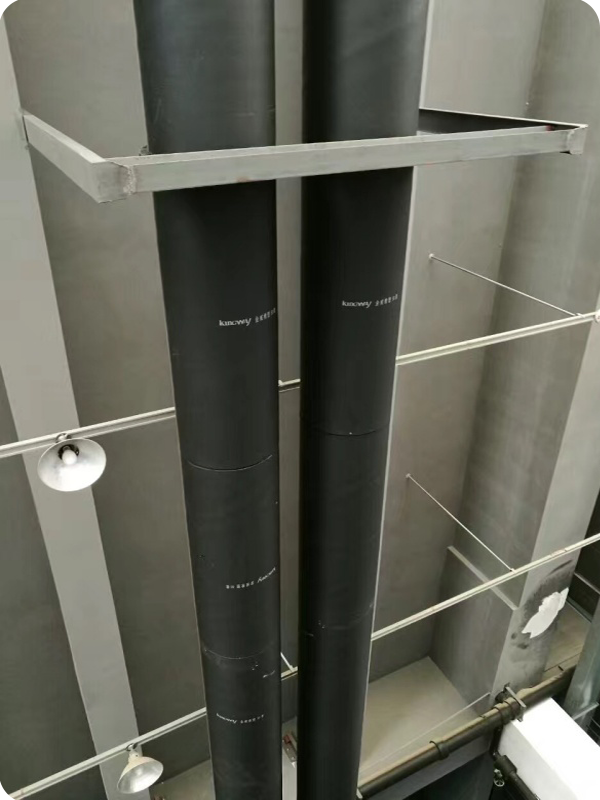
Reduces heat loss in large-scale piping systems and process vessels in petrochemical plants, paper mills, and manufacturing facilities.
Inside our manufacturing hub, featuring advanced production technology and quality control facilities.
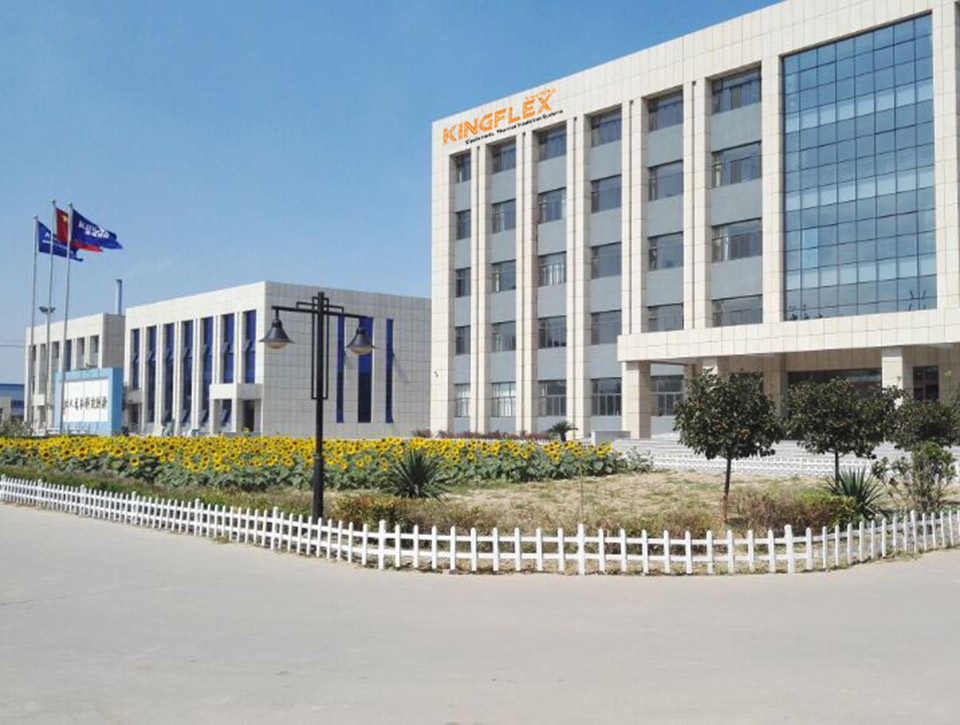
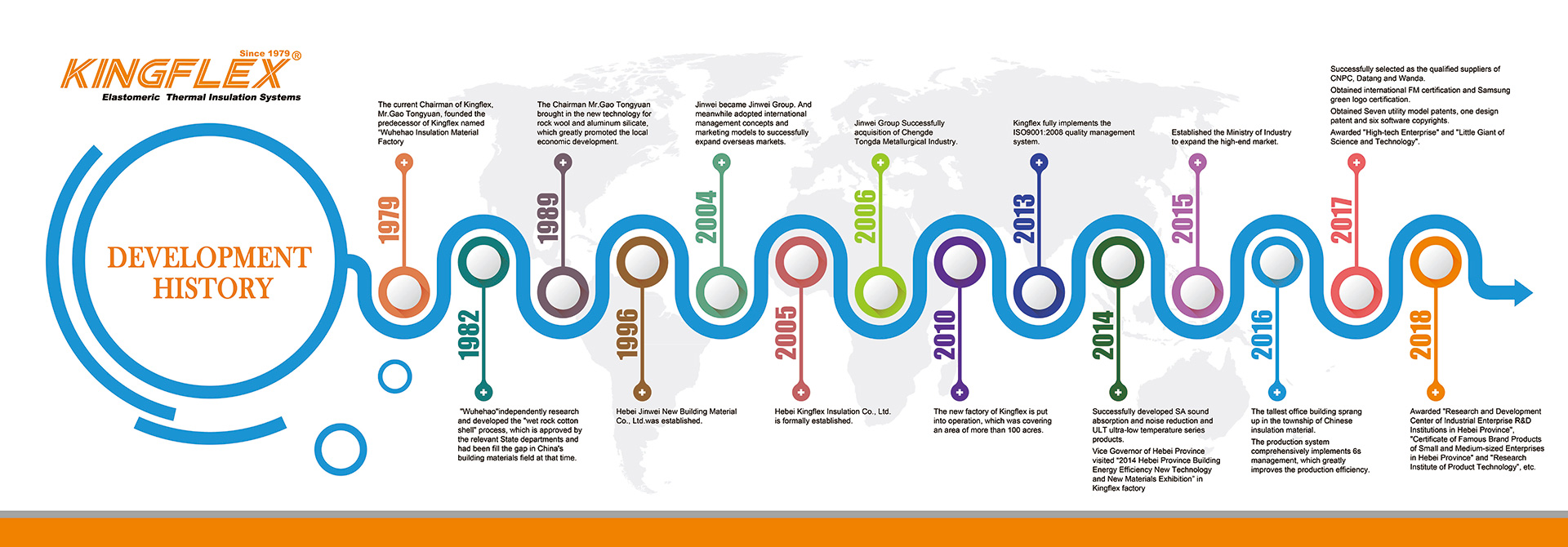
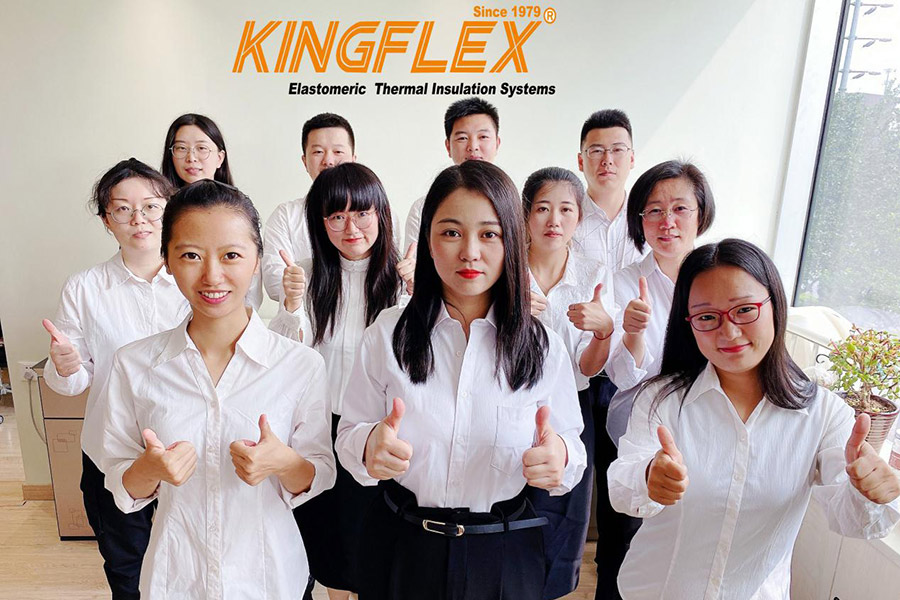

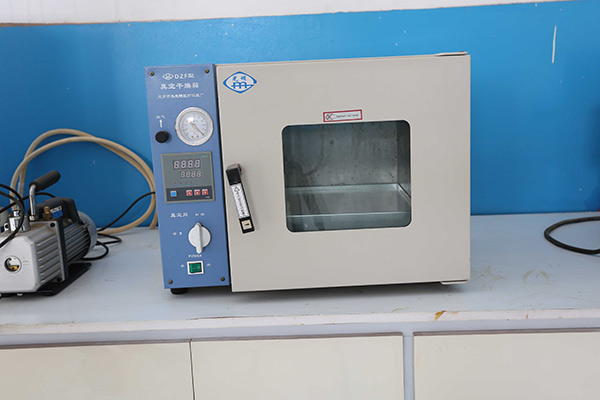
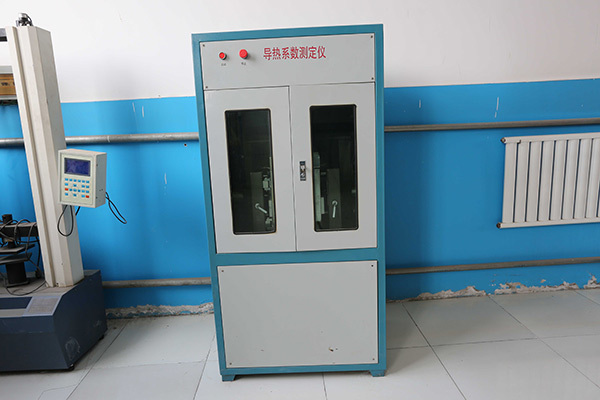
Established by the Jinwei Group, which has a manufacturing history dating back to 1979, Kingflex Insulation Co., Ltd. is a specialized manufacturer and trading combo for thermal insulation systems. Located in Dacheng, China—a hub for green building materials—Kingflex integrates R&D, mass production, installation assistance, and post-sale technical support.
Our operations focus on energy conservation and reducing energy consumption. Kingflex operates 5 large automatic assembly lines, achieving an annual production capacity exceeding 600,000 cubic meters. The company serves as a designated supplier for major industrial departments, including chemical processing, oil & gas pipeline projects, power transmission, and commercial HVAC networks globally. Over the past 16 years, Kingflex thermal insulation products have been exported to 66 foreign countries, meeting strict regional standards.


The glass wool industry is shifting toward safer chemical components and stronger mechanical facings. Traditional binders historically released traces of VOCs, but next-generation glass wool uses bio-based binders derived from renewable plant starches. This formaldehyde-free formulation eliminates hazardous chemical off-gassing, aligning with modern building standards such as LEED, WELL, and BREEAM.
Simultaneously, the physical design of FSK facing is shifting. Advanced multi-layer facings incorporate polymer coatings over the aluminum foil to protect it against corrosion in harsh environments, such as marine structures or chemical plants. Our R&D efforts focus on improving the tensile strength of the tri-directional glass-fiber scrim. This helps prevent tearing during high-tension duct wrapping, ensuring a continuous, unbroken vapor barrier.



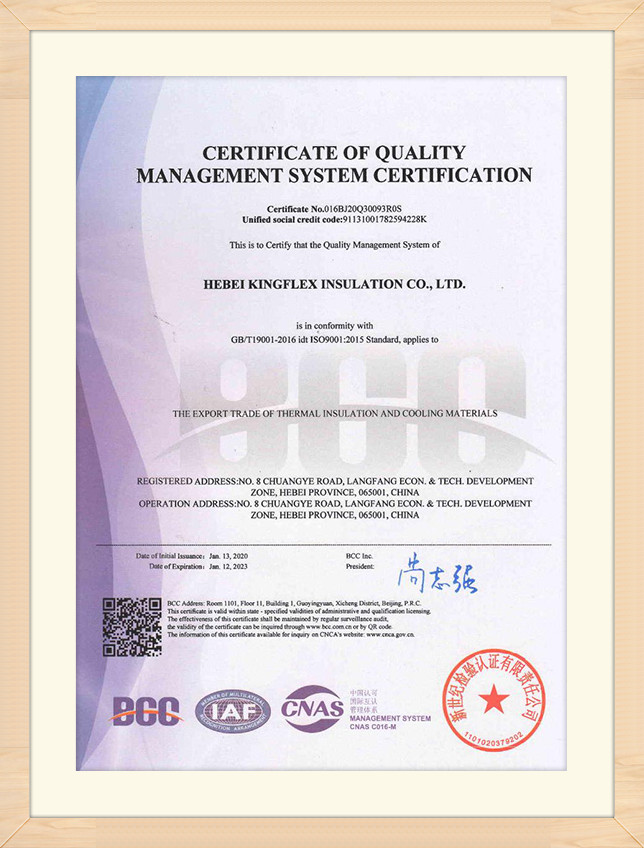
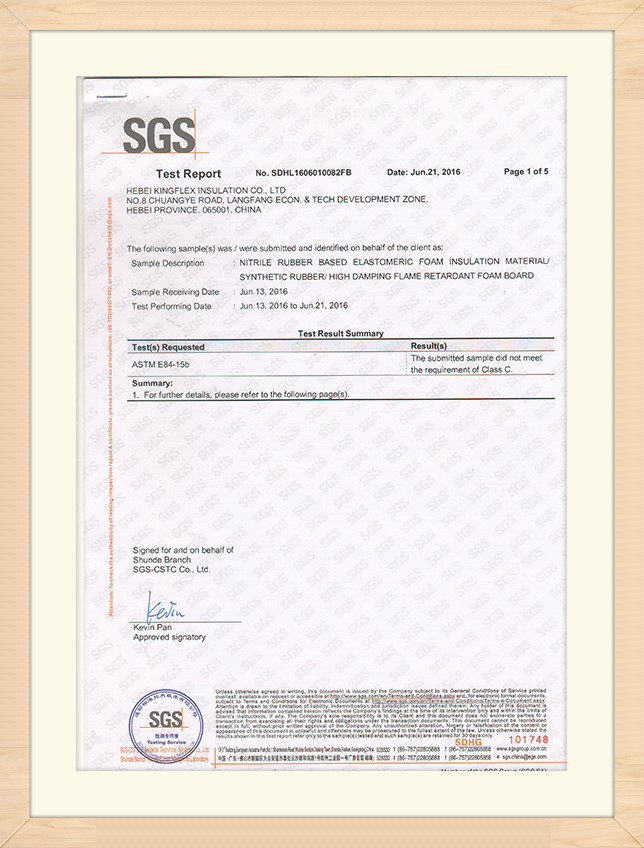
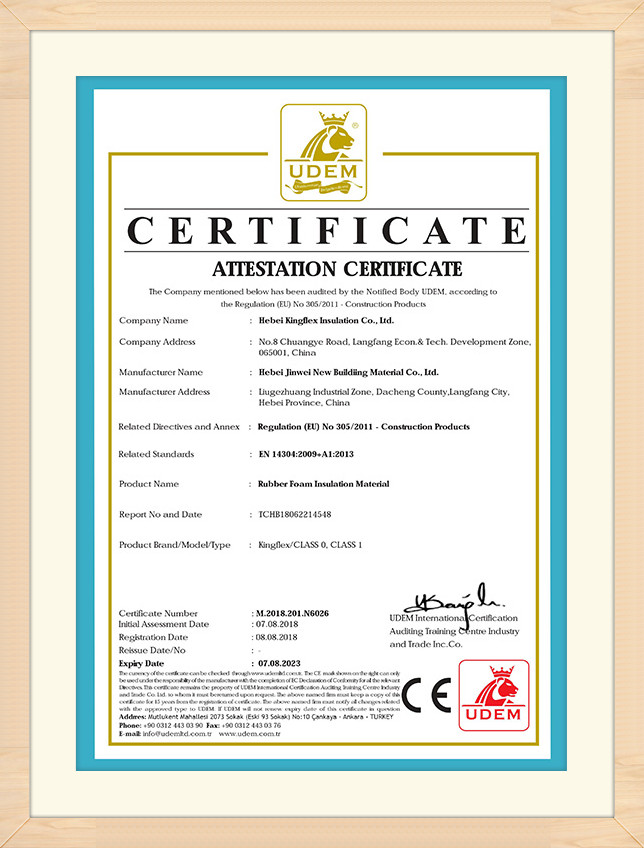
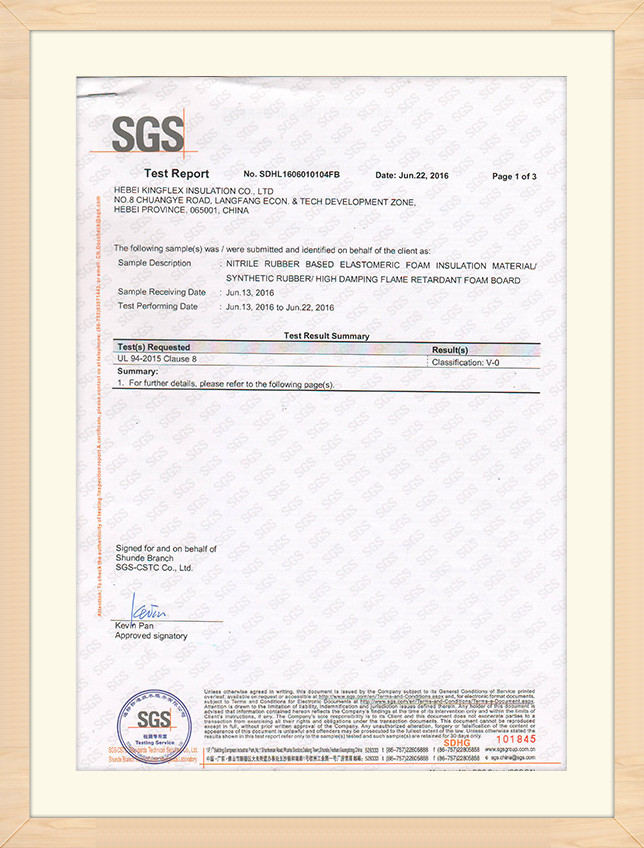
Building projects require materials that comply with specific municipal, regional, and national safety regulations. Kingflex insulation products undergo regular testing to meet international safety criteria:
In addition to compliance, Kingflex uses a manufacturing tracking system. Every production batch of elastomeric foam, rock wool, and glass wool is assigned a tracking code, allowing engineers to verify the material's origin, factory batch logs, raw material testing parameters, and compliance records.
Answers to technical queries regarding materials, installation, fire safety, and product specifications.
A1: It is mainly used for HVAC ducts, air conditioning pipes, building thermal insulation, and industrial pipeline cold and sound insulation, preventing condensation in chilled systems.
A2: Yes, our rubber foam insulation products contain fire-retardant additives, meeting BS 476, Class 0, and UL94 flammability safety standards for building projects.
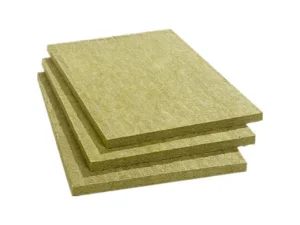
A3: Rubber foam is a flexible, closed-cell material with moisture-proof properties, suited for HVAC and chilled water lines. Rock wool and glass wool are fibrous, open-structured materials designed for high-temperature resistance, acoustic absorption, and structural fire protection.
A4: Yes, we provide OEM services, allowing customization of thicknesses, roll widths, sheet densities, and custom foil backings to suit specific engineering designs.
A5: Our products have passed BS 476, CE, REACH, ROHS, UL94, ASTM, and other international certifications, ensuring compliance with global building codes.
A6: Yes, all material batches are assigned production serial codes, enabling traceability from raw materials to final shipping.
A7: We can produce thicknesses from 6mm to 50mm in continuous roll forms or flat sheets.
A8: Under standard operating conditions and proper installation, the expected service life is approximately 10 to 15 years.
A9: The FSK (Foil-Scrim-Kraft) layer acts as a vapor barrier, protects the glass fibers from dust accumulation, and reflects radiant heat to improve overall system thermal performance.
A10: Dacheng is a major manufacturing cluster for green building materials, hosting a mature supply chain for raw glass batch processing, phenolic resin supplies, and packaging industries.
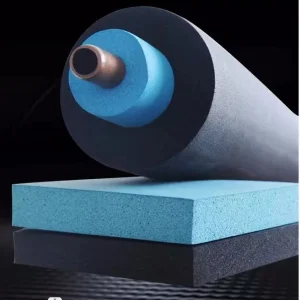
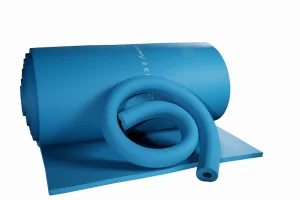
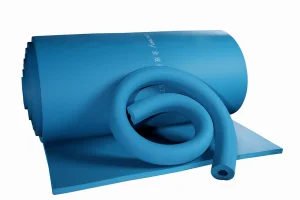
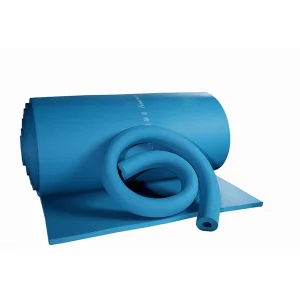
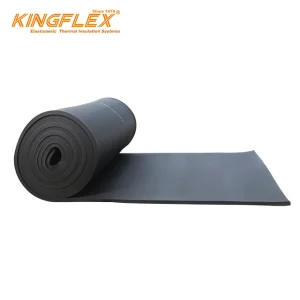
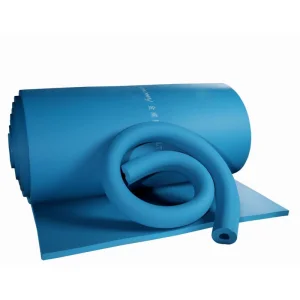
Standard Dimension:
Material: NBR/PVC
Thickness: 6mm - 50mm
Density: 40 - 55 kg/m³
Service Temperature Range: -40℃ to 105℃
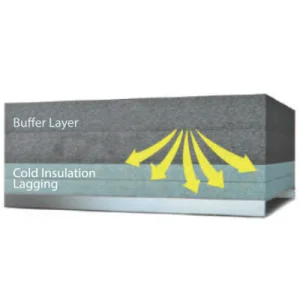
Key Advantages:
1. Uniform, fine-celled structure (closed cell rate over 98%).
2. Low water vapor permeability.
3. High compression resilience (>80%).
4. Self-extinguishing fire performance.
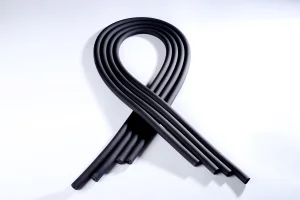
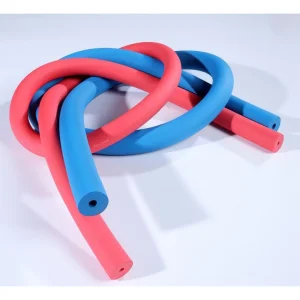
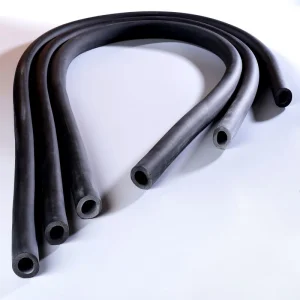
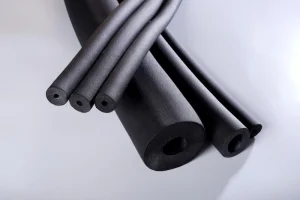
Standard Dimension:
Material: NBR/PVC
Thickness: 9mm - 40mm
Inside Diameter (ID): 6mm - 114mm
Density: 40 - 55 kg/m³
Service Temperature Range: -40℃ to 105℃
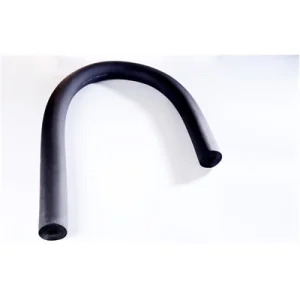
Key Advantages:
1. Even coating via automated extrusion systems.
2. Highly flexible for ease of installation around elbows.
3. Helps mitigate pipeline freezing risks.
4. Resists micro-structural tearing.
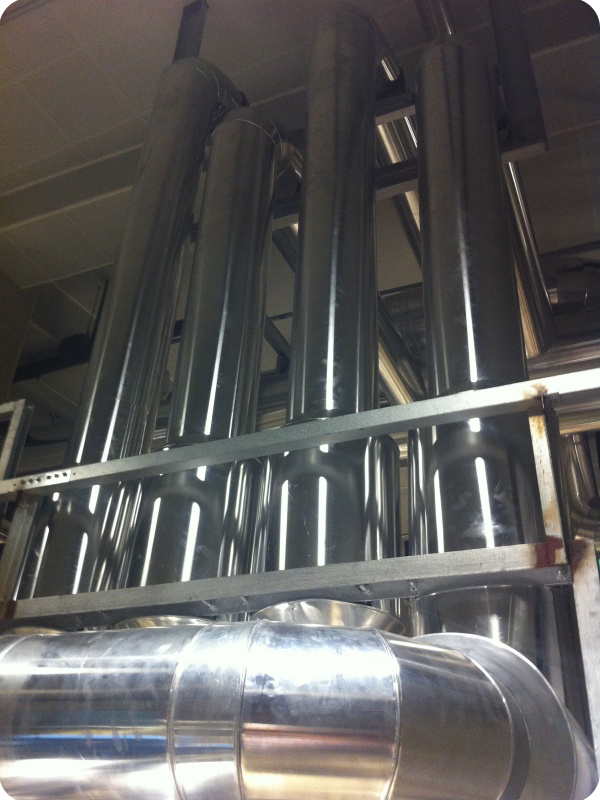
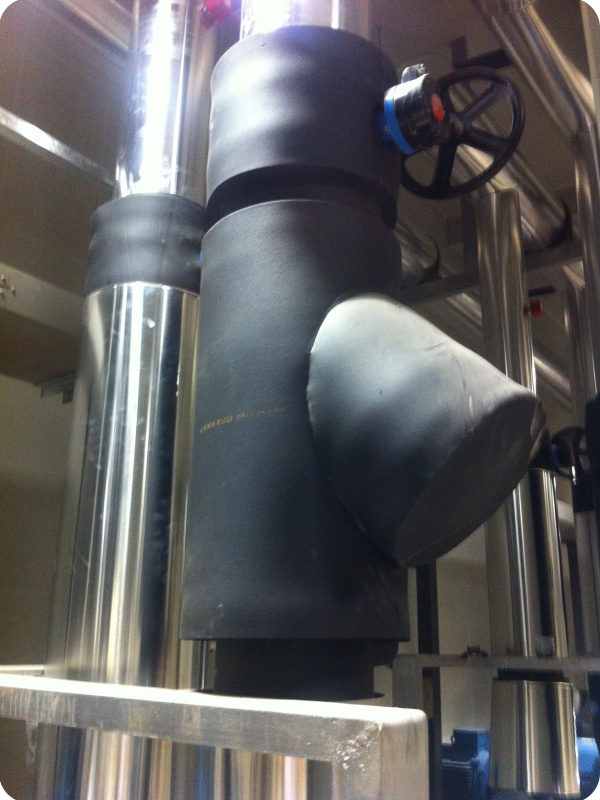
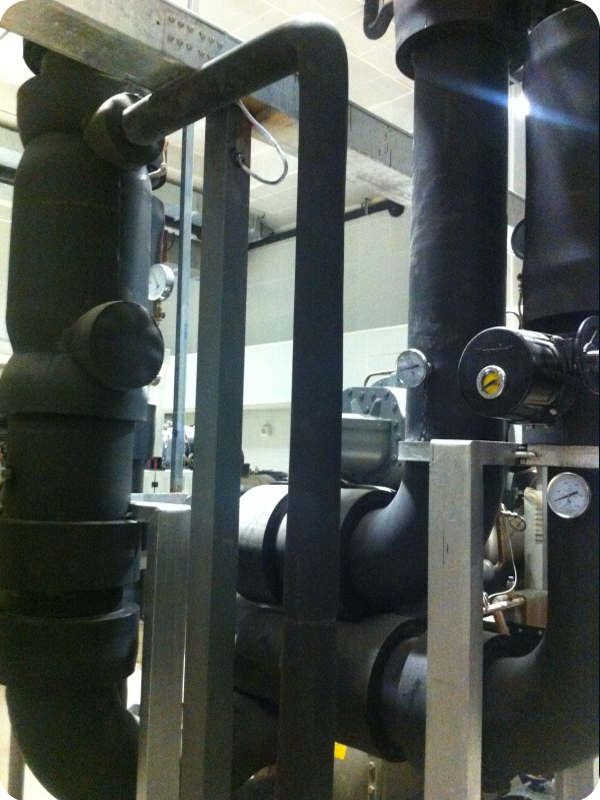
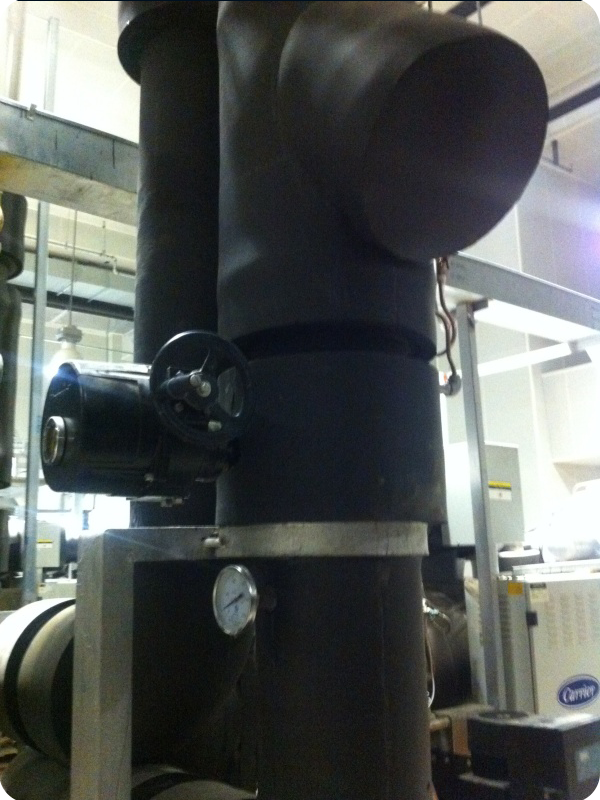
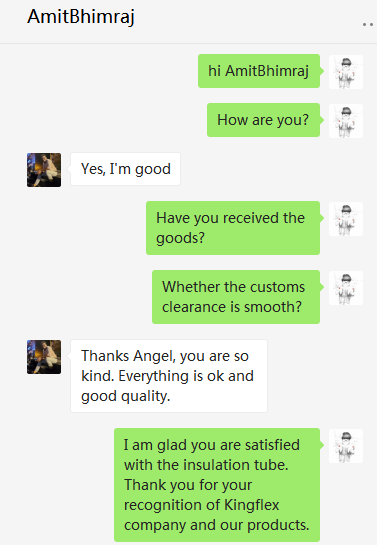
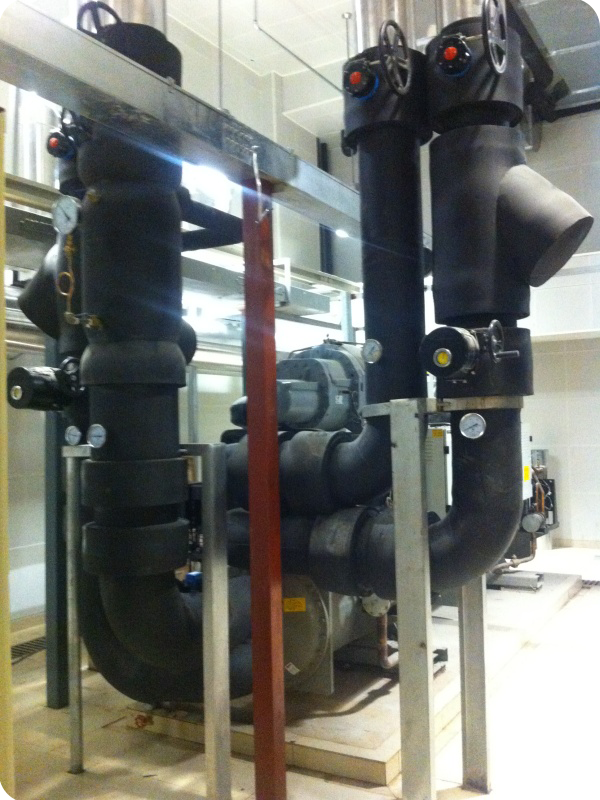
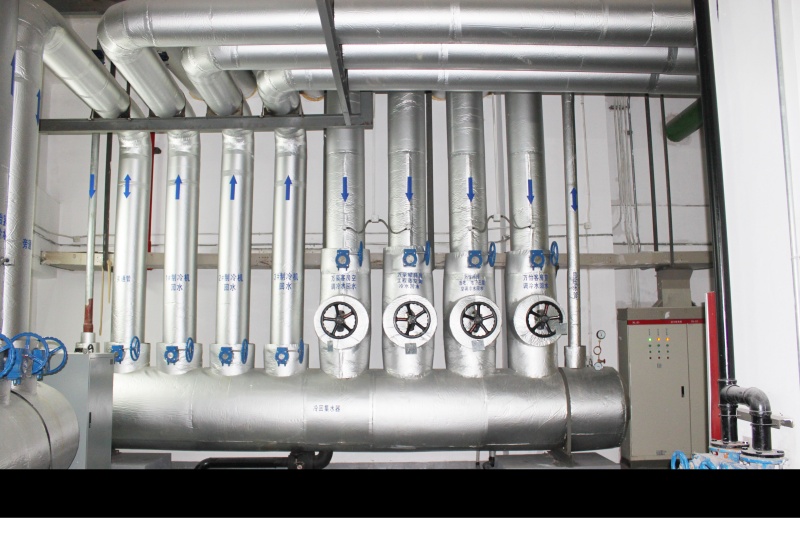
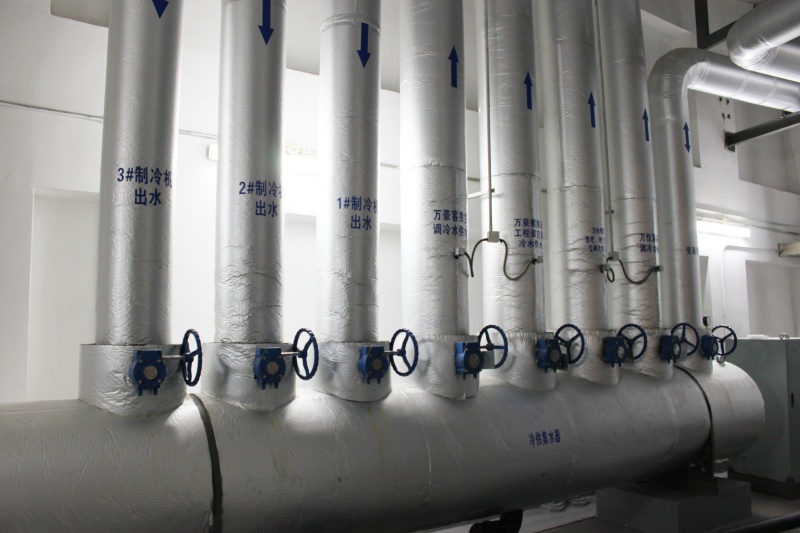
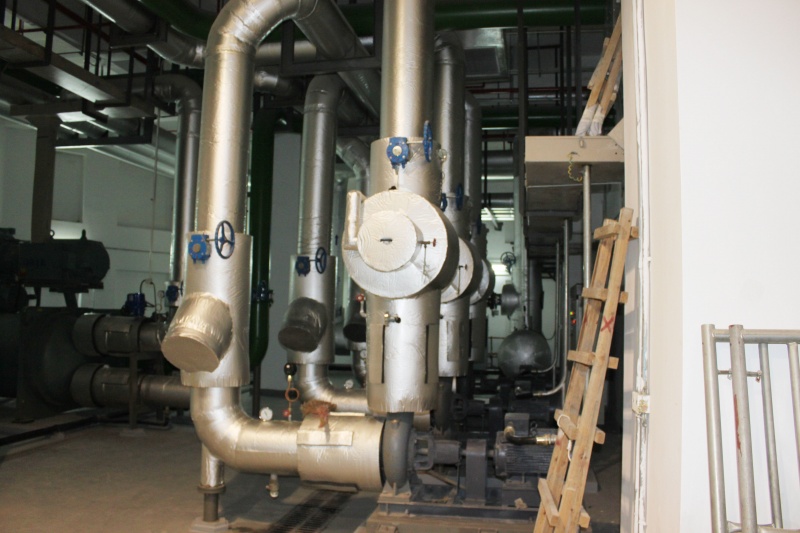
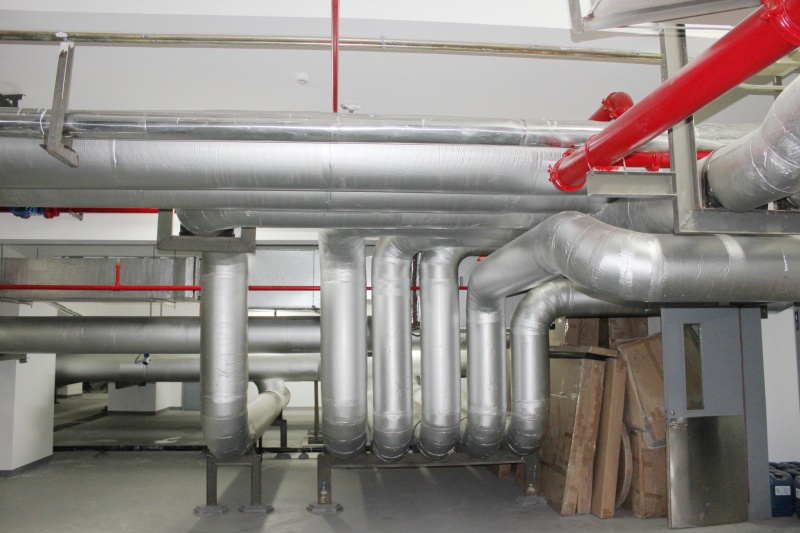
Our materials are utilized in high-profile municipal, energy, and commercial projects internationally.

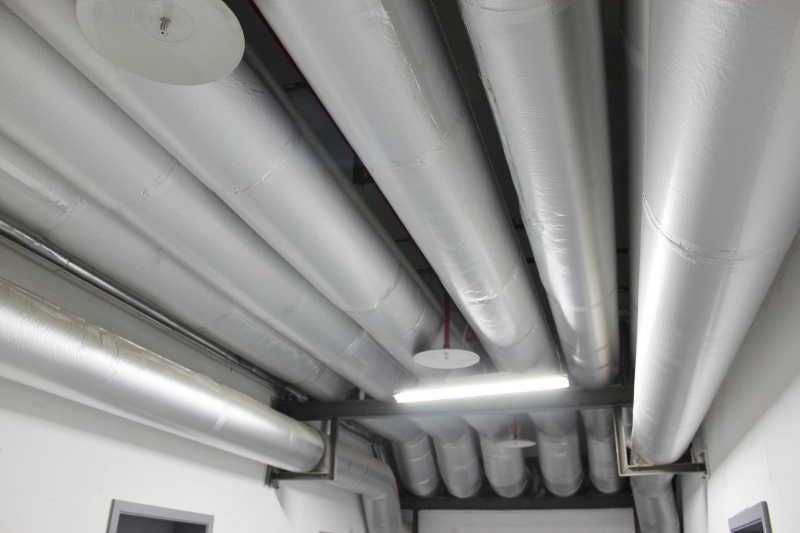
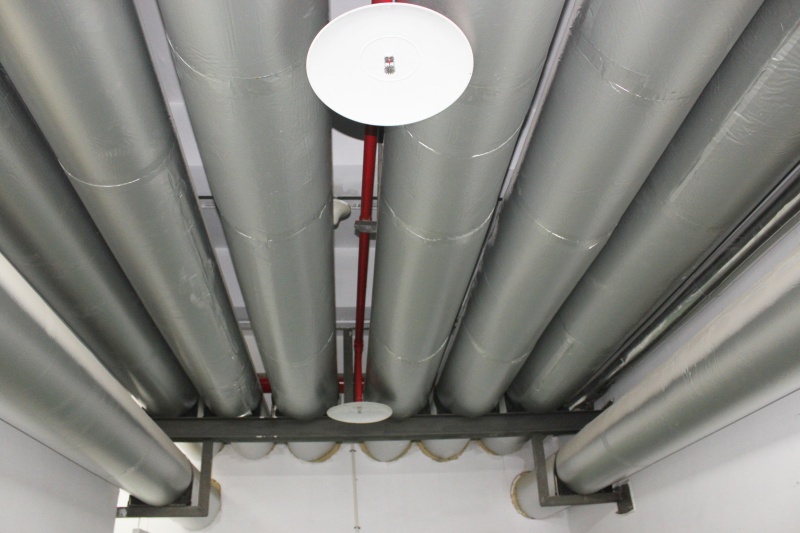
In addition to thermal insulation, glass wool is used for environmental noise control. The open-pore structure of glass wool helps dissipate sound energy. When sound waves hit the unfaced side of the glass wool, they travel through the air gaps between the glass fibers. The friction between the moving air molecules and the fiber walls converts acoustic energy into heat.
When wrapped with FSK facing, it acts as a dual-performance barrier. The reflective foil blocks high-frequency transmission, while the underlying fiberglass core dampens low-to-mid-frequency mechanical rumble from fans and compressors. This combination makes FSK glass wool blankets suitable for lining ventilation plenums and air ducts where noise management is required.
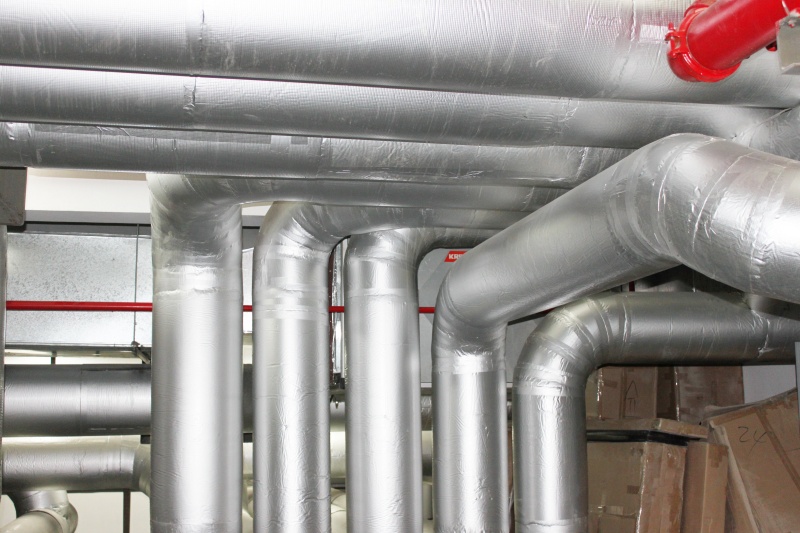
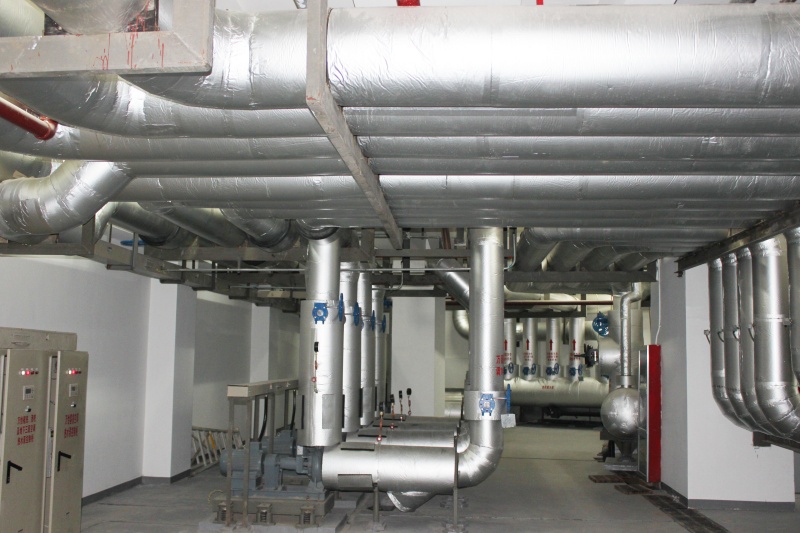
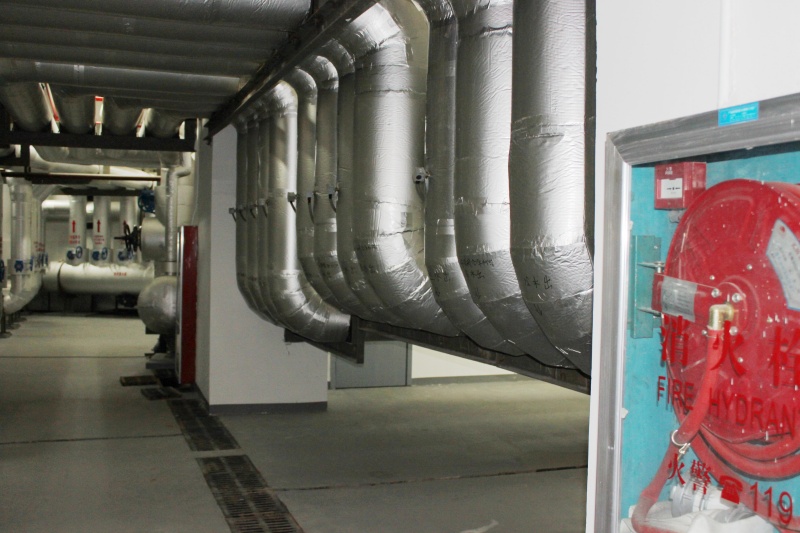
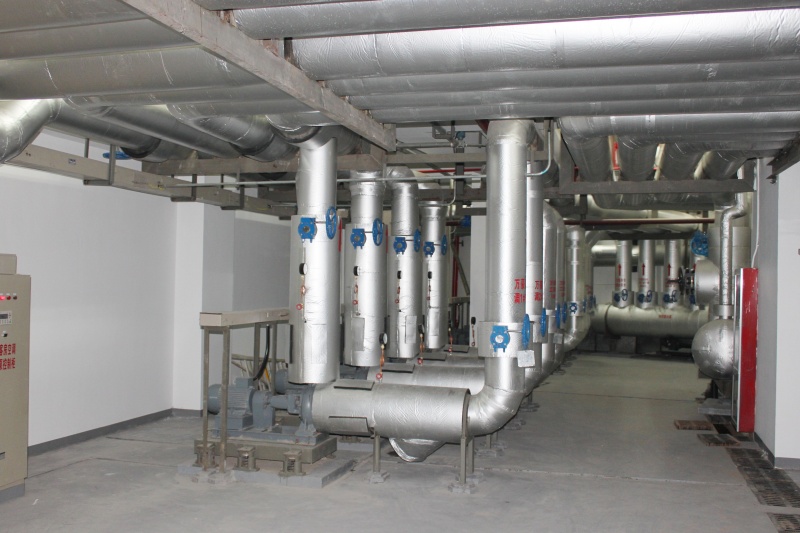
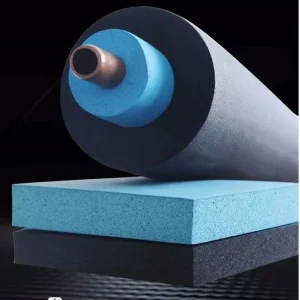
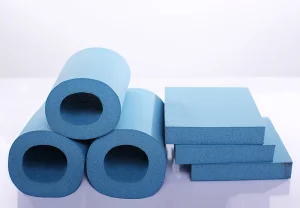
Our comprehensive range of elastomeric, mineral wool, and specialized cryo-insulation products.
Ongoing checks for thermal stability and compliance with global export standards.