 Kingflex
Kingflex
Kingflex
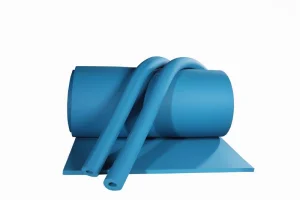
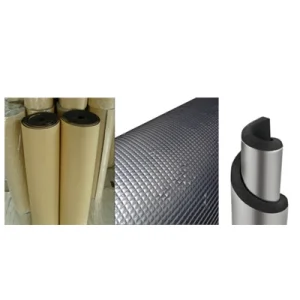
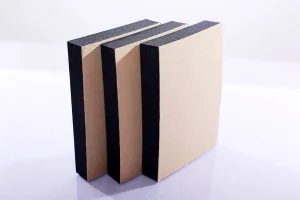
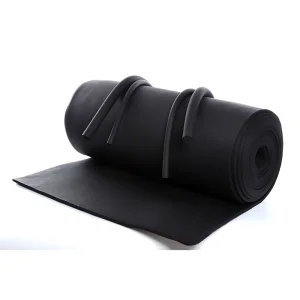
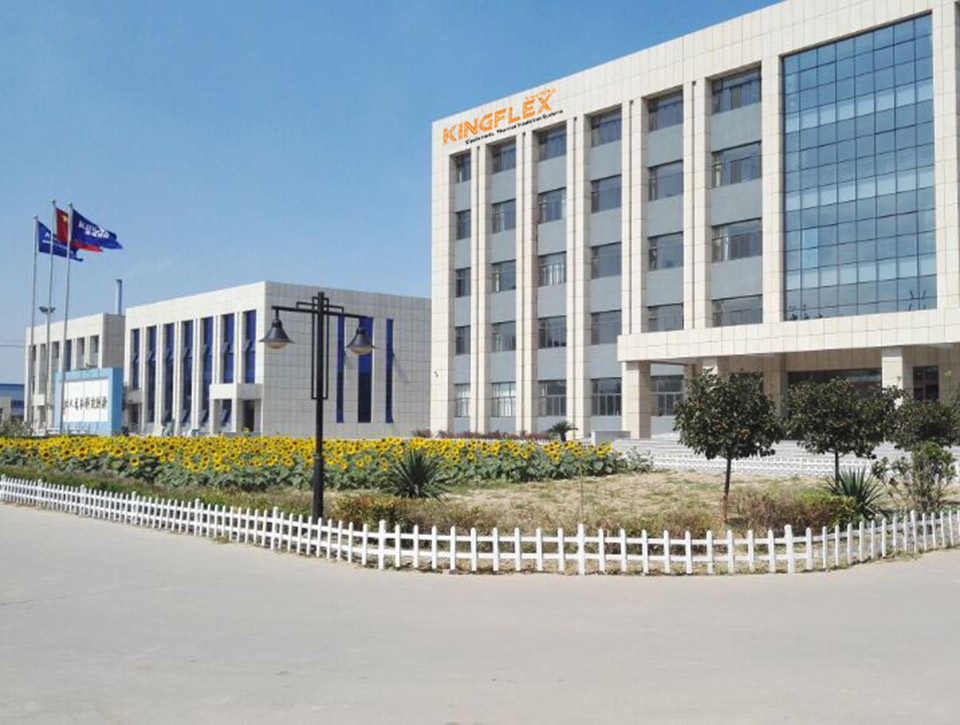
Kingflex Insulation Co., Ltd. stands as a premier manufacturing and trading conglomerate dedicated to advanced thermal insulation systems. Located in Dacheng, China—historically celebrated as the capital of green building materials—our operations unite pioneering scientific research, state-of-the-art production lines, global logistics, and comprehensive post-sale advisory support.
At the center of Kingflex's engineering philosophy is energy conservation and structural optimization. We design architectural and industrial insulation configurations that actively minimize heat loss, suppress structural acoustics, and mitigate moisture infiltration, guiding the global HVAC and mechanical piping industries toward sustainable, zero-emission target compliance.
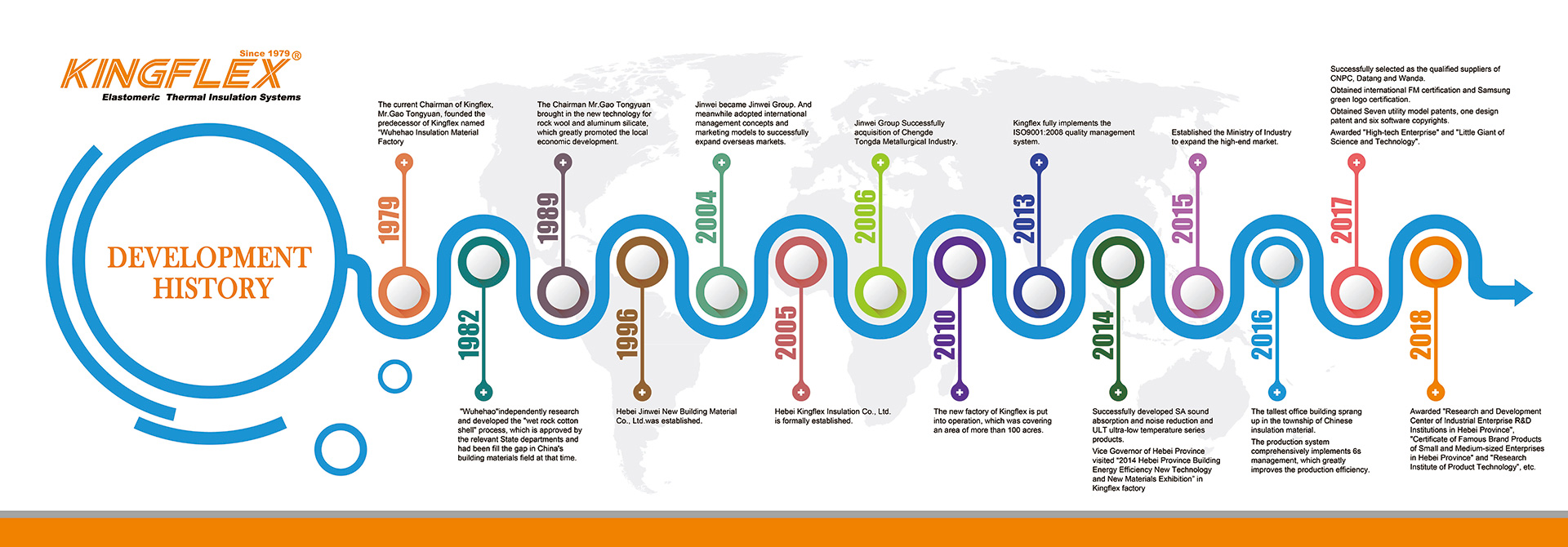
Established as an elite division under the prestigious Jinwei Group (founded in 1979, the pioneering manufacturer of thermal insulation materials north of the Yangtze River with over 40 years of market presence), Kingflex inherits a rich heritage of quality engineering. We provide integrated solutions addressing thermal barrier preservation, sub-zero cold insulation, and high-performance noise reduction across construction, chemical, marine, and aerospace applications.
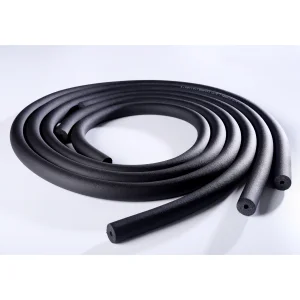
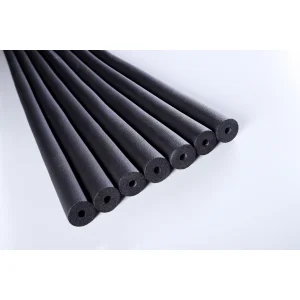
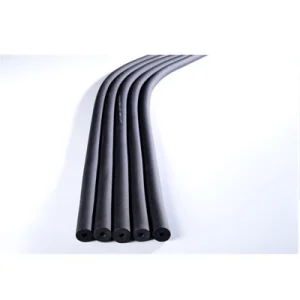
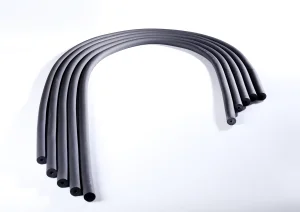
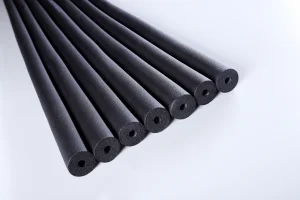
Modern commercial infrastructure demands building envelopes and mechanical systems that reduce operating energy consumption. Closed-cell elastomeric rubber foam pipe insulation—frequently referred to as "Green Pipe Lagging"—is now critical for achieving credits in green building frameworks such as LEED (Leadership in Energy and Environmental Design) and BREEAM (Building Research Establishment Environmental Assessment Method).
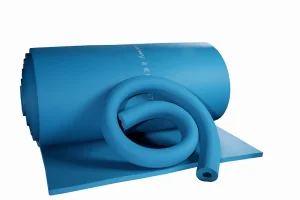
Specifiers are moving away from open-cell and fibrous materials due to structural degradation caused by moisture ingress. Kingflex NBR/PVC elastomeric insulation features an even, micro-cellular configuration with a closed-cell ratio exceeding 98%. This design acts as an inherent vapor barrier, ensuring that the thermal conductivity ($\lambda \le 0.034$ W/m·K at 0°C) remains stable over decades of operation.
Flame retardancy standards (such as BS 476 Class 0, UL94 V-0, and ASTM E84) govern global procurement. Modern green pipe lagging must prevent surface spread of flame while minimizing smoke density and toxic off-gassing. Our formulations incorporate halogen-controlled, self-extinguishing flame-retardant additives that form a protective carbonaceous char barrier under direct flame exposure.
Indoor Air Quality (IAQ) criteria restrict the use of materials containing formaldehyde, heavy metals, or volatile compounds. Kingflex materials are engineered to comply with European RoHS and REACH directives, ensuring zero ozone depletion potential (ODP) and global warming potential (GWP) index ratings during both fabrication and operation.
With developments in liquefied natural gas (LNG) transport and high-temperature HVAC applications, modern projects require pipe lagging capable of handling temperatures ranging from sub-zero cryogenic zones (-196°C) up to standard hot water lines (+105°C) without physical cracking or structural contraction.
To help MEP engineers, HVAC consultants, and procurement departments select the proper materials, the table below compares Kingflex Closed-Cell Elastomeric Rubber Foam with traditional insulation materials.
| Performance Parameter | Kingflex NBR/PVC Rubber Foam | Traditional Glass Fiber / Rockwool | Polyethylene (PE) Foam |
|---|---|---|---|
| Thermal Conductivity ($\lambda$) | ≤ 0.034 W/m·K (at 0°C) | ≤ 0.036 - 0.042 W/m·K | ≤ 0.038 - 0.040 W/m·K |
| Water Vapor Resistance Factor ($\mu$) | ≥ 10,000 (Inherent barrier) | ≤ 1 (Requires external jacketing) | ≥ 3,500 |
| Fire Safety Rating | Class 0 (BS 476), Class V-0 (UL94) | Class A1 (Non-combustible) | Class B1 / B2 (Standard Flammability) |
| Operating Temp Range | -50°C to +105°C (Cryogenic variants to -196°C) | Up to +650°C / -20°C | -40°C to +90°C |
| Moisture Absorption | ≤ 0.8% by volume (Closed-cell barrier) | ≥ 15% (Saturates easily) | ≤ 2.0% |
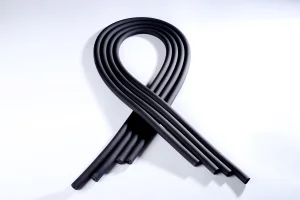
| Installation Flexibility | Excellent (Elastic structure, self-adhesive options) | Low (Brittle, dust/fiber emission hazards) | Moderate (Semirigid) |
By utilizing automated manufacturing assemblies, Kingflex ensures precision, consistency, and chemical distribution stability in every production run.
Continuous extrusion, foaming, and surface vulcanization systems.
Scalable volume to supply large industrial projects worldwide.
Including 8 dedicated R&D engineers and 6 international coordinators.
Insulation solutions shipped globally over the past 16 years.
Our facility is designated by major industrial ministries, including the Ministry of Energy and the Ministry of Chemical Industry. This standing reflects our adherence to manufacturing quality standards, batch-to-batch traceability, and our commitment to environmental compliance.
Advanced foaming control ensures micro-void configuration. Closed cells prevent water condensation on cool pipes, avoiding structural damage from mold and protecting steel piping networks from corrosion under insulation (CUI).
We provide thermal systems engineered for challenging operating environments across various sectors.
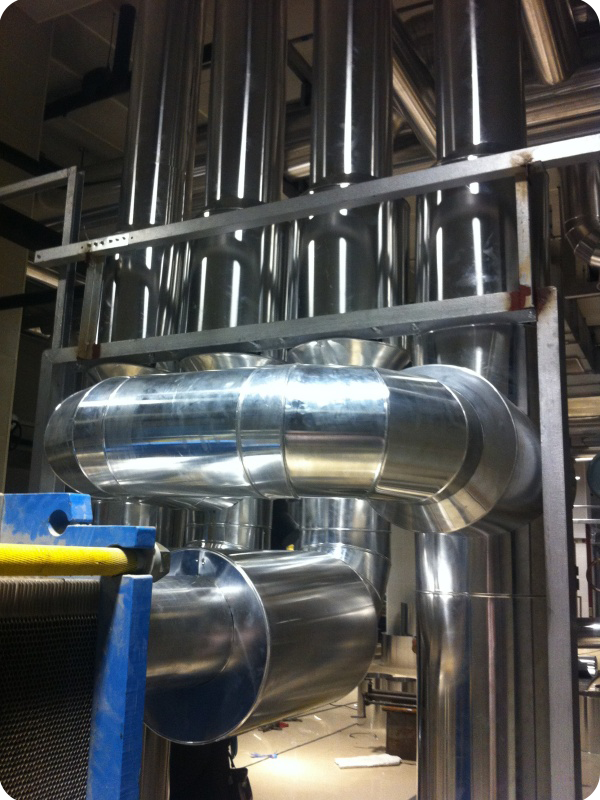
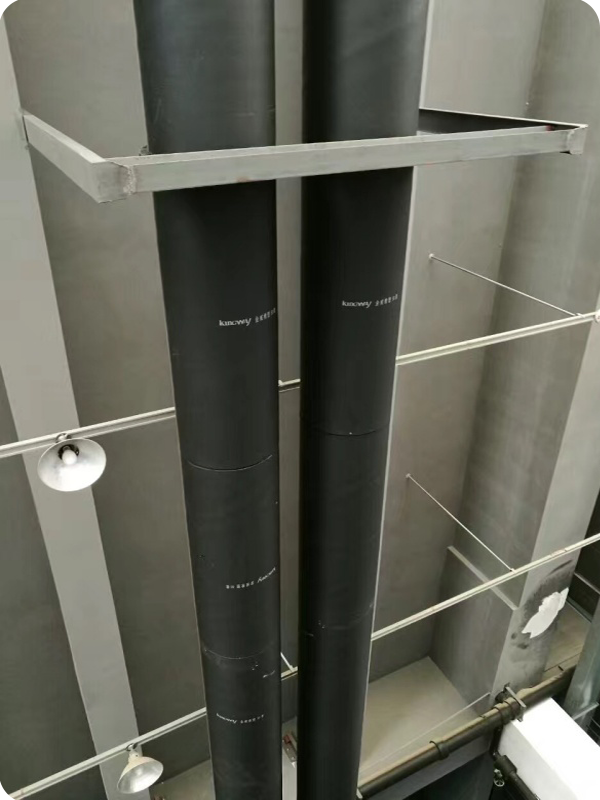
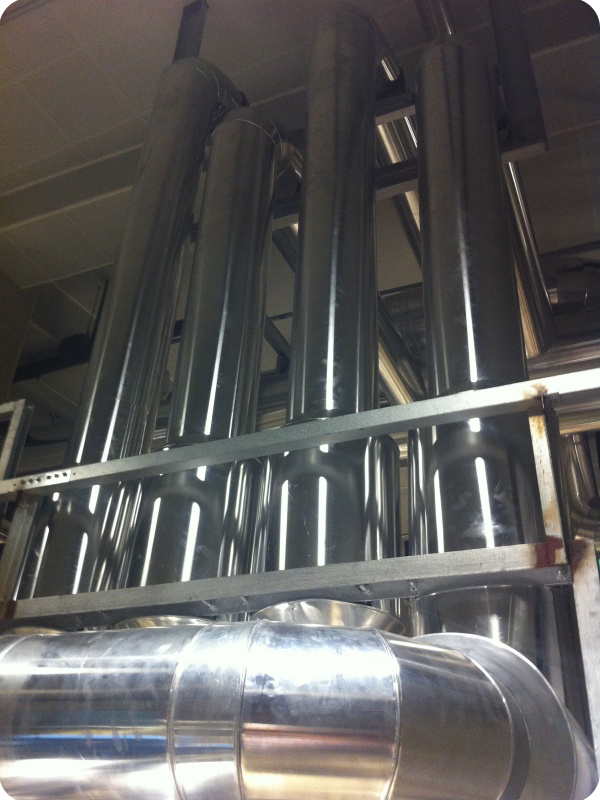
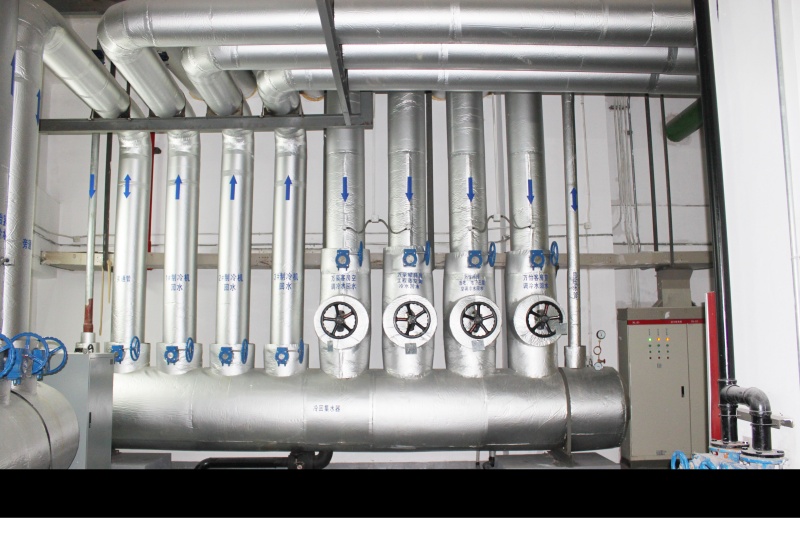
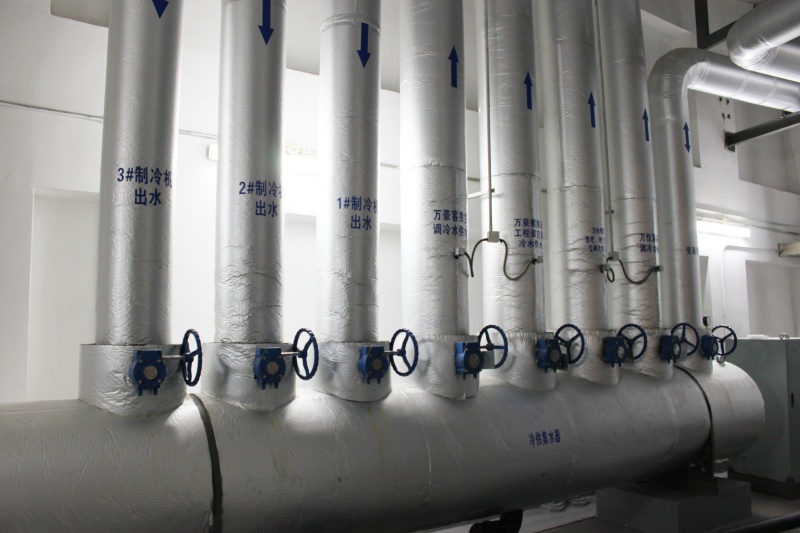
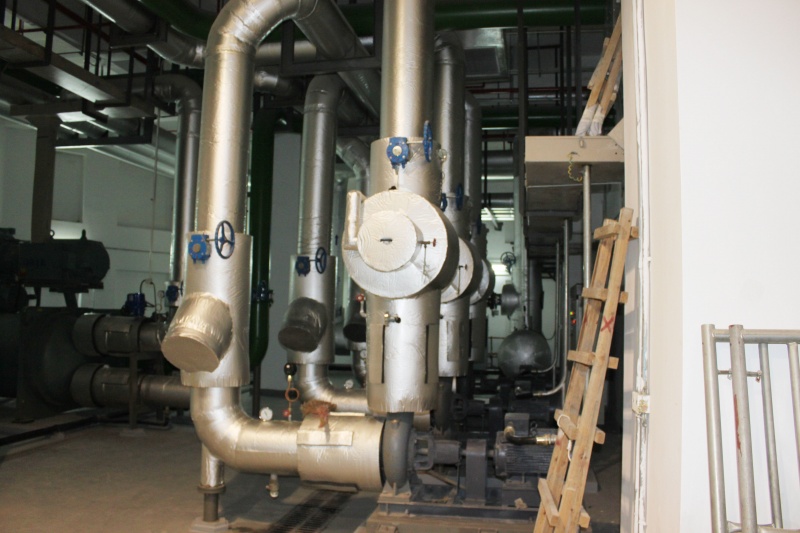
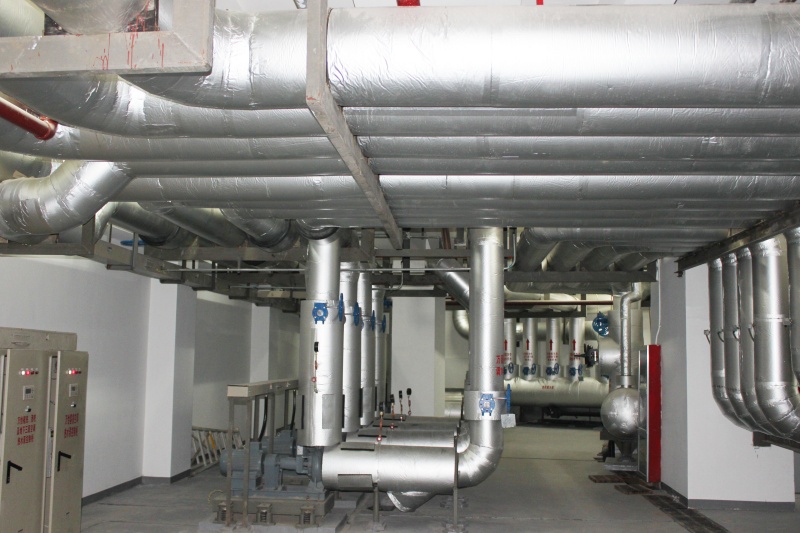
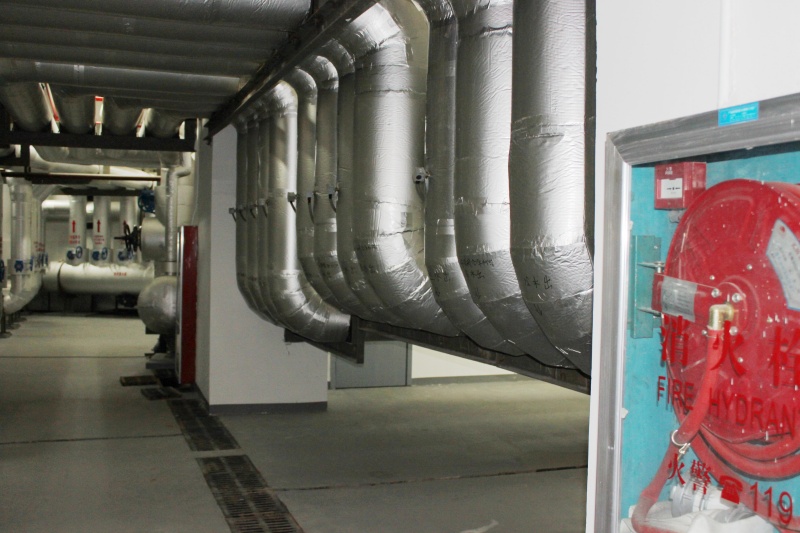
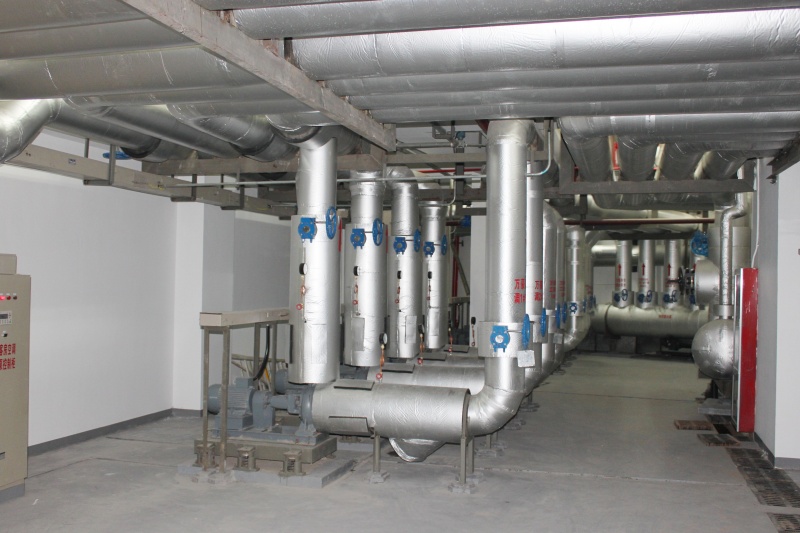
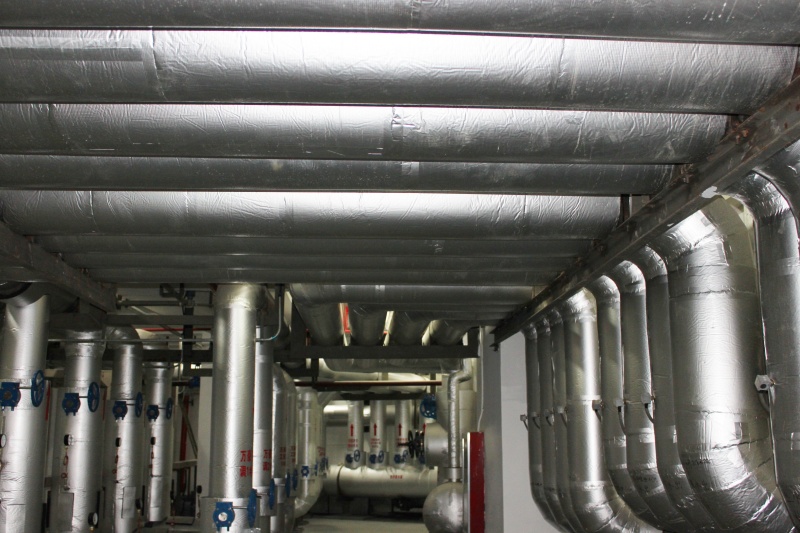
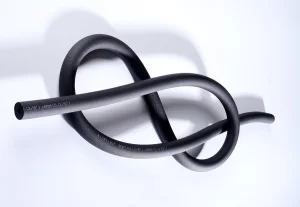
Our pipe lagging prevents surface condensation on chilled water pipes and secondary AC lines in high-humidity environments. Maintaining low thermal conductivity stabilizes cooling systems and reduces electrical consumption in hotels, data centers, and hospital complexes.
Designed for temperatures down to -196°C, our low-temperature cryogenic synthetic rubber sheets and tube products provide stable thermal control. This prevents thermal shock and structural stress on cryogenic lines in petrochemical processing plants, clean gas lines, and transport vessels.
With an elastic polymer density structure and a 6mm to 50mm thickness profile, Kingflex products serve as effective sound insulation barriers. They damp fluid-borne vibration, mechanical pump noise, and high-frequency fluid noise in high-pressure distribution lines.
Used to insulate water pipes in public buildings, our products reduce heat exchange and offer frost protection in cold regions. This minimizes the risk of pipeline rupture and maintains supply network safety.
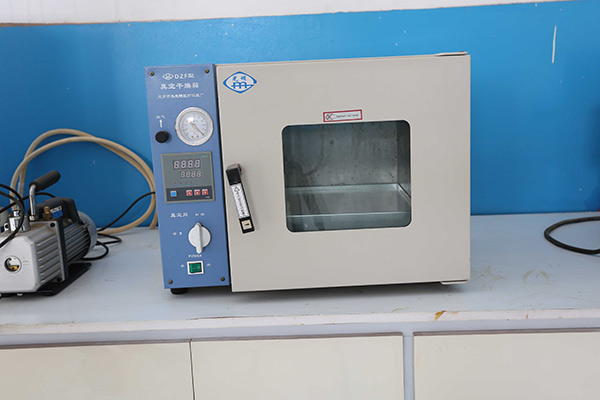
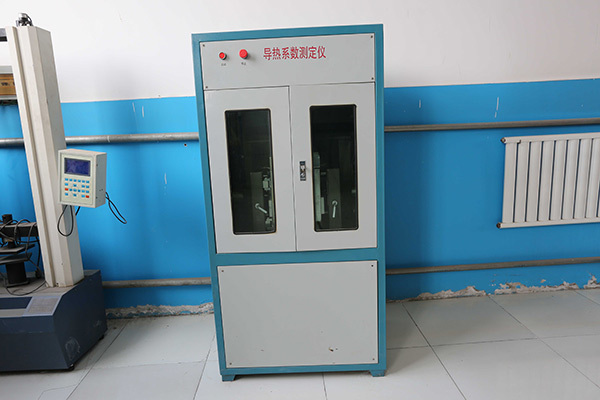
We perform testing for density distribution, thermal aging, flame propagation, and water vapor transmission to ensure each batch meets global standards.


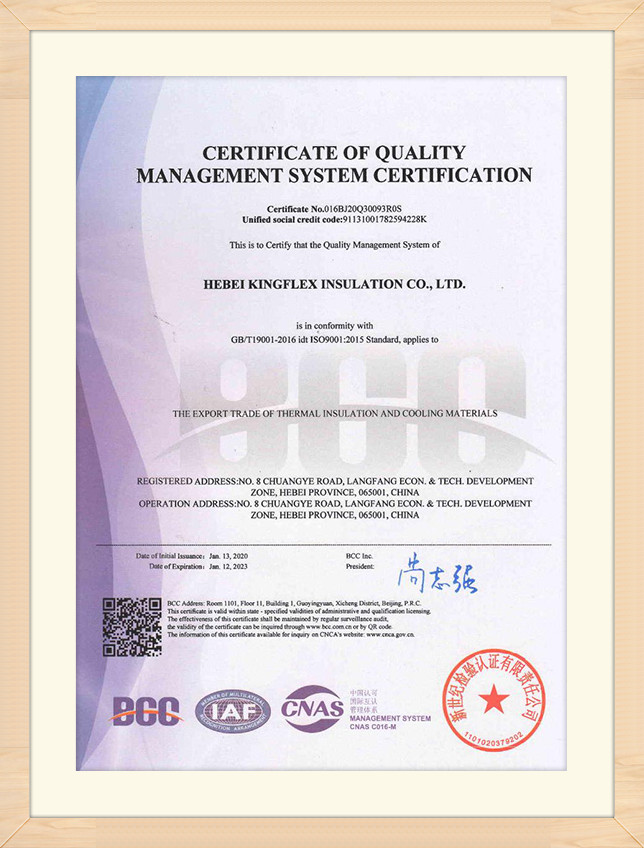
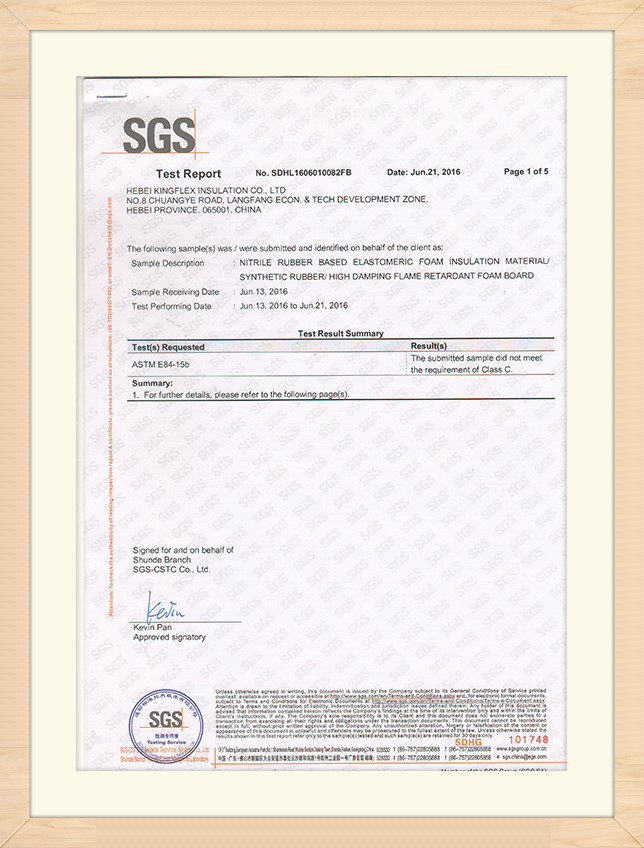
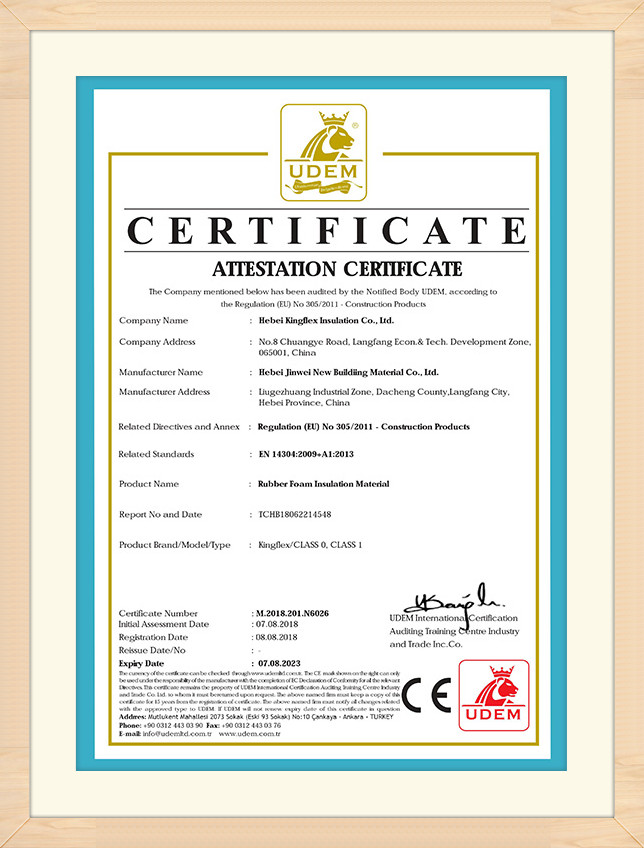
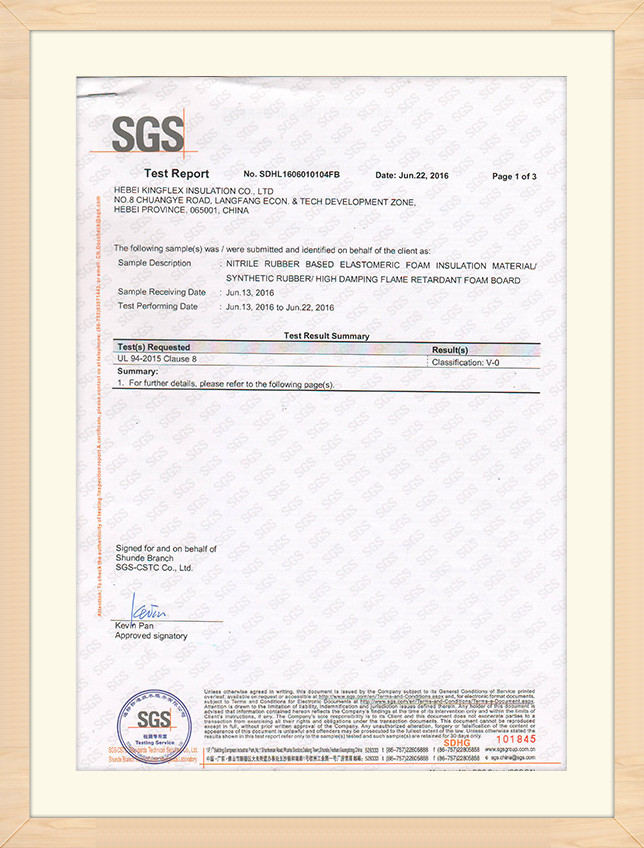
To support global supply chains, Kingflex implements localized support services and clear quality documentation. Whether you are a distributor in Europe, a contractor in North America, or an MEP consultant in the Middle East, our technical team works to ensure compliance with local building codes and standards.
We provide full batch traceability for our insulation materials. From raw chemical formulation to extrusion and dispatch, every roll and pipe lagging sleeve is marked with a production code, facilitating project inspection and structural handover audits.
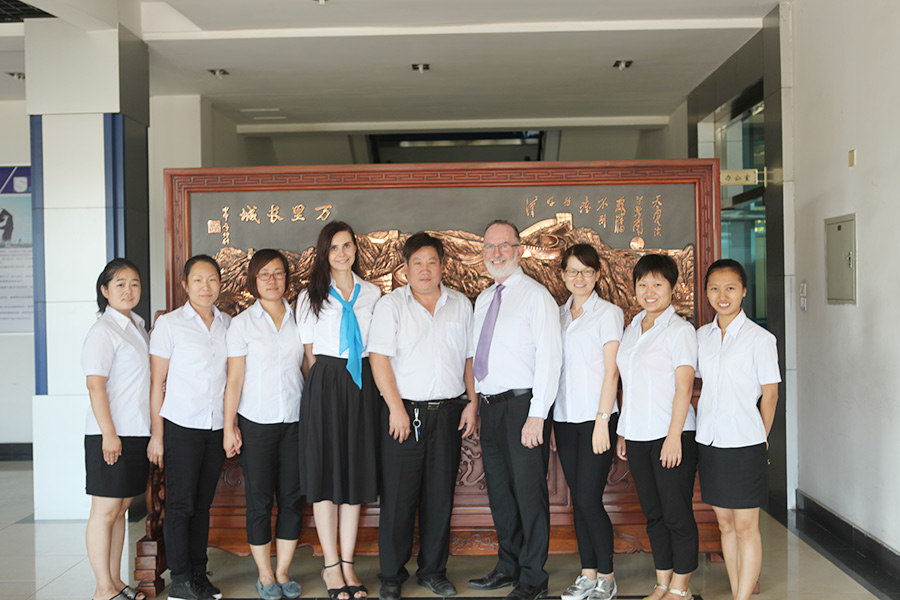
Our research and development team is working to advance elastomeric foaming techniques, focusing on the following areas:
To reduce dependence on petroleum products, our lab is testing plant-derived polymers for elastomeric foam production. This research aims to create biodegradable insulation options that maintain high fire-retardant properties.
We are optimizing chemical structures to further reduce smoke density and toxicity, aligning with upcoming European rail and marine regulations for passenger safety.
By bonding composite aluminum foil and fiberglass structures during manufacturing, we are developing multi-layered products that improve UV resistance and mechanical protection.
We are installing digital tracking sensors on our extrusion lines to monitor foam density in real-time, helping to ensure consistent thermal performance across all production runs.
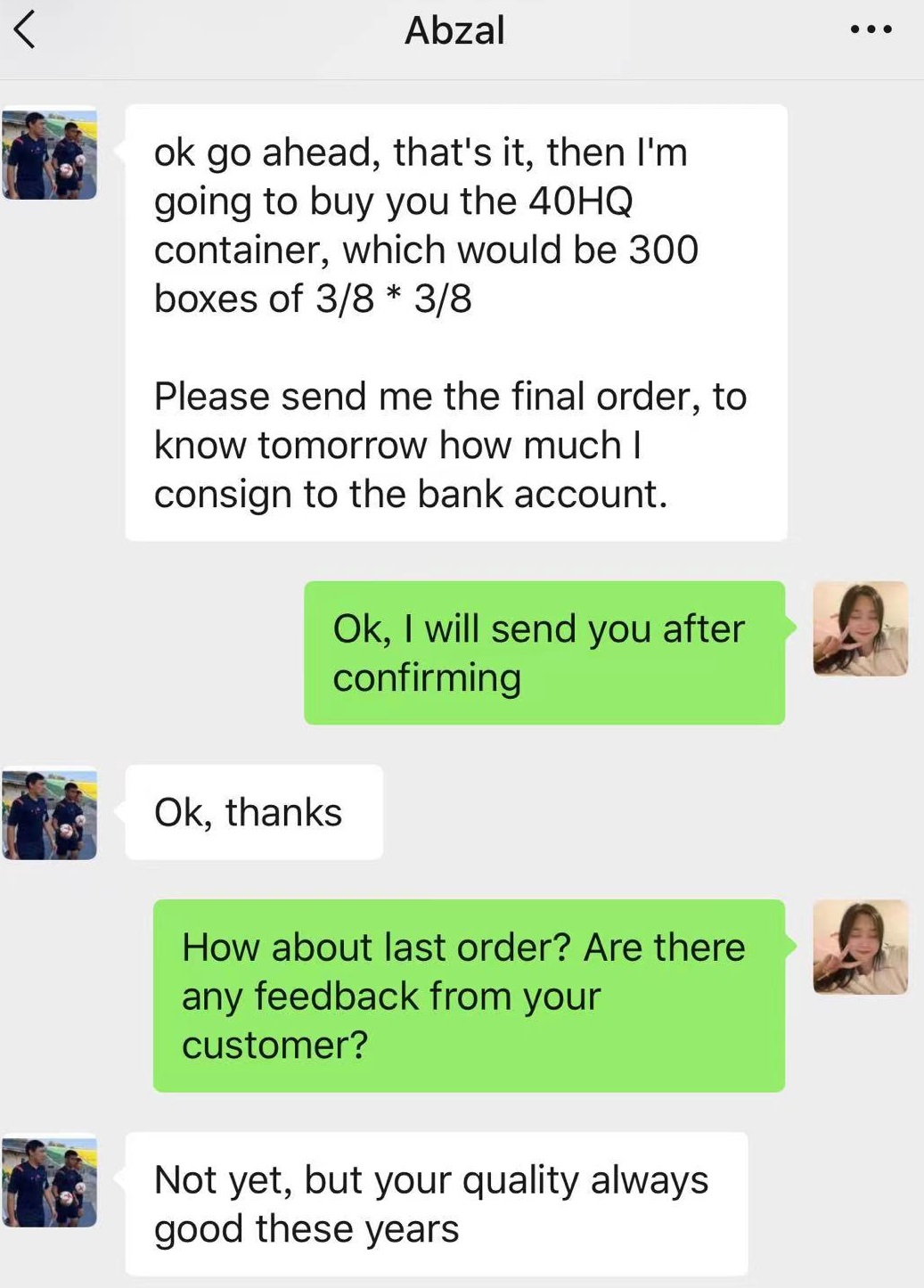
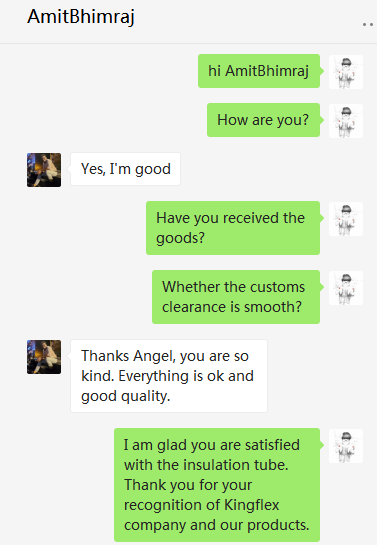
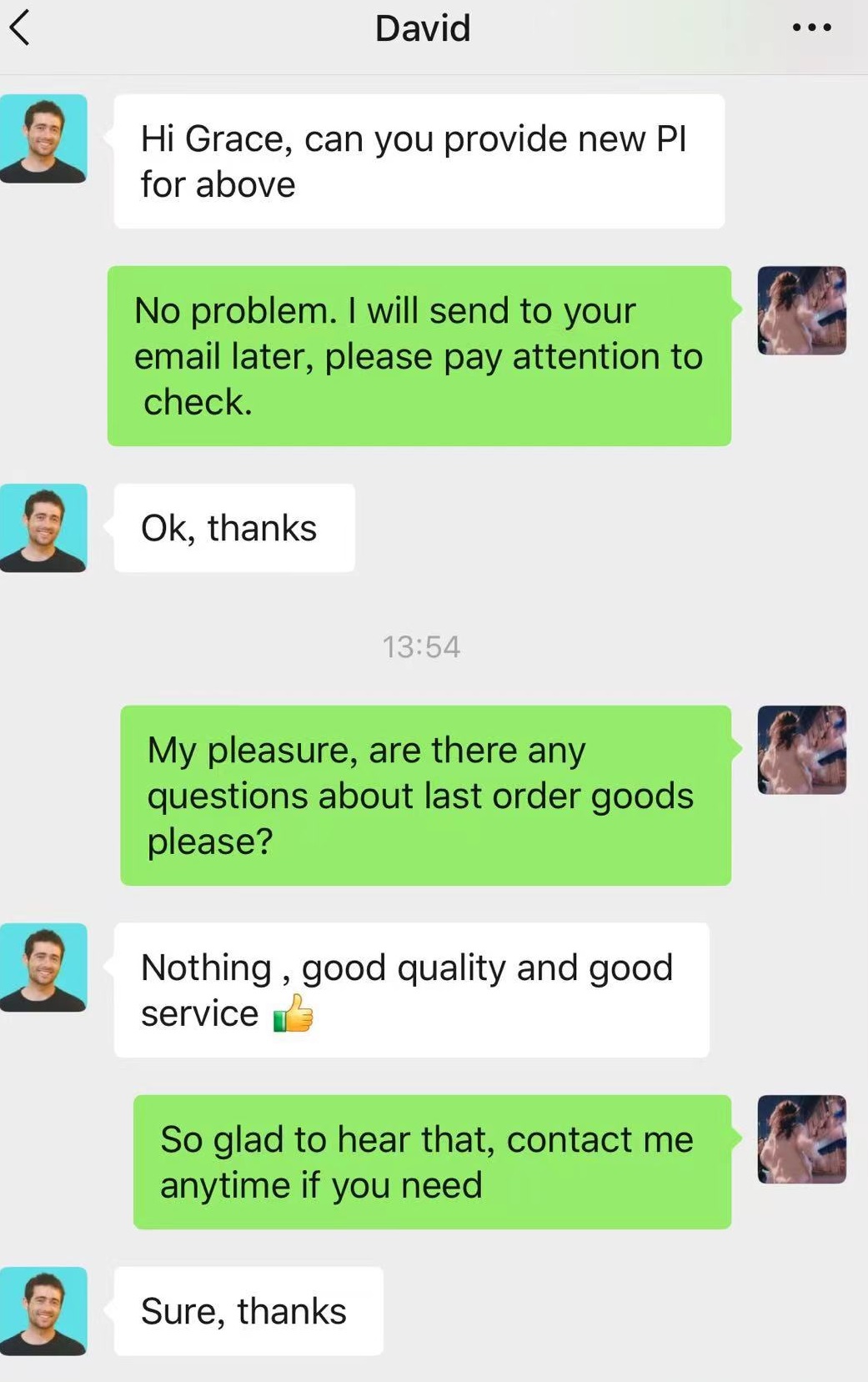
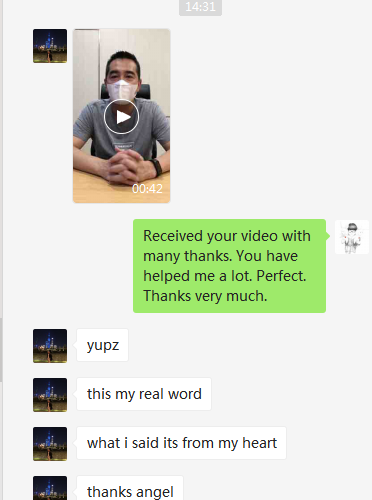
We provide technical support, container coordination, and product customization. Below are examples of communication with international engineering partners:

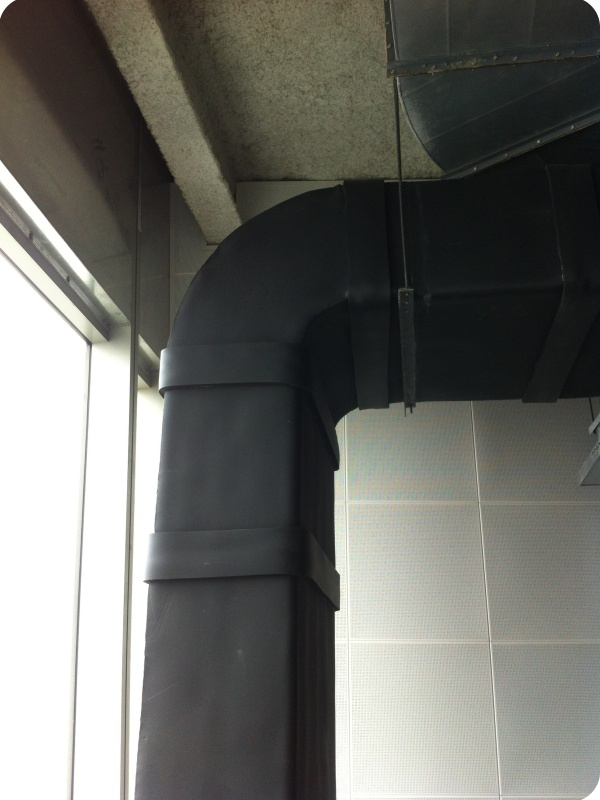
It is mainly used for HVAC ducts, air conditioning pipes, building thermal insulation, industrial pipeline cold insulation, and sound insulation. The closed-cell structure prevents energy leakage and moisture absorption.
Yes, our rubber foam insulation materials are fire retardant. They are tested to meet safety standards such as BS 476 Class 0 and UL94 V-0, which are required for building and industrial projects.
Rubber foam is flexible, has a closed-cell structure, and resists moisture, making it suitable for HVAC and chilled water insulation. Rock wool is high-temperature resistant and fireproof, and is typically used for high-temperature industrial pipelines.
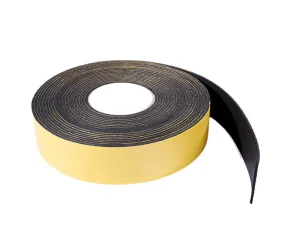
Yes, we support OEM and custom services. We can adjust dimensions, wall thicknesses, adhesives, and protective jackets to match specific project specifications.
Our products have passed BS 476, CE, REACH, RoHS, UL94, and ASTM testing, helping to ensure compliance with international building and environmental standards.
Yes. We use a batch-tracking system that monitors raw materials, manufacturing parameters, quality testing records, and shipping manifests for each batch.
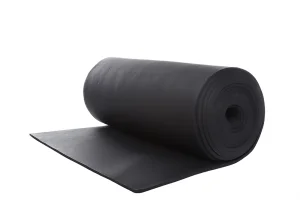
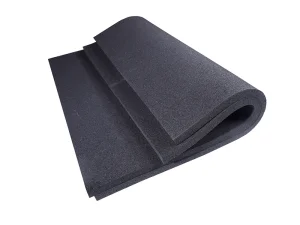
We manufacture sheets and rolls in thicknesses ranging from 6mm up to 50mm, allowing for tailored thermal and acoustic performance.
Under typical operating conditions, our elastomeric products are designed to perform for 10 to 15 years, maintaining dimensional stability and moisture resistance.
If moisture enters an insulation material, its thermal conductivity increases, as water conducts heat significantly faster than air. Kingflex's high water vapor resistance factor ($\mu \ge 10,000$) resists moisture penetration, helping to maintain insulation efficiency.
We calculate the required insulation thickness using environmental factors (ambient temperature, relative humidity) and pipe operating temperatures to ensure the outer surface temperature remains above the dew point, preventing condensation.
Kingflex products are used in various commercial, petrochemical, and municipal infrastructure projects.