 Kingflex
Kingflex
Kingflex
Explore our high-density NBR/PVC elastomeric rubber foam sheets and pipeline insulation configurations designed for zero-tolerance HVAC and industrial thermal environments.
Analyzing the physical role of talc coatings in closed-cell elastomeric rubber foam insulation installations.
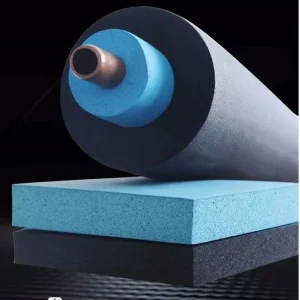
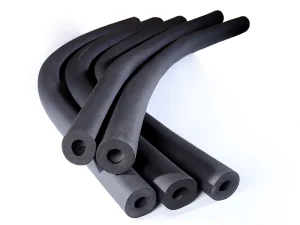
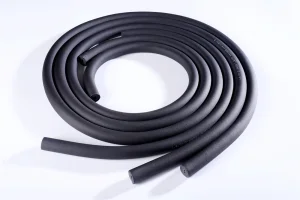
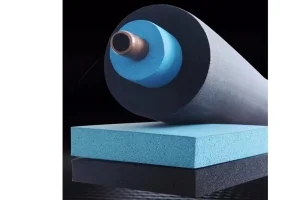
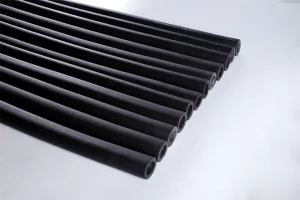
In thermal engineering, the term "Talc Pipe" refers to closed-cell elastomeric rubber foam insulation pipes (based on NBR/PVC blends) that incorporate a specialized microscopic internal coating of talc (hydrated magnesium silicate). Understanding how this insulation system works involves looking at both installation physics and long-term thermal science.
During manufacturing, elastomeric materials are extruded and vulcanized into hollow tubes. Due to the natural tackiness of warm nitrile-butadiene rubber (NBR) and polyvinyl chloride (PVC) compounds, the internal surfaces can adhere to themselves. Applying a micro-thin layer of industrial-grade talc powder inside the bore creates a dry-lubricant barrier. This dynamic interface minimizes friction between the insulation inner wall and the metal (copper or steel) pipeline during installation.
Without talc, pulling or sliding a high-friction elastomeric tube over long pipe runs can cause structural stretching, micro-tears, or wall thinning. By maintaining structural integrity and preventing compression, the talc lining ensures the closed-cell structure remains intact. The uniform wall thickness retains its designed K-value (thermal conductivity), preventing condensation, thermal bridging, and long-term energy loss.
The talc coating acts as a dry lubricant, allowing the insulation to slide easily over joints, elbows, and long pipe sections without tearing.
Preventing internal tears helps preserve the integrated vapor barrier of the closed-cell structure, keeping moisture from entering and causing pipe corrosion.
Talc reduces structural stretching during installation. This helps the insulation maintain a consistent thickness, providing reliable thermal protection across the entire line.
How modern infrastructure relies on closed-cell elastomeric technology for sustainability, energy efficiency, and operational safety.
In an era of rising energy costs and strict carbon regulations, commercial HVAC systems, district cooling networks, and industrial process piping require reliable thermal control. Standardized elastomeric talc-coated insulation pipes help reduce global greenhouse gas emissions by preventing energy loss in central HVAC chillers and heating networks.
For cryogenic applications, such as LNG handling and pharmaceutical cold chains, standard insulation can fail if moisture enters and freezes. Using high-density NBR/PVC systems with closed-cell structures over 98% keeps water vapor out, maintaining thermal performance even at sub-zero temperatures.
Kingflex Insulation Co., Ltd. works directly with global engineers to deliver systems that meet international green building certifications like LEED and BREEAM, supporting modern energy conservation goals.
Our history, production capability, and commitment to global industry standards.
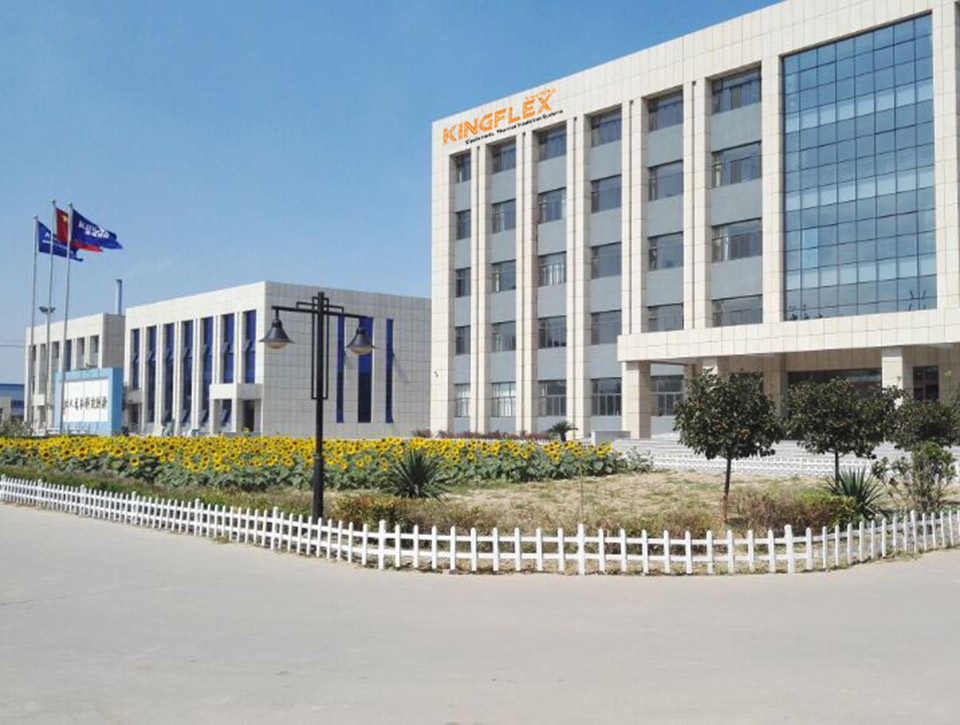
Kingflex Insulation Co., Ltd. is a professional manufacturing and trading combo for thermal insulation products. Our research, development, and production departments are located in Dacheng, China—a hub for green building materials. As an energy-saving, environmentally friendly enterprise, we focus on the research, development, production, and sale of advanced insulation materials.
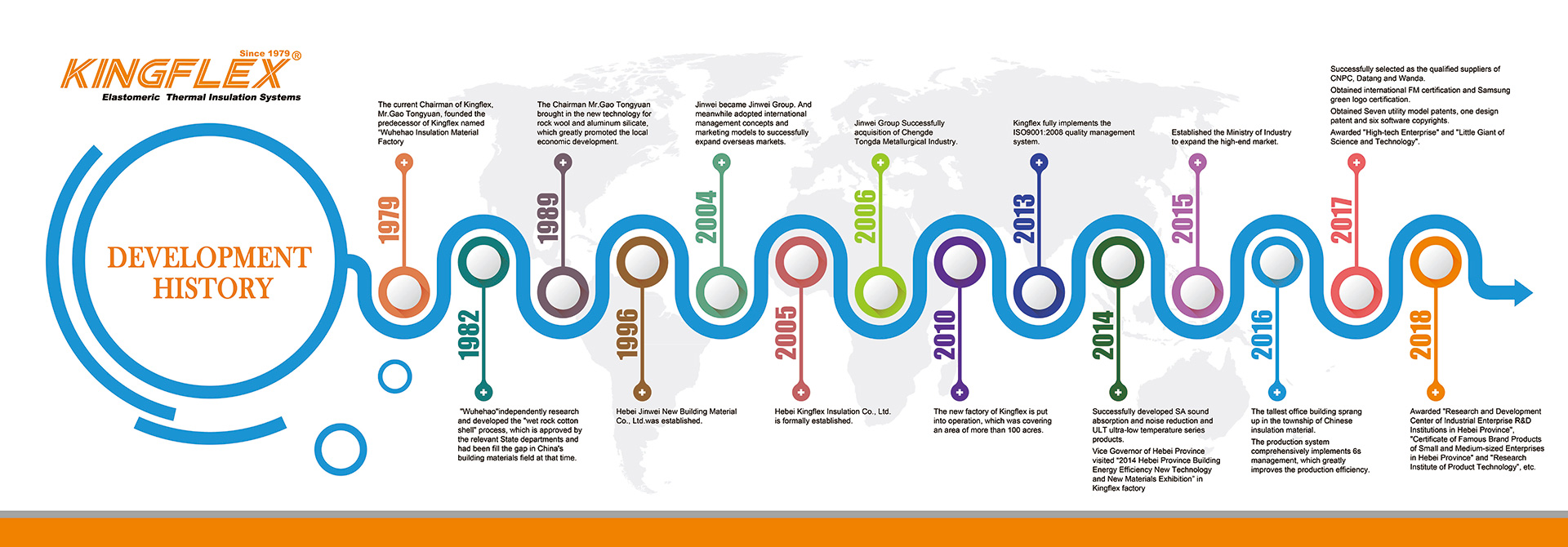
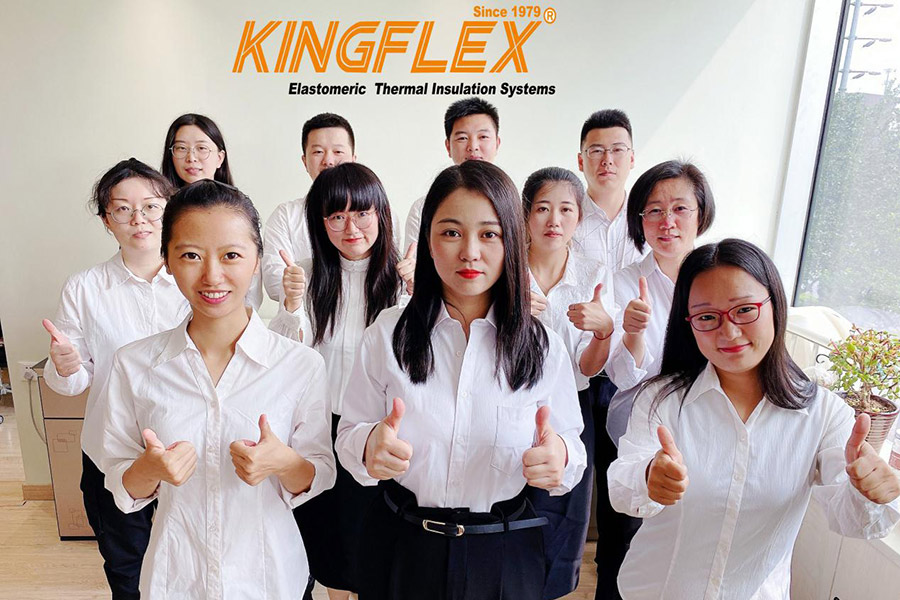
Established under the Jinwei Group, which has a history of more than 40 years since its founding in 1979, Kingflex built on the legacy of the first thermal insulation manufacturer north of the Yangtze River. Today, our team brings together 8 professional R&D engineers, 6 international sales specialists, and 230 production workers. Together, we provide complete, energy-saving insulation systems, including consulting, R&D, manufacturing, and installation guidance.
A closer look at the physical properties, dimensions, and practical applications of our NBR/PVC elastomeric insulation systems.
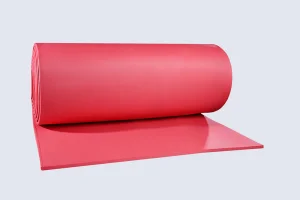
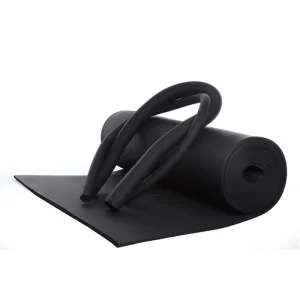
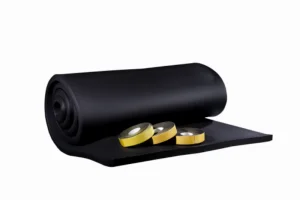
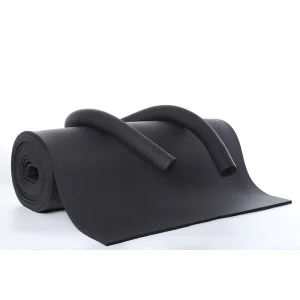
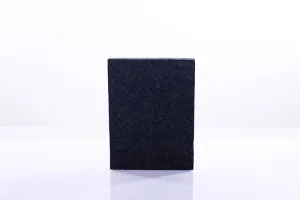
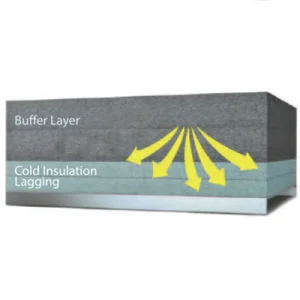
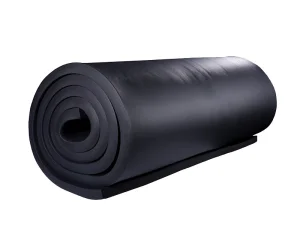
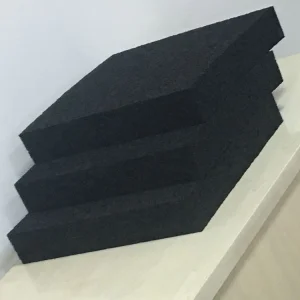
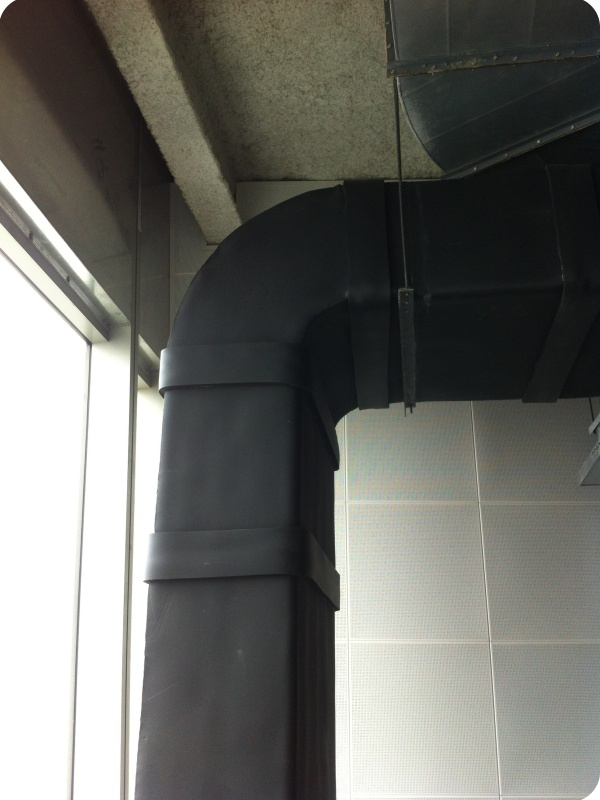
An even, closed-cell sheet insulation designed for large surfaces, ductwork, and equipment housings.
• HVAC ductwork insulation in large commercial spaces.
• Building walls, roofing structures, and basement concrete slabs.
• Industrial process equipment, steam lines, and bulk storage tanks.
• Rolling stock, marine vessels, and modular cold-room walls.
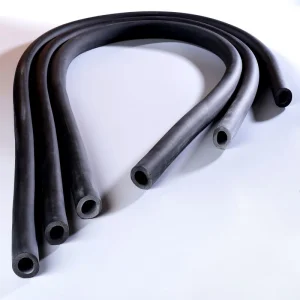
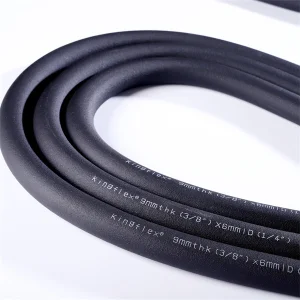
Designed for easy installation over pipelines, providing a thermal barrier and condensation protection.
• Central air conditioning chilled water lines and condensate runs.
• Residential and commercial hot/cold water pipelines.
• High-humidity indoor environments to prevent sweating.
• Solar thermal loop piping and industrial process pipelines.
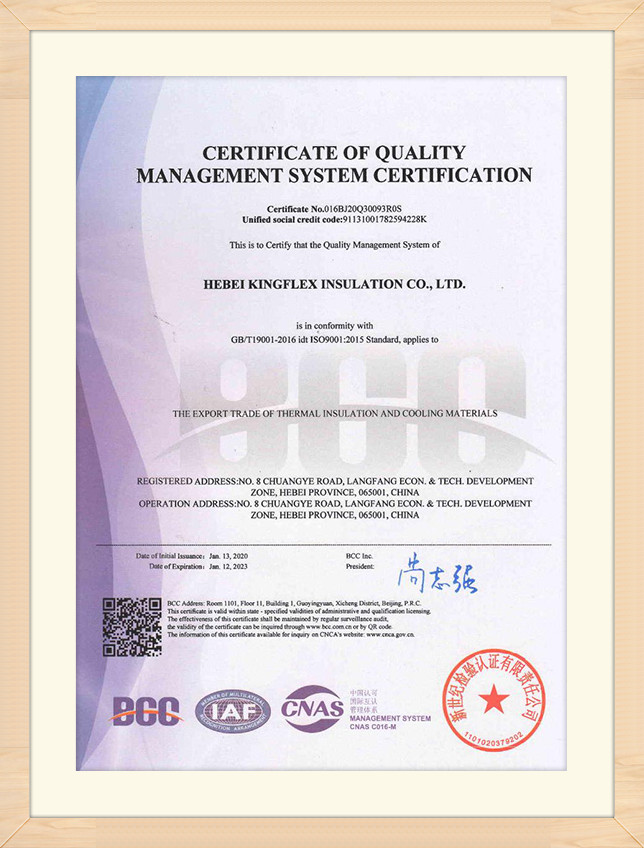
Our products undergo thorough third-party testing to meet fire safety, environmental, and building standards worldwide.
To ensure global compliance, Kingflex insulation products meet key international standards, including BS 476, CE, REACH, RoHS, UL94, and ASTM. These certifications verify that our materials perform reliably under challenging thermal conditions and comply with fire safety requirements.
Our automated production processes ensure consistent density, cell structure, and thermal conductivity across all batches. With a closed-cell rate of over 98%, our products naturally resist moisture absorption, meaning they do not require additional vapor barriers for standard HVAC applications.
Additionally, Kingflex maintains product traceability systems. This allows design engineers and contractors to trace every batch of insulation back to its raw material source and production line, providing clear quality control for high-profile projects.
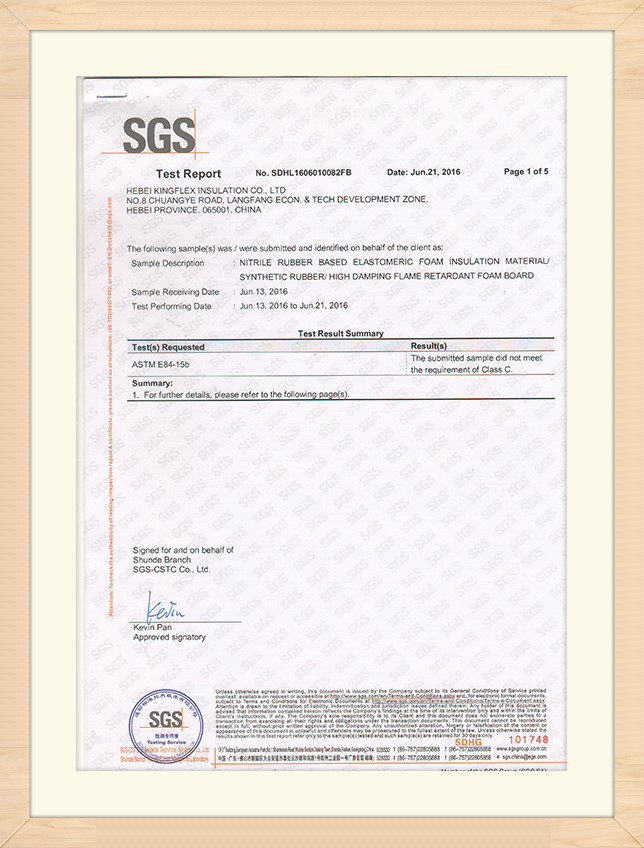
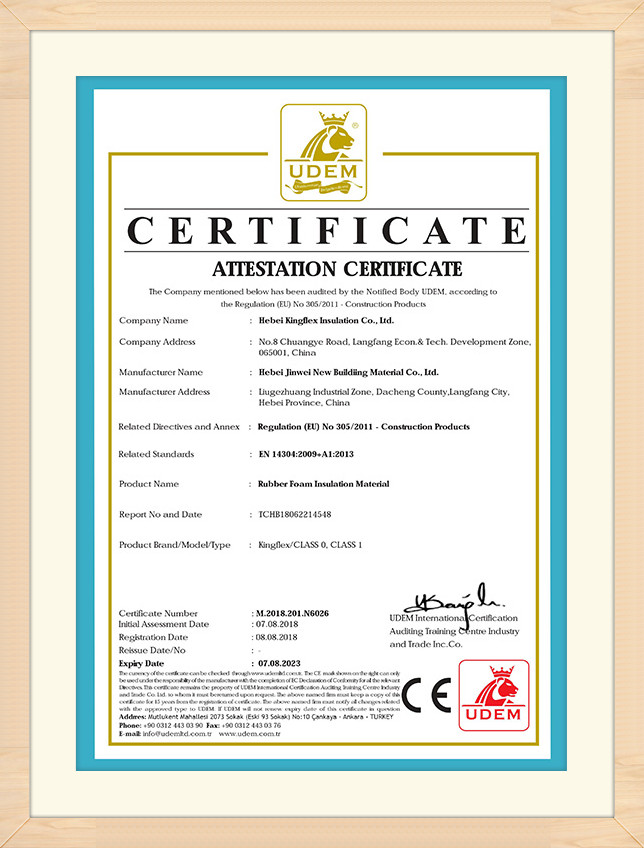
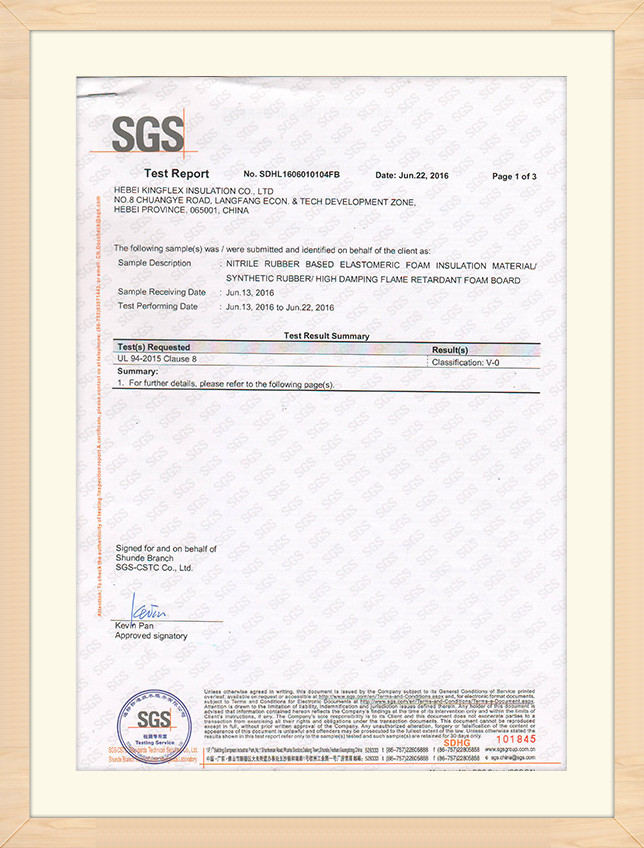
See our elastomeric rubber foam insulation systems in use across commercial, industrial, and infrastructure developments around the world.
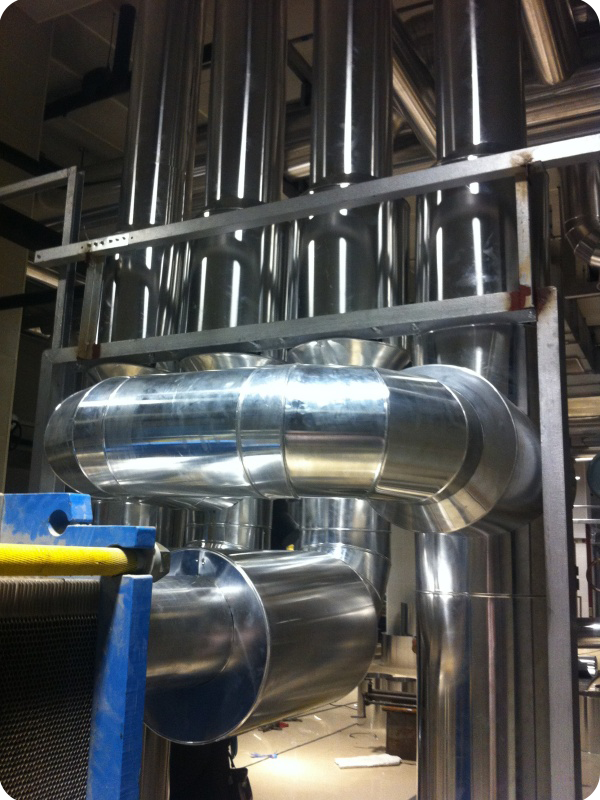
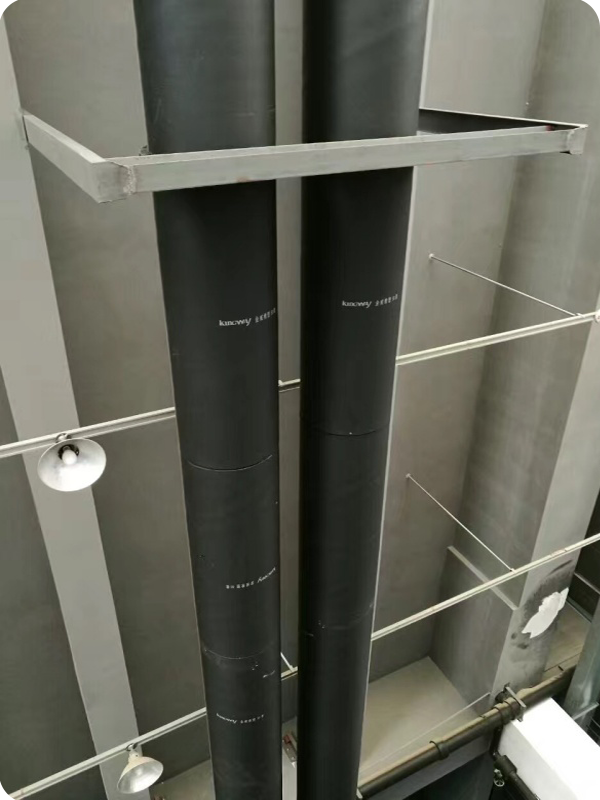
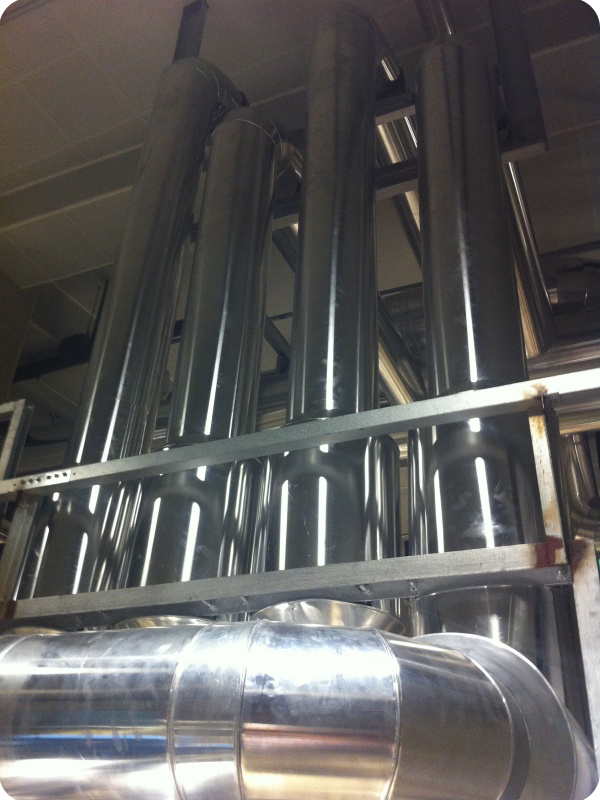
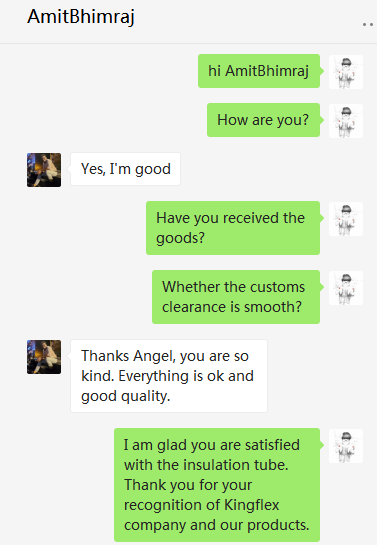
Through close communication and technical support, we help clients solve challenging insulation problems. From adjusting dimensions to meet specific blueprints to arranging container logistics, we ensure clear documentation and traceabilitiy at every stage of the process.




Driving the next generation of smart, halogen-free, and energy-efficient building materials.
We are researching the integration of renewable, bio-based polymers into our NBR/PVC blends to lower the carbon footprint of our manufacturing process. Our goal is to reduce reliance on fossil-based raw materials while maintaining performance and durability.
Future development plans include embedding moisture sensors into the insulation wall during extrusion. These sensors can alert building maintenance teams to moisture intrusion or pipe corrosion before external damage occurs.
To meet safety standards in restricted cleanrooms, rail systems, and marine hulls, our R&D team is refining a range of halogen-free insulation lines. These products are designed to emit lower levels of smoke and toxic gases in fire situations.
Answers to common questions about selecting, installing, and maintaining elastomeric rubber foam insulation systems.
Select specialized cryogenic formulas, sound absorption panel installations, or industrial rock wool solutions.