 Kingflex
Kingflex
Kingflex
Explore our premium grade elastomeric solutions manufactured to deliver optimized K-Values across broad operating temperature thresholds.
In thermal engineering, the K-Value (thermal conductivity, denoted as λ or k) represents the amount of heat transmitted through a unit thickness of material per unit area per unit temperature gradient. Measured in Watts per meter-Kelvin [W/(m·K)], the K-Value is the single most critical index determining the energy efficiency profile of an insulation system. A lower K-Value indicates superior thermal retention, meaning less heat gain (for cold environments) or heat loss (for heated media).
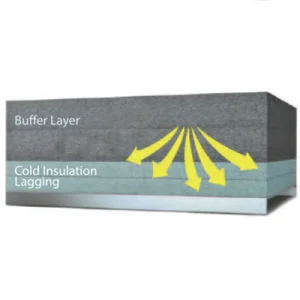
As a global leading insulation manufacturer and supplier based in Dacheng, China, Kingflex Insulation Co., Ltd. specializes in formulating high-performance elastomeric closed-cell foam insulation designed to yield a stable, low K-Value. By leveraging engineered Nitrile Butadiene Rubber (NBR) and Polyvinyl Chloride (PVC) structures, we optimize cellular morphology to suppress convective, radiative, and conductive heat transfer pathways.
"To select the appropriate insulation thickness and ensure condensation prevention, HVAC engineers must demand verified, certified, and time-tested thermal conductivity data. Our products maintain a stable thermal conductivity of ≤ 0.034 W/(m·K) at 0°C, ensuring compliance with demanding international parameters."
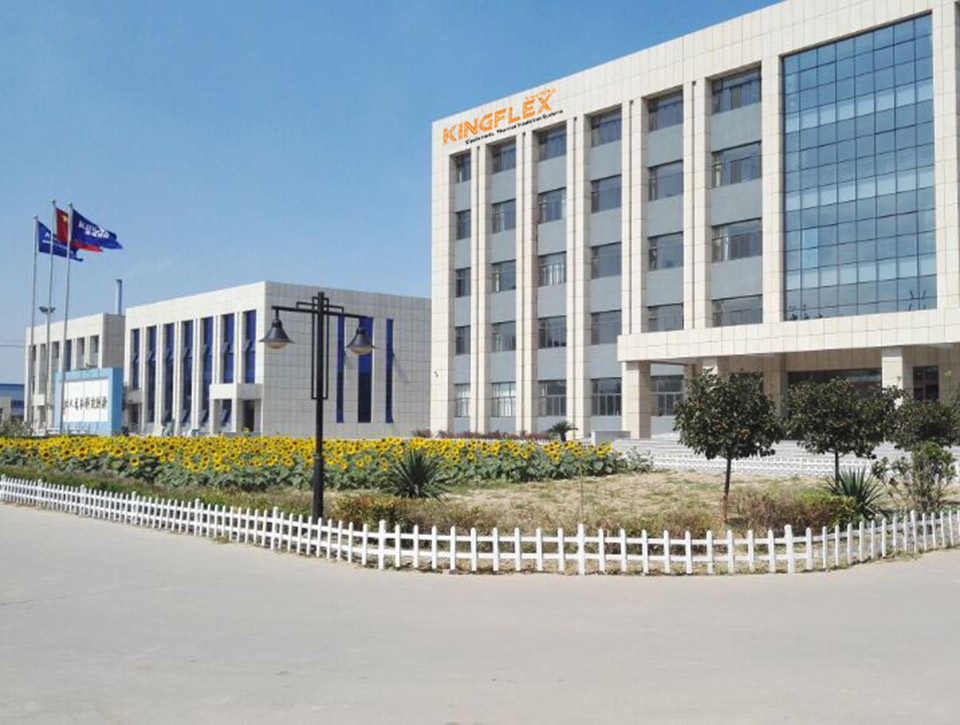
A comprehensive overview of our production assets, personnel expertise, and market distribution metrics.
In high-performance industrial contexts, the behavior of elastomeric foam under thermal stresses varies according to moisture intrusion resistance and mechanical density. Below is the operational benchmark for Kingflex thermal solutions.
| Insulation Classification | Primary Elastomer Blend | K-Value (0°C Reference) | Operating Temp Range | Water Vapor Permeability (μ) | Typical Application Fields |
|---|---|---|---|---|---|
| Kingflex Premium NBR | NBR/PVC Elastomeric | ≤ 0.034 W/(m·K) | -40°C to +105°C | ≥ 10,000 (Closed Cell) | Commercial HVAC, Condensation Control |
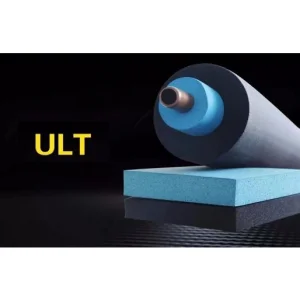
| Cryogenic Thermal System | Engineered Cryo-Elastomer | ≤ 0.028 W/(m·K) at -100°C | -200°C to +125°C | Virtually Impervious | LNG Facilities, Petrochemical Cold Lines |
| Acoustic Open Cell | Structured Micro-cellular | ≤ 0.039 W/(m·K) | -40°C to +85°C | N/A (Acoustic absorption) | Damping Panels, Gym Noise Control |
| Industrial High-Temp Rock Wool | Inorganic Mineral Fibers | ≤ 0.036 W/(m·K) at 25°C | Ambient to +650°C | N/A | High Pressure Steam Pipelines, Boilers |
Located in Dacheng, the recognized capital of green-building materials in China, Kingflex Insulation leverages advanced domestic raw material availability and integrated supply networks. The synergy of 5 large automatic assembly lines allows us to achieve high economies of scale, mitigating production waste and guaranteeing dimensional accuracy.
By standardizing continuous vulcanization extrusion and uniform expansion foaming processes, the density of our elastomeric foam is kept in the range of 40-55 kg/m³. This uniform density controls the micro-cellular size and ensures that the air trapped within the cells cannot transfer heat via convection. Consequently, Kingflex materials exhibit excellent long-term thermal stability, resisting age-related degradation.
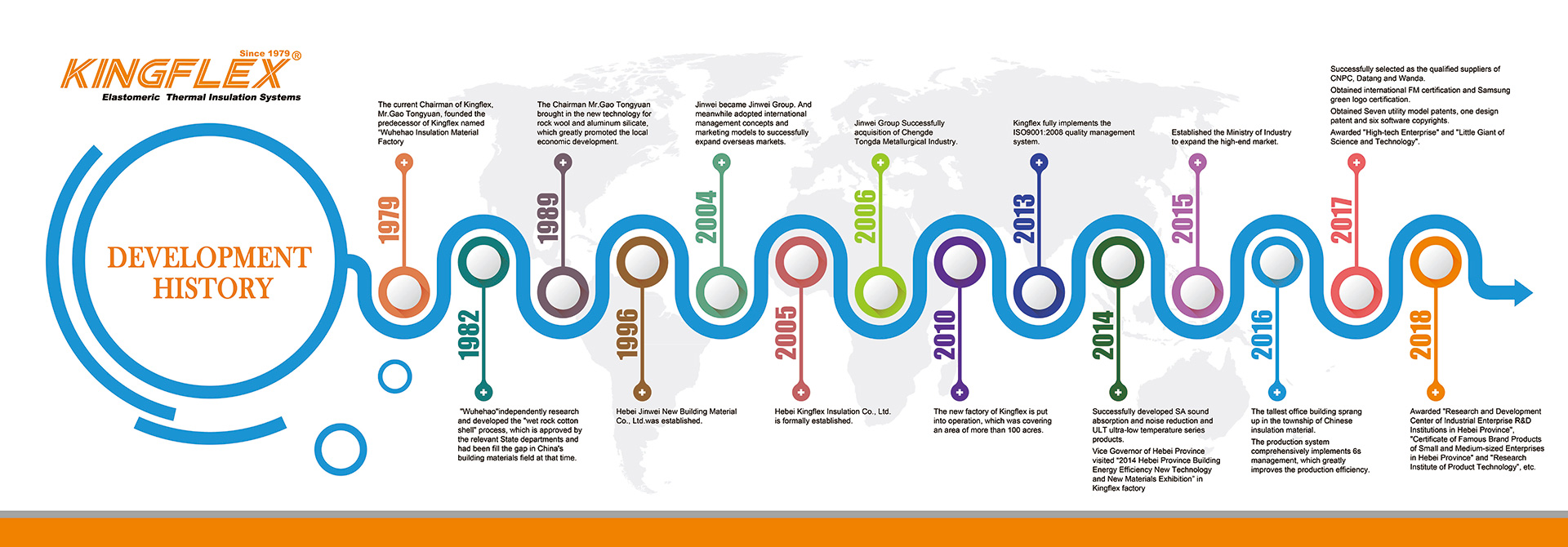
Furthermore, our factory is designated by the Ministry of Energy, the Ministry of Electric Power, and the Ministry of Chemical Industry of China as a core production facility, demonstrating our adherence to national energy policy guidelines and quality benchmarks.
Deploying targeted thermal systems designed for modern green-building standards and intense industrial plant environments.
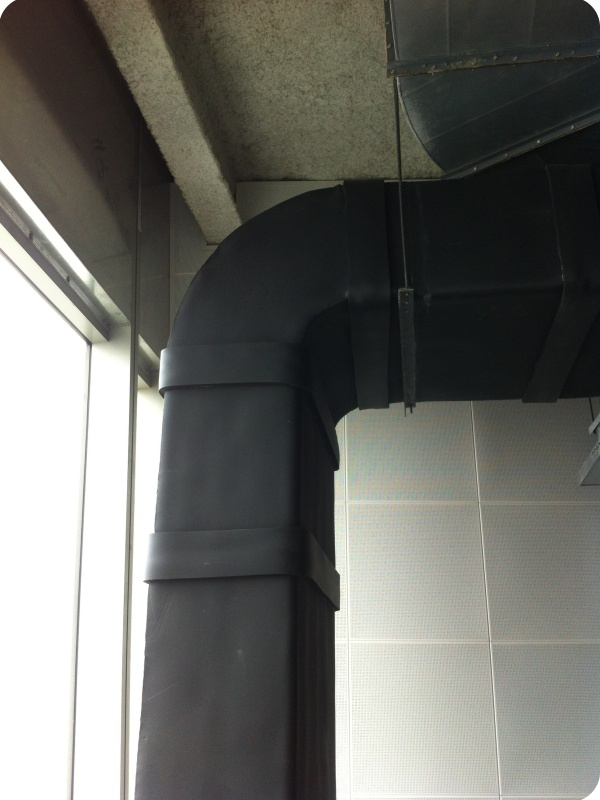
Applied to central air conditioning chilled/hot water pipes and ventilation ducts. The high water vapor resistance factor prevents insulation wetness, avoiding energy leaks and mold growth.
Designed for ultra-low temperature cryogenic environments down to -200°C. Prevents steel contraction stress fractures, eliminates thermal bridges, and controls boil-off rates (BOR) in liquid gas lines.
Provides thermal barrier protection, sound dampening, and chemical corrosion resistance for processing pipes in chemical plants, reducing energy consumption and structural noise.
Integrates sound absorption structures with high-end thermal insulation properties. Certified by CE, RoHS, and REACH for zero ozone depletion potential (ODP) and low VOC emissions.
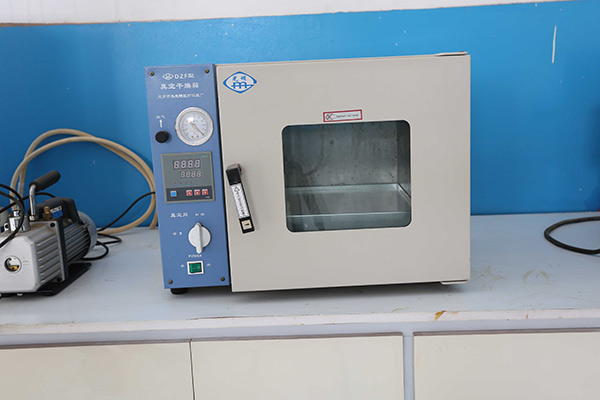
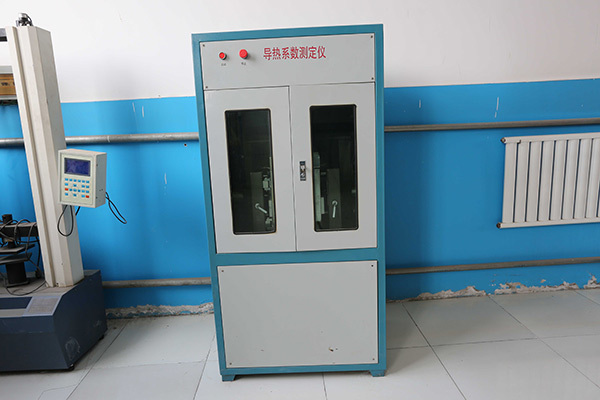
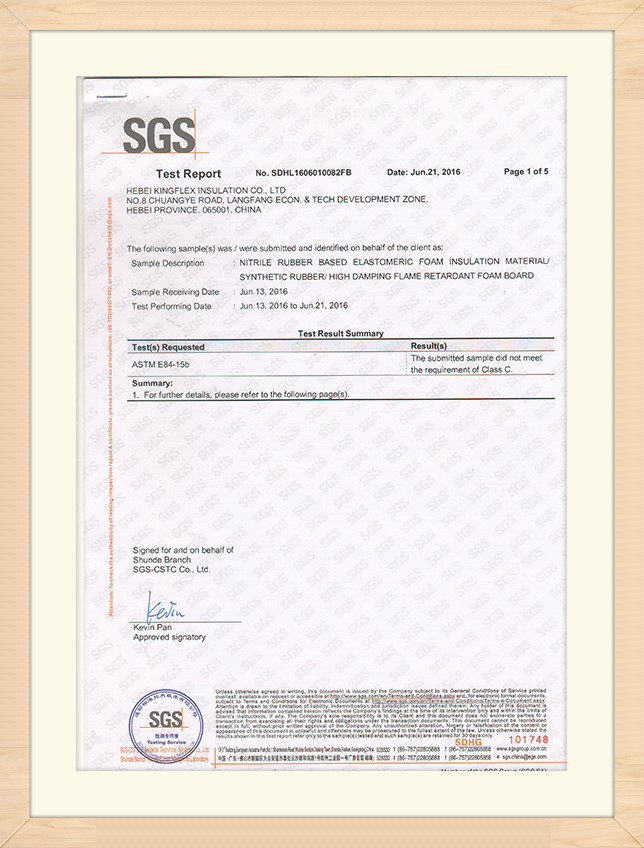
Quality management at Kingflex is supported by systematic testing parameters and strict engineering governance. Our onsite research and development lab is staffed by 8 dedicated chemical and thermal engineers. We operate under rigorous international verification frameworks to secure certifications across global project demands:
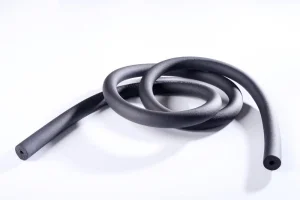
Batch Traceability: Every cubic meter of Kingflex elastomeric foam sheets and tubes is barcoded with production parameters, logging raw material inputs, expanding oven temperatures, and laboratory testing parameters. This degree of transparency provides global procurement officers with confidence in our supply reliability.

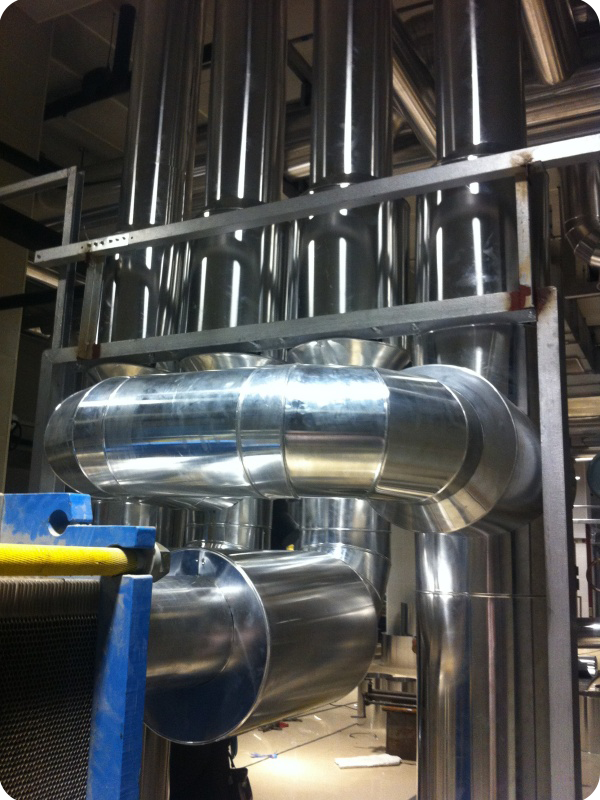
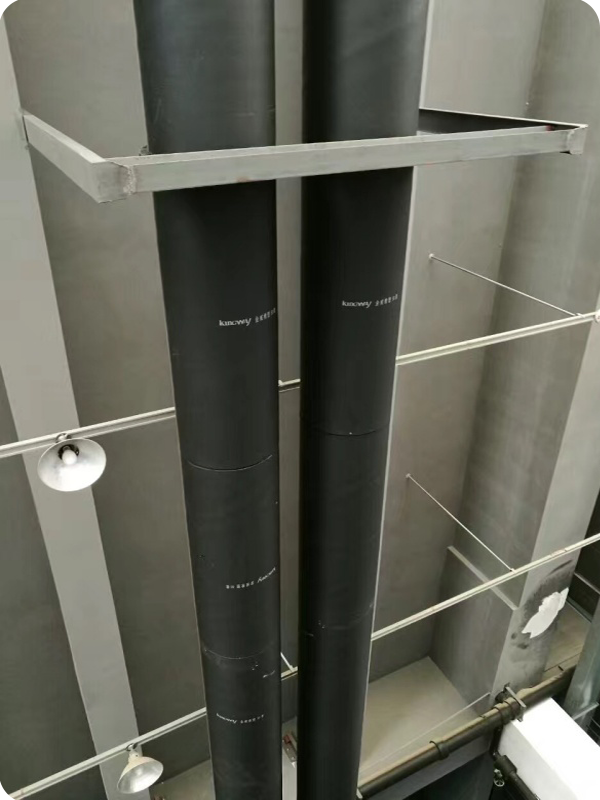
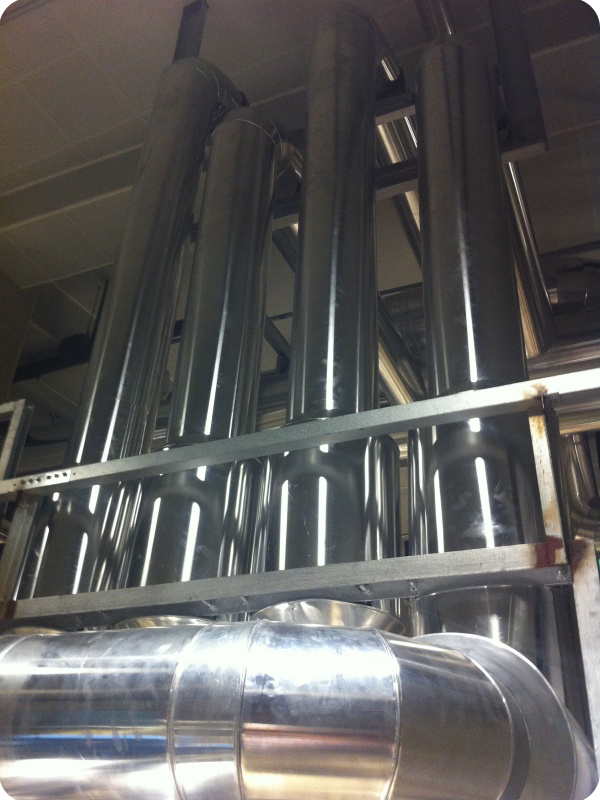
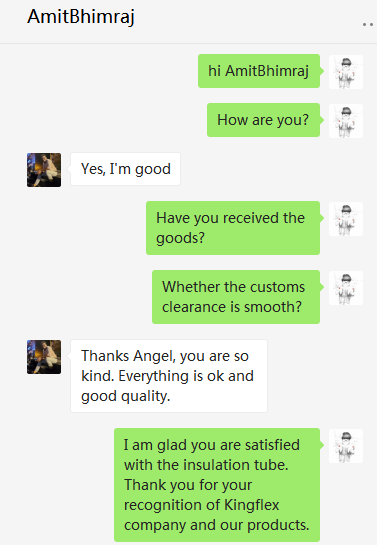
Proof of performance in challenging installation environments and testimonies of professional HVAC contractors.
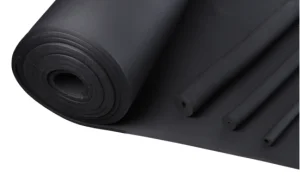
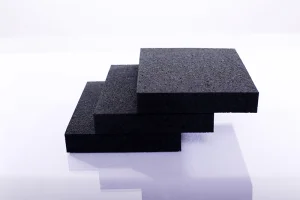
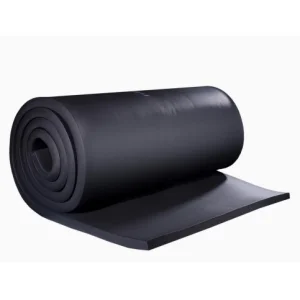
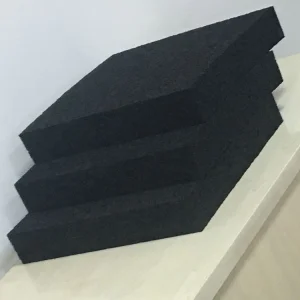
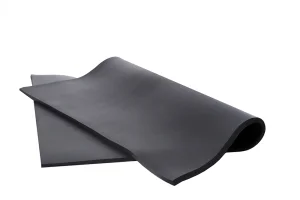
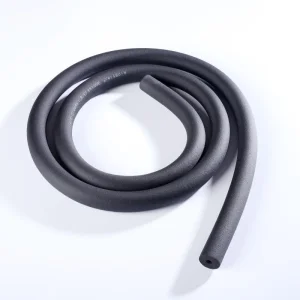
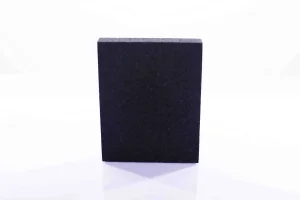
Black Rubber Foam Insulation Sheet Roll Dimensions:
Material: NBR/PVC | Thickness: 6mm-50mm | Density: 40-55kg/m³ | Temperature Range: -40℃ to 105℃ | Closed Cell Rate: >98%




Technical guidance answering direct mechanical, structural, and procurement inquiries from consulting engineers.
Sourcing high-performance insulation directly from our manufacturing facility in Dacheng, China.