 Kingflex
Kingflex
Kingflex
Select industrial configurations for high-performance thermal insulation and cryogenic systems.
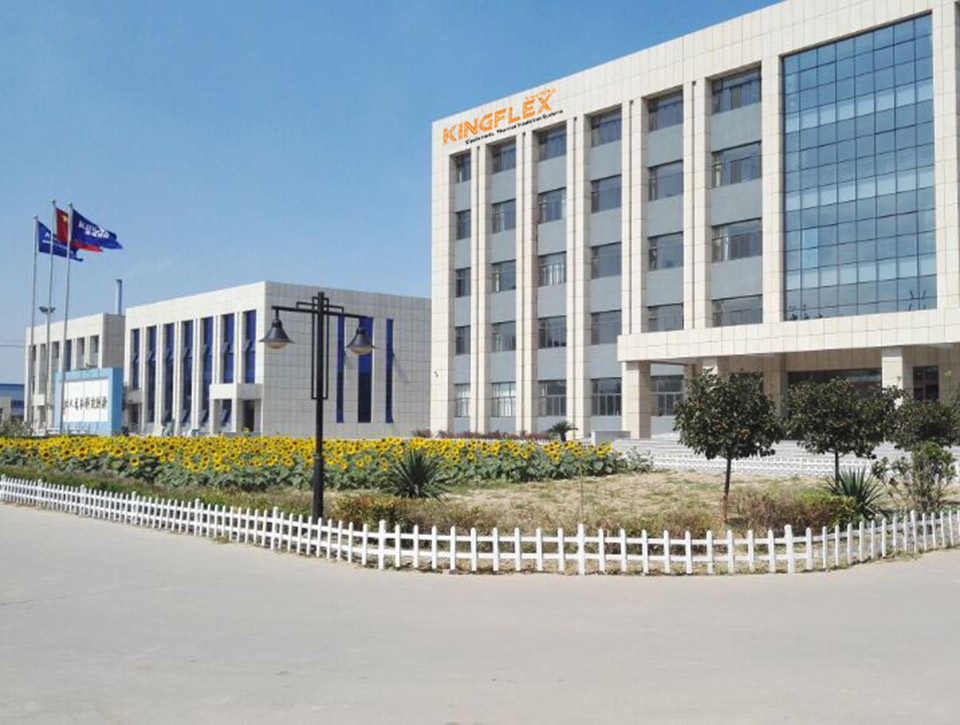
Kingflex Insulation Co., Ltd. stands as a preeminent professional manufacturing and trading combo for premium thermal and cryogenic insulation products. Strategically located within Dacheng, China—globally recognized as the capital of green-building materials—our advanced research, development, and production facility is dedicated to delivering next-generation energy-saving and environmentally friendly industrial solutions.
At our core, we prioritize structural energy conservation and consumption minimization. By offering integrated solutions that span technical consultation, custom R&D synthesis, high-precision manufacturing, installation oversight, and comprehensive post-sale support, Kingflex continues to steer the development pathways of the global building and industrial insulation sectors.
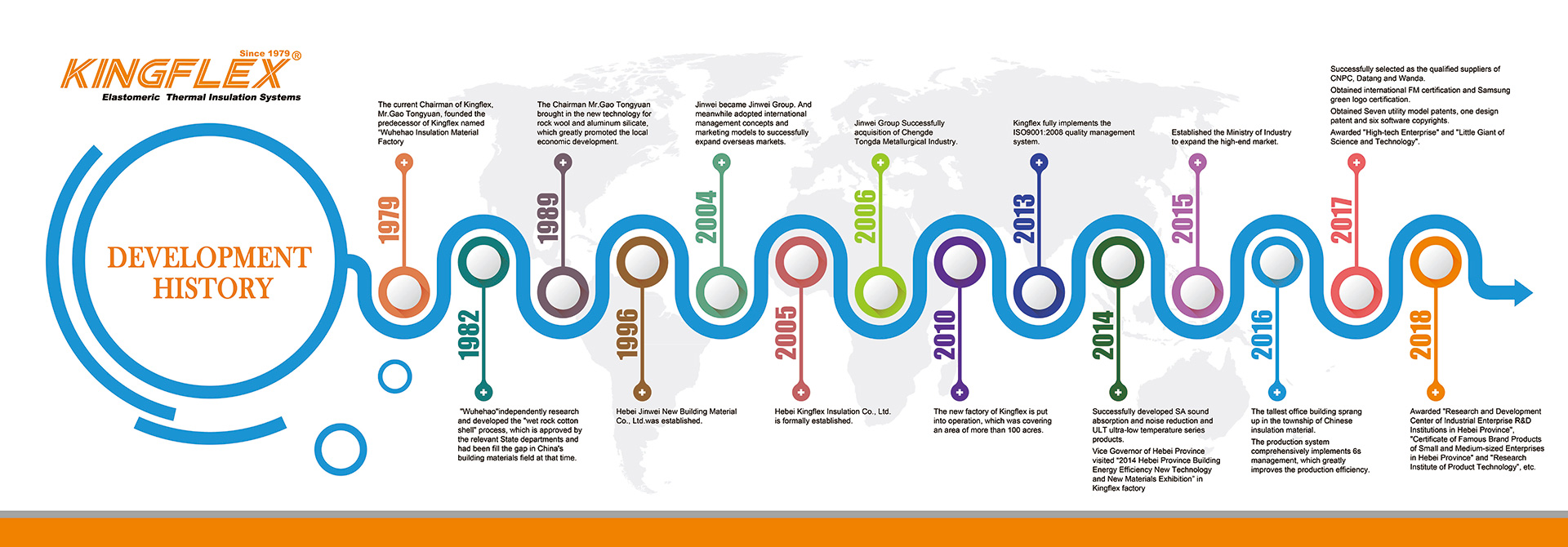
Kingflex was established by the Jinwei Group, which boasts a rich history of over 40 years. Founded in 1979, the group pioneered industrial thermal insulation production, operating as the very first manufacturer of thermal insulation materials north of the Yangtze River. This deep heritage infuses our daily production with decades of process engineering experience and material science expertise.
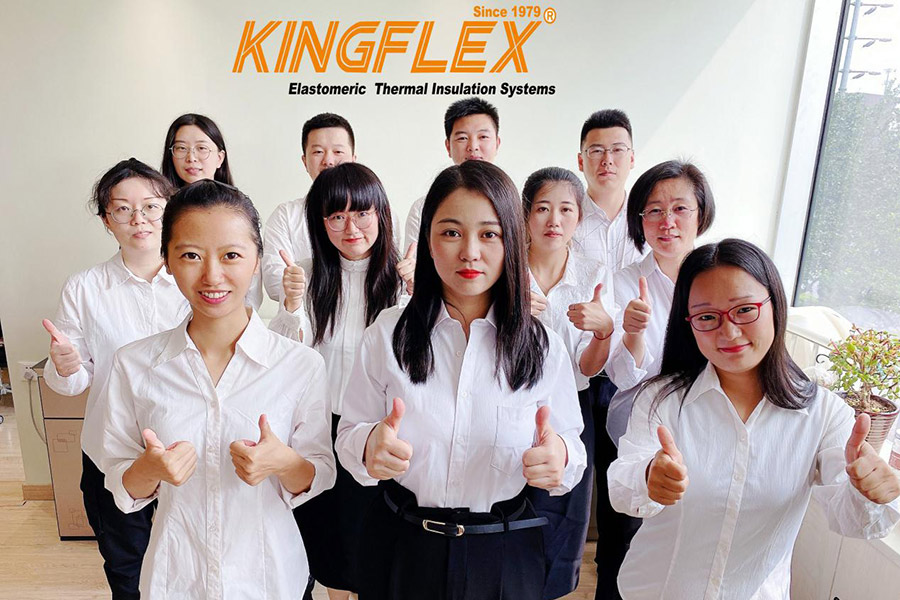
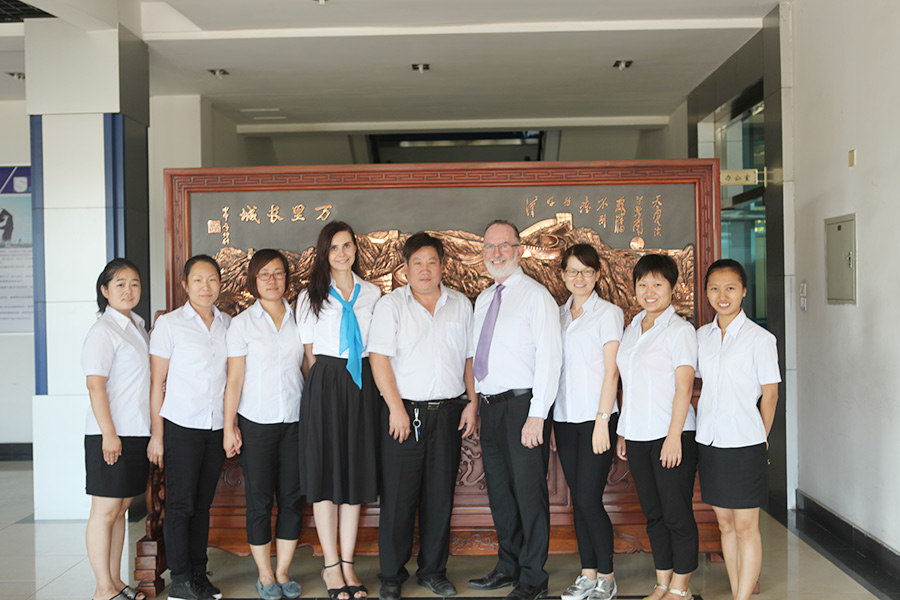
Today, our team forms a highly integrated, talented collective unified by the single goal of delivering first-class service to global operators. The technical backbone of our plant comprises 8 dedicated R&D engineers, 6 experienced international sales engineers, and a skilled workforce of 230 production specialists executing quality-controlled production daily.
Bridging engineering capability with global service compliance standards.

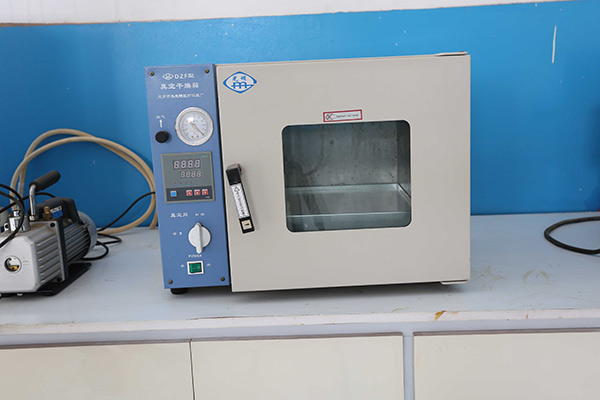
Understanding the thermodynamic mechanisms, structural stability, and system designs for piping systems operating from ambient down to -200°C.
Industrial cryogenic systems—ranging from Liquid Natural Gas (LNG) pipelines at -162°C to liquid nitrogen processing systems at -196°C—face steep thermal gradient challenges. Any heat ingress into these systems directly causes boil-off gas (BOG), resulting in significant pressure increases and thermodynamic losses. Minimizing this transfer demands a materials-first design approach focusing on thermal conductivity (λ), moisture vapor permeation resistance, and structural elasticity at extreme cold temperatures.
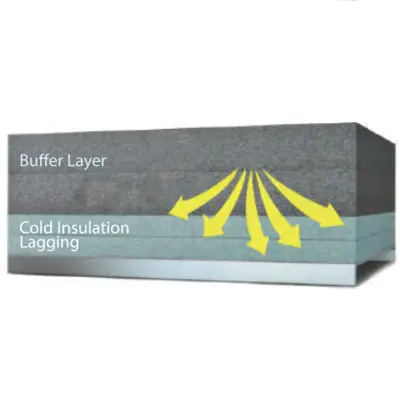
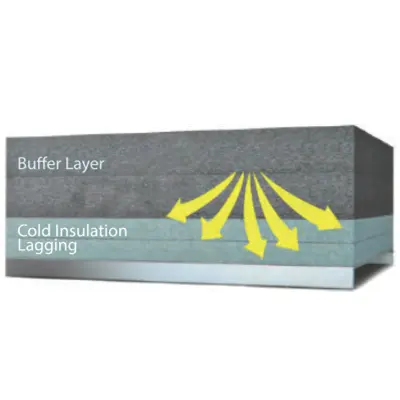
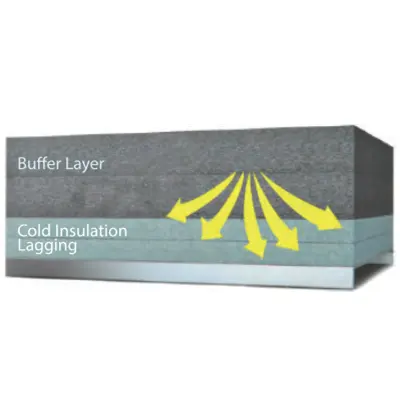
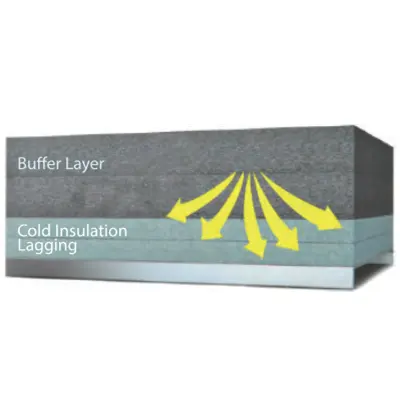
Traditional open-cell insulation materials fail in these environments because atmospheric moisture readily diffuses toward the cold boundary, condenses, freezes, and transforms into ice. Ice conducts heat approximately 100 times faster than dry insulation material, causing catastrophic insulation failure. Consequently, cryogenic system designers specify closed-cell elastomeric structures, such as Kingflex's proprietary NBR/PVC matrix, which provides built-in water vapor barriers without needing separate jackets.
Conventional elastomeric rubber foam becomes brittle below -40°C due to molecular glass transition. To counter this, Kingflex uses a modified NBR/PVC blend formulated with specialized plasticizers and custom rubber compounds. This modification keeps the molecular chain links flexible at temperatures down to -200°C. This cryogenic performance prevents stress cracking caused by rapid thermal cycling, ensuring long-term insulation integrity.
| Performance Index | Kingflex Cryogenic Foam Value | Test Standard Reference |
|---|---|---|
| Density range | 40 - 55 kg/m³ | ASTM D1622 / GB/T 6343 |
| Thermal Conductivity (at -160°C) | ≤ 0.022 W/(m·K) | ASTM C177 / ASTM C518 |
| Closed-Cell Ratio | ≥ 98.2% | ASTM D2856 |
| Water Vapor Permeability | μ ≥ 10,000 (Built-in Barrier) | BS EN 12086 / ASTM E96 |
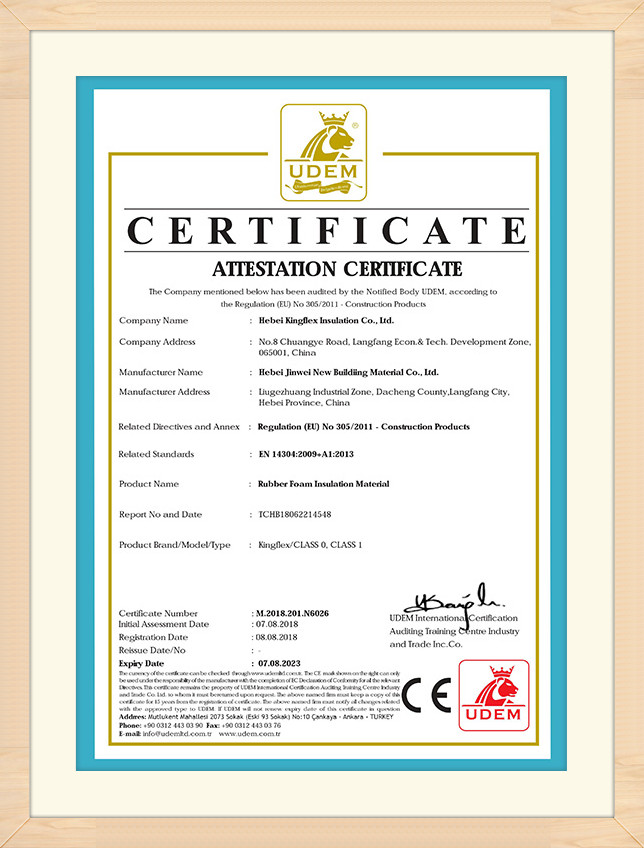
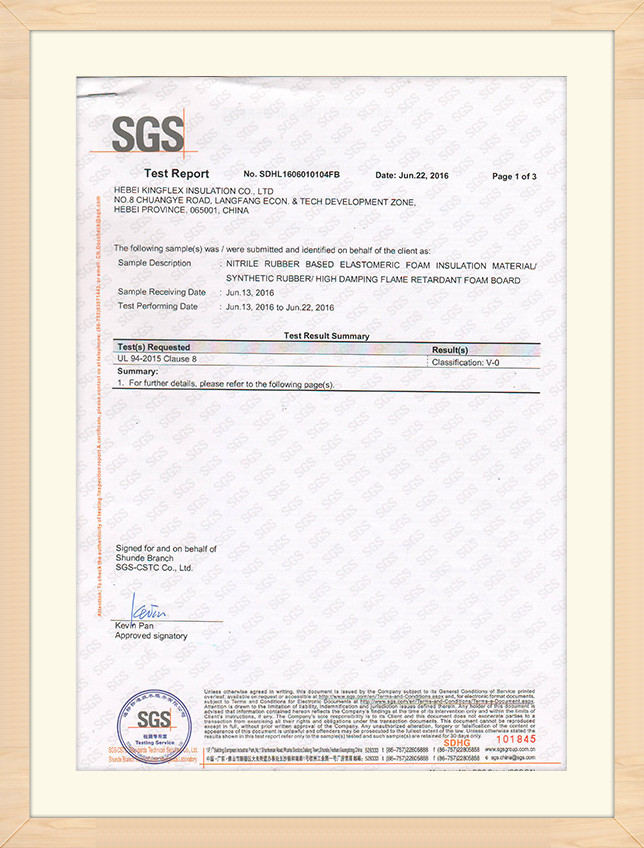
| Flame Retardant Class | Class 0 / Class 1 / V-0 | BS 476 Part 6 & 7 / UL 94 |
| Service Temperature Limits | -200°C to +105°C | ASTM C411 |
As international regulations target net-zero carbon footprints, cryogenic operators face stricter energy conservation mandates. Next-generation insulation development targets hybrid configurations combining closed-cell elastomers with silica aerogels and vacuum insulation panel (VIP) technology. Kingflex’s technical development roadmap focuses on:
Modern cryogenic insulation demands tailored specifications for each distinct industrial application:
Kingflex operates 5 automated assembly lines at our Dacheng manufacturing complex, producing over 600,000 cubic meters annually. This massive production capacity is supported by a smart manufacturing execution system (MES) that tracks batches from raw chemical mixing to final high-pressure extrusion and expansion. This end-to-end control ensures consistent foam structure and predictable mechanical properties.
Our raw material supply chain benefits from close integration with the Jinwei Group. This relationship ensures a steady supply of high-grade rubbers and additives, insulating us from global market fluctuations and ensuring reliable delivery schedules for large infrastructure projects.

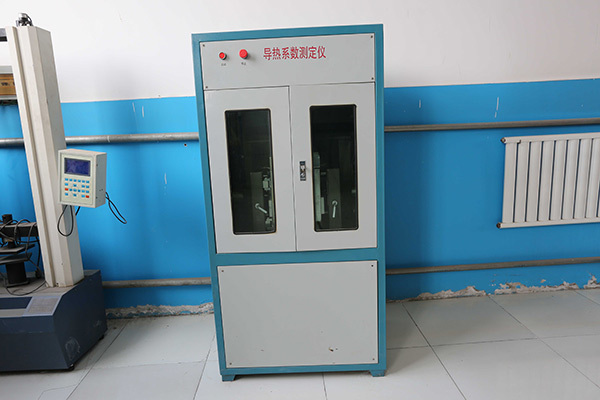
Procuring cryogenic insulation requires balancing upfront material costs against long-term operational savings. Our pricelist configurations are determined by three key factors:
By buying directly from our factory in China, global buyers can reduce purchase costs by 20% to 35% compared to local distributors, while maintaining traceably documented ASTM/EN quality standards.
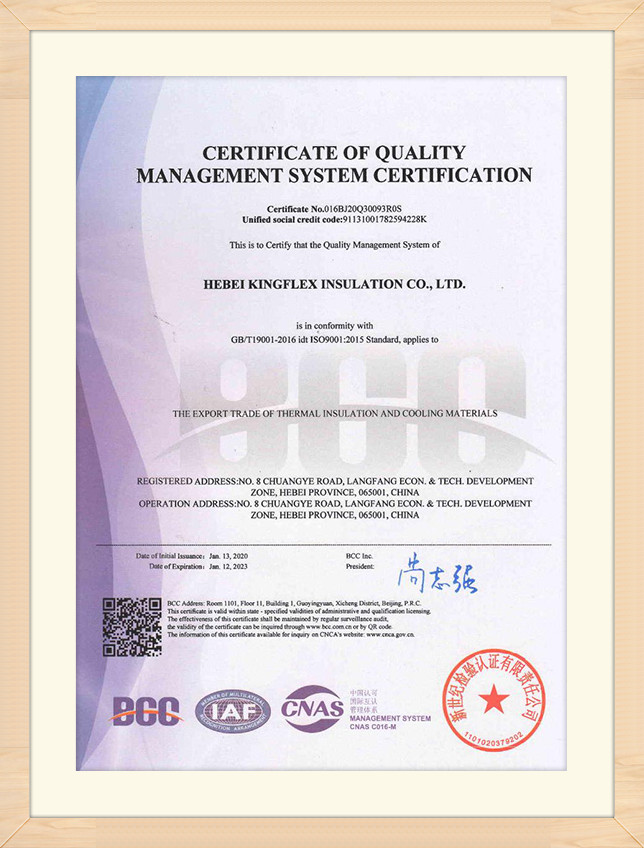
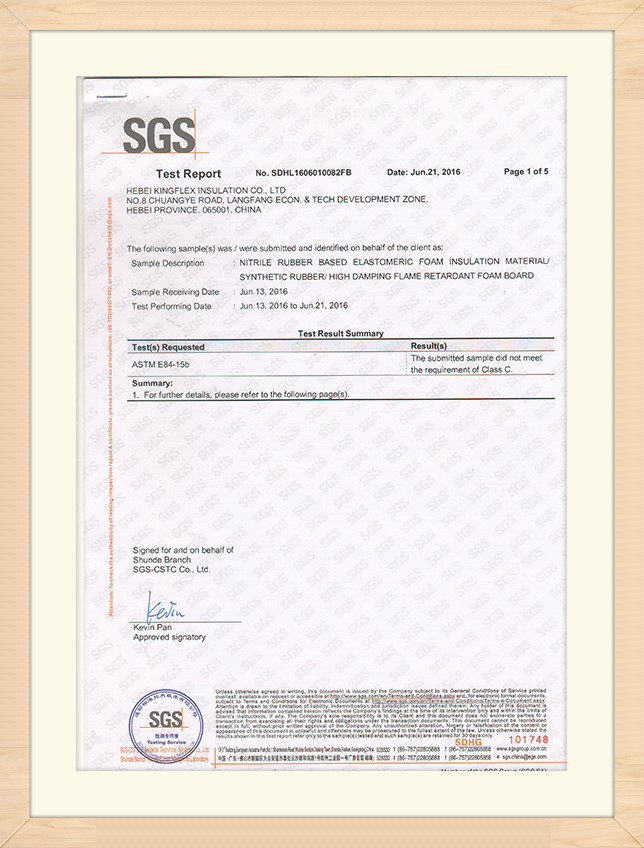
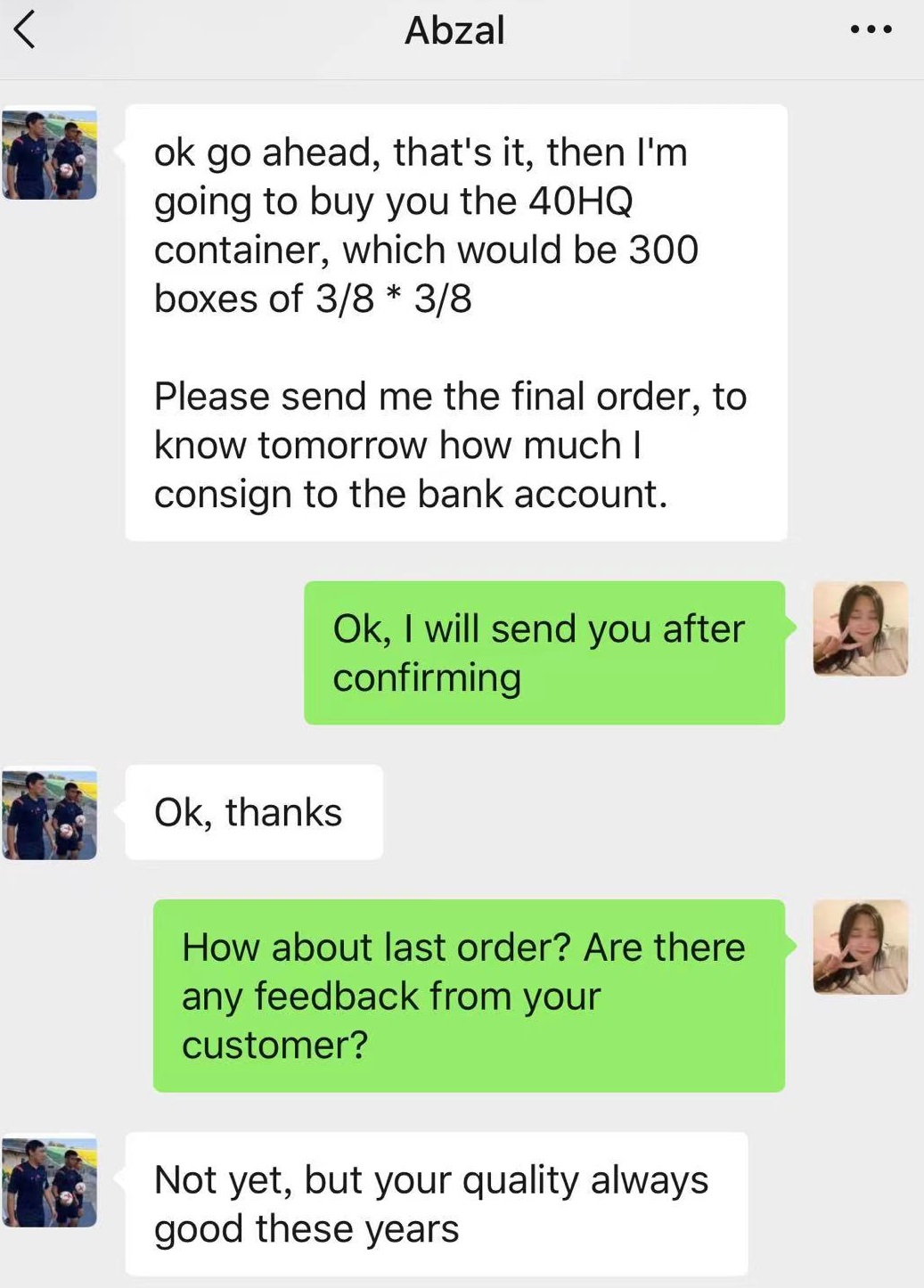
Globally verified certifications and direct transaction screenshots confirming our supply chain reliability.

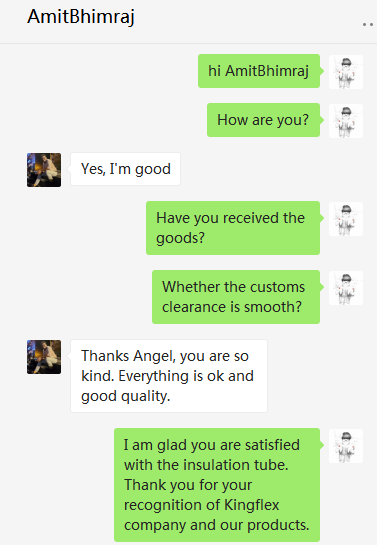

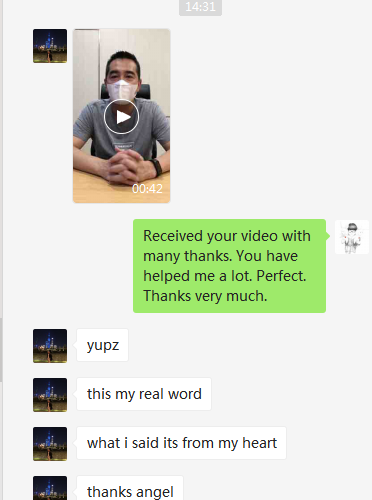
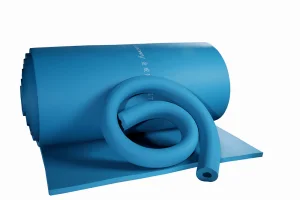
Technical parameters for the two most widely specified products in our catalog.
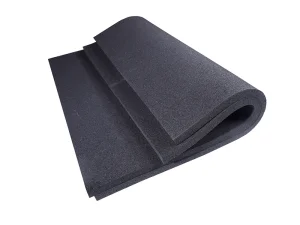
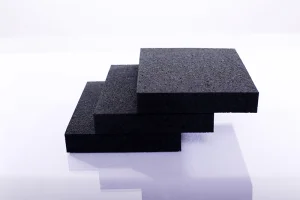
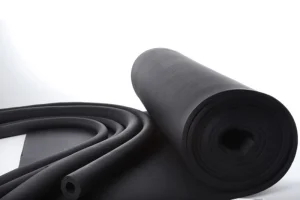
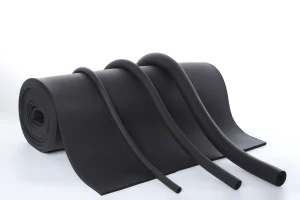
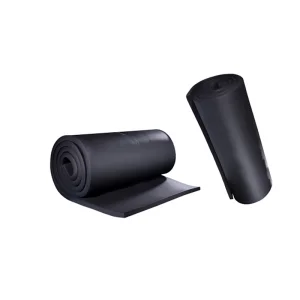
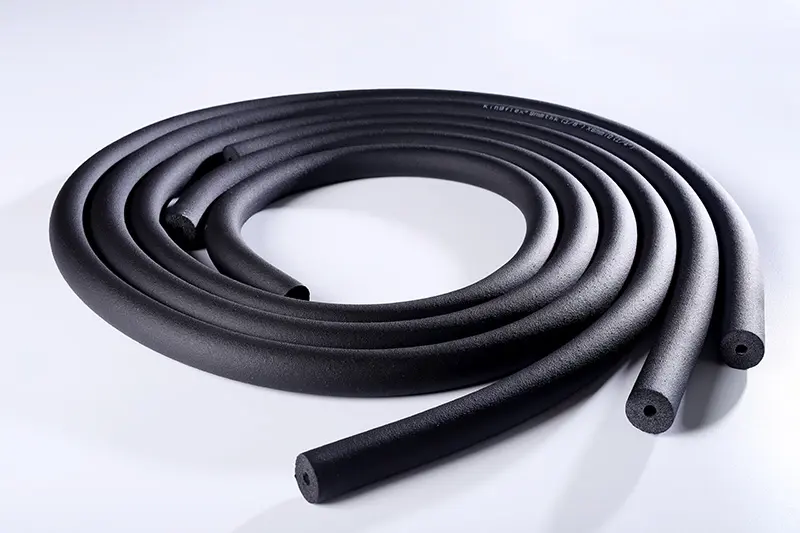
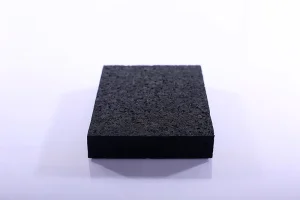
Material: NBR/PVC Elastomeric Compound
Thickness: 6mm to 50mm
Density: 40 to 55 kg/m³
Service Temp Range: -40℃ to +105℃ (Extended Cryogenic grades down to -200℃)
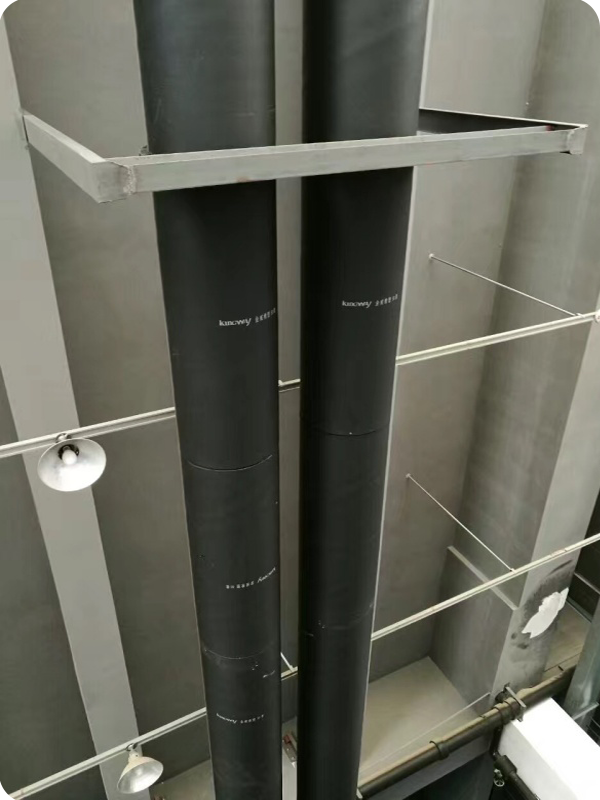
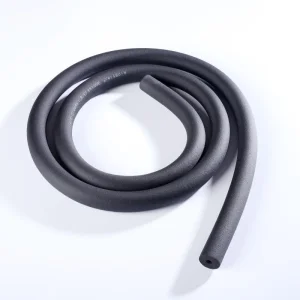
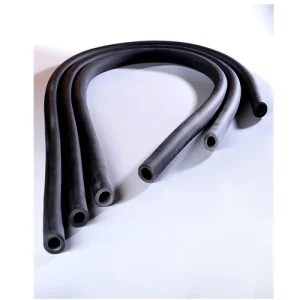
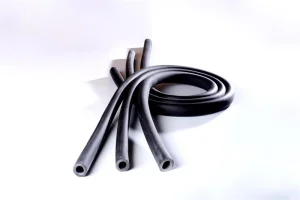
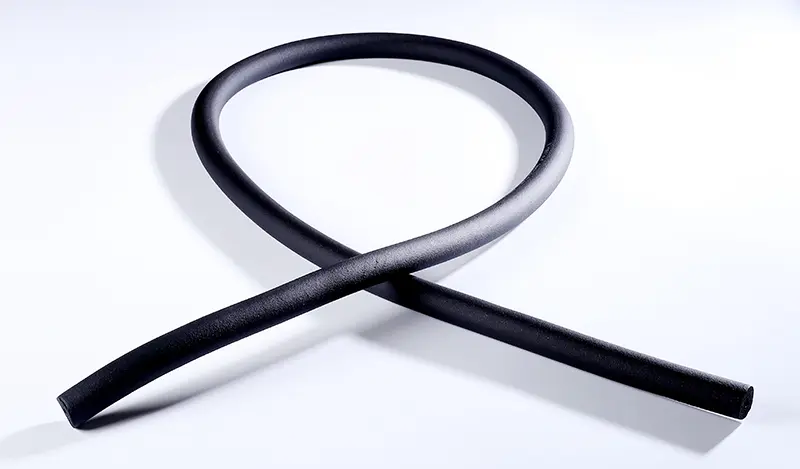
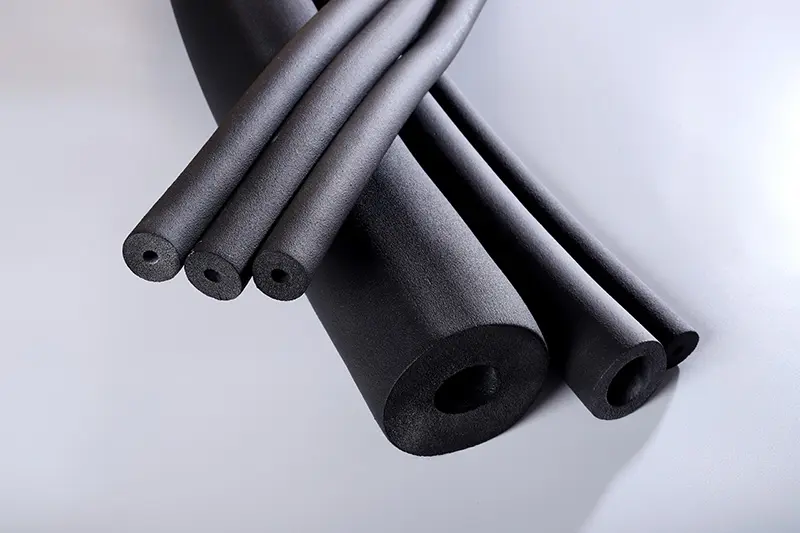
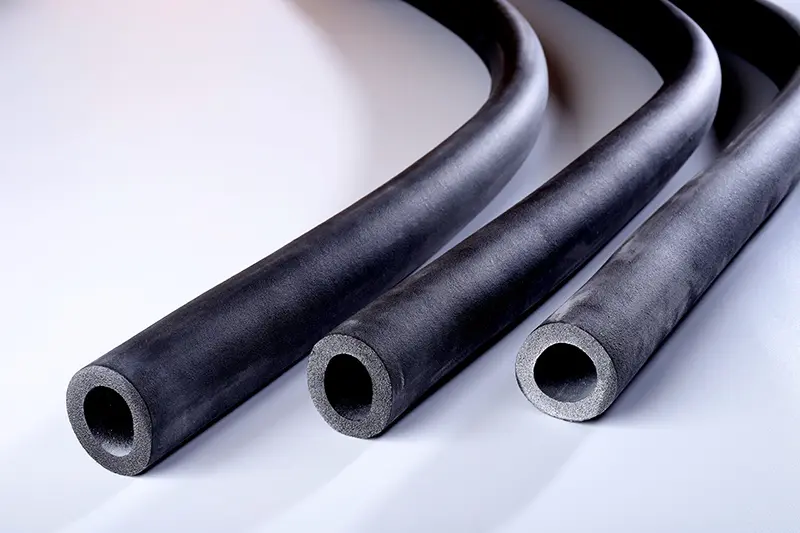
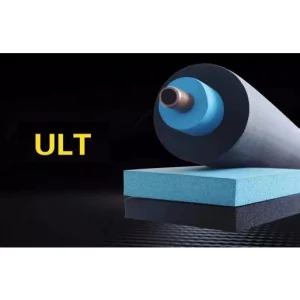
Material: NBR/PVC Rubber Blend
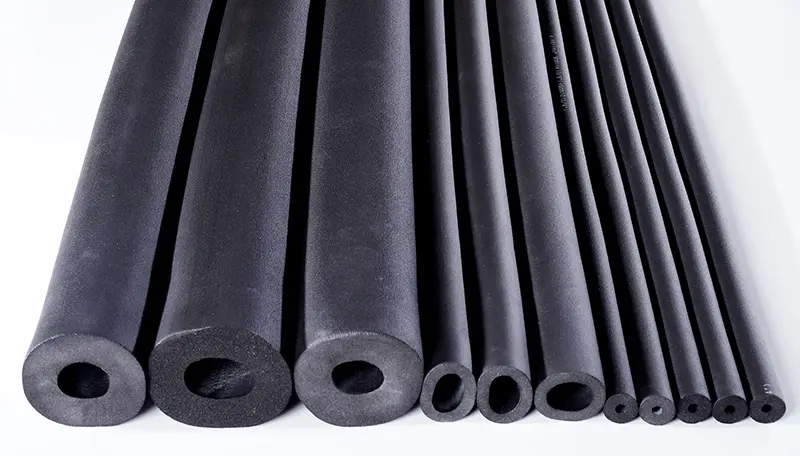
Thickness: 9mm to 40mm
Internal Diameter (ID): 6mm to 114mm
Density: 40 to 55 kg/m³
Service Temp Range: -40℃ to +105℃
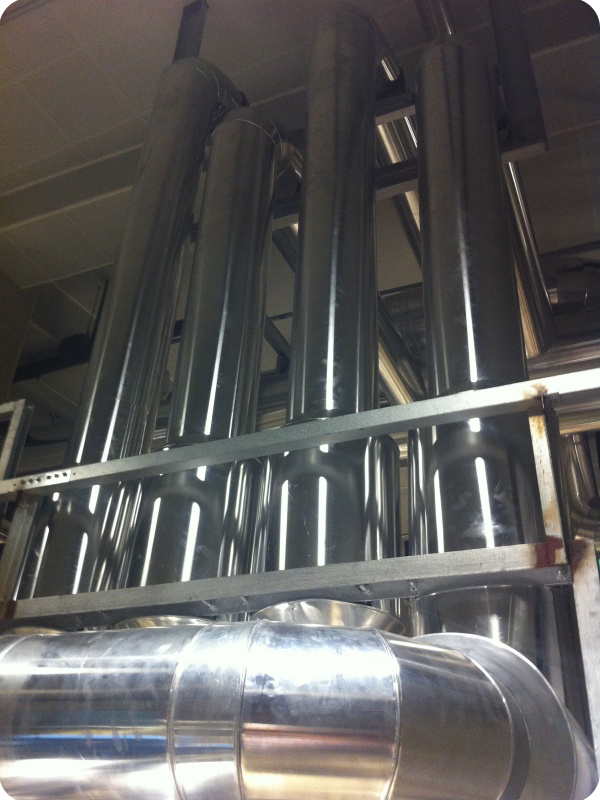
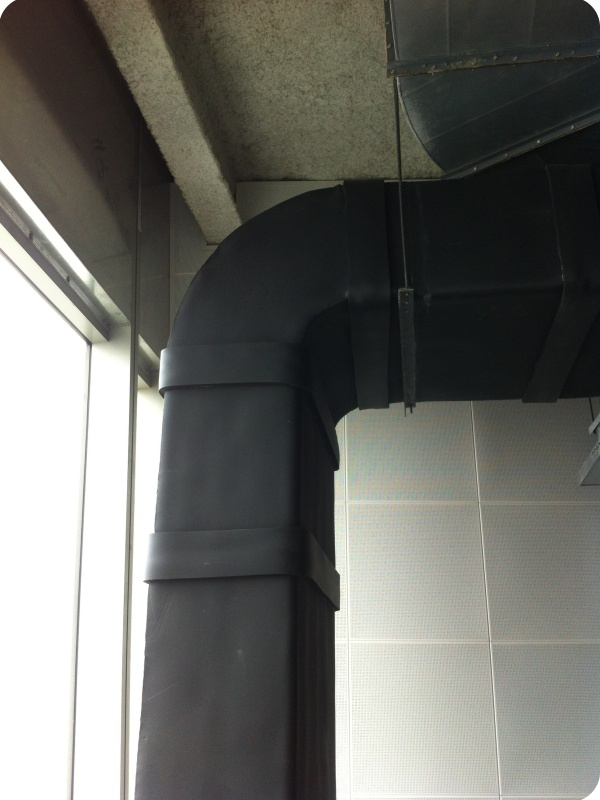
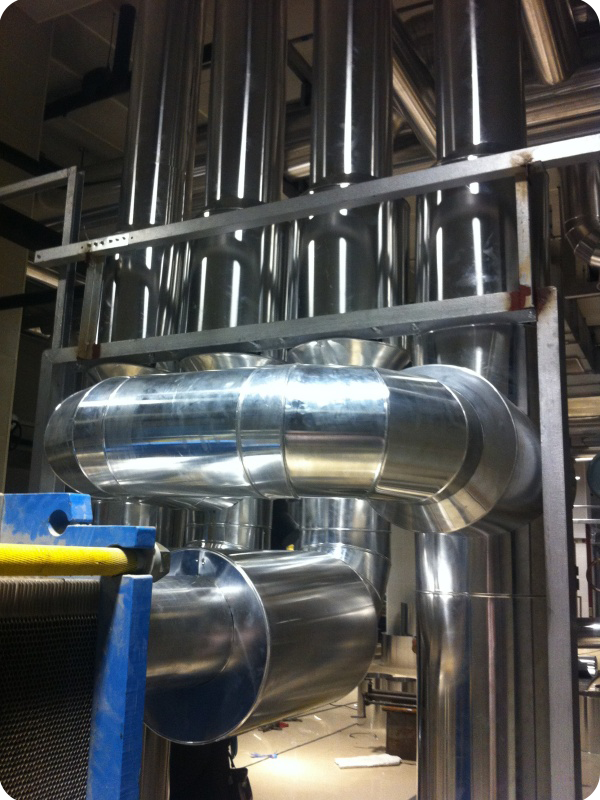
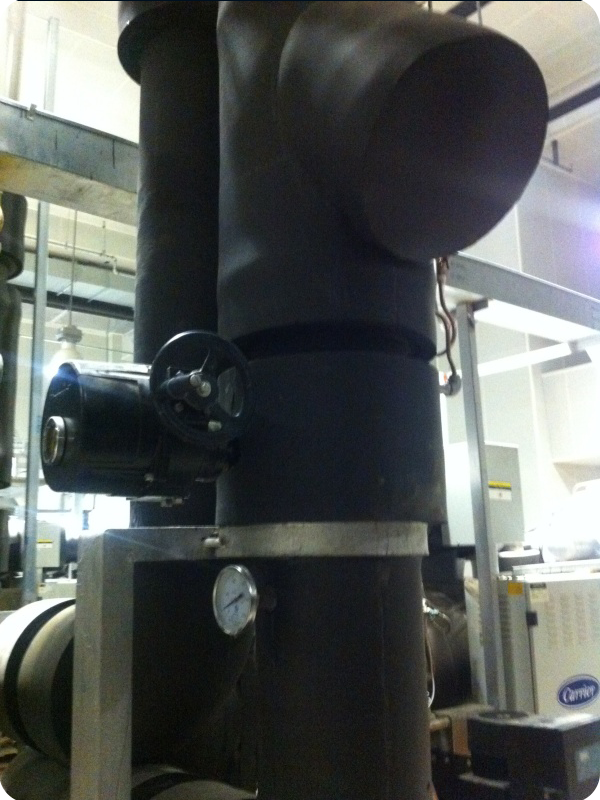
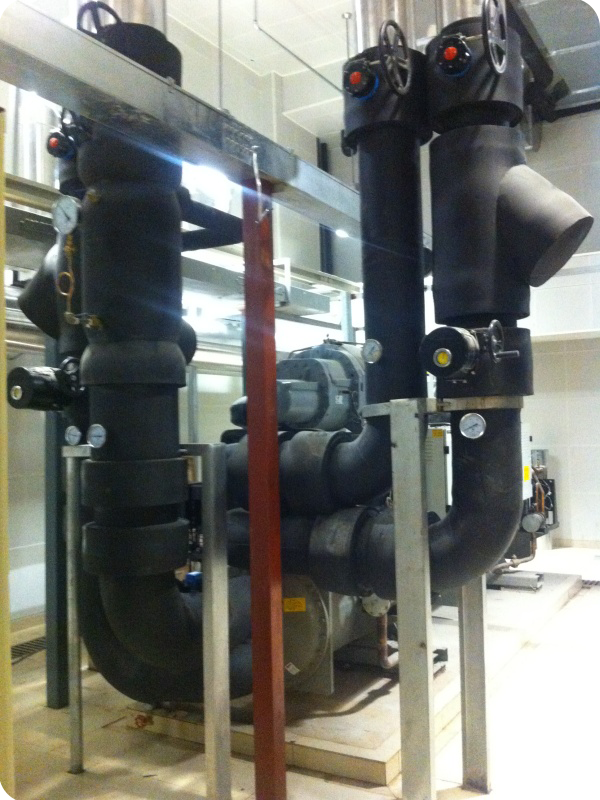
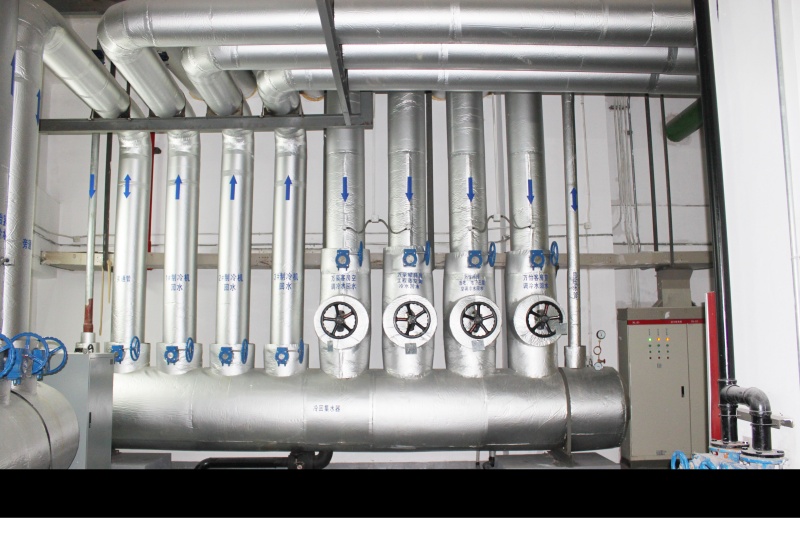
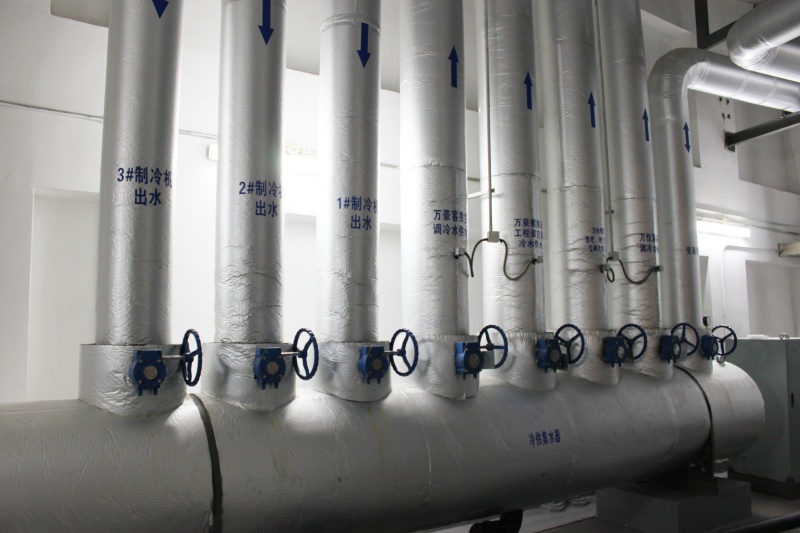
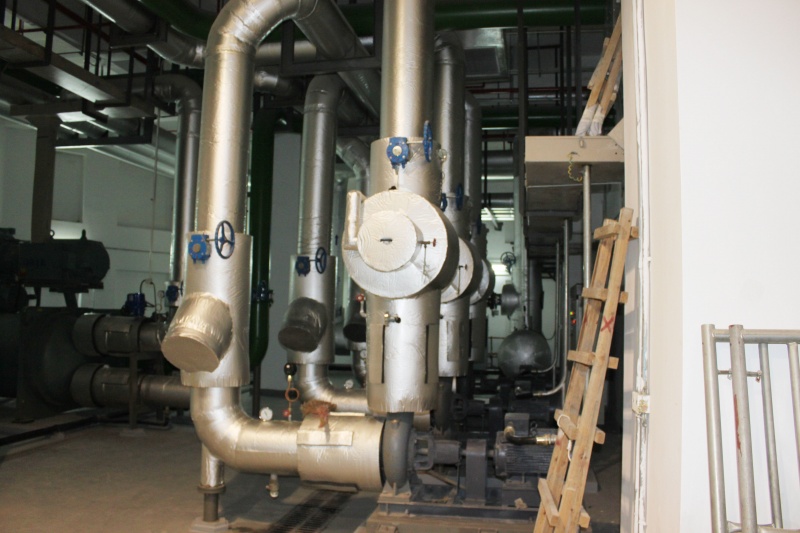
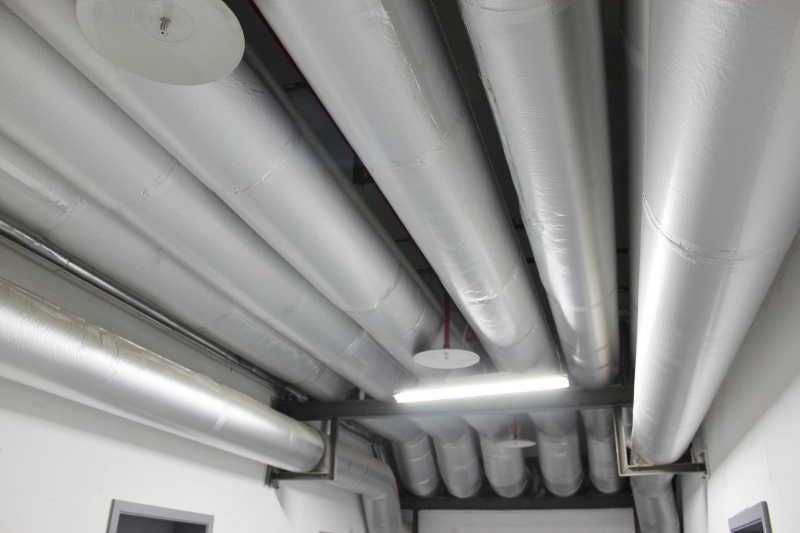
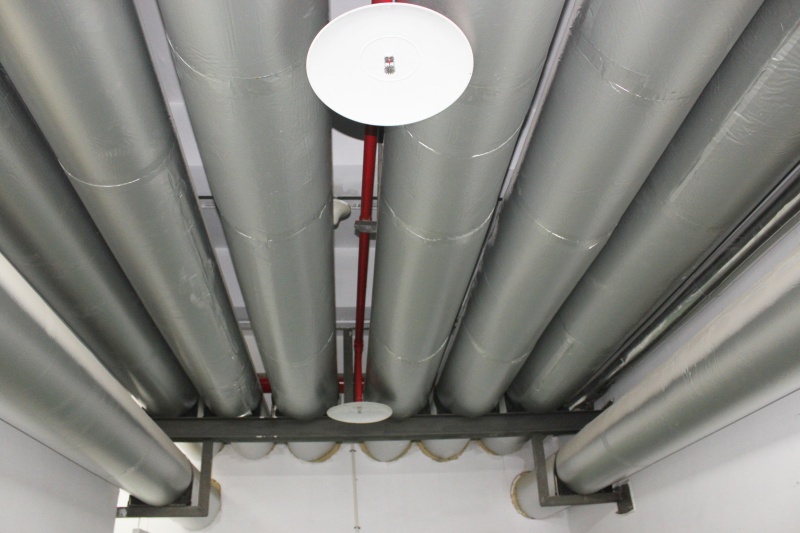
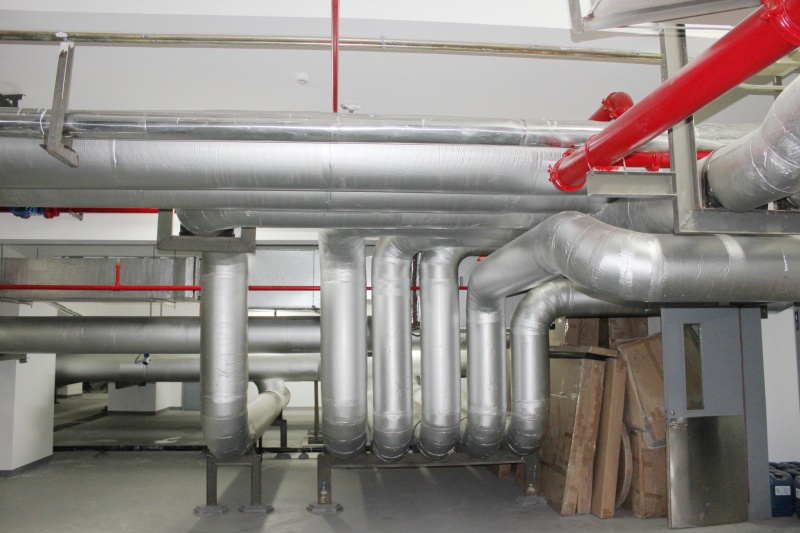
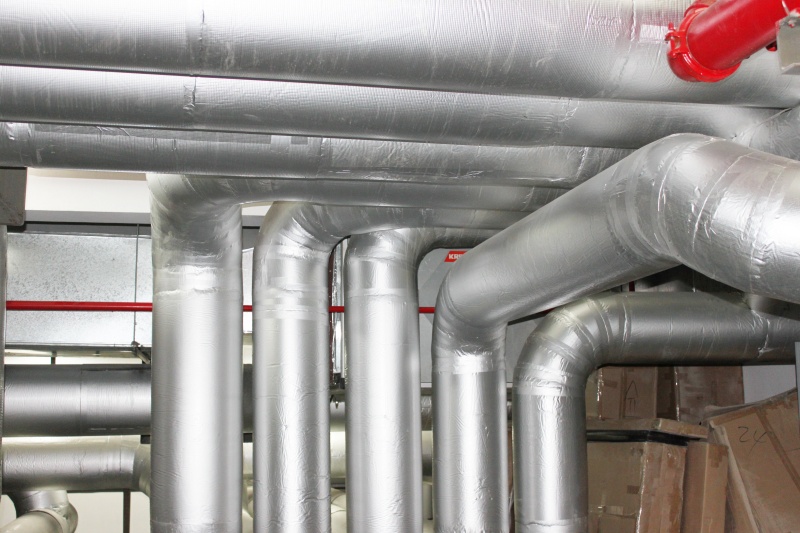
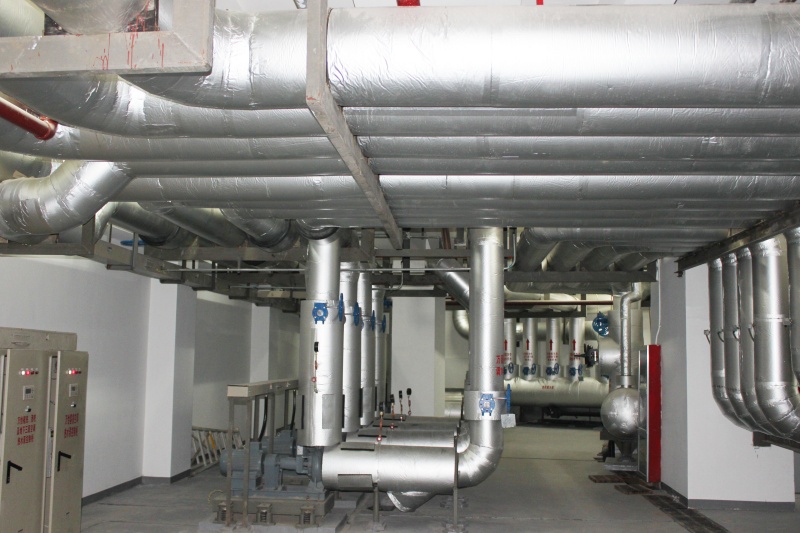
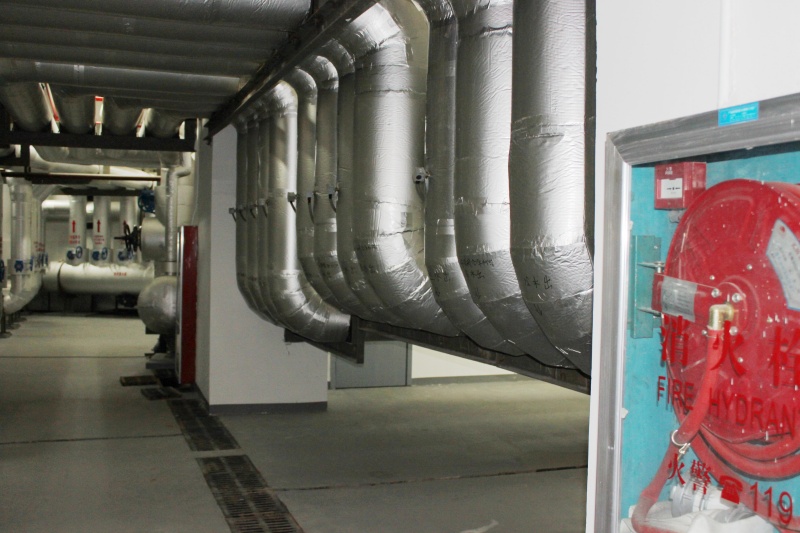
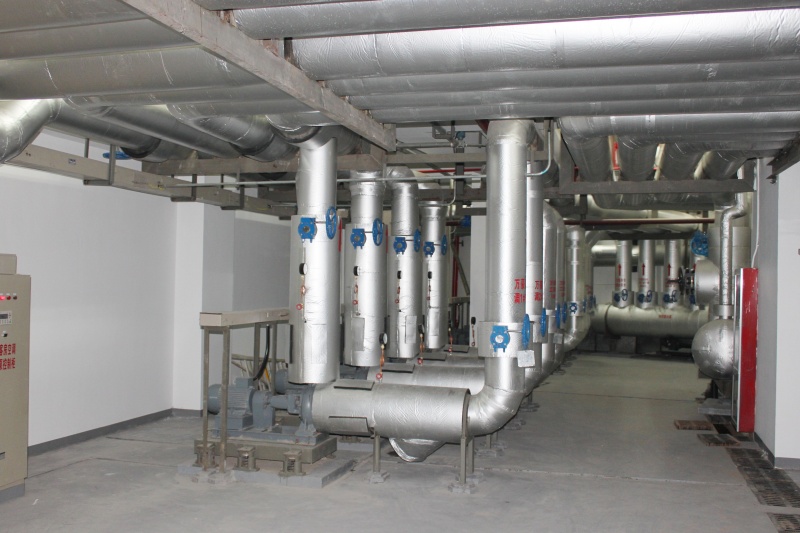
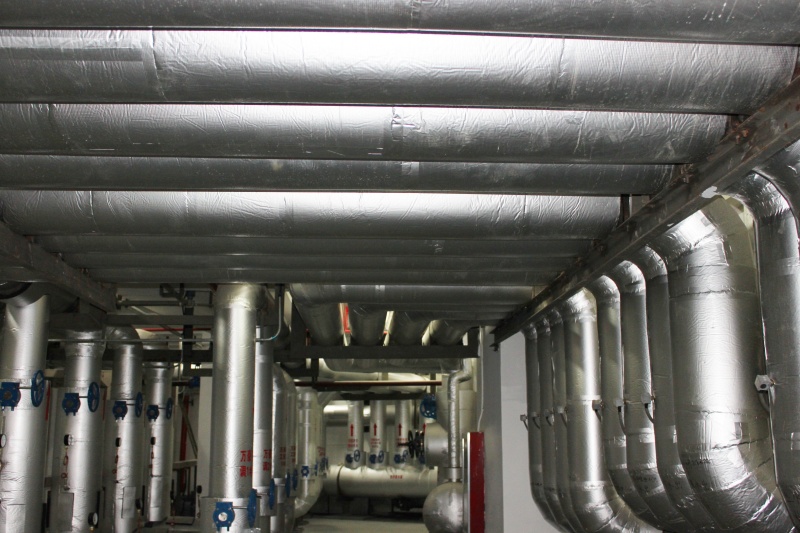
Our materials protect infrastructure across petrochemical plants, LNG terminals, and HVAC networks worldwide.
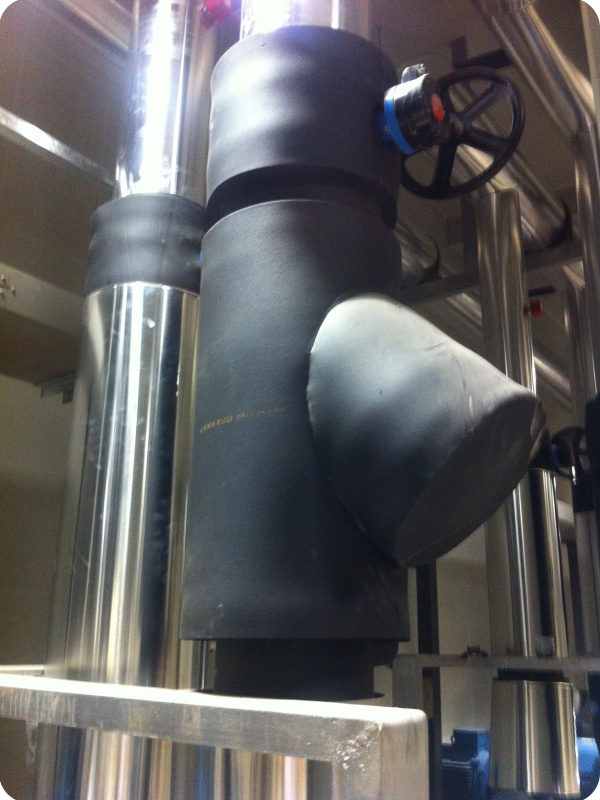
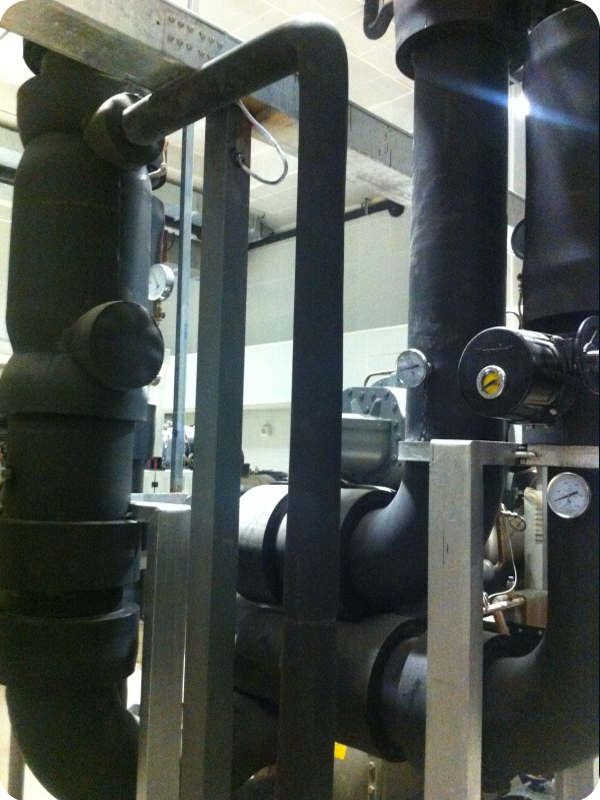







Technical answers for engineers, procurement directors, and site supervisors.
Browse our architectural acoustics and heavy-duty industrial insulation products.
Comprehensive performance configurations for thermal, cold, and acoustic systems.