 Kingflex
Kingflex
Kingflex
Discover our flagship thermal and cryogenic insulation products manufactured under rigorous international standards.
In thermal dynamics and industrial engineering, thermal insulating materials are defined as structural, fibrous, cellular, or granular media specifically designed to restrict the rate of heat transfer. Heat transfer occurs via three primary mechanisms: conduction (molecular collisions within solid matter), convection (fluid movement driven by thermal gradients), and radiation (electromagnetic emission of thermal energy). High-performance thermal insulation acts as a barrier to these mechanisms, maintaining a significant temperature differential between the interior and exterior environments.
The primary quantitative metric for assessing thermal insulating performance is Thermal Conductivity ($\lambda$-value or k-value), measured in Watts per Meter-Kelvin (W/m·K). Materials possessing low thermal conductivity present higher thermal resistance ($R$-value). For elastomeric rubber foam materials, such as Kingflex's NBR/PVC closed-cell compounds, the typical thermal conductivity range is $\le 0.034$ W/m·K at $0^\circ\text{C}$.
Key Thermodynamic Parameters to Consider:
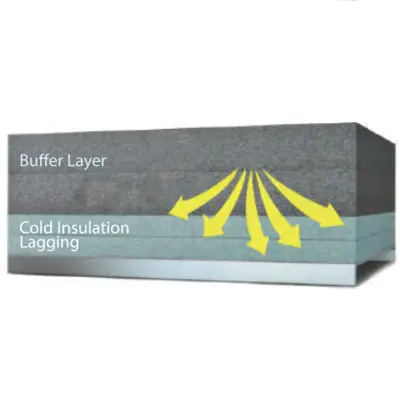
Furthermore, structural density plays an integral role in dictating the physical structural integrity and thermal resistance. With a calibrated density of 40–55 kg/m³, modern elastomeric foam matrices distribute microscopic closed cells uniformly. This layout encapsulates dry air, which has an extremely low thermal conductivity, and prevents convective loops from establishing within the material matrix.
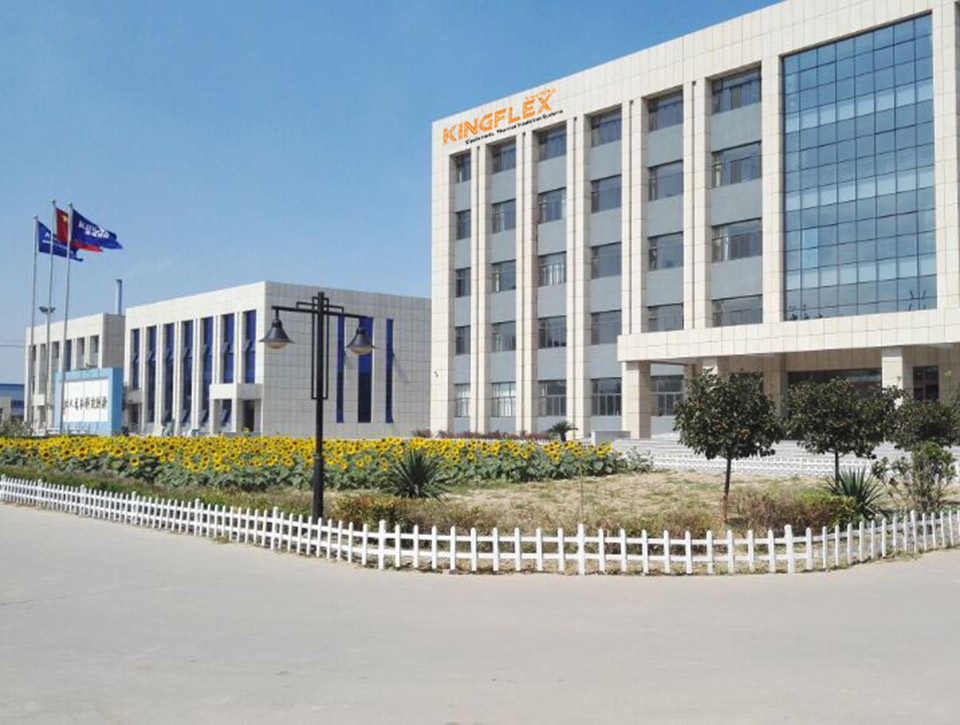
Dacheng County, located in Hebei Province, China, is widely recognized as the global capital of green-building and thermal insulation materials. By operating within this highly localized ecosystem, Kingflex Insulation Co., Ltd. leverages structural manufacturing efficiencies, immediate access to chemical raw materials (including Nitrile Butadiene Rubber, NBR, and Polyvinyl Chloride, PVC), and proximity to advanced industrial shipping ports like Tianjin Port. This localized supply chain model allows us to offer extremely competitive direct-factory quotes while keeping quality control traceable and responsive.
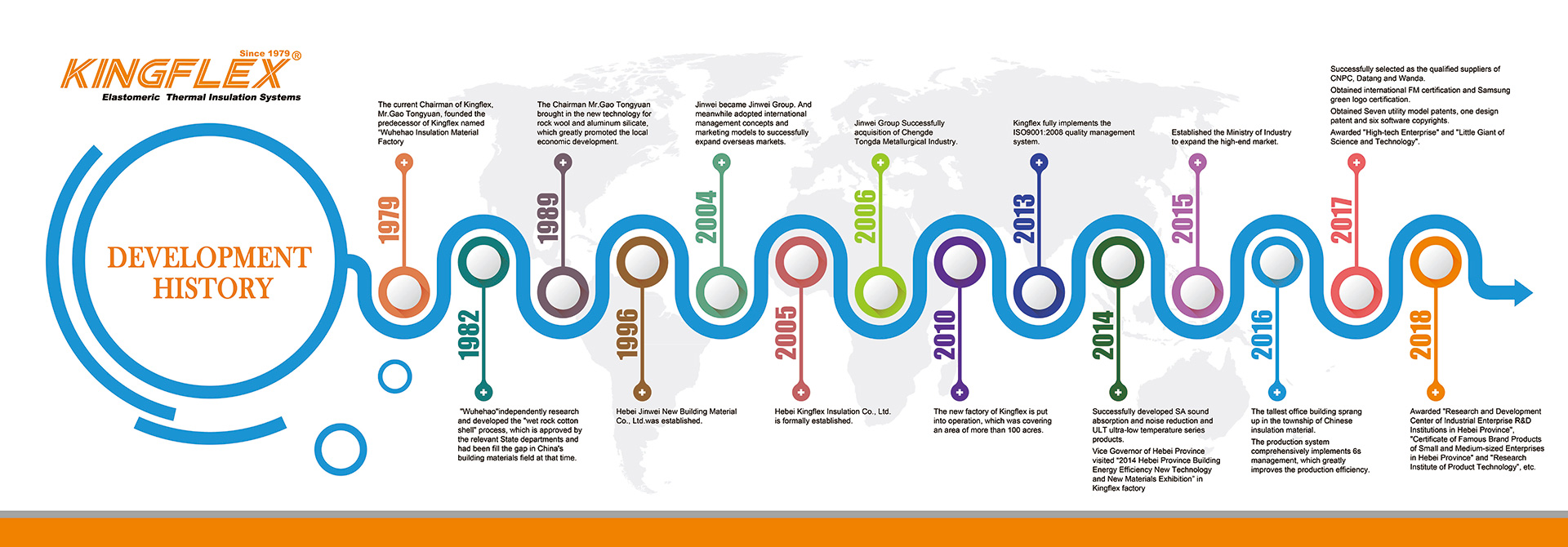
Our infrastructure features five modern automatic assembly lines that ensure uniform foaming, cell structure refinement, and dimension consistency. As a designated manufacturing enterprise certified by the Ministry of Energy, Ministry of Electric Power, and Ministry of Chemical Industry in China, Kingflex combines scale with engineering capability. The integration of Kingway Group's 40-year thermal manufacturing history gives us the foundational knowledge to formulate insulation solutions that meet the requirements of large-scale infrastructure projects.

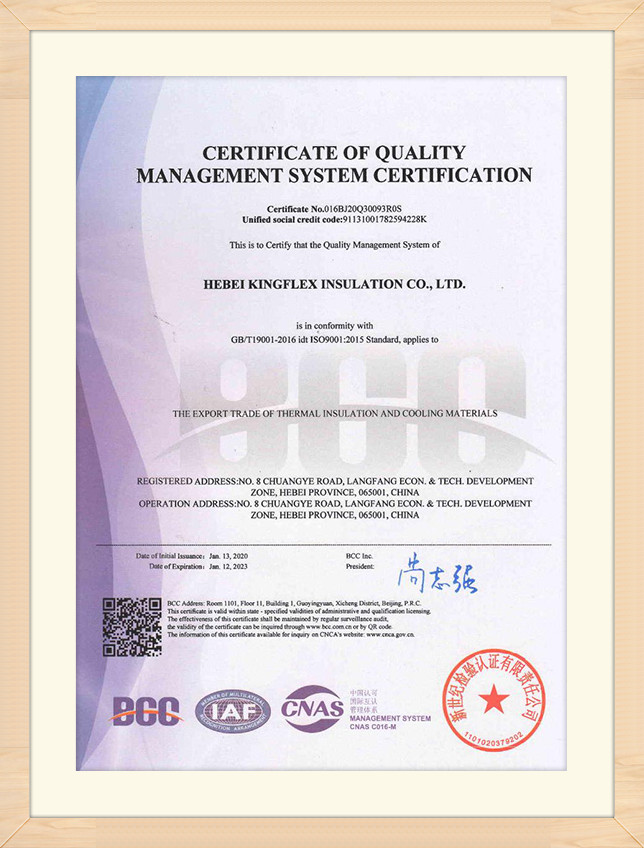
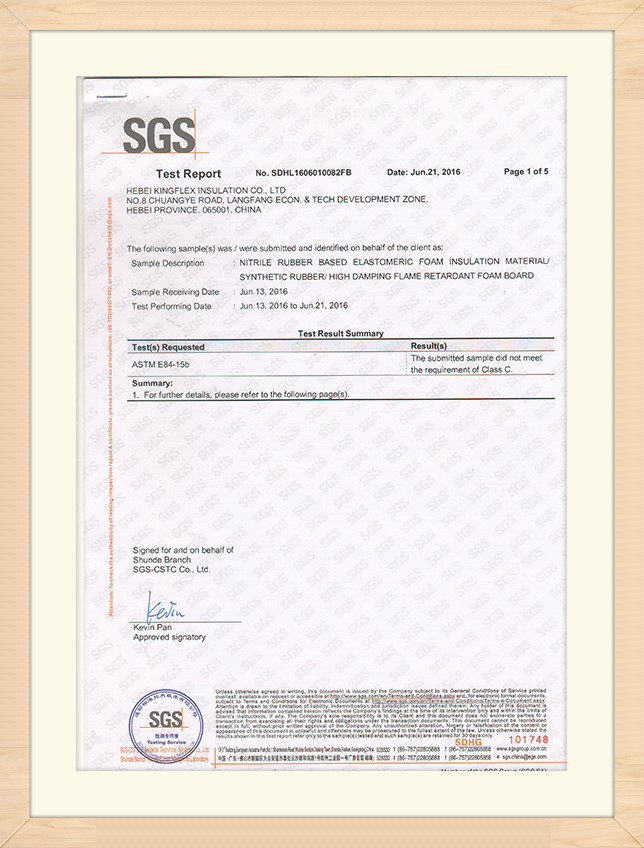
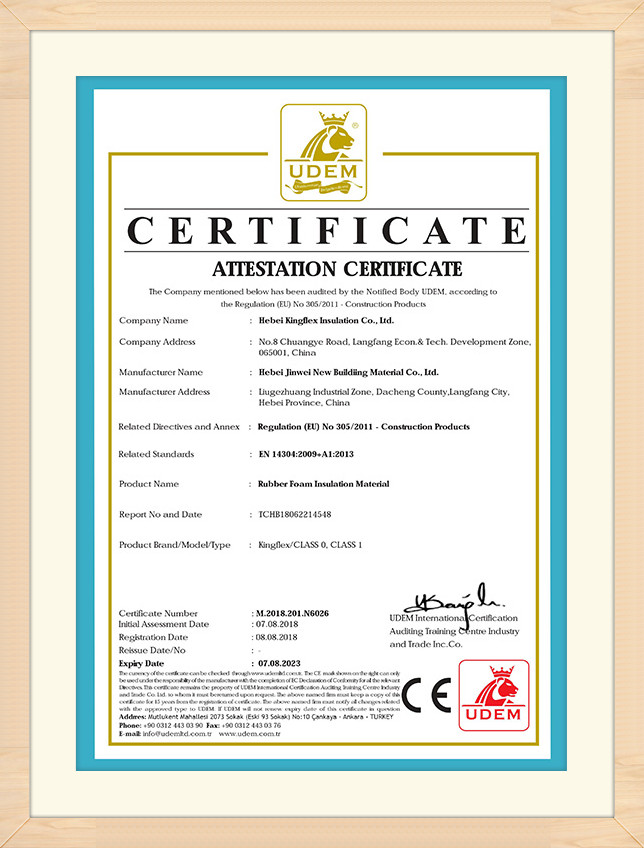
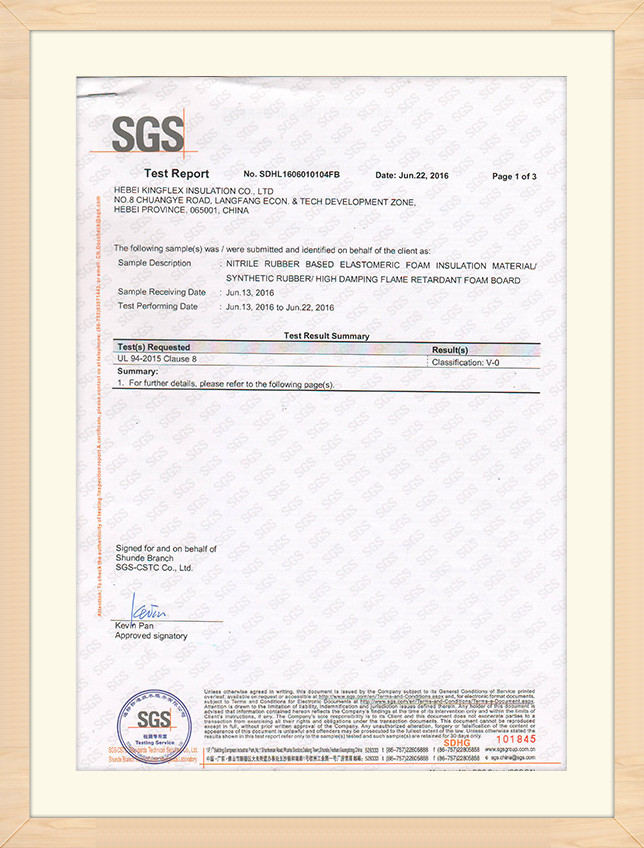
Global engineering companies and HVAC procurement managers face complex compliance environments. Building codes and safety regulations vary widely across jurisdictions. Therefore, procuring standard insulation materials is insufficient; materials must possess third-party verified certifications to guarantee safety, environmental responsibility, and fire resistance.
Our Compliance Matrix for Global Building Regulations:
Kingflex addresses these strict localization challenges by providing product traceability. Each production batch undergoes rigorous laboratory evaluation, ensuring that parameters such as compression resilience (over 80%) and flame retardancy remain consistent. This risk-mitigation framework is crucial for high-density public structures like hotels, hospitals, airports, and commercial centers where safety compliance cannot be compromised.
Due to its high flexibility, low thermal conductivity, and resistance to water vapor ingress, elastomeric rubber foam is preferred in several key industries:
| Application Sector | Core Function | Target Systems | Why NBR/PVC is Used |
|---|---|---|---|
| HVAC & Refrigeration | Condensation prevention & cold preservation | Chilled water pipes, refrigerant piping, air handling ducts | 98%+ closed-cell rate blocks atmospheric moisture. |
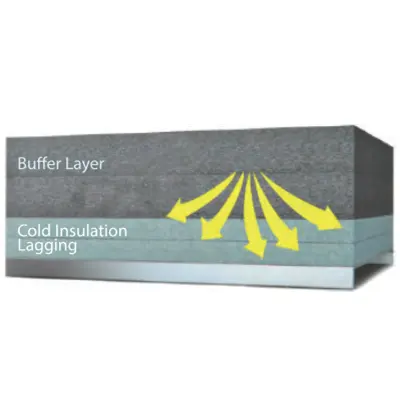
| Building Construction | Acoustic buffering & thermal envelope security | Interior walls, concrete slab underlays, service roofs | Excellent sound damping properties and low flame spread. |
| Industrial & Process Piping | Energy conservation & corrosion protection | Steam lines, hot water reservoirs, industrial boilers | Maintains stable thermal performance across dynamic temp ranges. |
| Cryogenics & LNG Systems | Ultra-low temperature management | Liquefied natural gas pipelines, cryogenic storage | Remains flexible without structural cracking down to -200°C. |
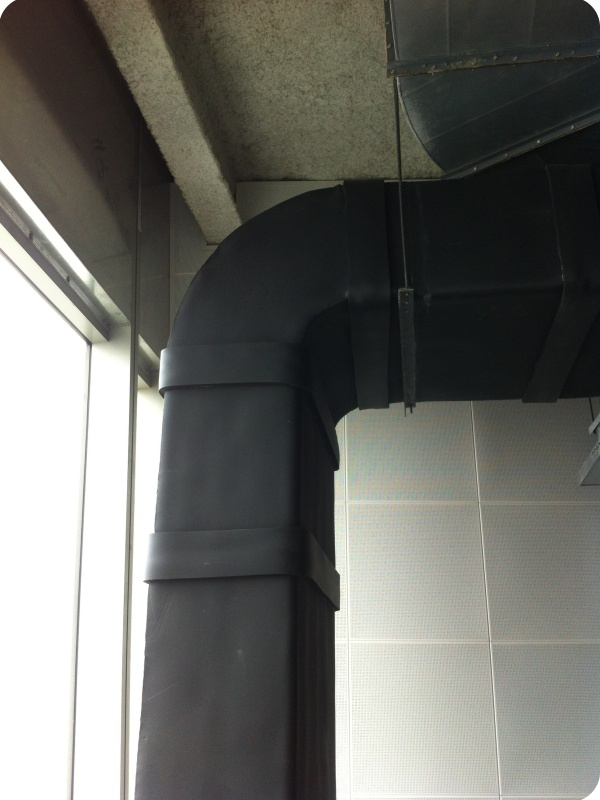
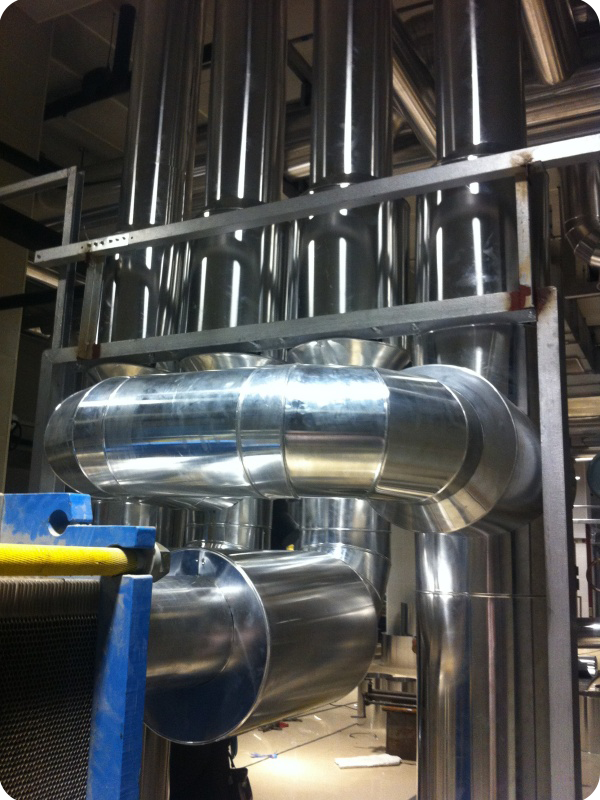
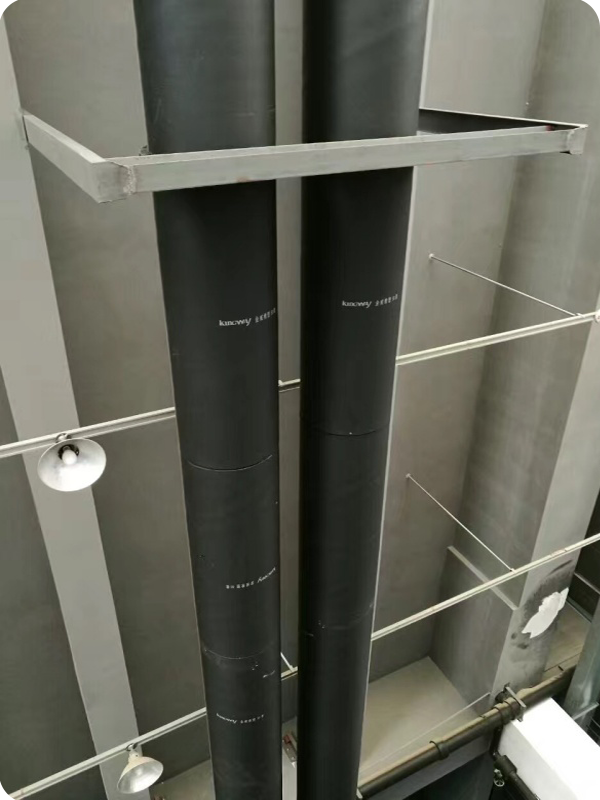
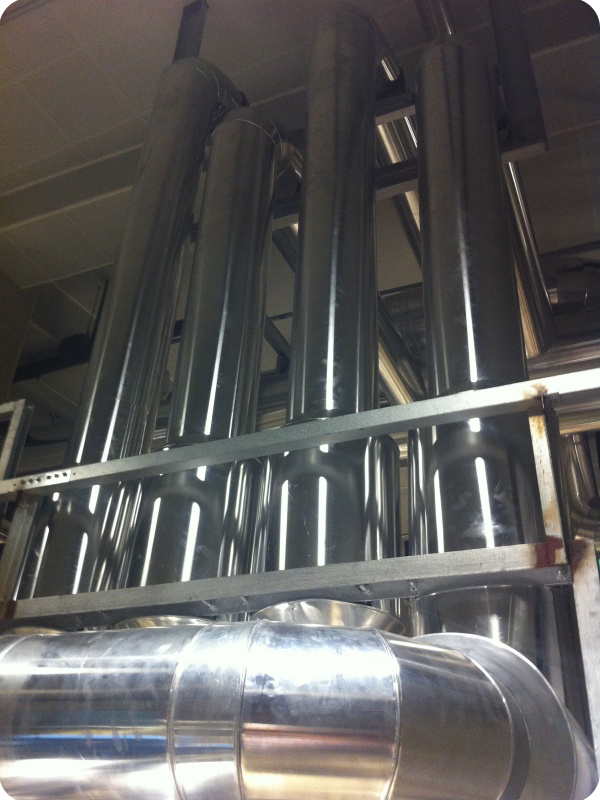
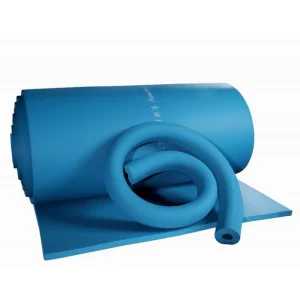
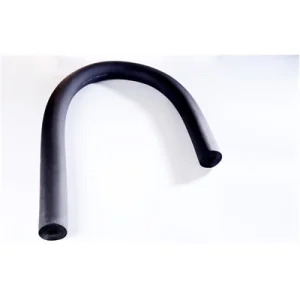
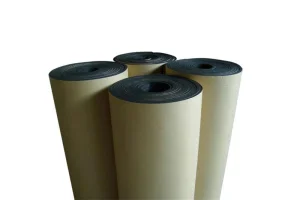
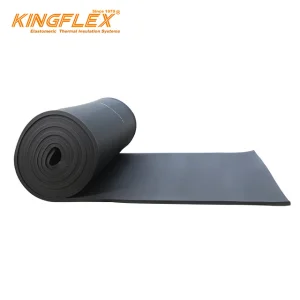
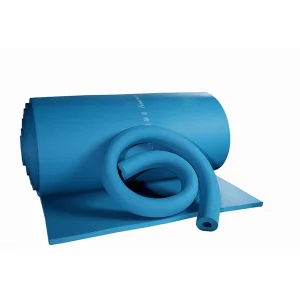
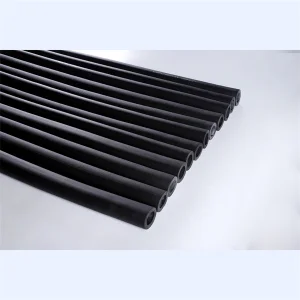
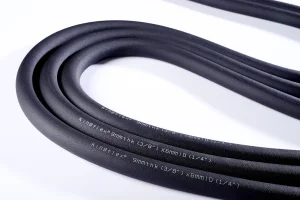
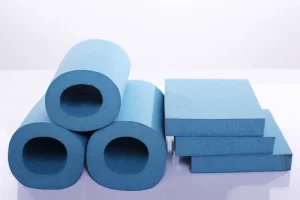
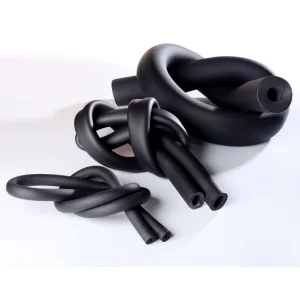
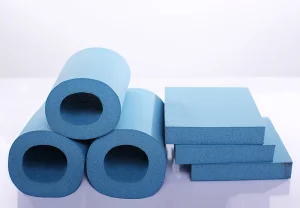
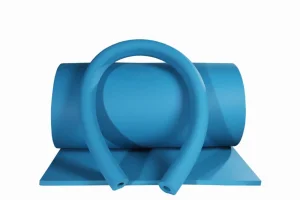
To assist engineering design teams, we maintain stock standard profiles across two key product formats: Black Rubber Foam Insulation Sheet Rolls and Black Rubber Foam Insulation Pipes. Custom profiles and variations are available upon request through our OEM service desk.
Our elastomeric sheet rolls are ideal for insulating wide surface areas, such as mechanical air ducts, storage tanks, and large-diameter pipelines.
| Material Matrix | High-density NBR/PVC blend |
| Thickness Range | 6mm to 50mm |
| Density | 40 - 55 kg/m³ |
| Service Temperature Limit | -40℃ to 105℃ |
| Key Performance Strengths | Uniform foaming cell configuration, >98% closed-cell structure, compression resilience >80%, high moisture resistance. |
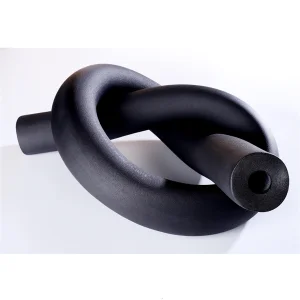
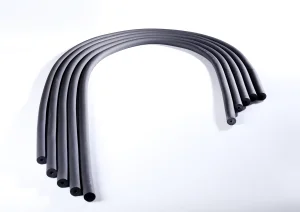
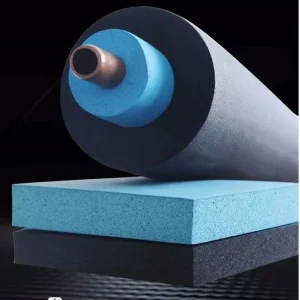
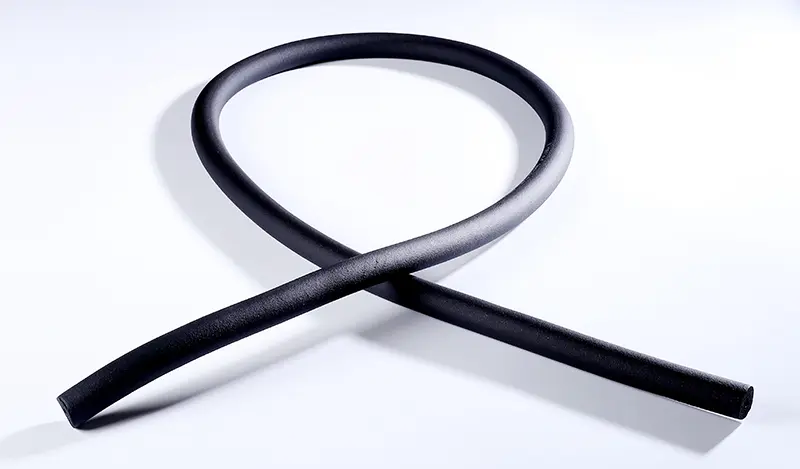
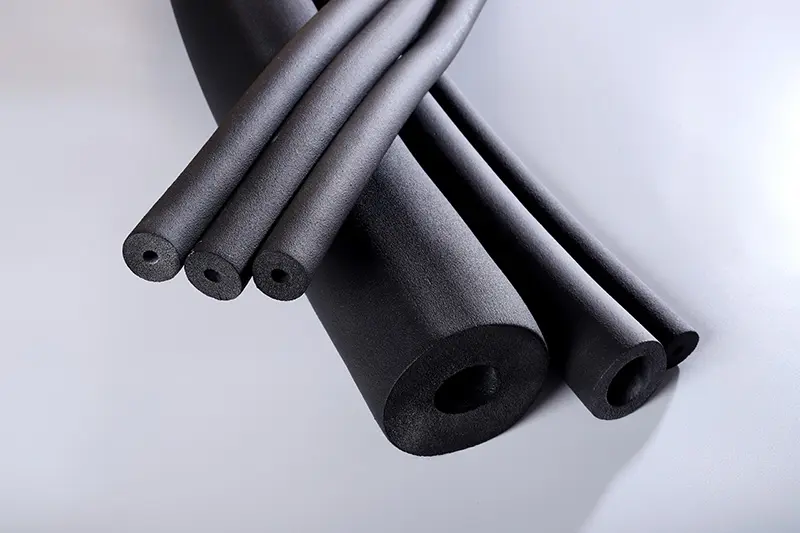
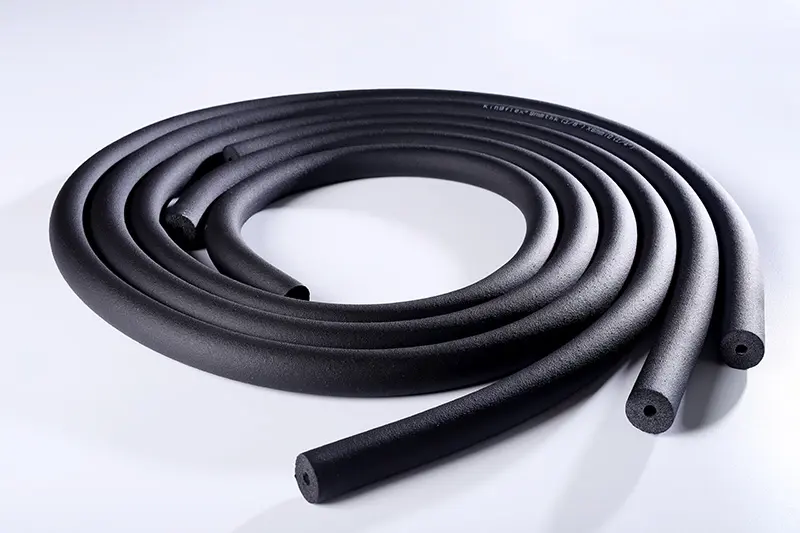
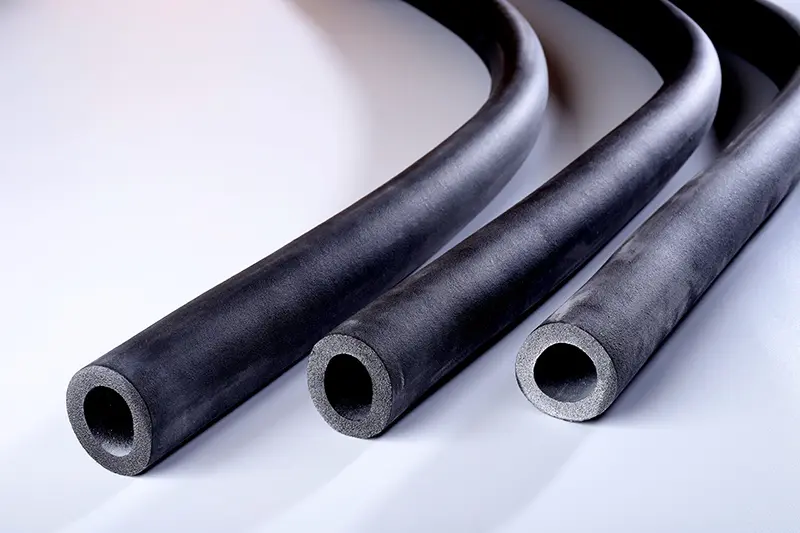
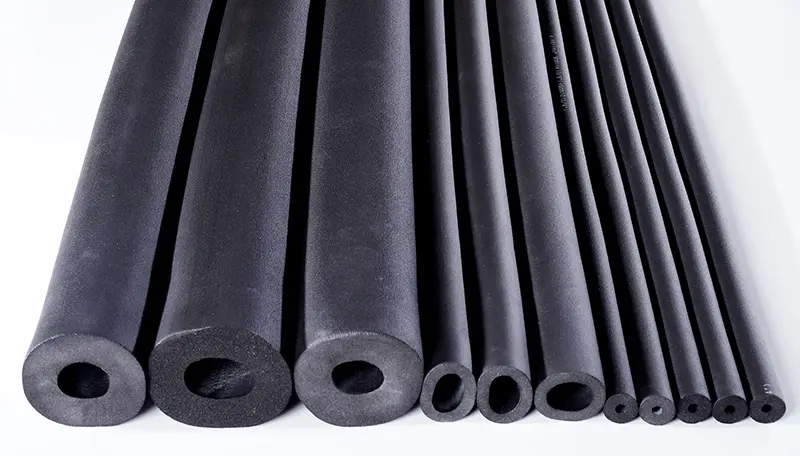
These slip-on cylindrical tubes are designed to insulate HVAC copper tubing, carbon steel water piping, and process pipelines.
| Material Matrix | NBR/PVC Elastomeric Rubber |
| Thickness Range | 9mm to 40mm |
| Inner Diameter (ID) Range | 6mm to 114mm |
| Density | 40 - 55 kg/m³ |
| Service Temperature Limit | -40℃ to 105℃ |
| Key Performance Strengths | Uniform interior spraying coat, high flexibility, reduces pipeline freezing and surface sweating risks. |
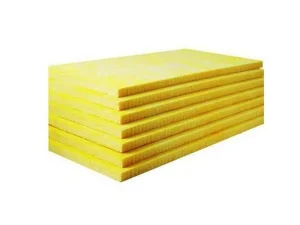
Explore detailed specifications of our advanced rubber elastomeric, cryogenic, and mineral wool insulation systems.

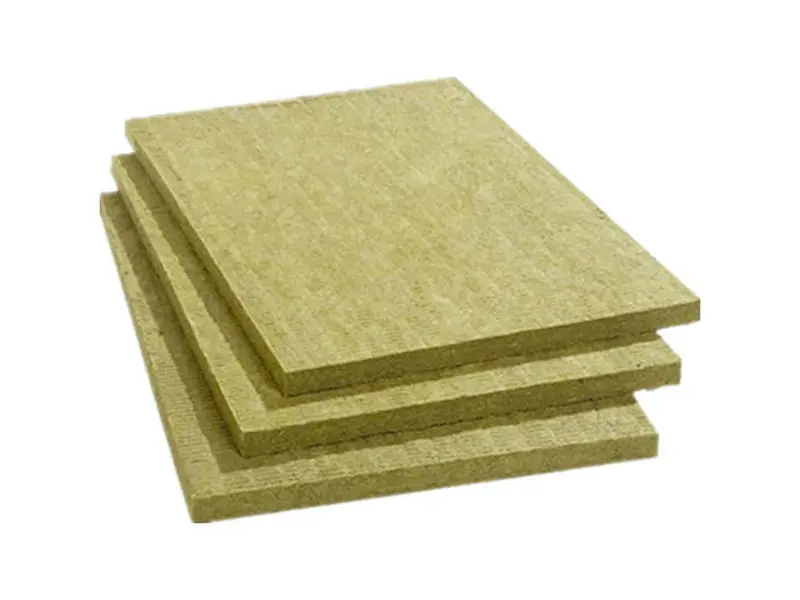
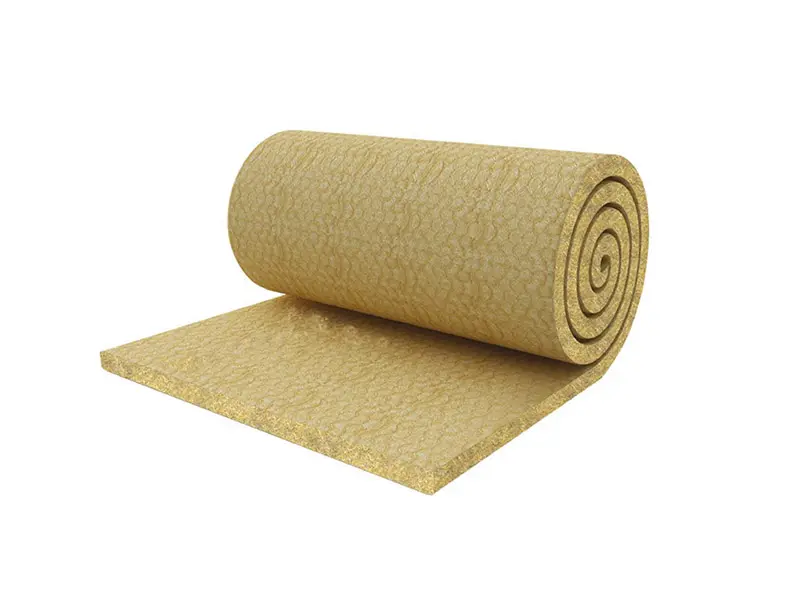
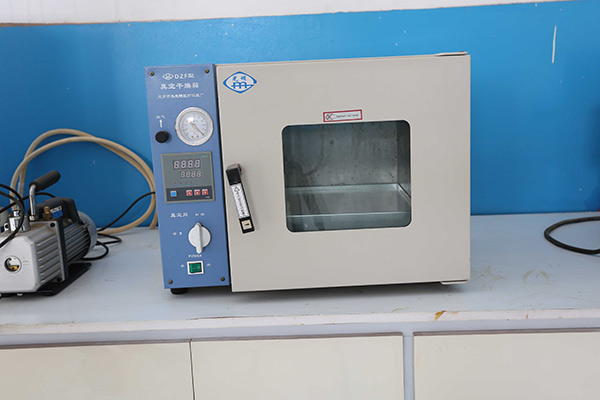
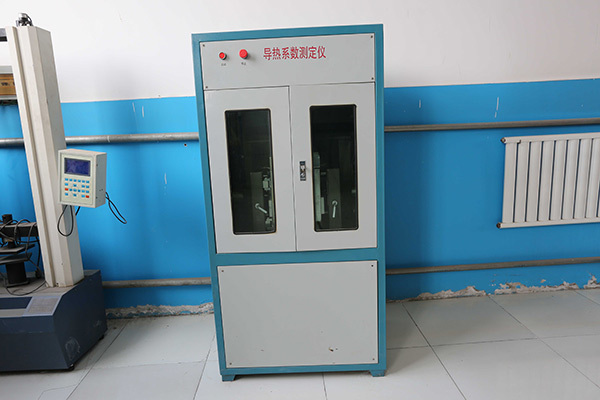
Our commitment to thermal engineering research and development is driven by a designated staff of 8 professional engineers in our R&D Department. This dedicated laboratory division conducts performance verification tests including thermal conductivity verification, smoke density evaluation, moisture permeation profiling, and mechanical stress resilience profiling under extreme environments.
Having an in-house laboratory allows Kingflex to customize formulations. For example, by introducing fire-retardant inorganic additives into the NBR polymer compound during production, we can adjust the flammability characteristics to meet standard requirements like Class 0 and Class 1, without affecting the material's flexibility.

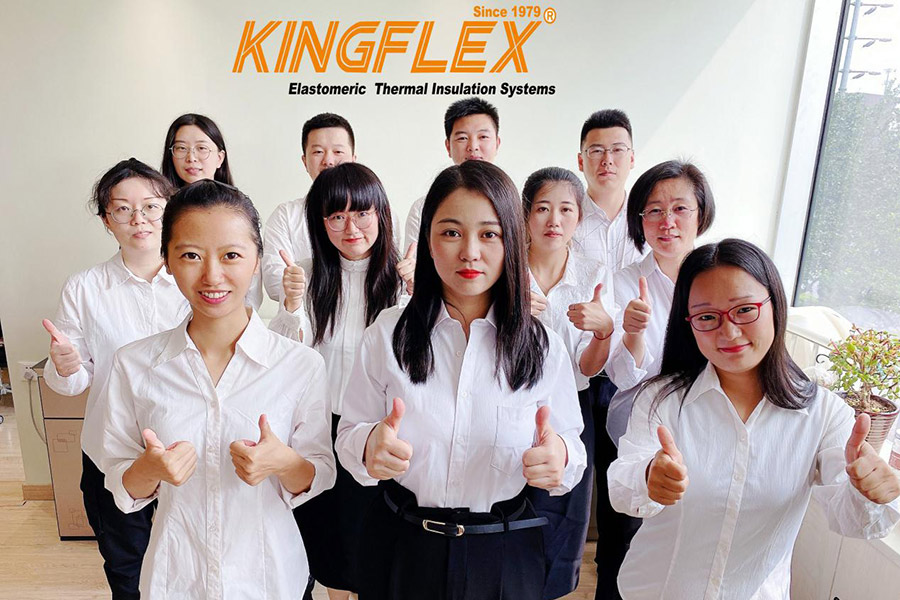
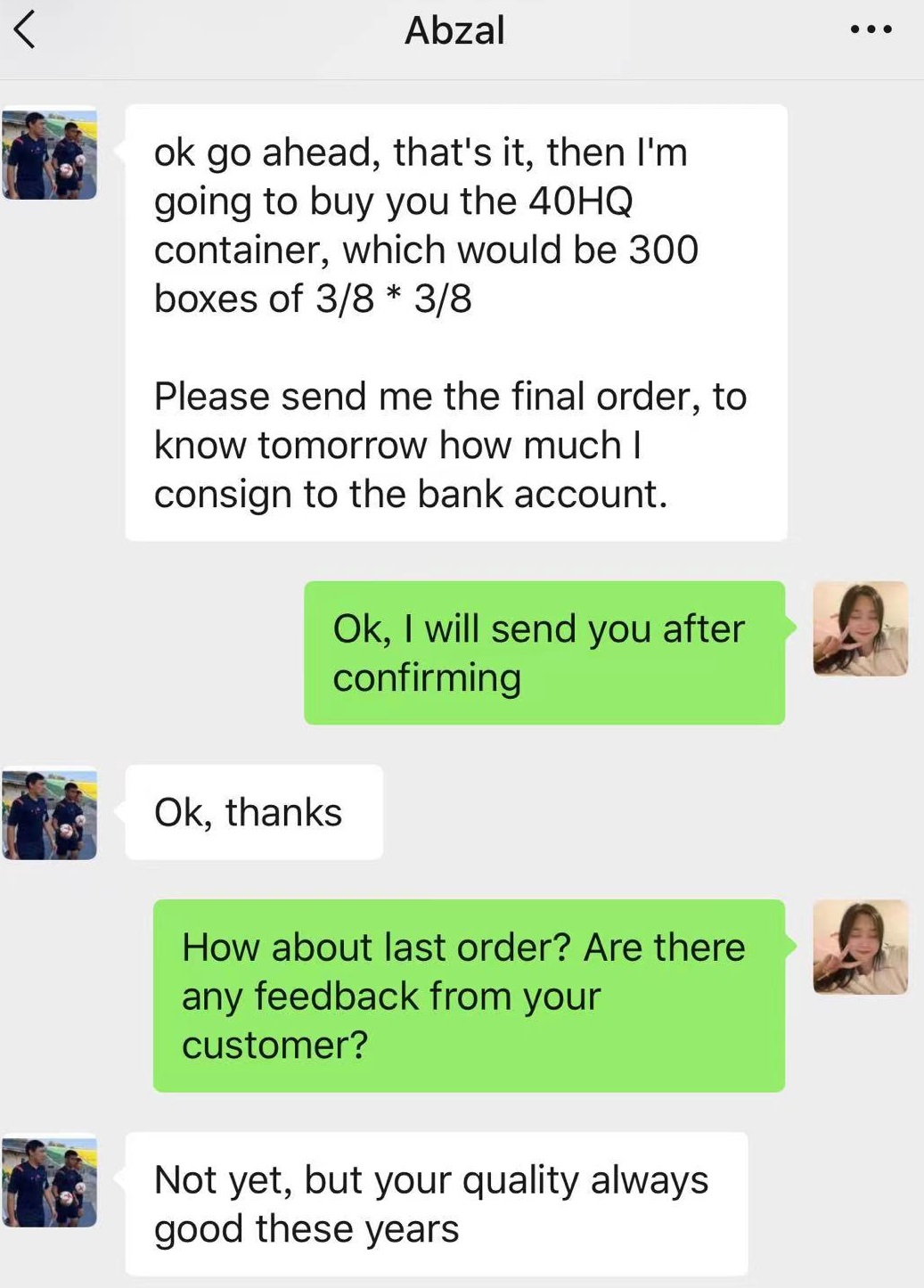
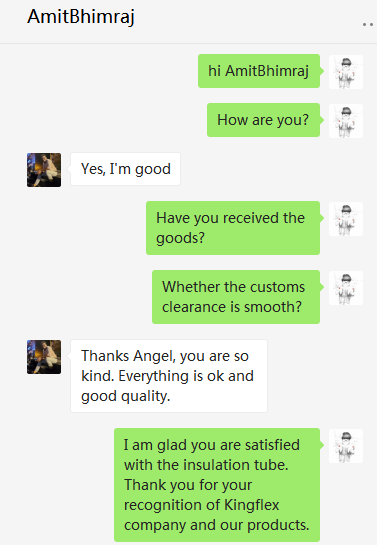
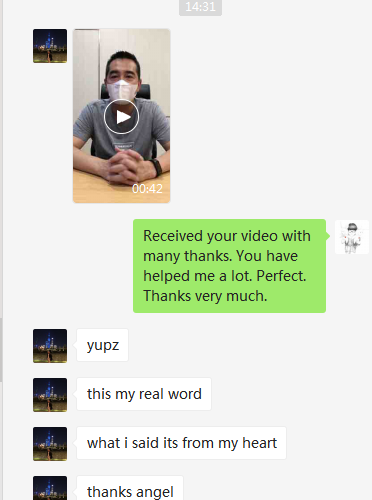
Our customer support network includes 6 dedicated international sales managers, facilitating communications from initial technical consultation to after-sales support. We maintain transparent transaction records and quality verification tracking to assure procurement teams that every shipment complies with order specifications.


Our Dacheng manufacturing base spans thousands of square meters, housing raw material processing centers, high-temperature foaming ovens, automatic cutting stations, and large storage facilities. This layout ensures we can fulfill high-volume orders within tight construction deadlines.
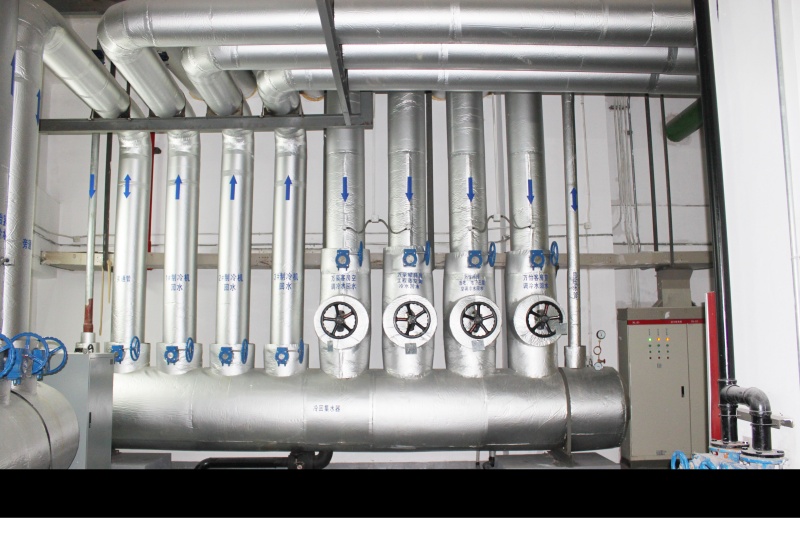
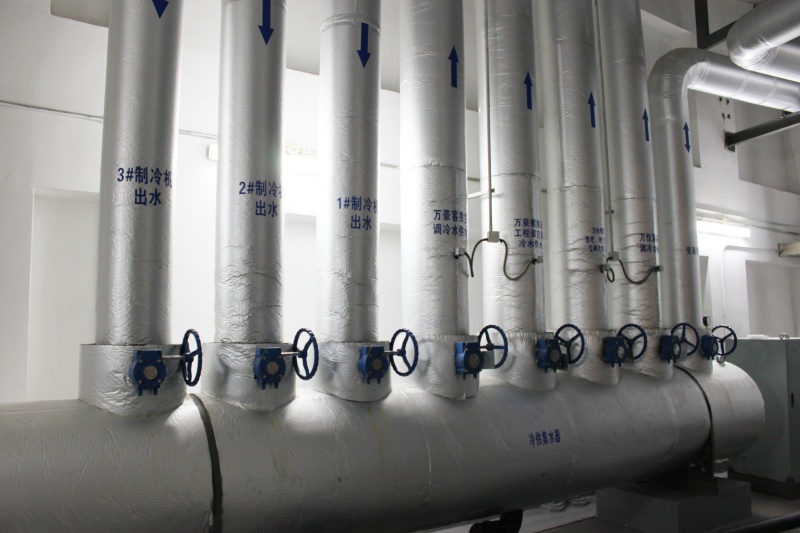

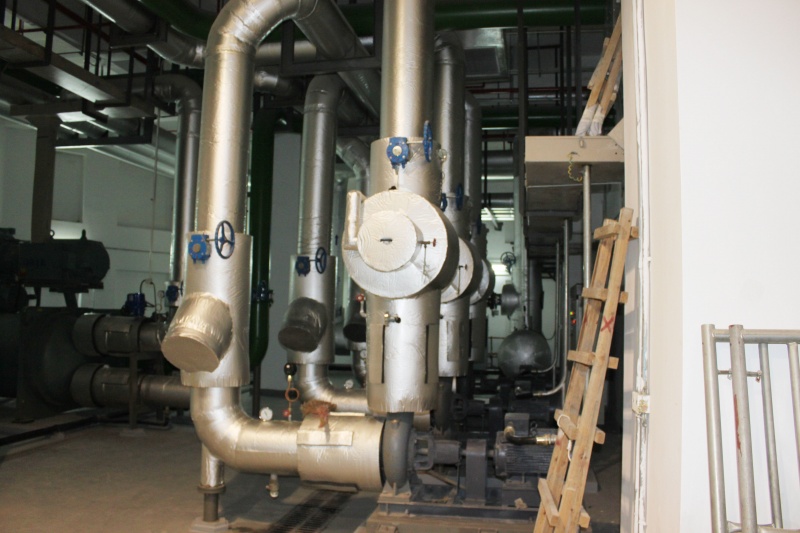
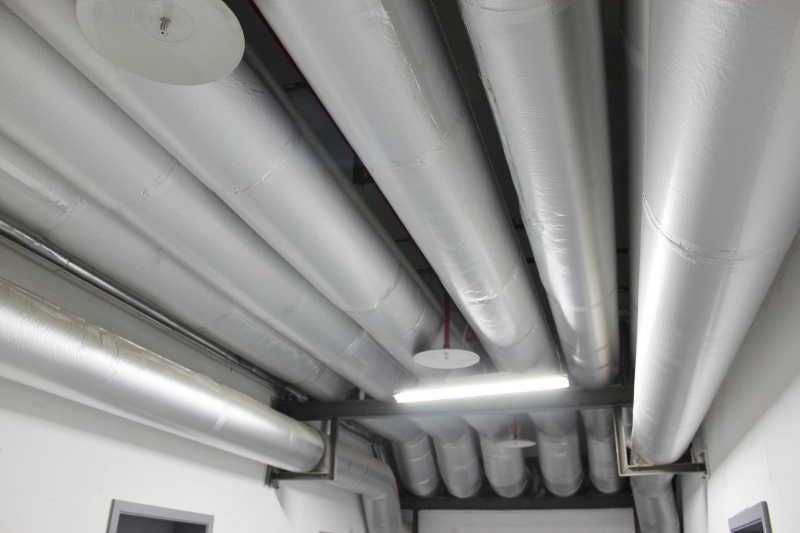
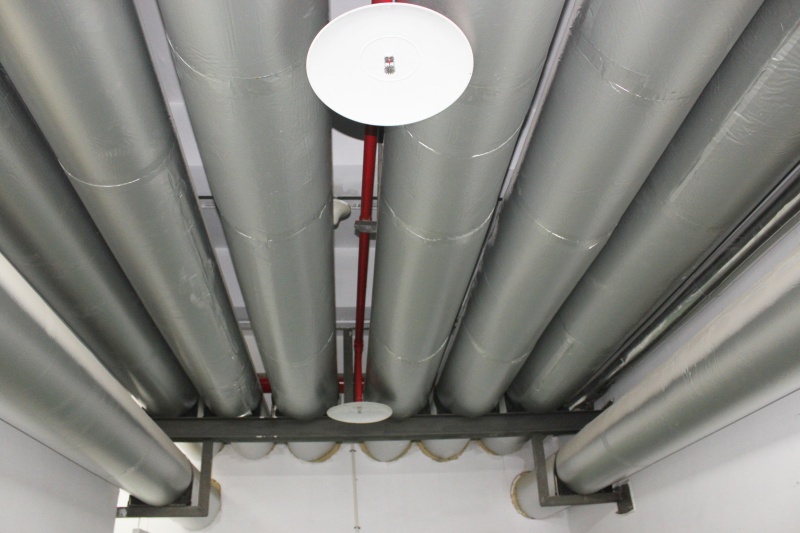
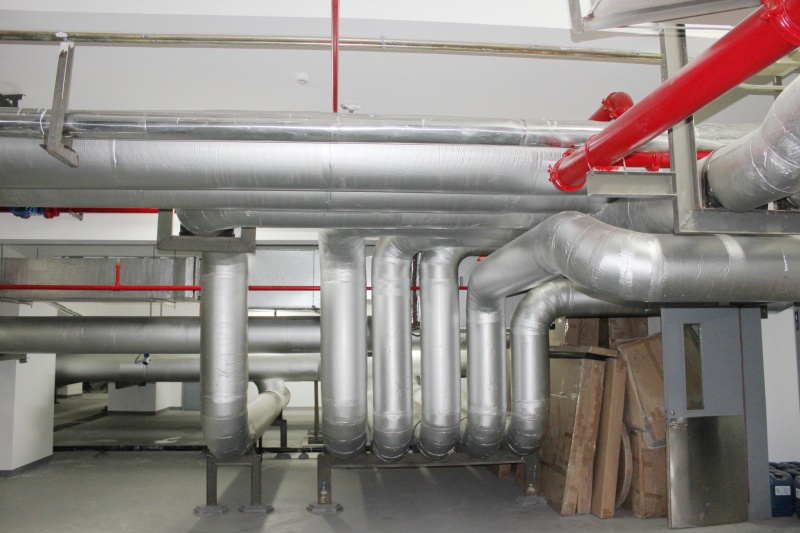
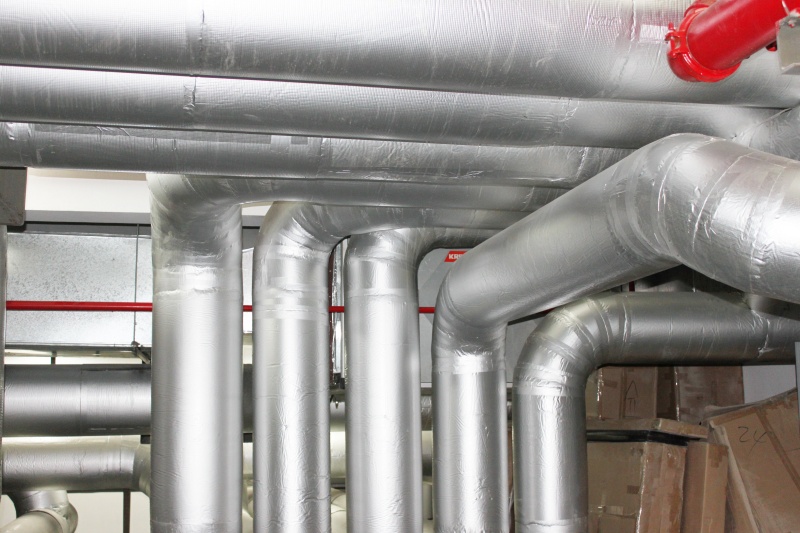
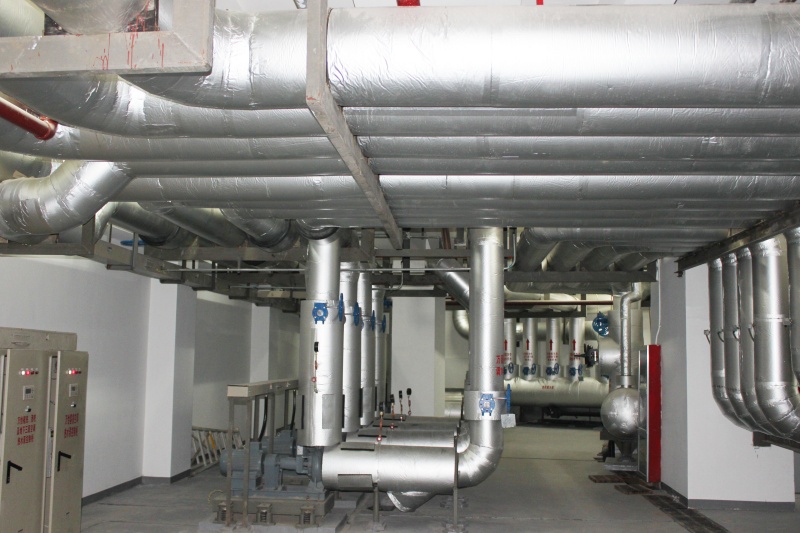
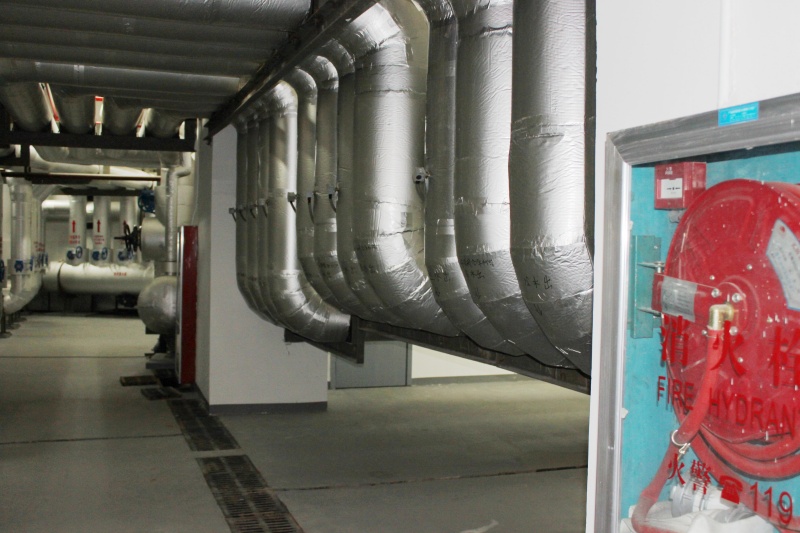
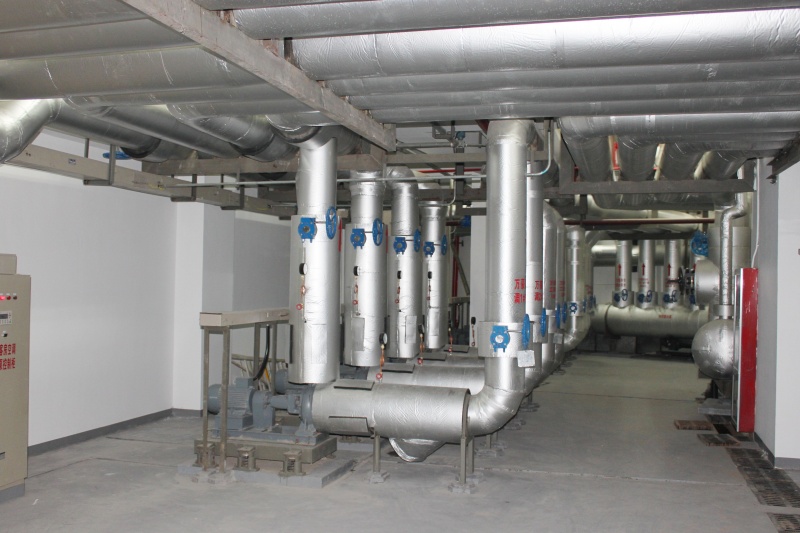
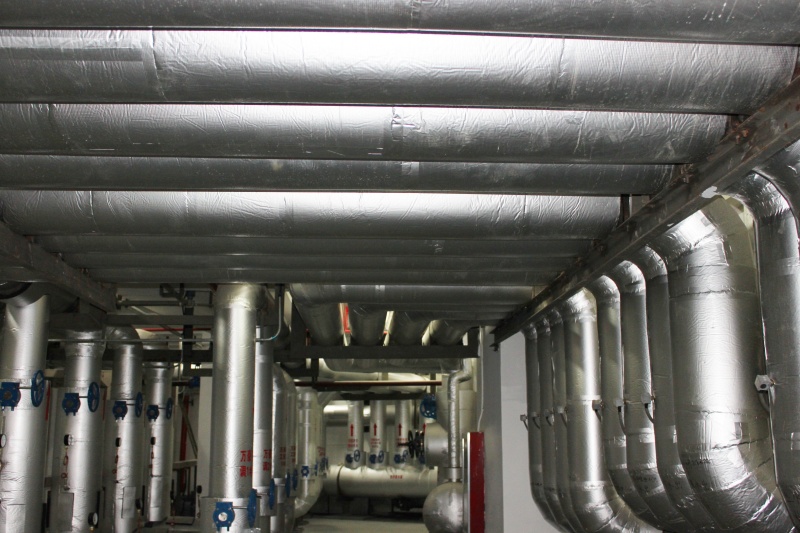
The global thermal insulation landscape is undergoing a transition driven by carbon reduction directives, energy efficiency standards, and building safety codes. Understanding these trends helps procurement officers make forward-looking material selections:
Get authoritative answers to technical, commercial, and logistical queries regarding Kingflex insulating products.
Browse our full range of low-conductivity, moisture-resistant, and high-temperature thermal materials.
Contact Kingflex today to speak with an engineering specialist. We supply thermal insulation system solutions tailored to your project requirements.