 Kingflex
Kingflex
Kingflex
Explore our core elastomeric foam, rock wool, and sound absorption materials designed for architectural, HVAC, and low-temperature industrial applications.
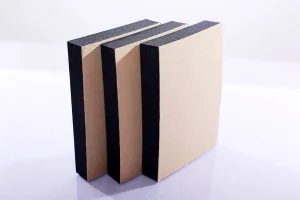
Understanding the chemistry, thermodynamics, and cross-linking matrix engineering of NBR/PVC foams.
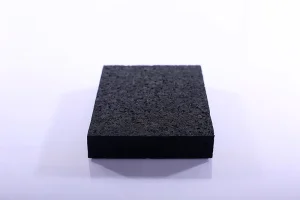
The modern HVAC, industrial process piping, and cryogenic systems require exceptional performance boundaries that traditional insulation cannot meet. At the heart of high-performance closed-cell elastomeric rubber foam insulation is the proprietary chemical formula. A classic formulation involves the delicate blending of Nitrile Butadiene Rubber (NBR) and Polyvinyl Chloride (PVC), cross-linked with specialized blowing agents to produce a microcellular, highly uniform closed-cell network.
By controlling the foaming kinetics and internal cell architecture, Kingflex achieves an even micro-cell structure (exceeding 98% closed cells). This ensures that thermal conductivity (λ ≤ 0.034 W/m·K at 0°C) remains stable over years of operation, preventing the degradation commonly caused by moisture ingress.
Furthermore, contemporary formulation design prioritizes flame retardancy and smoke suppression. Incorporating inorganic fillers like aluminum trihydrate (ATH) and synergized halogenated compounds allows the material to self-extinguish when exposed to flame, complying with international safety standards like BS 476 Part 7 and UL 94.
A methodical approach to material chemistry, strict QA testing, and scaled manufacturing delivery.
Meticulous dosing of NBR, PVC polymer bases, inorganic flame retardants, and processing oils in a continuous internal mixer.
The compounded matrix is continuously extruded into sheets or pipes of defined profile geometry, preparing for uniform foaming.
Passing through customized multi-zone hot air ovens, gas-blowing agents trigger cellular expansion under strict thermal parameters.
Every batch undergoes rigid testing for density (40-55 kg/m³), dimensional stability, thermal resistance, and flammability compliance.
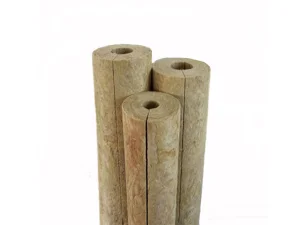
Comparing performance properties of elastomeric foam and rock wool to meet global project requirements.
Large-scale global engineering projects require materials that balance low thermal conductivity, high moisture barrier capabilities, and exceptional fire resistance. Understanding the core properties of these systems is crucial for engineers drafting HVAC/MEP designs.
| Insulation Parameter | Kingflex Elastomeric Rubber Foam (NBR/PVC) | High-Density Rock Wool Insulation |
|---|---|---|
| Primary Material Structure | Elastomeric closed-cell foam matrix (Cell rate > 98%) | Fibrous, inorganic mineral wool structure |
| Thermal Conductivity (λ at 0°C) | ≤ 0.034 W/m·K | ≤ 0.038 W/m·K |
| Operating Temp Range | -40°C to +105°C (specialty grades cover cryogenic limits) | Up to +650°C |
| Moisture Resistance (μ-factor) | ≥ 10,000 (Built-in vapor barrier) | Low resistance (requires external jacketing/cladding) |
| Fire Safety Rating | Class 1 / Class 0 (BS 476), UL 94 V-0 | Non-combustible (Euroclass A1) |
| Acoustic Performance | Excellent structural damping and low-frequency attenuation | High sound absorption for mid-to-high frequencies |
A manufacturing and trading combo for premier thermal insulation systems, leading energy-saving solutions globally.
Established by the Jinwei Group (which carries a heritage dating back to 1979 as the first thermal insulation manufacturer north of the Yangtze River), Kingflex has grown to lead energy-saving technologies. Our research, development, and manufacturing hub is situated in Dacheng, China—renowned as the capital of green-building materials.
At present, we operate 5 high-output automatic assembly lines, producing over 600,000 cubic meters of high-grade insulation annually. As a designated supplier for the Ministry of Energy, the Ministry of Electric Power, and the Ministry of Chemical Industry, our products serve more than 66 countries globally.
Our team combines a tight-knit network of 8 R&D engineers, 6 international sales experts, and 230 skilled production workers dedicated to premium customer service and engineering support.
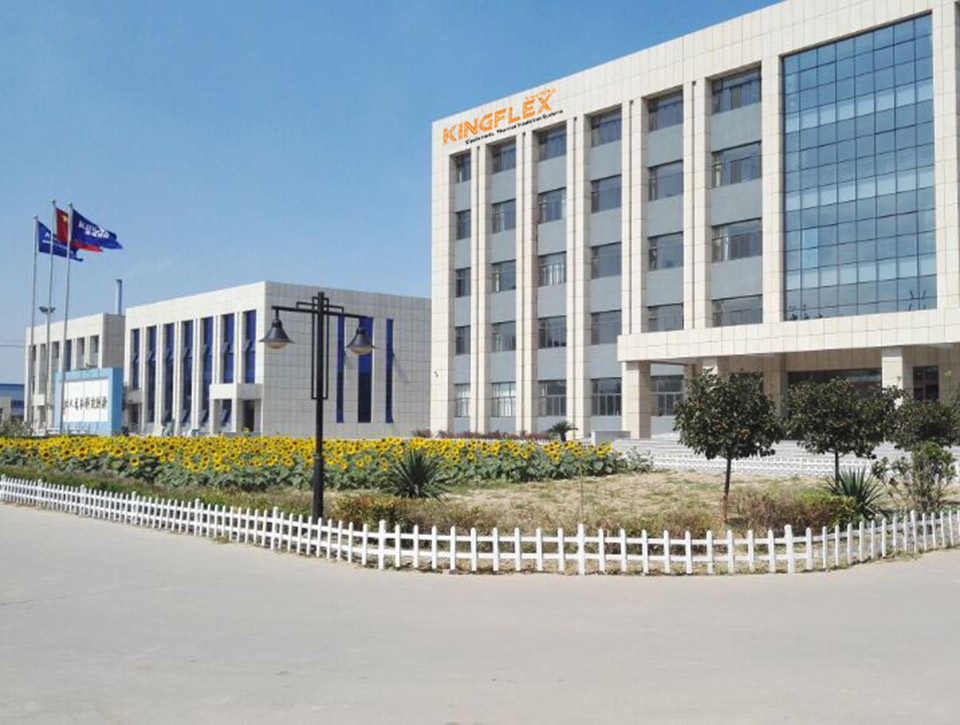
Exporting verified performance systems across North America, Europe, the Middle East, and Asia-Pacific.
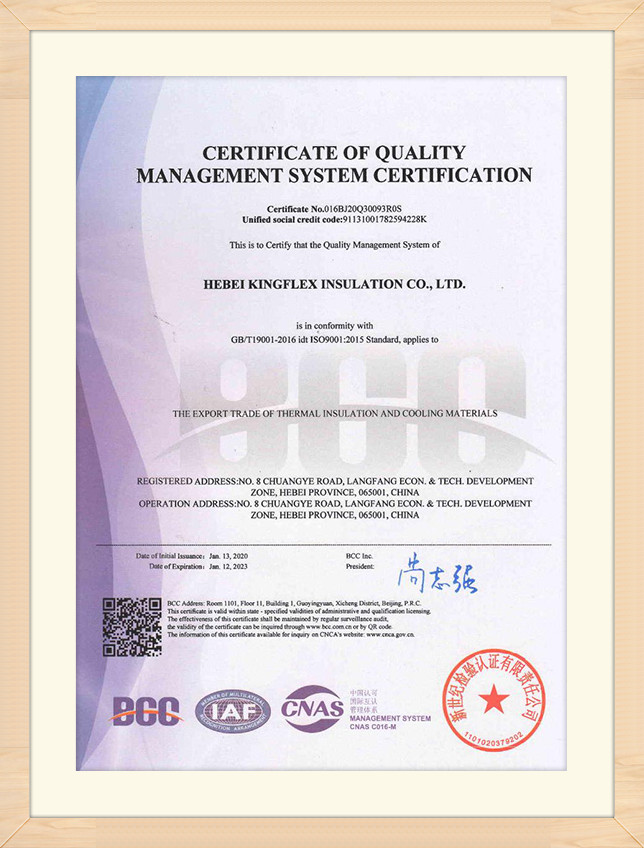
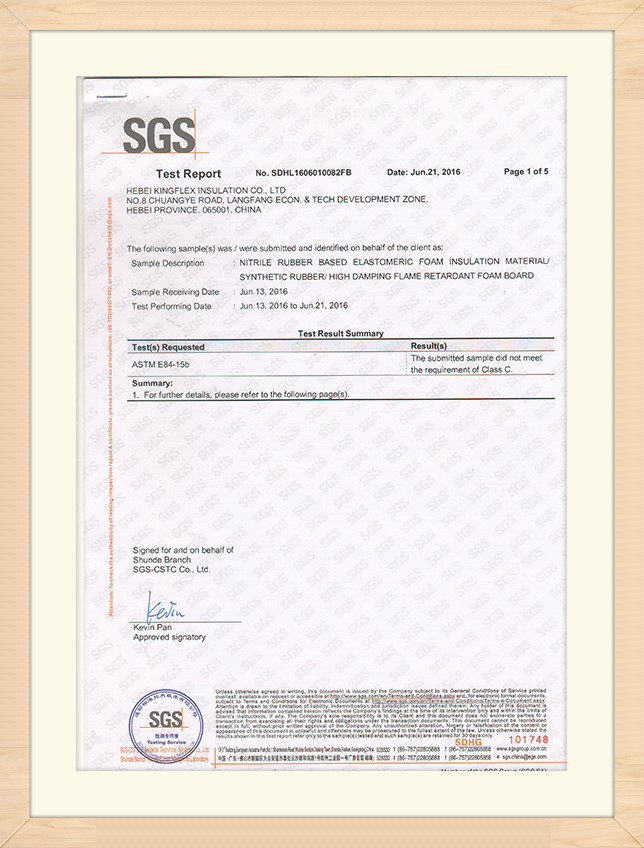
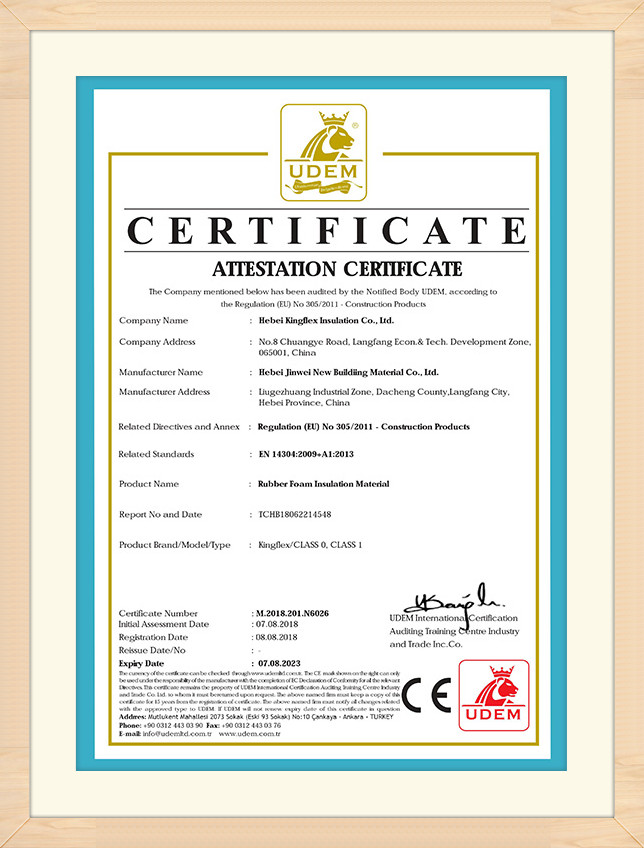
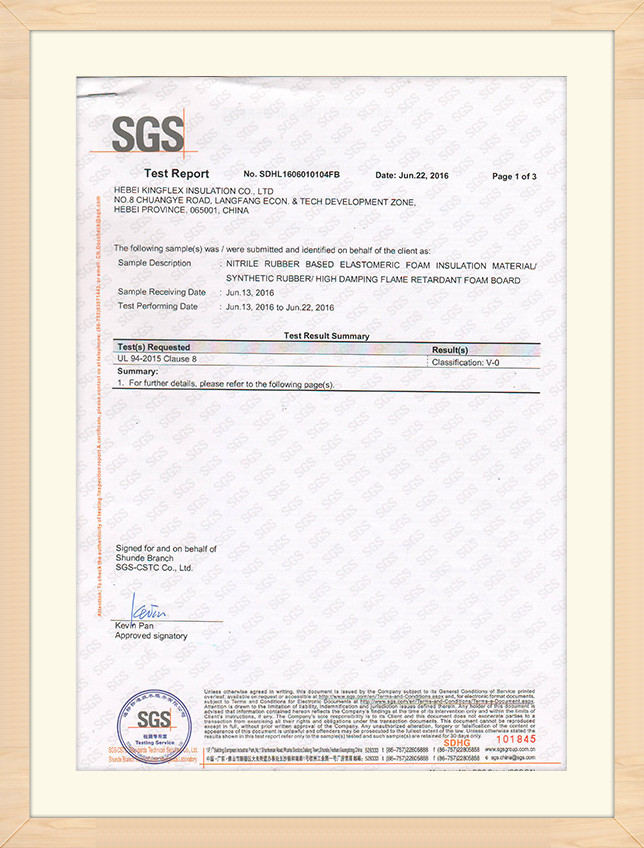
Kingflex products have successfully cleared international verification programs, including BS 476, CE, REACH, RoHS, UL94, and ASTM. Traceability codes are printed on every batch to verify authenticity and simplify regulatory approvals at the jobsite.
We package our elastomer rolls and pipes in reinforced, UV-resistant PE film bags or carton packaging. This prevents physical crushing and moisture absorption during long-distance maritime transit, ensuring cargo arrives factory-fresh.
From calculation of critical insulation thicknesses (to prevent pipe sweating) to complete layout guides and material specifications, our engineers provide complete project lifecycle assistance.
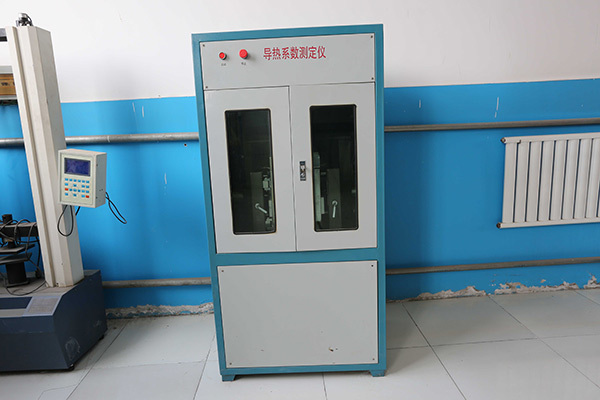
Inside our manufacturing facilities and R&D labs where formulations are optimized, cured, and validated.

Thermal Conductivity Testing Laboratory
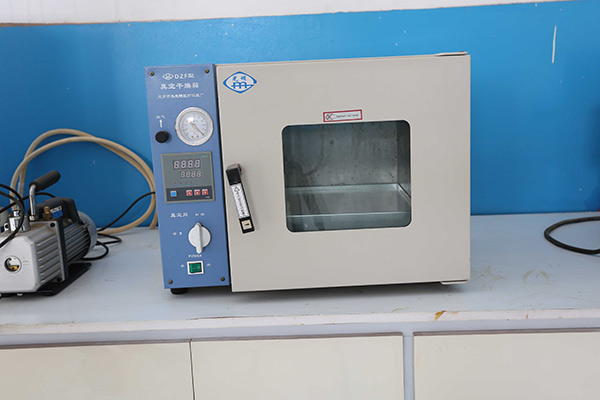
Environmental Aging Chambers
Automatic Extrusion & Foaming System



Technical reference for engineers specifying elastomeric rubber sheets and pipe structures.
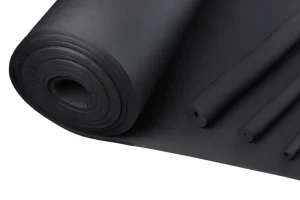
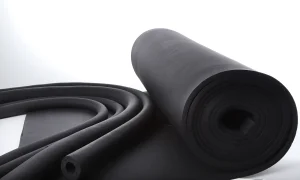
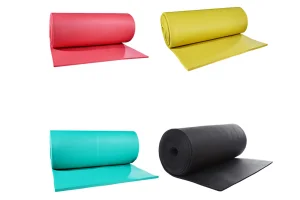
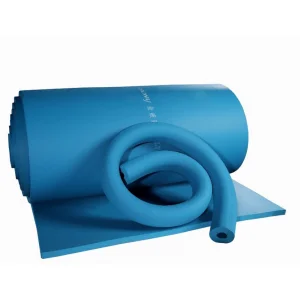
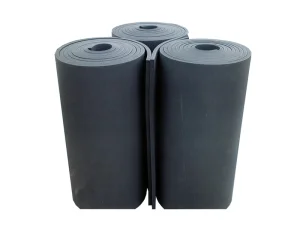
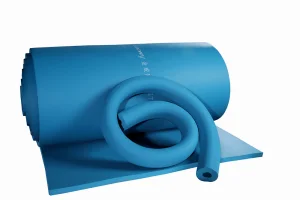
Designed for large surface areas such as ductwork, air handling units, storage tanks, and large diameter piping. Provides thermal barrier properties and structural noise dampening.
| Material | Nitrile Butadiene Rubber (NBR) / Polyvinyl Chloride (PVC) |
| Thickness Range | 6mm to 50mm |
| Density | 40 - 55 kg/m³ |
| Service Temperature | -40℃ to 105℃ |
| Closed-Cell Rate | > 98% |
| Compression Resilience | > 80% |
Applications: Central air conditioning air ducts; roof, basement, and building wall thermal and sound insulation; cold storage structures.
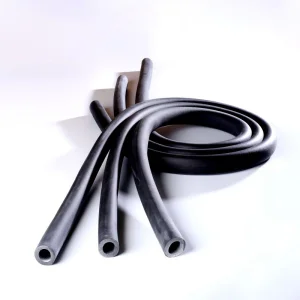
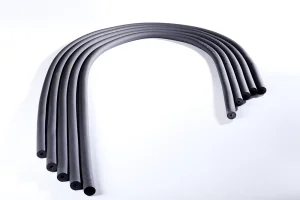
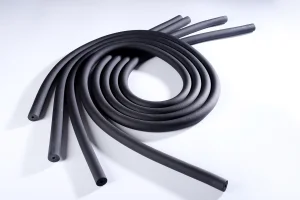
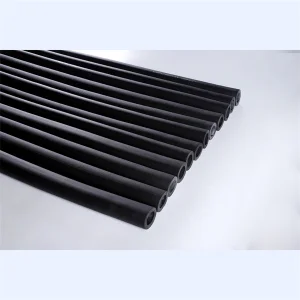
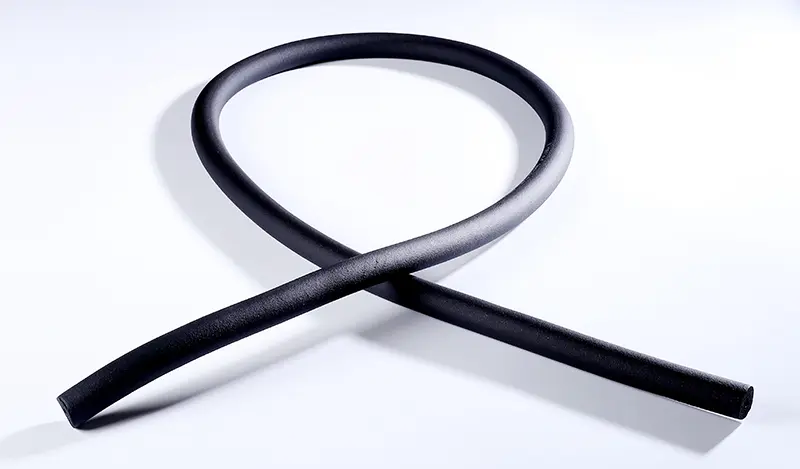
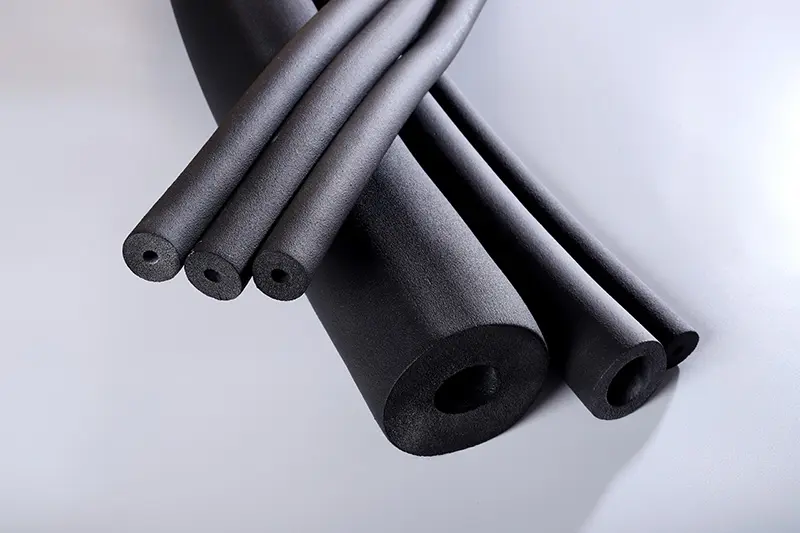
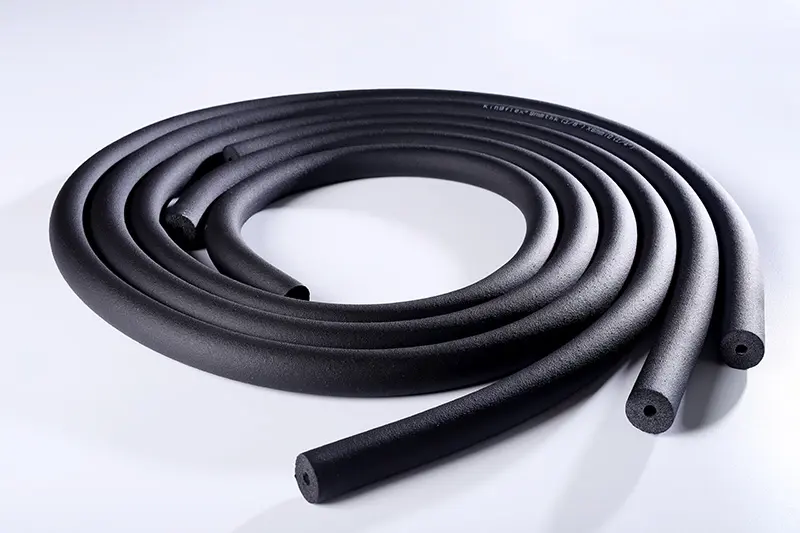
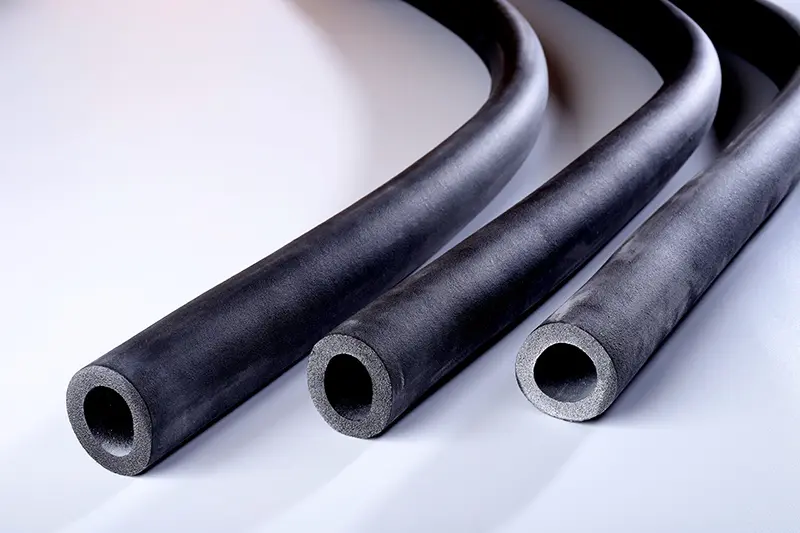
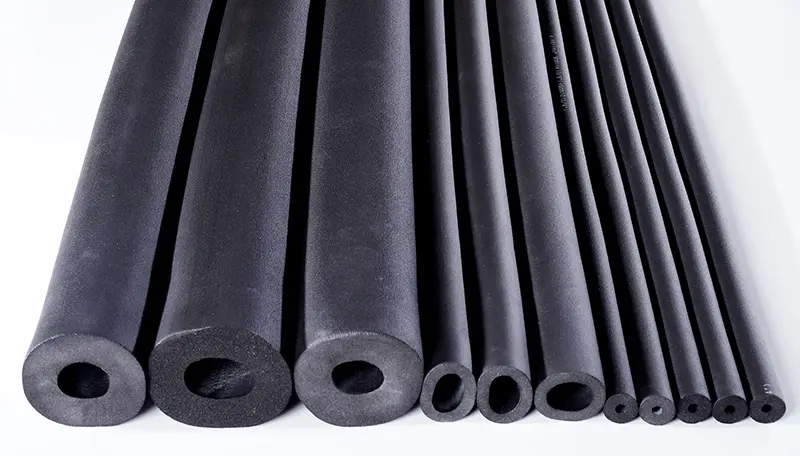
Extruded hollow sleeves designed for sliding directly onto copper, iron, or plastic pipes. Offers continuous jointless protection against condensation and freezing risks.
| Material | NBR / PVC Foam Base |
| Thickness Range | 9mm to 40mm |
| Inner Diameter (ID) | 6mm to 114mm |
| Density | 40 - 55 kg/m³ |
| Service Temperature | -40℃ to 105℃ |
| Vapor Permeability | Low moisture absorption |
Applications: HVAC chilled water lines, hot water heating systems, refrigeration piping networks, process chemical piping.
Proof of performance in architectural, petrochemical, cleanroom, and low-temperature process pipe insulation.
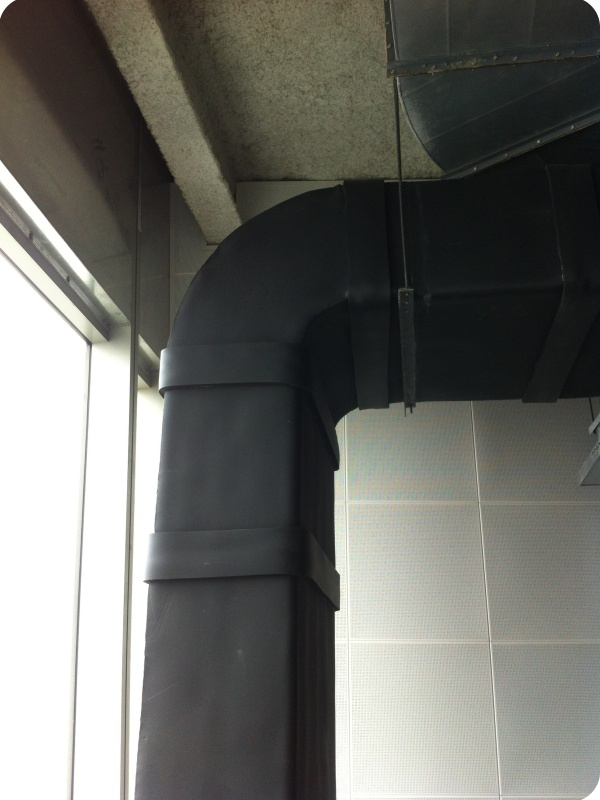
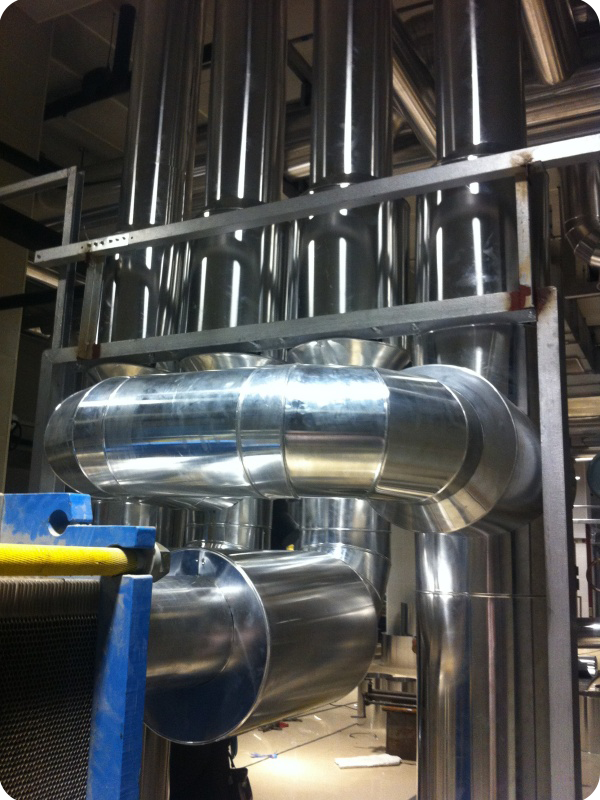
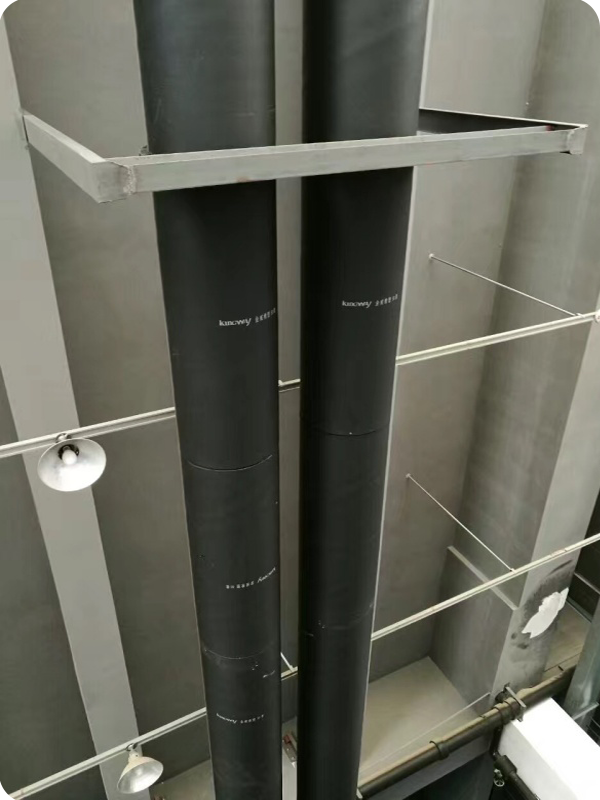
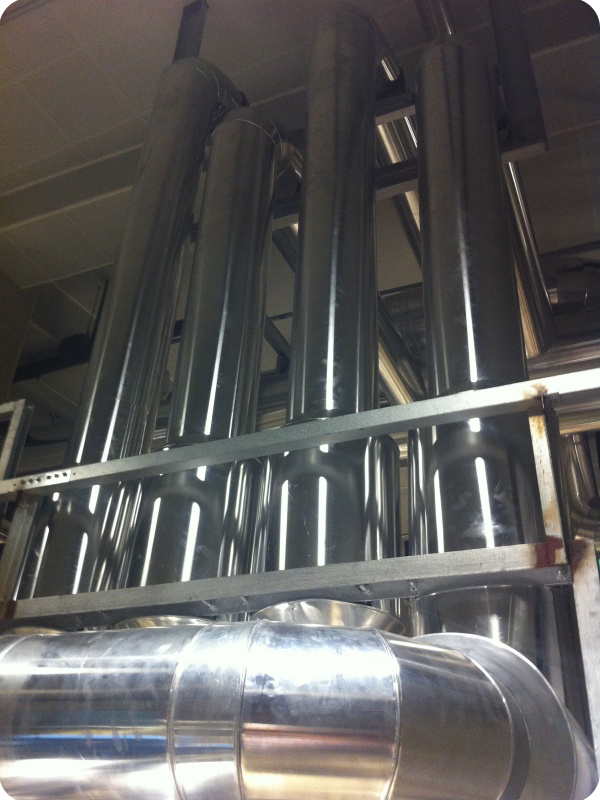
Detailed technical answers addressing compliance, material composition, custom sizing, and chemical characteristics.
Detailed prices and specifications for cryogenic, high-temperature, and mineral-based insulation materials.
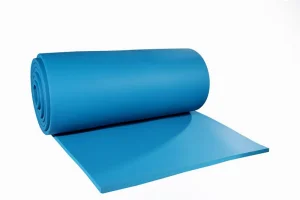
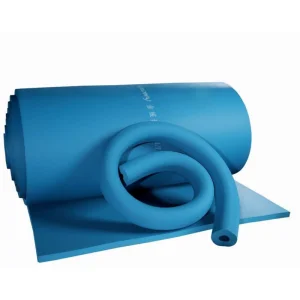
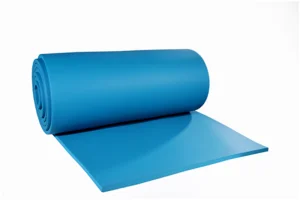
Comprehensive design solutions customized to fit extreme thermal gradients and structural design layouts.

A strategic overview of industrial efficiency, life-cycle durability, and modern engineering standards.
Proper selection of material formulas directly impacts building operational costs. For instance, in commercial HVAC distribution, cooling loss accounts for up to 30% of energy waste if ductwork and pipe routing are left uninsulated or under-insulated. Choosing a high-performance NBR/PVC closed-cell elastomeric rubber foam from a qualified supplier helps offset these energy costs over decades.
Furthermore, structural piping in marine vessels, petrochemical plants, and heavy manufacturing faces a threat from Corrosion Under Insulation (CUI). CUI occurs when moisture filters through porous insulation materials and gets trapped on hot metal surfaces, initiating localized galvanic and acidic corrosion. Kingflex's closed-cell foaming design functions as a built-in water vapor retarder, shielding the pipe from direct moisture exposure and mitigating CUI risk.
As standard regulatory policies align with carbon-neutral frameworks, global architects and EPC contractors are specifying insulation materials with verifiable Environmental Product Declarations (EPDs). Kingflex is actively researching plant-derived natural rubber compounds to replace petrochemical polymers, reducing carbon footprints while maintaining technical integrity.
For custom engineering projects, our technical department provides complete support—including custom-cut profiles for complicated valve geometries, elbow segments, flange insulation jackets, and mechanical jacketing claddings.