 Kingflex
Kingflex
Kingflex
High-performance elastomeric and cryogenic materials engineered for extreme shipboard environments and thermal stability
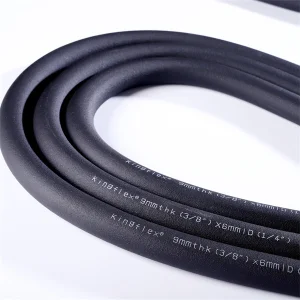
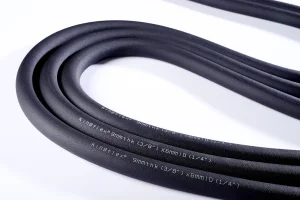
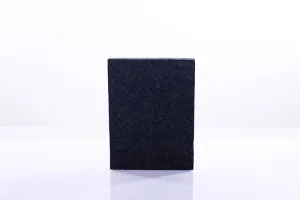
Modern commercial shipbuilding and offshore installations demand insulation systems capable of resisting relentless salinity, continuous vibrations, and massive thermodynamic gradients. As a premier marine insulation manufacturer, Kingflex Insulation Co., Ltd. addresses the core challenges faced by modern marine architects: preventing moisture intrusion, mitigating Corrosion Under Insulation (CUI), and ensuring fire safety under SOLAS guidelines.
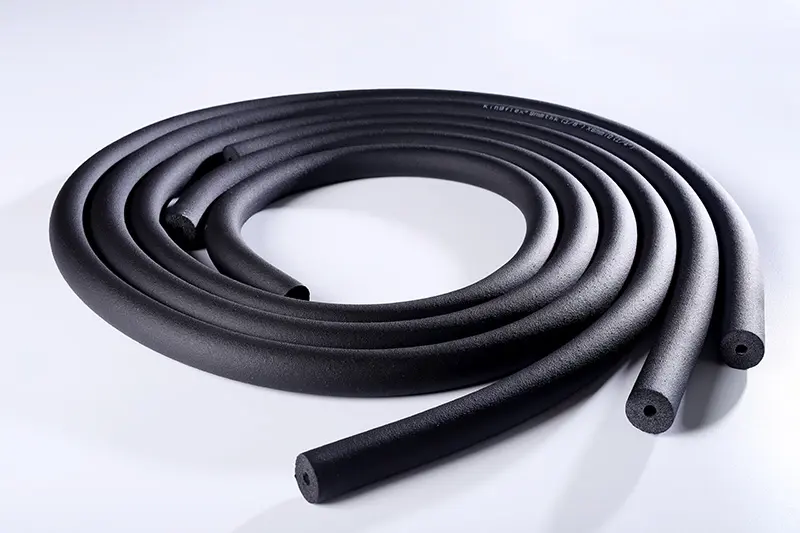
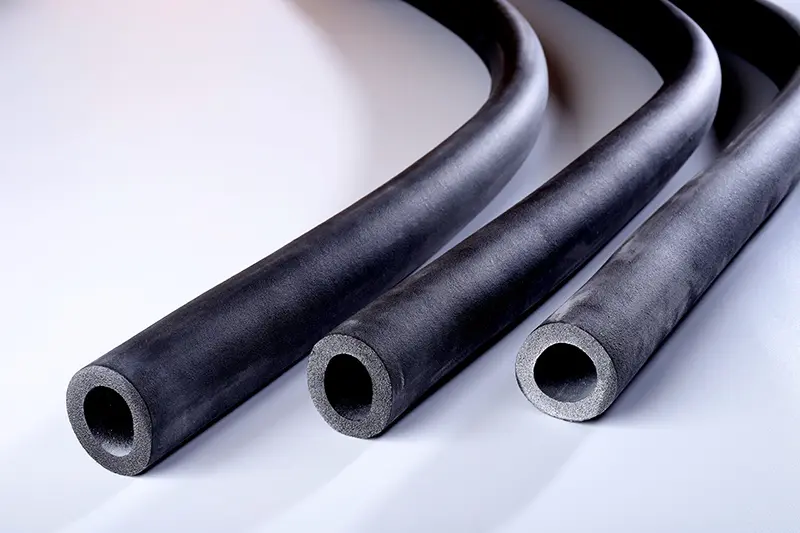
Standard NBR/PVC closed-cell structures are engineered specifically to lock out ambient moisture. In marine environments, damp insulation does more than lose its thermal efficiency—it accelerates structural oxidation, putting deck plating and critical process lines at risk of stress corrosion cracking. Kingflex insulation mitigates this via a chemical matrix featuring an exceptionally low thermal conductivity ($\lambda \le 0.034$ W/(m·K) at 0°C) and an integrated moisture barrier that ensures long-term operational integrity.
"Integrating energy conservation into marine applications requires solutions that function flawlessly from -40°C to 105°C for HVAC and building projects, up to specialized cryogenic systems capable of handling extremely low liquid gas temperatures."
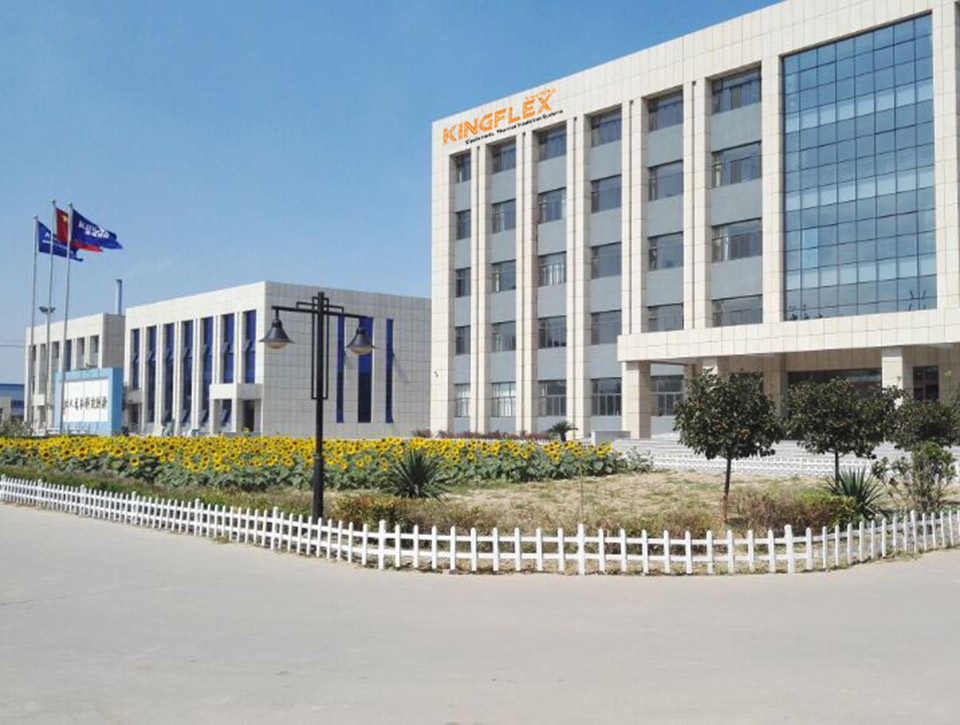
Pioneering energy conservation solutions across international maritime routes and industrial sectors for over four decades
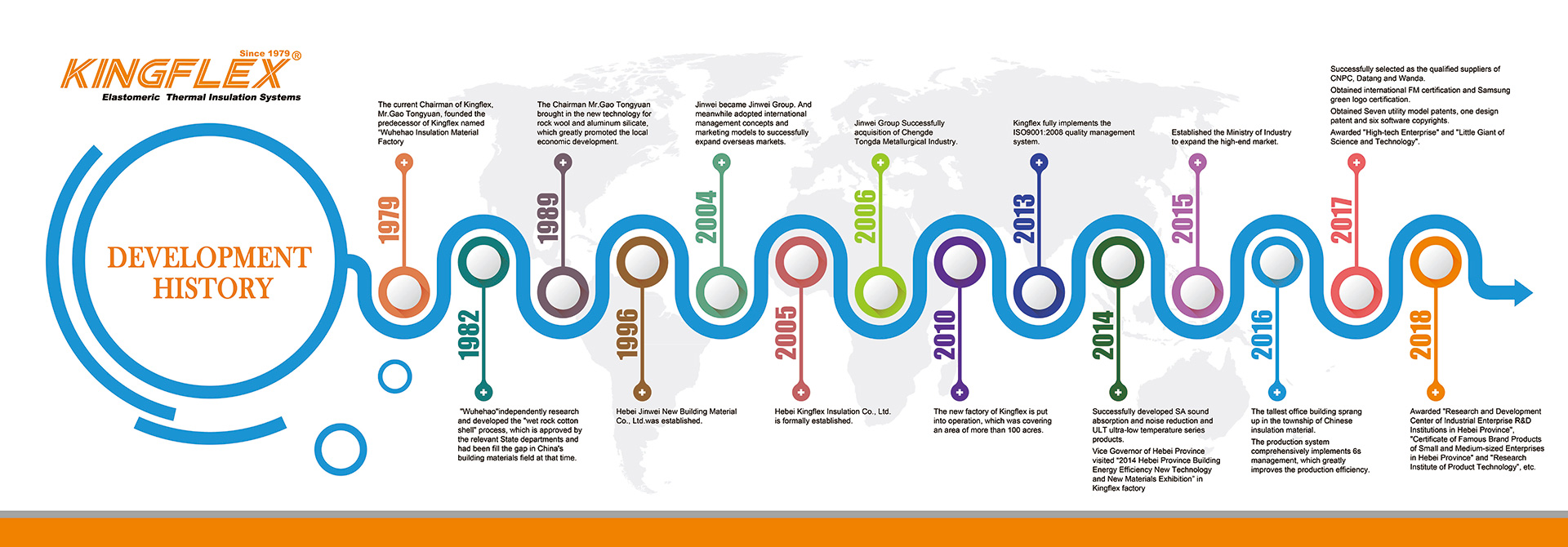
Kingflex was established by the Jinwei Group (Kingway Group), a landmark manufacturer with over 40 years of pioneering history. Founded in 1979 as the first thermal insulation manufacturer north of the Yangtze River, the group has evolved into a global leader in green-building materials, energy-saving systems, and marine-grade elastomeric solutions.
Operating from Dacheng, China—known as the capital of green-building materials—our facility integrates advanced production automation, raw material sourcing, and specialized R&D. Kingflex has become a designated strategic production partner for major regulatory bodies, including the Ministry of Energy, the Ministry of Electric Power, and the Ministry of Chemical Industry, demonstrating our reliability across safety-critical infrastructure.
Annual Production Capacity
Automatic Assembly Systems
Countries Exported Globally
Industrial Excellence
Tailoring marine elastomeric insulation for specialized applications from cargo hold HVAC systems to heavy duty industrial pipelines
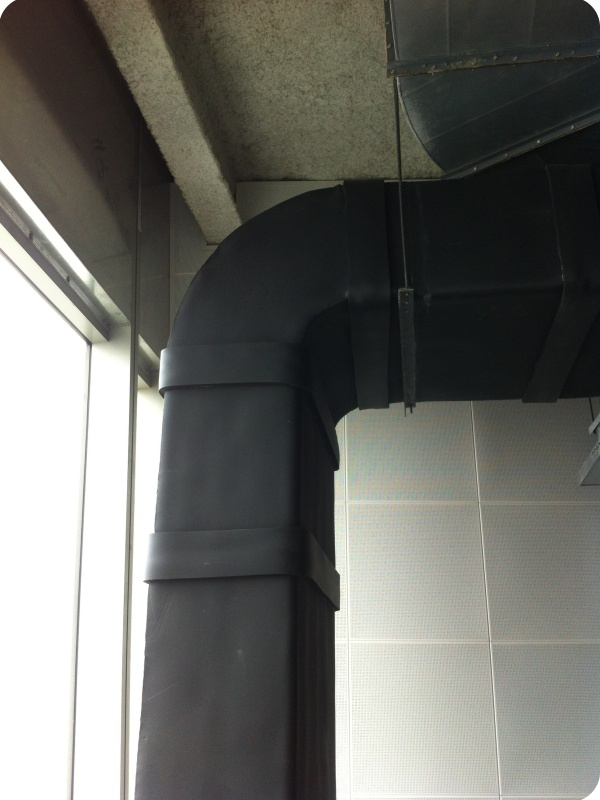
Highly humid marine zones cause extreme condensation on cold HVAC ducts and pipelines, leading to mold growth and structure degradation. Kingflex's closed-cell elastomerics resist moisture permeability, maintaining insulation values under variable ocean climates.
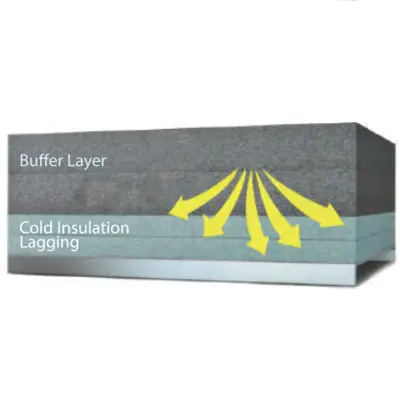
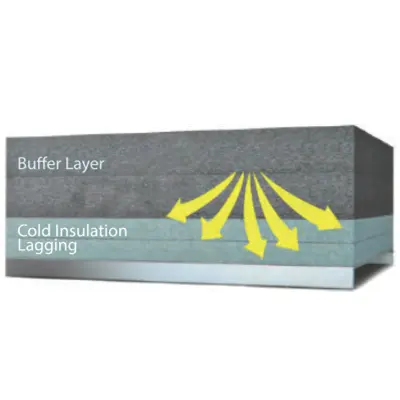
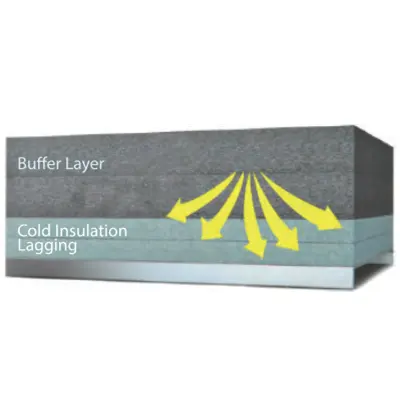
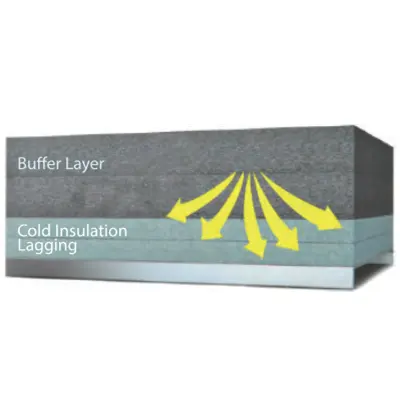
For LPG/LNG carriers and cryogenic storage tanks, low-temperature thermal integrity is vital. Our specialized cryogenic rubber foam prevents thermal bridging, controls boiling rates, and maintains flexibility at extremely low temperatures.
Machinery rooms, pump spaces, and crew quarters require acoustic damping. Kingflex open-cell soundproofing panels combine noise absorption with structural sound dampening, satisfying modern comfort standards.
| Material Core | Available Thickness | Apparent Density | Service Temperature Limits |
|---|---|---|---|
| NBR/PVC Elastomeric Matrix | 6mm to 50mm | 40 - 55 kg/m³ | -40℃ to 105℃ |
| Key Operational Advantages: Closed-cell structure with >98% cell efficiency, exceptional thermal barrier limits, flame retardant compound chemistry, and compression resilience over 80%. | |||
Kingflex operates 5 state-of-the-art automatic production lines with a dedicated department of 8 professional engineers in our R&D division, alongside 230 production workers. Our R&D efforts focus on optimizing chemical compound stability, maximizing the cell density of NBR/PVC structures, and lowering thermal conductivity.
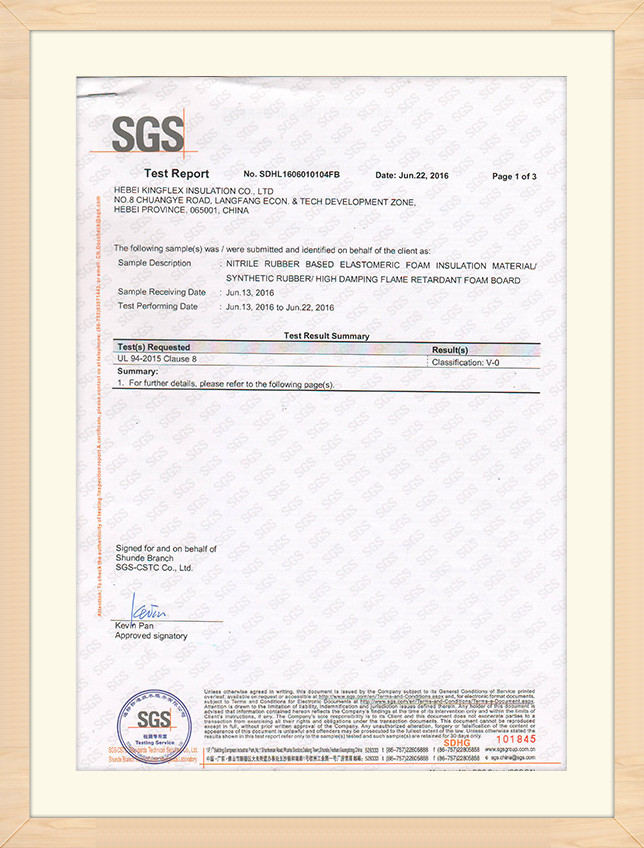
Every batch of Kingflex insulation is monitored for compliance with international safety protocols. Quality assurance is validated by certificates from internationally recognized institutions, ensuring that our products meet flame-spread limits, toxicity standards, and smoke density regulations.

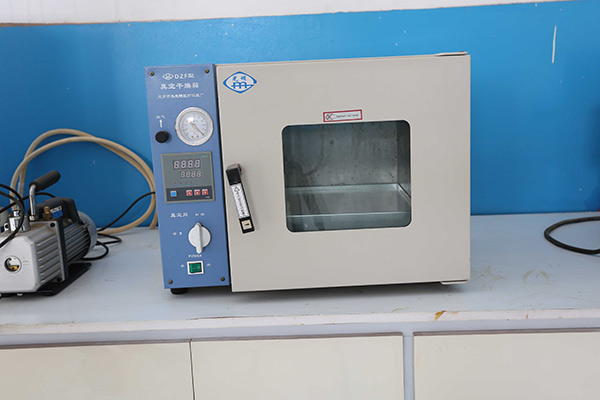
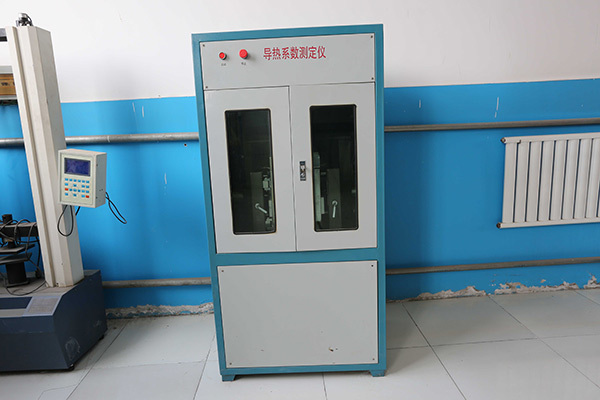

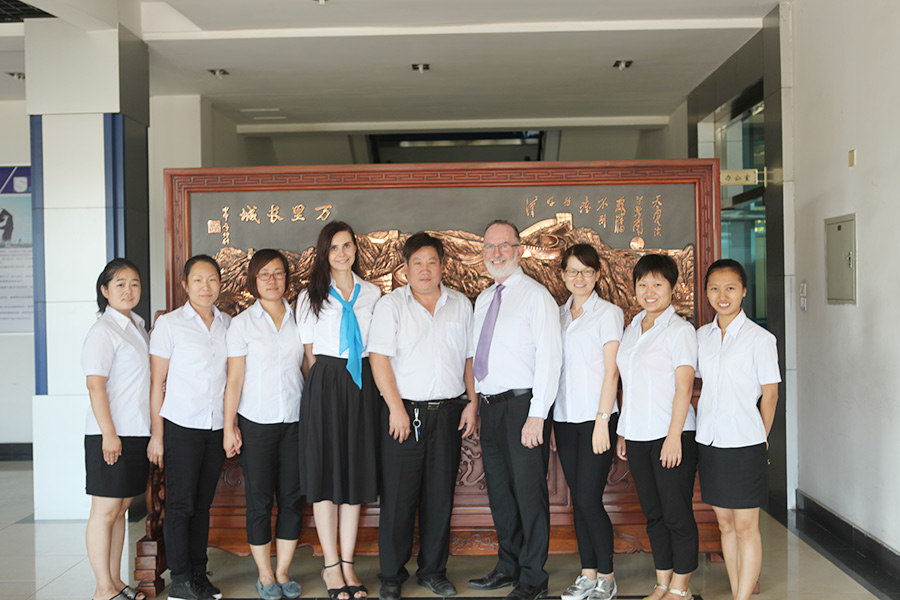
Meeting stringent global standards for fire resistance, toxic emissions, and environmental sustainability
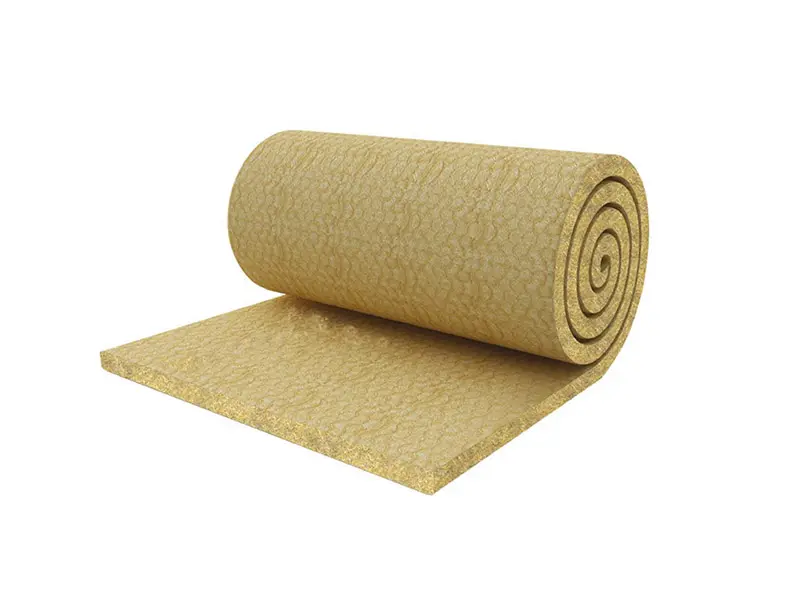
Kingflex products are certified to meet international standards for marine and industrial projects. Our elastomeric and mineral wool insulation systems comply with critical fire performance benchmarks, including BS 476, CE, REACH, RoHS, UL94, and ASTM testing methods.
Our Quality Management Systems ensure batch-to-batch consistency and raw material traceability. This verification is crucial for maritime vessels and oil-and-gas offshore facilities where material failure can compromise safety.
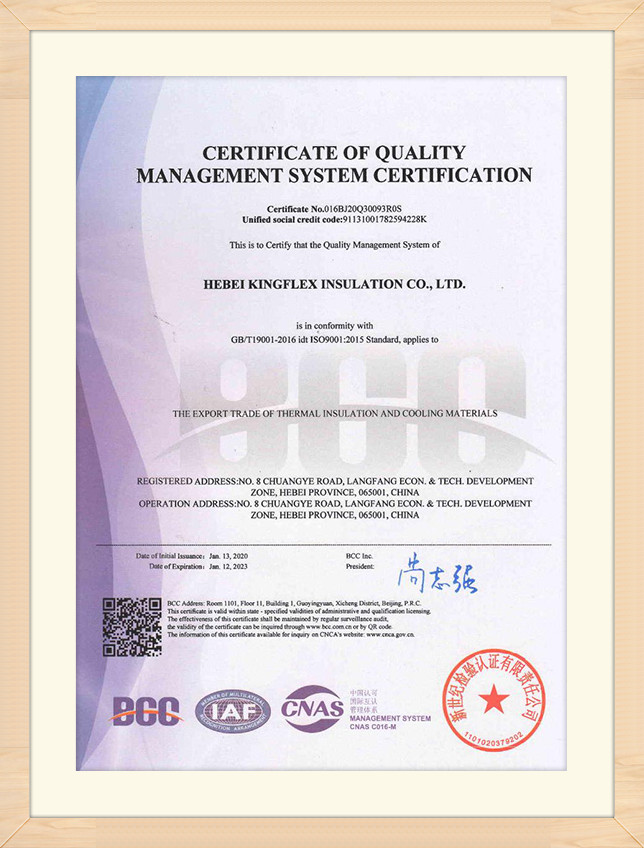
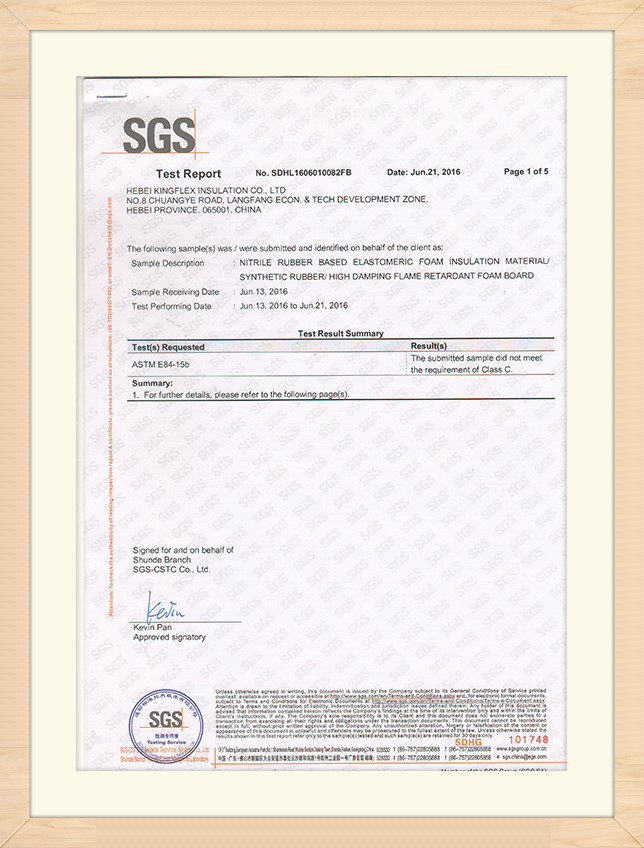
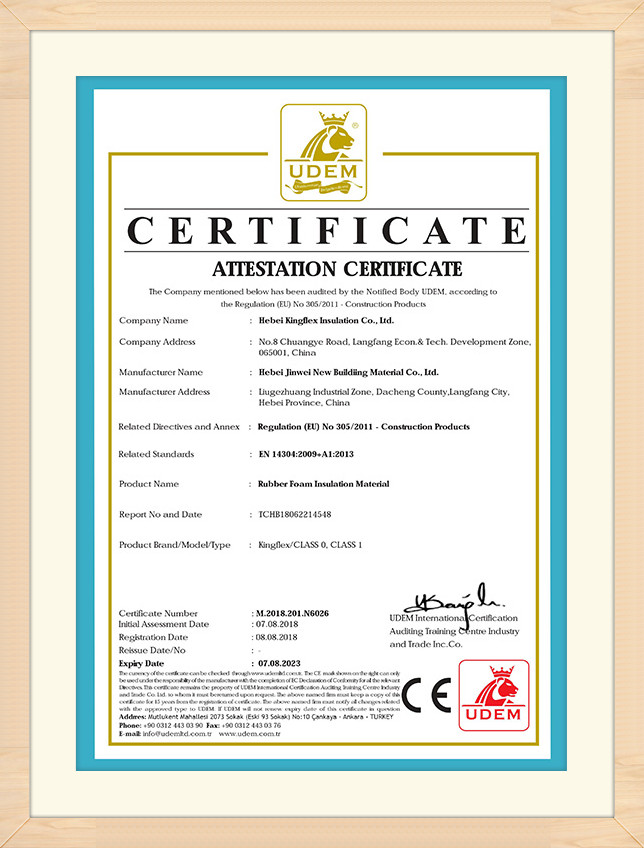



Proven performance across diverse maritime vessels, offshore platforms, and global industrial projects
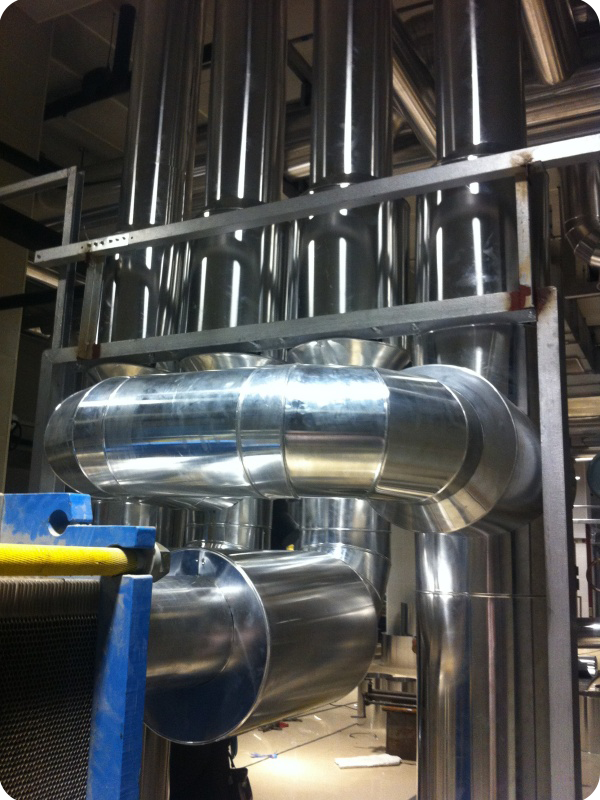
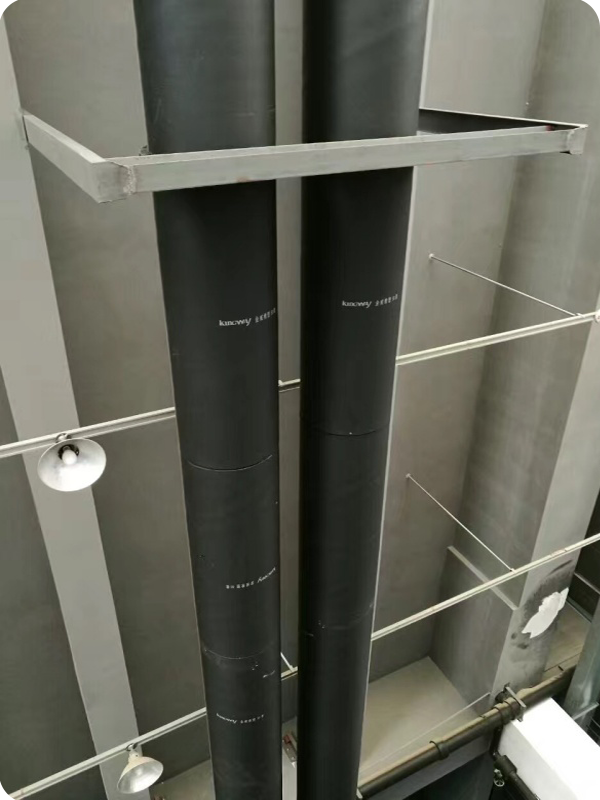
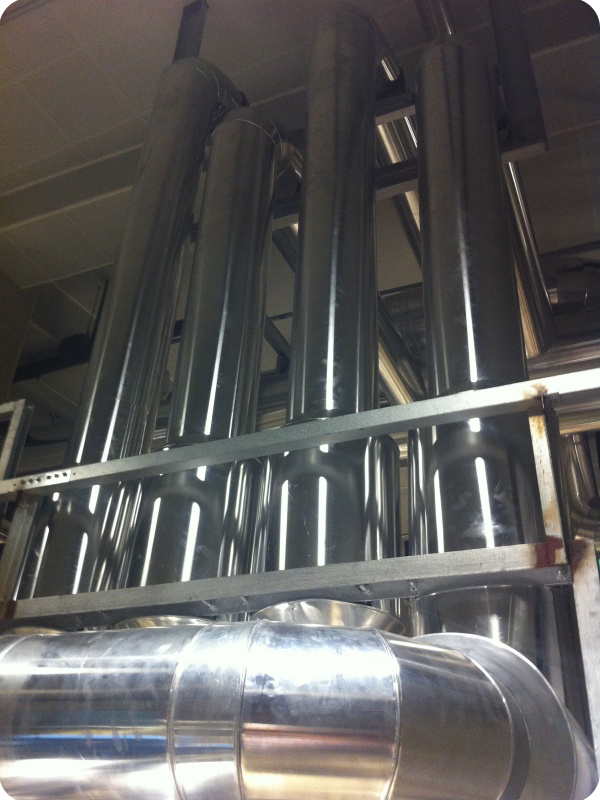
Our factory operates automated extrusion and curing machinery, ensuring uniform foam expansion and consistent closed-cell density. This reduces variation in material density and thermal conductivity across production runs.
By controlling foaming kinetics and chemical distribution, Kingflex maintains structural integrity even under mechanical compression and thermal cycling. This reliability reduces the maintenance requirements of installed systems.
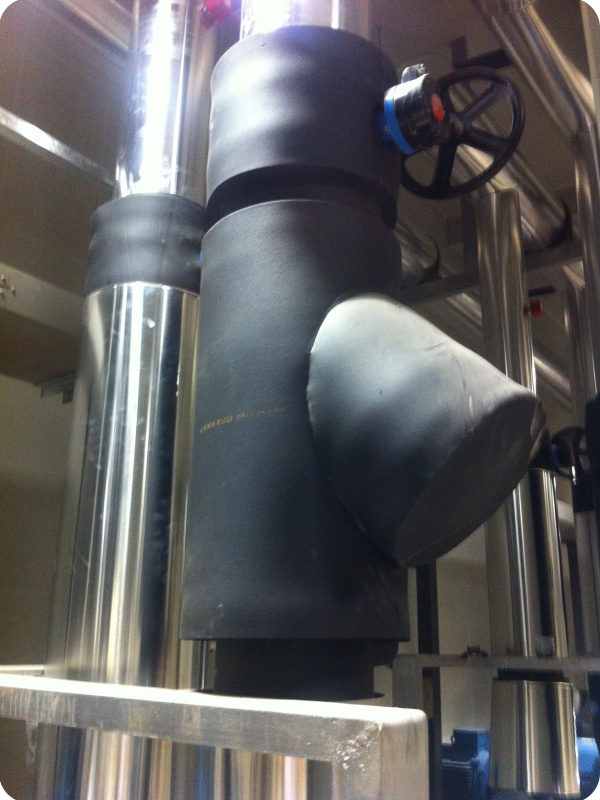
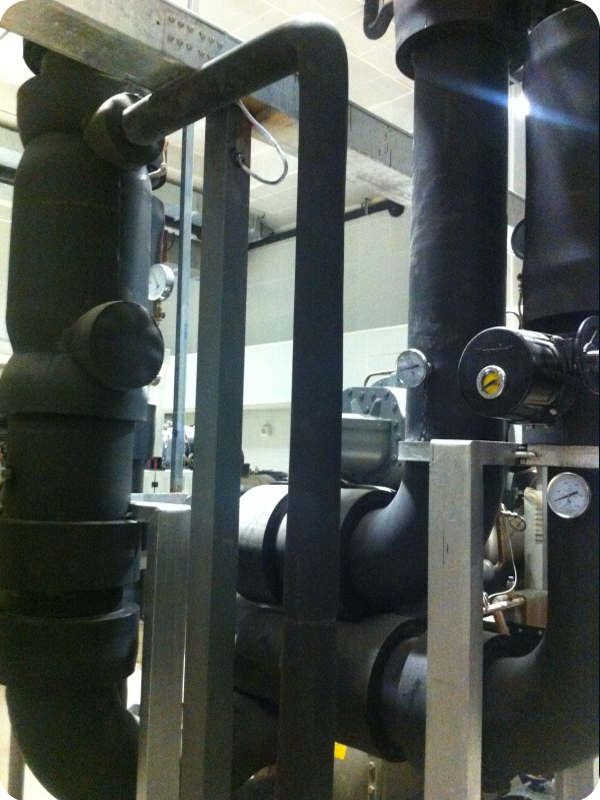
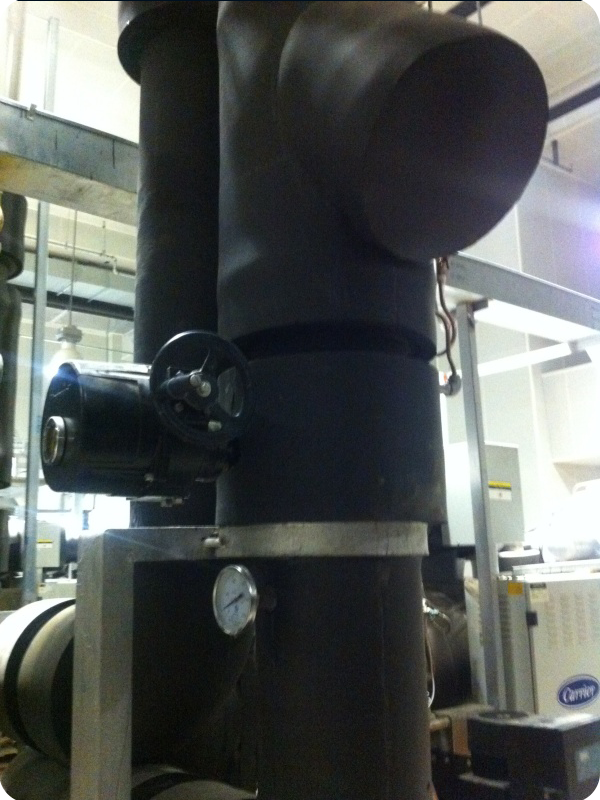
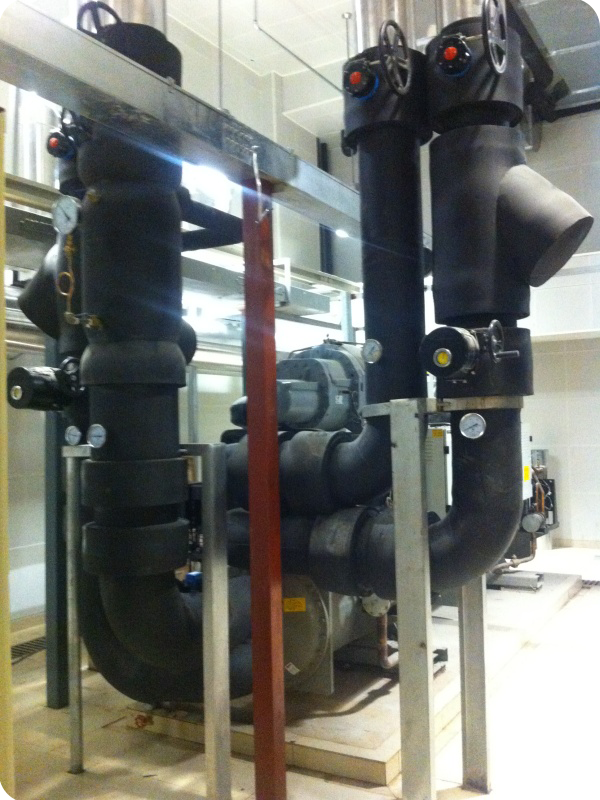
Advancing eco-friendly, zero-halogen elastomeric systems for the next generation of maritime vessels
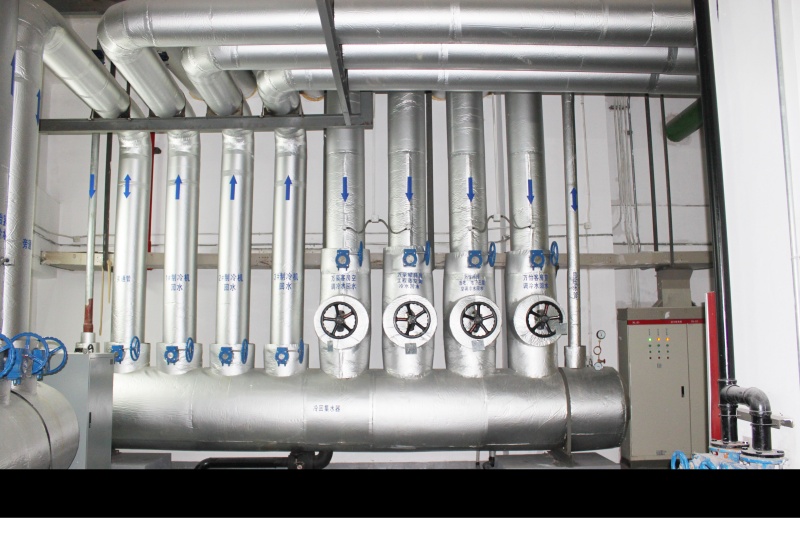
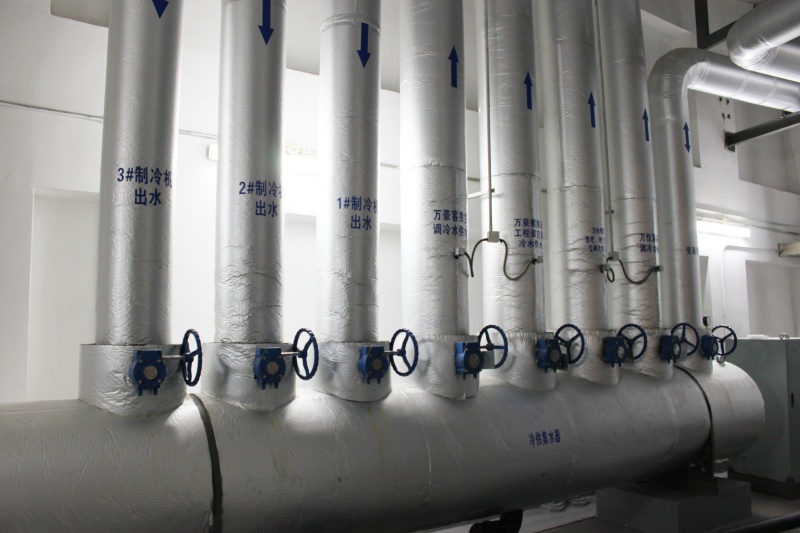

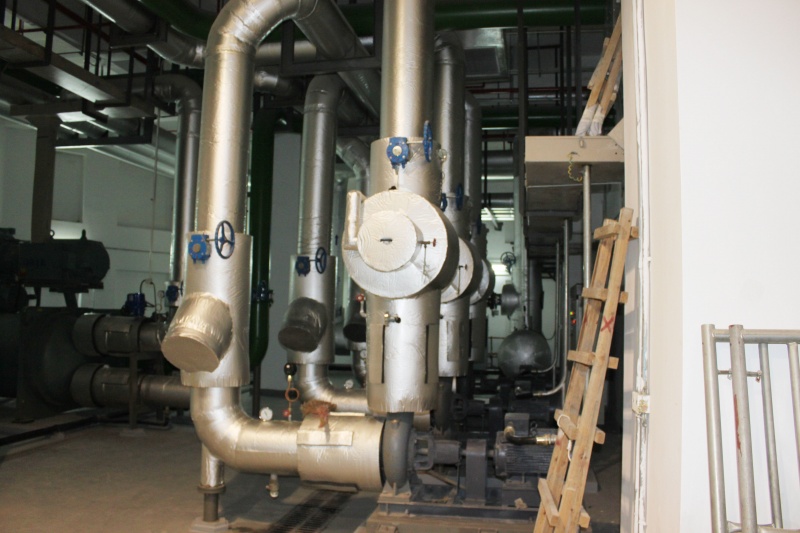
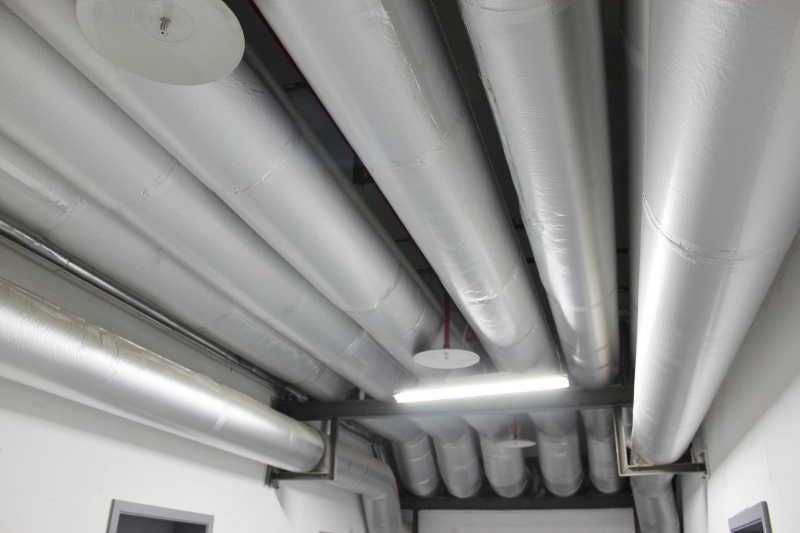
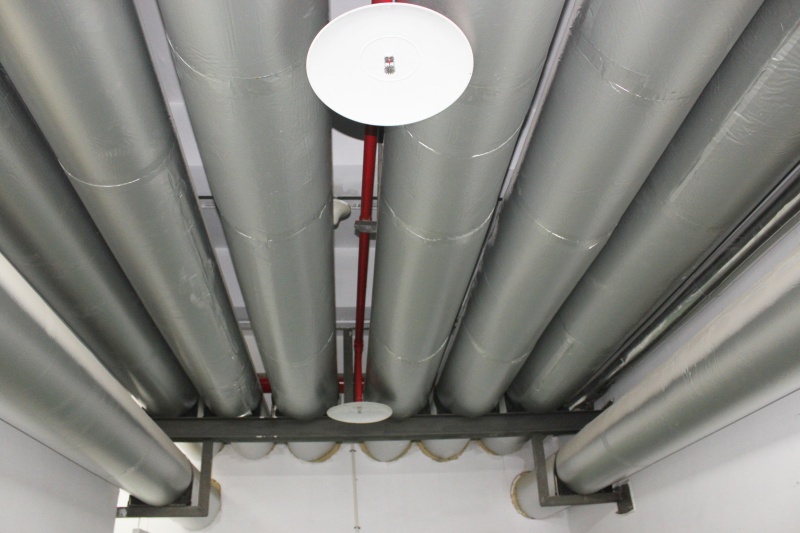
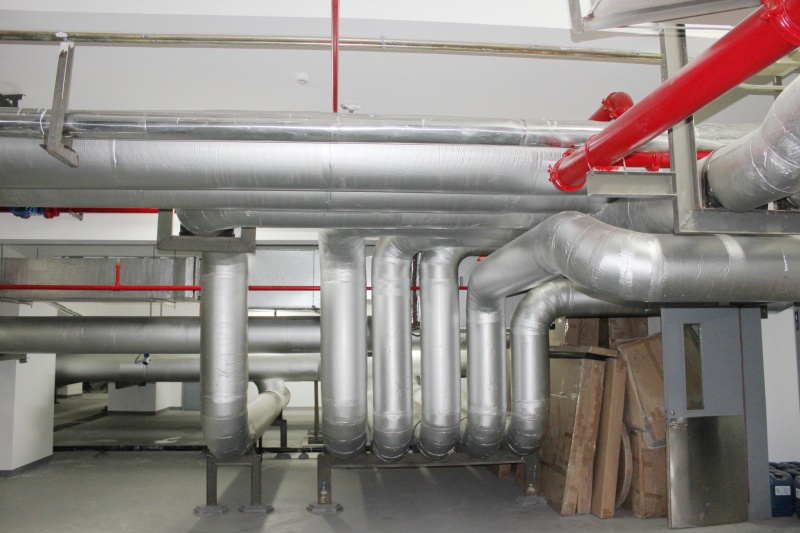
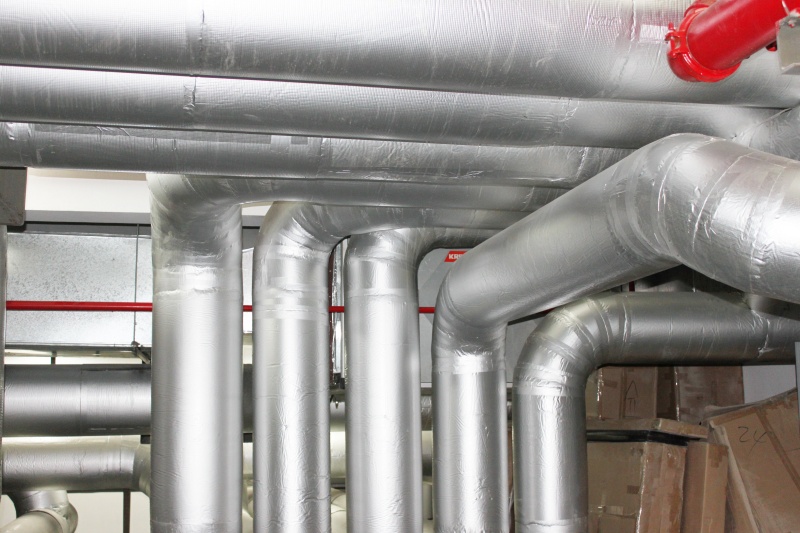
Global shipping is entering an era of decarbonization and stricter environmental controls. To align with these shifts, our technology roadmap focuses on developing zero-halogen elastomeric foams and reducing chemical emissions during production.
Developing insulation products with high recycled content while keeping the closed-cell matrix intact is a primary research goal. Additionally, we are working to integrate aerogel-elastomer compounds to lower thermal conductivity and minimize physical profiles, saving weight and space in modern ship design.
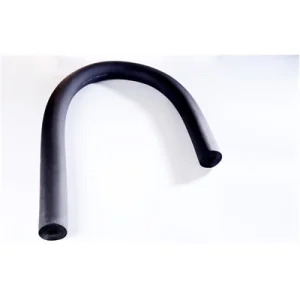
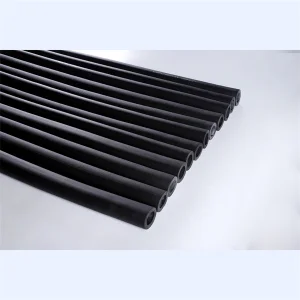
| Dimension Parameter | Engineering Specification Range |
|---|---|
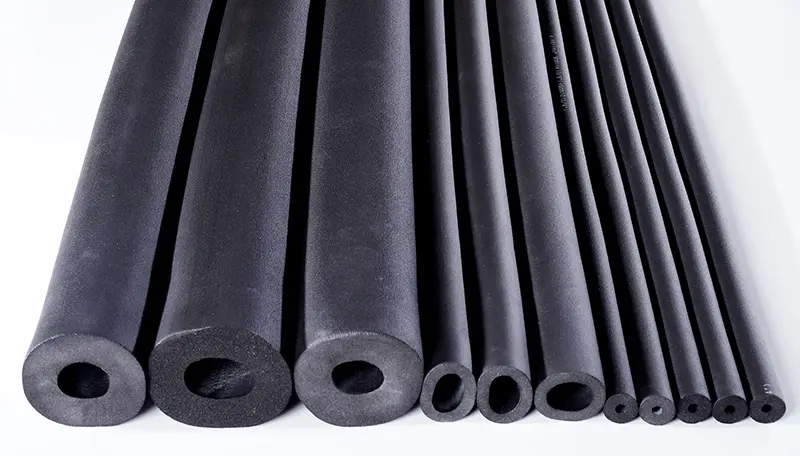
| Wall Thickness | 9mm to 40mm |
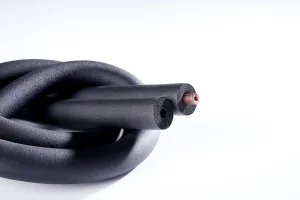
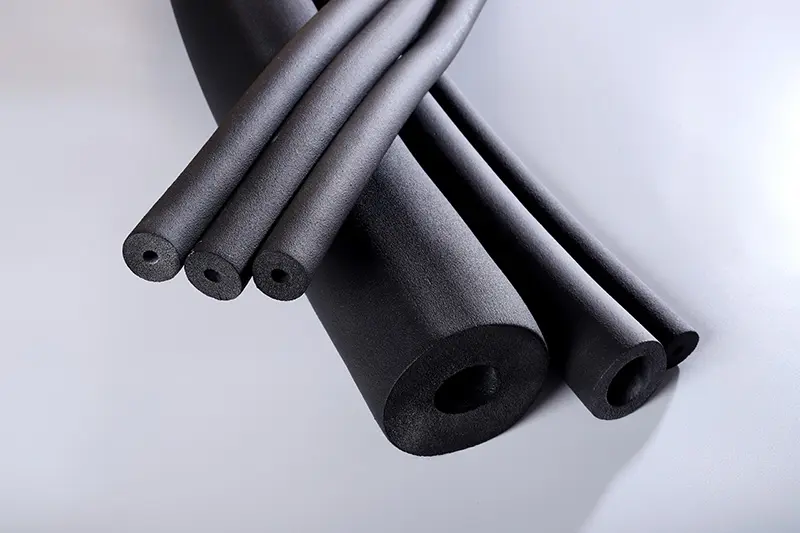
| Inner Diameter (ID) | 6mm to 114mm |
| Operating Service Limits | -40℃ to 105℃ |
| Note: Professional pipe spraying equipment ensures an even coating, helping to reduce pipe freezing risks under cold service profiles. | |
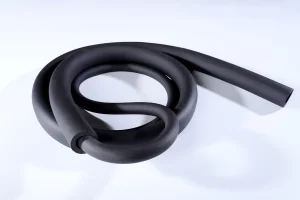
From corrosion resistant tube wraps to mineral rock wool blankets for thermal barrier zones
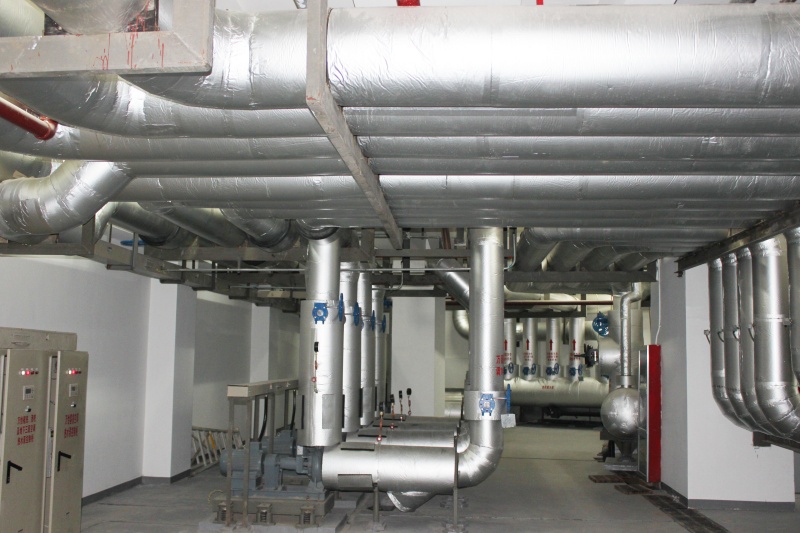
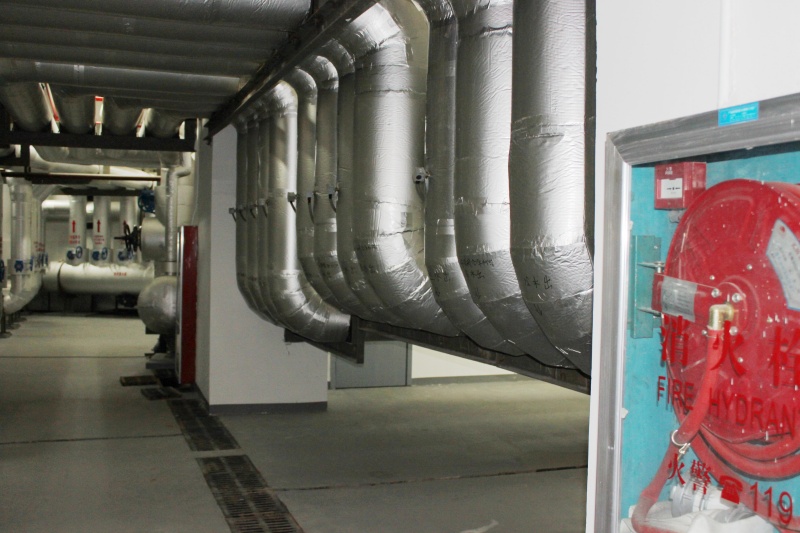
Technical support, material comparisons, and engineering guidelines from Kingflex experts
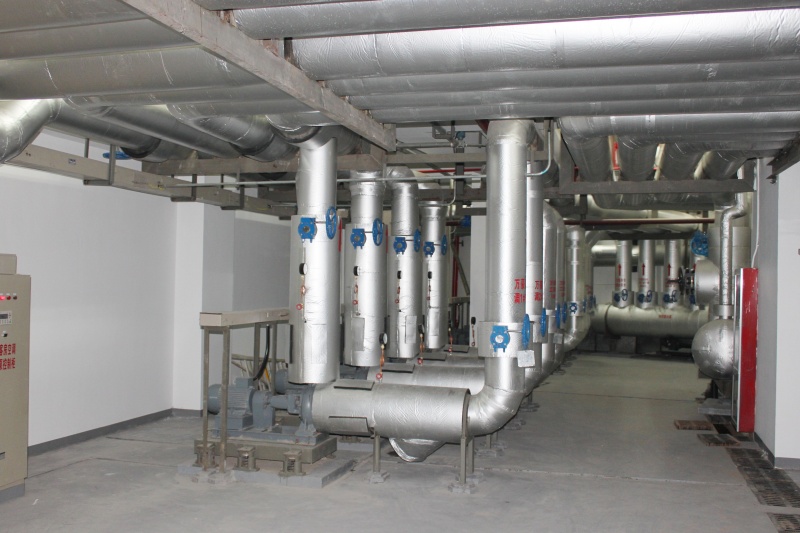
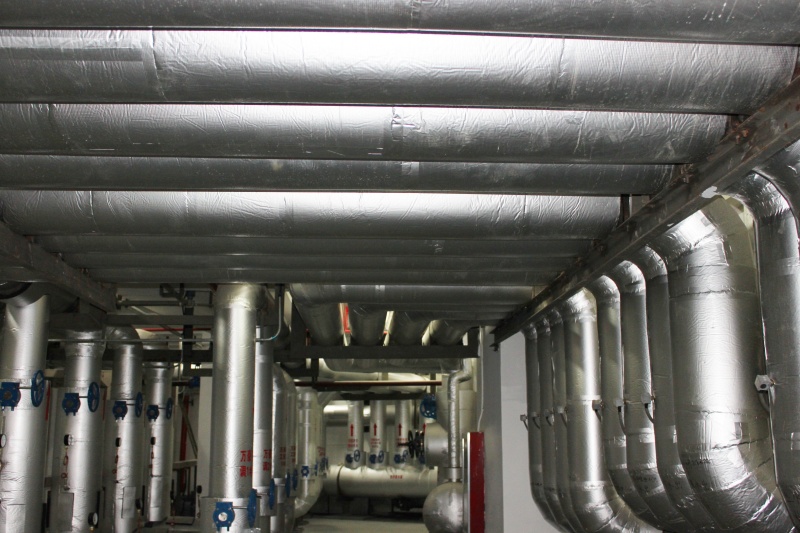
It is mainly used for HVAC ducts, air conditioning pipes, building thermal insulation, industrial pipeline cold insulation, and sound insulation in cruise vessels, shipping containers, and offshore rigs. Its moisture resistance helps prevent liquid condensation on cold lines.
Yes, Kingflex rubber foam insulation products are fire retardant and designed to self-extinguish when exposed to flames. They comply with safety standards for building and industrial installations, including Class 0 and Class 1 ratings under BS 476, and meet requirements for smoke production and flame spread.
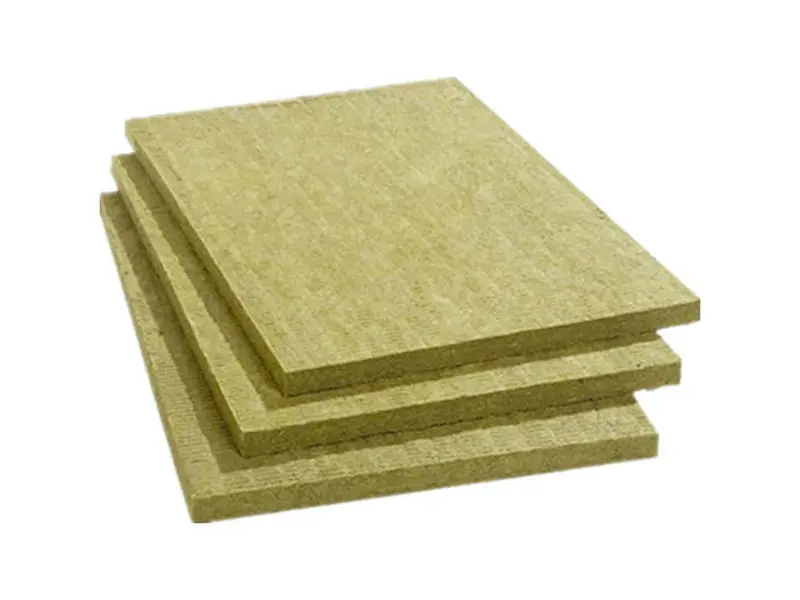
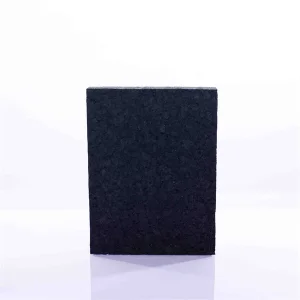
Rubber foam is flexible, closed-cell, and moisture-resistant, making it suitable for HVAC, chilled water systems, and general condensation control. Rock wool is high-temperature resistant and non-combustible, designed for high-heat industrial steam lines, hot exhaust channels, and structural fire barriers.
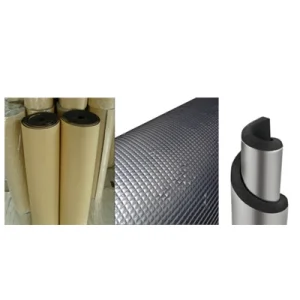
Yes, we provide OEM services. We can adjust the density, wall thickness, sheet widths, self-adhesive backings, and aluminum foil laminations to meet specific project guidelines and thermal limits.
Our products comply with BS 476, CE, REACH, RoHS, UL94, and ASTM standards. These certifications ensure our materials meet chemical safety, structural longevity, and fire safety requirements for international markets.
Yes. We trace raw materials from source blending to final curing, labeling each batch with manufacture codes. This allows for validation of physical and thermal performance specs.
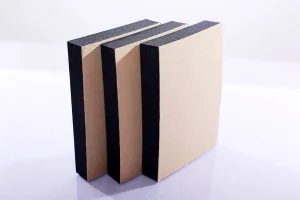
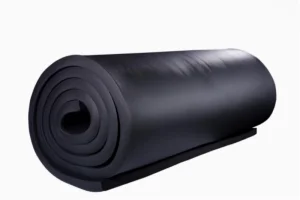
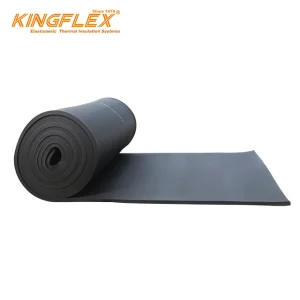
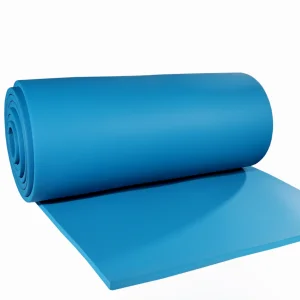
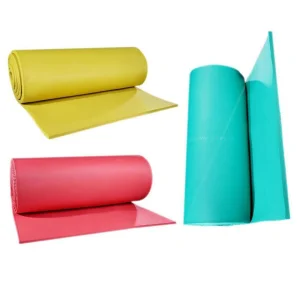
We produce sheet rolls in thicknesses ranging from 6mm to 50mm. Thicker sheets are suited for heavier industrial thermal barriers, while thinner options are used in tighter spaces.
Under typical conditions and with proper installation, Kingflex elastomeric materials have an operational life of 10 to 15 years. Regular inspections help maximize performance in harsh marine environments.
Order NBR elastomeric rolls, adhesive backed sheets, and specialized cryogenic piping insulation directly from our manufacturing facility