 Kingflex
Kingflex
Kingflex
Pioneering elastomeric technologies compliant with the most stringent global fire safety directives
In modern building construction and industrial engineering, selecting appropriate thermal insulation requires a rigorous assessment of fire behavior properties. Among the most recognized compliance frameworks globally is the British Standard BS 476, which details fire tests on building materials and structures. For mechanical systems, HVAC ductwork, and process piping, adherence to BS 476 Parts 6 and 7 is not merely a preference; it is a critical regulatory mandate.
BS 476 Part 6 (Fire Propagation Test) evaluates the heat release rate of flat materials or assemblies. It yields a fire propagation index ($I$) alongside sub-indices ($i_1, i_2, i_3$). A lower index signifies a lower contribution to fire acceleration. To achieve a Class 0 rating according to UK Building Regulations, a material must achieve an overall index $I$ of no more than 12, and a sub-index $i_1$ of no more than 6.
BS 476 Part 7 (Surface Spread of Flame Test) determines the lateral spread of flame along the surface of a specimen positioned vertically. Materials are classified from Class 1 (lowest lateral flame spread) to Class 4 (highest risk). Closed-cell elastomeric rubber insulation manufactured by Kingflex is specifically designed to meet the strict criteria of Class 1 under Part 7, which, when paired with compliance under Part 6, yields a robust Class 0 Fire Rating.

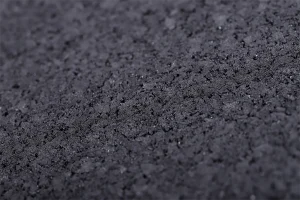
Elastomeric foam achieves its fire-retardant properties through sophisticated chemical compounding. During the extrusion and vulcanization process, specific flame retardants, carbonaceous additives, and halogenated or halogen-free components are blended into the Nitrile Butadiene Rubber (NBR) and Polyvinyl Chloride (PVC) matrix. When exposed to heat, this structure undergoes an intumescent-like reaction, forming an insulating carbonaceous char layer that limits the transfer of thermal energy and restricts oxygen access to the underlying substrate.
A professional manufacturing and trading combo for high-quality thermal insulation products
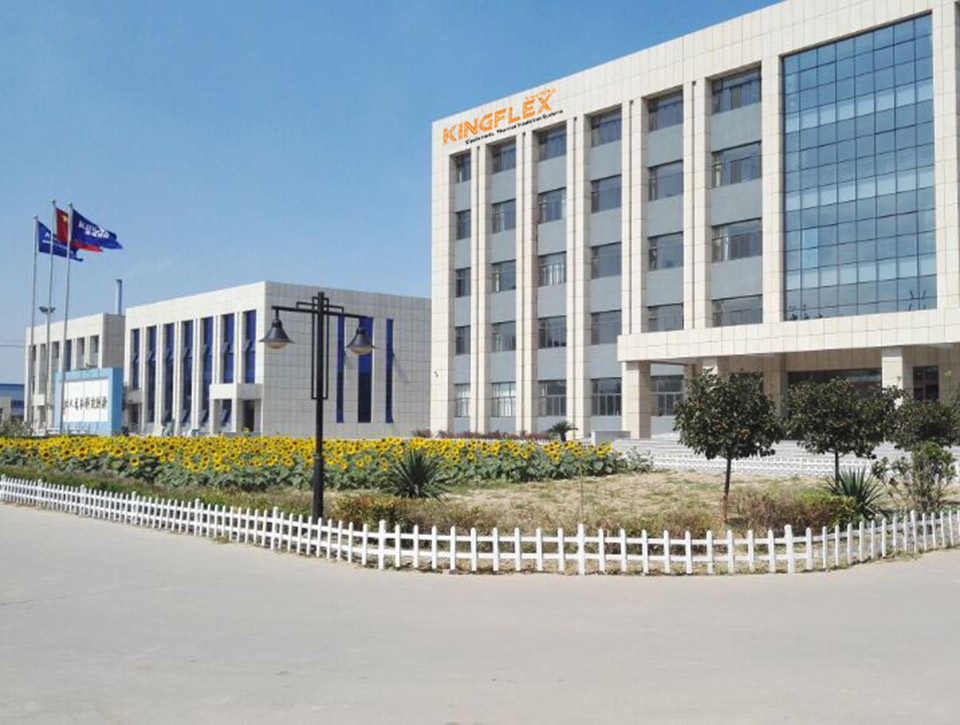
Kingflex Insulation Co., Ltd. is located in Dacheng, China—widely recognized as the capital of green building materials. As an energy-saving and environmentally friendly enterprise, Kingflex concentrates on the research, development, production, and distribution of premium elastomeric systems. In operation, Kingflex prioritizes energy efficiency and consumption reduction, offering consultation, customized R&D, precision installation guidance, and dedicated post-sale support.
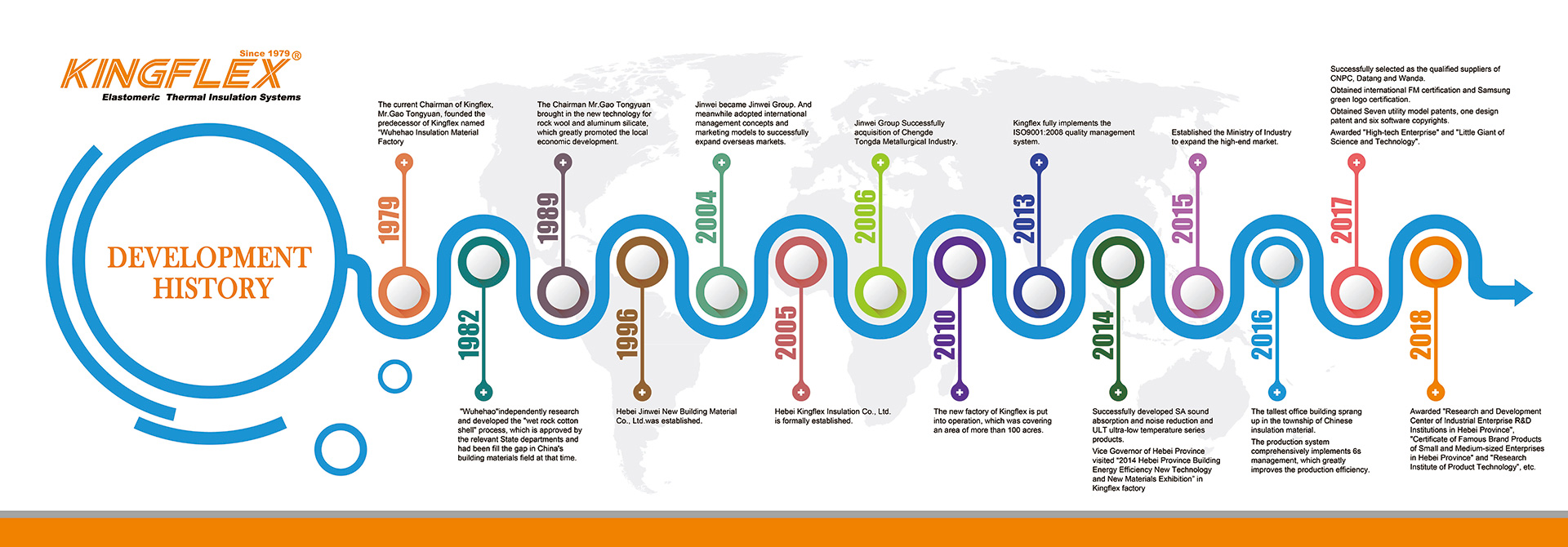
Established by the Jinwei Group (also known as Kingway Group), which has a rich industrial history dating back to 1979, our heritage spans more than four decades. As the first thermal insulation manufacturer established north of the Yangtze River, the group has consistently driven technical innovation in the region.
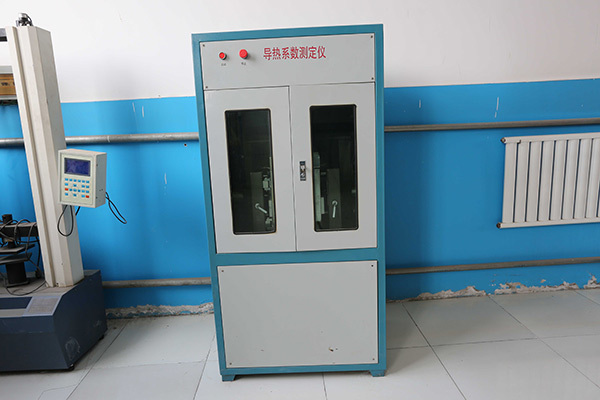
Scaling automated manufacturing to deliver cost stability, volumetric capacity, and global delivery reliability
Kingflex operates 5 large-scale automated assembly lines. These systems integrate continuous mixing, extrusion, vulcanization, and cooling cycles to minimize dimensional variance and surface defects. In recognition of this high technical output, Kingflex is a designated manufacturer approved by major government ministries including the Ministry of Energy and the Ministry of Chemical Industry.
By positioning operations in Dacheng, Kingflex accesses a mature raw material supply chain including synthetic rubber, polymer stabilizers, foaming agents, and specialized fire retardants. This localized clustering buffers the factory against external commodity volatility and ensures that bulk pricing for international distributors remains highly competitive.
Mechanical behavior parameters comparing closed-cell elastomeric foam against traditional rock wool insulation
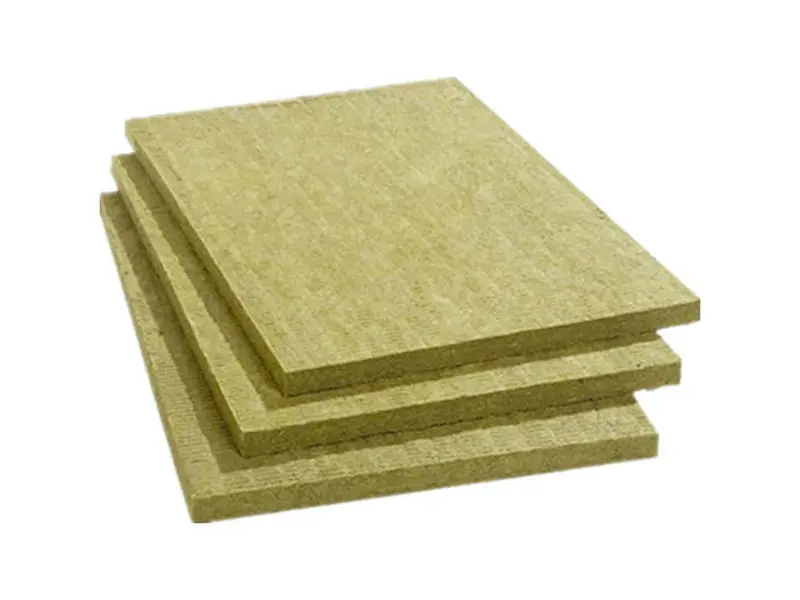
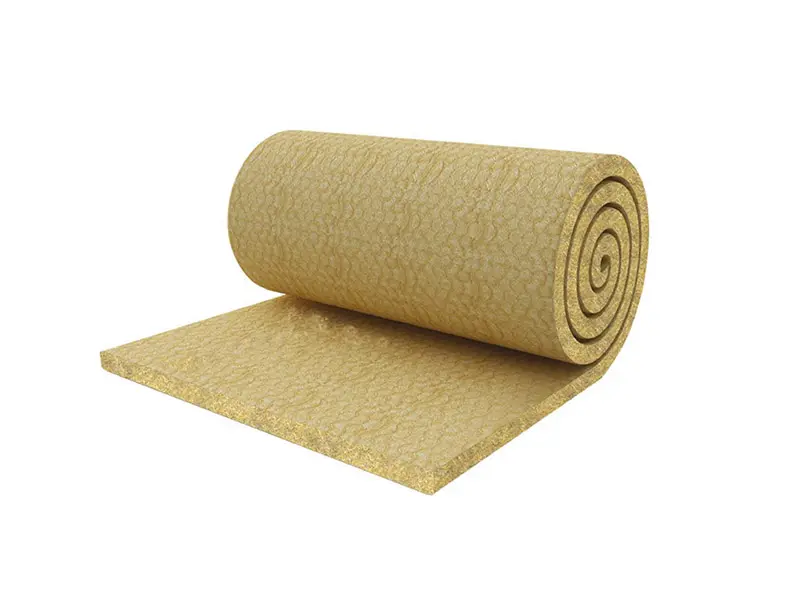
| Performance Metrics | Kingflex Elastomeric NBR/PVC Foam | Traditional Rock Wool |
|---|---|---|
| Thermal Conductivity ($\lambda$ at 0°C) | ≤ 0.035 W/(m·K) (Highly Efficient) | ≥ 0.040 W/(m·K) (Moderately Efficient) |
| Moisture Resistance (μ factor) | ≥ 10,000 (Built-in Vapor Barrier) | ≤ 1.3 (Requires External Cladding) |
| Flame Spread Standard (BS 476) | Class 0 / Class 1 Compliant | Non-combustible (Class A1) |
| Dust & Fiber Hazard | Zero fiber release (Cleanroom approved) | High fiber shedding (Irritant) |
| Application Flexibility | Exceptional, highly elastic | Rigid, prone to settling or cracking |
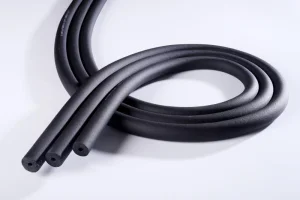
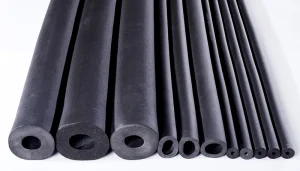
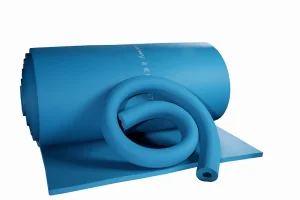
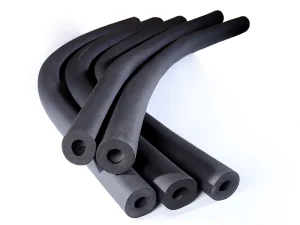
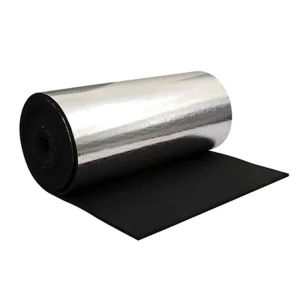
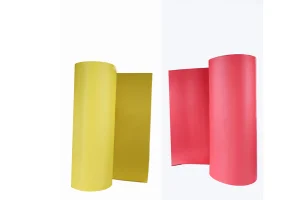
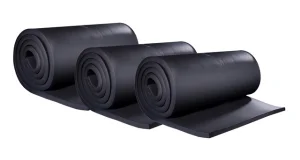
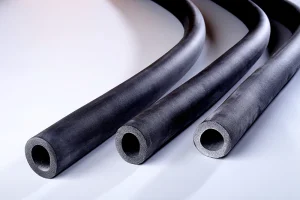
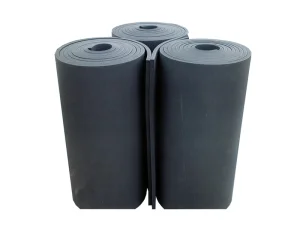
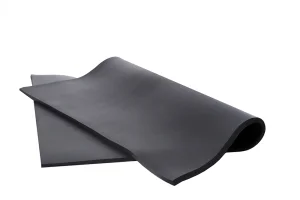
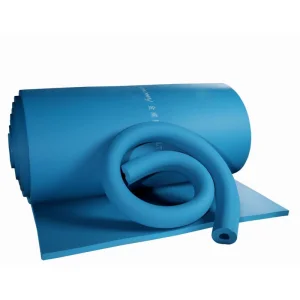
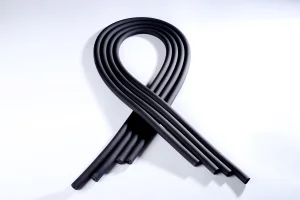
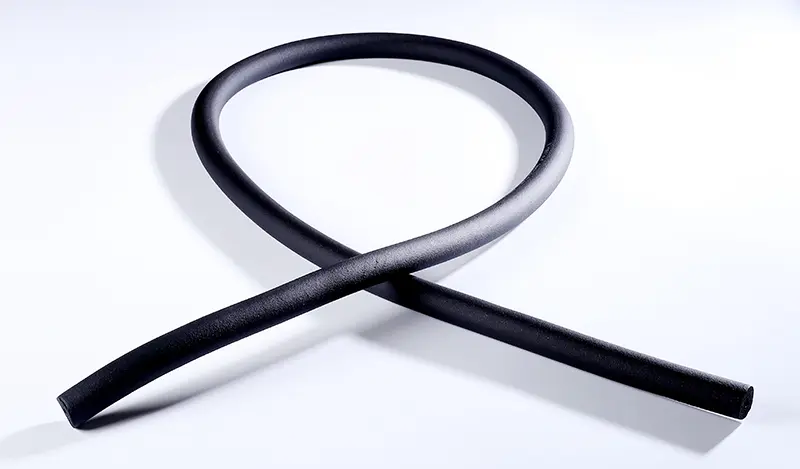
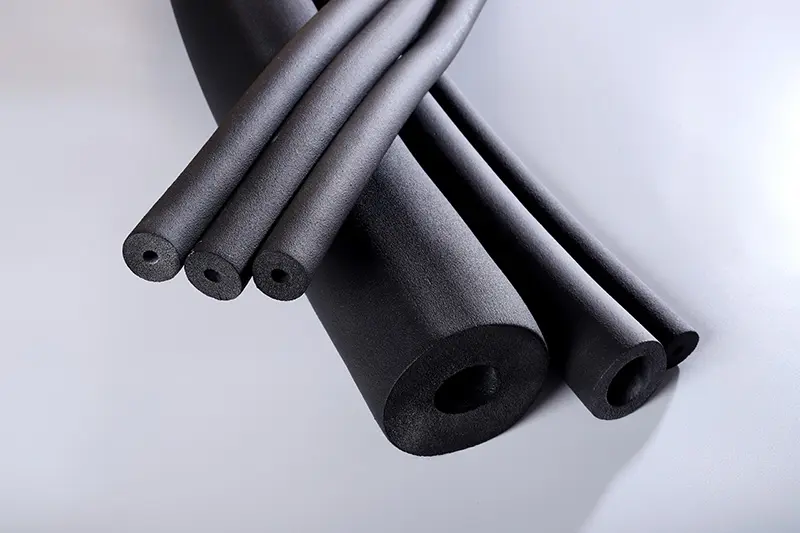
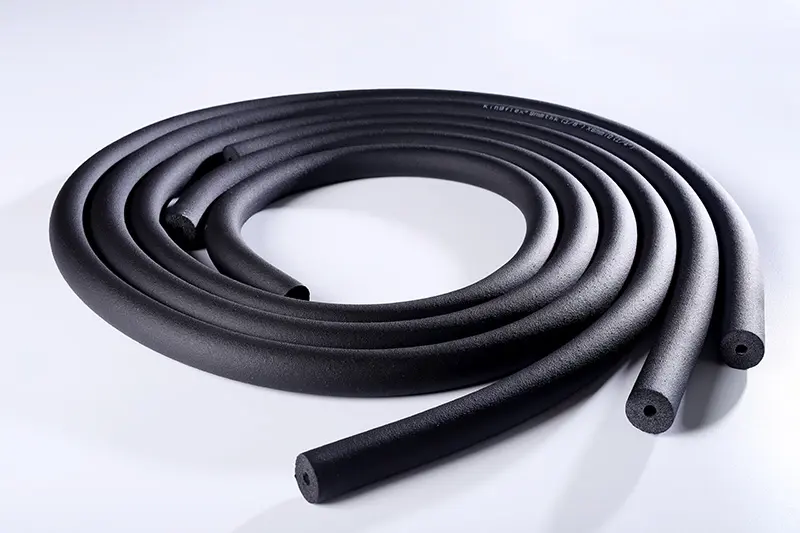
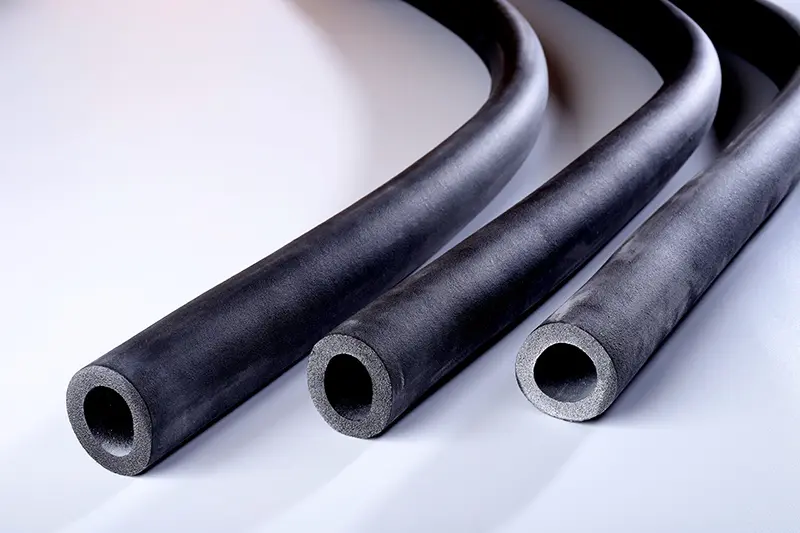
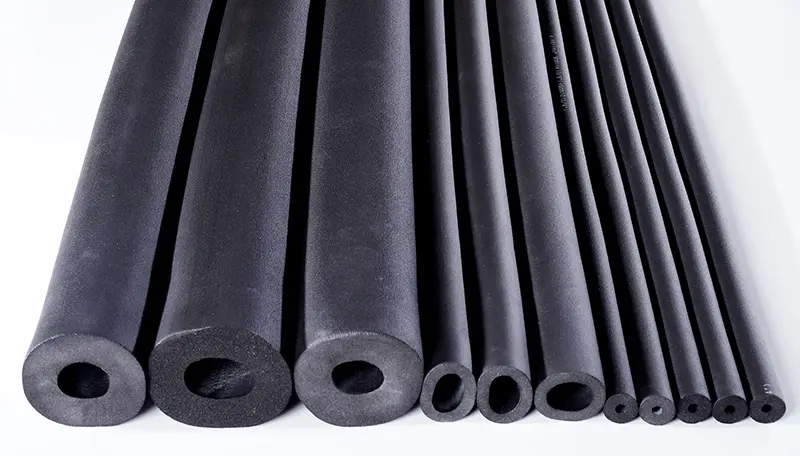
Our manufacturing lines support diverse dimensional requirements for pipelines and flat-surface installations:

Analyzing regional building codes and thermodynamic requirements across continents
With extreme ambient temperatures and high relative humidity, GCC countries face severe risk of condensation on chilled water pipes. Building codes in Saudi Arabia (SBC) and UAE require insulation materials to prevent condensation and maintain high fire resistance. Kingflex BS 476 Class 0 products meet these performance parameters.
European procurement demands strict environmental safety alongside fire performance. NBR/PVC formulations must comply with REACH and RoHS regulations, avoiding prohibited brominated compounds. Our products align with BS 476 criteria, ensuring safety compliance for projects across the UK and continental Europe.
In tropical environments, HVAC systems face continuous condensation risks that can lead to structural damage and mold growth. Standard open-cell insulation materials can absorb moisture rapidly, degrading performance. The closed-cell configuration of Kingflex insulation (>98% cell density) prevents water ingress.
A review of site installations and third-party certifications proving product reliability
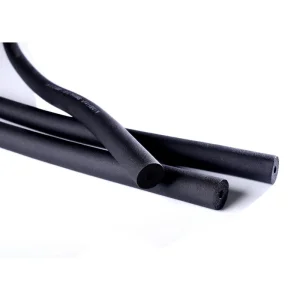
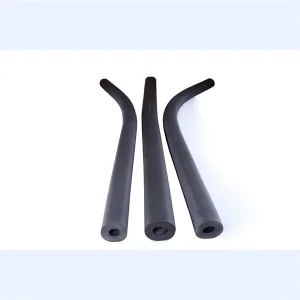
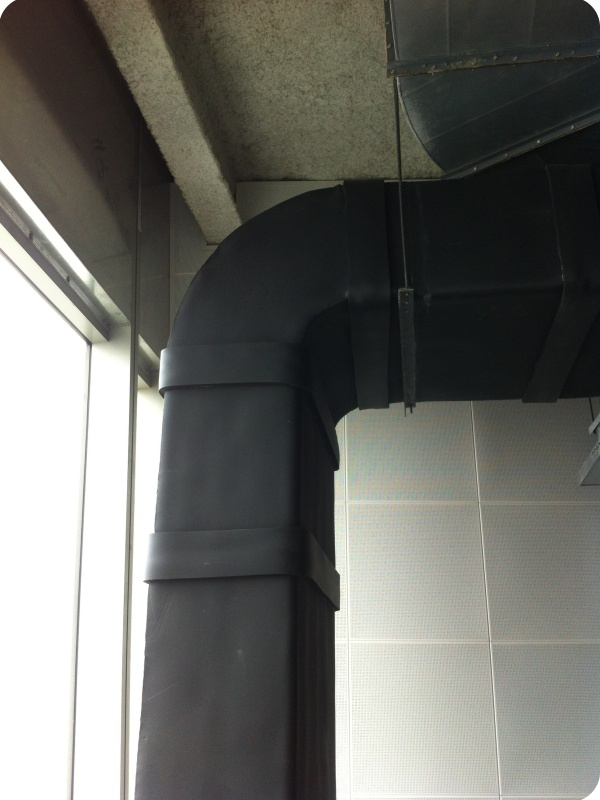
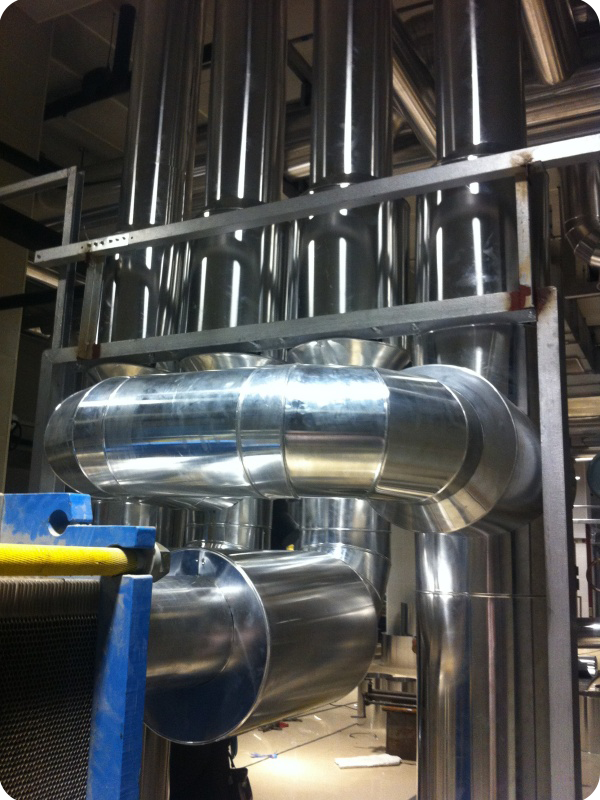
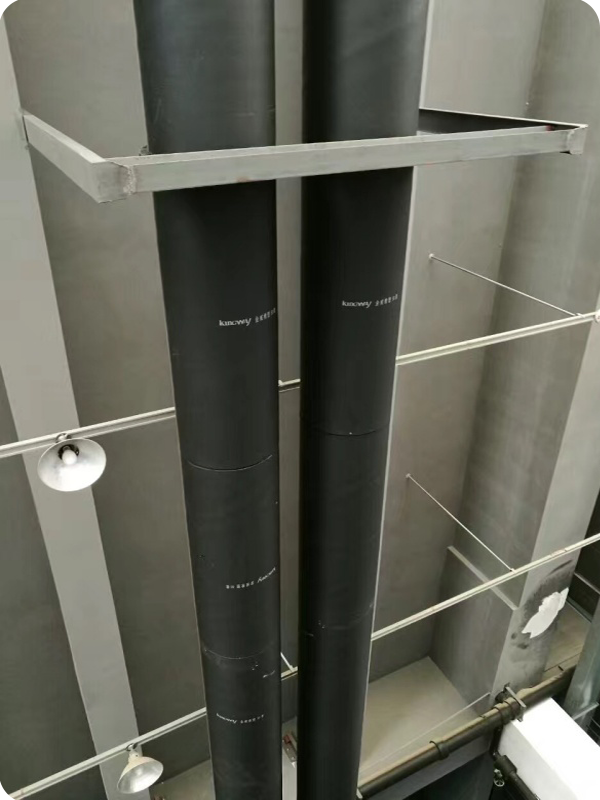
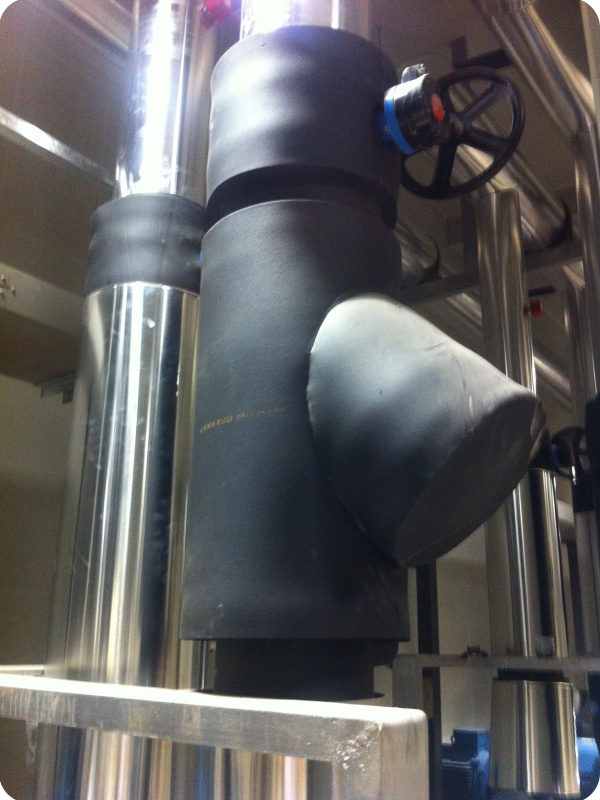
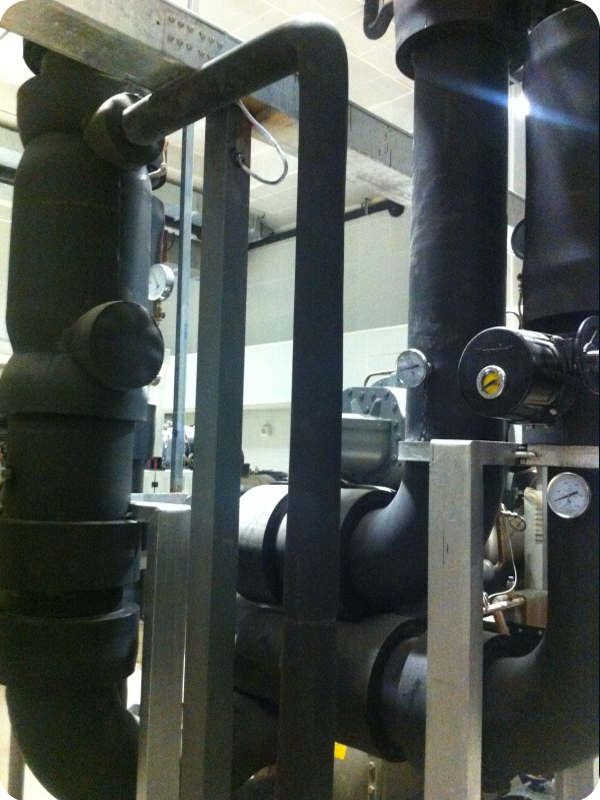
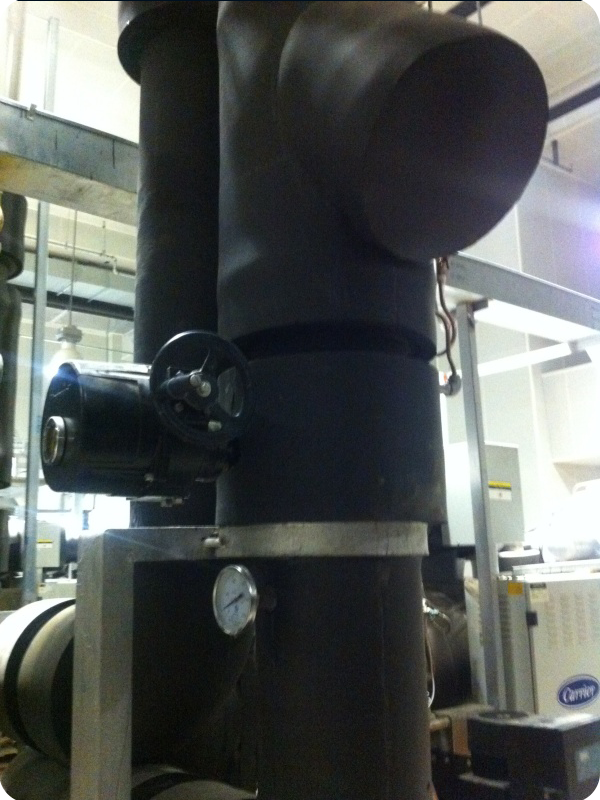
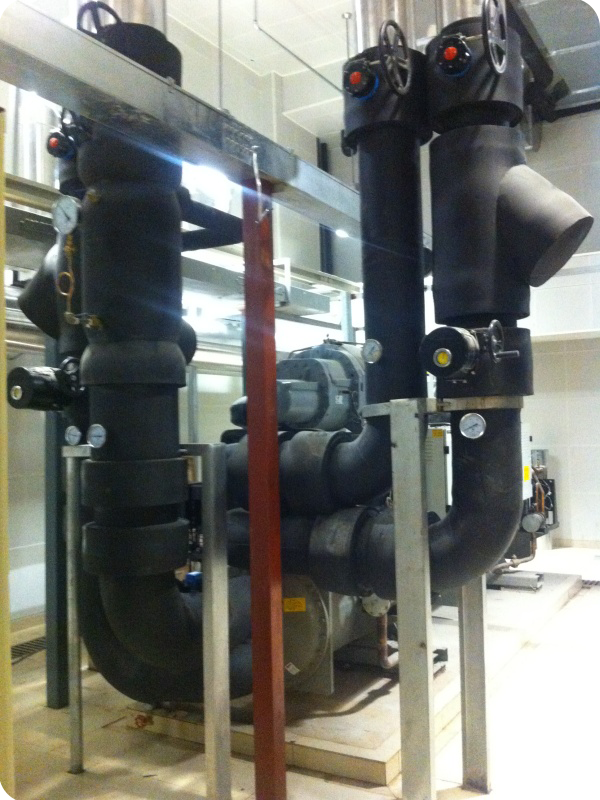
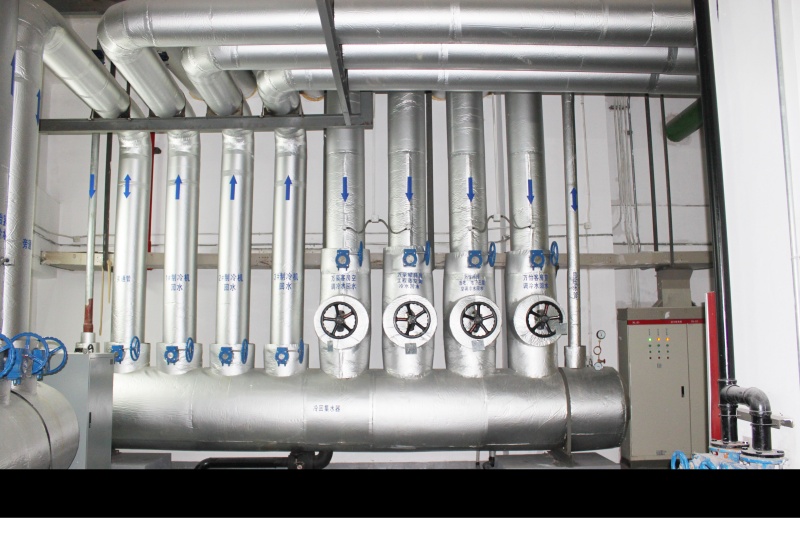
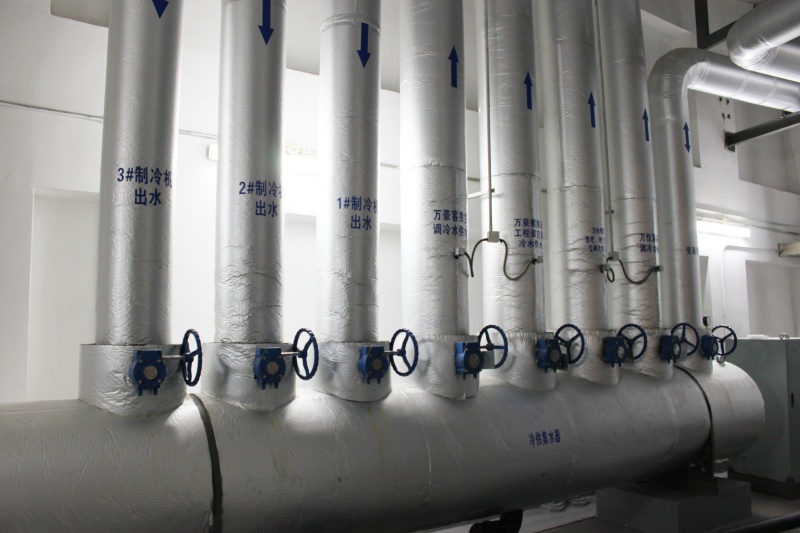
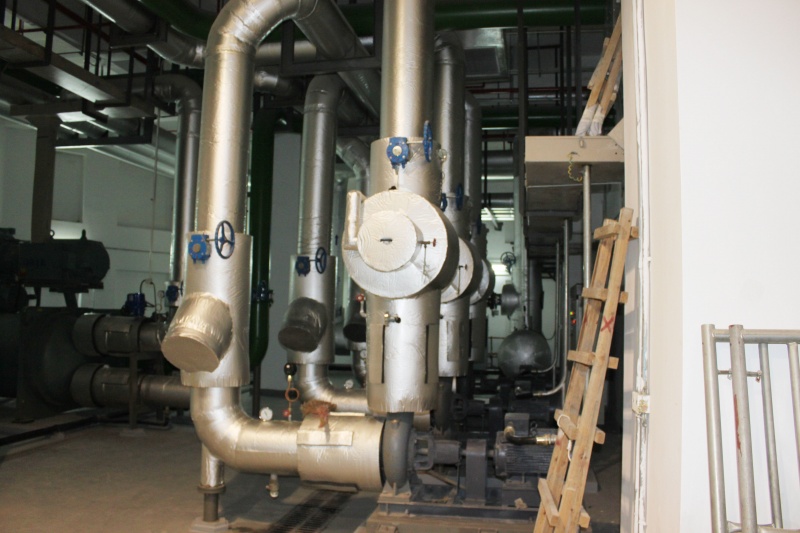
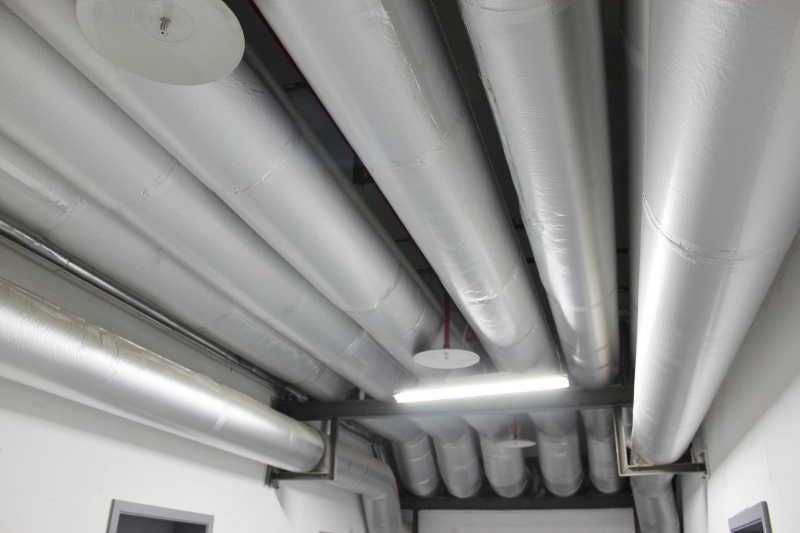
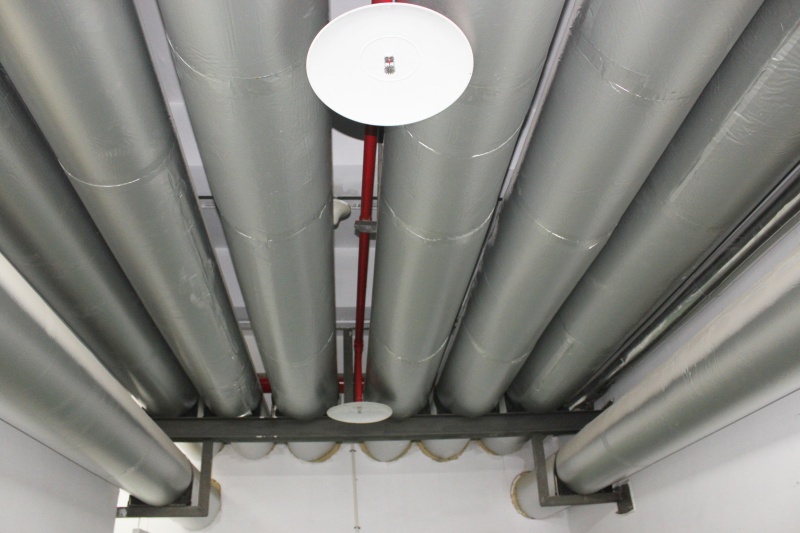
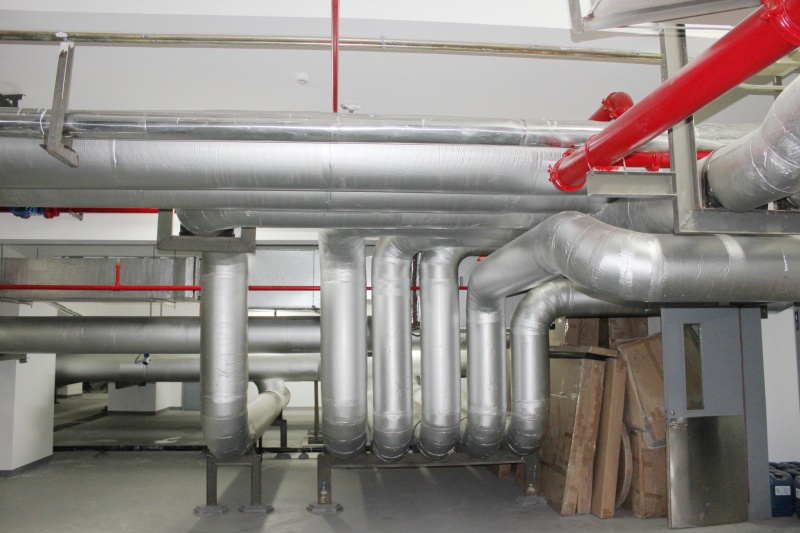
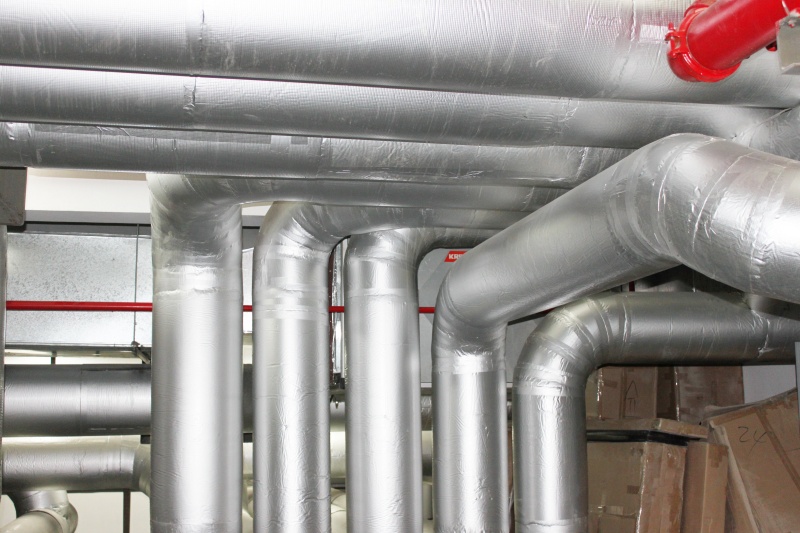
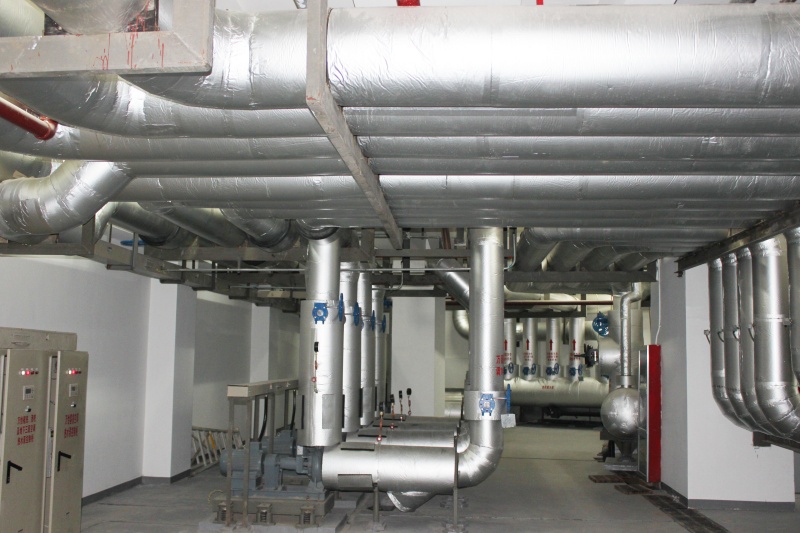
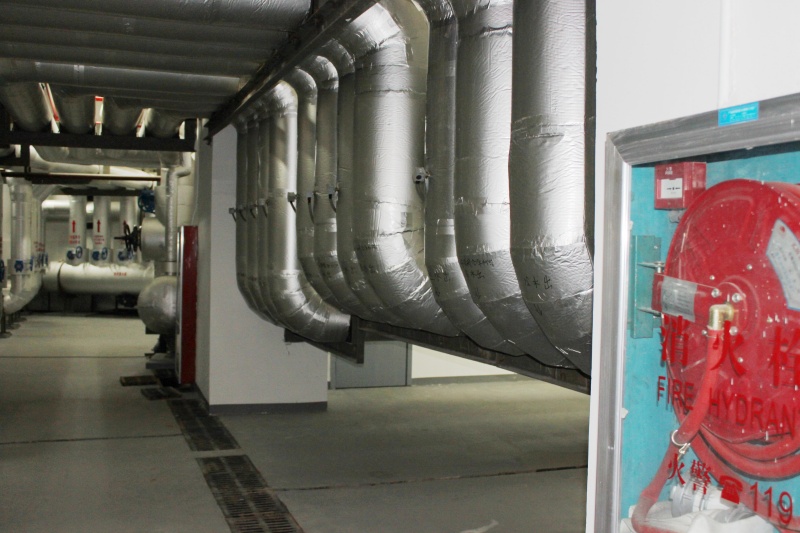
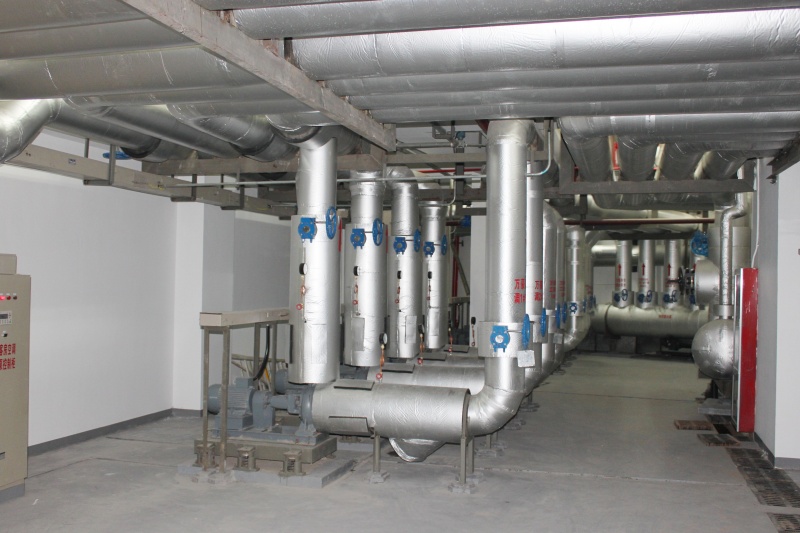
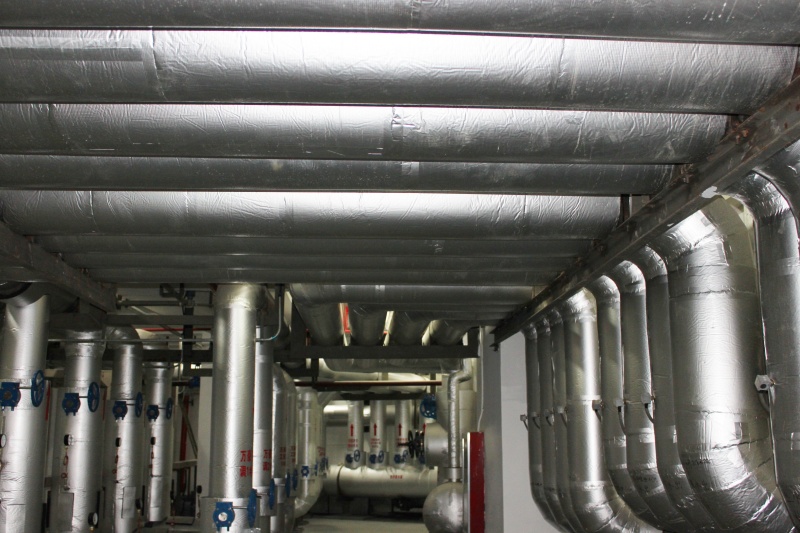
Kingflex insulation products are specified globally in architectural, petrochemical, cleanroom, and aerospace applications. In typical HVAC configurations, elastomeric sheets are adhered to duct surfaces to prevent thermal transmission. Similarly, our elastomeric pipes are installed on refrigeration lines to reduce energy loss.
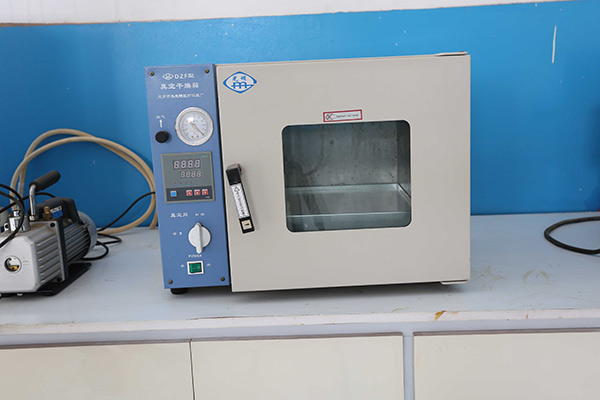
Our production lines maintain ISO 9001 and ISO 14001 certifications. Each batch of fire-rated NBR/PVC material is tracked and evaluated against international standards including CE, UL94, and ASTM.


Common questions regarding specification criteria, chemical formulation, and factory support
Browse our complete range of high-performance insulation pipes, sheets, and cryogenic systems