 Kingflex
Kingflex
Kingflex
Direct-from-factory systems optimized for mechanical stability, low thermal conductivity, and heavy commercial deployments.
In high-velocity commercial heating, ventilation, and air conditioning (HVAC) systems, the selection of ducting and wrapping materials defines the structural integrity, thermal efficiency, and overall life expectancy of the building's climate infrastructure. While fiberglass air ducts and fibrous insulation cores excel in acoustic absorption and lightweight structural performance, they are structurally dependent on premium closed-cell insulation wraps, vapor barriers, and interior linings to mitigate modern HVAC vulnerabilities. High-density elastomeric nitrile-rubber structures, such as those pioneered by Kingflex Insulation Co., Ltd., serve as the technical safeguard against thermal bridging, condensation accumulation, and microbial colonization.
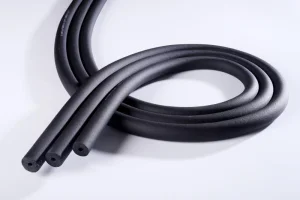
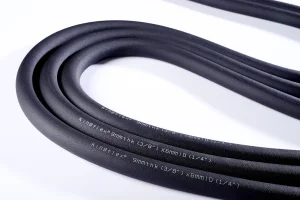
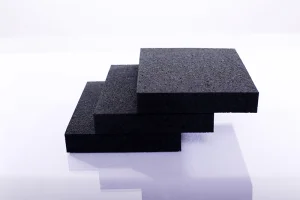
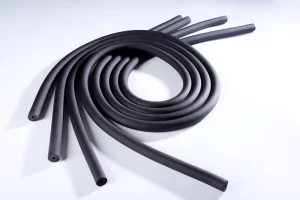
This industrial brief outlines the systemic criteria for sourcing, calculating, and deploying comprehensive thermal solutions. We analyze how integration with premium closed-cell elastomeric rubber foam sheets, pipes, and specialized high-temperature rock wool panels secures optimal thermodynamic loops in modern commercial, industrial, and cryogenic environments.
Closed-cell elastomeric linings limit air leakage and establish an airtight barrier, maintaining low consistent thermal conductivity (λ ≤ 0.034 W/(m·K) at 0°C) across thermal gradients.
With an inherently high resistance factor (μ ≥ 10,000), these systems prevent environmental relative humidity from penetrating the core, avoiding moisture buildup and efficiency loss.
Combining the dense structure of fiberglass cores with elastomeric foam composites dampens mechanical vibrations and turbulent air noise inside duct systems, preserving decibel hygiene.
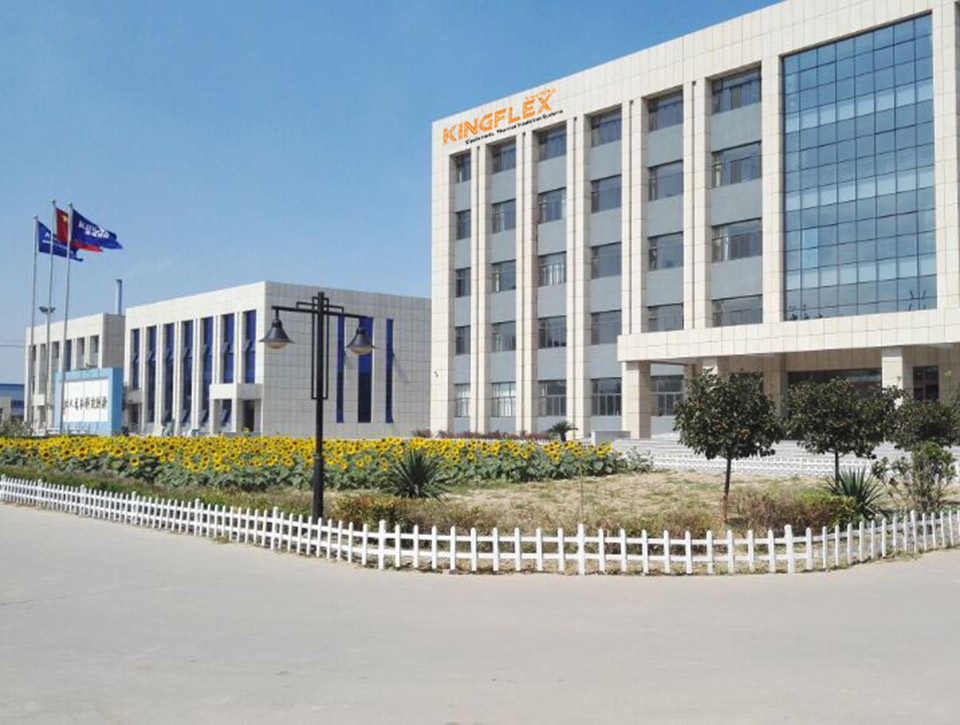
Established by the Jinwei Group, which possesses a prestigious heritage dating back to 1979, Kingflex Insulation Co., Ltd. has developed into a premier manufacturing and trading combo for thermal insulation products. Historically recognized as the first manufacturer of thermal insulation materials north of the Yangtze River, Kingflex operates from the well-known capital of green building materials in Dacheng, China.
Our production facilities represent the cutting edge of manufacturing technology. Currently, Kingflex operates 5 large automatic assembly lines, yielding an annual capacity exceeding 600,000 cubic meters. Our scientific commitment to thermal systems has earned Kingflex designation as a qualified production enterprise by key regulatory bodies, including the Ministry of Energy, the Ministry of Electric Power, and the Ministry of Chemical Industry.
Modern civil and industrial architectures demand customized thermodynamic zoning. A single material cannot address the varying challenges of mechanical wear, cryogenic liquid gas control, and low-frequency resonance. Below are our structural engineering packages:
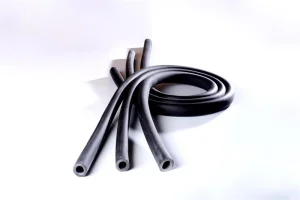
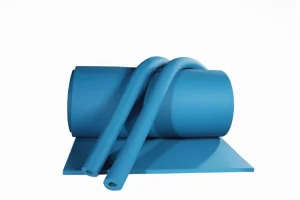
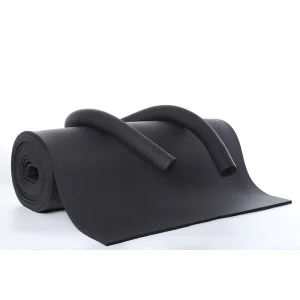
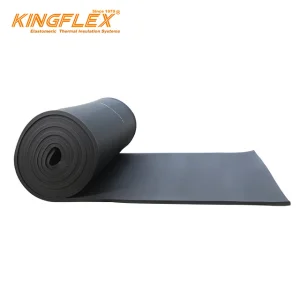
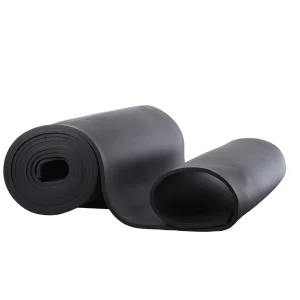
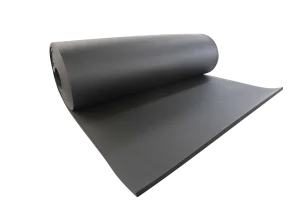
For high-traffic public institutions (hotels, hospitals, regional airports), ducting systems require continuous protection against condensation. Kingflex NBR/PVC sheets applied as exterior wraps control skin temperature, preventing localized dew-point condensation and subsequent ceiling water damage.
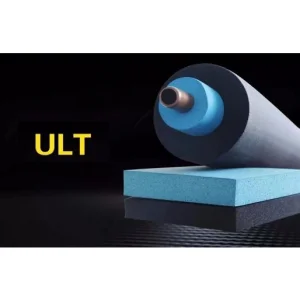
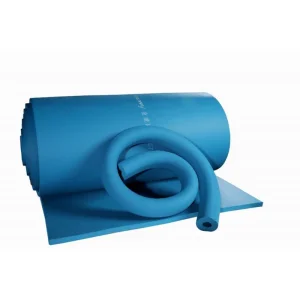
In liquefied natural gas (LNG) pipelines and ultra-low temperature (ULT) refrigeration units, standard insulations fail due to ice crystallization. The Kingflex Cryogenic Insulation System utilizes multi-layered elastomeric matrices that retain elastic behavior even under extreme cryogenic cycles (-40°C down to -200°C), protecting piping from stress fracturing.
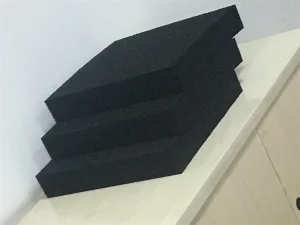
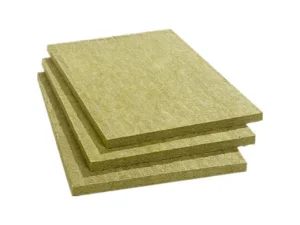
For processes demanding extreme thermal limits (power generation, petrochemical refineries), the integration of Rock Wool Insulation Boards and thermal blankets prevents surface energy loss. This ensures process steam remains superheated over long runs, optimizing refinery yields.
| Parameter Class | Nitrile Elastomeric Foam Sheet | Nitrile Elastomeric Insulation Pipe | Rock Wool Insulation Board |
|---|---|---|---|
| Material Base | Premium NBR/PVC Blend | NBR/PVC Elastomer Coated | High-Density Basalt Fiber |
| Thickness Range | 6 mm – 50 mm | 9 mm – 40 mm (ID: 6-114mm) | 25 mm – 150 mm |
| Thermal Conductivity (λ) | ≤ 0.034 W/(m·K) at 0°C | ≤ 0.035 W/(m·K) at 0°C | ≤ 0.040 W/(m·K) at 70°C |
| Operating Temperature | -40°C to +105°C | -40°C to +105°C | Ambient to +650°C |
| Moisture Resistance (μ) | ≥ 10,000 (Closed Cell) | ≥ 9,500 (Closed Cell) | Not applicable (Fibrous) |
| Fire Safety Rating | Class 0 / BS 476, UL94 V-0 | Class 1 / BS 476, UL94 V-0 | Non-Combustible Class A1 |
The HVAC thermal lining industry is shifting from traditional physical isolation to smart, active thermodynamic systems. Kingflex’s R&D department—directed by eight professional mechanical engineers—is actively engineering solutions aligned with global decarbonization goals and green building initiatives.
Reducing petrochemical synthetic reliance through the integration of plant-derived polyols within the elastomeric foaming process. This reduces carbon footprints during manufacture without compromising closed-cell consistency.
Developing active thermodynamic jackets with integrated micro-sensors that detect localized dew points. This alerts operators to moisture penetration before structural mold or corrosion under insulation (CUI) occurs.
Applying secondary polymeric coatings that protect elastomeric structures from industrial solvents and UV degradation, extending service lifetimes up to 25 years in harsh conditions.

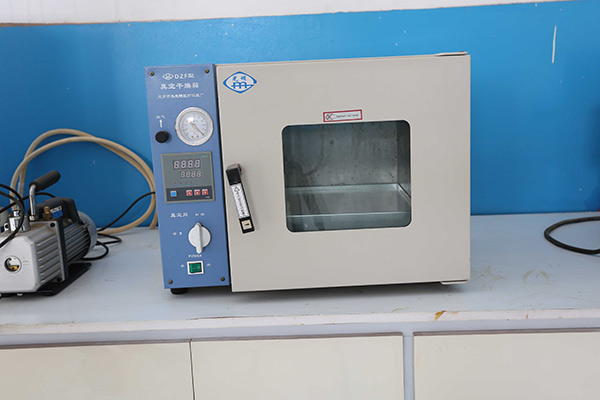
High-volume construction pipelines cannot tolerate delays. Kingflex’s production system integrates intelligent manufacturing protocols (Industry 4.0) to maintain lead-time consistency and material uniformity.
Our five high-capacity automated continuous foaming lines utilize computerized mixing stations. This maintains cell diameter variance within +/- 2.5 microns, ensuring thermal performance remains uniform throughout each production batch.
Our facility handles all production stages, from rubber compounding to final continuous vulcanization and precision extrusion. Raw material tracking links raw components to finished rolls and pipes. This allows complete material traceability for critical architectural projects.
Industrial insulation materials must comply with diverse regional fire safety and chemical emission regulations. Kingflex products are engineered to meet global compliance criteria, simplifying localized project approvals.
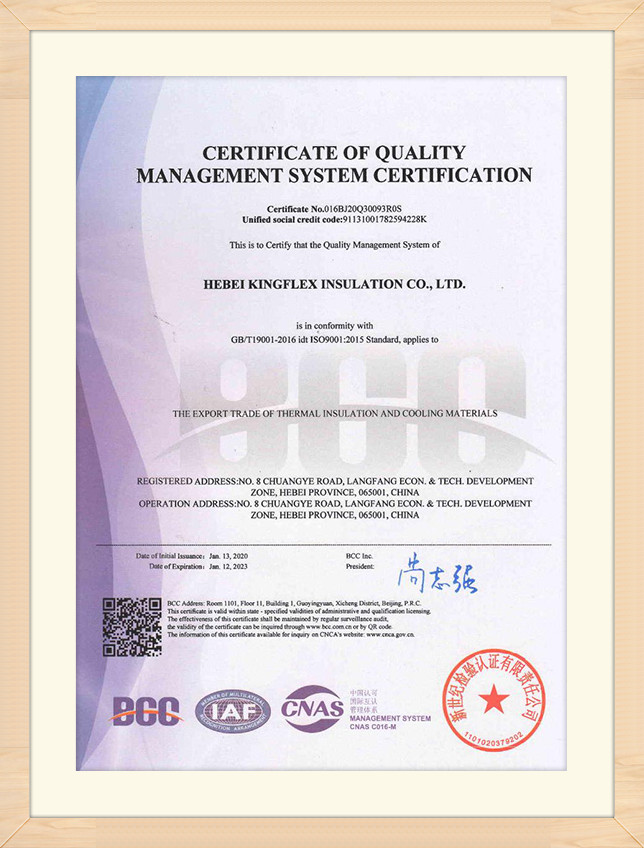
Ensures compliance with British fire propagation and flame spread regulations for public installations.
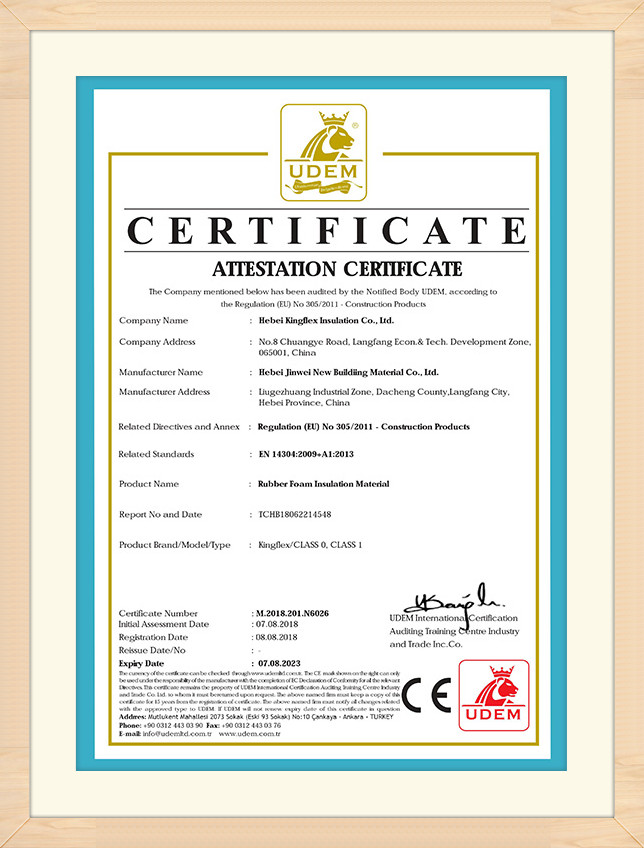
Conforms to European health, safety, and environmental protection standards.
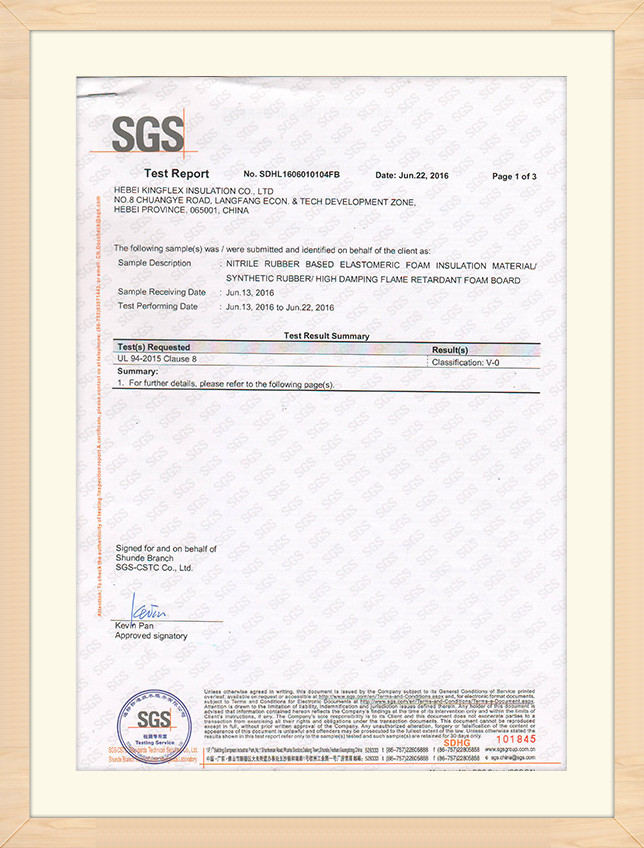
Assures self-extinguishing plastic and rubber properties, preventing fire propagation.
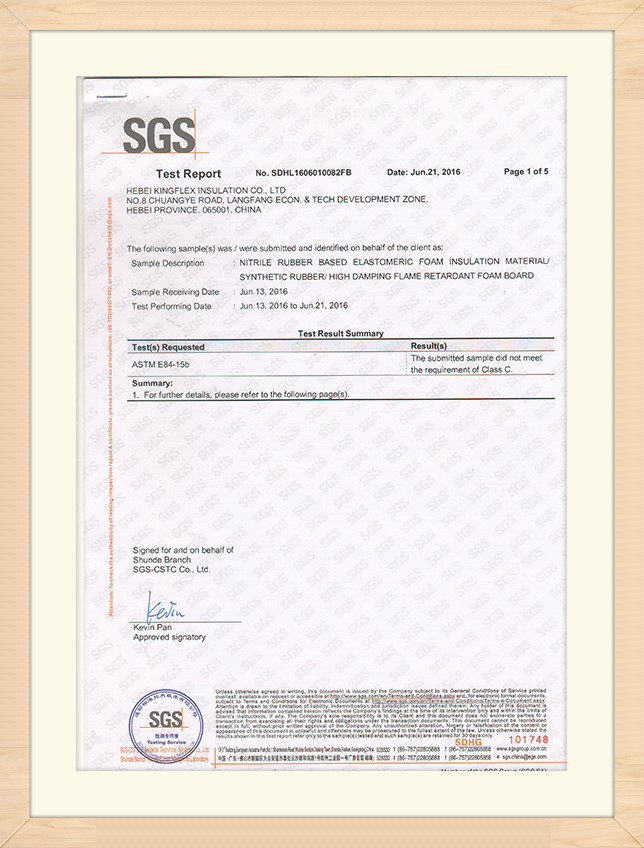
Tested under ASTM standard methods for structural, thermal, and moisture retention parameters.
Wholesale costs for fiberglass air duct components and elastomeric linings are affected by production run length, raw material costs (nitrile polymer and basalt reserves), and shipping logistics. To optimize your HVAC material budget, consider these factors during the RFQ process:
Purchasing by the full container load (FCL 20GP/40HQ) minimizes shipping costs and lowers unit production pricing. Custom colors or pre-applied self-adhesives are cost-effective at volumes above 1,500 square meters.
Standard thicknesses (9mm, 13mm, 19mm, 25mm, 32mm) are continuously produced and can ship in 7 to 10 days. Specialized cryogenic and ultra-thick variations require a 15 to 20-day production lead time.
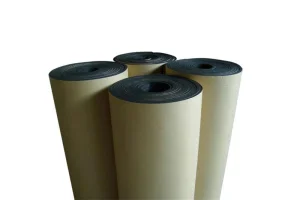
We supply pre-cut, self-adhesive sheets and customized pipe diameters to reduce field installation labor. This reduces job-site scrap rates and project hours.
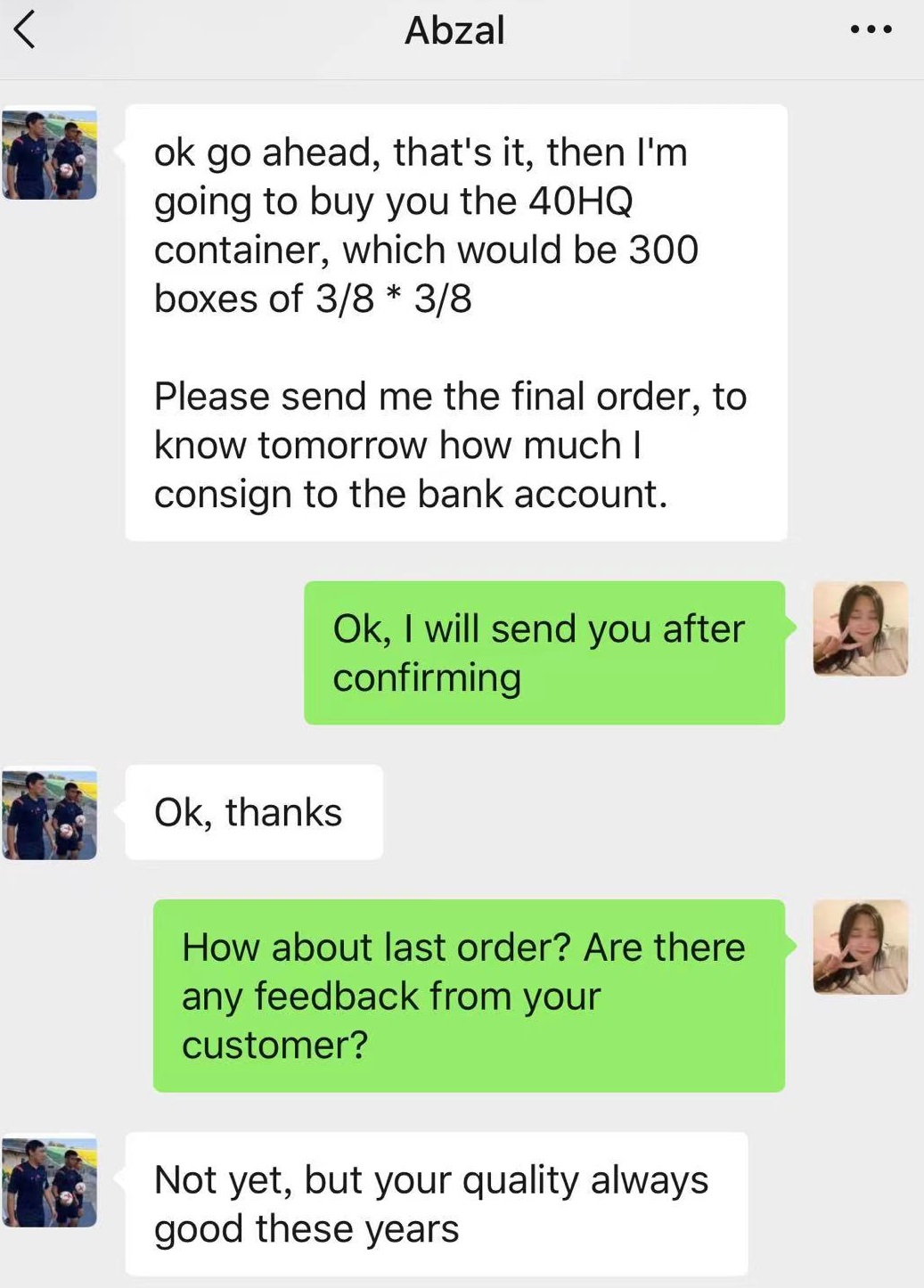
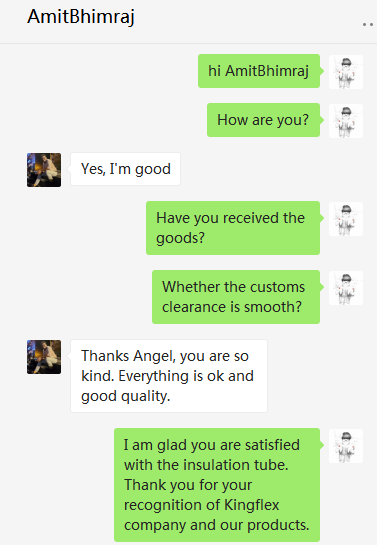
Our commitment to reliable service has built long-term commercial relationships across 66 countries. Below are typical verification and dispatch logs.


It is mainly used for HVAC ducts, air conditioning pipes, building thermal insulation, industrial pipeline cold insulation, and acoustic sound dampening. Its closed-cell structure prevents moisture absorption, making it ideal for systems prone to condensation.
Yes, Kingflex rubber foam insulation is fire retardant. Our products conform to BS 476 Part 7 Class 0/1 and UL94 V-0 certifications, meeting international safety requirements for commercial and residential installations.
Rubber foam is flexible, has a closed-cell structure, and provides high moisture resistance, making it suitable for HVAC systems and cold pipelines. Rock wool is rigid or semi-rigid, offers high temperature resistance (up to 650°C), and is fireproof, making it suitable for high-temperature industrial steam pipes.
Yes, we support comprehensive OEM/ODM services. We can customize sheet thicknesses, pipe inner diameters, self-adhesive backings, and aluminum foil laminations based on project specifications.
Our products have passed BS 476, CE, REACH, RoHS, UL94, and ASTM testing, ensuring compliance with environmental and technical safety guidelines in markets like Europe, North America, and the Asia-Pacific region.
Yes. All shipped batches feature production codes linked to raw materials and QA records. This ensures reliable tracking for commercial building audits.
We produce standard thicknesses from 6mm to 50mm. Specialized multi-layer laminates can be engineered to meet custom thickness requirements for extreme conditions.
Under recommended operating temperatures and proper installation, Kingflex rubber foam insulation systems have a service life of 10 to 15 years.
Fiberglass air ducts provide structural airflow and acoustic dampening but are vulnerable to moisture and vapor penetration. Adding a Kingflex closed-cell elastomeric exterior wrap forms a continuous vapor barrier, preventing condensation and preserving the design R-value of the ductwork.
Contact Kingflex’s engineering department for technical specifications, custom dimensions, and container-level pricing.
Request Wholesale PricelistExplore our specialized low-thermal piping, rock wool boards, and cryogenic thermal barriers designed for demanding projects.