 Kingflex
Kingflex
Kingflex
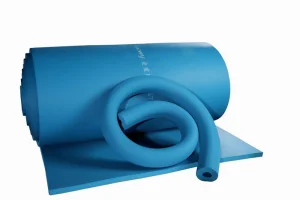
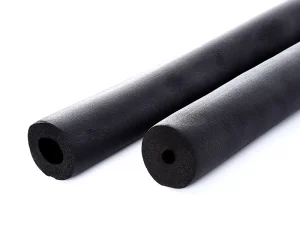
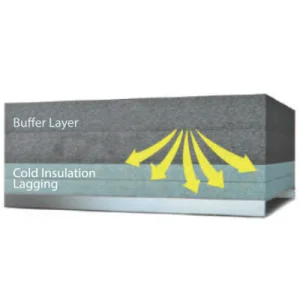
In modern industrial and commercial infrastructure planning, thermal efficiency is no longer merely an operational variable—it is a critical regulator of environmental footprint and process stability. Flexible closed cell elastomeric insulation operates as a fundamental material engineering barrier against heat transfer, moisture intrusion, and surface condensation.
Unlike open-cell materials that require secondary vapor barriers, the built-in micro-cellular configuration of NBR/PVC elastomeric foam features a high density of closed cells (exceeding 98%). This structural topology intrinsically resists water vapor transmission (expressed as μ-factor), rendering it immune to wet-insulation failure, which represents the primary contributor to Corrosion Under Insulation (CUI) in process piping systems worldwide.
In Europe, North America, and parts of the Asia-Pacific region, mechanical building guidelines have tightened. Compliance frameworks such as the European EN 14304 standards and ASTM C534 specify the exact thermal conductivity envelopes required to achieve sustainable mechanical certifications.
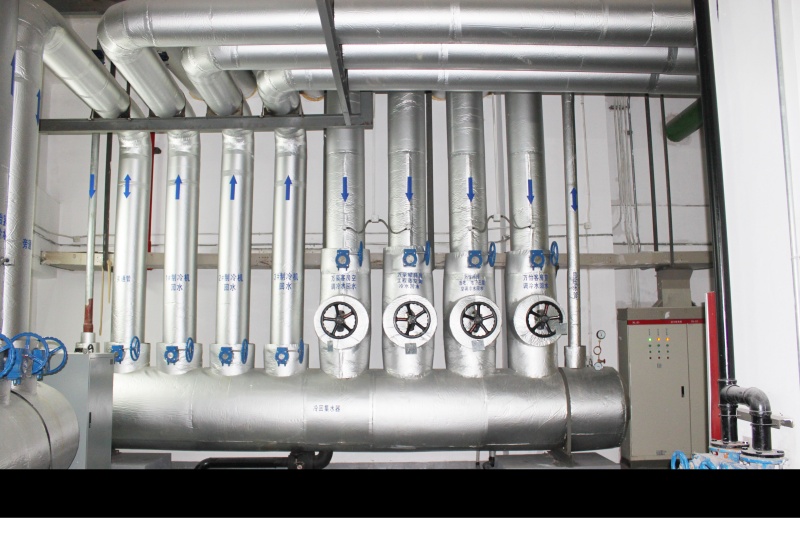
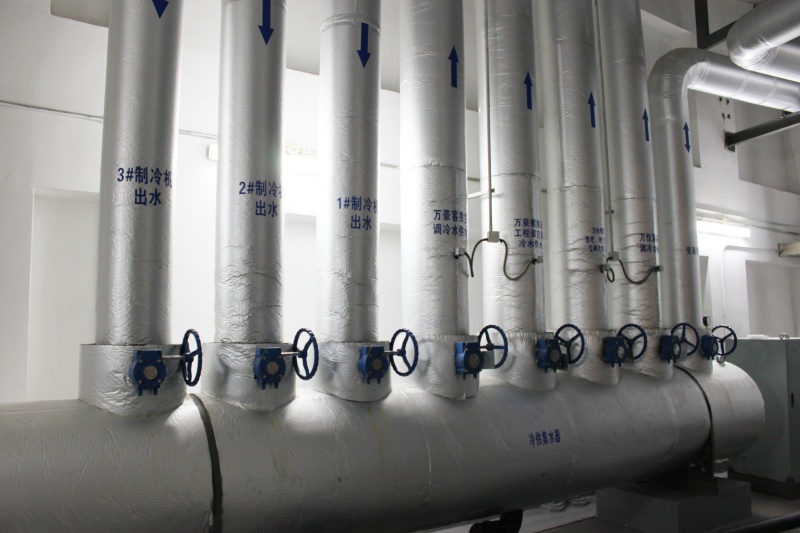
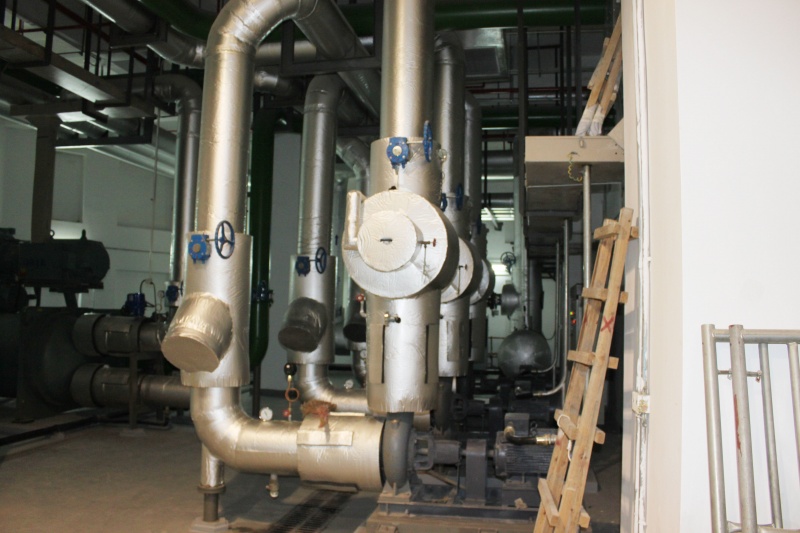
We see an increasing demand for NBR/PVC and EPDM-based elastomeric foams in major commercial nodes: large-scale shopping malls, hyper-scale data centers, cleanrooms, and chemical processing facilities. Data centers, specifically, present a critical growth vector. With cooling systems consuming substantial operational energy, optimizing chillers, cold water loops, and condensate drainage via high-resilience elastomeric insulation prevents high-humidity failure and minimizes parasitic cooling losses.
At the same time, high-temperature industrial processing and low-temperature LNG cryogenic applications represent the extremes. These setups require custom-engineered multilayer systems that combine aerogels, vapor barriers, and flexible elastomeric matrices to resist temperature variations spanning from -200°C to 125°C without material cracking or degradation.
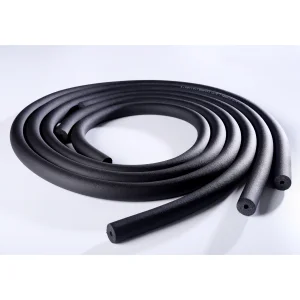
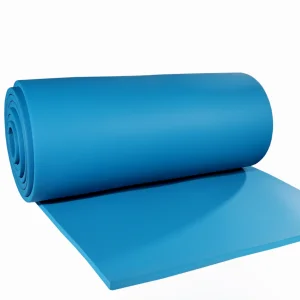
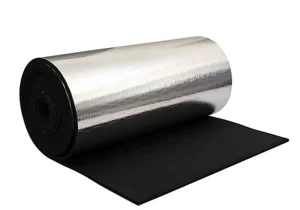
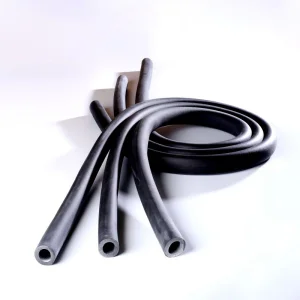
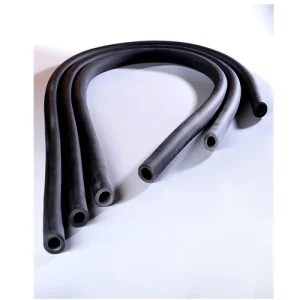
| Performance Metric | Black Rubber Foam Insulation Sheet Roll | Black Rubber Foam Insulation Pipe |
|---|---|---|
| Material Base | Premium Nitrile-Butadiene Rubber / Polyvinyl Chloride (NBR/PVC) Blend | Premium Nitrile-Butadiene Rubber / Polyvinyl Chloride (NBR/PVC) Blend |
| Thickness Range | 6mm to 50mm | 9mm to 40mm |
| Inner Diameter (ID) | N/A (Flat sheet/roll form) | 6mm to 114mm |
| Density Range | 40 to 55 kg/m³ | 40 to 55 kg/m³ |
| Service Temperature Range | -40℃ to 105℃ | -40℃ to 105℃ |
| Closed Cell Structure | ≥ 98% even micro-cellular foam | ≥ 98% even micro-cellular foam |
| Vapor Permeability Resistance | High moisture resistance factor | High moisture resistance factor |
| Compression Resilience | ≥ 80% recovery under standard compression test | ≥ 80% recovery under standard compression test |
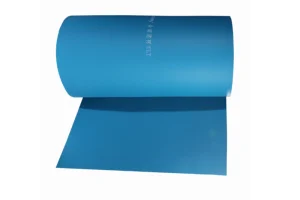
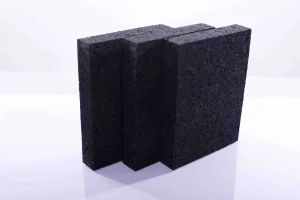
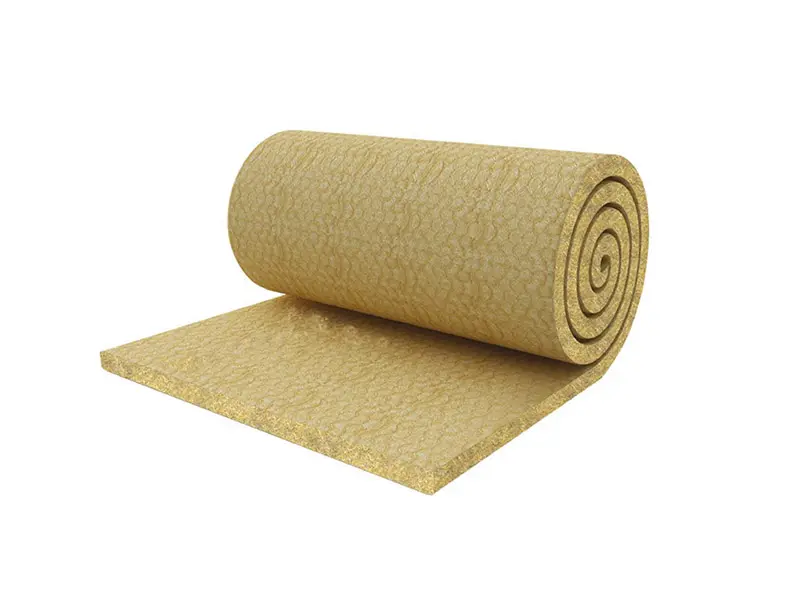
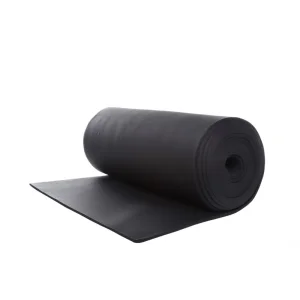
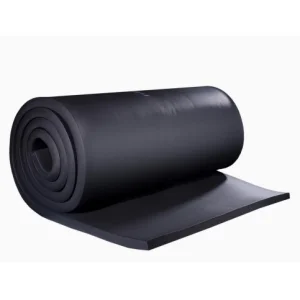
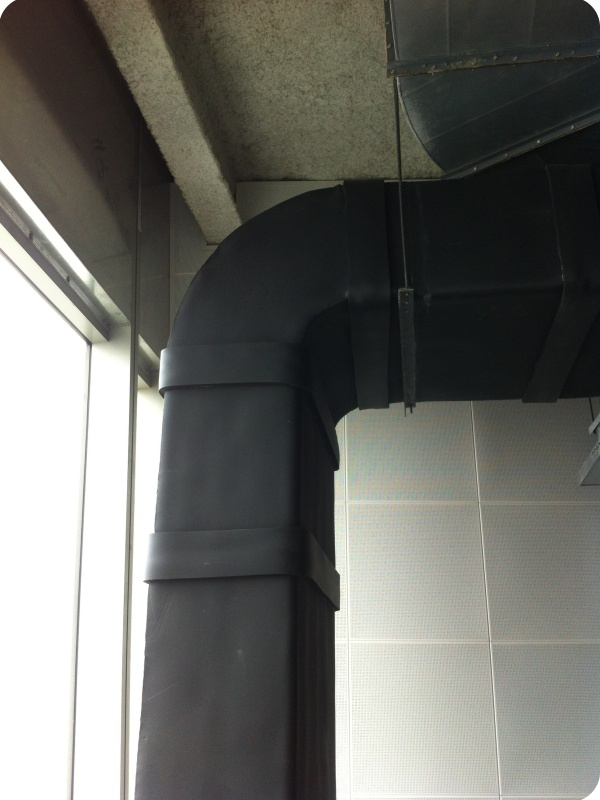
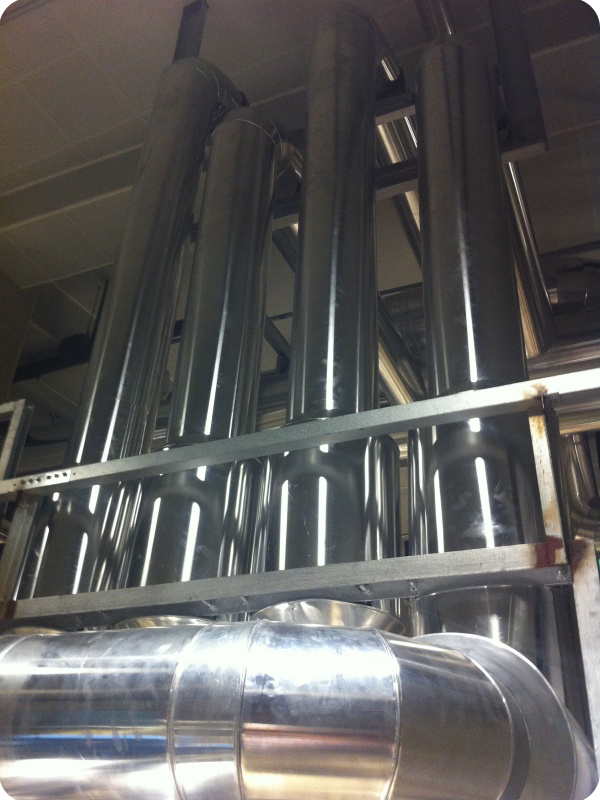
Ideal for flat, curved, or large-diameter profiles, including large HVAC air ducts, tanks, fittings, and industrial storage domes.
Central air conditioning ducts, building envelope thermal insulation (wall, roof, basement), railway transit vehicles, chemical pipeline protection, and cold storage room partitions.
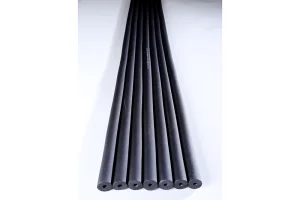
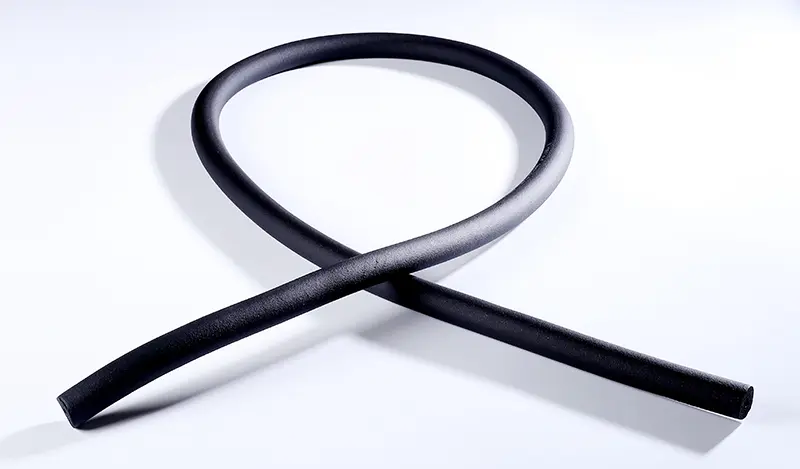
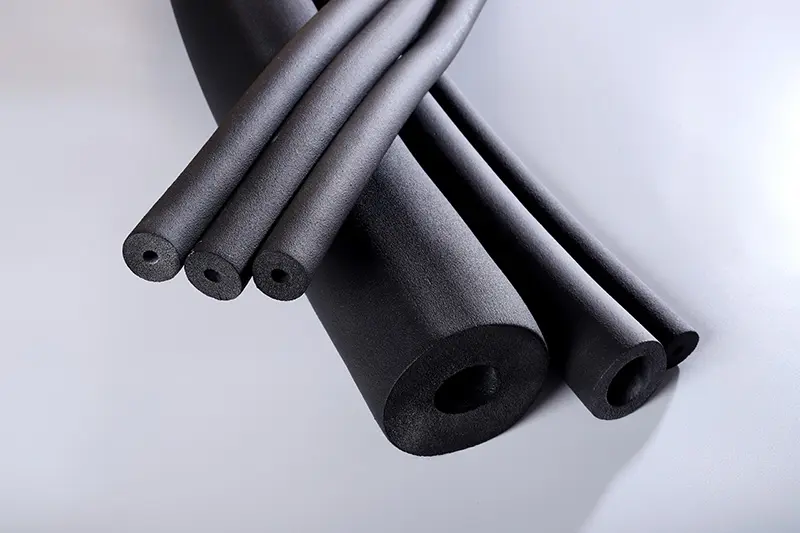
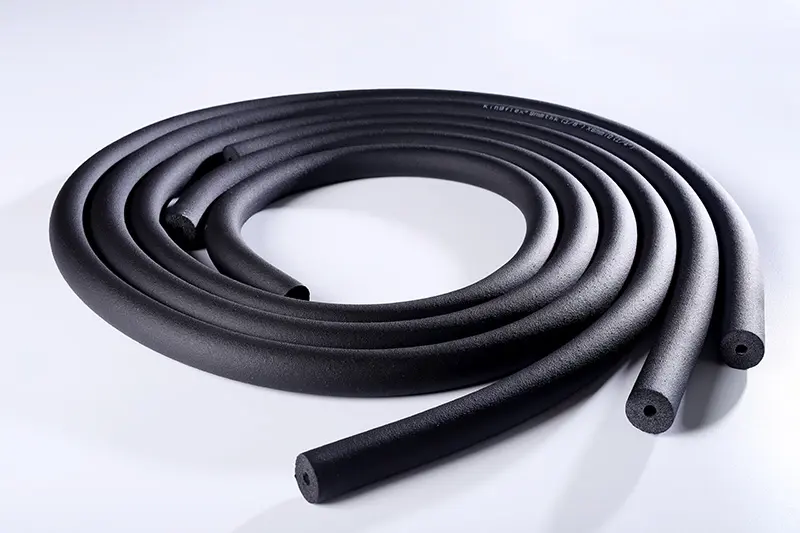
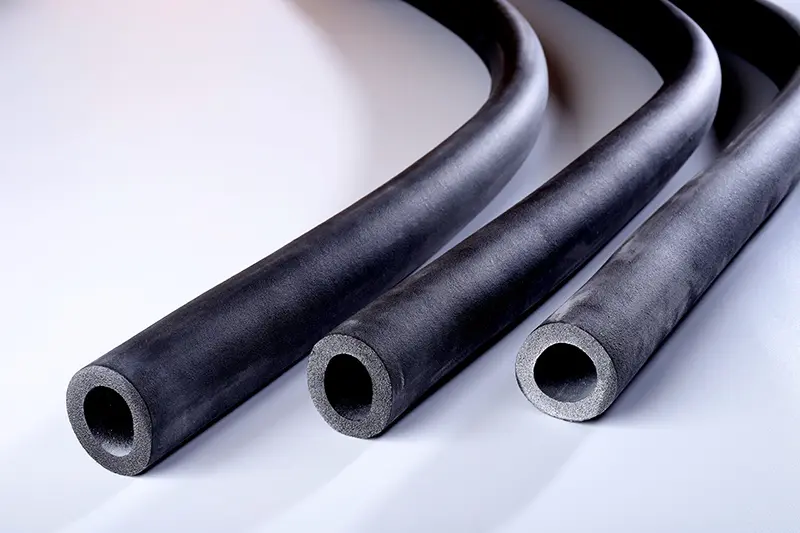
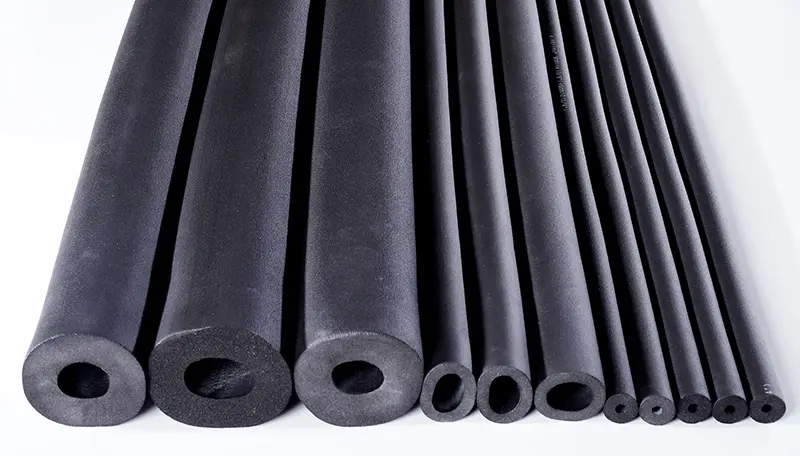
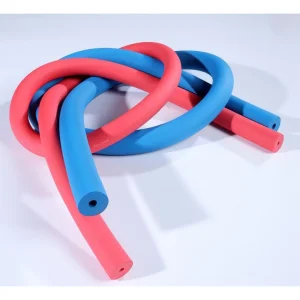
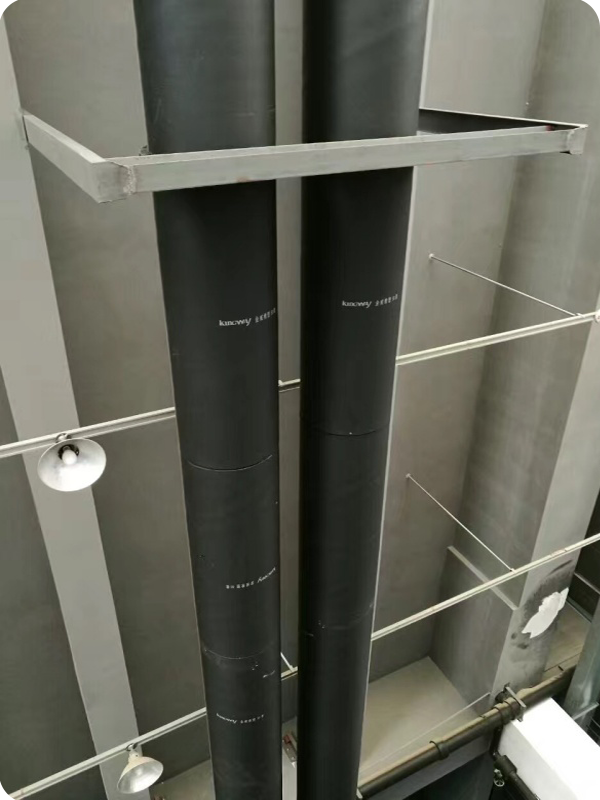
Tailored for direct tube installation on mechanical pipelines, hot/cold water loops, and chemical transfer lines.
HVAC chilled/hot water pipes, condensate loops, domestic water distribution (anti-freezing), industrial steam lines, clean room plumbing, and high-safety environments (hospitals, labs).
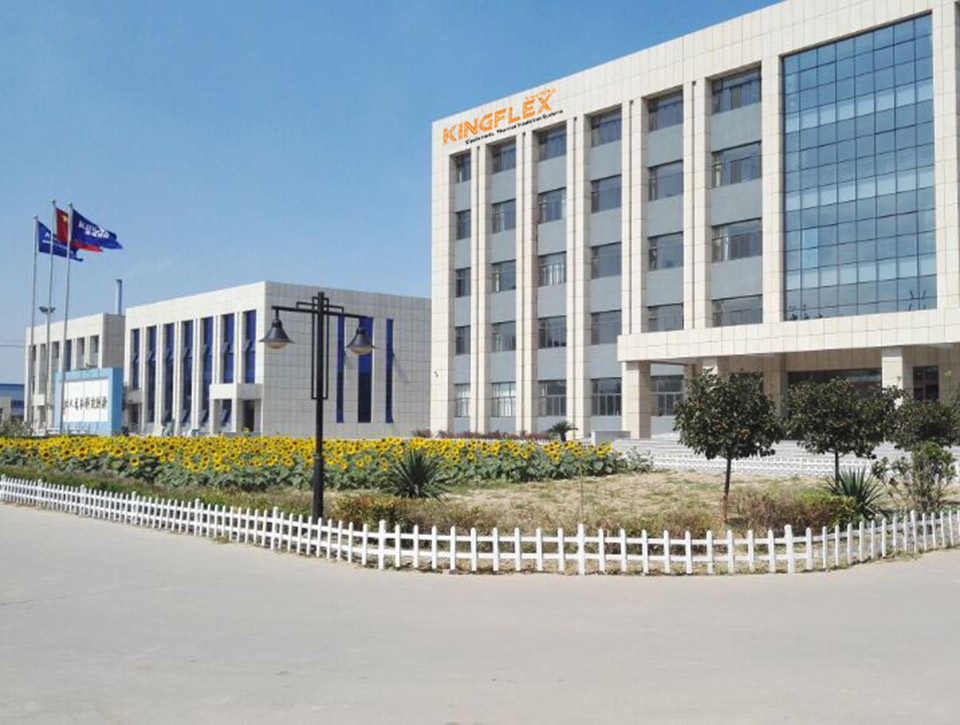
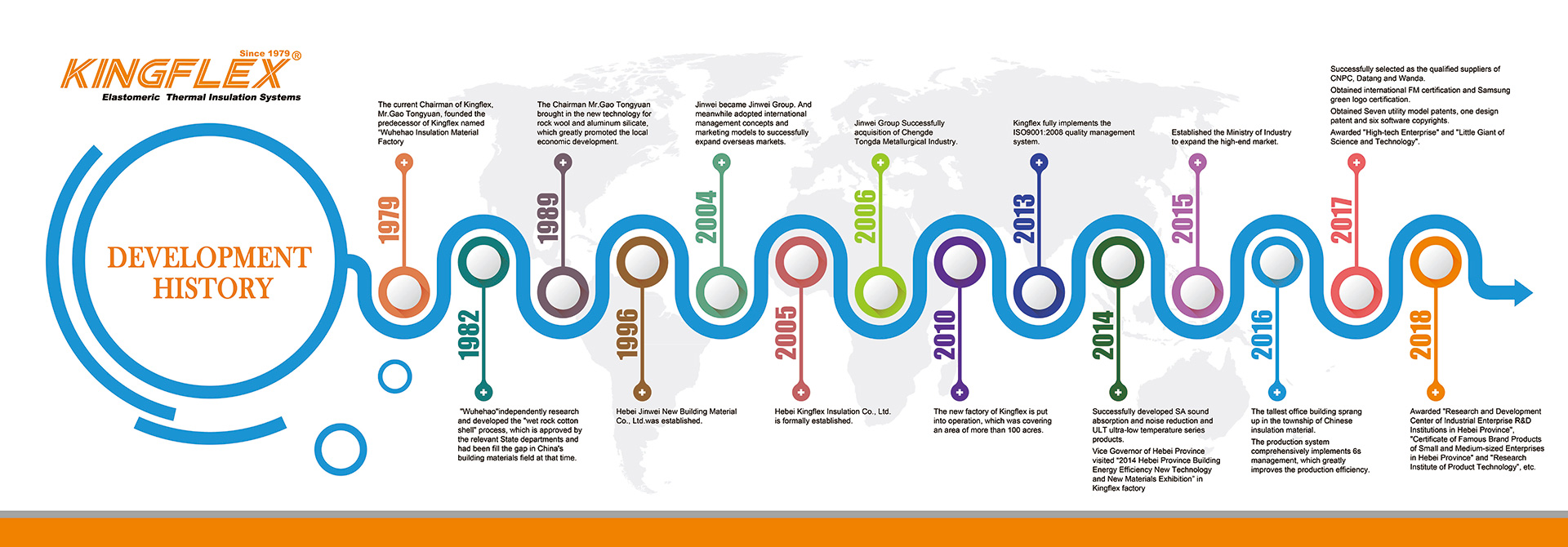
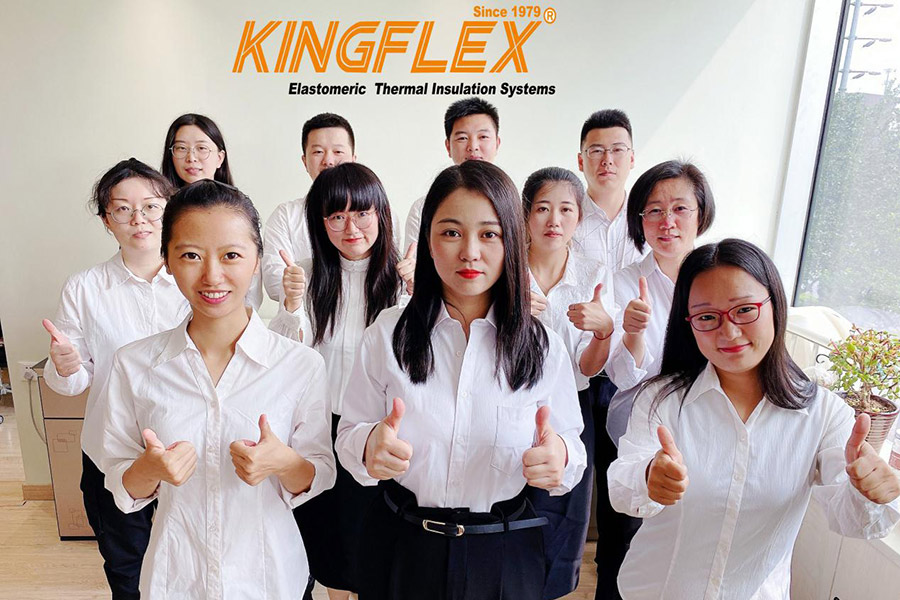
Kingflex Insulation Co., Ltd. operates as a professional manufacturing and trading combo for thermal insulation systems. Our central research development and manufacturing base is located in Dacheng, China—a region recognized as the capital of energy-saving building materials. As an energy-efficient enterprise, we prioritize resource conservation, low environmental impact, and verified material performance.
We serve the global market through a comprehensive cycle of support: pre-project engineering consultation, target R&D, structural design, installation guidelines, and post-installation traceability. We ensure that our customers receive customized and verified components appropriate for their region's regulatory requirements.
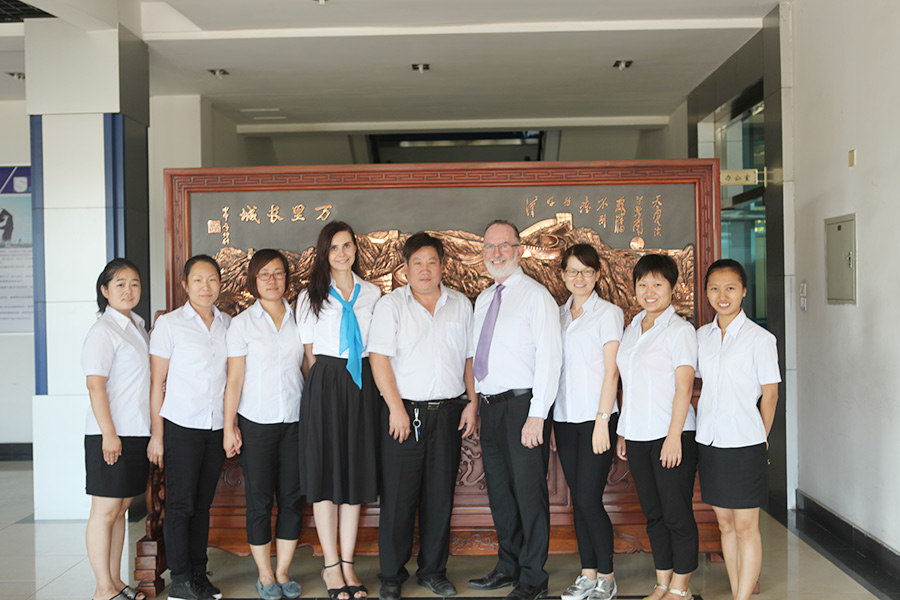
Our workforce is a tight-knit, talented group with a shared vision of delivering consistent, high-standard solutions. Kingflex employs eight dedicated research and development engineers, 6 international sales consultants, and 230 technicians and manufacturing operatives. Our production systems feature 5 automated, continuous assembly lines, placing us as a designated supplier for chemical, energy, and electric power infrastructure projects.
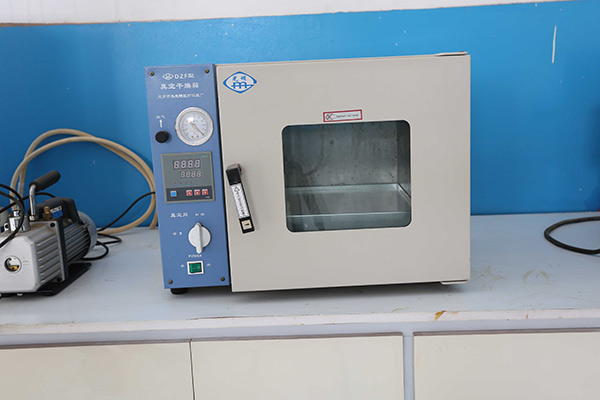
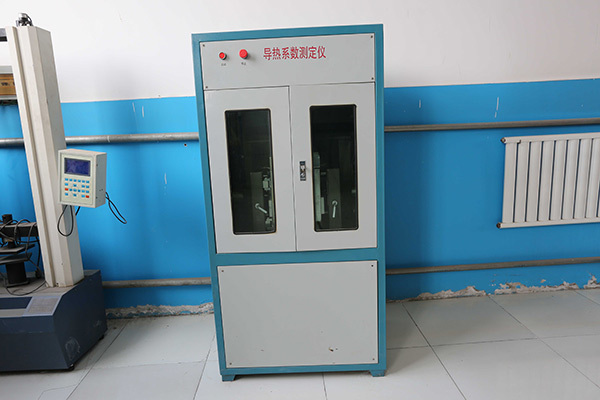


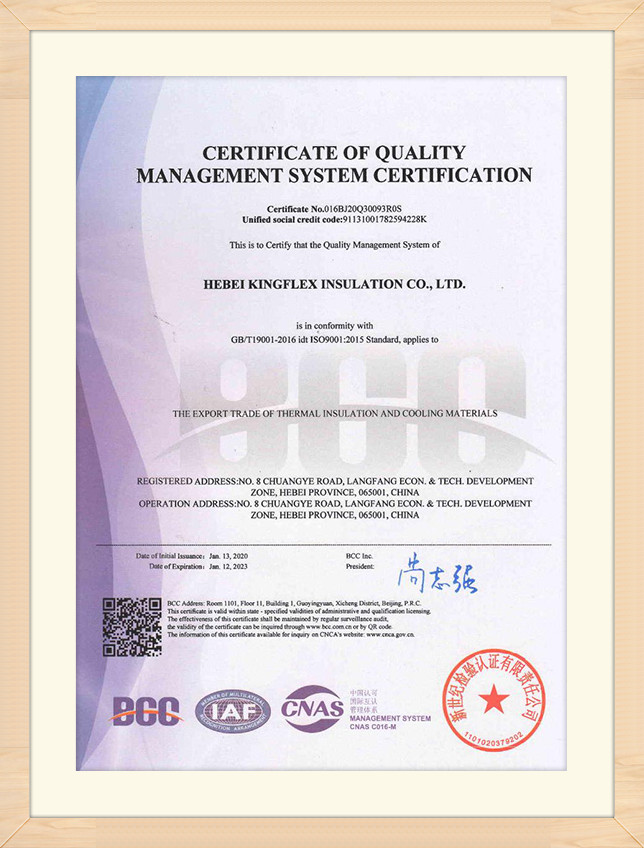
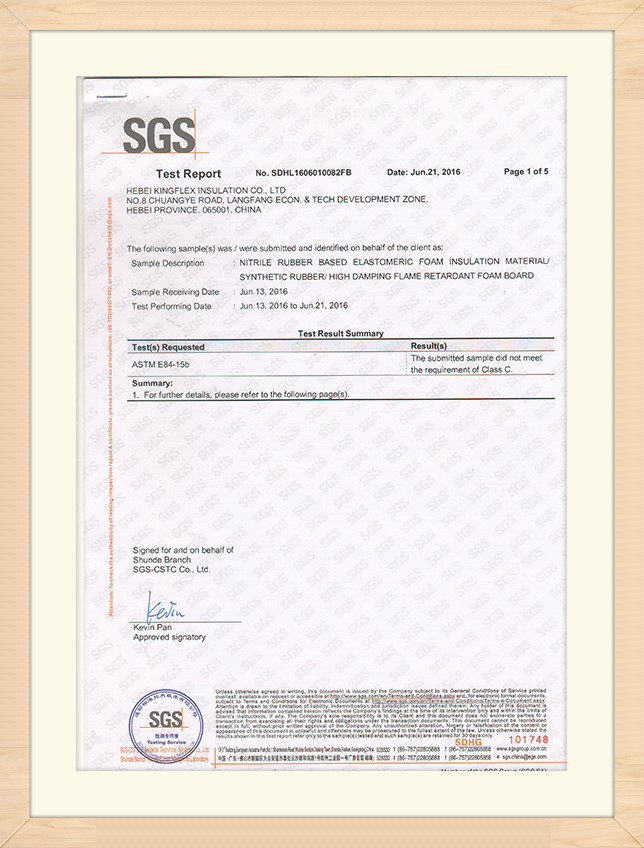
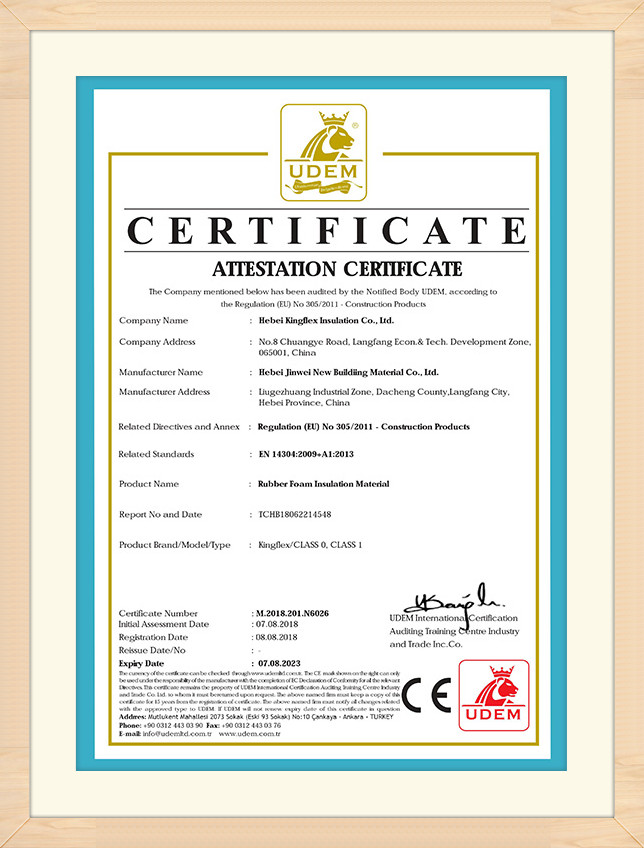
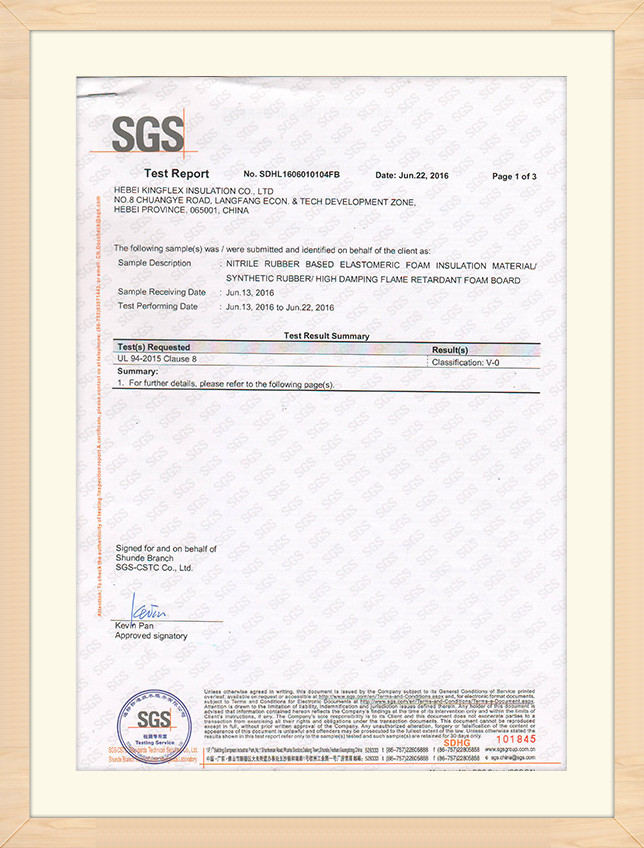
To operate seamlessly in global supply chains, our products are third-party tested and certified according to key performance frameworks. We strictly conform to:
Each production batch includes a digital tracking code, enabling post-installation quality audits at construction and refinery sites.
Hot and Humid Coastal Regions: In areas like Southeast Asia, high atmospheric humidity leads to rapid condensation on chilled lines, accelerating CUI. Installing our 98%+ closed-cell NBR/PVC insulation ensures moisture does not saturate the matrix, preserving system thermal resistance.
Sub-Zero Industrial Processing: In freezing regions, liquid water in pipelines expands and cracks uninsulated components. Our elastomeric pipe insulation, with a density of 40-55kg/m³, acts as an elastic shell that cushions thermal contractions and blocks ice accumulation.
As standard fossil-based chemical feedstocks shift toward circular chemistry, our R&D roadmap focuses on sourcing plant-derived bio-resins. Replacing a portion of the synthetic NBR/PVC polymer matrix with bio-based alternatives allows us to lower the carbon footprint of our manufacturing process while preserving key properties like flexibility, flame retardancy, and low thermal conductivity.
Additionally, we are investigating aerogel-infused elastomeric formulas. By incorporating silica aerogel particles directly into the elastomeric mixture before vulcanization, we aim to lower the thermal conductivity coefficient to below 0.028 W/(m·K). This modification will allow installers to use thinner insulation layers, which is highly beneficial in space-constrained layouts like high-density ship compartments, aerospace modules, and compact server racks.


It is primarily applied in thermal control for commercial and industrial piping, large-scale HVAC air ducts, domestic plumbing, process chemical storage tanks, cooling systems, and acoustic insulation projects to prevent energy loss and surface sweating.
Yes, our formulations include non-halogenated flame retardants that meet international flame spread and smoke criteria (including BS 476 Part 7 Class 1, UL94, and ASTM standards), ensuring self-extinguishing safety profiles.
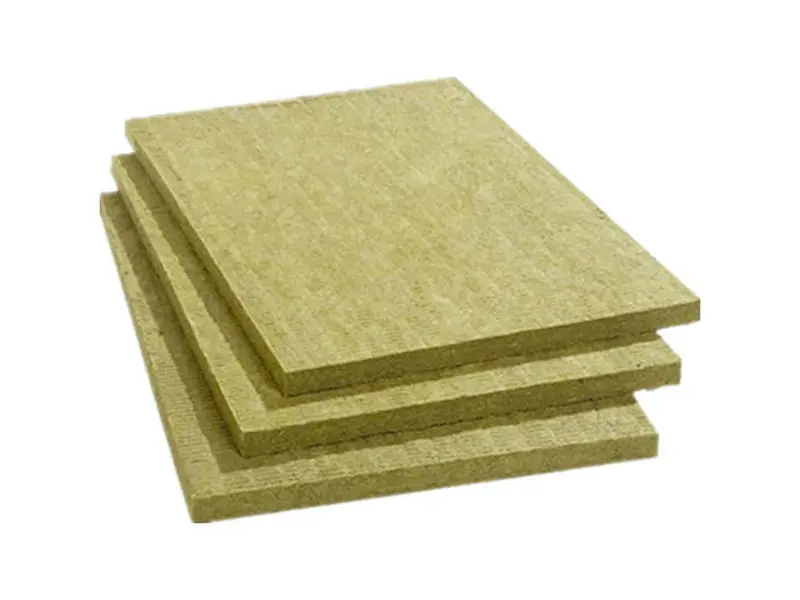
Rubber foam has a flexible, closed-cell structure with high moisture resistance, making it ideal for systems prone to condensation, like HVAC systems. Rock wool is a fibrous, open-structure mineral material that is highly heat-resistant, making it suitable for high-temperature steam lines but requiring separate vapor barrier wraps.
Yes. We support custom dimensions, thicknesses (from 6mm to 50mm for sheets), density variations, surface laminations (such as aluminum foil cladding), and OEM manufacturing for private brands.
Our products have completed standard verification protocols and hold CE, BS 476, REACH, RoHS, UL94, and ASTM certifications, ensuring compliance with building and industrial regulations worldwide.
Yes. Every production batch is traced through a system code marked on the packaging, documenting raw material quality, vulcanization metrics, and quality inspector records.
We manufacture standard and custom rolls with thicknesses ranging from 6mm up to 50mm, adapting to varying local condensation challenges and ambient thermal differentials.
Under normal design conditions (shielded from direct ultraviolet radiation or wrapped with protective claddings), the typical service life ranges from 10 to 15 years while maintaining stable physical properties.