 Kingflex
Kingflex
Kingflex
Explore our top-tier industrial thermal solutions engineered for low-temperature pipelines, acoustic noise dampening, and central air systems.

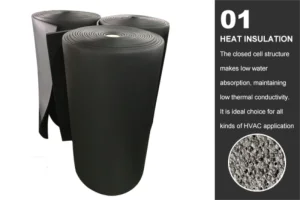
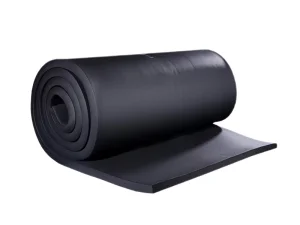
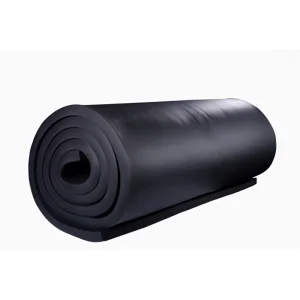
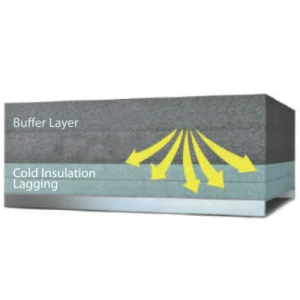
Modern commercial and industrial architectural designs demand high operational energy efficiency. Heating, Ventilation, and Air Conditioning (HVAC) systems constitute up to 40% of a building's net electrical consumption. In these configurations, air ducts behave as the vascular network of the structure, conveying thermal energy across immense spatial spans. Uninsulated or poorly insulated AC ducts suffer from severe thermodynamic degradation, primarily driven by thermal conductivity differentials and convective heat transfers.
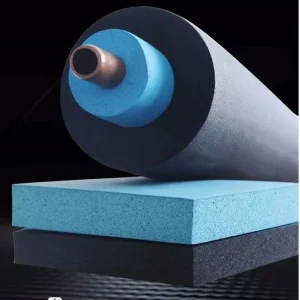
Integrating elastomeric closed-cell rubber foam insulation forms an impervious boundary layer against thermal dissipation. The core mechanism hinges on the micro-encapsulation of inert gas pockets within the cross-linked polymeric matrix. Because gases possess exceptionally low kinetic molecular motion compared to solids or liquids, the thermal conductivity (λ) of the material is kept to a absolute minimum (≤ 0.034 W/m·K at 0°C). Consequently, cold air traveling through supply lines remains uninfluenced by high ambient ceiling-cavity temperatures, effectively arresting condensation and minimizing localized cooling loss.
Condensation occurs when the temperature of a metal duct surface falls below the dew point of the surrounding air. Moisture droplets accumulate, giving rise to structural mold, structural decay, and structural ceiling water damage—a phenomenon widely referred to as "sick building syndrome."
By installing Kingflex elastomeric insulation with a high water vapor diffusion resistance factor (μ ≥ 10,000), the migration of ambient humidity is completely arrested. The closed-cell profile prevents moisture from wicking through the material, maintaining structural integrity and thermal impedance over a long lifespan of 10 to 15 years.
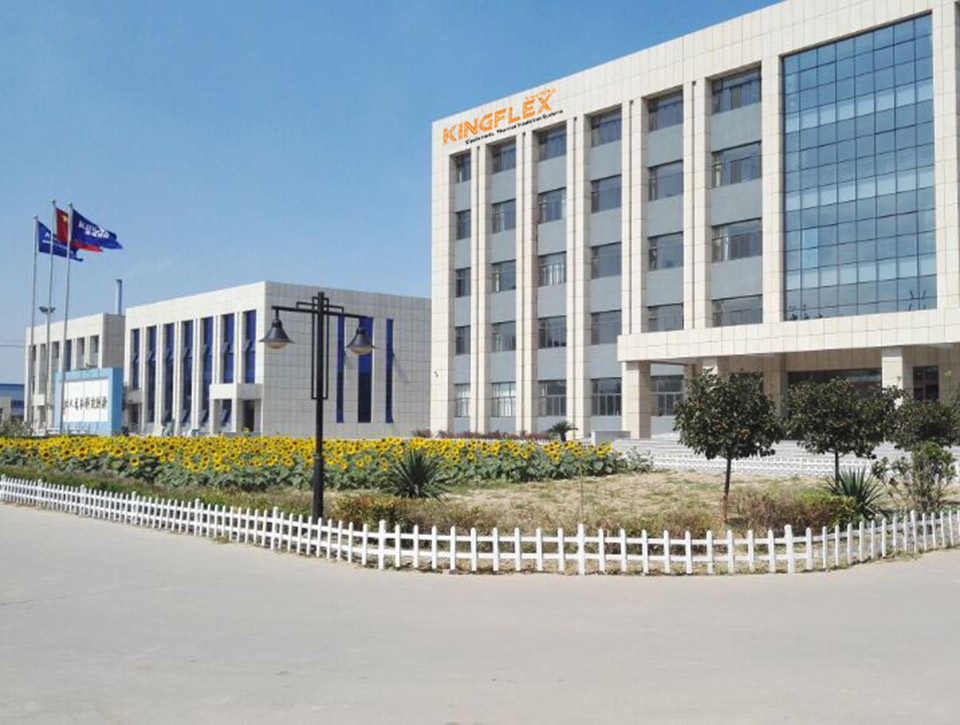
Kingflex Insulation Co., Ltd. is a leading professional manufacturing and trading combo for thermal insulation products. Headquartered in Dacheng, China—widely recognized as the capital of green-building materials—Kingflex stands as an energy-saving, environmentally friendly enterprise concentrating on research, development, production, and worldwide sales.
In every phase of our operations, Kingflex prioritizes carbon footprint reduction and minimal energy consumption. We deliver comprehensive insulation solutions via deep consulting, innovative R&D, precision installation guidance, and dedicated post-sale support, steering the global building materials industry toward a greener future.
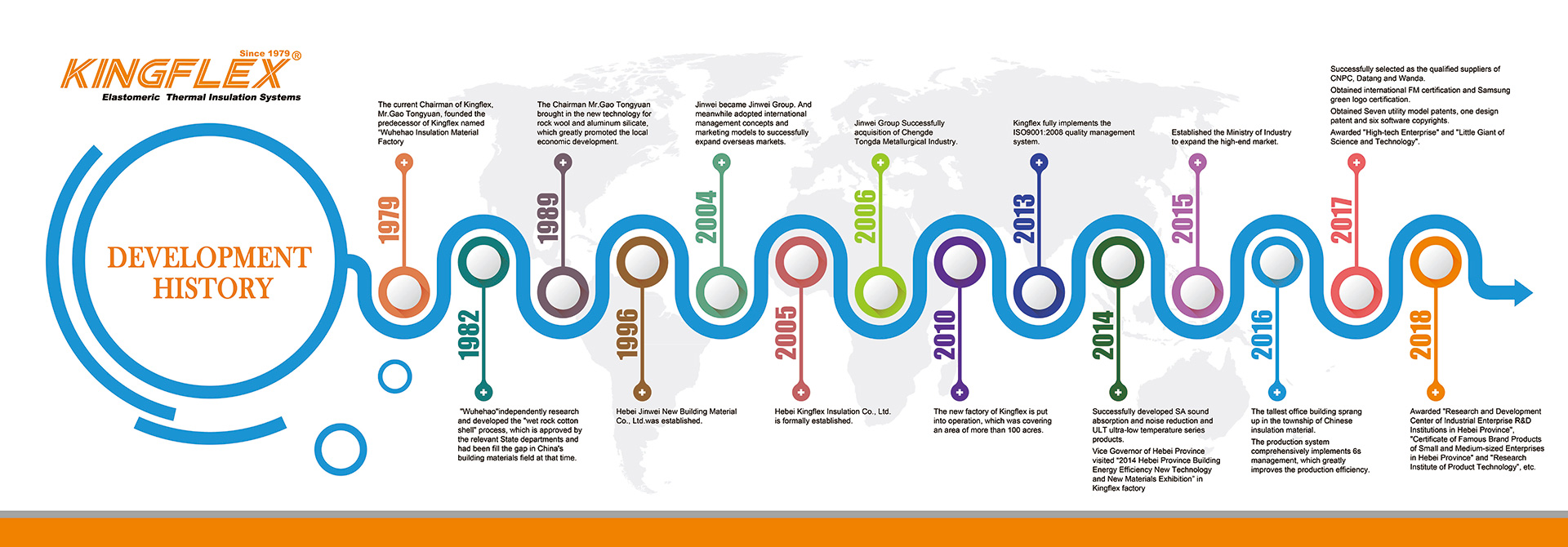
Established under the aegis of the Jinwei Group, which boasts a historical foundation dating back to 1979. Over the past 40 years, the group has evolved into a premier manufacturer of thermal insulation materials north of the Yangtze River, paving the way for thermal material breakthroughs.
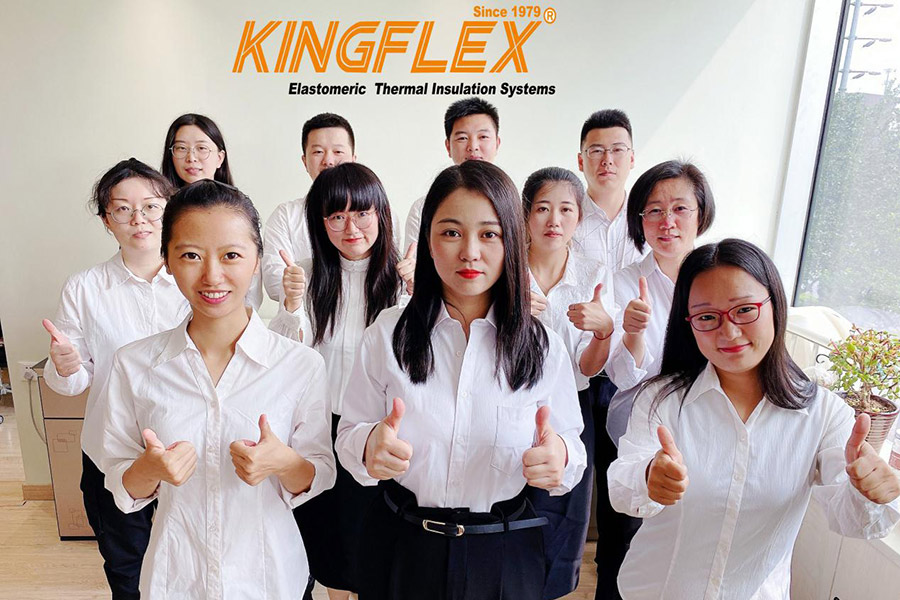
Our organization benefits from a shared vision of first-class service delivery. The technical backbone consists of 8 professional engineers in the R&D Department, 6 international sales specialists, and 230 workers in the production department, working in perfect synergy.
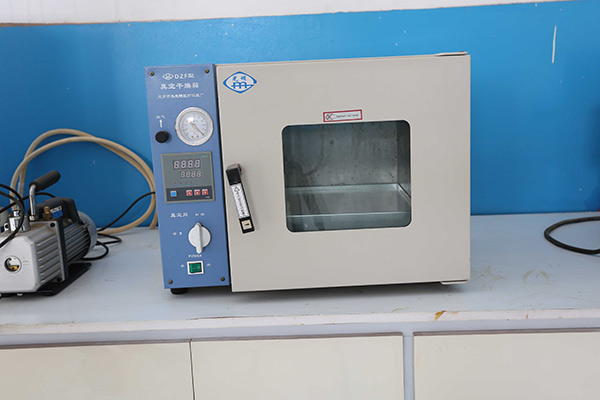
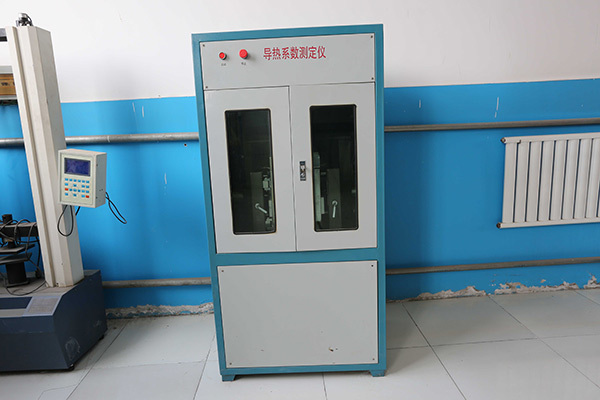
Equipped with sophisticated materials labs, our R&D sector focuses on enhancing elastomeric structures. By optimizing PVC/NBR polymers, we achieve improved density ranges, lower thermal conductivity, and higher fire performance ratings for demanding environments.
Selecting the optimal insulation material depends on the operating temperature, mechanical load, and moisture levels of the installation. Below is a comparative breakdown of closed-cell elastomeric rubber foam and traditional rock wool insulation:
| Performance Metric | Closed-Cell Rubber Foam (NBR/PVC) | Rock Wool Insulation |
|---|---|---|
| Material Structure | Elastomeric closed-cell structure (>98% cell sealing) | Fibrous open-pore structure |
| Thermal Conductivity (λ) | ≤ 0.034 W/m·K at 0°C (Highly consistent) | ≤ 0.040 W/m·K at 25°C (Degrades when wet) |
| Moisture Resistance (μ) | μ ≥ 10,000 (Inherent vapor barrier) | Requires external vapor cladding (vulnerable to water) |
| Service Temp Range | -40°C to +105°C (Perfect for chilled and hot water/air) | Up to 650°C (Preferred for heavy industrial steam) |
| Mechanical Flexibility | Excellent, elastomeric resilience >80% | Rigid, brittle, prone to settling or cracking |
| Dust & Fiber Hazard | Zero fiber emission, completely hypoallergenic | Releases micro-fibers, requires skin/lung protection |

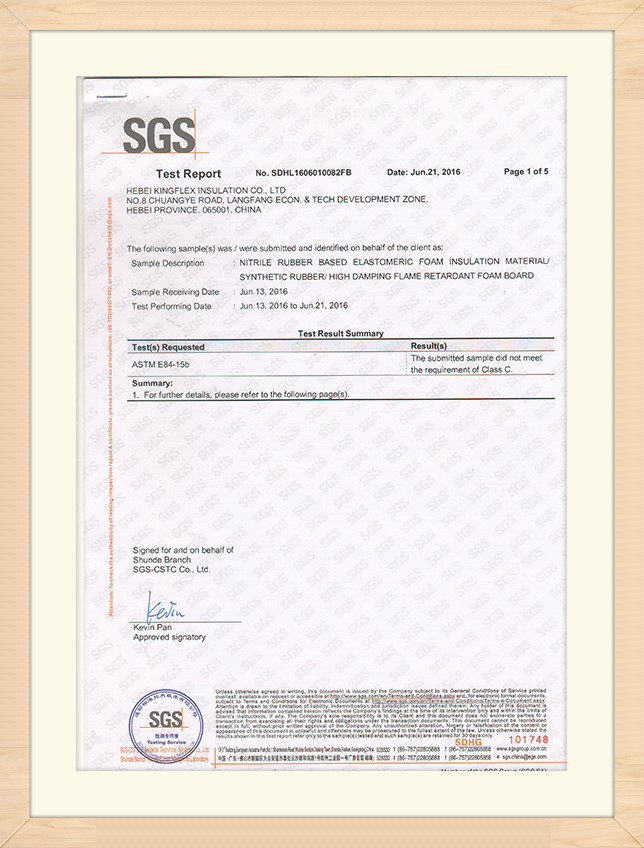
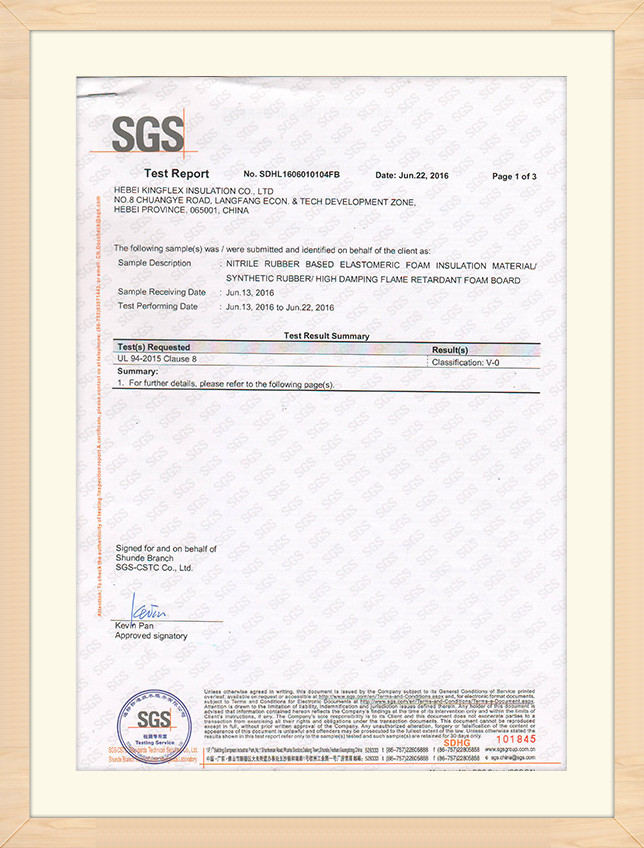
Our NBR/PVC elastomeric rubber foam exhibits class-leading behavior under fire exposure conditions. Unlike open-pore rock wool which may absorb flammable solvents or grease in industrial settings, the closed-cell rubber structure is self-extinguishing and will not fuel the spread of fire. Kingflex products satisfy stringent local and international fire ratings, including BS 476, CE, REACH, RoHS, UL94, and ASTM. This level of safety makes it the material of choice for high-occupancy structures such as airports, data centers, hospitals, and educational institutions.
Different climate zones and commercial demands dictate specialized insulation approaches. Below, we look at how Kingflex solutions are tailored to meet unique environmental and installation conditions:
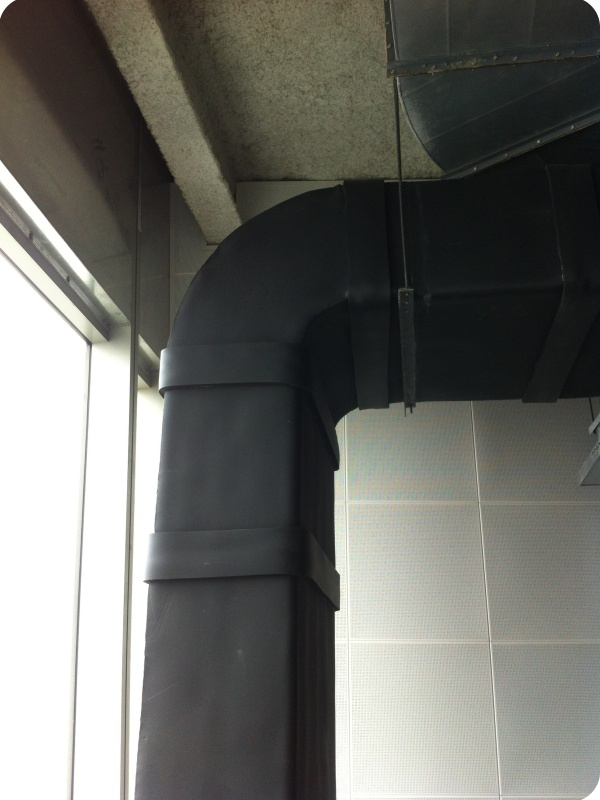
In high-rise offices, retail centers, and residential complexes, chilled water pipes and ductwork run through unconditioned zones. Kingflex closed-cell sheets wrap around rectangular and round ducts to prevent exterior condensation, maintaining a dry, sterile plenum space while reducing cooling system load.
LNG transportation, petrochemical process pipelines, and food manufacturing facilities depend on cryogenic liquid stability. Our low-density elastomeric insulation prevents pipe cracking by accommodating freeze-thaw cycles, maintaining elasticity down to cryogenic temperatures.
Refineries, chemical processing plants, and power stations require strict temperature management across massive pipeline frameworks. Minimizing ambient thermal gains ensures processing reactions remain stable, preventing costly production bottlenecks and energy waste.
In highly humid regions like Southeast Asia or coastal zones in the Gulf region, ambient humidity regularly exceeds 85%. Standard fibrous materials quickly absorb moisture, causing mold growth and rendering the insulation useless. Kingflex's closed-cell design resists water vapor transmission, offering dependable thermal protection in harsh, tropical climates.
Conversely, in sub-zero locales like Northern Europe and Canada, our insulation keeps outdoor hot water systems and steam supply lines from freezing. The material's physical elasticity down to -40°C prevents cracking under extreme thermal contraction, minimizing piping ruptures and maintenance costs.
Beyond thermal performance, acoustic isolation is essential in modern workspaces. High-velocity air movement inside metal ducts creates vibration, resulting in distracting noise. Kingflex elastomeric acoustic panels absorb mid-to-high frequency vibrations, acting as an acoustic decoupling barrier that keeps commercial interiors quiet and comfortable.
As a leading supplier in the thermal insulation industry, Kingflex offers reliable supply chain security, cost control, and high production capacity. Based in Dacheng, China, our advanced manufacturing infrastructure enables us to serve large global projects without delay.
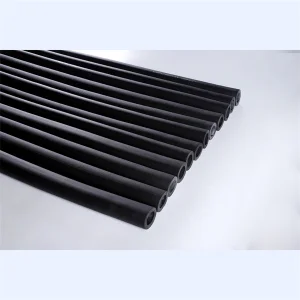
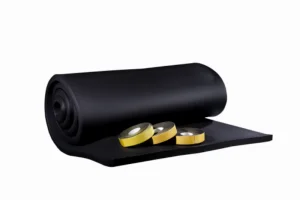
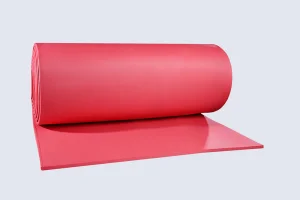
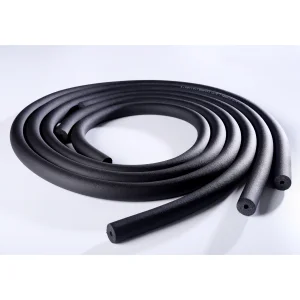
Explore our specialized closed-cell thermal sheets, self-adhesive rolls, and high-density tubes engineered for industrial durability.
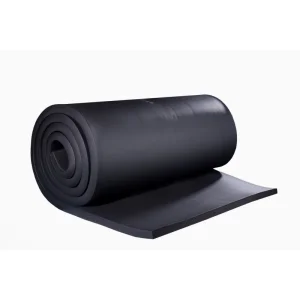
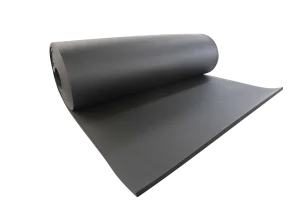
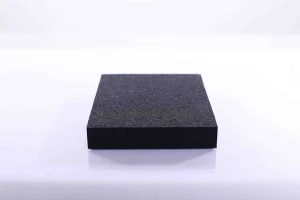
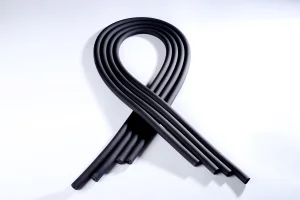
Driven by global carbon reduction mandates, the thermal insulation sector is transitioning toward smarter, more sustainable materials. Kingflex's engineering team actively designs next-generation insulation systems that combine low thermal footprint with long-term durability:
Conventional synthetic rubber relies heavily on petrochemical feedstocks. Kingflex is currently research testing bio-based elastomers and post-consumer recycled polymers to formulate closed-cell foams. This transition aims to reduce embodied carbon footprint by 30% while retaining high flame retardancy and thermal efficiency.
Large-scale commercial buildings face challenges in locating hidden duct leaks. We are testing elastomeric sheets embedded with ultra-thin moisture sensors. These sensors alert maintenance teams to thermal breaks or internal condensation before moisture can damage ceilings, enabling proactive building maintenance.

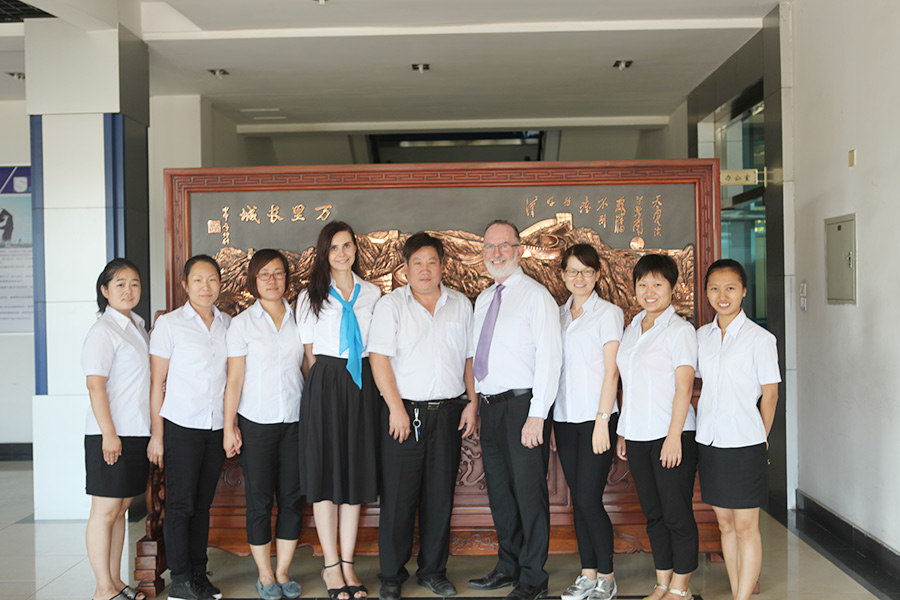
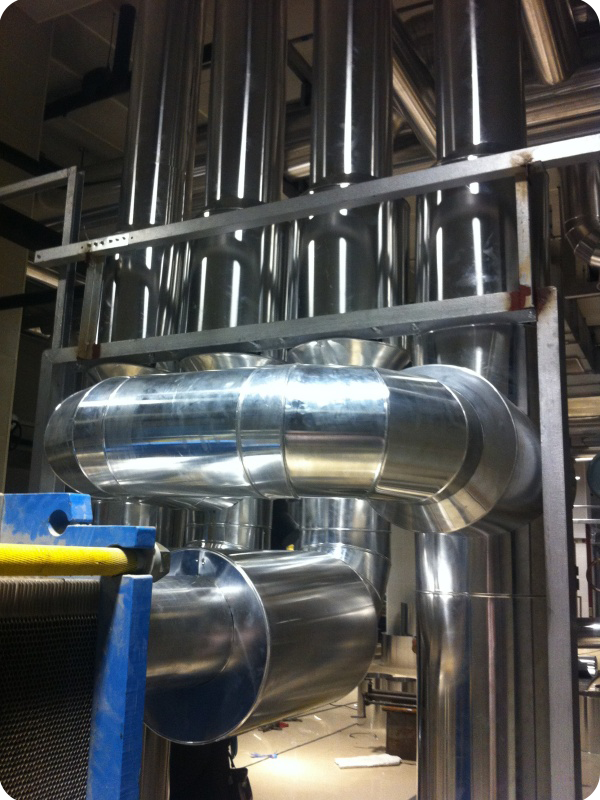
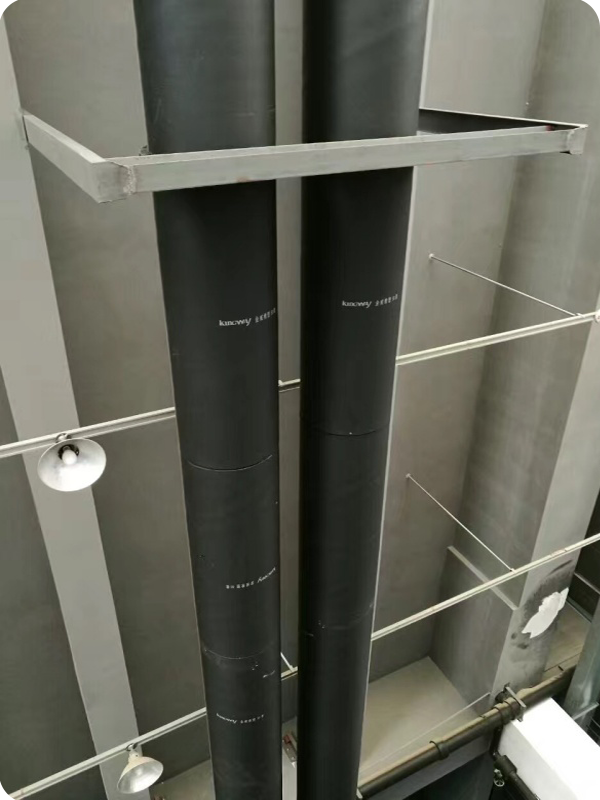
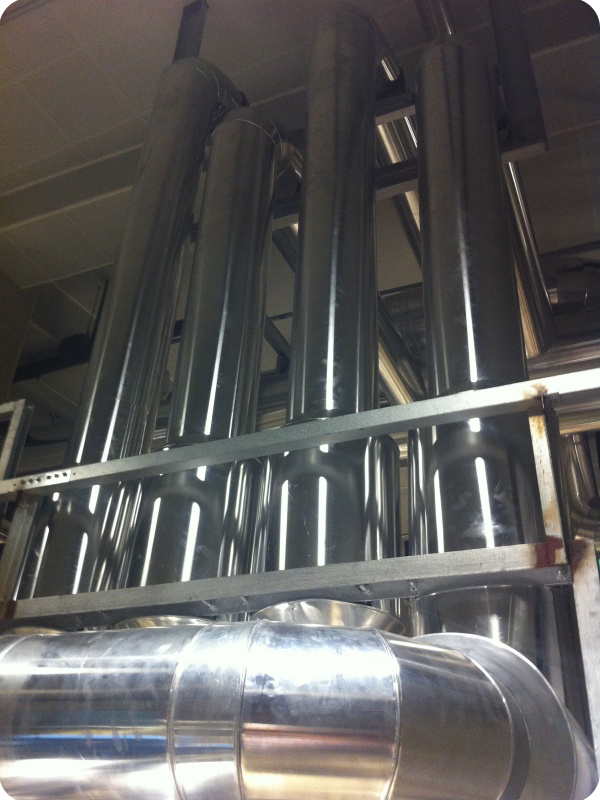
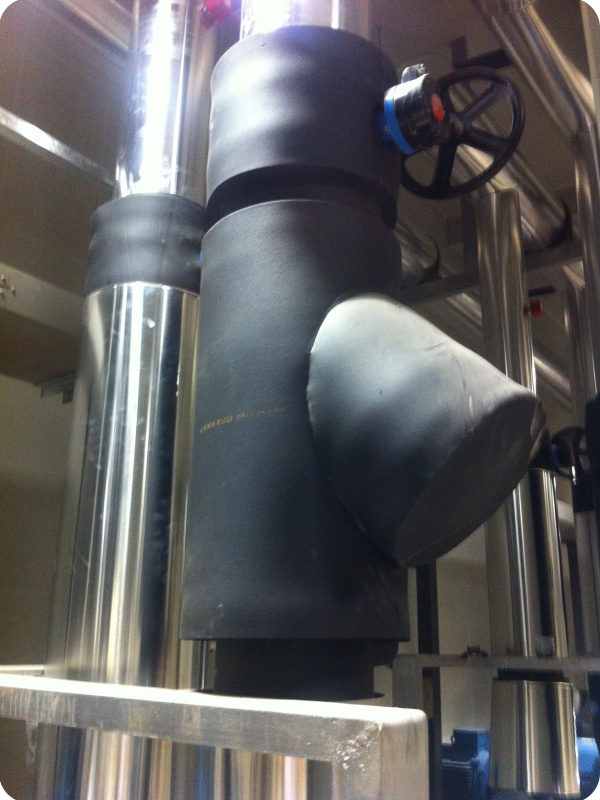
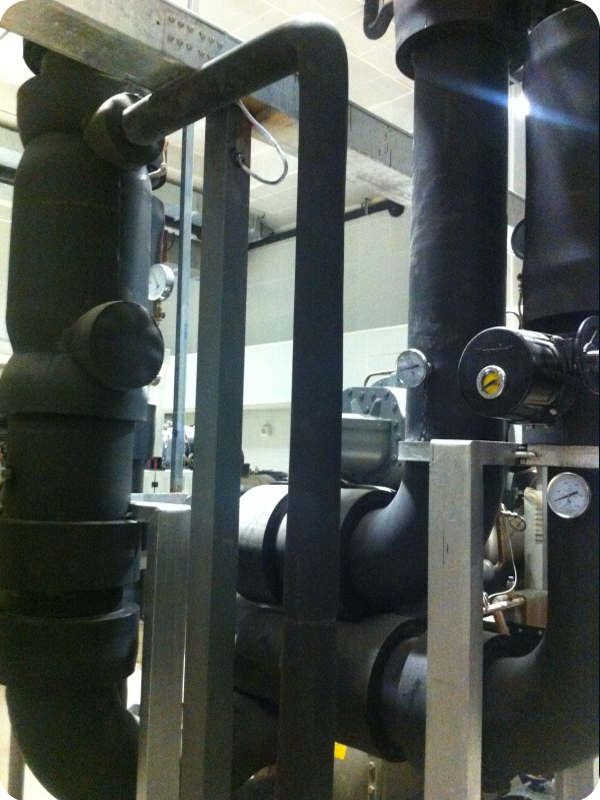
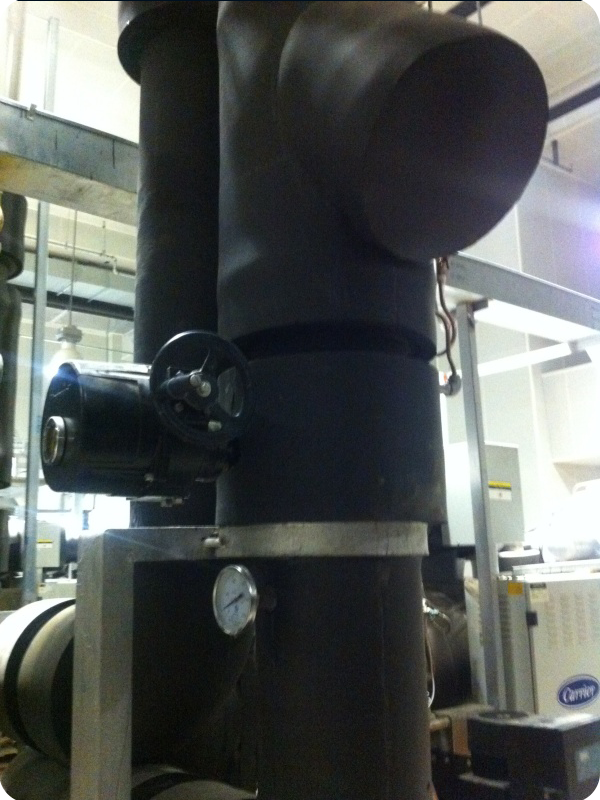
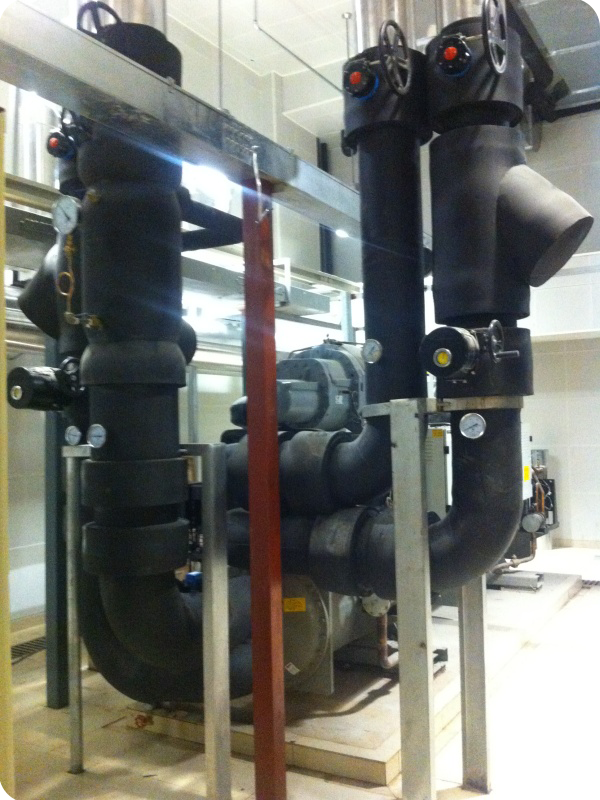
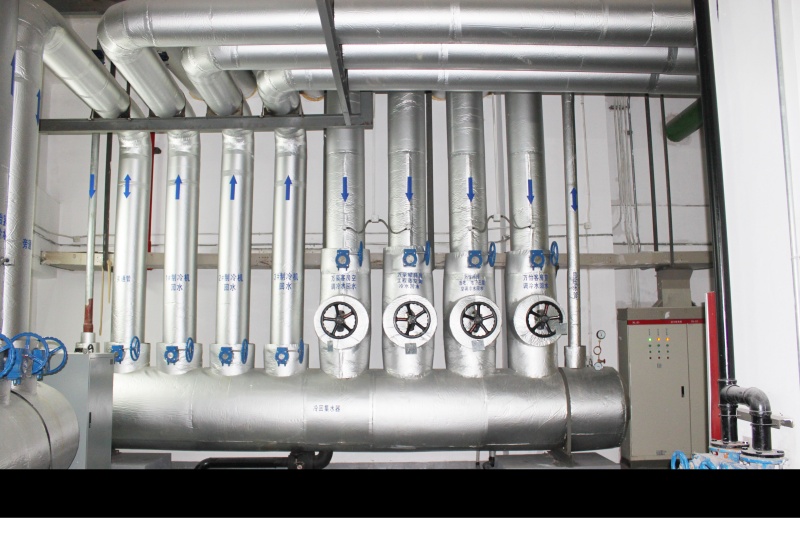
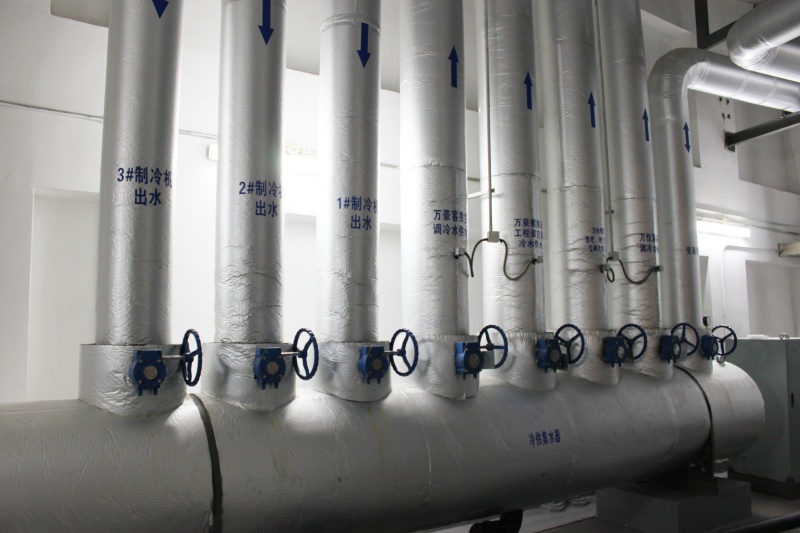
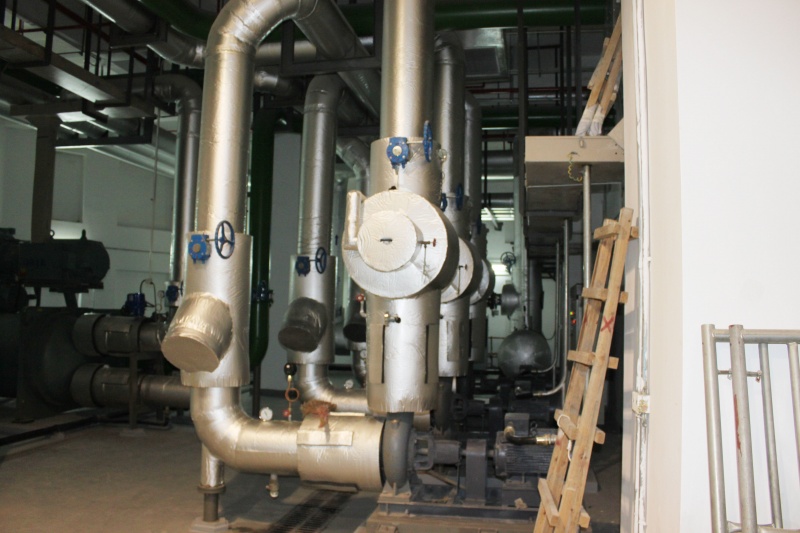
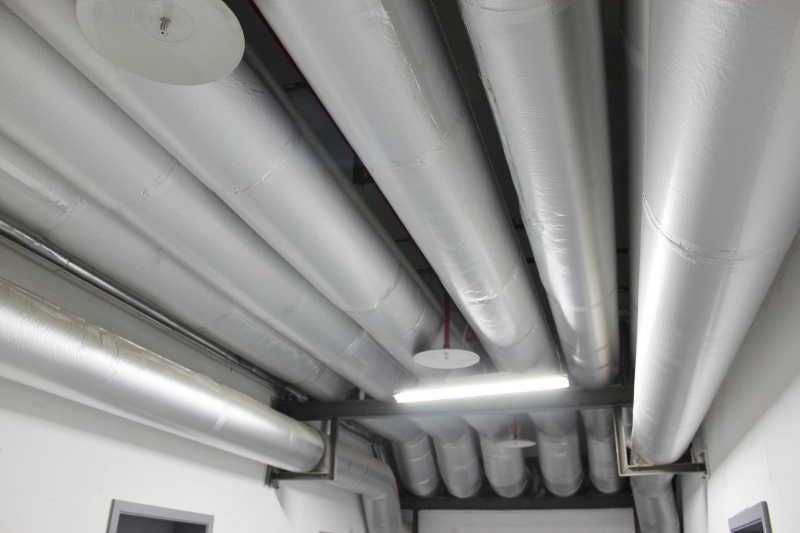
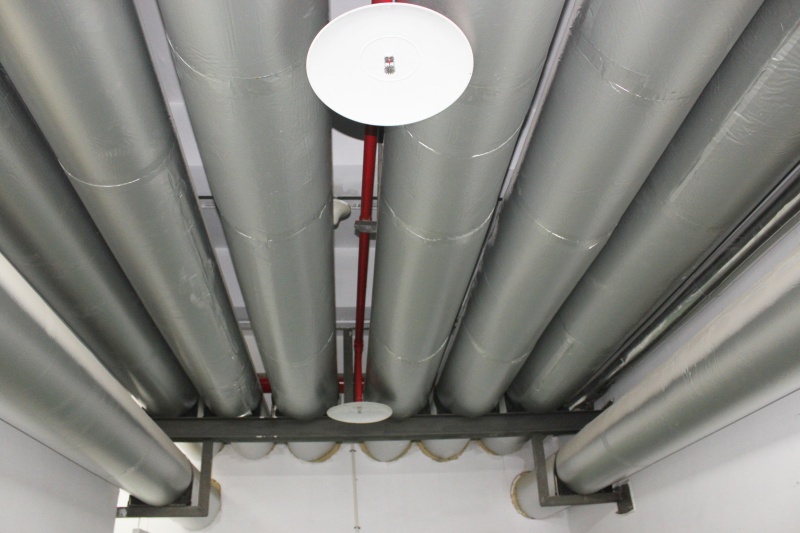
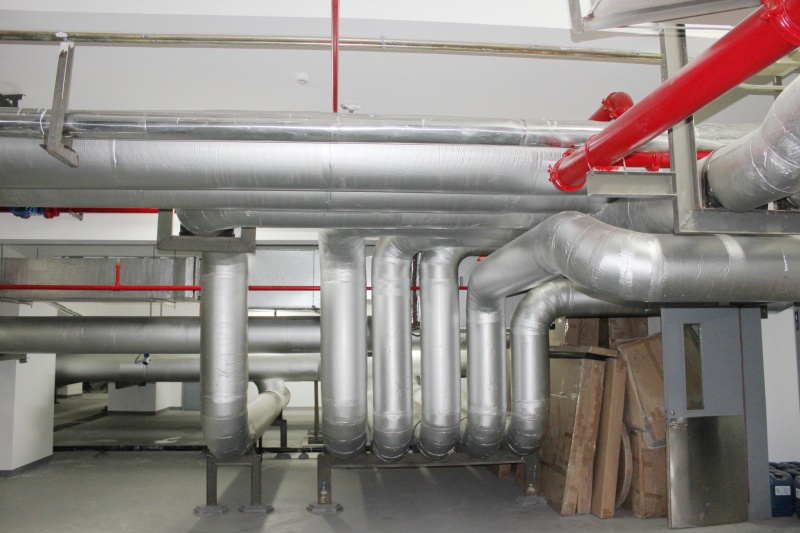
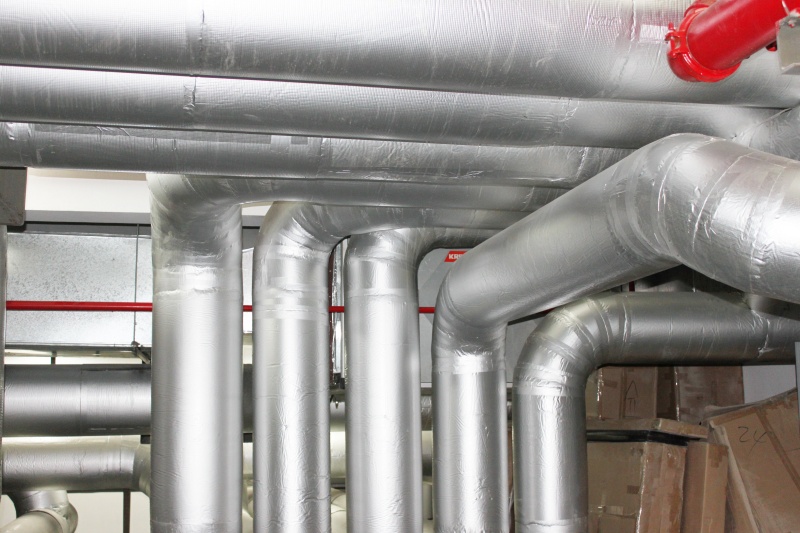
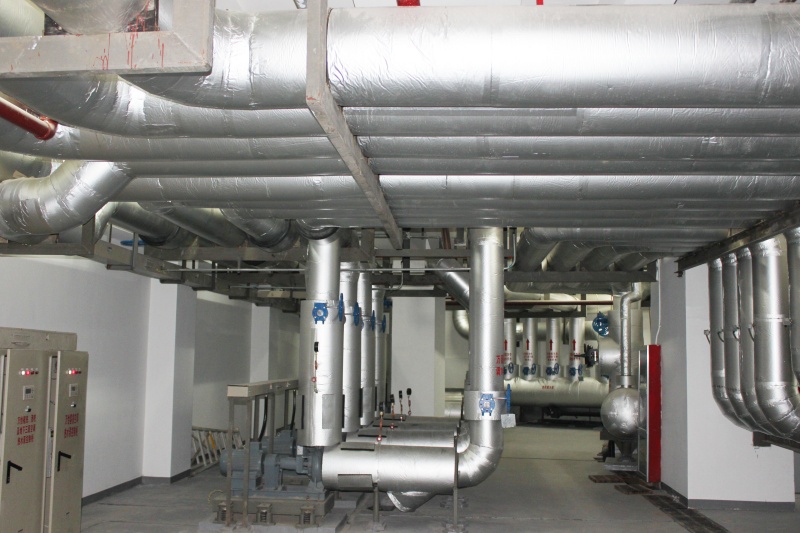
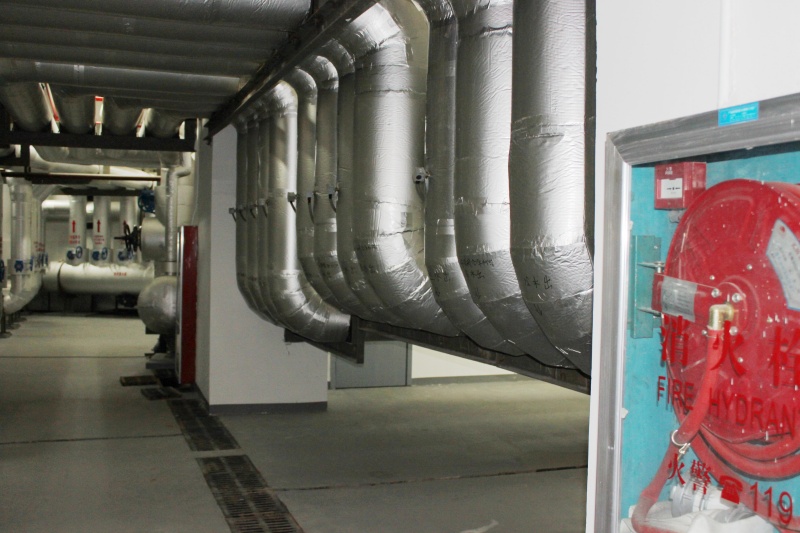
Our materials protect infrastructure worldwide. Explore our actual project environments, showing proper installation and compliance checkouts.





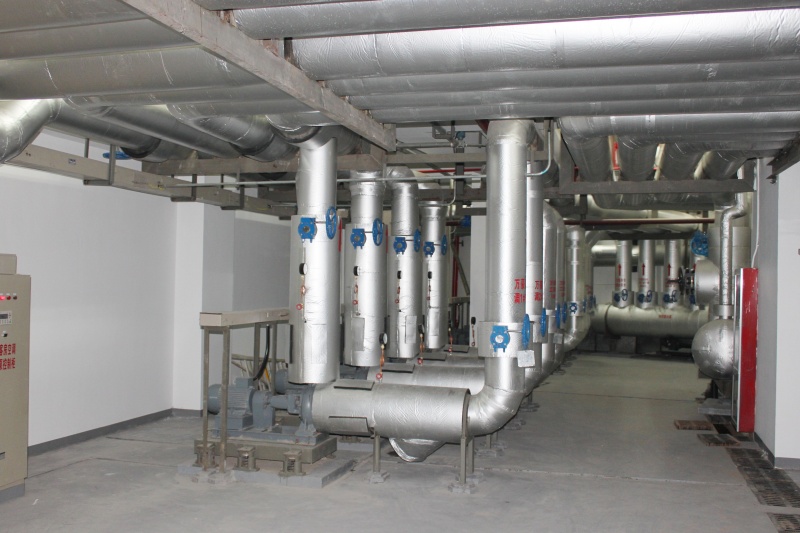
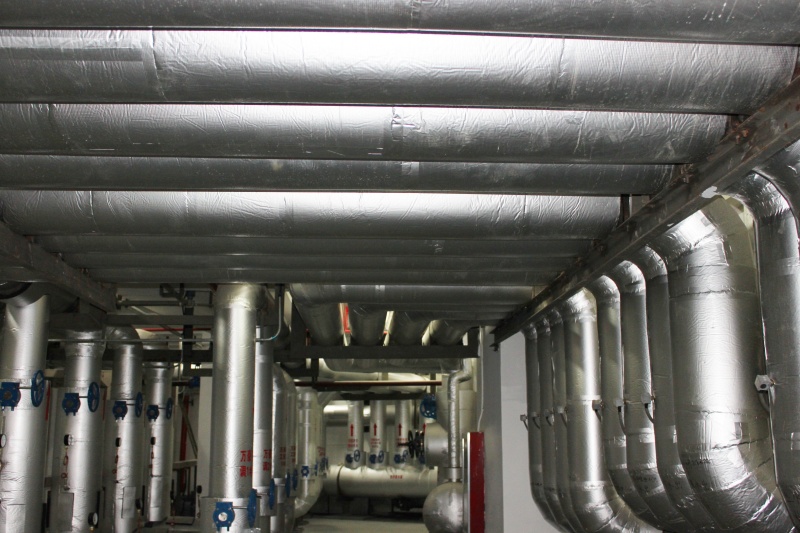
Find answers to common technical queries about elastomeric closed-cell rubber foam insulation.
A1: It is primarily used for commercial and residential HVAC ducts, chilled and hot air conditioning pipes, thermal insulation in buildings, industrial pipeline cold insulation, and acoustic sound dampening.
A2: Yes. Our rubber foam insulation contains flame-retardant additives. It is self-extinguishing and meets building safety standards such as BS 476, CE, REACH, RoHS, UL94, and ASTM.
A3: Rubber foam features a flexible, closed-cell, moisture-proof structure, making it ideal for HVAC ducts, chilled water systems, and acoustics. Rock wool has an open, fibrous structure with high temperature resistance, making it suitable for industrial high-heat steam pipes.
A4: Yes, we provide full OEM and ODM services. We customize dimensions, sheet thicknesses, colors, self-adhesive backings, and aluminum foil facings to suit specific project needs.
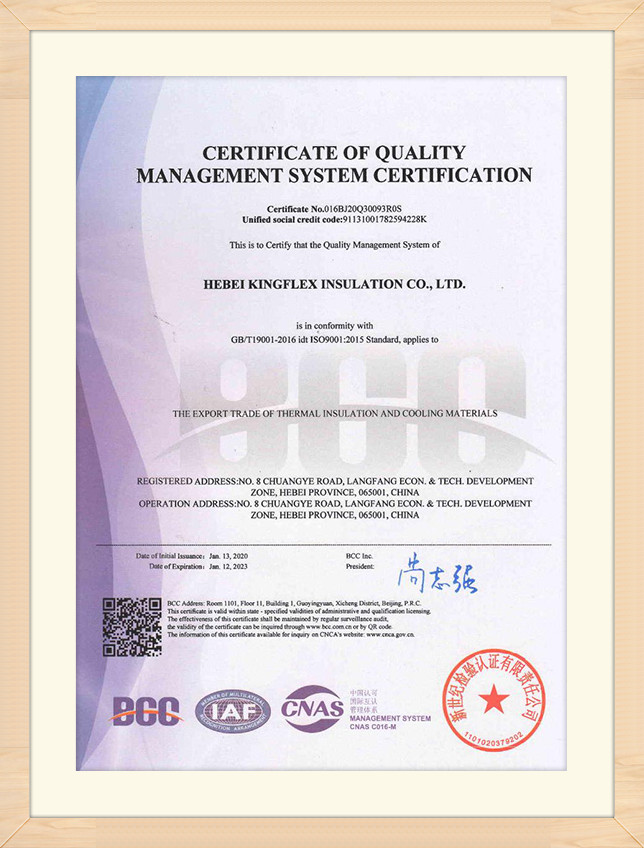
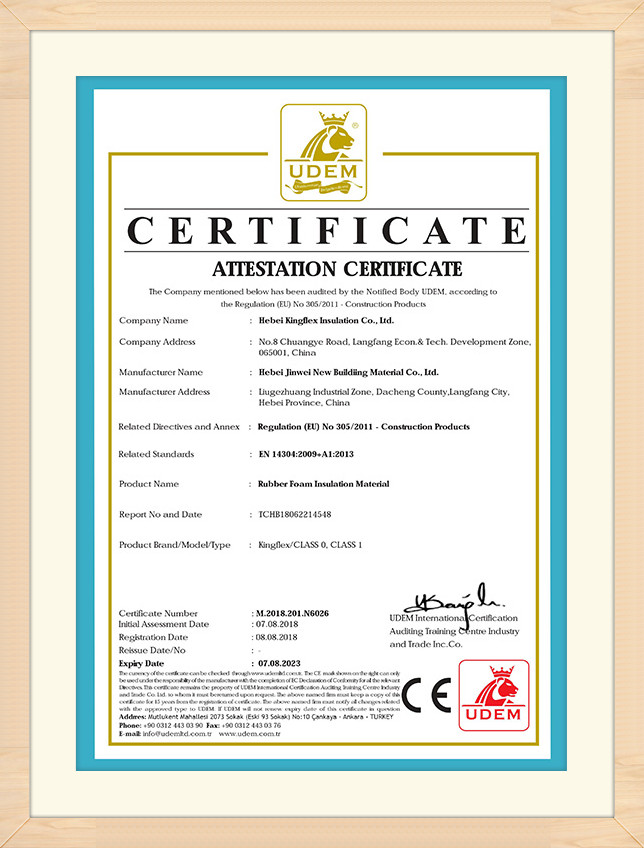
A5: Our products have passed BS 476, CE, REACH, ROHS, UL94, ASTM, and other major international certifications, ensuring compliance with global building and safety regulations.
A6: Yes. Every production batch is coded and logged, allowing full traceability from raw materials to the finished shipped product.
A7: We produce rubber foam sheets in thicknesses ranging from 6mm to 50mm, accommodating a wide range of thermal requirements.
A8: When installed properly in standard environments, our materials provide a service life of 10 to 15 years.
A9: High humidity can cause open-cell materials to absorb moisture, reducing their insulation value. Because Kingflex uses a closed-cell structure with a high water vapor resistance rating (μ ≥ 10,000), it prevents moisture ingress and maintains consistent performance over time.
A10: Our standard density range is 40–55 kg/m³, which offers a good balance of mechanical strength, flexibility, and thermal performance.