 Kingflex
Kingflex
Kingflex
Explore our engineered elastomeric NBR/PVC pipe and sheet roll selections. Designed for maximum thermal resistance, condensation prevention, and fire-safe operations across global HVAC networks.
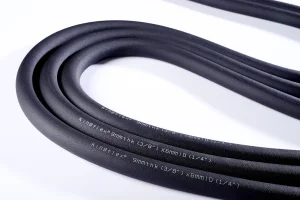
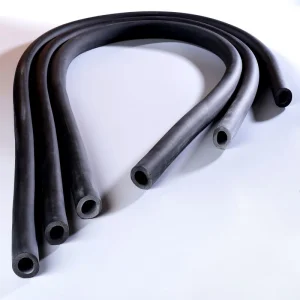
In modern commercial architecture and advanced manufacturing plants, the performance of the ventilation and HVAC infrastructure directly impacts energy consumption, indoor air quality (IAQ), and facility lifetime safety. Historically, insulated air duct systems relied heavily on mineral wool or fiberglass wraps. However, these porous, fibrous insulation types face severe challenges, particularly moisture intrusion, mold proliferation, and structural degradation caused by condensation.
Today, the global market has shifted decisively toward closed-cell elastomeric rubber foam insulation (such as NBR/PVC blends). Key global trends driving this transition include:
With strict regulations like ASHRAE 90.1, EU Energy Performance of Buildings Directive (EPBD), and LEED certifications, mechanical insulation must guarantee long-term thermal resistance (R-value stability) to minimize carbon emissions from thermal loss.
Unlike traditional fiberglass insulation, which can release respirable micro-fibers into supply air streams, closed-cell elastomeric foam is completely fiber-free, dust-free, and resistant to microbial growth, making it ideal for cleanrooms, schools, and healthcare facilities.
Under-insulated air ducts operating in high-humidity ambient environments develop condensation. This moisture damages ceiling structures and initiates Corrosion Under Insulation (CUI). High water vapor resistance (μ-factor) is vital to preventing moisture absorption.
Global mechanical contractors, HVAC system integration companies, and wholesale distribution networks assess air duct insulation manufacturers on rigorous operational metrics that extend far beyond unit price. An optimized supply chain partner must provide:
Rigorous compliance testing under BS 476 (Class 0 & Class 1), ASTM C534, UL 94 flame ratings, CE marking, and environmental safety regulations including REACH and RoHS.
Assurance of supply continuity on major infrastructure projects. Manufacturers must maintain high production rates to avoid costly project downtime.
Total documentation traceability from chemical polymers (NBR/PVC formulation) to final cured elastomeric foam tubes or sheet rolls, including batch test certs.
Availability of customizable wall thicknesses (from 6mm to 50mm) and specific inner diameters (IDs) to match unique piping designs and custom air duct sizes.
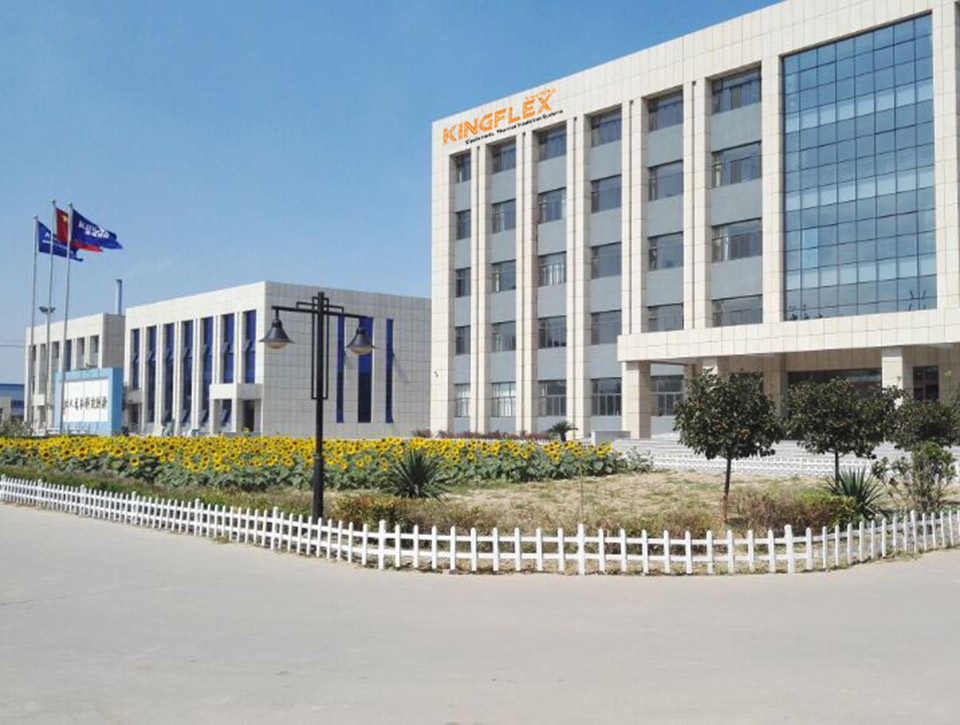
Kingflex Insulation Co., Ltd. is positioned at the absolute forefront of advanced mechanical thermal insulation production. Operating in Dacheng, China—the recognized global capital of green-building materials—our state-of-the-art facility integrates Factory 4.0 smart manufacturing principles to deliver exceptional quality consistency and rapid global dispatch.
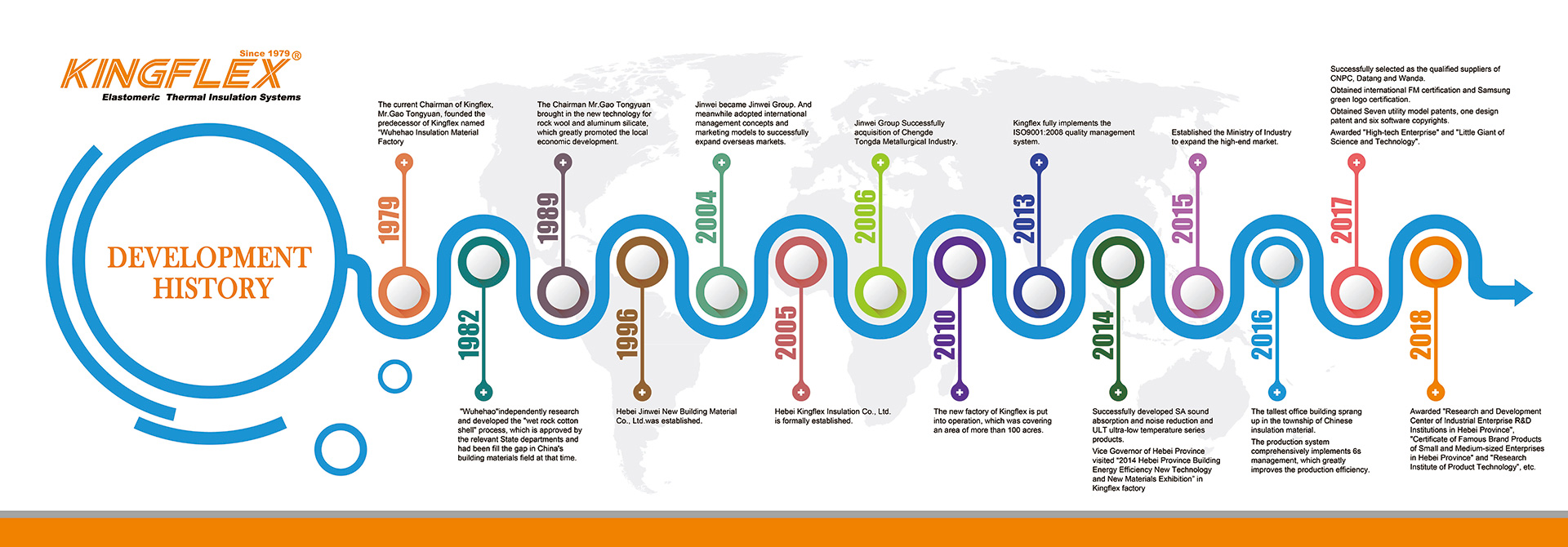
Backed by the Jinwei Group, a thermal insulation pioneer established in 1979 (the first manufacturer of thermal insulation materials north of the Yangtze River), Kingflex leverages over 40 years of structural industrial expertise.
Today, our factory runs 5 massive automatic continuous assembly lines, generating an annual capacity exceeding 600,000 cubic meters. Our automated system controls foaming density, polymer mixing consistency, and cellular size distribution, ensuring a uniform closed-cell rate above 98% and a low, stable thermal conductivity profile (λ ≤ 0.034 W/m·K at 0°C).
To ensure proper material selection under project specific thermal loads and environmental conditions, HVAC design engineers must compare rubber foam and rock wool properties:
| Physical Property | Elastomeric Rubber Foam (NBR/PVC) | Rock Wool / Mineral Wool |
|---|---|---|
| Structure | Closed-Cell (>98% cell closure) | Fibrous / Open Porous |
| Moisture Resistance (μ-Factor) | Extremely High (≥ 10,000 built-in vapor barrier) | Low (Requires external foil vapor barrier jacket) |
| Thermal Conductivity (λ) | ≤ 0.034 W/(m·K) at 0°C (Highly stable) | ≤ 0.040 W/(m·K) (Degrades if wet) |
| Service Temp Range | -40°C to +105°C (Special low temp to -200°C) | Up to +650°C (Ideal for high-temp steam) |
| Acoustic Decoupling | Excellent structure-borne vibration dampening | Excellent airborne sound absorption |
| Installation & Dust | Fiber-free, flexible, cuts cleanly with a knife | Irritant fibers, requires full protective clothing |
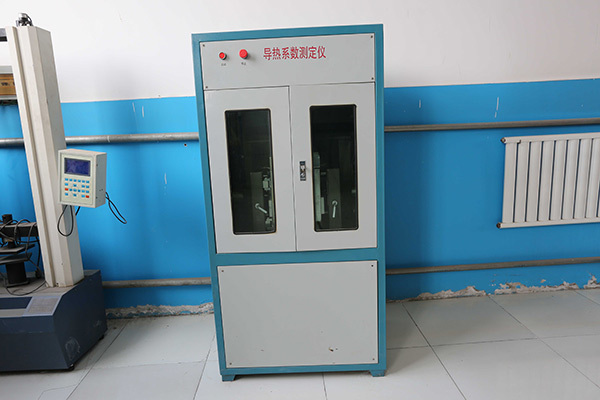
As a trusted OEM/ODM manufacturer, Kingflex maintains a dedicated in-house research laboratory. Our team features 8 professional R&D engineers, 6 global trade managers, and over 230 trained production operators. Our processes are governed by continuous testing protocols verifying compression recovery rates (exceeding 80%), chemical density stability, and fire propagation behavior.
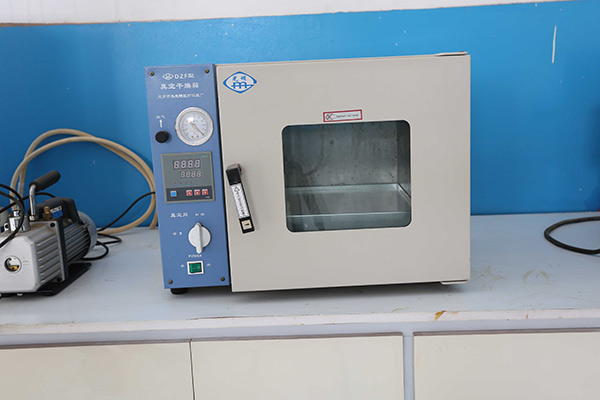
Our advanced QA laboratory continuously evaluates raw polymer composition, moisture transmission rates, and smoke toxicity indexes.

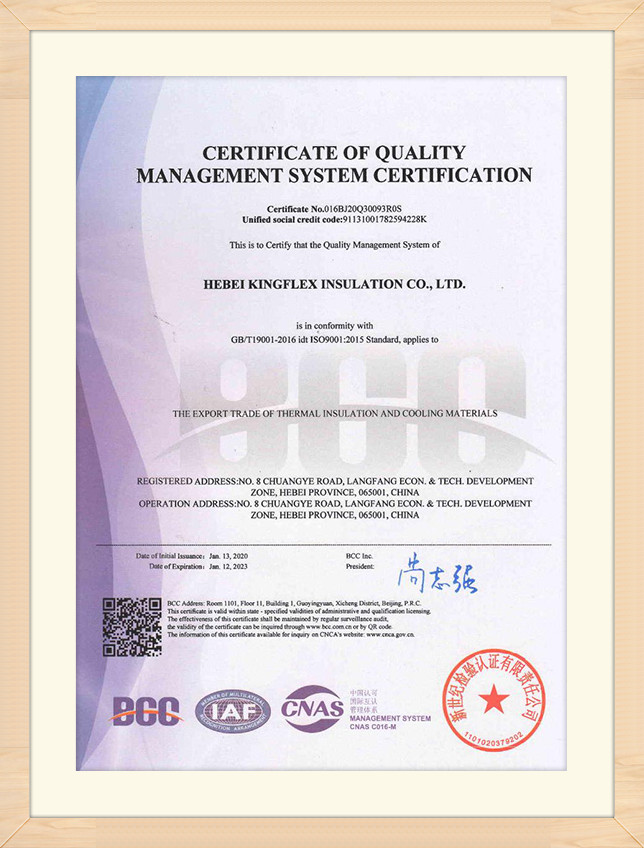
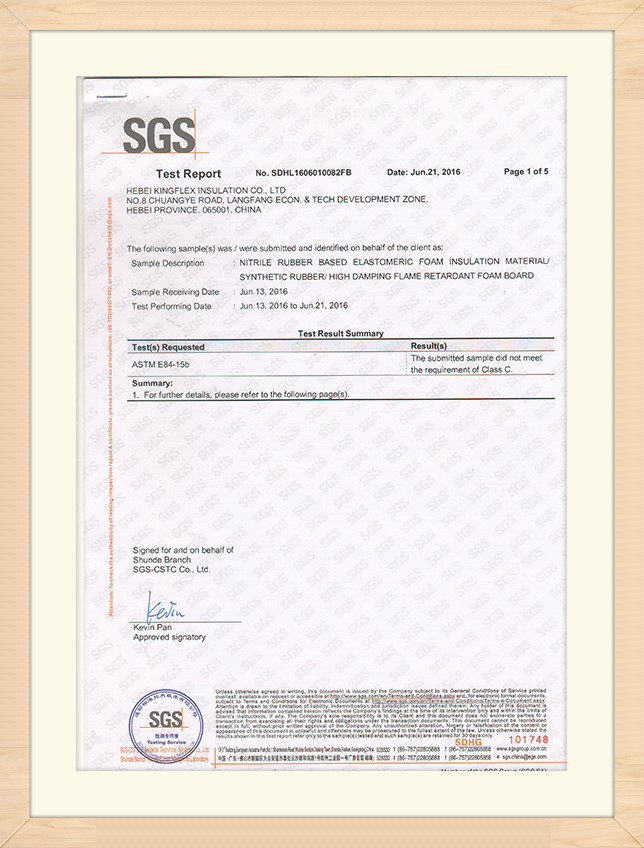
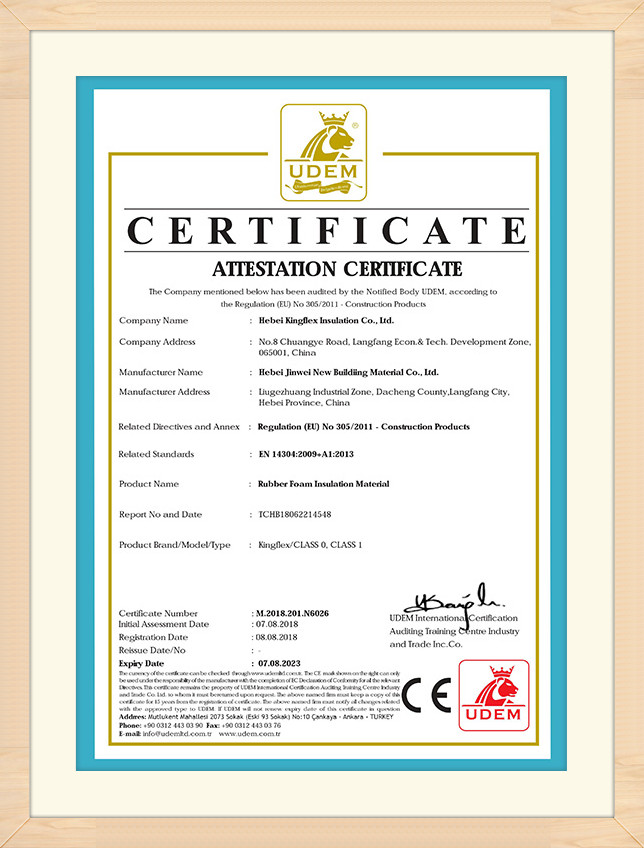
Kingflex is certified under world safety and environmental schemes, verifying performance for high-spec engineering requirements.
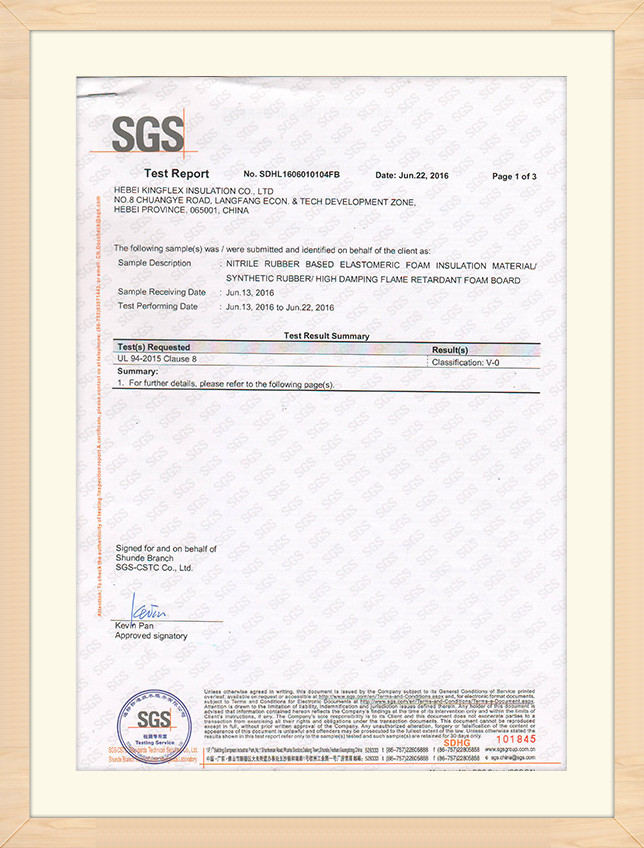
We provide comprehensive engineering support, from initial CAD insulation calculation consultation to post-installation audits.
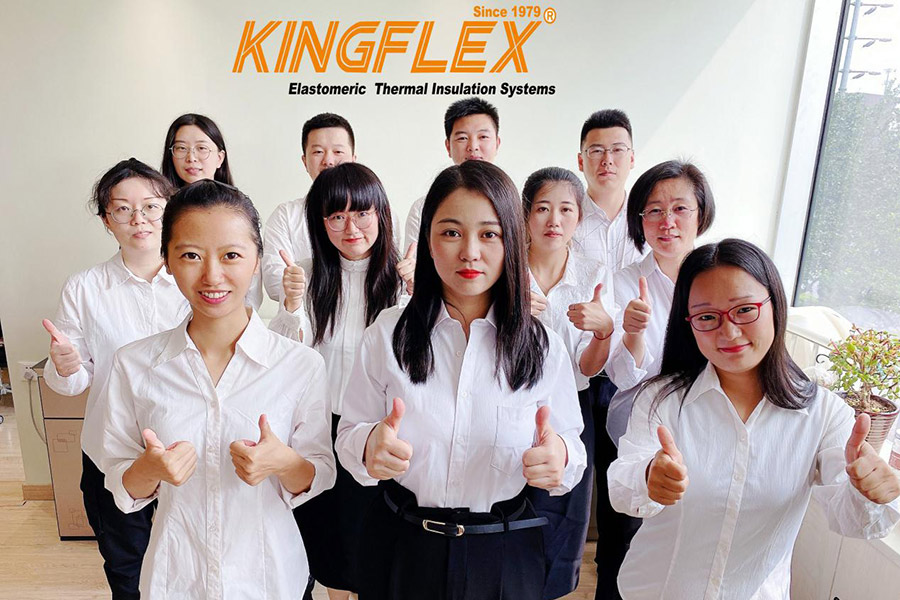

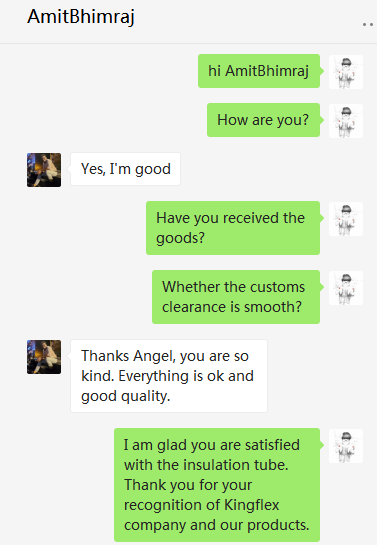
Transparency and immediate, clear communication form the basis of our long-term distributor partnerships. We work closely with procurement officers, consulting engineers, and logistics specialists globally to ensure timely product deliveries.




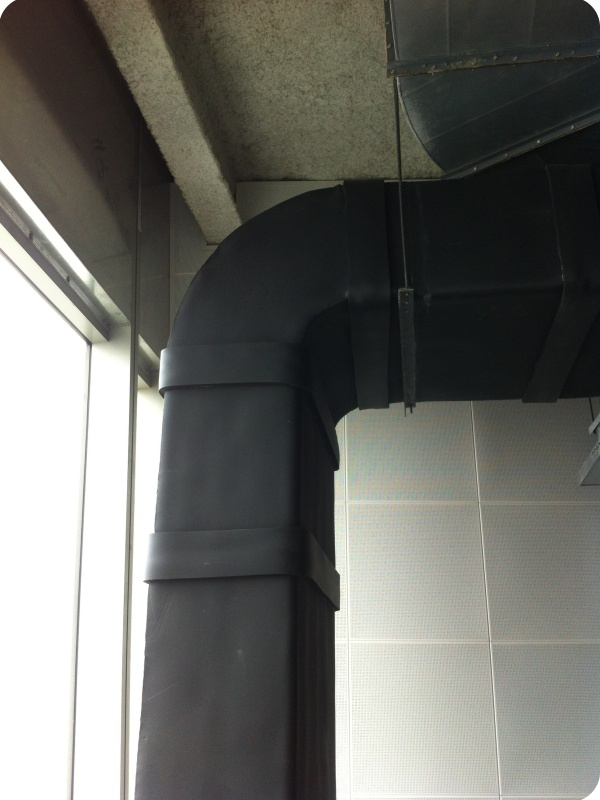
Kingflex closed-cell insulation products operate reliably across diverse structural environments:
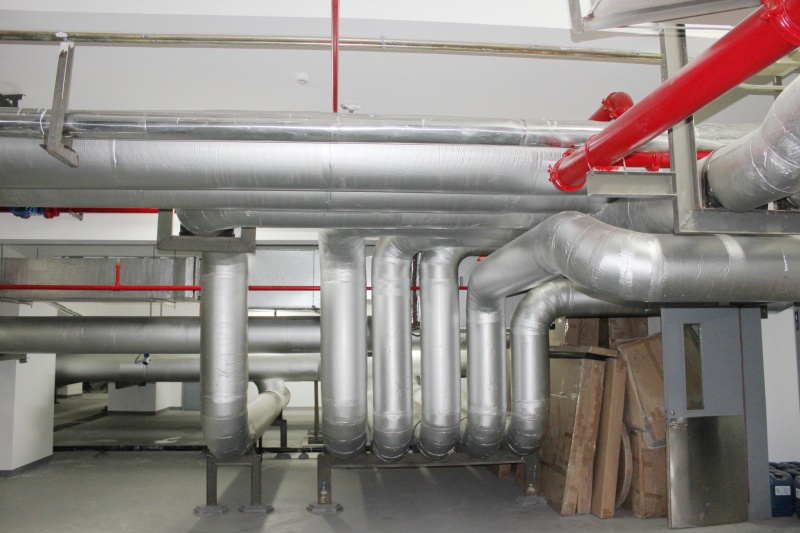
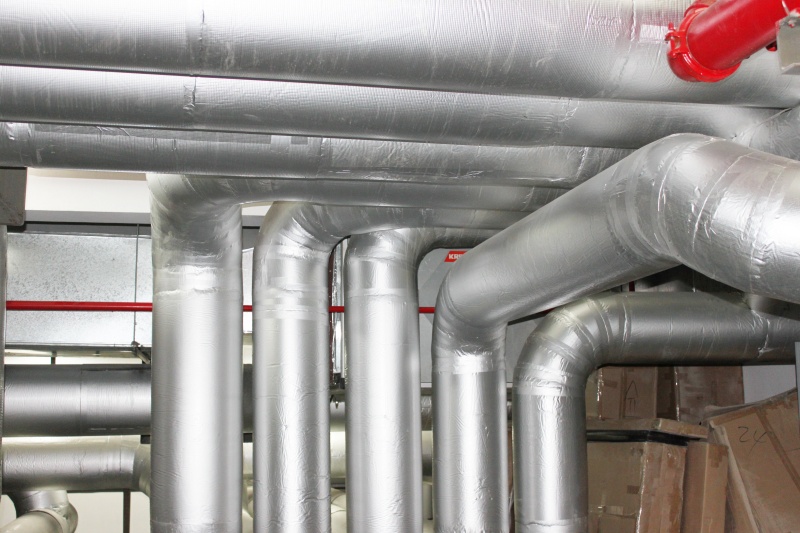
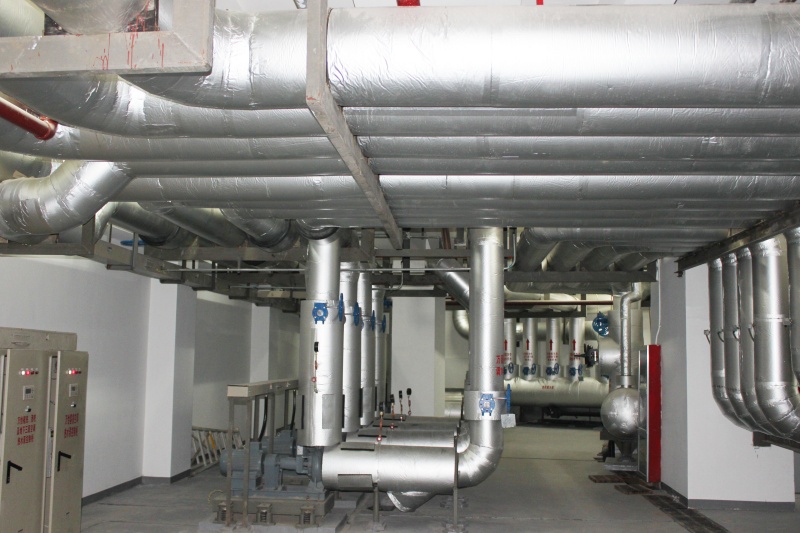
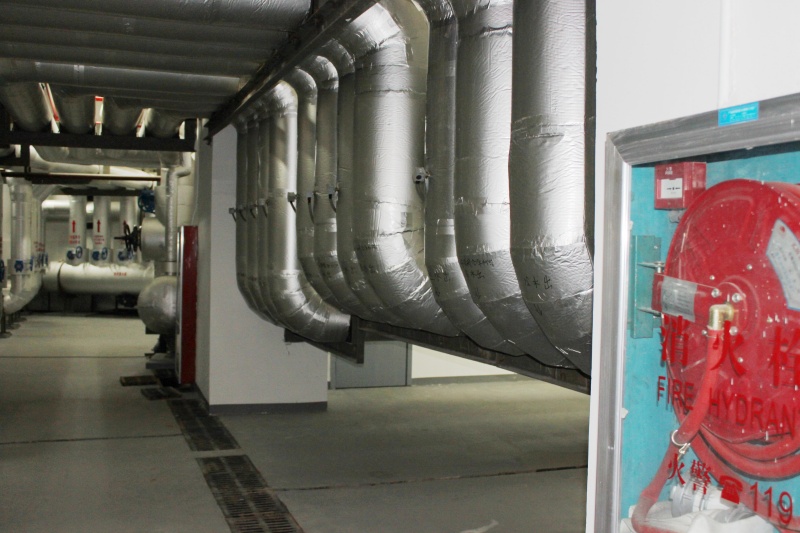
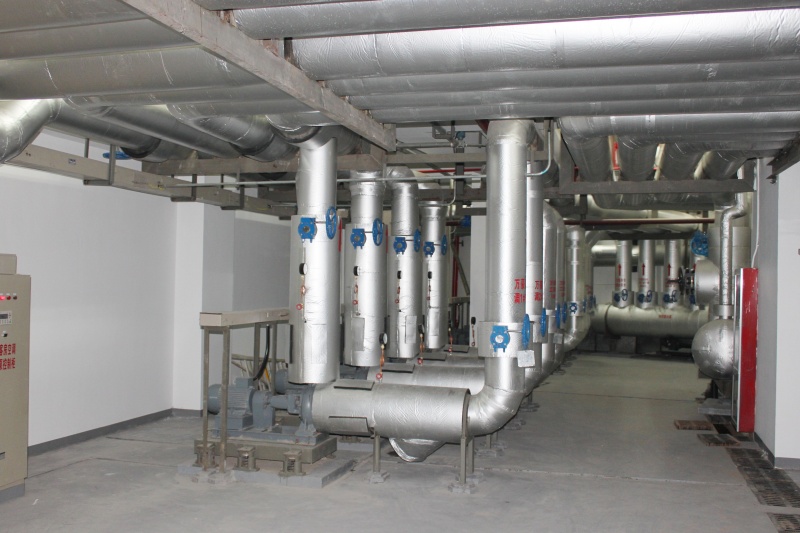
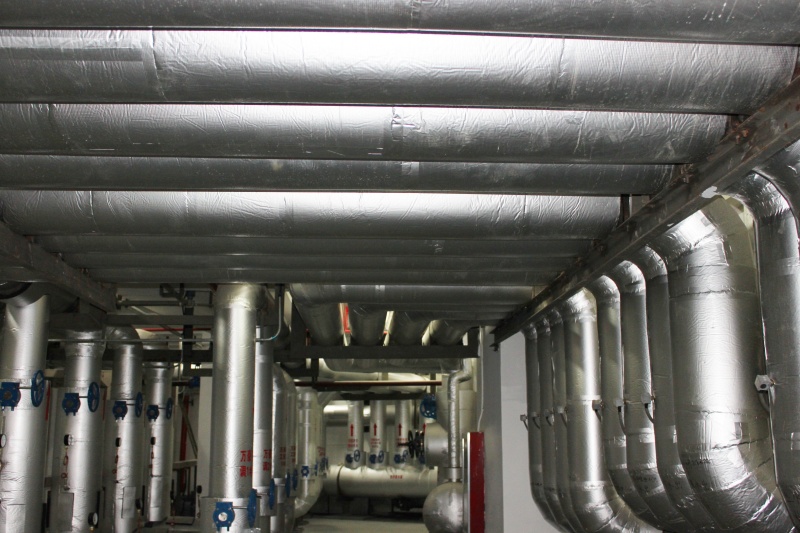
Insulating central air supply ducts, dynamic plenums, and fan coil units to reduce heat gain and block ambient moisture.
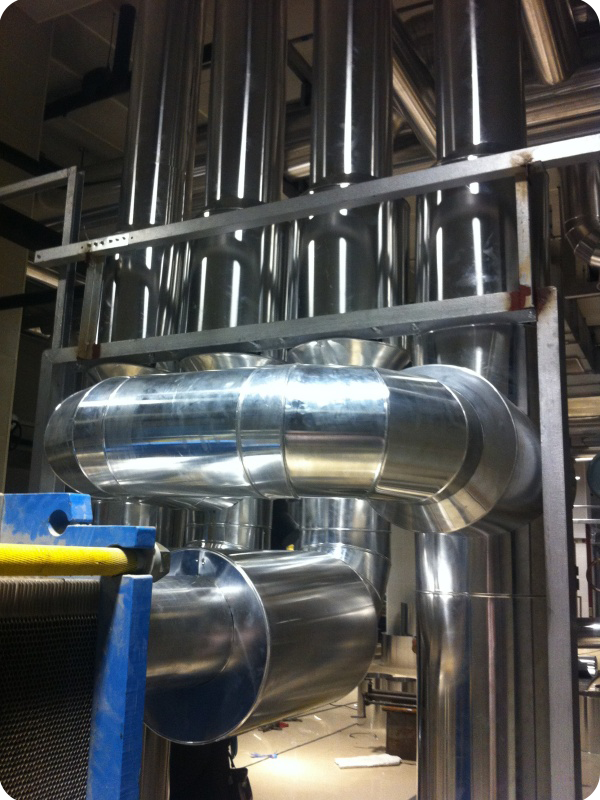
Preventing freezing and condensation on process water pipes in manufacturing plants, boiler rooms, and mechanical spaces.
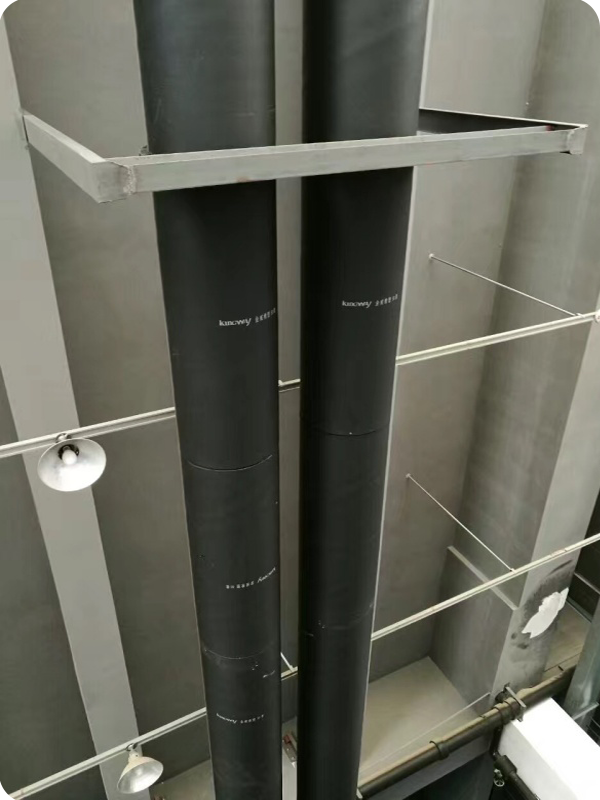
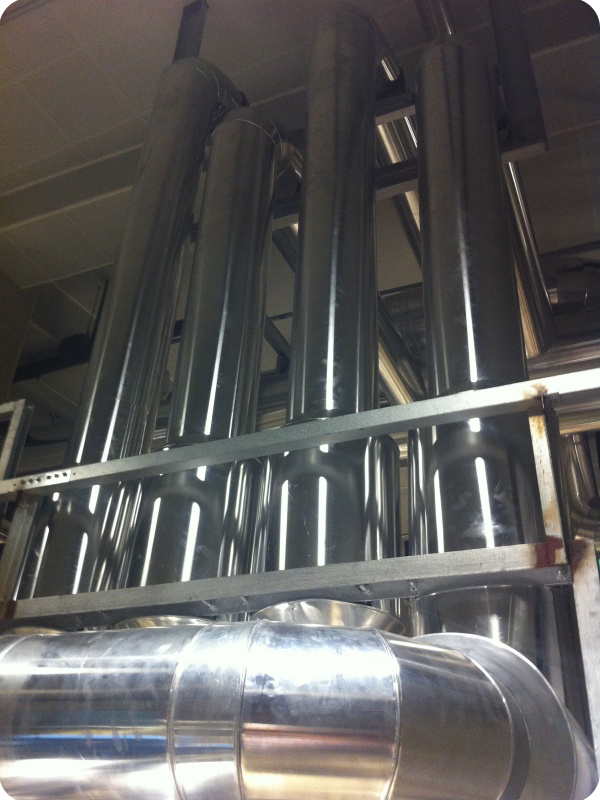
Providing thermal insulation for low-temperature cold rooms, cold storage logistics facilities, and walk-in freezers.
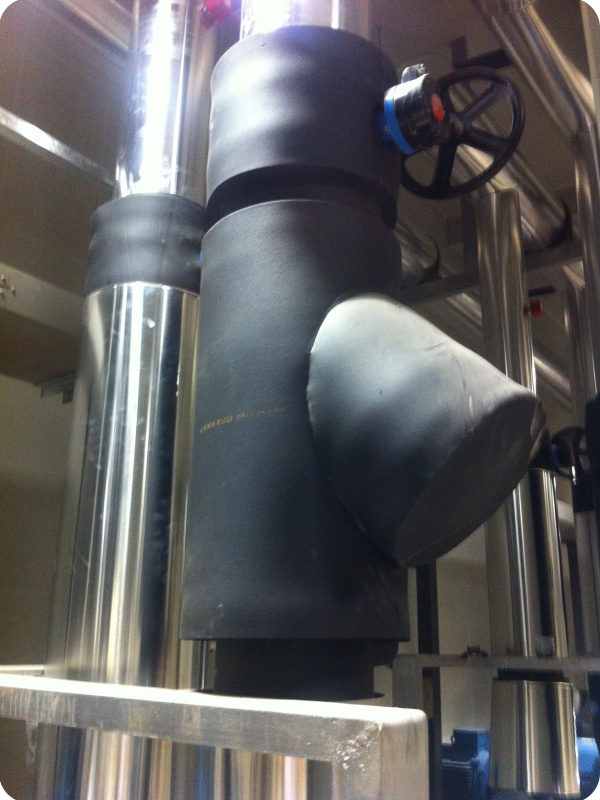
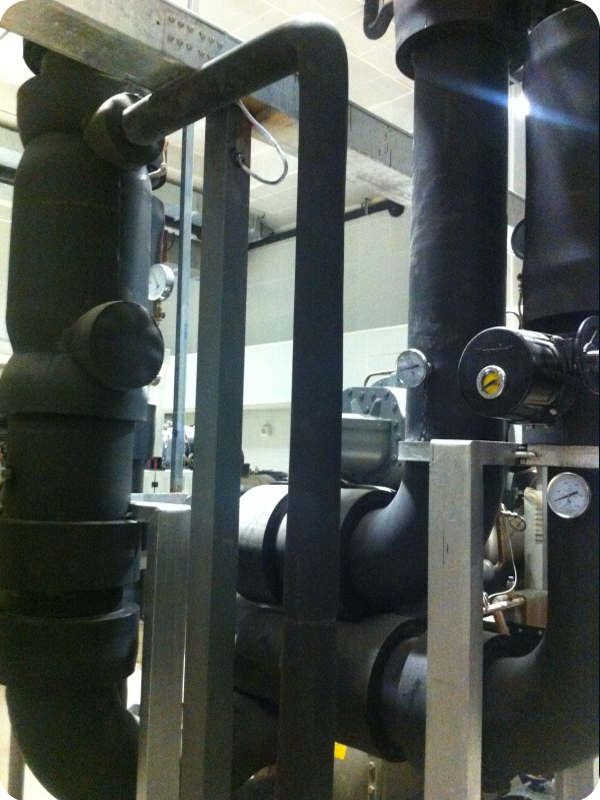
Supporting LNG, petrochemical, and ultra-low temperature process loops with specialised cryogenic elastomeric formulations.
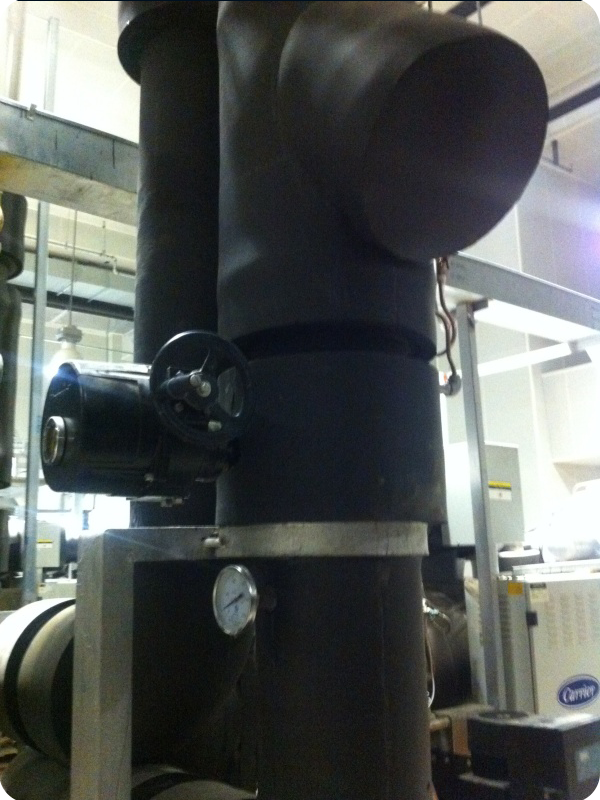
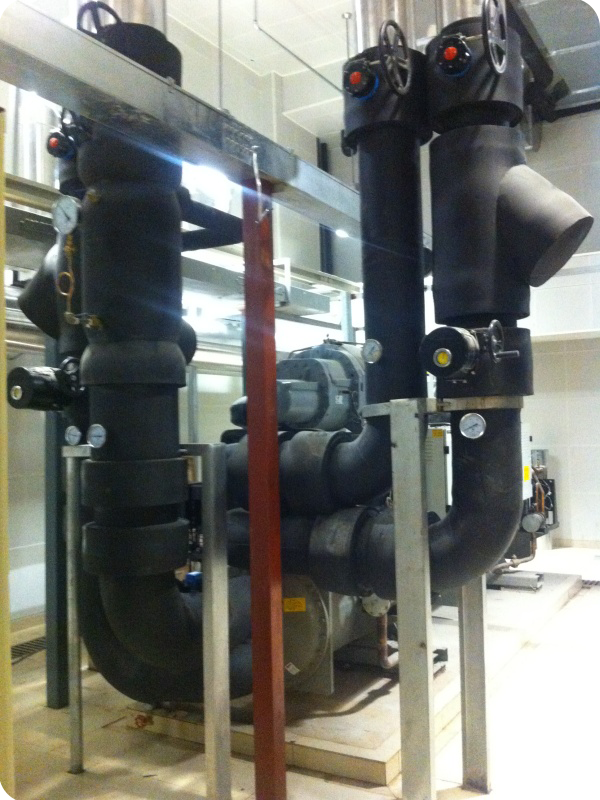
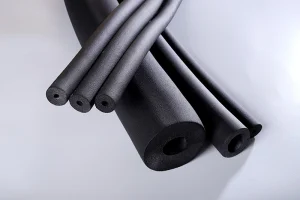
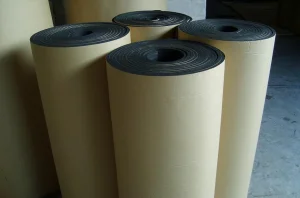
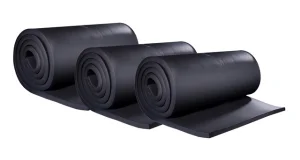
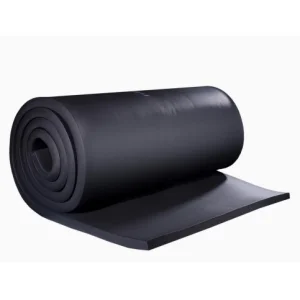
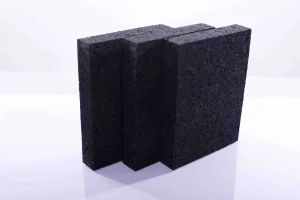
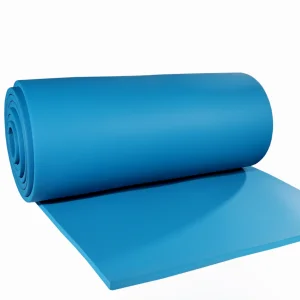
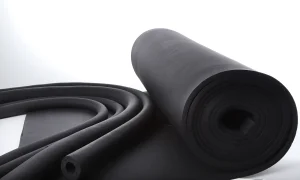
To ensure optimal design and installation, our elastomeric rubber foam sheets and pipe sections are manufactured to tight engineering tolerances:
Kingflex Standard Dimensions:
Primary Advantages:
Uniform foam expansion with a closed-cell rate exceeding 98% maintains stable thermal performance. High compression resilience (>80%) prevents collapse under physical load, while its self-extinguishing chemistry minimizes fire spread.
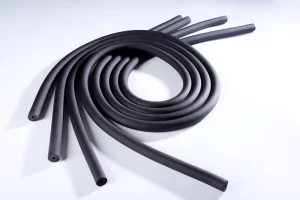
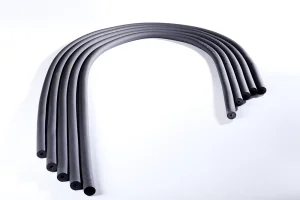
Kingflex Standard Dimensions:
Primary Advantages:
Specialized co-extrusion technology produces uniform wall thicknesses and smooth inner bores, simplifying slip-on installation. Excellent elastomeric flexibility reduces installation labor, while high moisture resistance protects pipes from corrosion.
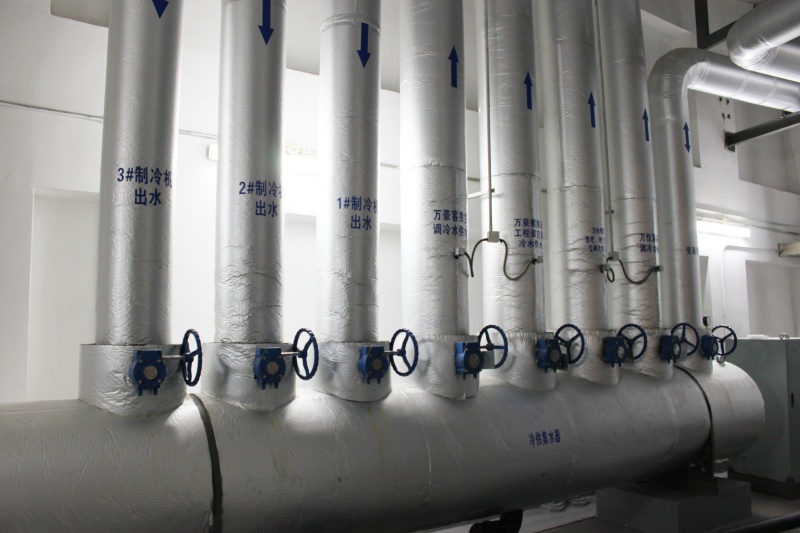
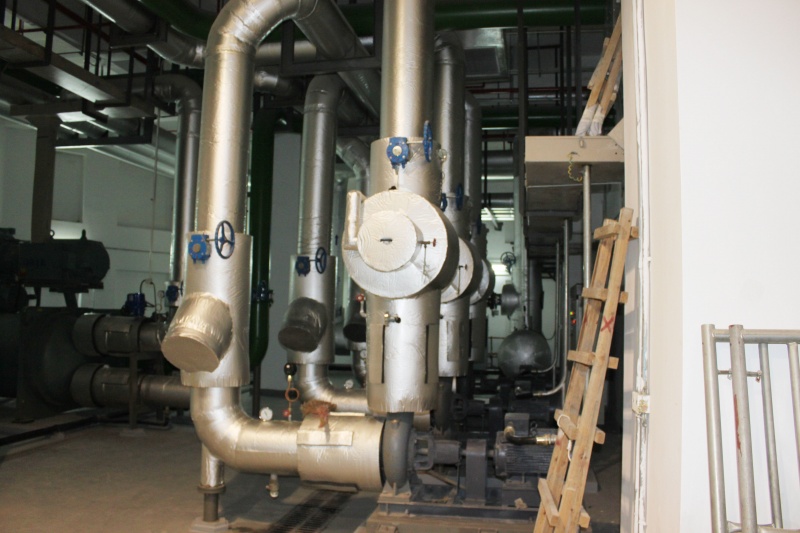
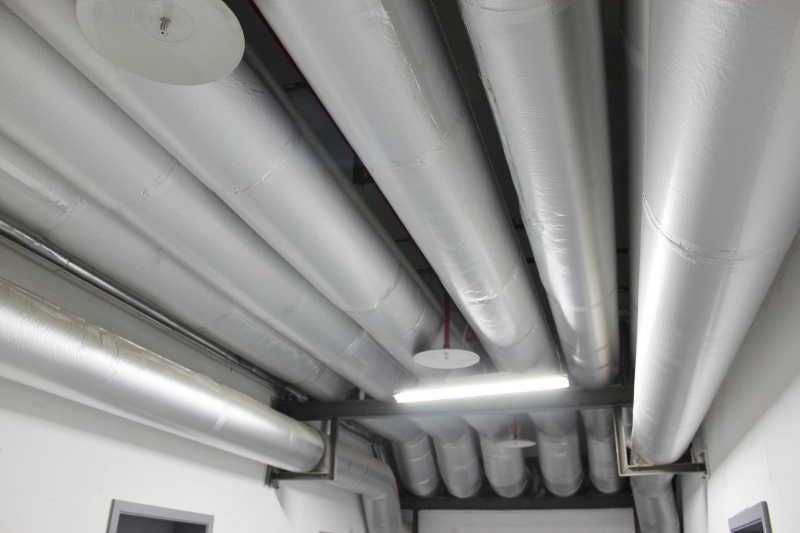
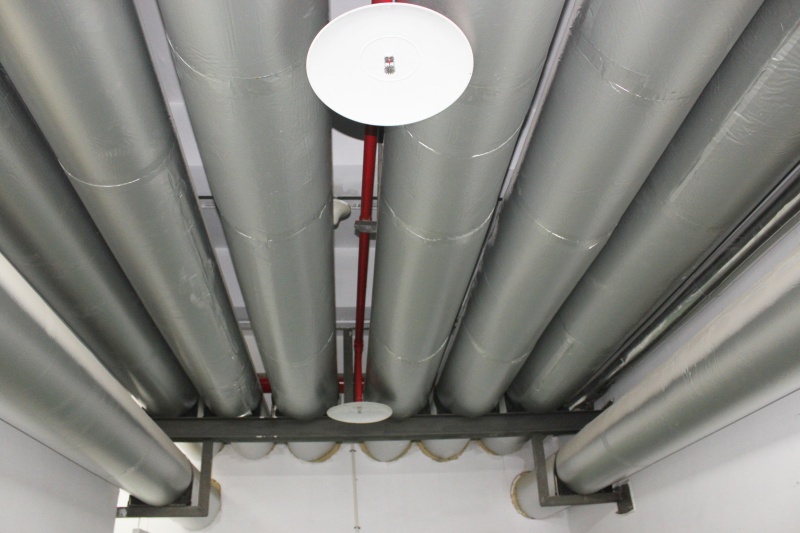
Take a virtual tour of our Dacheng production lines, storage yards, and advanced processing units. We maintain high stock levels of standard pipe and sheet profiles to support urgent global project requirements.

Get authoritative answers to technical questions about selecting, specifying, and installing elastomeric rubber foam insulation systems.
Discover our specialized low-temperature and cryogenic elastomeric insulation lines. These products are engineered to prevent moisture intrusion, handle extreme thermal contraction, and reduce thermal transfer in cold-chain and industrial process piping.
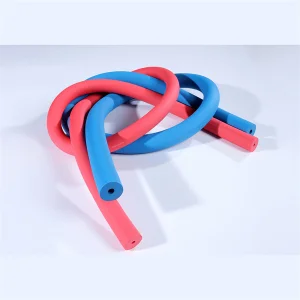
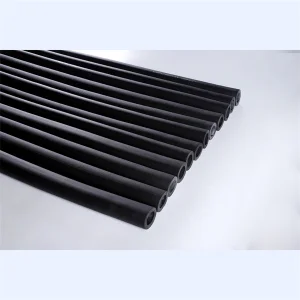
Browse the complete range of Kingflex thermal insulation solutions, including NBR/PVC elastomeric foam tubes, sheets, sound barriers, and rock wool options.
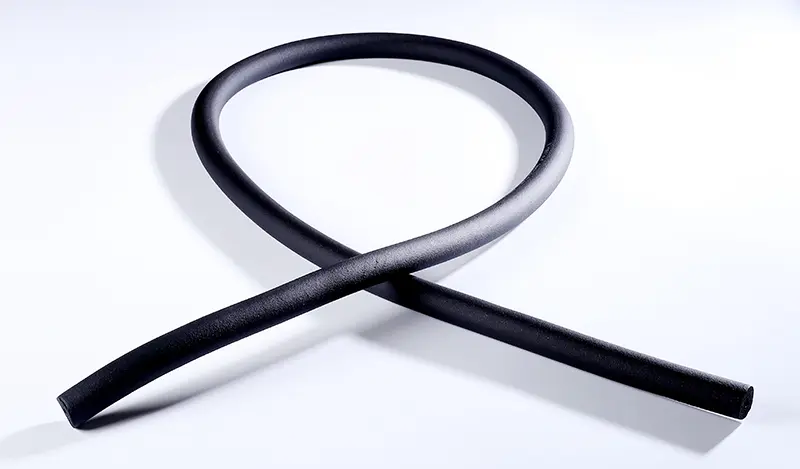
Rubber Elastomeric Foam Insulation Tube
Closed-cell structure designed to control heat loss and prevent surface condensation on HVAC lines.
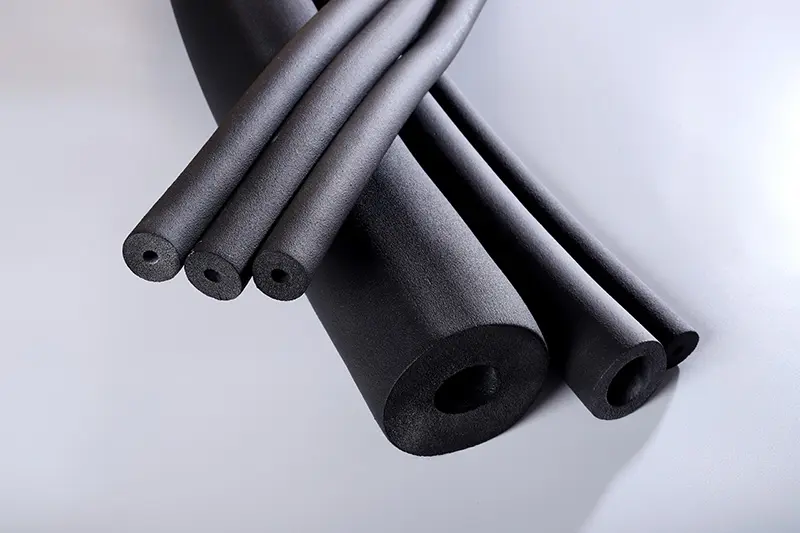
Corrosion Resistant Rubber Foam Tube
Formulated for harsh industrial environments to protect process pipes from corrosion.

Elastic Rubber Foam Insulation Pipe
Flexible elastomeric piping designed for quick slip-on installation and tight bends.
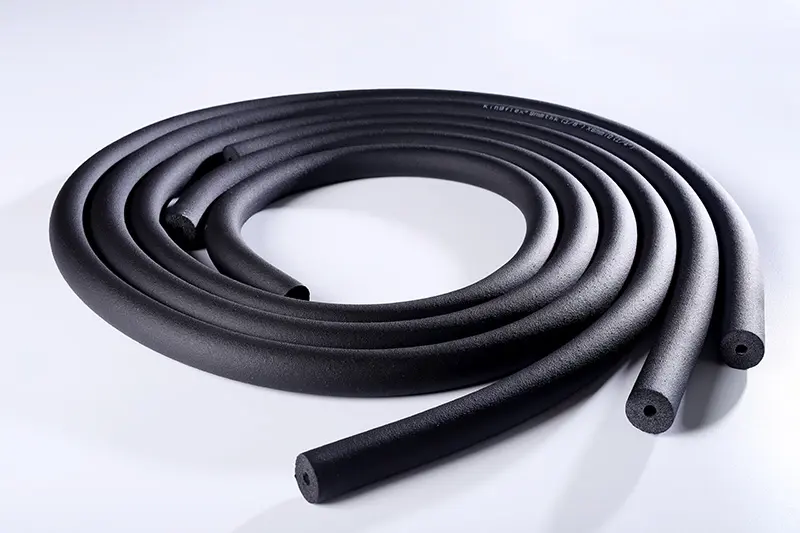
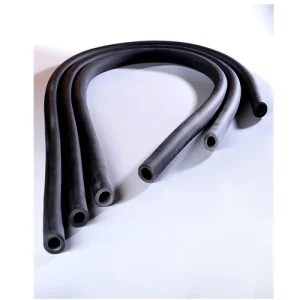
Black Rubber Foam Insulation Pipe
Standard NBR/PVC industrial insulation pipe for refrigeration and cooling lines.
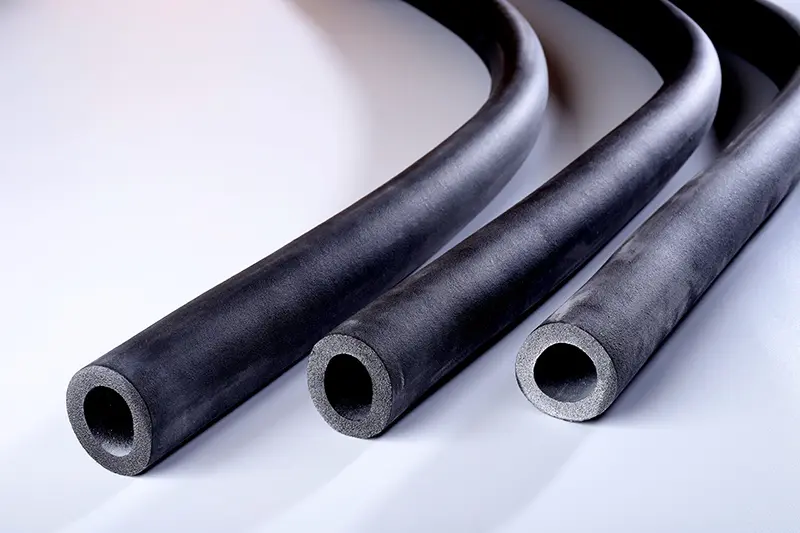
Foam Rubber Insulation Tube
High-flexibility tubing providing thermal protection for residential and commercial plumbing.
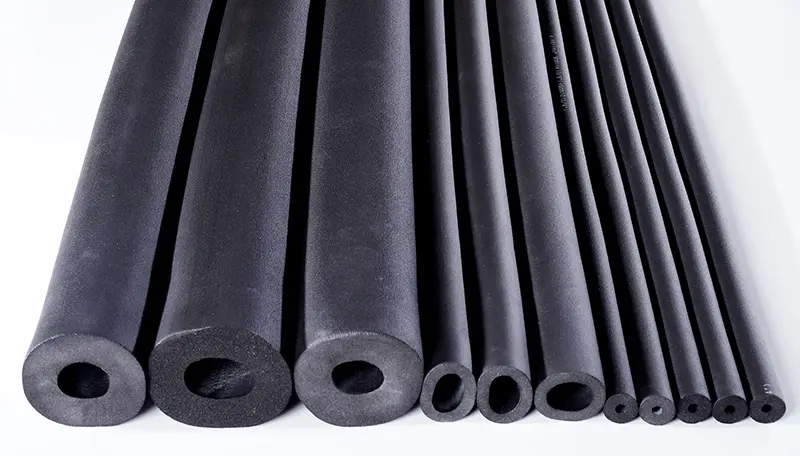
HVAC Rubber Foam Insulation Tube
Designed to meet building mechanical codes for commercial HVAC and air handling units.
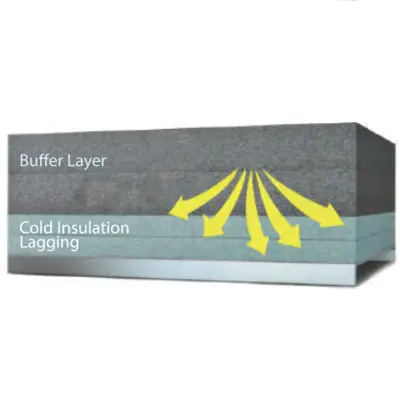
Elastomeric Cryogenic System
Multi-layered insulation system designed for ultra-low temperature and cryogenic piping.
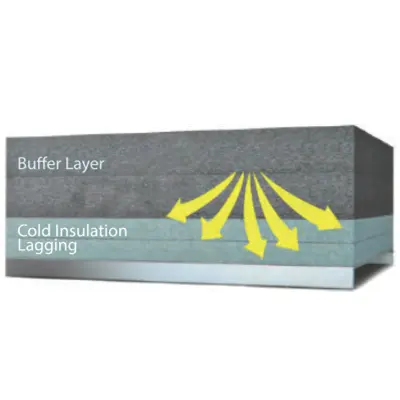
Flexible Cryogenic Material
Flexible insulation designed to maintain mechanical properties at cryogenic temperatures.
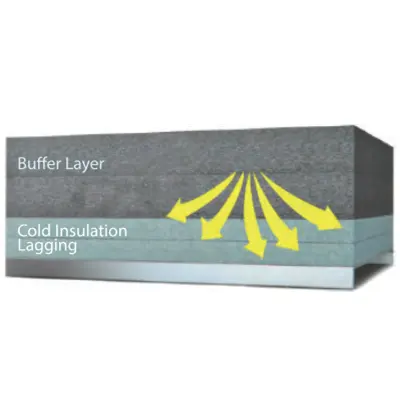
Cryogenic Rubber Foam
Engineered rubber foam designed for thermal cycling in petrochemical cold systems.
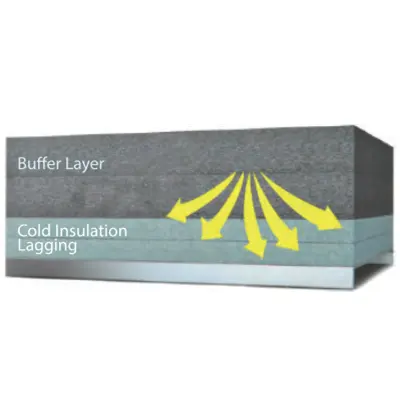
Elastomeric Cryogenic Sheet
Sheet insulation designed for low-temperature storage tanks and large vessels.
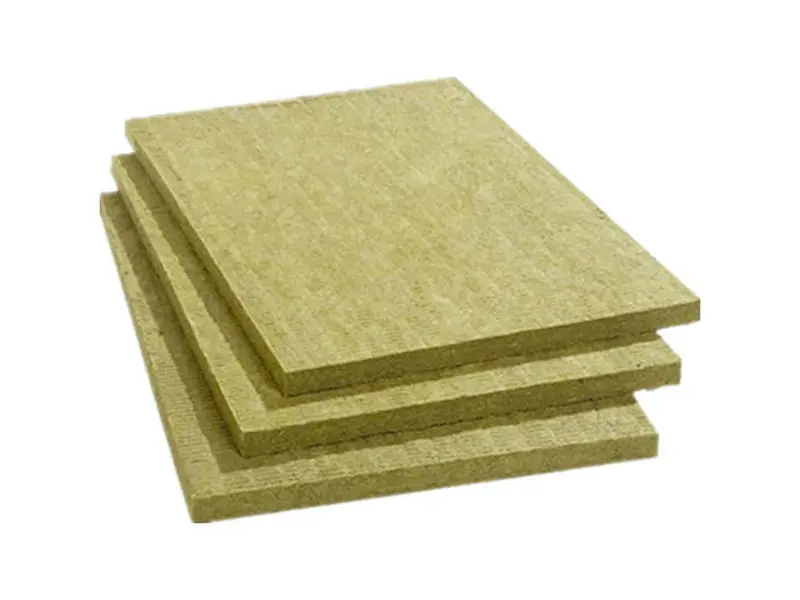
Rock Wool Insulation Board
High-density mineral wool board providing fire barrier protection and acoustic absorption.
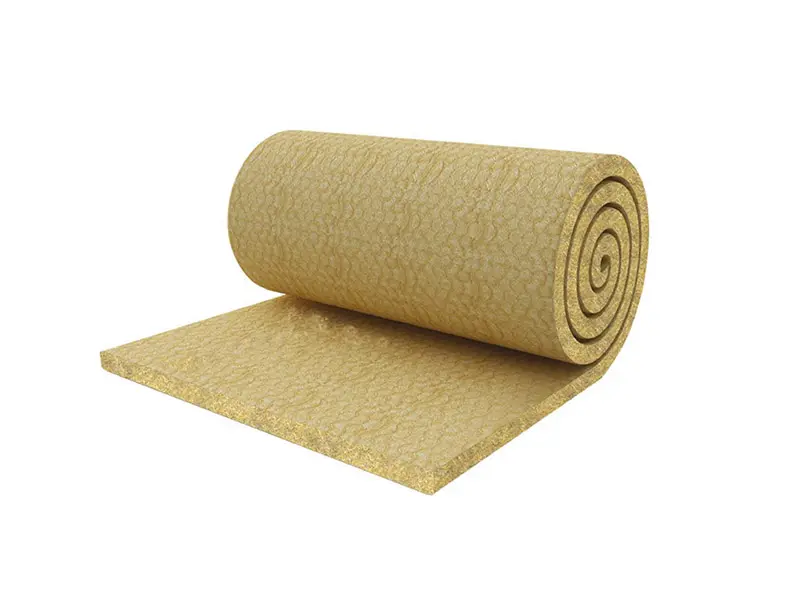
Rock Wool Insulation Blanket
Flexible mineral fiber wraps designed for high-temperature ducts, piping, and industrial machinery.