 Kingflex
Kingflex
Kingflex
High-performance elastomeric and cryogenic insulation configurations designed for modern building architecture and heavy industrial cooling processes.
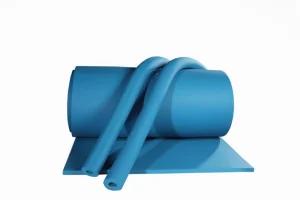
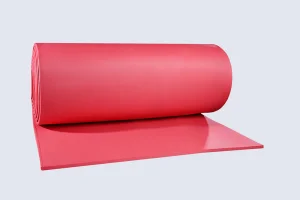
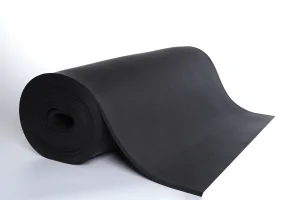
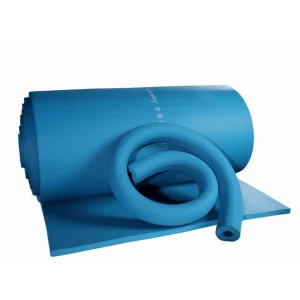
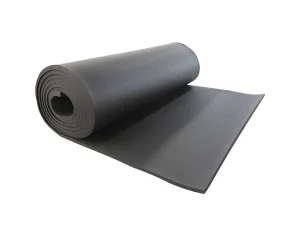
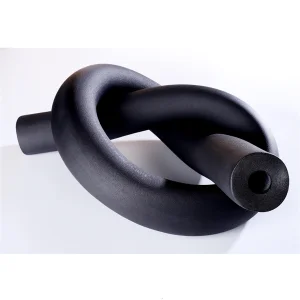
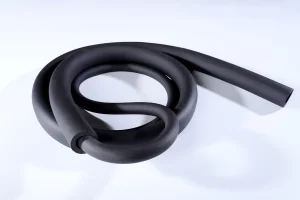
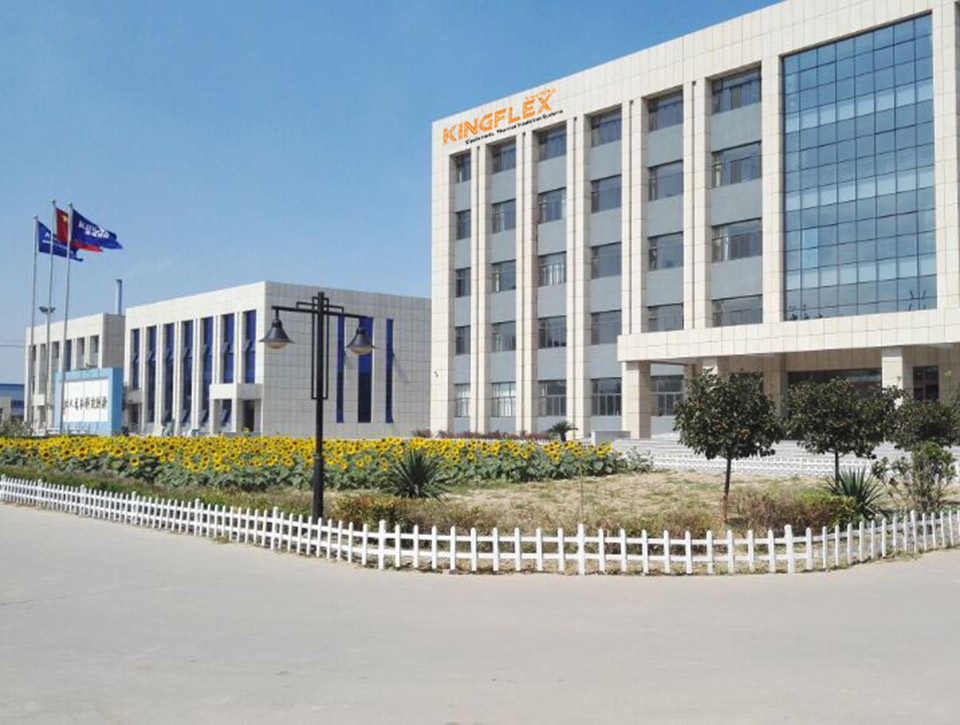
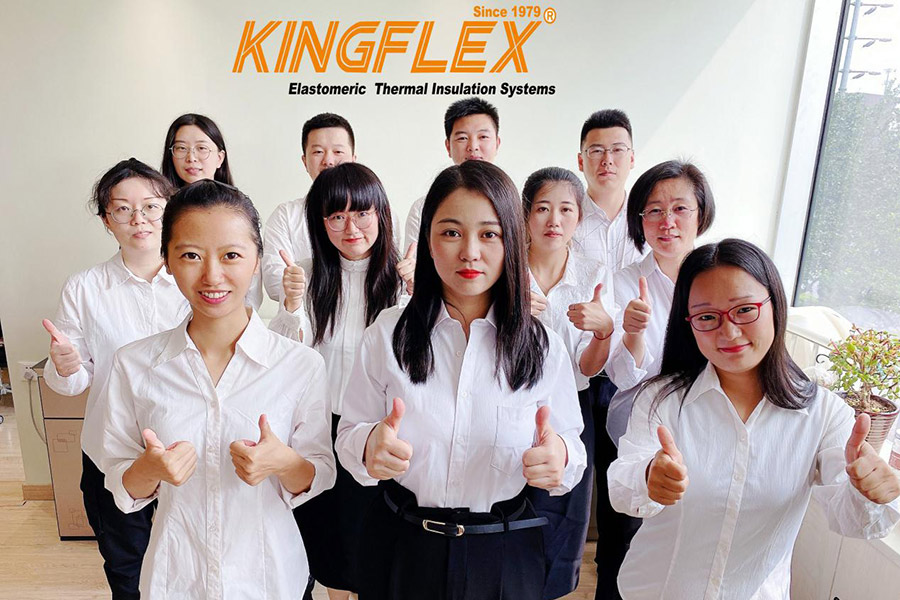
Kingflex Insulation Co., Ltd. is a leading professional manufacturing and trading combo specializing in premium-tier thermal insulation systems. Headquartered in Dacheng, China—historically celebrated as the capital of green-building materials—Kingflex stands out as an energy-saving, environmentally conscious enterprise integrating end-to-end R&D, robust volume production, and global commercial trade.
Our core operating philosophy centers around systemic energy saving and consumption reduction. From initial engineered consultation through raw materials processing, precision manufacturing, customized on-site installation guides, and dedicated post-sale technical support, we deliver structural solutions designed to lead the development of the global building envelope and thermal process industries.
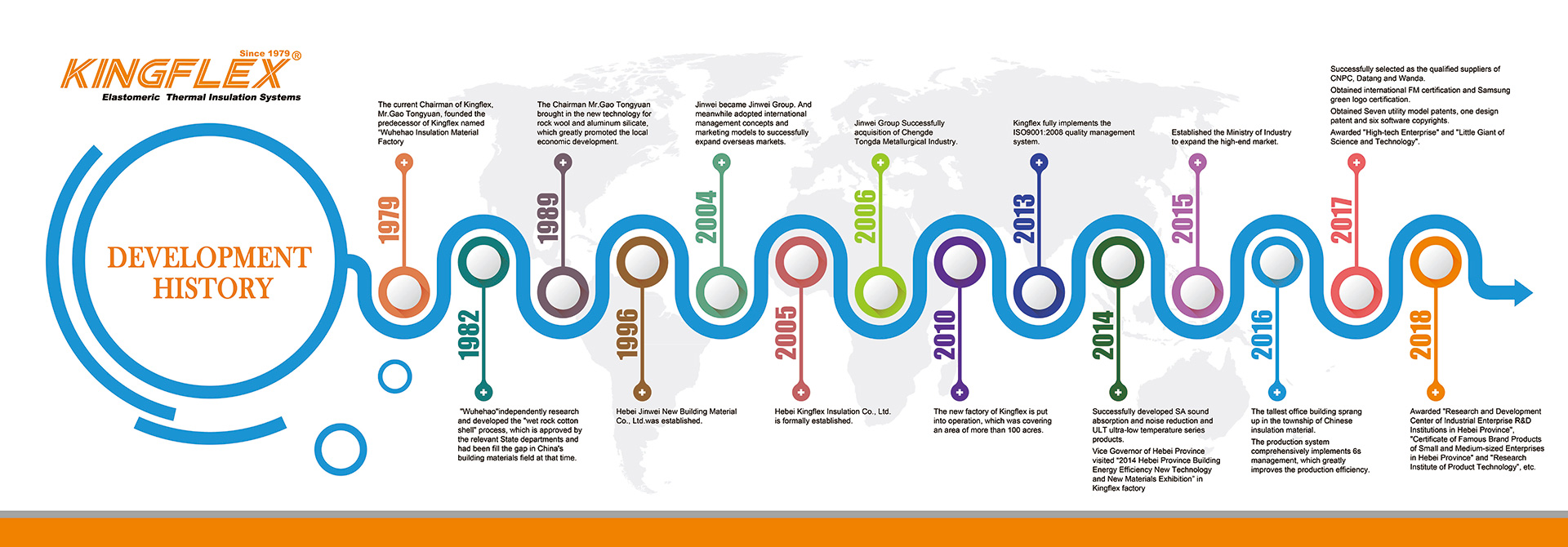
Kingflex was established by the Jinwei Group, bringing with it a rich heritage of industrial thermal science dating back to 1979. With more than 40 years of pioneering technical evolution, Jinwei Group was the first certified manufacturer of thermal insulation materials located north of the Yangtze River. This historical expertise forms the baseline of Kingflex's engineering capacity and structural trust.
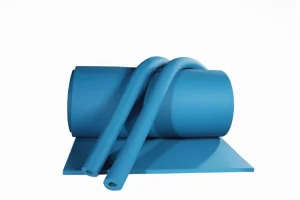
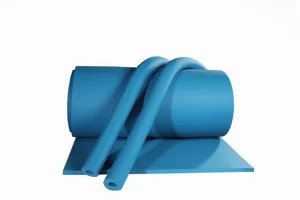
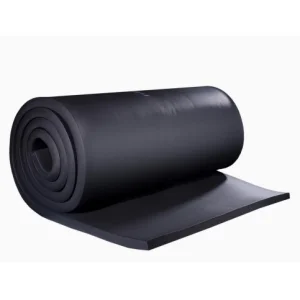
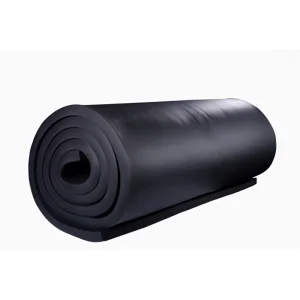
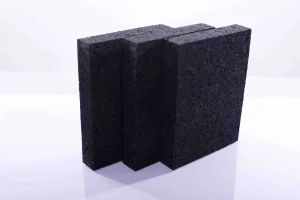
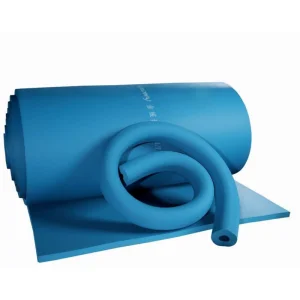
The thermal efficiency of modern NBR/PVC (Nitrile Butadiene Rubber/Polyvinyl Chloride) insulation sheets depends heavily on the microscopic morphology of the cellular structure. A high closed-cell ratio ensures minimal moisture permeability and stable long-term thermal conductivity.
Composed of over 98% independent micro-vacuum cells. This matrix impedes gaseous thermal convection while eliminating the capillary paths that pull moisture into the core insulation layers.
Moisture infiltration is the primary driver of insulation failure and Corrosion Under Insulation (CUI). Our NBR/PVC sheets boast a high water vapor resistance factor (μ ≥ 10,000), eliminating the need for separate vapor barriers in most applications.
Exhibiting over 80% compression resilience, the material withstands structural movements, expansion loops, and piping friction without cracking, tearing, or permanently losing thickness.
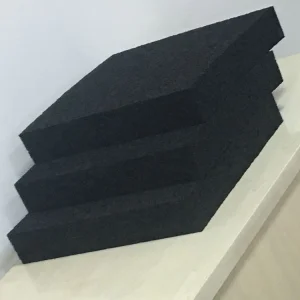
Kingflex manufactures high-density, fire-rated insulation systems to standard and custom architectural sizes. Below is the primary engineering blueprint for our standard production runs.
Kingflex operates 5 large automatic continuous assembly lines, utilizing PLC-controlled foaming ovens that guarantee thermal uniformity across every millimeter of production. With an annual capacity exceeding 600,000 cubic meters, Kingflex is a certified supplier to the Ministry of Energy, the Ministry of Electric Power, and the Ministry of Chemical Industry in China.
Our raw material sourcing benefits from Dacheng's consolidated chemical cluster, allowing us to acquire premium nitrile polymers, blowing agents, and fire retardants at scale. By avoiding intermediate logistics and material broker markup, we pass these efficiencies down to EPC contractors, global distributors, and HVAC system developers via competitive pricing models.
In addition, our advanced manufacturing footprint is supported by a dedicated quality assurance framework, ensuring compliance with strict European and North American fire regulations prior to dispatch.
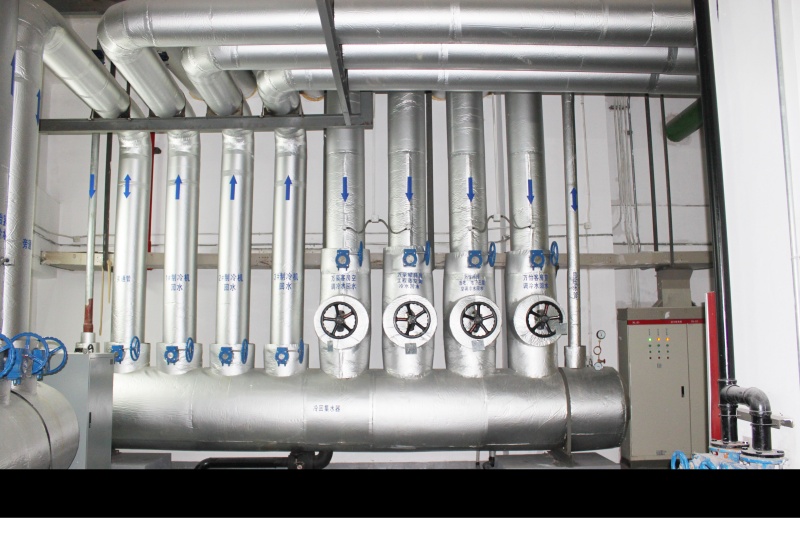
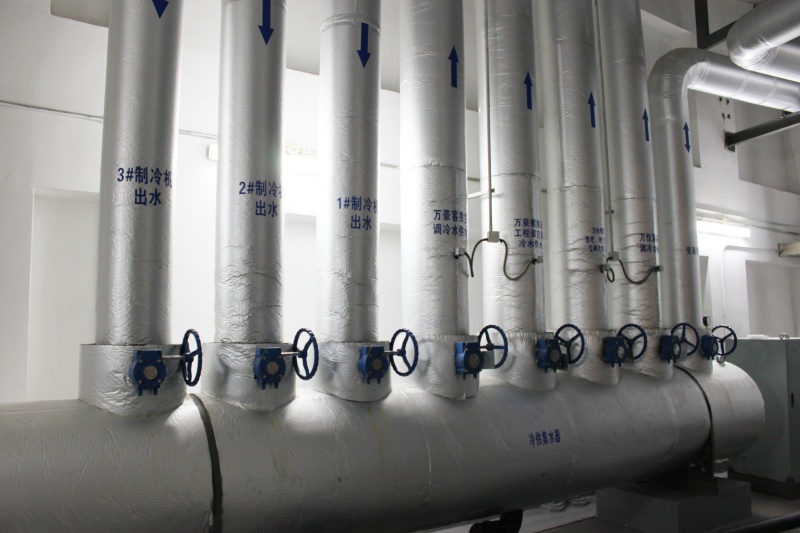

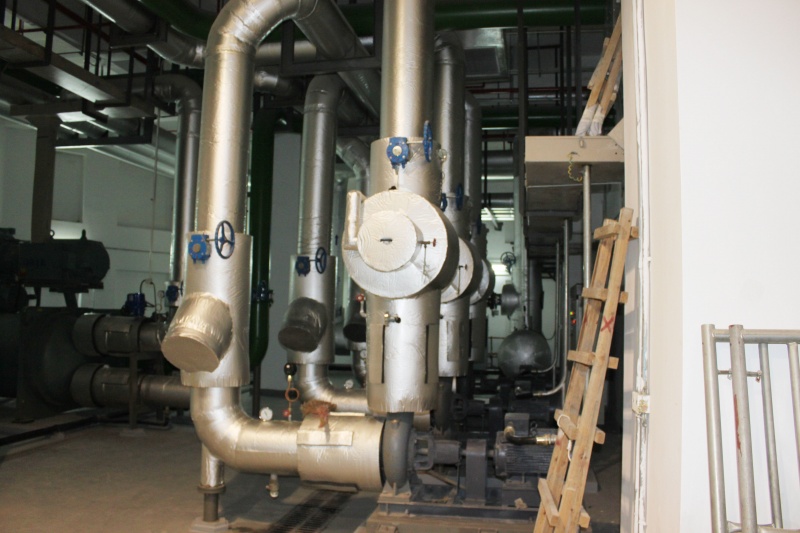
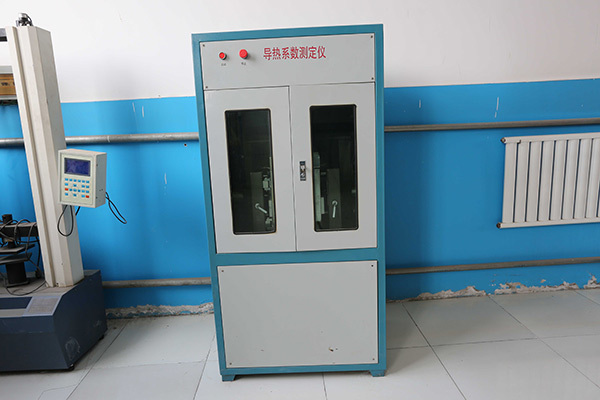
Every production batch of Kingflex elastomeric foam undergoes testing to verify thermal performance, moisture barrier consistency, and fire-safe operations.
Our dedicated R&D laboratory is staffed by 8 professional materials science engineers. They continuously research the thermal properties of polymers, develop low-smoke formulations, and evaluate aging profiles to optimize service life.
Through our advanced testing protocols, we verify that our products maintain low flame spread index and smoke development index metrics under ASTM E84, BS 476, and UL 94 standards.

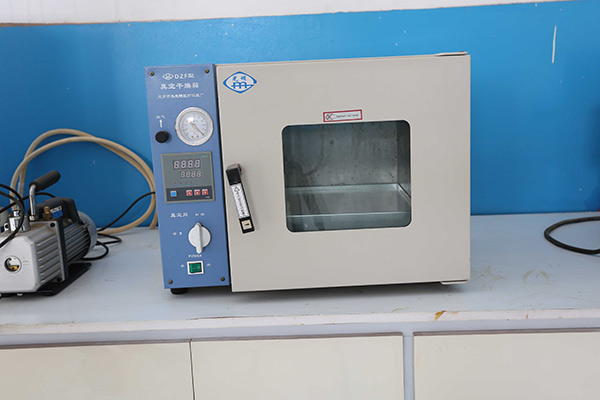
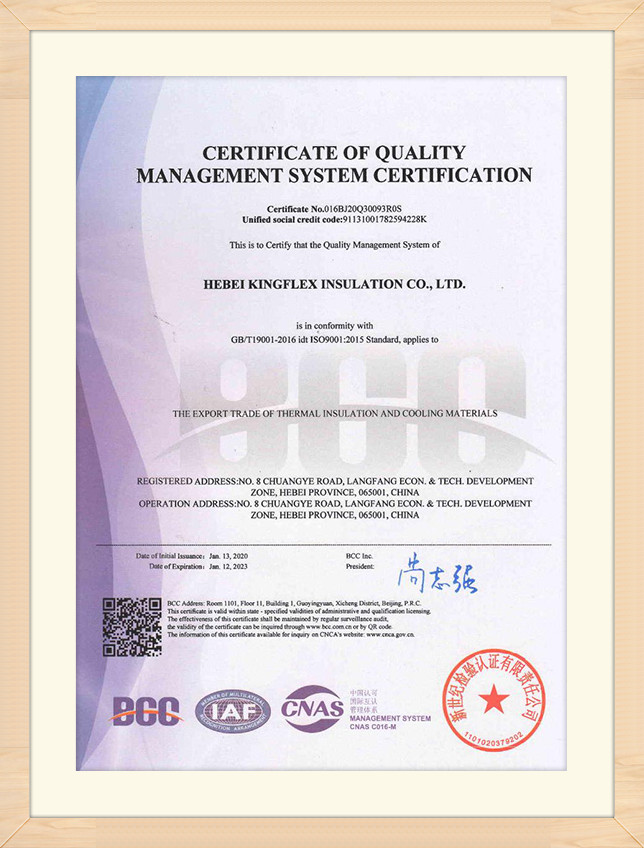
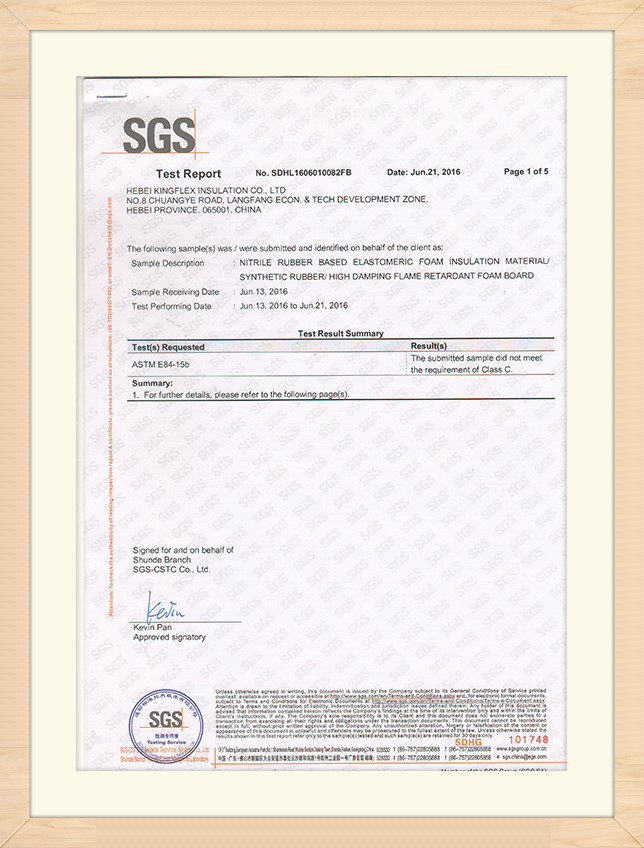
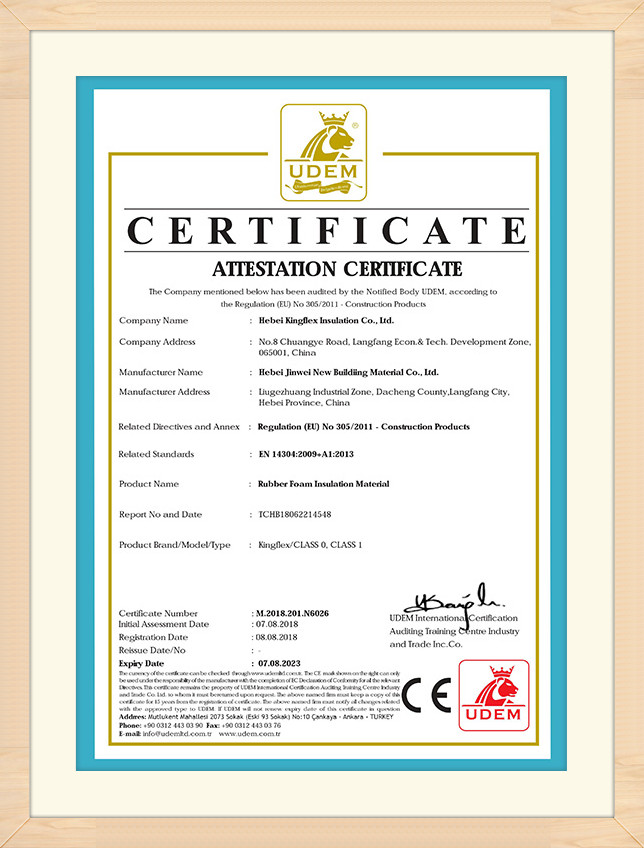
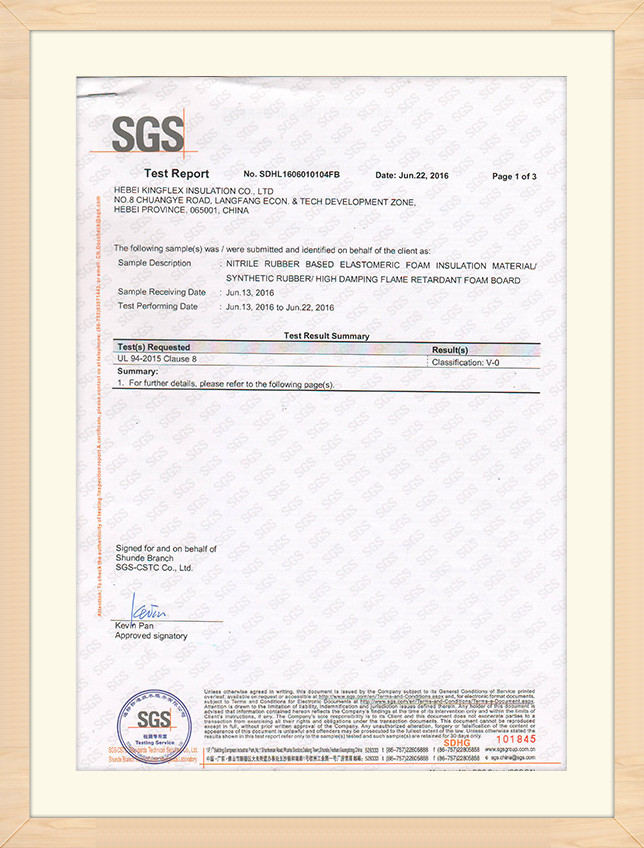
To support global supply chains, our product line has been tested and certified by third-party laboratories. Key certifications include:
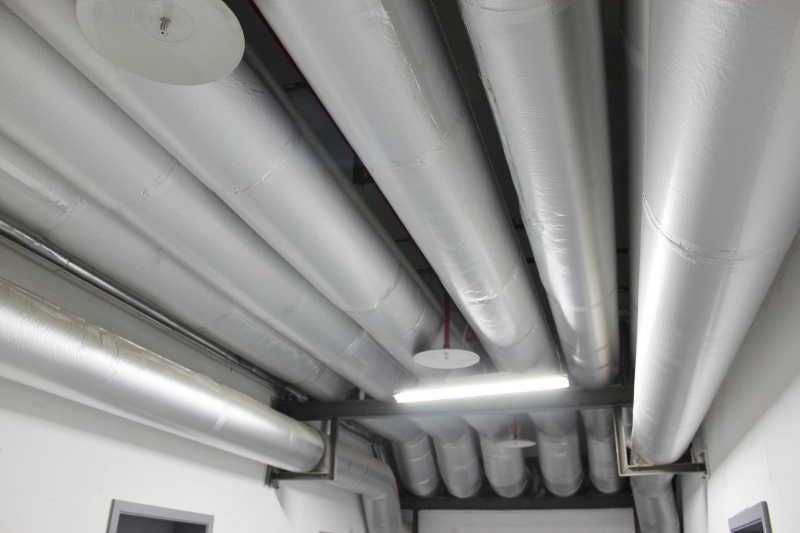
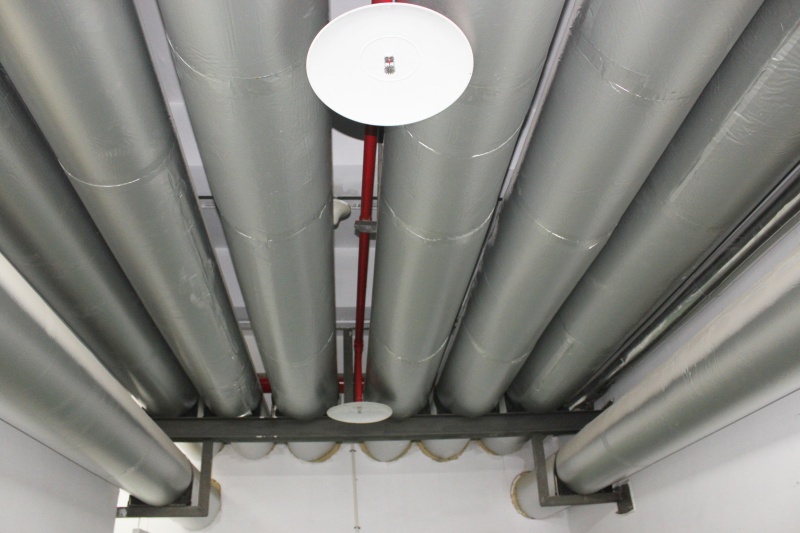
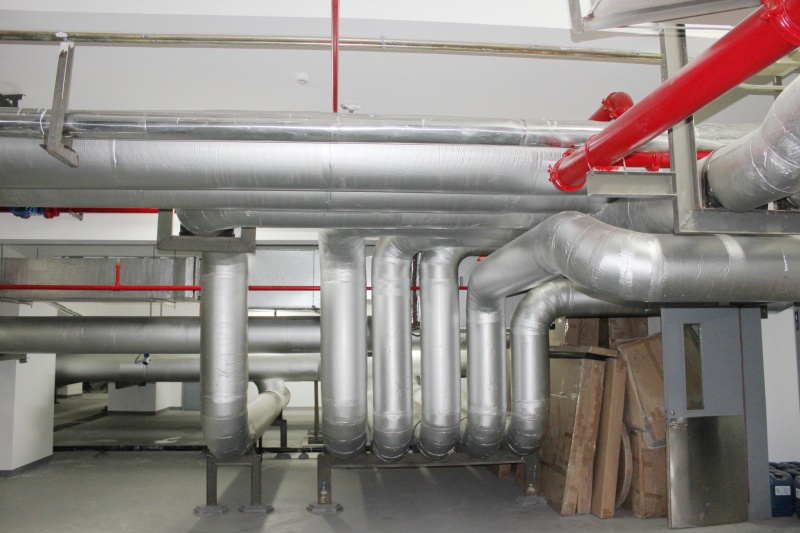
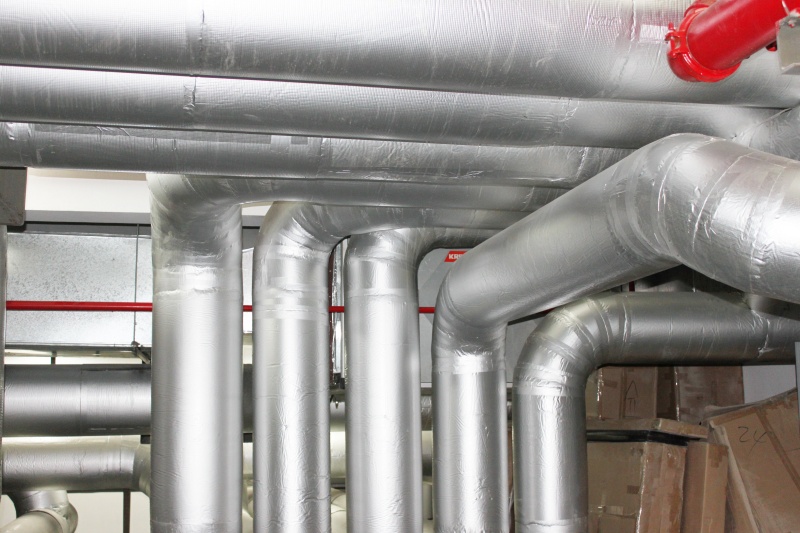
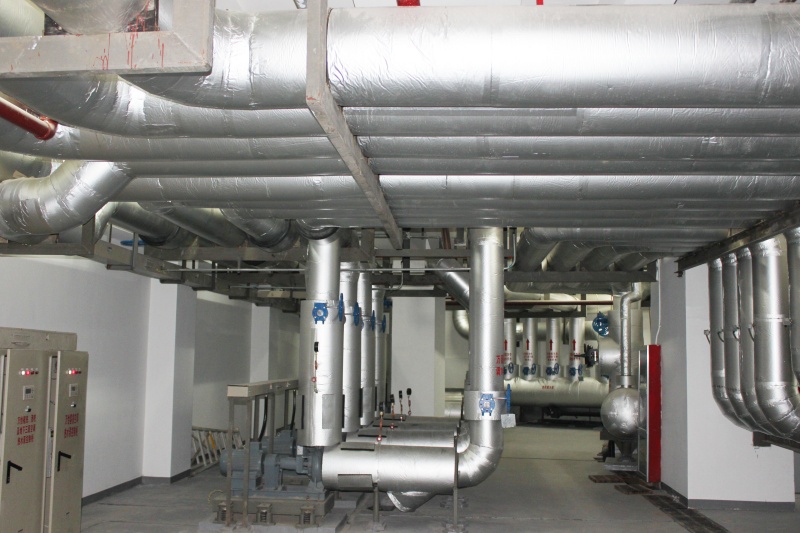
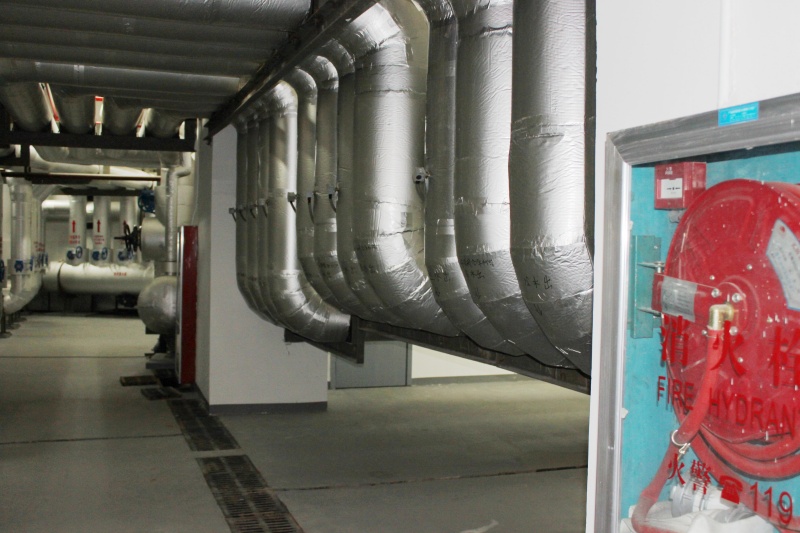
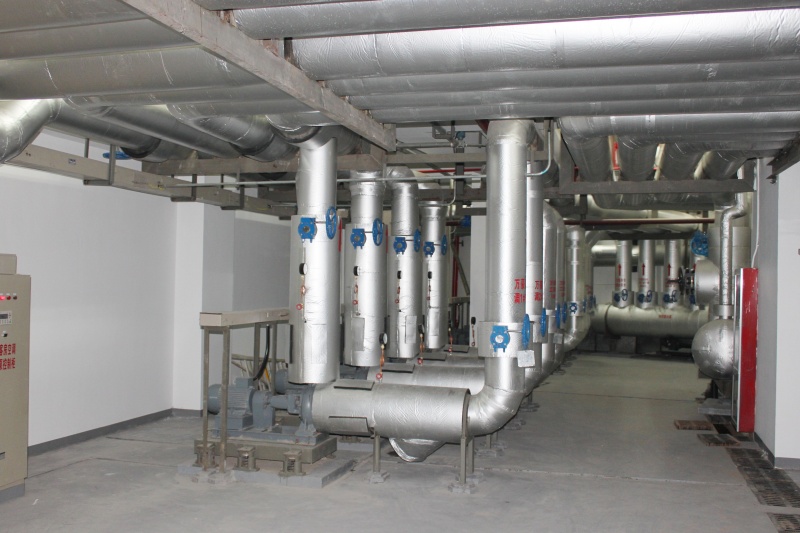
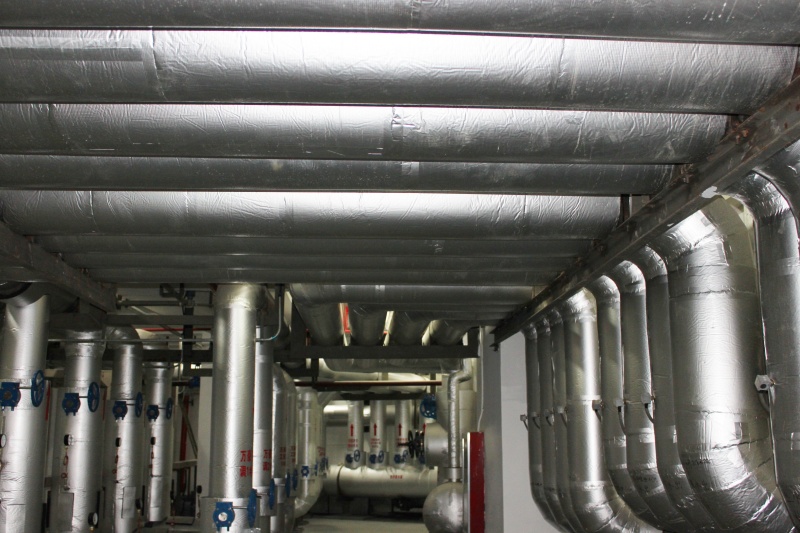
Kingflex thermal insulation sheets and pipes are used worldwide for HVAC installations, cryogenic cooling lines, and acoustic management systems.
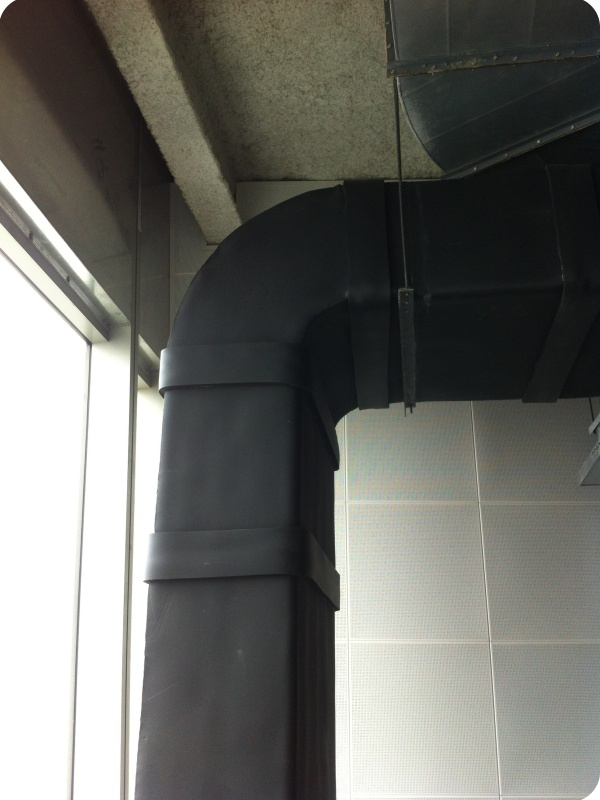
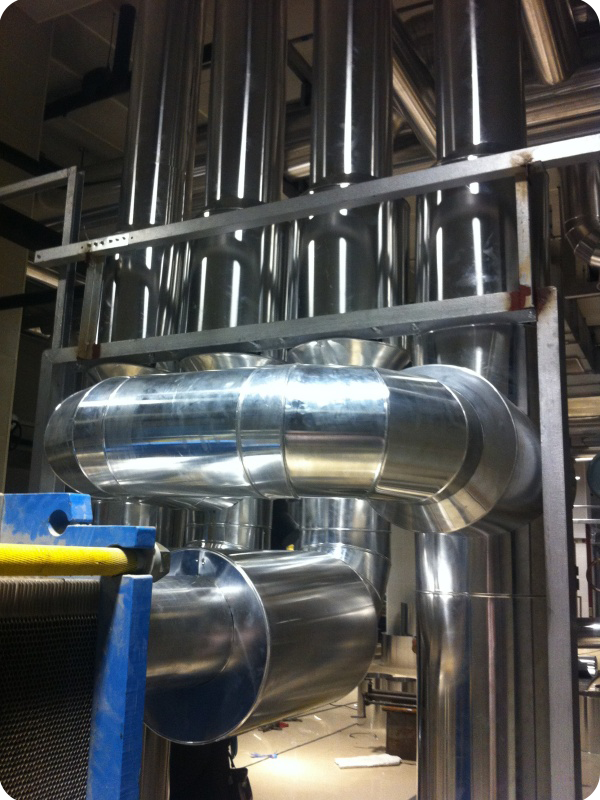
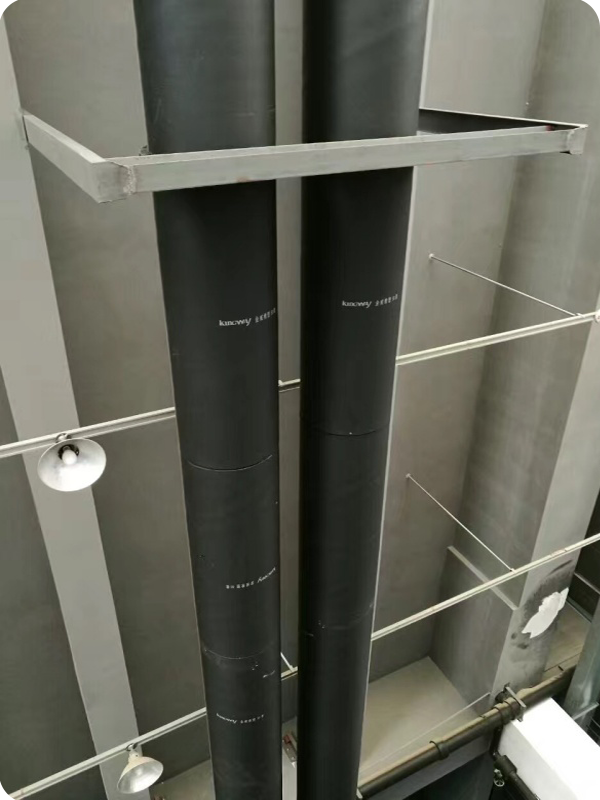
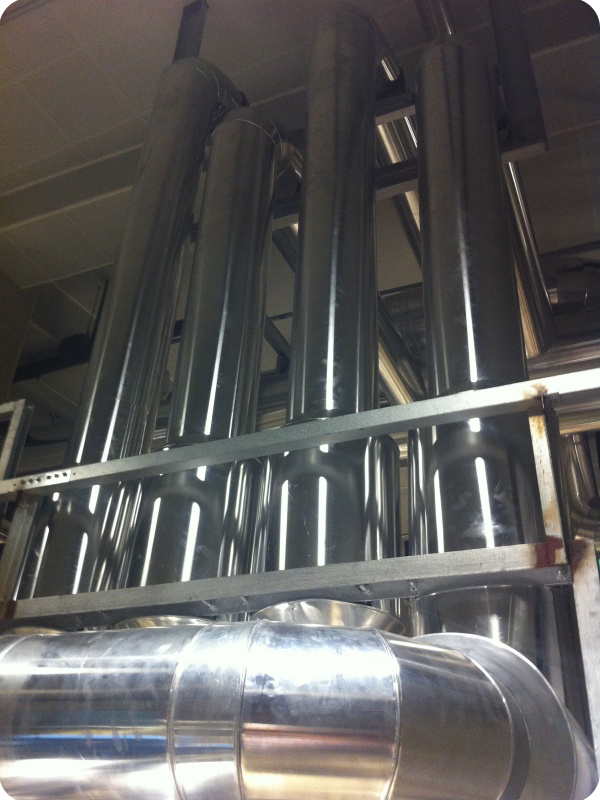
Used for air ducts, chilled water lines, and condensate piping. The NBR/PVC closed-cell structure helps prevent condensation and reduces mold growth inside ventilation pathways.
Specially formulated for ultra-low temperature environments down to -200℃ (such as LNG plants, ethylene lines, and liquid nitrogen systems). These systems maintain flexibility at low temperatures and resist thermal cracking.
Our high-density open-face acoustic options are used in mechanical rooms, generator housings, and railway carriages to absorb structural vibrations and reduce high-frequency mechanical noise.
Over the past 16 years, Kingflex has exported energy-saving insulation systems to more than 66 countries. Our technical support team works directly with engineering partners to verify specification compliance and material traceability for municipal construction projects, chemical plants, and cleanroom facilities.
We maintain documentation for every batch, including certificate of conformance (CoC) documents and test reports, helping our clients navigate regional regulatory requirements.

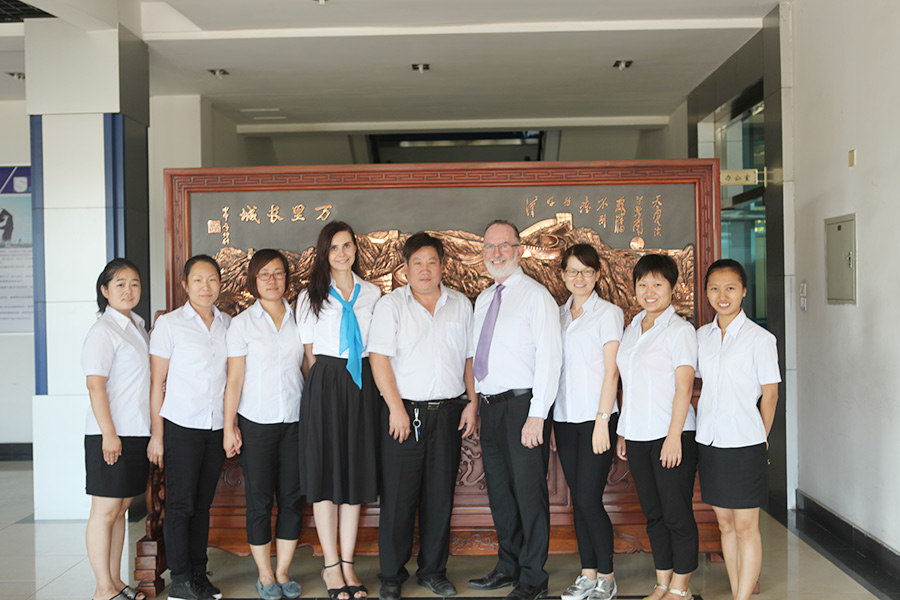




Photos from our production lines, curing ovens, and warehouse yards, showing the scale of our supply capacity.
Global regulations such as the Montreal Protocol (and the Kigali Amendment) are driving a shift toward insulation materials with zero Ozone Depletion Potential (ODP) and low Global Warming Potential (GWP). Kingflex formulations utilize advanced halogen-free chemical foaming techniques to help satisfy sustainable building standards like LEED and BREEAM.
CUI represents a significant maintenance cost in chemical processing plants. Choosing high-performance NBR/PVC closed-cell elastomeric foam sheets with low water-soluble chloride content (typically under 30 ppm) helps prevent corrosive ionic build-up on stainless and carbon steel pipe surfaces.
Modern mechanical design increasingly specifies insulation materials that perform both thermal and acoustic functions. Composite materials combining elastomeric foam with sound-absorbing layers are being used to control heat transfer and damp acoustic energy in HVAC ductwork and processing lines.
Common technical questions regarding elastomeric foam properties, standard fire classifications, and installation guidelines.
Photos from our production lines, curing ovens, and warehouse yards, showing the scale of our supply capacity.





To complement our elastomeric foam line, Kingflex supplies specialized industrial mineral wool and cryogenic materials for high-temperature and extreme low-temperature processes.
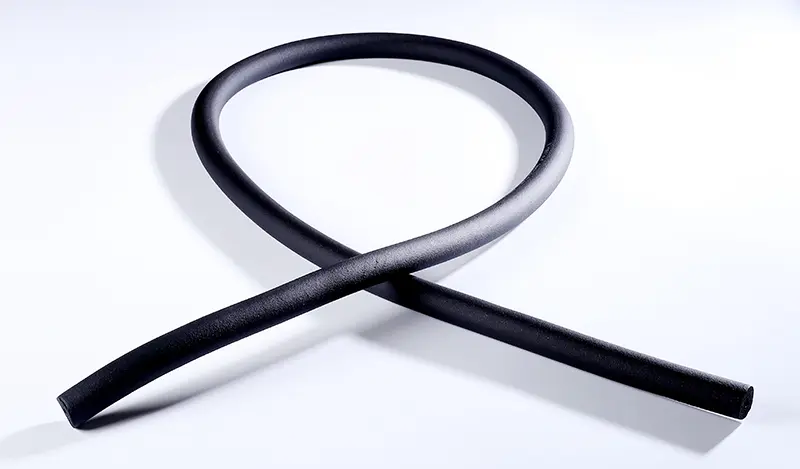
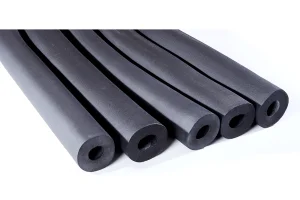
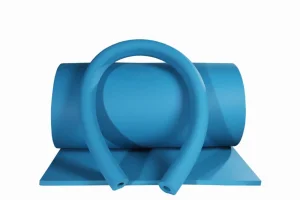
High-density pre-formed tubes designed for refrigeration lines and process piping. Prevents condensation and surface corrosion.
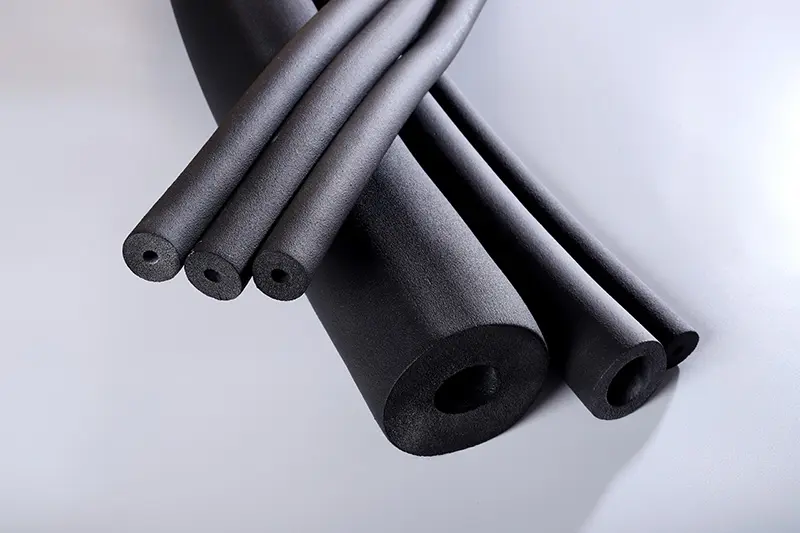
Formulated with low halogen levels to help protect industrial steel piping from Corrosion Under Insulation (CUI).

Highly flexible foam pipes that fit around bends and elbows, reducing installation time and the need for adhesive joints.
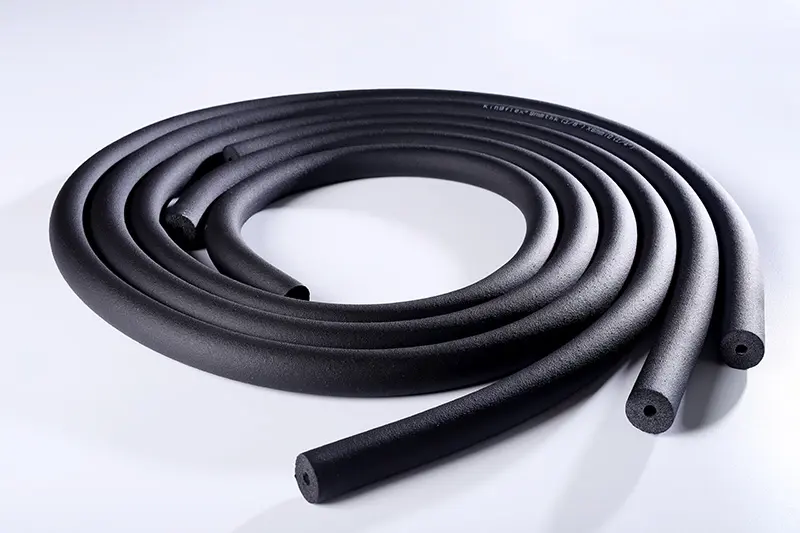
Our standard NBR/PVC pipe line, designed to fit typical HVAC and domestic hot/chilled water line dimensions.
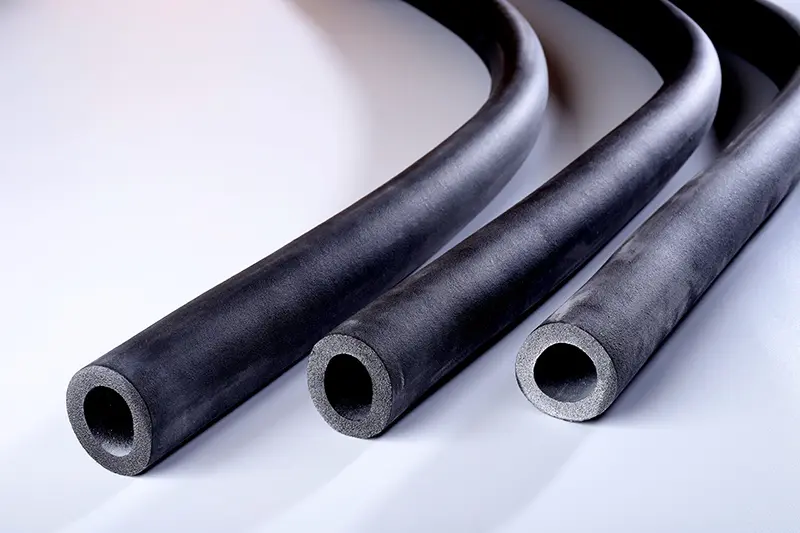
Lightweight, closed-cell formulation that helps limit thermal transfer in commercial building piping systems.
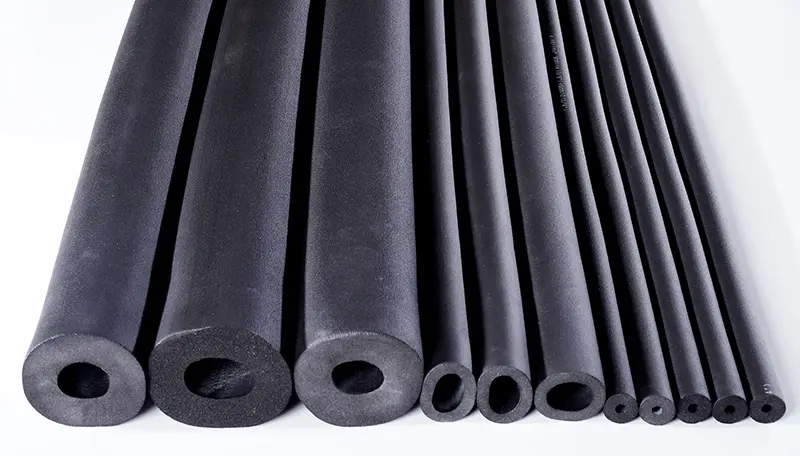
Engineered for central air conditioning lines, split-system heat pumps, and ventilation air distribution pipes.
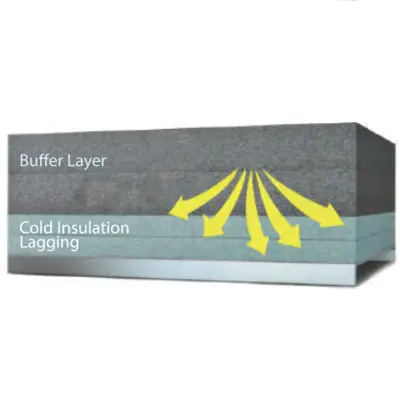
Designed for ultra-low temperature cryogenic environments, helping to prevent cracking and thermal loss.
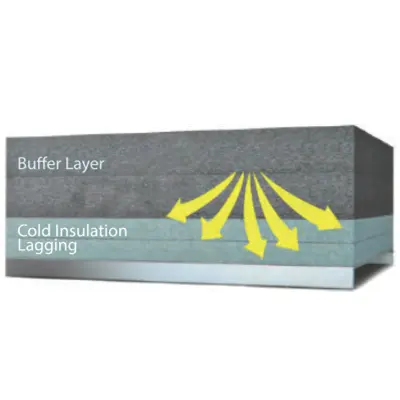
Maintains physical flexibility under extreme cooling loads, reducing joint stress in cryogenic lines.
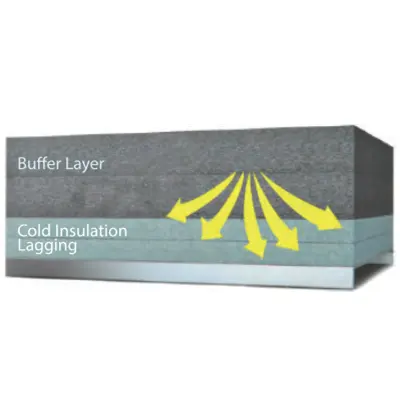
Suitable for industrial refrigeration and petrochemical pipelines that experience wide temperature ranges.
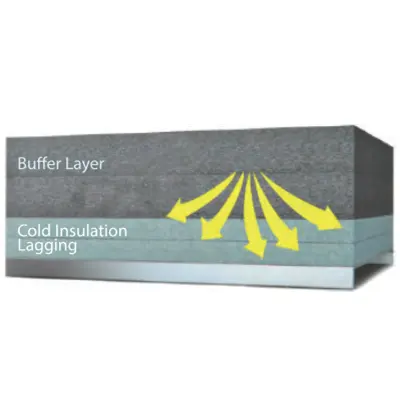
Engineered for LNG transport piping and liquid oxygen storage insulation.
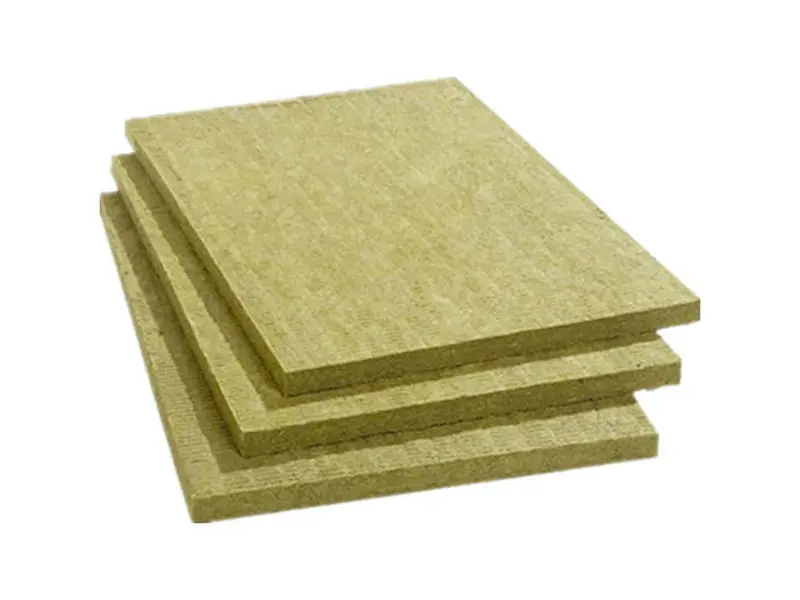
High-temperature mineral fiber boards designed for thermal and structural fire safety in industrial partition walls.
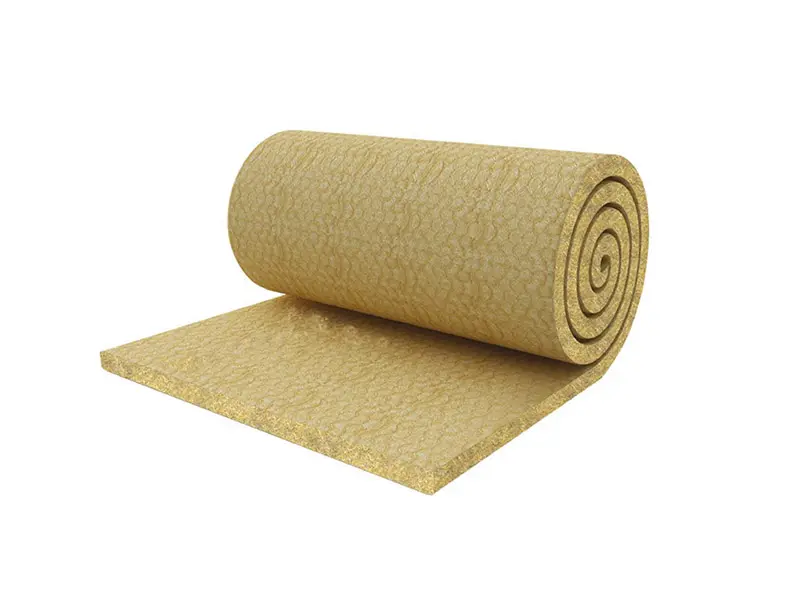
Flexible mineral wool mats designed for high-temperature tanks, boiler wraps, and complex pipe shapes.
Explore our technical-grade NBR and PVC insulation sheet variations for specific regional code requirements.