 Kingflex
Kingflex
Kingflex
Explore our high-performance closed-cell elastomeric rubber foam pipe insulation, sheets, and specialty rolls, certified for demanding global HVAC systems.
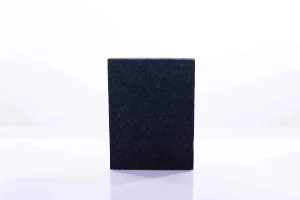
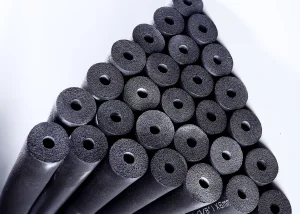
Within modern mechanical systems, control of heat transfer, mitigation of vapor condensation, and energy conservation stand as core requirements for engineering design. Kingflex closed-cell elastomeric rubber foam insulation offers a sophisticated structure explicitly engineered to meet these demands.
Our co-polymerized NBR/PVC matrix features an evenly distributed closed-cell layout with a rate exceeding 98%. This cellular density blocks moisture intrusion and yields a low, stable thermal conductivity ($\lambda \le 0.034 \text{ W/(m}\cdot\text{K)}$ at 0°C), shielding the underlying copper piping from environmental fluctuations and preventing galvanic corrosion.
The high moisture resistance factor ($\mu \ge 10,000$) eliminates the need for separate jacket wrap systems in standard installations.
Ensures stable operation from -40°C up to +105°C, preventing thermal bridging and structural heat gains.
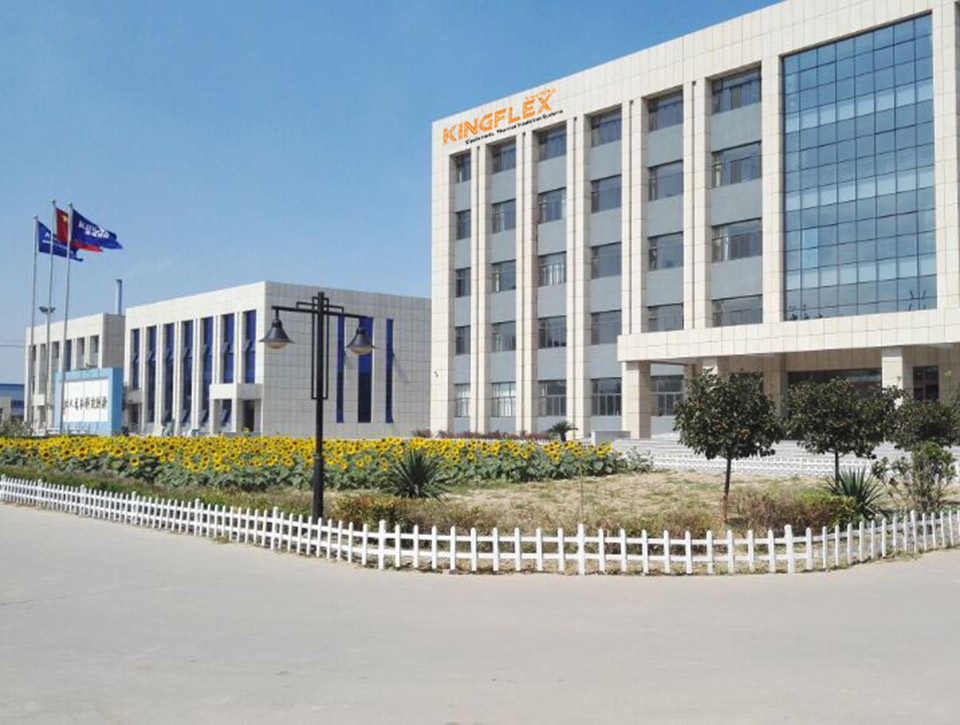
Building on decades of development, we support global commercial, industrial, and residential projects with large-scale manufacturing capacity.
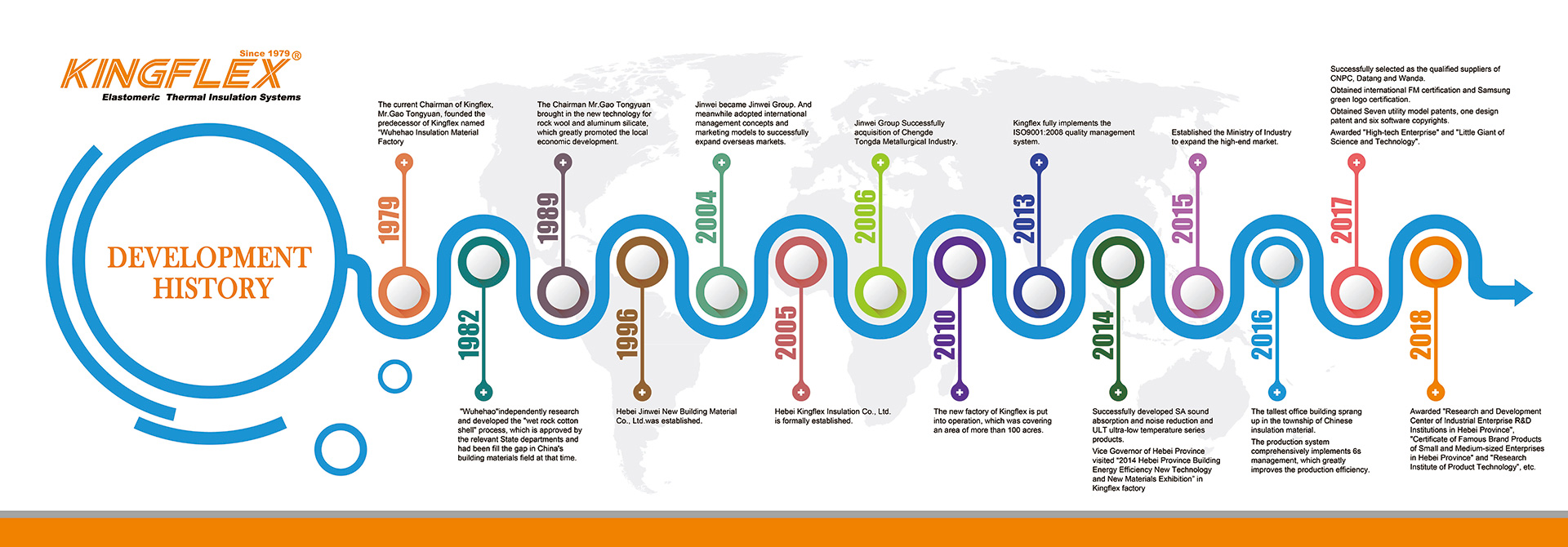
Established by Jinwei Group, which traces its manufacturing roots back to 1979 as a pioneer of thermal insulation materials north of the Yangtze River, Kingflex Insulation Co., Ltd. has developed into a major provider of thermal and cryogenic insulation solutions.
Located in the Dacheng green building materials district in China, our facilities integrate research, development, and production. The campus features 5 large automatic continuous assembly lines designed for precise cellular growth control and consistent density. This infrastructure makes Kingflex a supplier of choice for major industrial developments led by ministries of chemical, electric, and energy infrastructure.
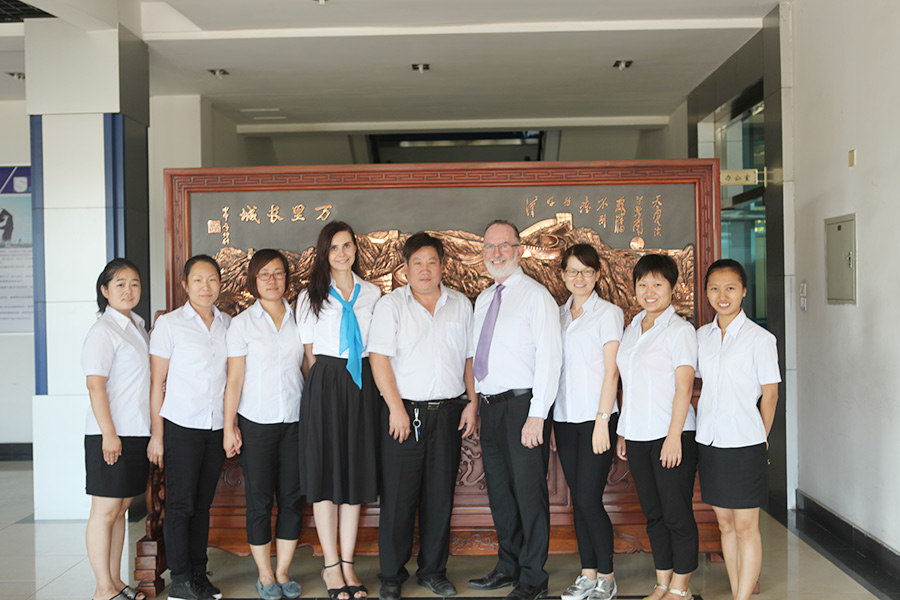
Our team includes eight professional R&D engineers, a dedicated quality control team, and over 230 manufacturing specialists. This structure maintains direct quality control from raw material loading to final packaging, supporting project-specific requirements with custom physical formats.
Standard physical properties of Kingflex elastomeric closed-cell insulation materials for engineering reference.
| Performance Indicator | NBR/PVC Elastomeric Foam Sheet | NBR/PVC Insulation Pipe / Tube | Test Reference Method |
|---|---|---|---|
| Thermal Conductivity ($\lambda$) | $\le 0.034 \text{ W/(m}\cdot\text{K)}$ at 0°C | $\le 0.034 \text{ W/(m}\cdot\text{K)}$ at 0°C | ASTM C518 / ISO 8301 |
| Vapor Permeability ($\mu$) | $\ge 10,000$ (Built-in Vapor Barrier) | $\ge 10,000$ (Vapor-Tight Cells) | EN 12086 / ASTM E96 |
| Density Range | 40 - 55 $\text{kg/m}^3$ | 40 - 55 $\text{kg/m}^3$ | ASTM D1622 |
| Operating Temperature | -40°C to +105°C | -40°C to +105°C | EN 14706 / ASTM C411 |
| Fire Classification | Class 0 / Class 1 / Class V-0 | Class 0 / Class 1 / Class V-0 | BS 476 Part 6/7, UL 94, GB 8624 |
| Closed-Cell Rate | $\ge 98\%$ | $\ge 98\%$ | ASTM D2856 |
| Thickness Availability | 6mm to 50mm | 9mm to 40mm (ID: 6mm - 114mm) | Factory Calibrated |
Understanding the dynamic shifts in global green building policies and sustainable material sourcing.
Modern engineering designs target global efficiency ratings like LEED, BREEAM, and DGNB. Closed-cell NBR/PVC insulation helps lower project-wide carbon emissions by reducing systemic thermal losses throughout mechanical HVAC lines.
The industry shift toward low-GWP refrigerants like CO2 and Ammonia requires pipe insulation that can handle wider operating temperature ranges and prevent condensation during high-pressure cycles.
Procurement managers seek certified suppliers that can provide complete material documentation, traceability, and compliance with REACH, RoHS, and local fire regulations.
Explore the physical limits, application guidelines, and installation specifications of our key insulation categories.
| Material | NBR/PVC Elastomeric Copolymer |
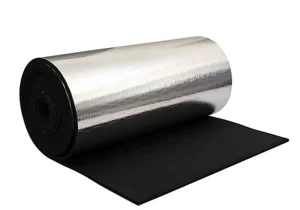
| Thickness Range | 6mm - 50mm |
| Bulk Density | 40 - 55 kg/m³ |
| Working Temp. Range | -40°C to +105°C |
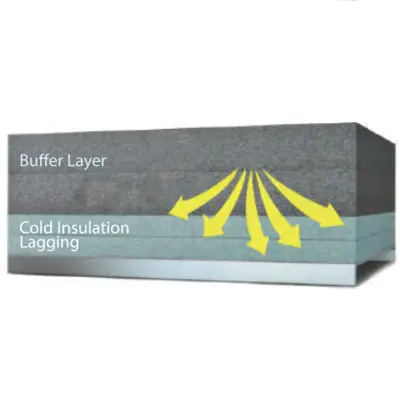
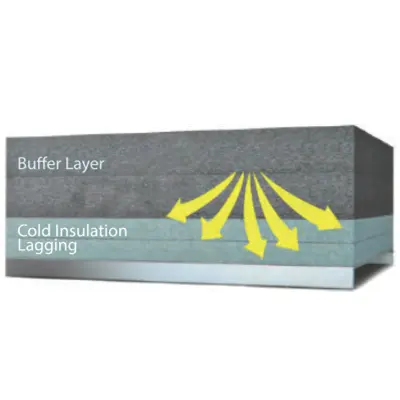
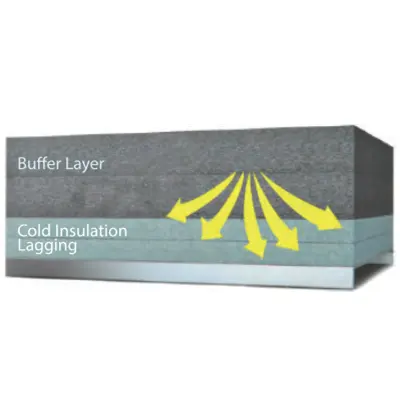
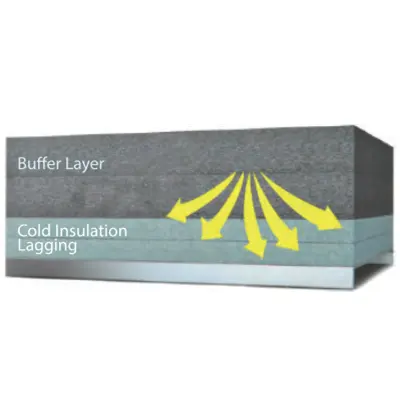
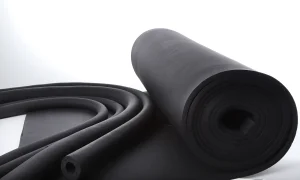
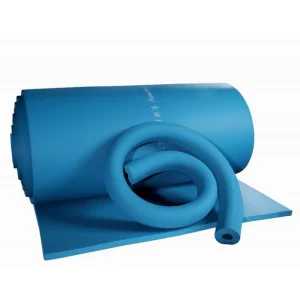
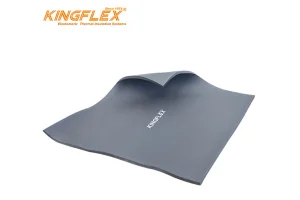
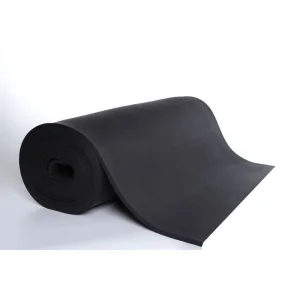
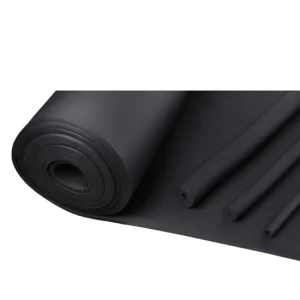
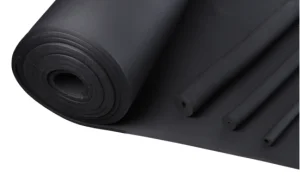
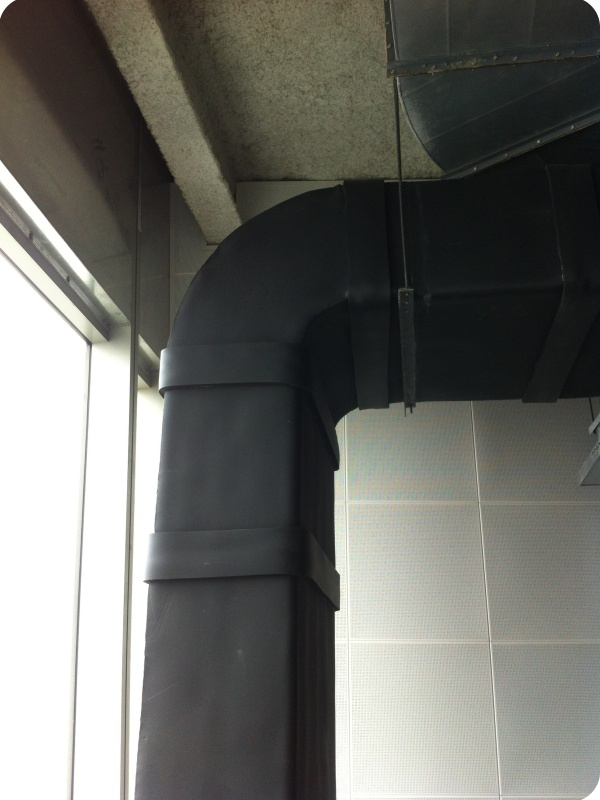
Primary Advantages: Our sheet rolls are designed for large-diameter pipelines, ventilation ducts, and tanks. The material provides thermal barrier stability and acoustic attenuation, reducing structural airflow noise in mechanical installations.
Common Applications: Suitable for HVAC air duct lagging, chilled water tanks, sound attenuation layers, and industrial equipment enclosures.
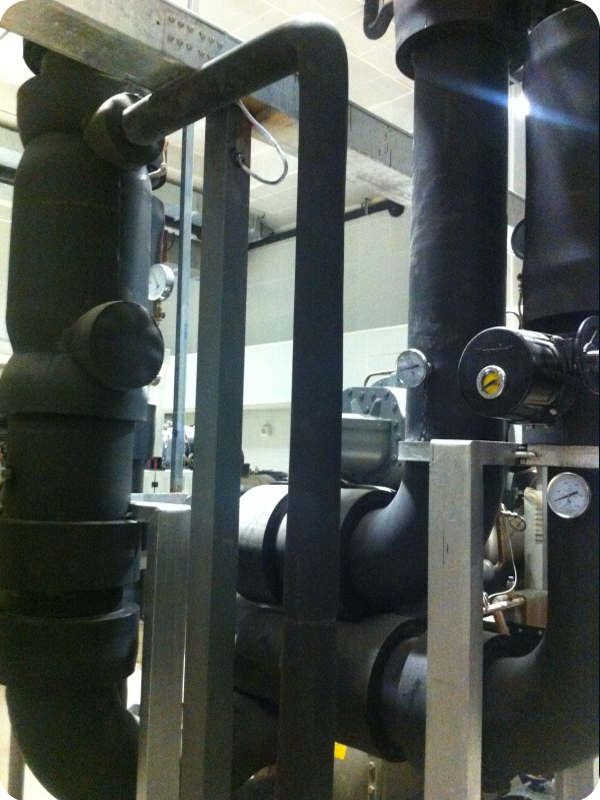
| Material | NBR/PVC Elastomeric Copolymer |
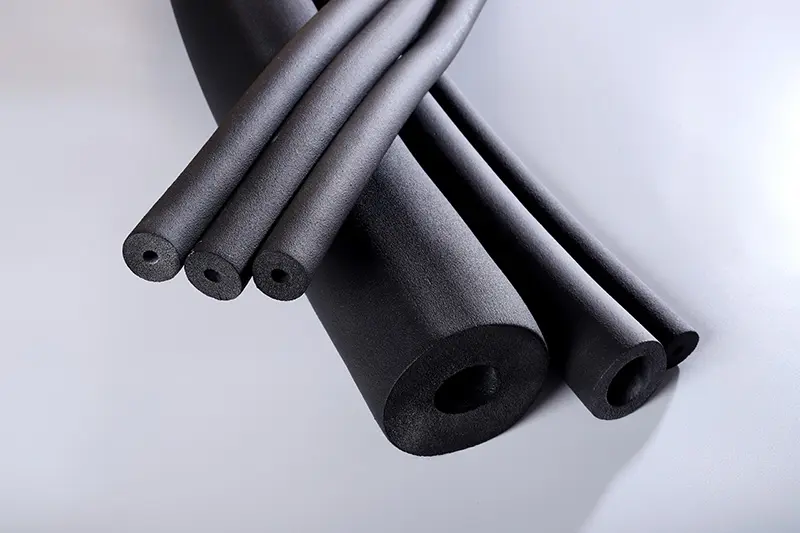
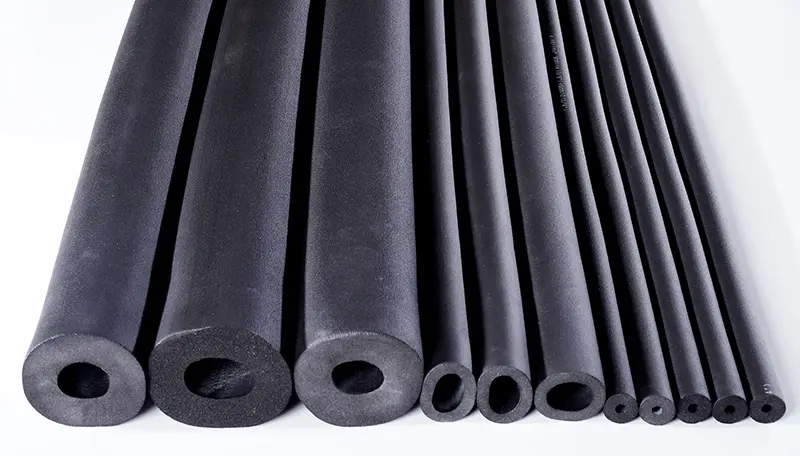
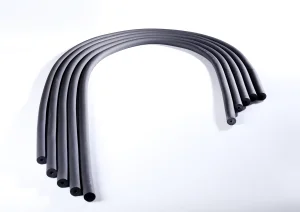
| Inside Diameter (ID) | 6mm - 114mm |
| Wall Thickness | 9mm - 40mm |
| Bulk Density | 40 - 55 kg/m³ |
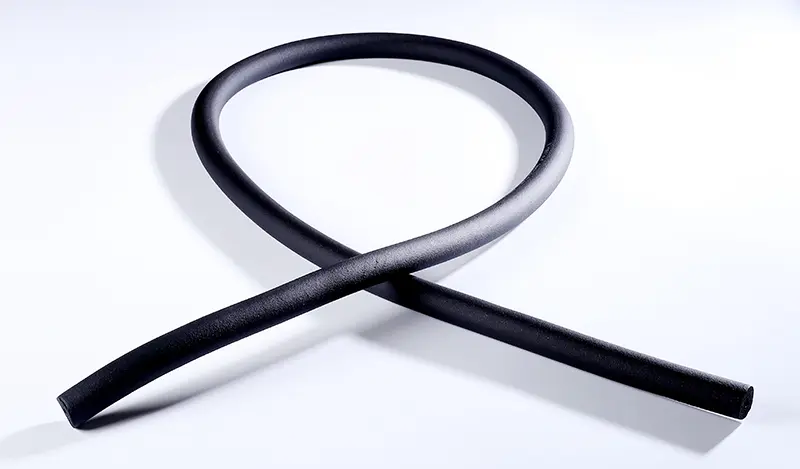
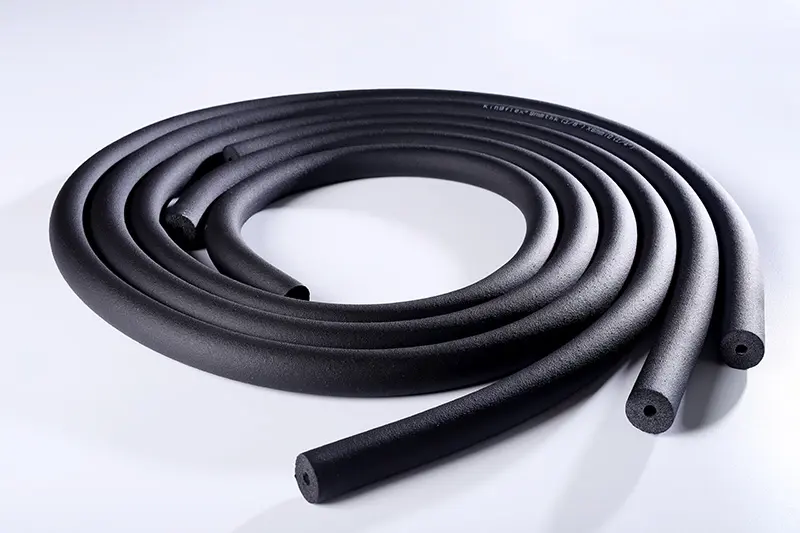
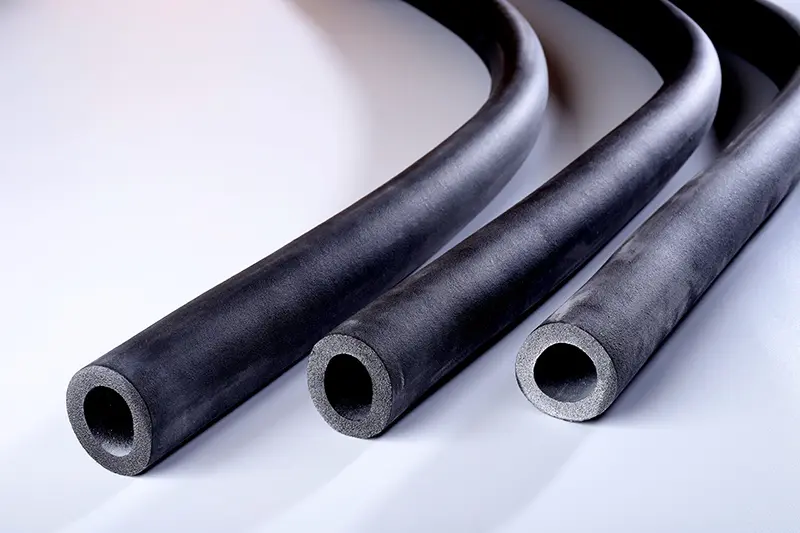
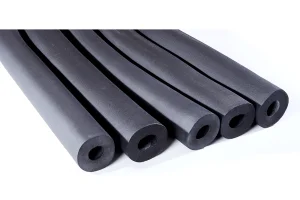
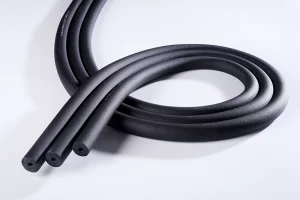
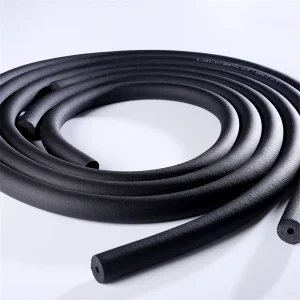
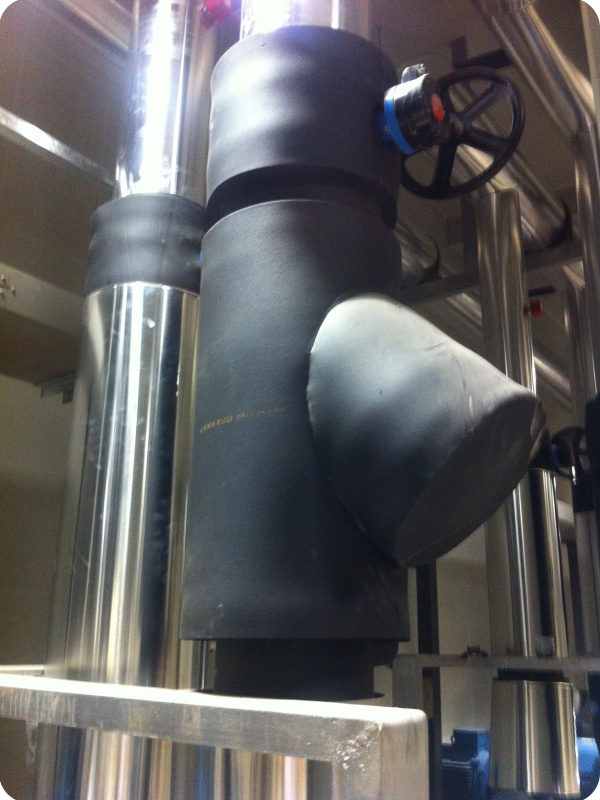
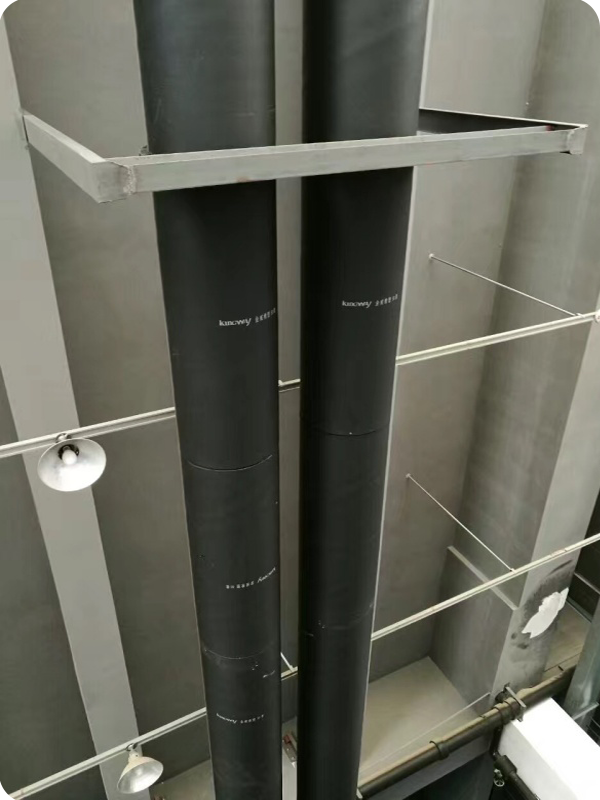
Primary Advantages: These pre-formed tubes fit snugly over standard copper and steel pipe sizes, reducing convective airflow in the pipe gap. High elasticity allows easy slip-on installation around bends and elbows.
Common Applications: Chilled water lines, split-system refrigerant lines, domestic hot/cold water plumbing, and chemical transport piping.
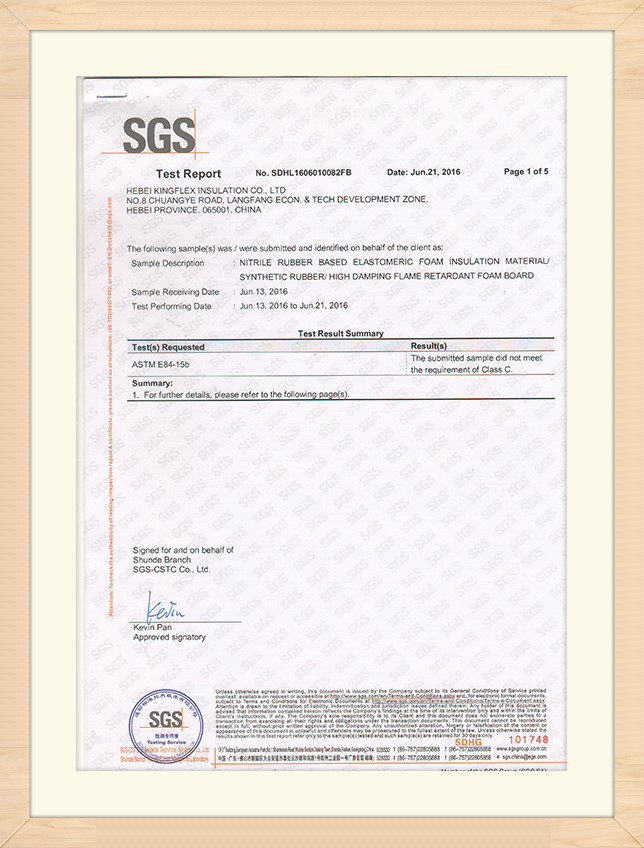
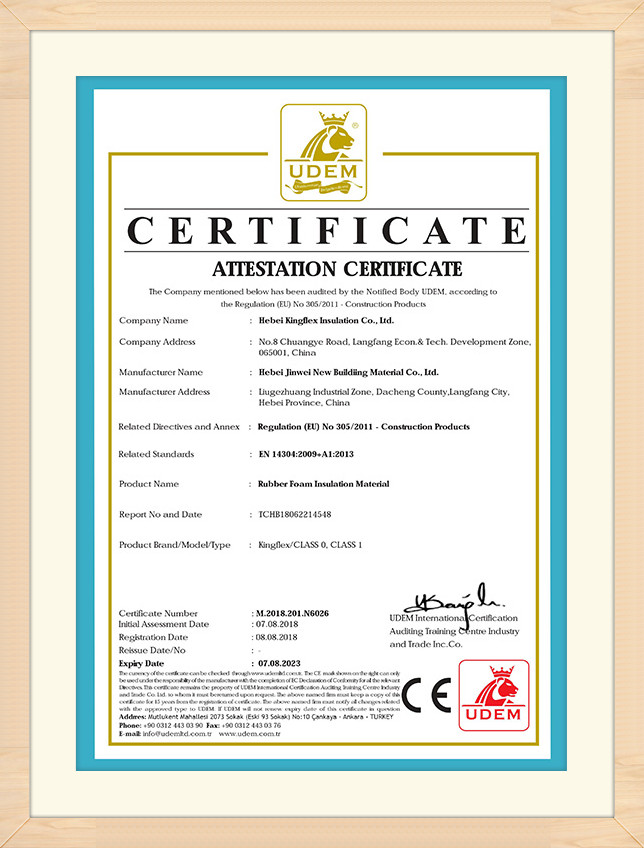
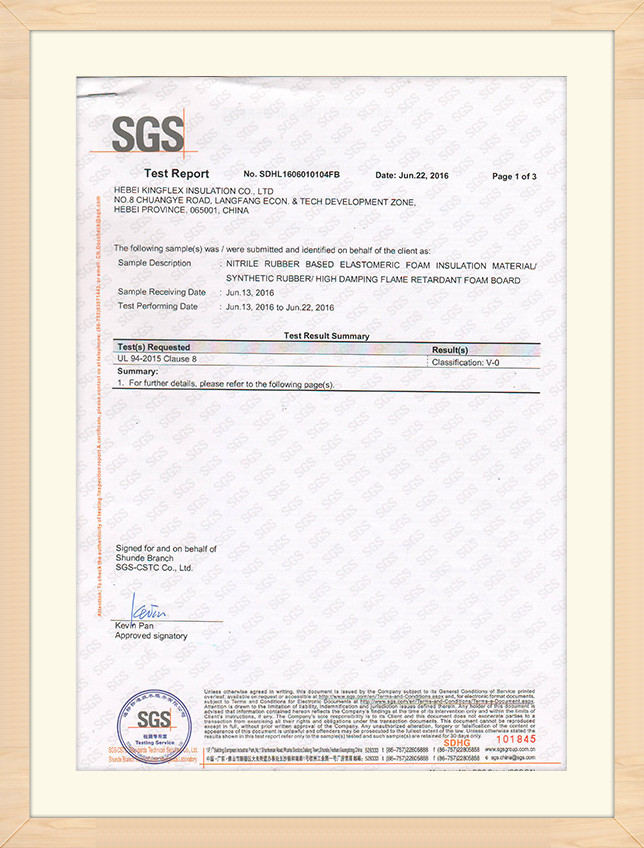
Our compliance framework is supported by international testing certifications and rigorous laboratory protocols.

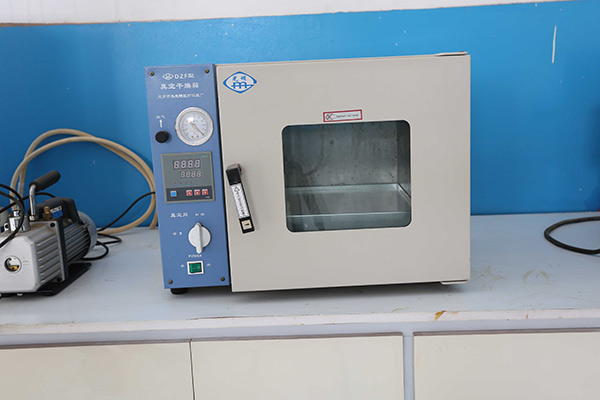
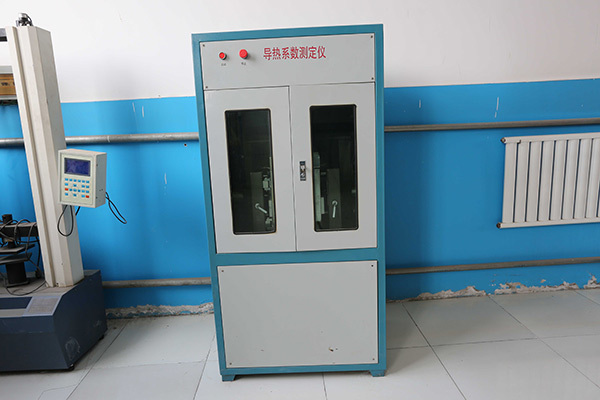
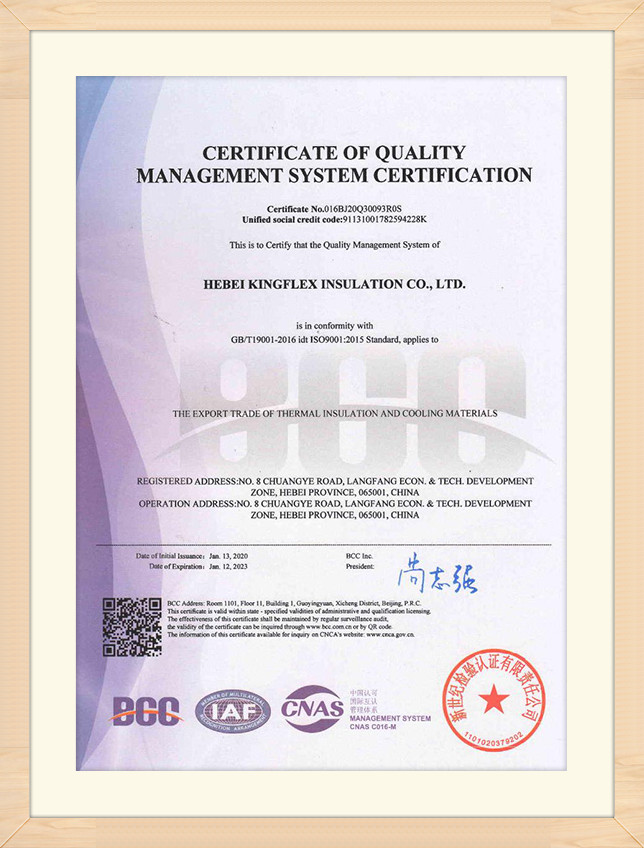



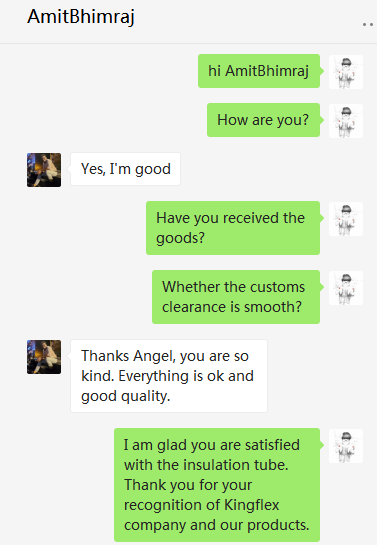
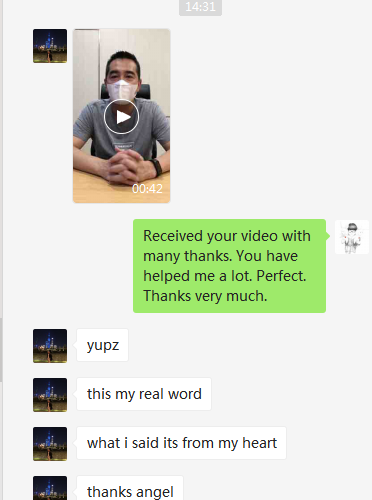
We work with distributors, MEP contractors, and OEMs to provide documentation and support throughout the procurement process.
From initial design consultations through technical submittals, our team assists with project approvals. Standard documentation includes fire test certificates, ASTM performance datasheets, and batch trace records.

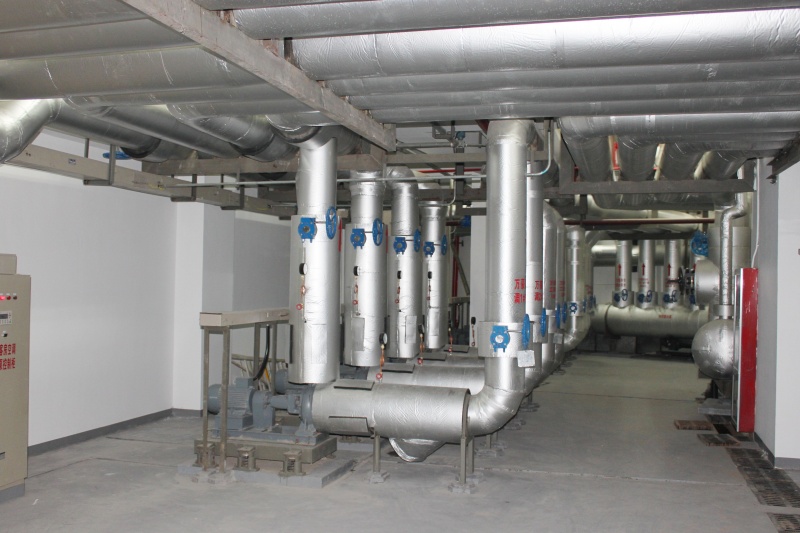
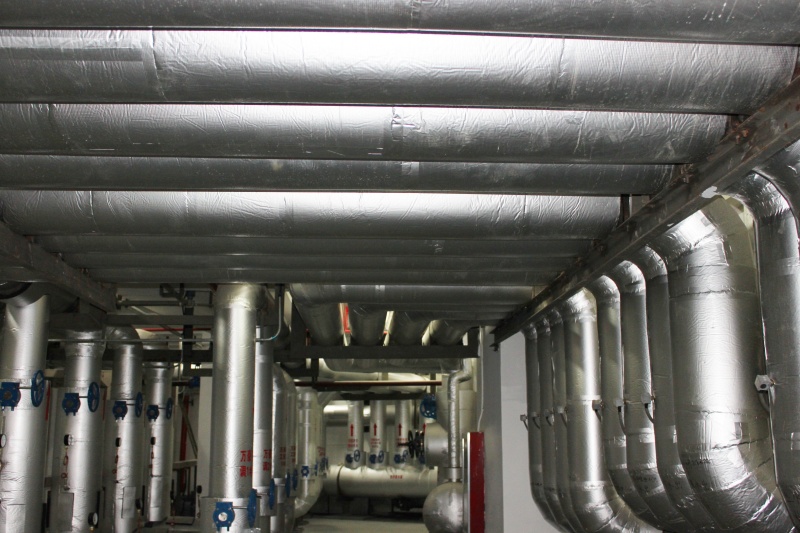
Our insulation systems are used in diverse applications, including high-rise commercial structures and specialized industrial plants.
By delivering high moisture resistance and stable thermal performance, Kingflex products help support operational lifetime and efficiency goals in HVAC infrastructures worldwide.
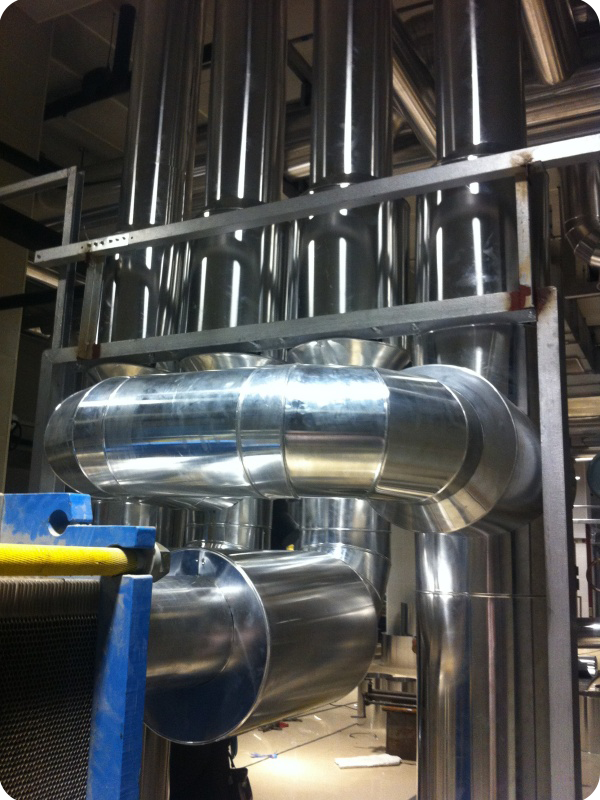
Beyond commercial HVAC, Kingflex manufactures high-performance insulation systems for demanding industrial settings.
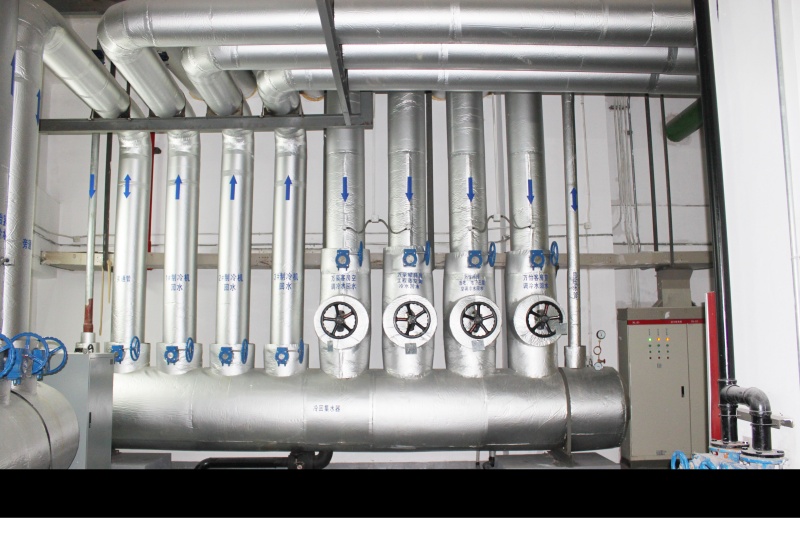
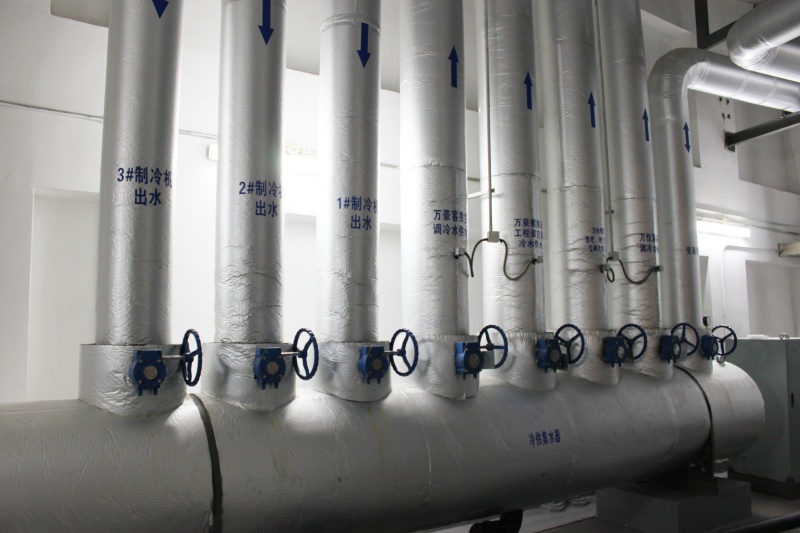
Prevents surface condensation on chilled water pipes and reduces energy consumption in commercial cooling networks.
Special formulations engineered to maintain physical properties down to -200°C for LNG lines and petrochemical terminals.
Open/closed composite structures designed to absorb sound transmission and mitigate pipeline structural resonance.
Closed-cell design blocks external moisture, preventing moisture buildup underneath the insulation layer (CUI).
Common technical questions answered by our engineering and product design teams.
It is primarily used for insulating HVAC ducts, refrigeration line sets, plumbing lines, and industrial process piping. Its main functions are to prevent surface condensation on cold lines, limit heat gain or loss, and provide acoustic damping.
Yes. Our formulations include built-in flame retardants, allowing them to meet standards such as BS 476 (Class 0/1), ASTM E84 (25/50 flame/smoke rating), and UL 94 (V-0 rating), ensuring compliance with commercial fire codes.
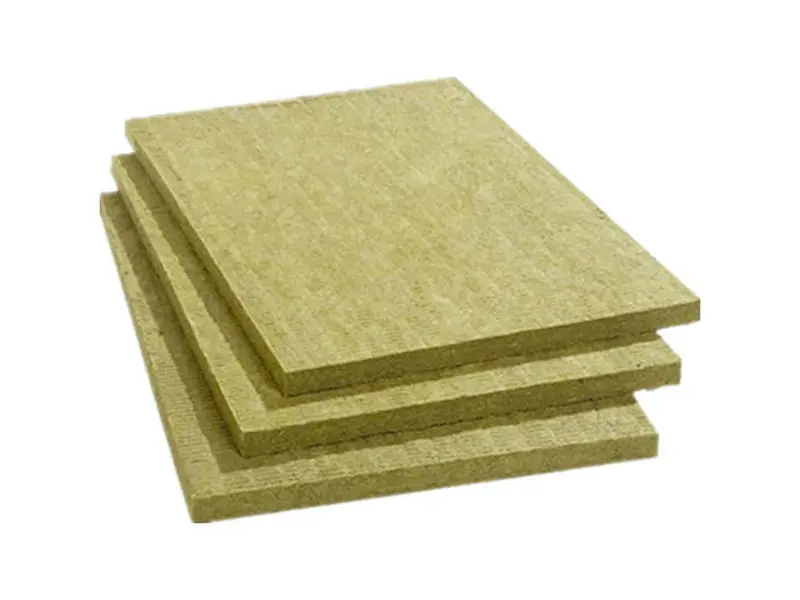
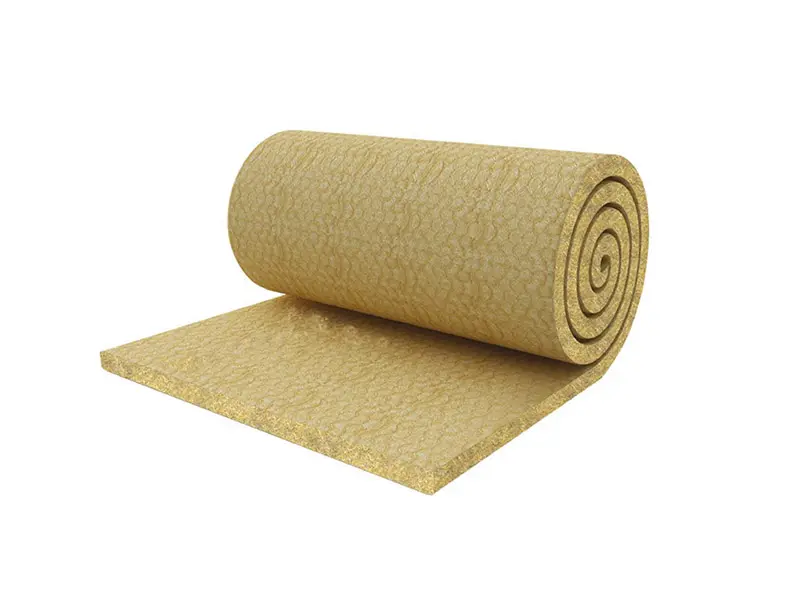
Rubber foam has a flexible, closed-cell structure that prevents moisture absorption, making it suitable for cold systems and chilled water piping. Rock wool is a fibrous material with high temperature resistance, typically used for high-heat applications or structural fire-stopping.
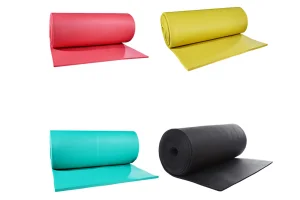
Yes, we provide full OEM and custom production services. We can adjust density, color, inner diameter, wall thickness, and sheet width to meet specific project guidelines.
Kingflex products are certified under BS 476, CE, REACH, RoHS, UL 94, and ASTM standards. Our manufacturing facilities are audited to comply with ISO 9001 and ISO 14001 guidelines.
Yes. All shipped batches are assigned a tracking number that corresponds to manufacturing records, raw material inputs, and quality control test logs.
We produce continuous sheet rolls and flat boards in thicknesses ranging from 6mm to 50mm, supporting standard and heavy-duty industrial specifications.
When installed according to specifications and protected from UV radiation, the material has an estimated service life of 10 to 15 years in typical HVAC installations.
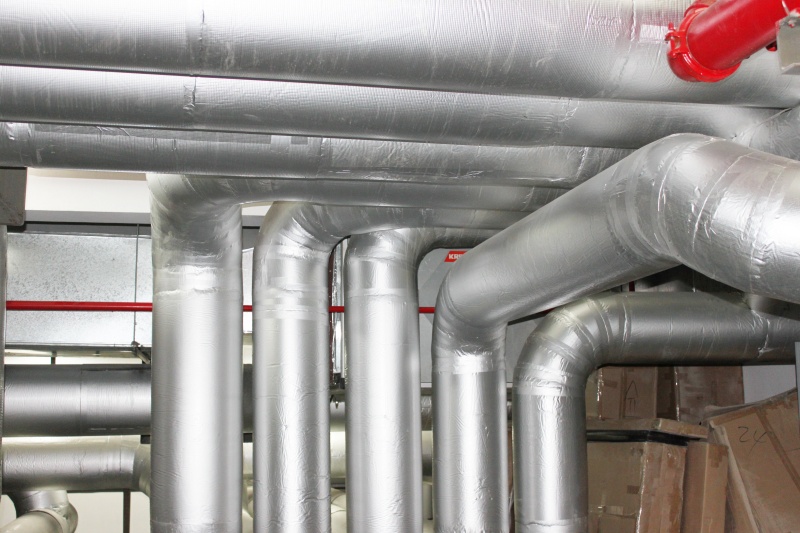
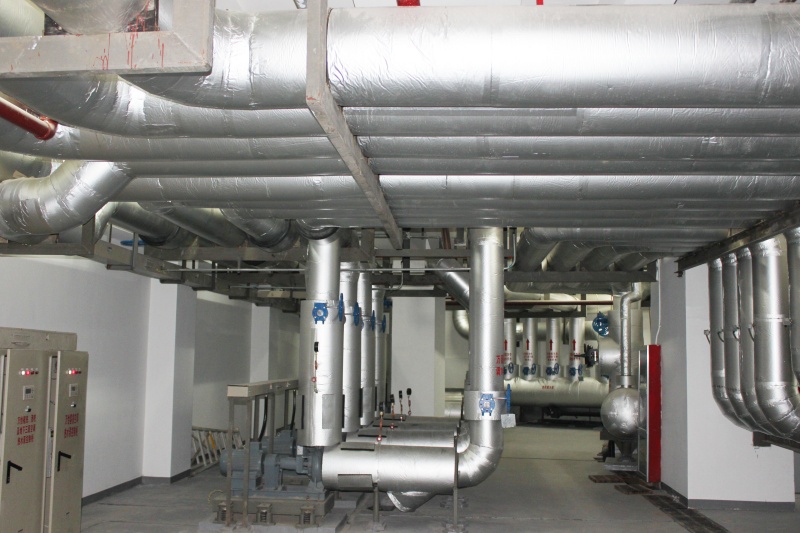
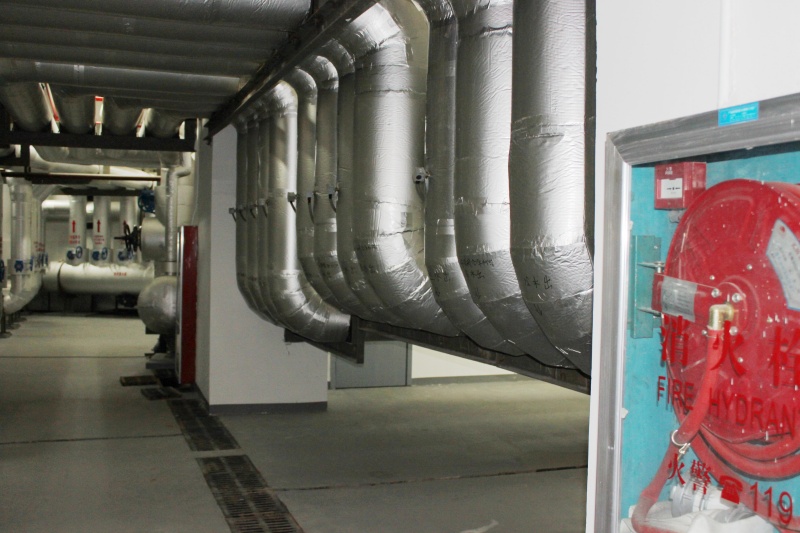
A look at the processes and facility floor where our insulation systems are fabricated.

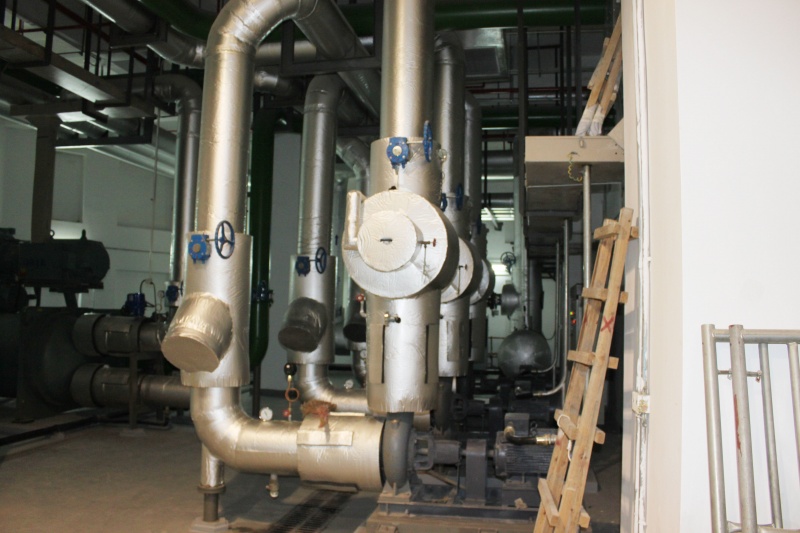
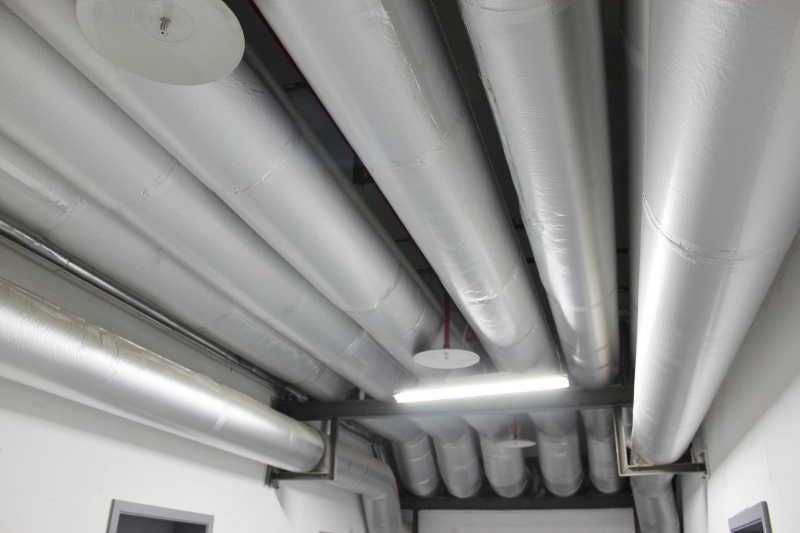
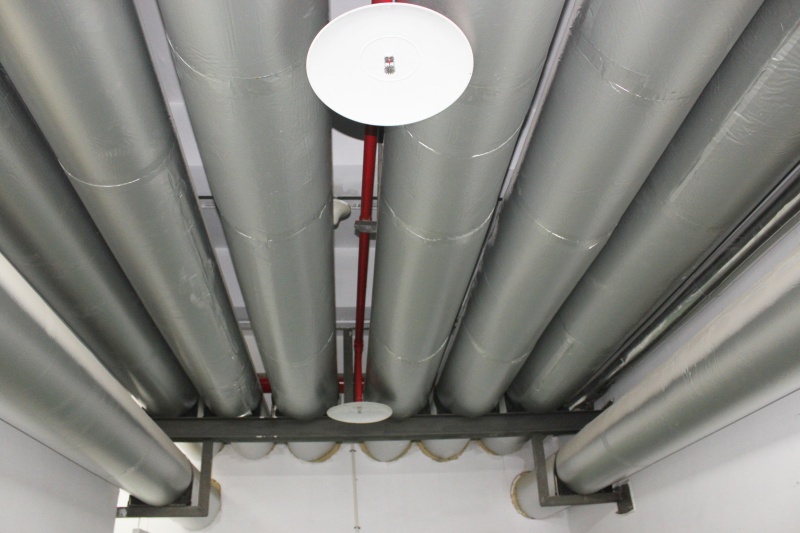
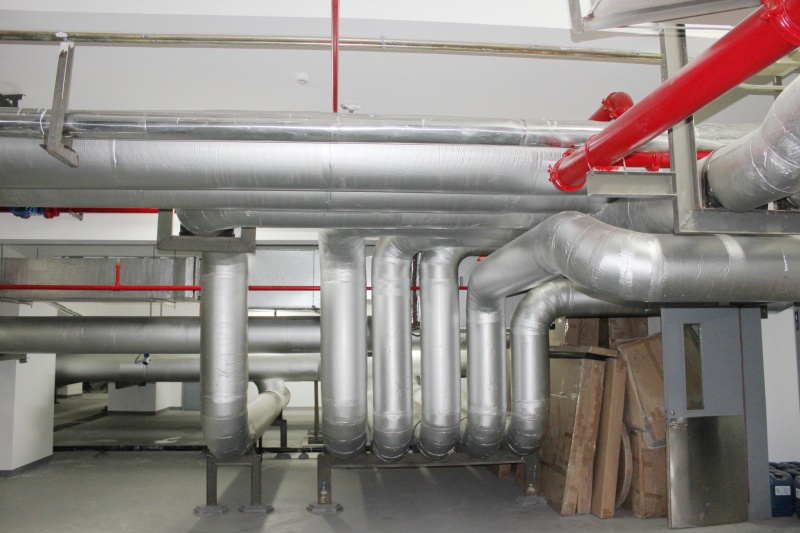
How we are evolving our formulations and manufacturing processes for future projects.
We are testing bio-based raw material alternatives to reduce the carbon footprint of our elastomer formulations while maintaining physical properties.
Developing halogen-free materials to limit smoke toxicity in underground transportation and marine installations.
Researching factory-applied composite coatings to provide high physical protection in heavy industrial environments.
Browse our complete list of commercial insulation materials, from colorful sheets to rock wool systems.
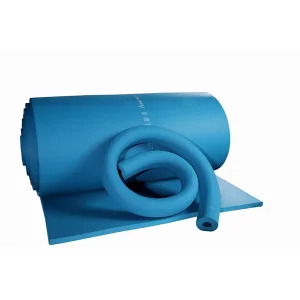
Our manufacturing plant operates high-capacity assembly systems to support fast lead times for bulk global orders.