 Kingflex
Kingflex
Kingflex
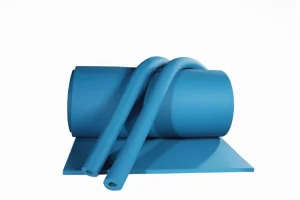
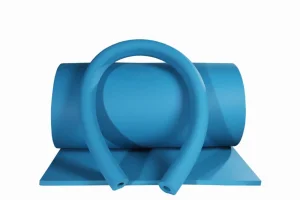
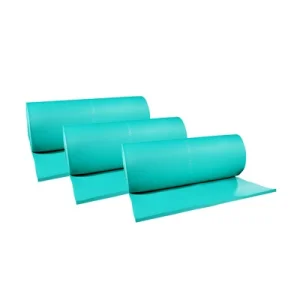
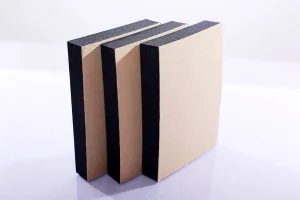
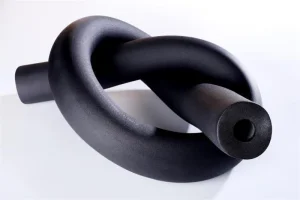
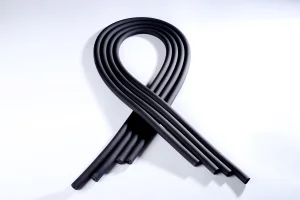
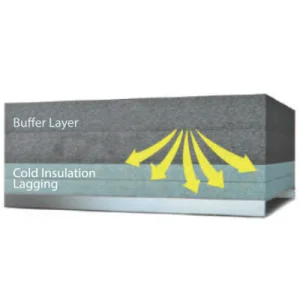
In modern industrial and commercial construction, thermal insulation is no longer evaluated simply as a protective covering for piping. Under the weight of global decarbonization targets, aggressive energy efficiency regulations, and the proliferation of high-capacity Variable Refrigerant Flow (VRF) and liquid-cooling HVAC infrastructure, thermal insulation has transitioned into a highly critical subsystem. Highly efficient systems rely on maintaining strict vapor barriers and low thermal conductivity to prevent performance loss, condensate damage, and systemic structural corrosion.
Historically, insulation was selected purely on material cost. Today, engineering procurement groups prioritize the Life Cycle Cost (LCC) and the longevity of the thermal protection envelope. This is especially true in air-conditioned configurations operating in high-humidity climates where the ambient dew point consistently risks breaching the surface boundary of operating lines. The deployment of advanced NBR/PVC closed-cell technologies addresses this precise challenge, offering structural resilience and stable thermal behavior over multi-decade lifespans.
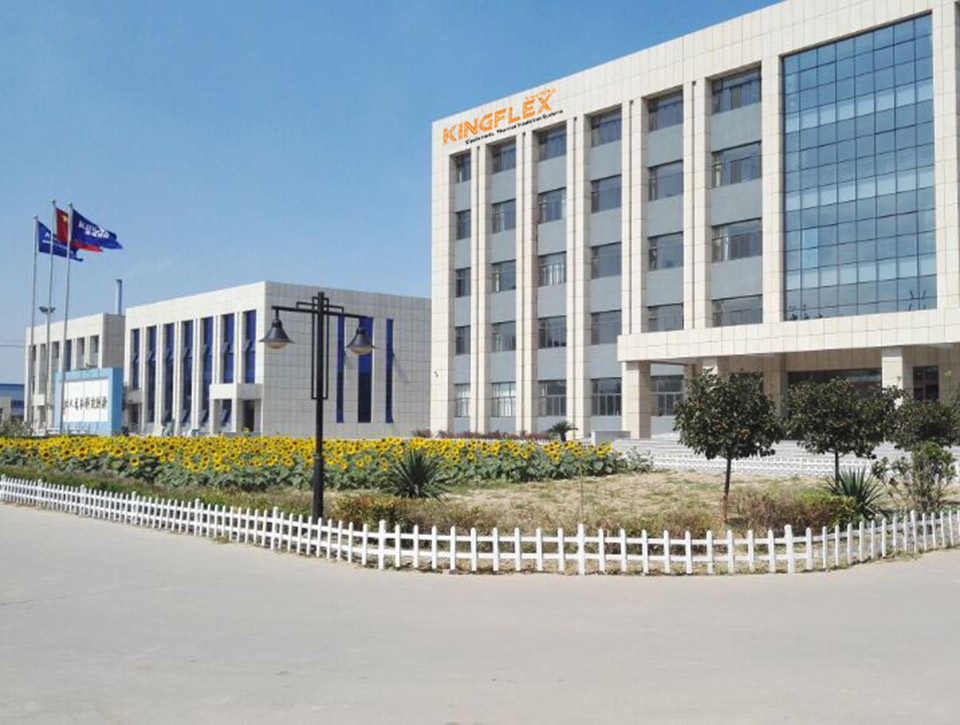
Kingflex Insulation Co., Ltd. stands as a premier manufacturing and trading combo for high-end thermal insulation products. Headquartered in Dacheng, China—historically recognized as the capital of green-building materials—our development and manufacturing campuses operate with a core philosophy: energy conservation, carbon emission reduction, and extreme reliability under load.
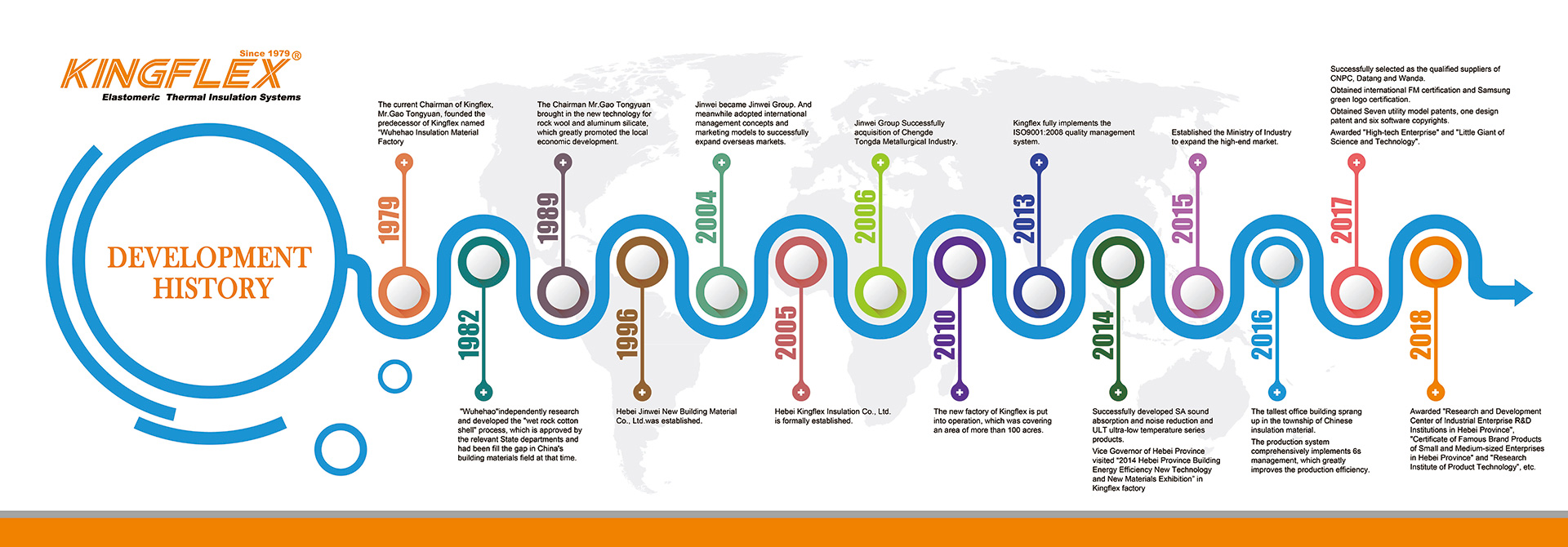
As a key subsidiary of the prestigious Jinwei Group, Kingflex inherits an illustrious legacy stretching back to the group's founding in 1979. Over the course of more than 40 years, we have transitioned from the pioneering thermal insulation factory north of the Yangtze River into a digitized manufacturing powerhouse, leading global initiatives in industrial and commercial HVAC insulation designs.
Today, our operational capabilities are anchored by 5 fully automated assembly lines, supporting an annual capacity of over 600,000 cubic meters. This immense capacity has designated Kingflex as a critical production enterprise recognized by the Ministry of Energy, the Ministry of Electric Power, and the Ministry of Chemical Industry.
The core structural advantage of Kingflex elastomeric NBR/PVC insulation lies in the micro-cellular matrix created during the pressurized expansion stage. By ensuring that over 98% of these microscopic cells remain closed and completely independent, we restrict the convective movement of heat and block the penetration of water molecules. This double insulation dynamic yields a low thermal conductivity ($\lambda \le 0.034$ W/(m·K) at 0°C) and an exceptionally high water vapor resistance factor ($\mu \ge 10,000$).
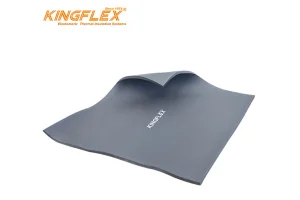
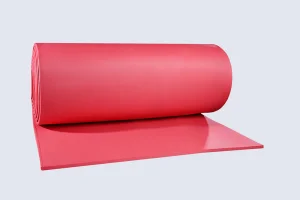
| Parameters | Standard Specifications |
|---|---|
| Material Base | NBR/PVC Elastomeric Blend |
| Thickness Range | 6mm to 50mm |
| Density Class | 40 - 55 kg/m³ |
| Operating Temperatures | -40℃ to 105℃ |
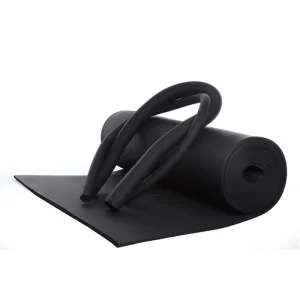
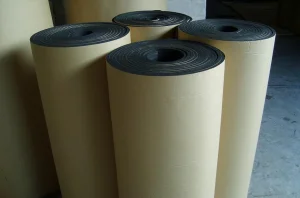
Primary Applications: Broad duct envelopes, structural walls, basements, flat-faced valves, commercial chiller housings, chemical storage vessel cladding, and large-scale industrial cold chambers.
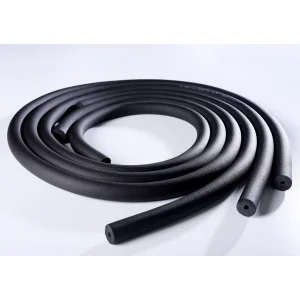
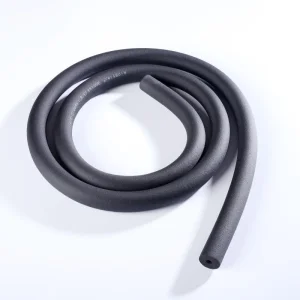
| Parameters | Standard Specifications |
|---|---|
| Material Base | NBR/PVC Elastomeric Blend |
| Thickness Range | 9mm to 40mm |
| Inner Diameter (ID) | 6mm to 114mm |
| Compression Resilience | Over 80% |
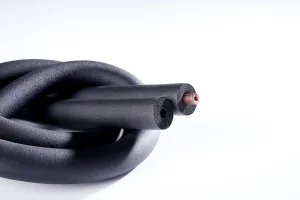
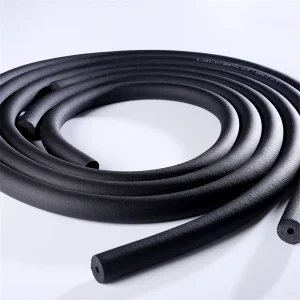
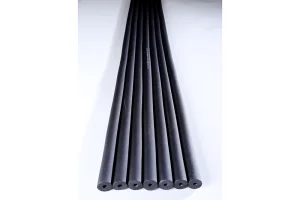
Primary Applications: VRF refrigerant lines, chilled water loops, domestic hot water distribution systems, industrial process chemical plumbing, solar thermal collection loops, and cryogenic transport conduits.
In today's highly volatile global logistics climate, the stability of project completion dates rests on the reliability of component delivery timelines. At Kingflex, we address these complex global supply challenges through the systematic adoption of Factory 4.0 principles across our manufacturing facilities in Dacheng.
Our raw material procurement is fully integrated with regional base chemical suppliers, minimizing our exposure to external logistical bottlenecks. The production lines feature automated closed-loop extrusion, continuous inline thickness gauging, and computerized density optimization. In-house testing stands at the heart of our engineering process: every batch is monitored for structural density consistency, flame propagation rating compliance, and cell structure uniformity before packaging.
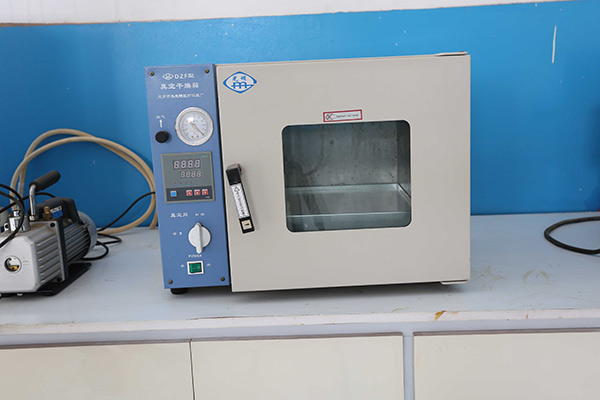
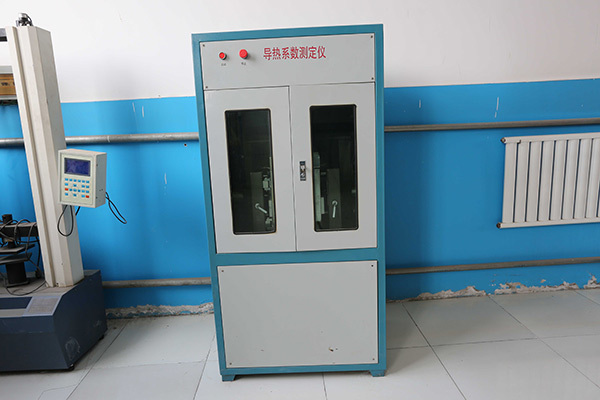
Our material testing laboratories are equipped with specialized thermal conductivity testing apparatus, humidity aging chambers, and localized oxygen-index (LOI) combustion chambers. This enables us to maintain compliance and refine formulation structures in real-time based on strict target requirements.

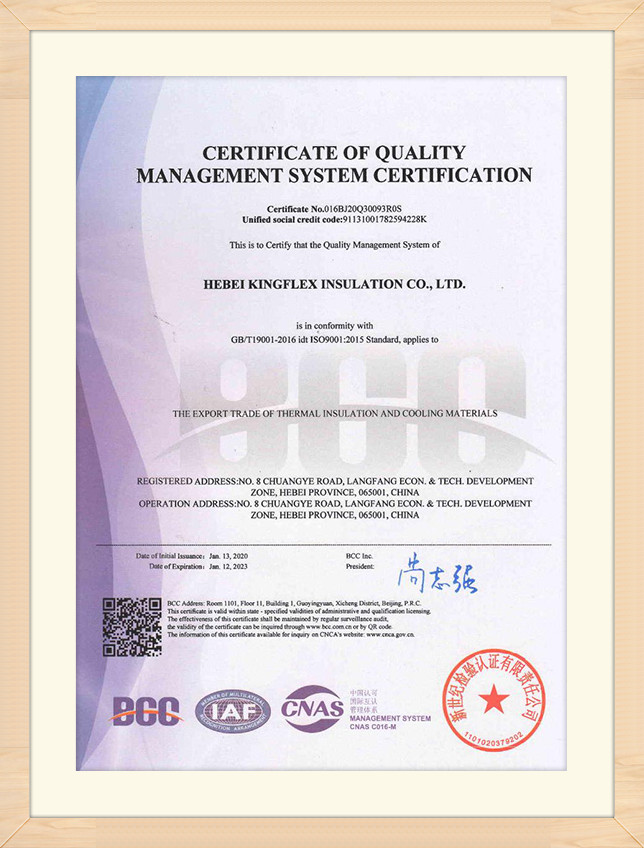
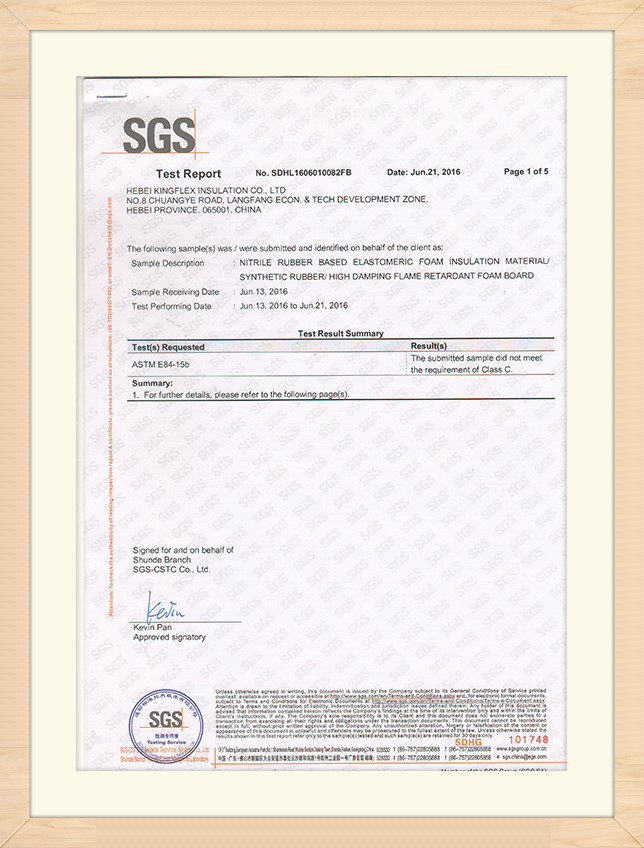
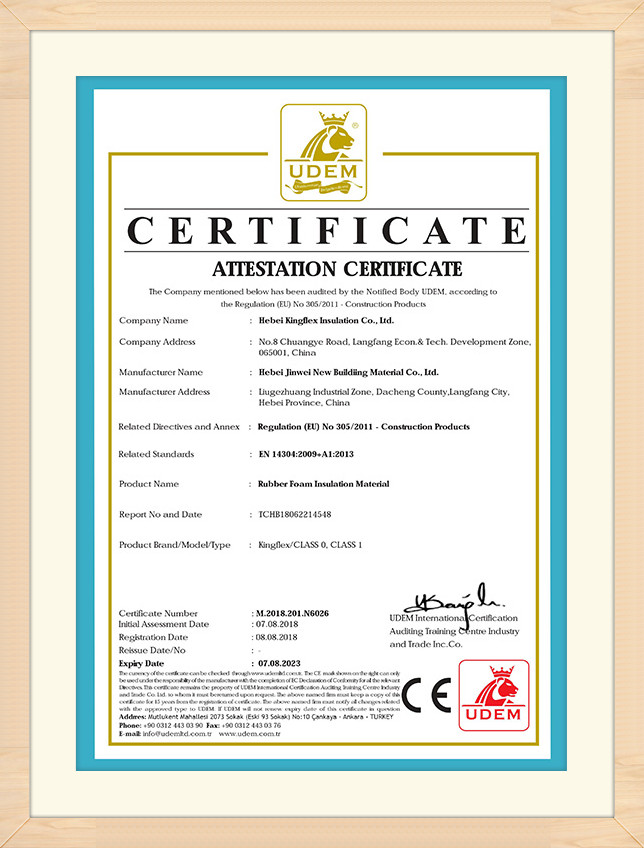
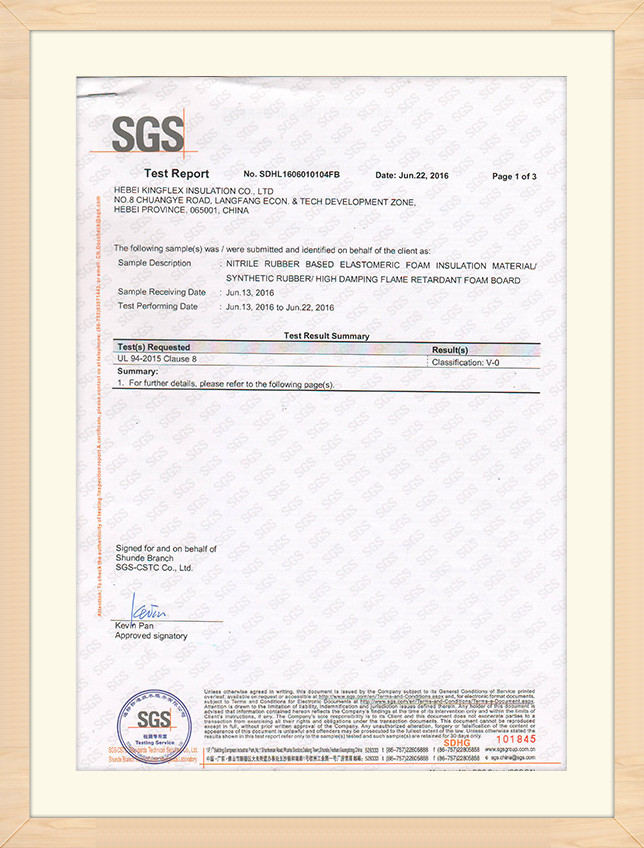
Our materials undergo strict certification audits to ensure seamless alignment with international fire safety, environmental, and thermal efficiency requirements.
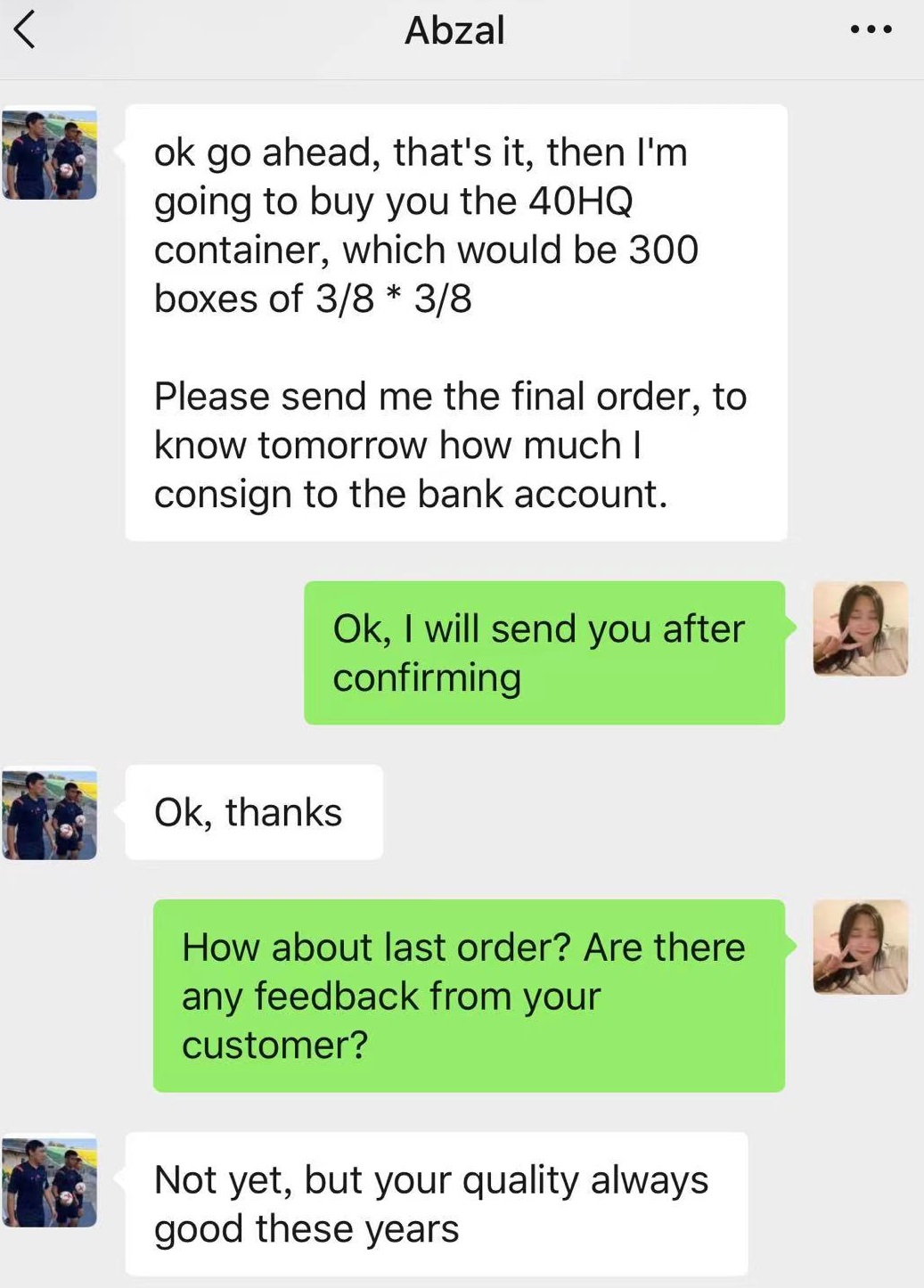
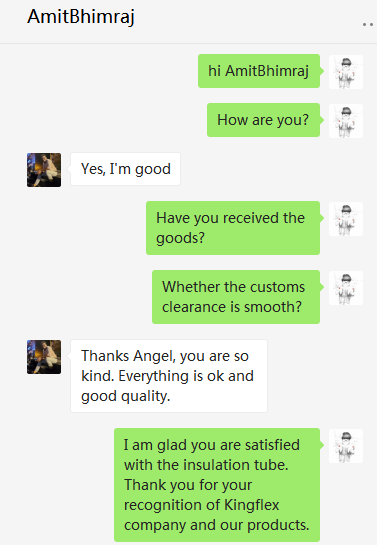
Trust is built on transparency. We maintain direct, trackable communication channels and complete structural tracing for every order placed. From the initial dimensional requests to shipping container loading, all documents are digitized and shared in real-time.



Whether deployed in heavy chemical refining complexes, dense commercial building HVAC units, or sub-zero refrigeration facilities, Kingflex materials prove their structural integrity under challenging ambient conditions.
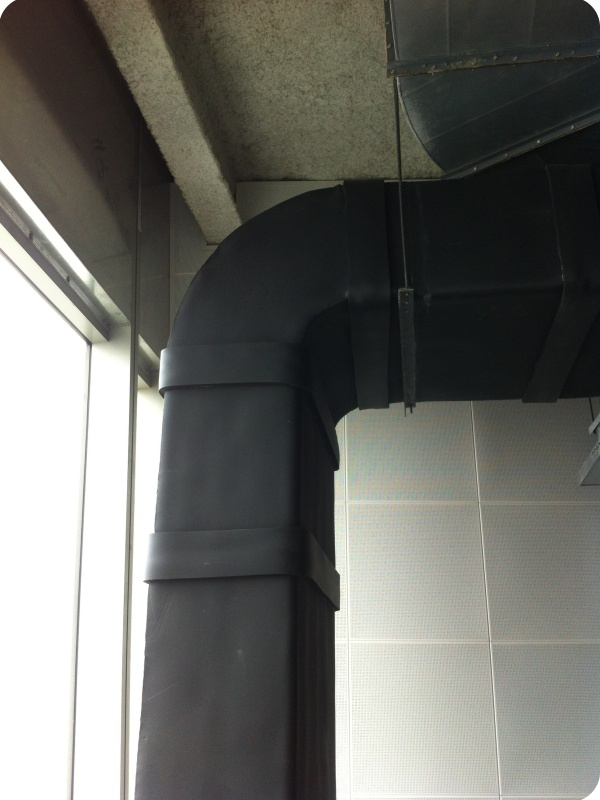
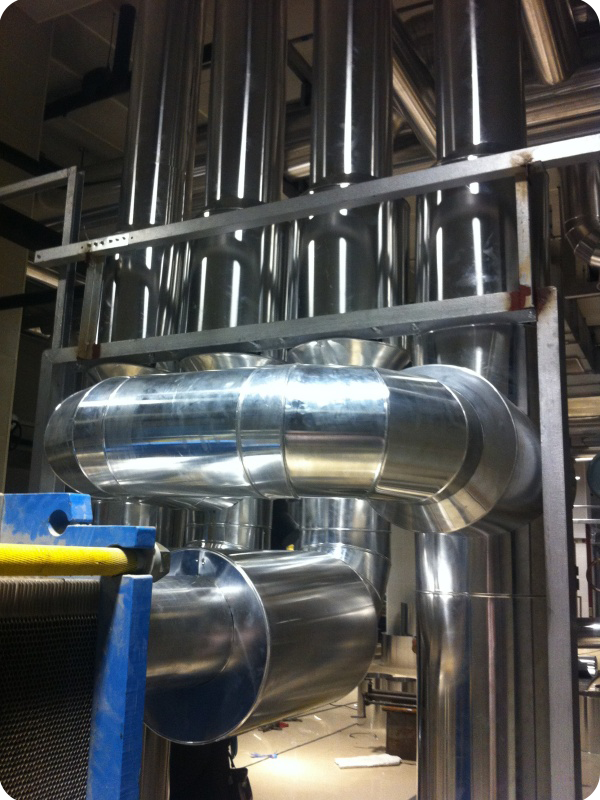
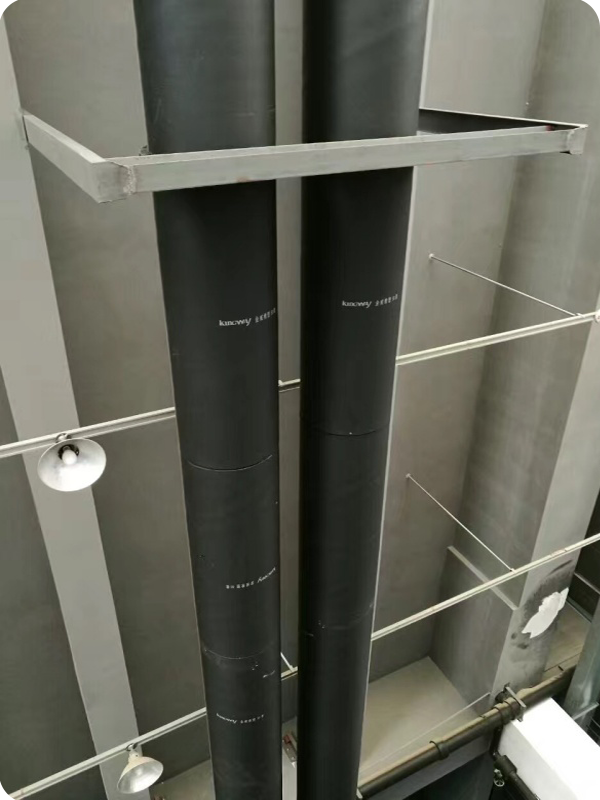
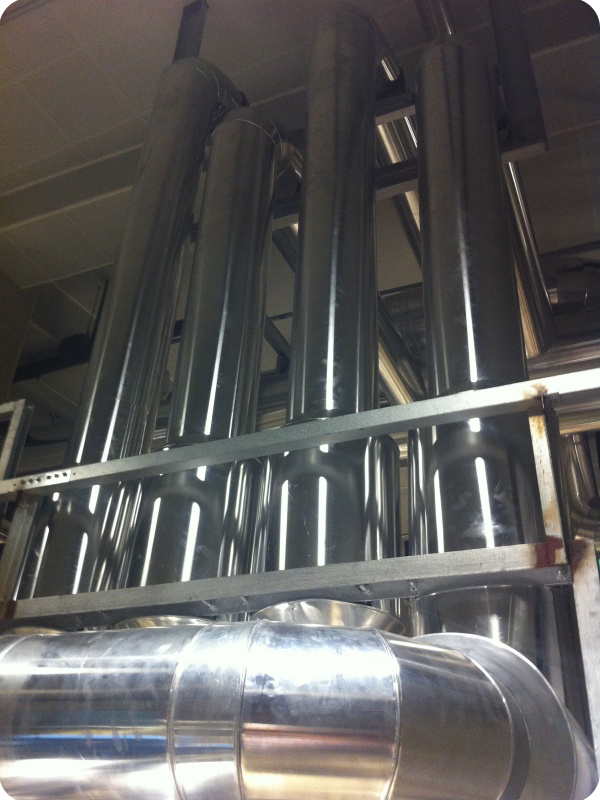
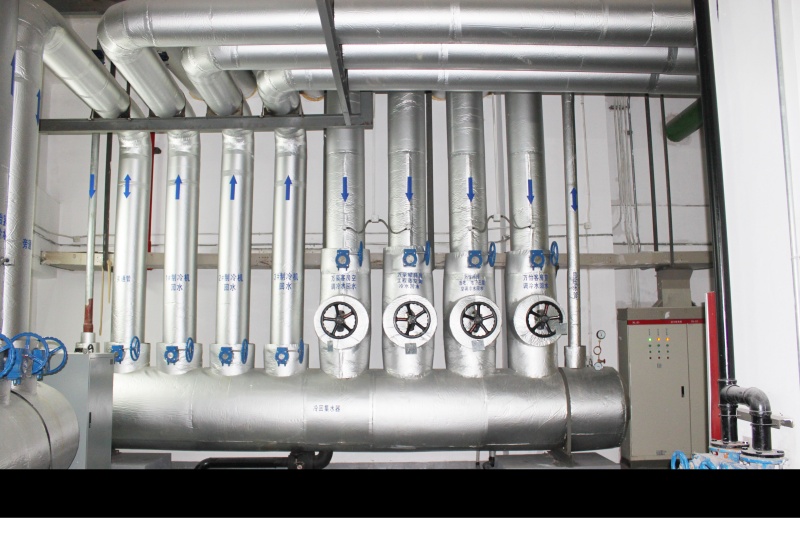
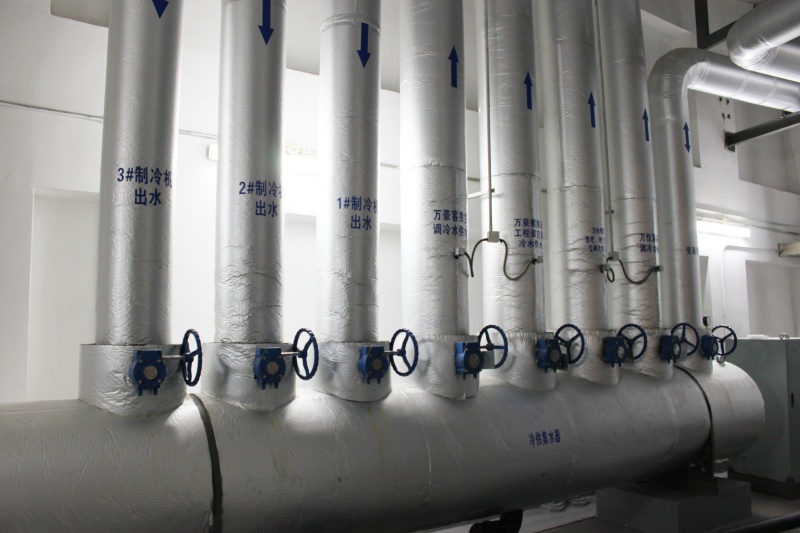

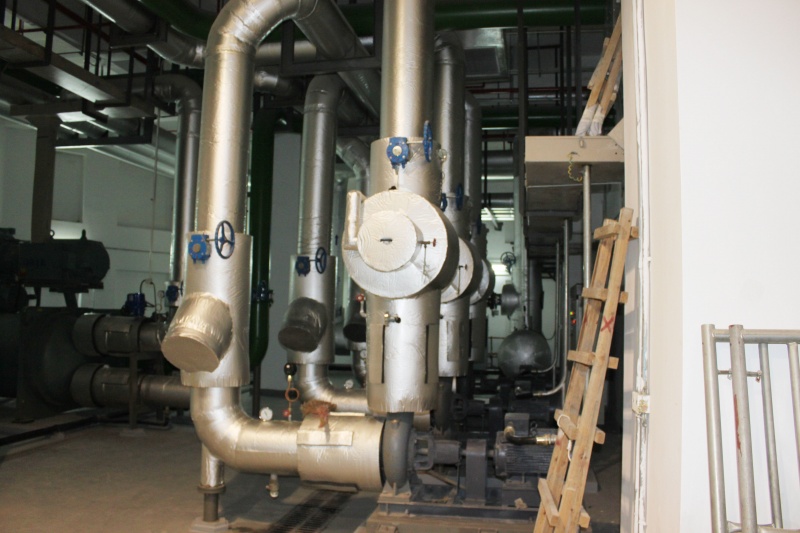
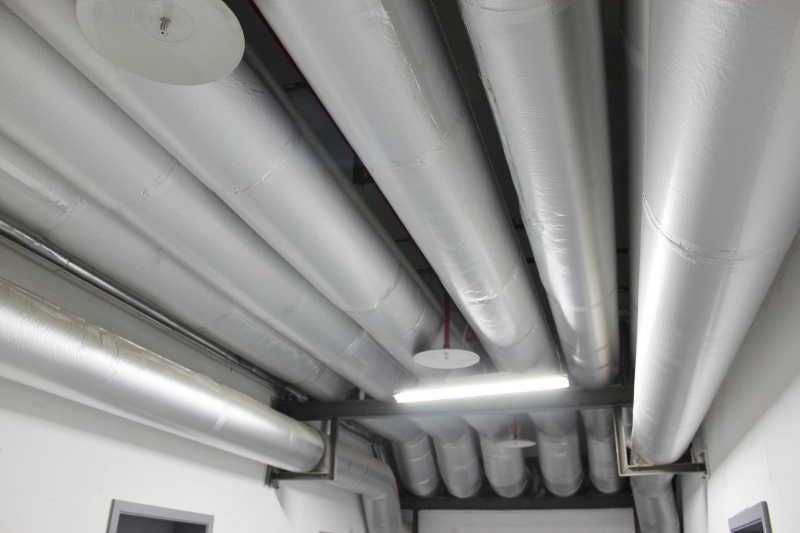
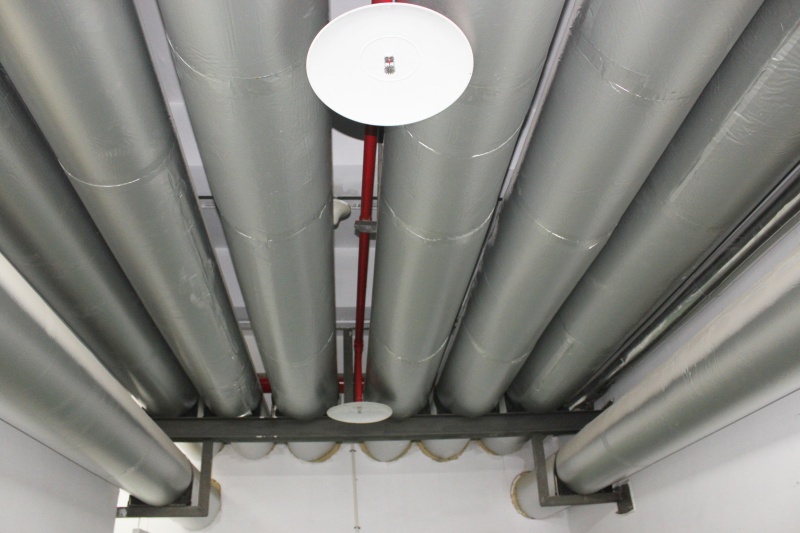
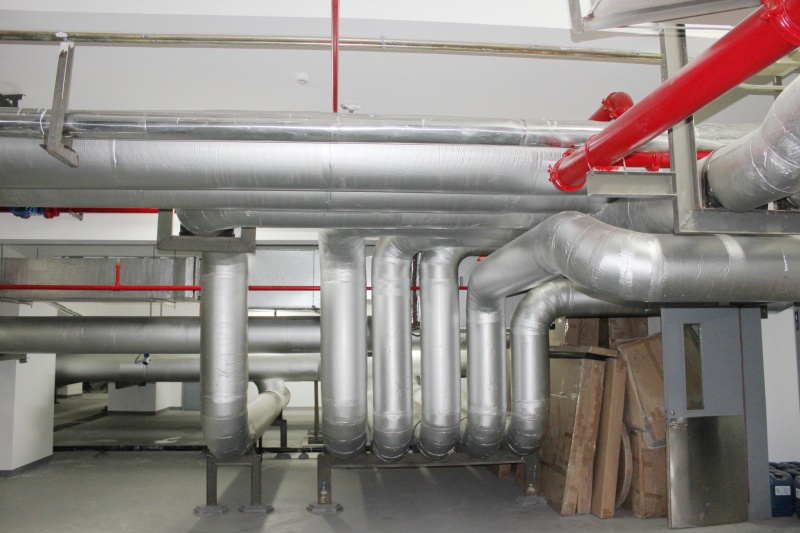
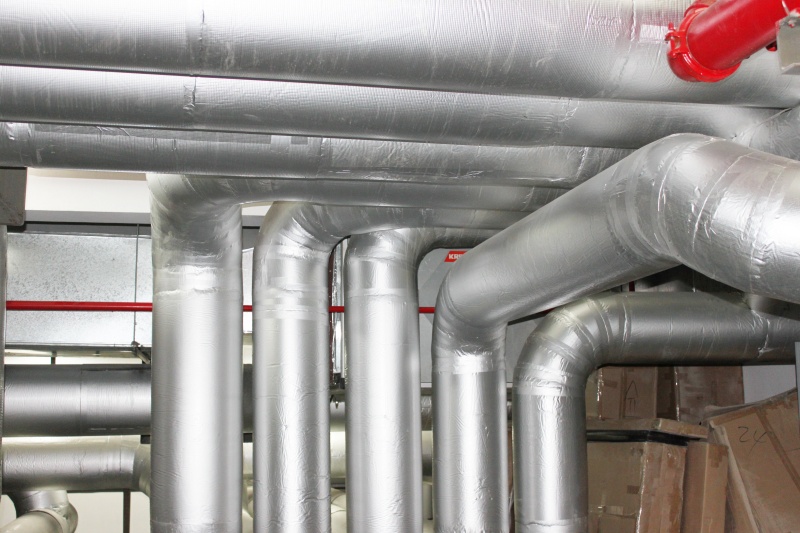
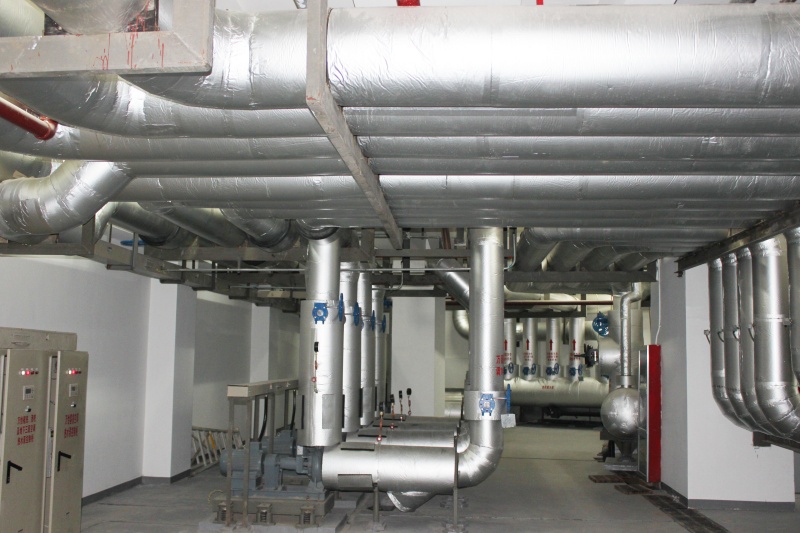
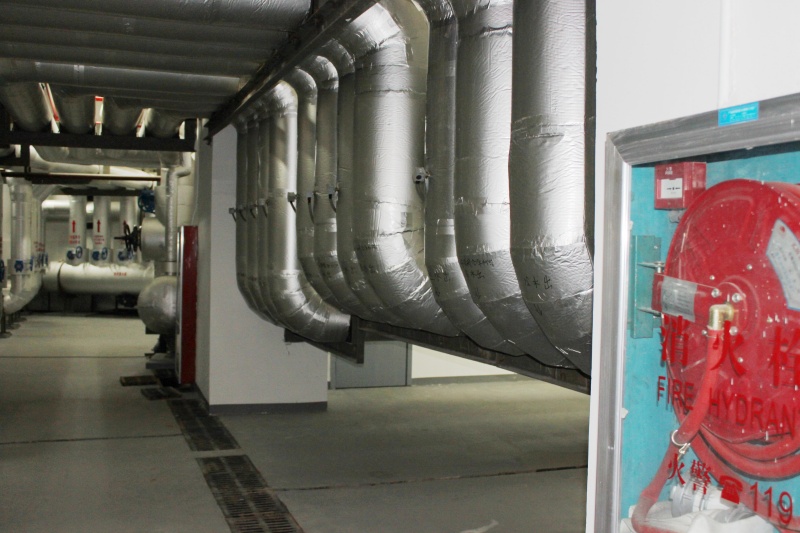
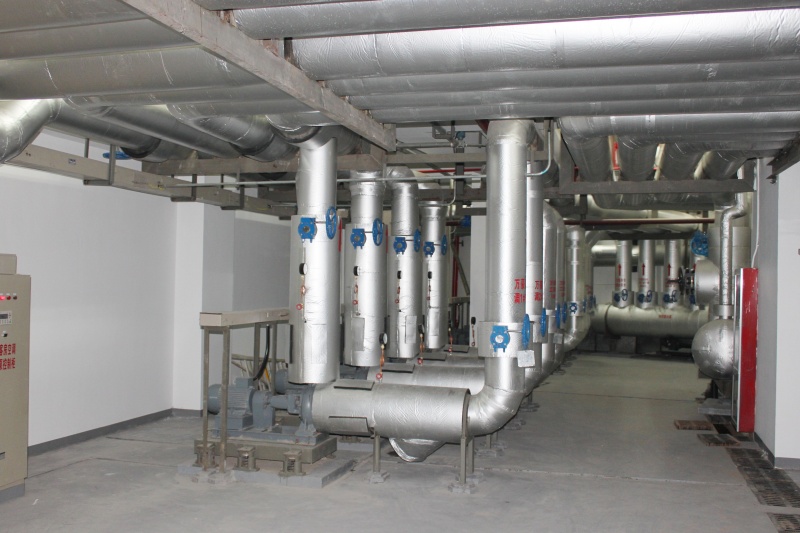
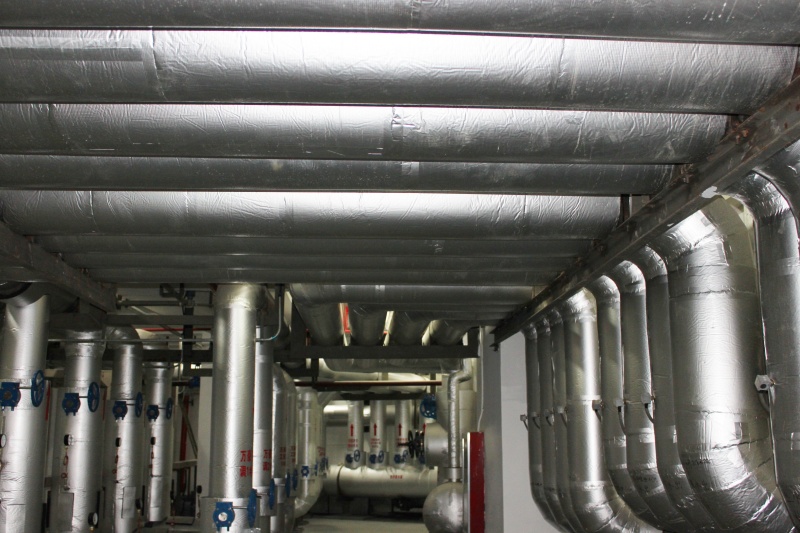
Elastomeric rubber foam insulation is predominantly deployed to provide thermal control and vapor resistance across mechanical HVAC duct systems, active VRF air conditioning conduits, structural building thermal barriers, and heavy process pipelines. It is highly valued in cold transport piping networks to control heat gain and eliminate condensation risks.
Yes. Kingflex rubber foam insulation features advanced fire retardants within its polymer matrix. The material meets BS 476 (Class 0 and Class 1), CE, UL94, and ASTM fire protection requirements. When exposed to fire, it is self-extinguishing and will not assist in spreading flame, making it safe for commercial mechanical rooms.
Rubber foam features a flexible, closed-cell, moisture-proof structure, making it highly effective at preventing condensation and water vapor penetration in HVAC and building applications. Rock wool, by contrast, is an open-fiber mineral wool that withstands high operating temperatures, making it suitable for industrial high-temperature steam lines. However, it requires a separate vapor jacket to prevent moisture absorbency.
Yes, Kingflex offers comprehensive OEM services. We can adjust density profiles, customize dimensions (inner diameters, wall thicknesses, and sheet sizes), and add factory-applied adhesive backing or protective aluminum cladding based on your project's specifications.
Our products hold comprehensive certifications including BS 476, CE, REACH, RoHS, UL94, and ASTM. This ensures compliance with global building codes and fire safety regulations.
Yes. Every production run is marked with unique batch identifiers. This allows us to track raw material inputs, processing parameters, and laboratory QC checks to ensure consistent quality.
Our manufacturing setup handles continuous sheet thickness runs from 6mm up to 50mm. This wide production range enables us to supply single-layer solutions for deep cryogenic environments.
When installed correctly and protected from direct weathering (or shielded with UV jackets), Kingflex elastomeric materials maintain their thermal and vapor resistance for 10 to 15 years.