 Kingflex
Kingflex
Kingflex
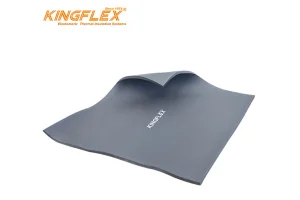
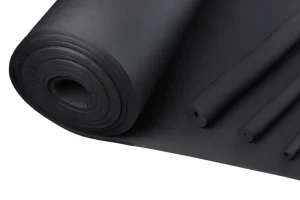
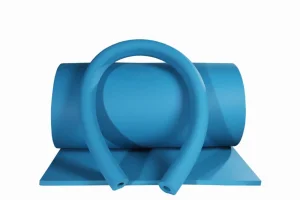
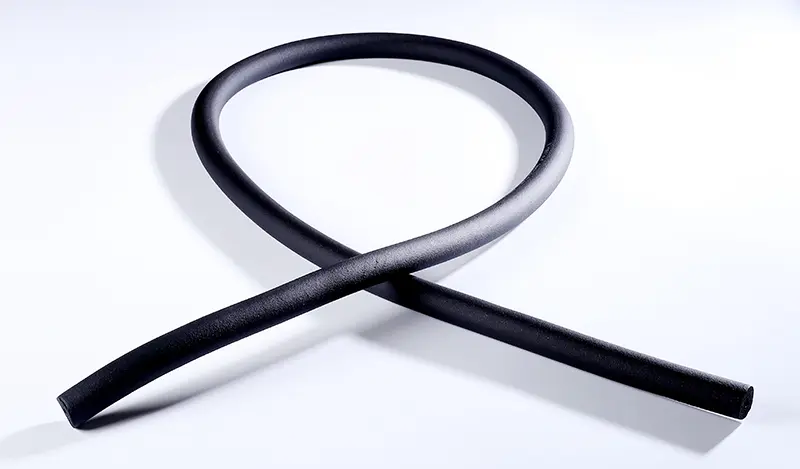
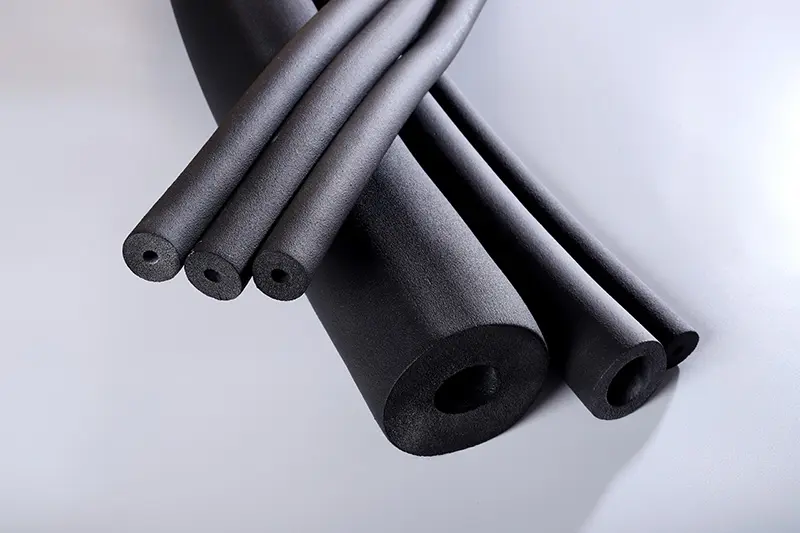
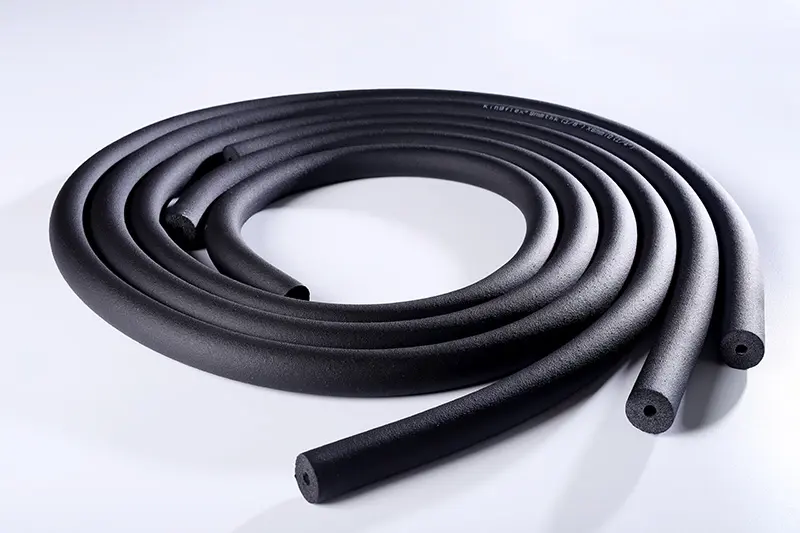
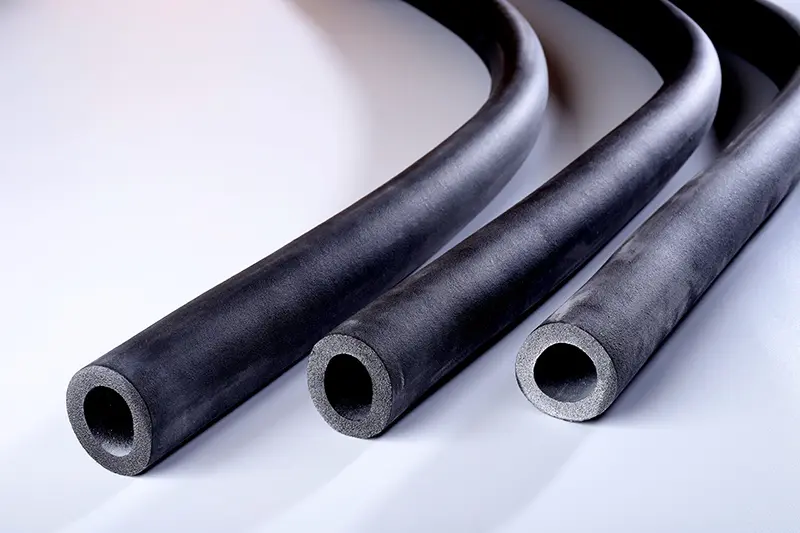
Explore our primary range of elastomeric rubber foam sheets, low-density materials, and high-performance tubes specifically engineered for deep-freeze HVAC systems and industrial pipeline assemblies.
Cryogenic pipe insulation represents a highly specialized sector within the global thermal insulation market. Defined by the manipulation and containment of sub-zero process fluids, cryogenic systems operate within temperature ranges typically spanning from -40°C down to -200°C (-328°F). These extreme conditions are encountered across modern industrial sectors including liquefied natural gas (LNG) processing, chemical engineering (particularly in ethylene and liquefied oxygen/nitrogen units), aerospace propulsion technologies, and pharmaceutical cold storage networks.
At these extreme sub-zero temperatures, the primary engineering challenge is not simply preventing ambient heat entry, but aggressively mitigating the risks of water vapor intrusion and subsequent ice formation. When ambient moisture encounters an uninsulated or poorly insulated pipe surface operating below freezing, it condenses and freezes. Over time, ice accumulation compromises the thermal system, triggers severe corrosion under insulation (CUI), and causes catastrophic mechanical failure. Elastomeric closed-cell insulation materials have emerged as the premier choice for cryogenic pipe insulation due to their built-in vapor barrier properties, excellent flexibility, and low thermal conductivity.
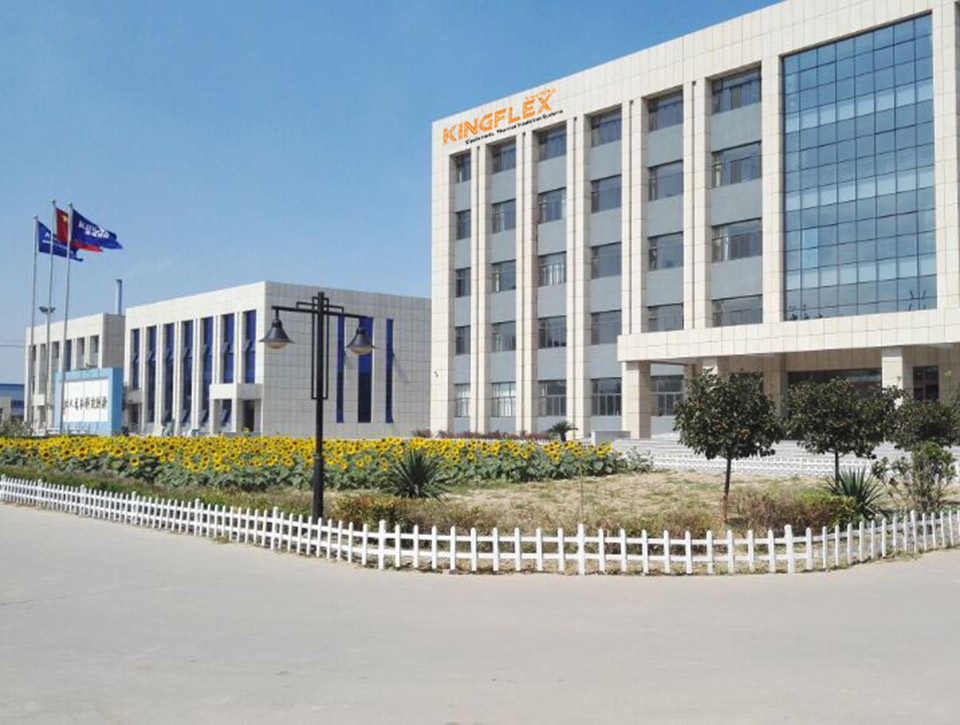
As global energy demands pivot towards LNG and high-efficiency chemical production, the requirement for reliable, cost-effective insulation systems has surged. China has established itself as the global epicenter for high-quality insulation manufacturing. The capital of green-building materials in Dacheng, China, hosts state-of-the-art manufacturing hubs where chemical research, raw material supply, and high-capacity production lines are highly integrated.
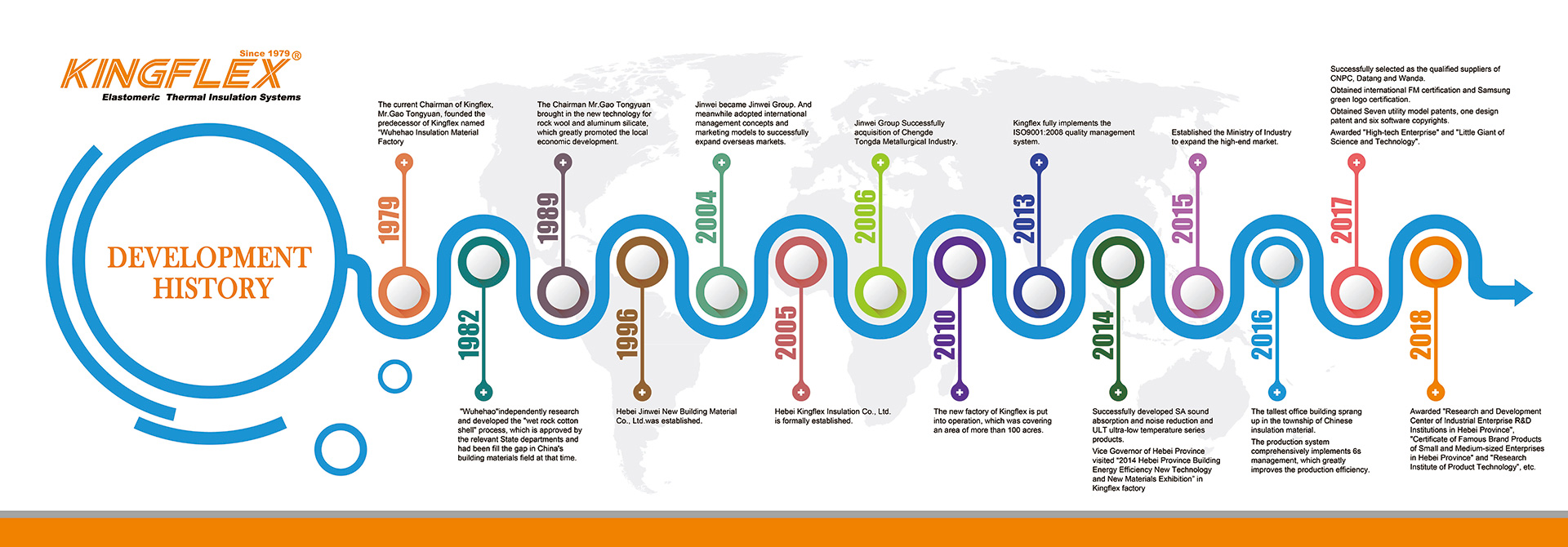
Kingflex Insulation Co., Ltd. (established by the Jinwei Group, which boasts a rich heritage dating back to 1979 as the first manufacturer of thermal insulation materials north of the Yangtze River) utilizes this localized cluster effect. By leveraging 5 large-scale automated assembly lines, Kingflex achieves an annual production capacity exceeding 600,000 cubic meters. This massive scale ensures raw material consistency, short lead times, and competitive pricing that smaller, localized factories in Western markets cannot match.
We support deep customization, including specific density profiles (40-55kg/m³), fire-retardant chemistries, and structural additions like self-adhesive backings and aluminum-clad barrier layers.
Our dedicated R&D department, led by 8 professional insulation engineers, continually refines our NBR/PVC polymer structures to lower thermal conductivity and increase the moisture resistance factor (µ).
Recognized for our manufacturing standard and output reliability, Kingflex is a designated production enterprise designated by China's Ministry of Energy, Ministry of Electric Power, and Ministry of Chemical Industry.
Different industrial applications demand customized insulation thicknesses, cell configurations, and installation methodologies. Below are the key scenarios where Kingflex insulation products deliver optimal thermodynamic performance:
| Application Scenario | Key Challenge Addressed | Recommended Material Config | Temperature Range |
|---|---|---|---|
| LNG Marine Terminals & Pipelines | Extreme ambient humidity, high salt spray corrosion, thermal shock. | Multi-layered Elastomeric Cryogenic System with Vapor Barrier Cladding. | -160°C to -196°C |
| Industrial AC & HVAC Ducts | Energy loss, mold growth, external surface condensation in building shafts. | Kingflex Low-Density Rubber Foam Sheet / Tube (Class 0 & Class 1 fire rated). | -40°C to 105°C |
| Ethylene Storage & Cracking Plants | Thermal expansion and contraction stress on long-run chemical process lines. | Corrosion Resistant, Flexible Rubber Foam with high elastomeric recovery. | -100°C to -40°C |
| Aerospace Cryogenic Propellant Lines | Weight limitations, rapid temperature shifts during liquid oxygen loading. | Ultra-low density, specialized closed-cell synthetic rubber insulation sheets. | Down to -200°C |
In sub-zero and cryogenic environments, the driving force of water vapor is extremely high because the vapor pressure at the cold pipe surface is near zero, while the ambient vapor pressure is significantly higher. This pressure gradient forces moisture to migrate towards the pipe. If open-cell insulation like mineral wool or fiberglass is used without an absolute outer vapor barrier, moisture will infiltrate the material, condense, freeze, and render the insulation useless.
Kingflex closed-cell rubber foam insulation contains more than 98% fully closed cells. Each cell acts as an independent, sealed air pocket. This structural configuration creates an inherent, continuous barrier to vapor transmission throughout the entire thickness of the material, not just on the outer surface. Consequently, Kingflex materials maintain a stable thermal conductivity (λ) for decades, extending the operational life of industrial piping systems.
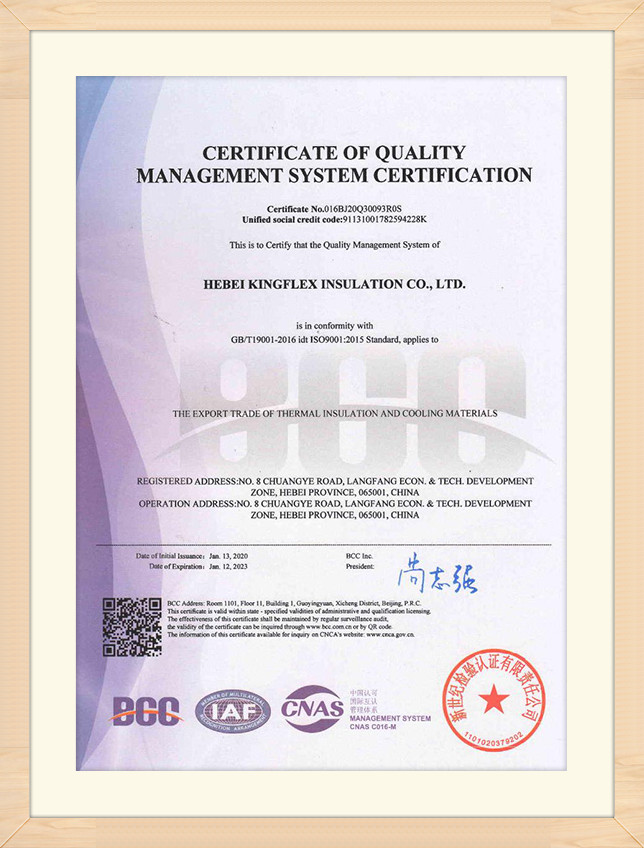
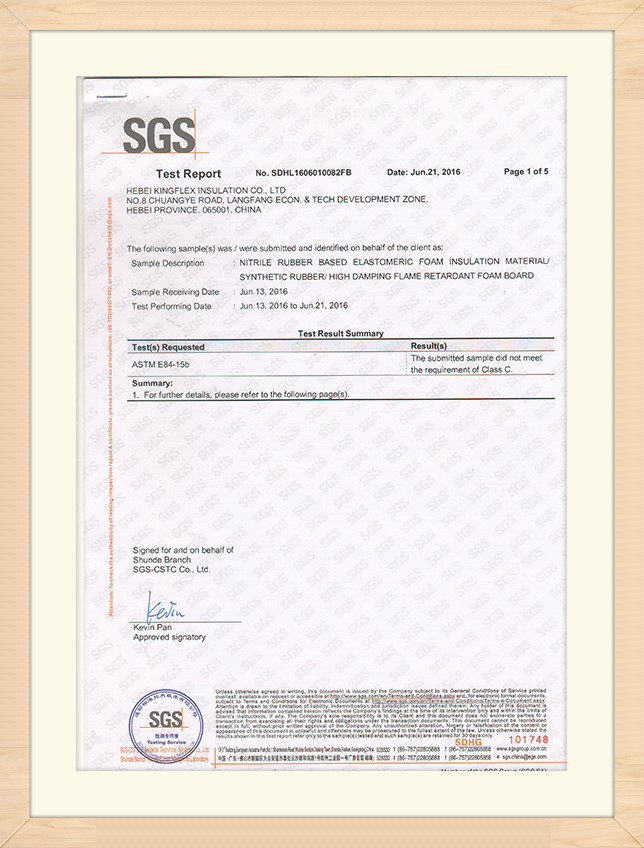
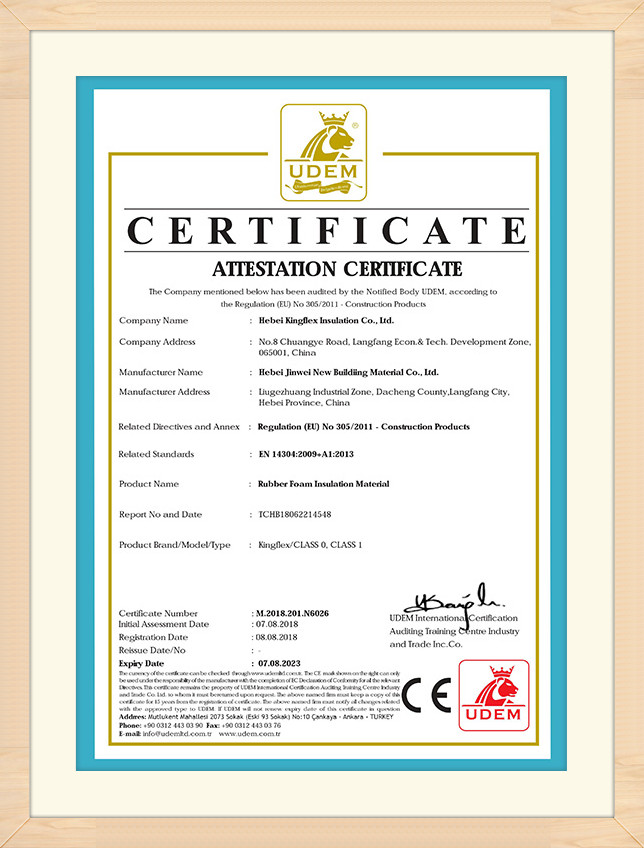
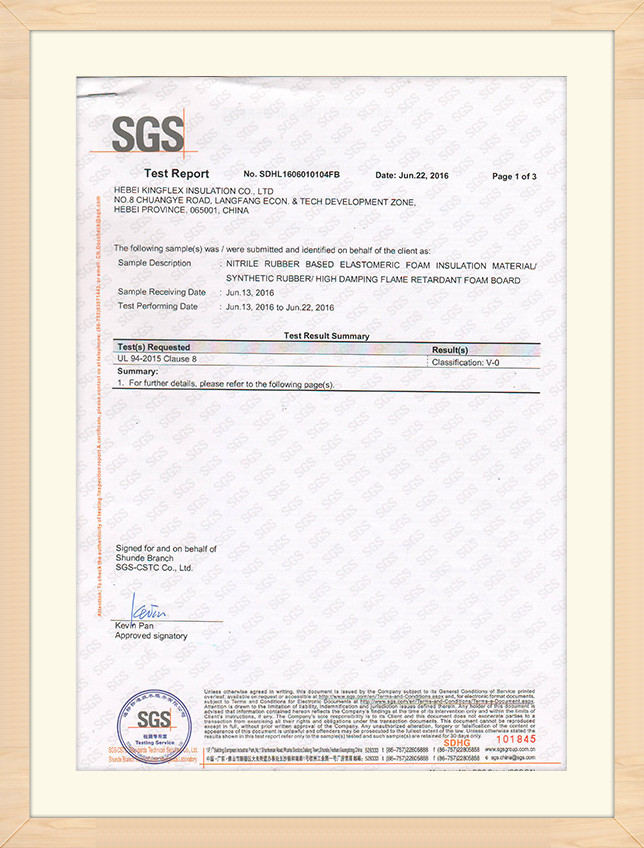
When engineers design cryogenic pipelines, they rely on empirical data to perform heat loss and condensation calculations. Kingflex maintains transparent, traceably tested physical parameters across all product lines, conforming to international standards including ASTM, BS 476, and CE certificates.
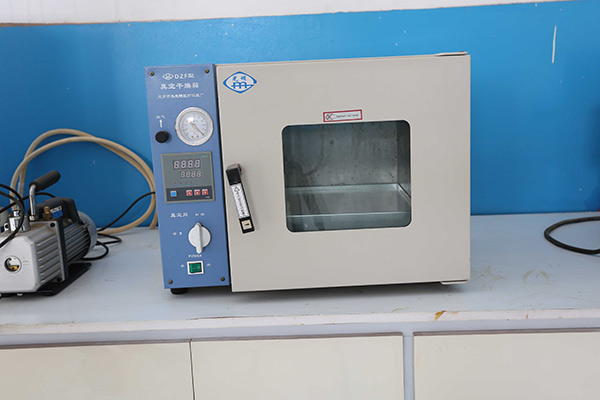
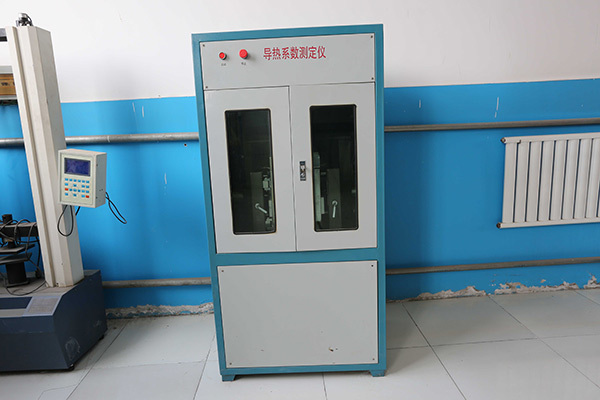
Under the E-E-A-T guidelines, reliability and transparency are paramount. Kingflex operates state-of-the-art analytical labs where raw chemical compositions, density profiles, thermal conductivity, and fire safety ratings are audited for every production batch. This guarantees global clients that the insulation delivered to their job sites behaves exactly as specified in the datasheets.

Procurement managers and engineering, procurement, and construction (EPC) contractors must evaluate multiple variables when sourcing cryogenic pipe insulation. Adhering to the following evaluation criteria ensures the long-term reliability of cold insulation systems:
Always verify the manufacturer's water vapor transmission rate (µ-factor). In cryogenic applications, a µ-factor of 10,000 or greater is recommended. Materials with lower values require extra external cladding to prevent moisture ingress.
Ensure compliance with local building codes and industrial safety standards. For high-occupancy buildings or hazardous process areas, BS 476 Class 0, CE, or UL94 V-0 flame ratings are essential to prevent rapid fire spread.
Standard elastomeric rubber foam becomes brittle below -50°C. For deep cryogenic installations, verify that the formulation incorporates plasticizers and modifiers that maintain flexibility and handle physical movements caused by thermal cycles.
Ensure the supplier implements batch traceability. In the event of a field failure, having traceable manufacturing records enables prompt identification of the issue's root cause, whether chemical or mechanical.
Review Kingflex elastomeric insulation sheets and tubes in real-world scenarios. Our materials are installed on major HVAC ductworks, large-scale commercial building lines, industrial water pipes, and process plants worldwide.
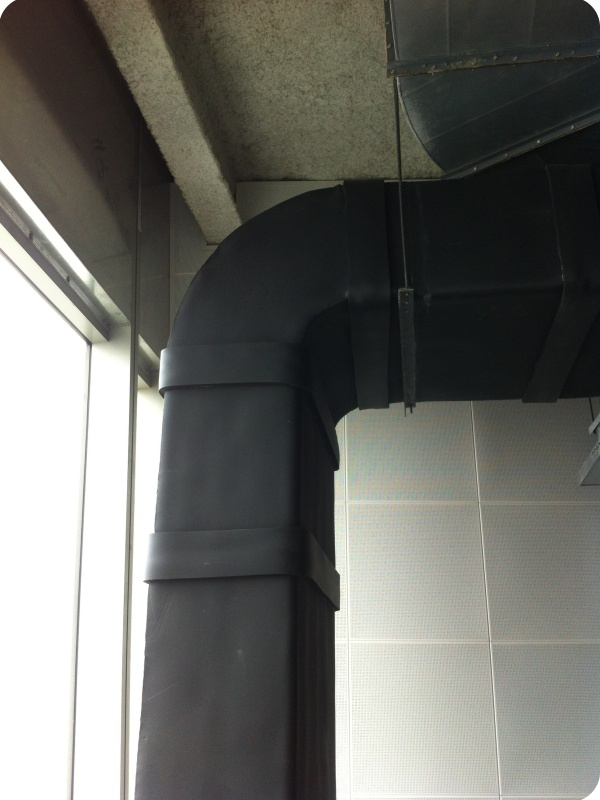
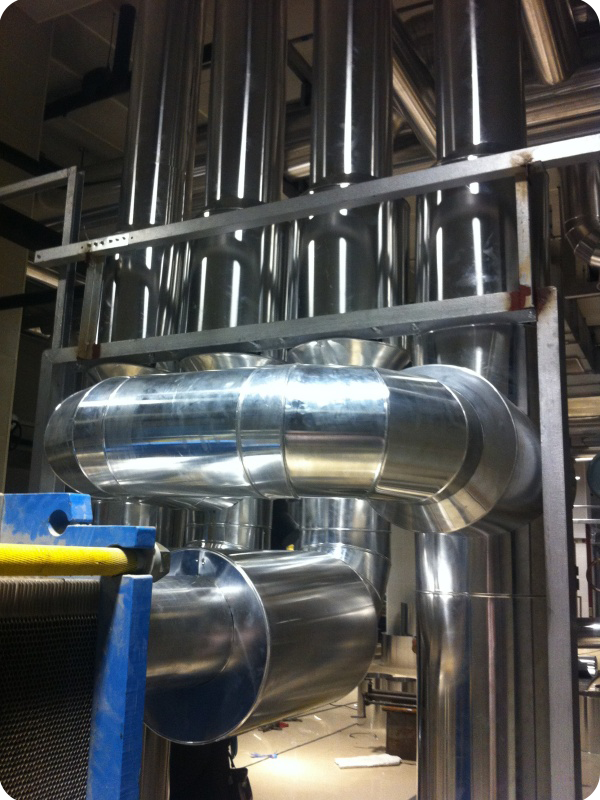
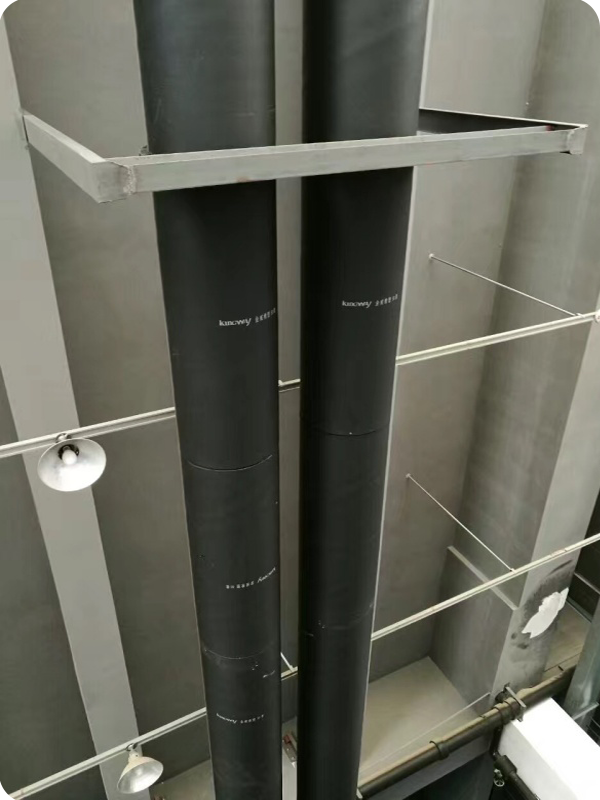
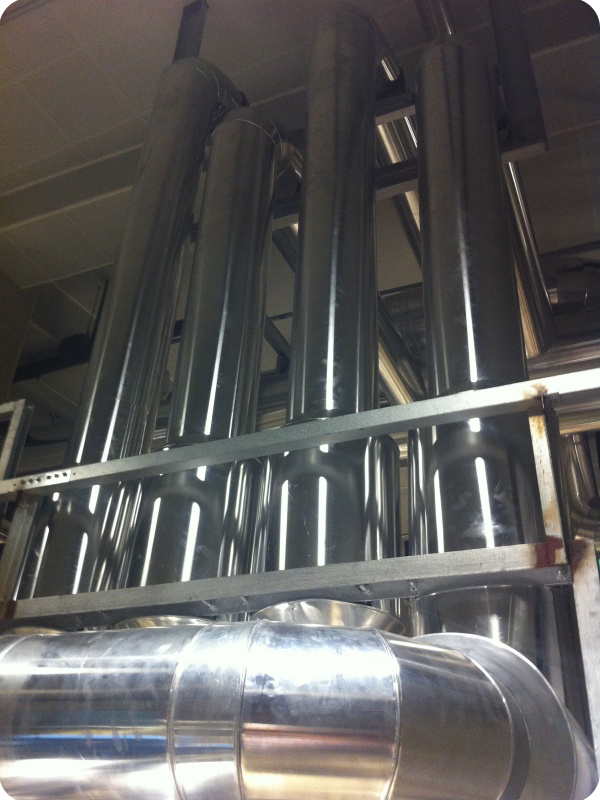
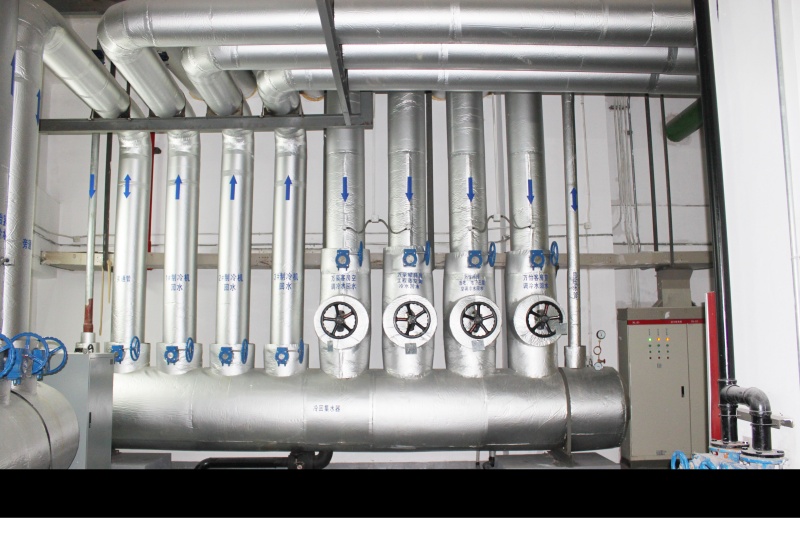
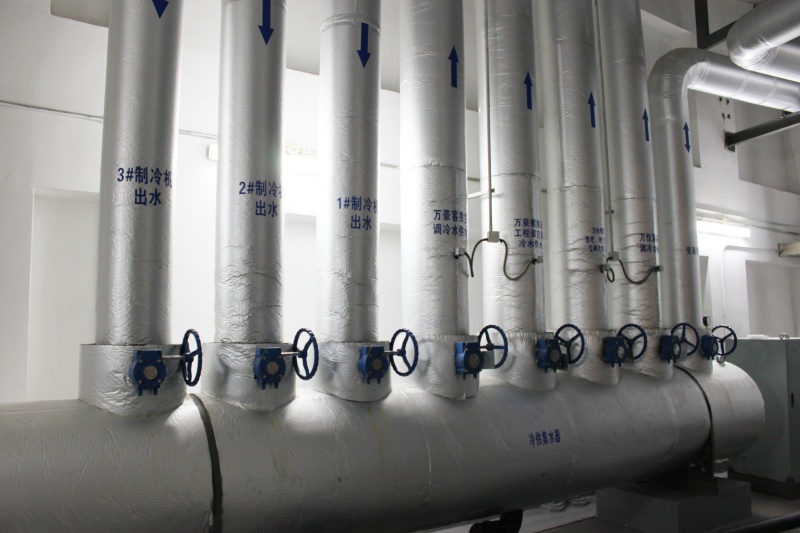

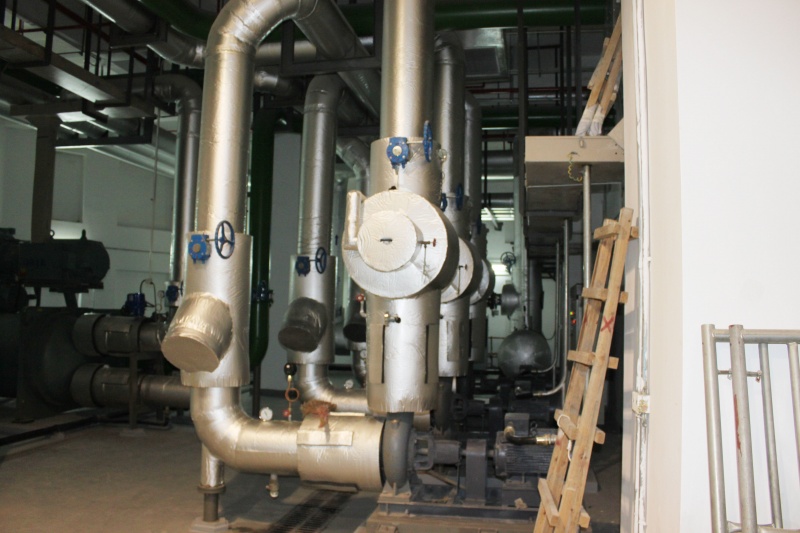
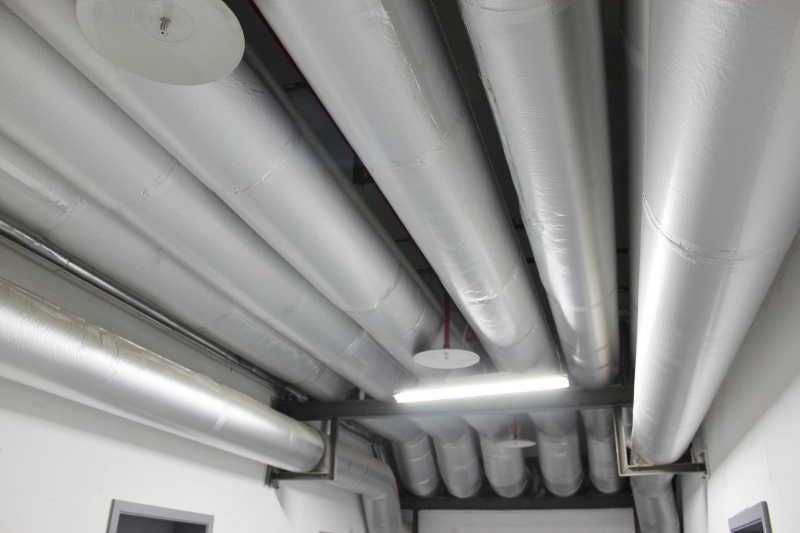
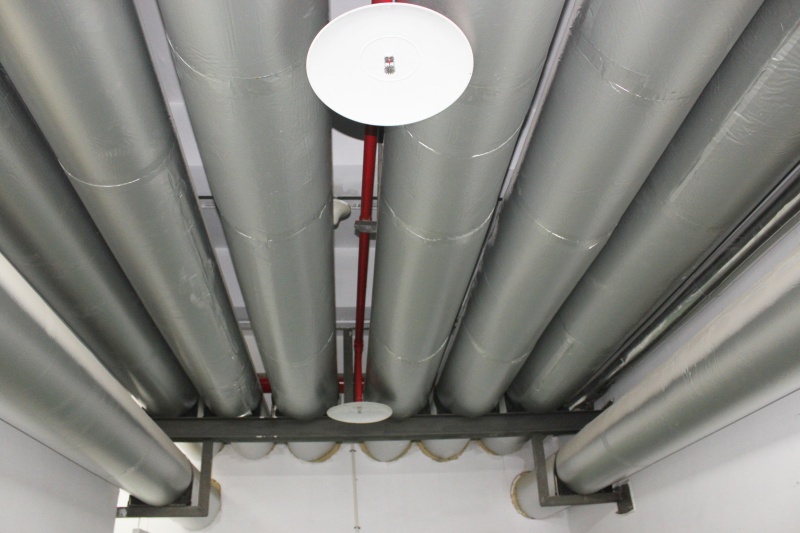
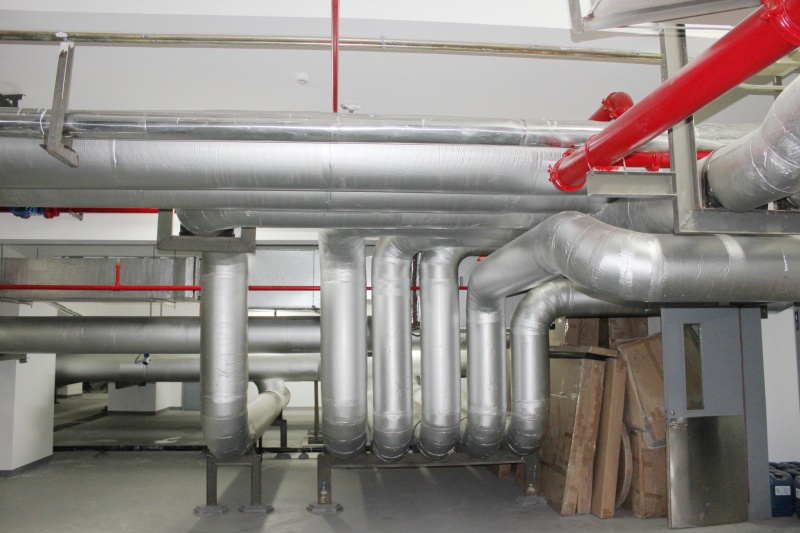
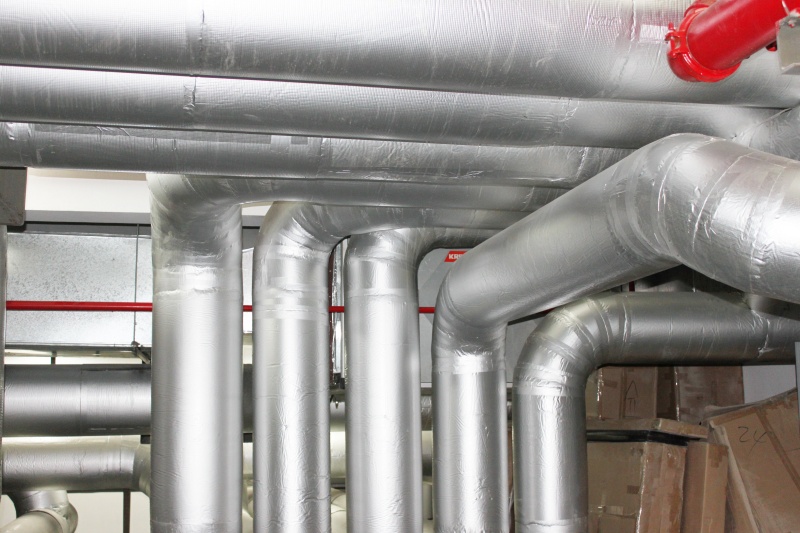
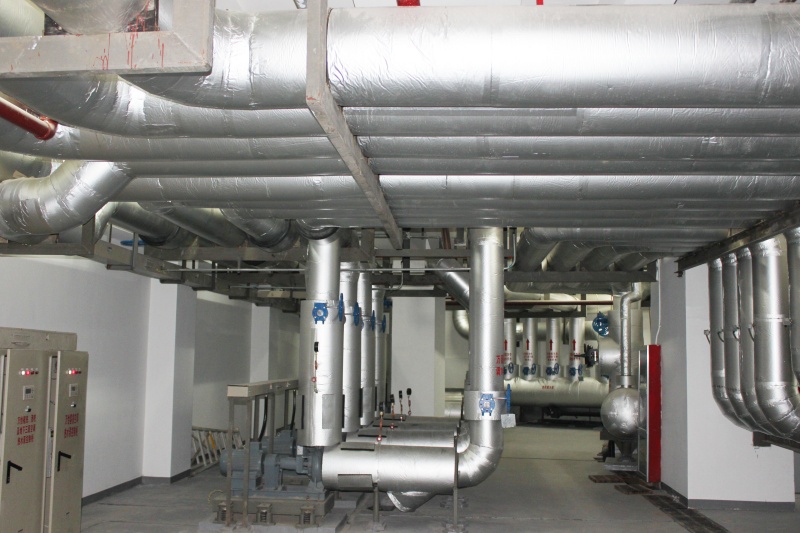
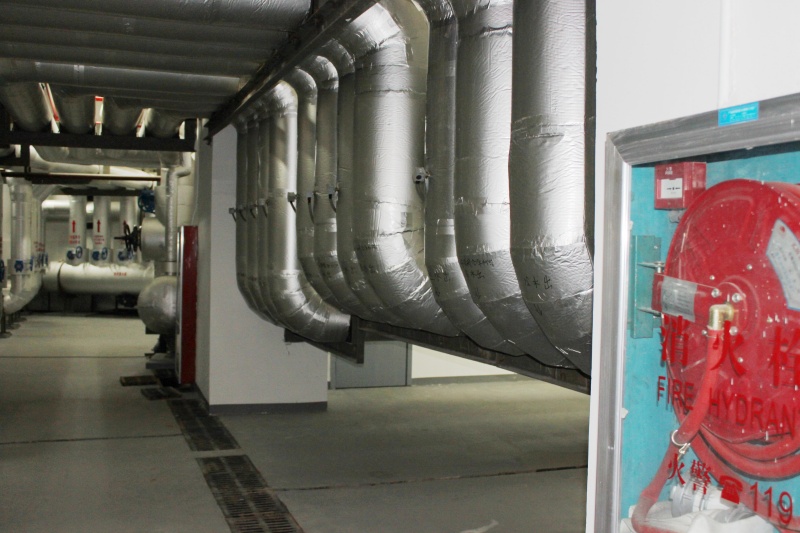
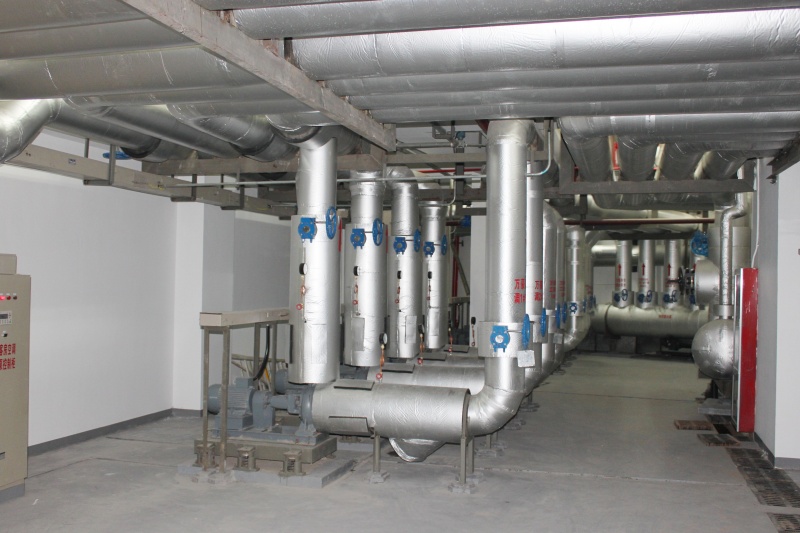
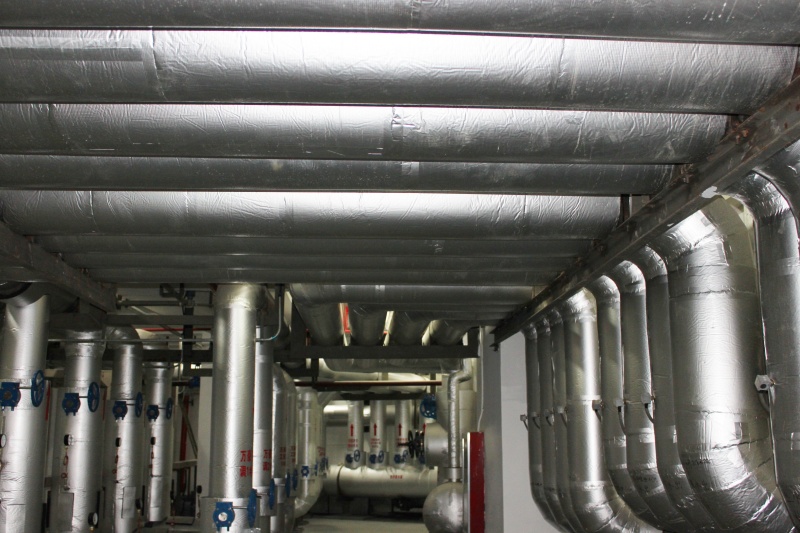

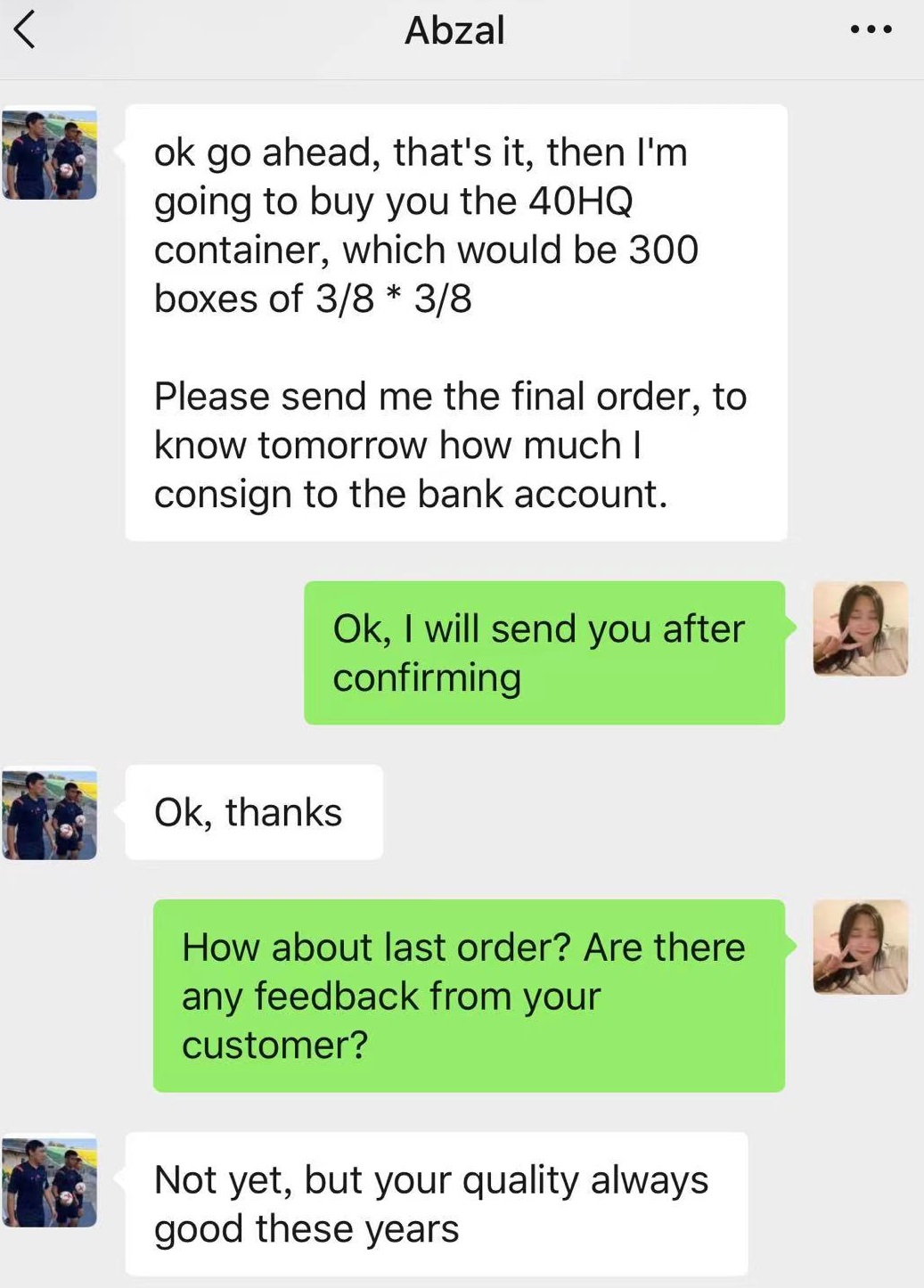
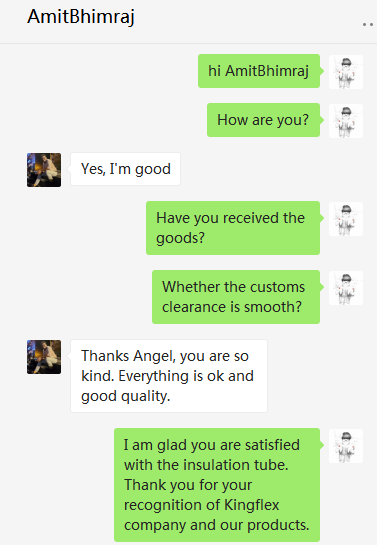
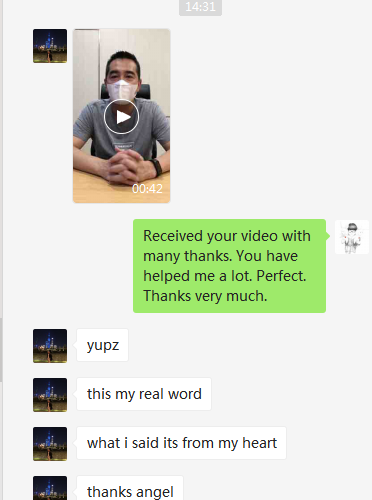
Transparency builds trust. Here are verified communication screenshots with our international clients, showcasing real-time feedback, order details, and verification of our global service capabilities.


Get answers to critical design, installation, and procurement questions regarding elastomeric cryogenic insulation from our technical engineering department.
It is primarily used for commercial and industrial HVAC ductwork, chilled/hot water piping systems, thermal insulation in building construction, and deep sub-zero cold insulation and sound dampening for petrochemical and chemical process lines.
Yes. Our rubber foam insulation materials contain flame-retardant additives. They comply with international fire standards, including BS 476 Part 6 & 7 Class 0/Class 1, CE standards, and UL94 V-0 flame ratings, making them safe for commercial and industrial installations.
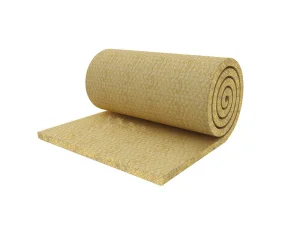
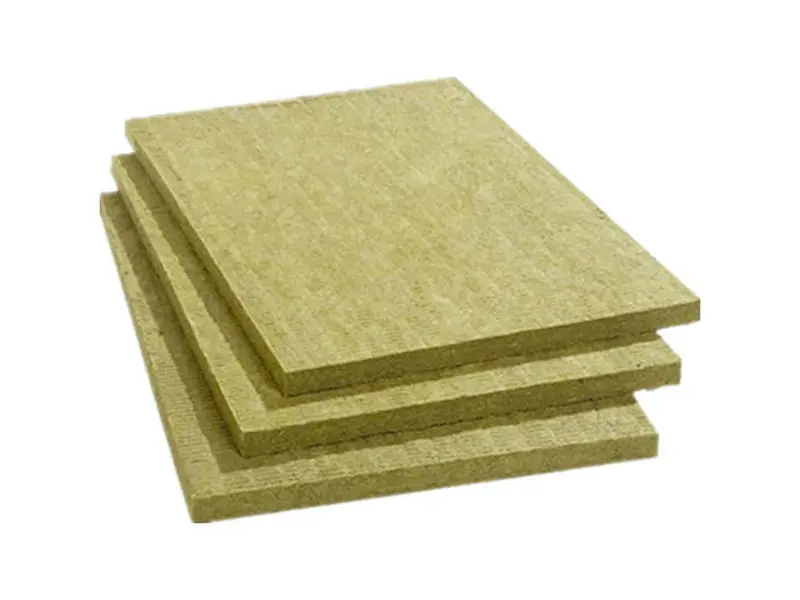
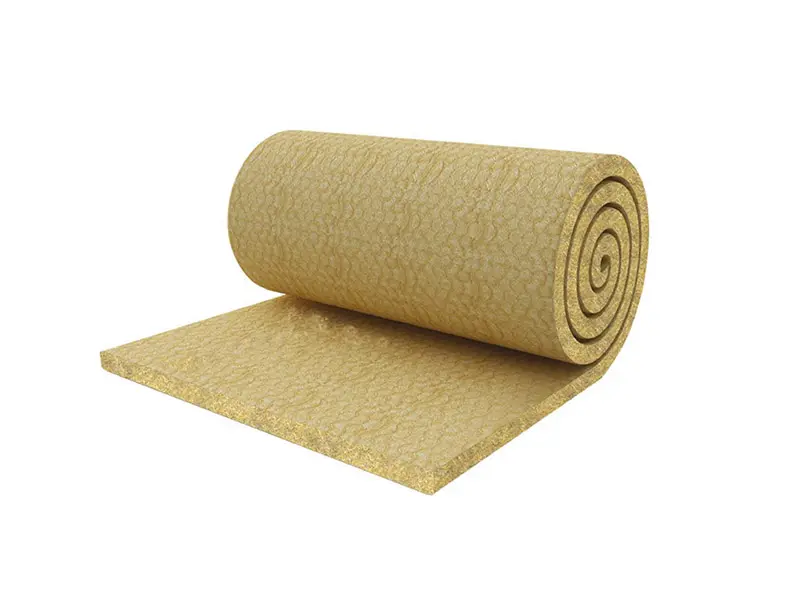
Rubber foam features a flexible, closed-cell, moisture-proof structure, making it ideal for refrigeration, HVAC, and low-temperature pipelines. Rock wool is an open-cell mineral fiber that offers excellent high-temperature resistance and fireproof properties, making it suitable for high-temperature industrial steam lines but vulnerable to moisture ingress in cold systems without an absolute vapor barrier.
Yes, we offer comprehensive OEM and ODM support. We customize dimensions, densities, wall thicknesses, packaging, adhesive backings, and external protection jackets to suit specific project designs.
Our products are certified to BS 476, CE, REACH, ROHS, UL94, and ASTM standards. This compliance ensures our products satisfy local regulatory codes across Europe, the Americas, Asia-Pacific, and the Middle East.
Yes, every production batch is assigned a unique batch number, linking it to the specific raw materials used, the chemical blending process, the production line, and the quality assurance test results.
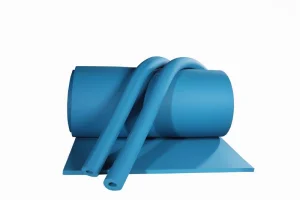
Our standard automated continuous lines produce elastomeric sheets in thicknesses ranging from 6mm to 50mm. Thicker specifications can be achieved by multi-layer laminating during installation.
When correctly specified, sized, and installed, Kingflex closed-cell insulation has a service life of 10 to 15 years in typical indoor and outdoor conditions. Outdoor installations require a UV-resistant protective coating or metal cladding to prevent degradation from sun exposure.
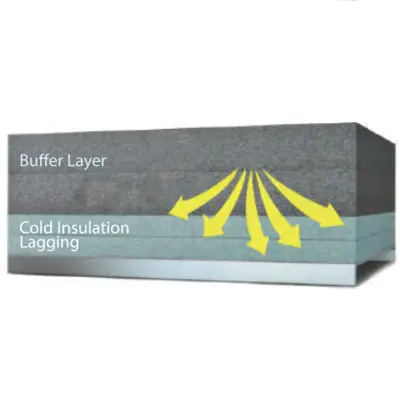
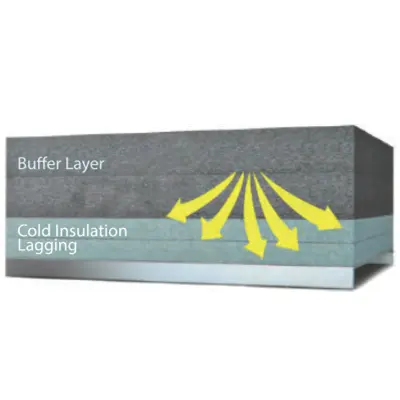
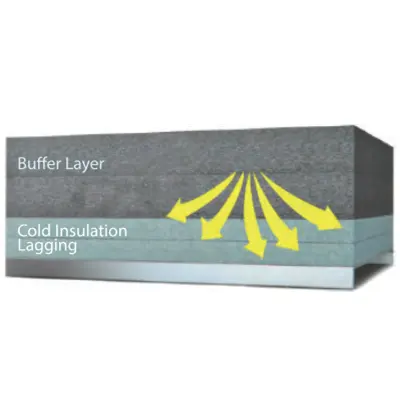
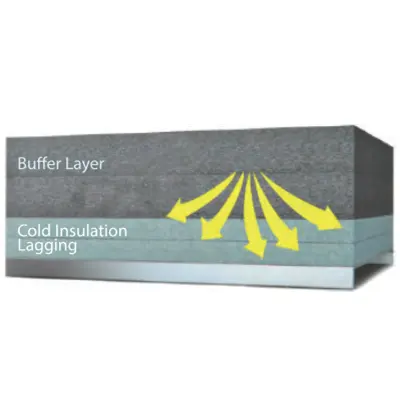
At deep cryogenic temperatures, standard elastomers undergo glass transition, losing their flexibility and becoming brittle. However, when configured in multi-layer systems with contraction joints and vapor-tight seals, the temperature gradient across the thickness allows the outer layers to remain flexible. The closed-cell structure prevents convection and moisture infiltration, maintaining excellent insulating performance.
CUI occurs when moisture and corrosive agents penetrate insulation and accumulate on the outer surface of metal pipes. Because elastomeric foam has a closed-cell structure and a high vapor resistance factor (µ), it prevents ambient moisture from reaching the pipe surface. This minimizes the risk of CUI compared to open-cell fibrous alternatives.
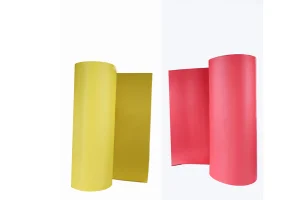
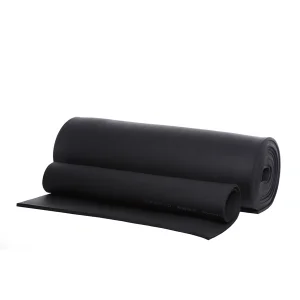
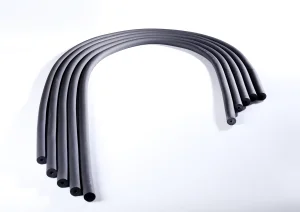
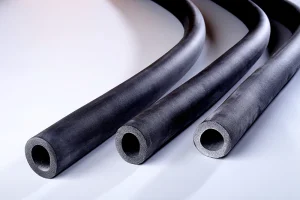
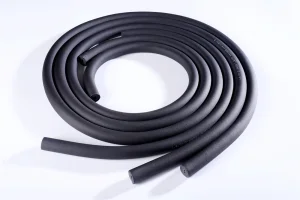
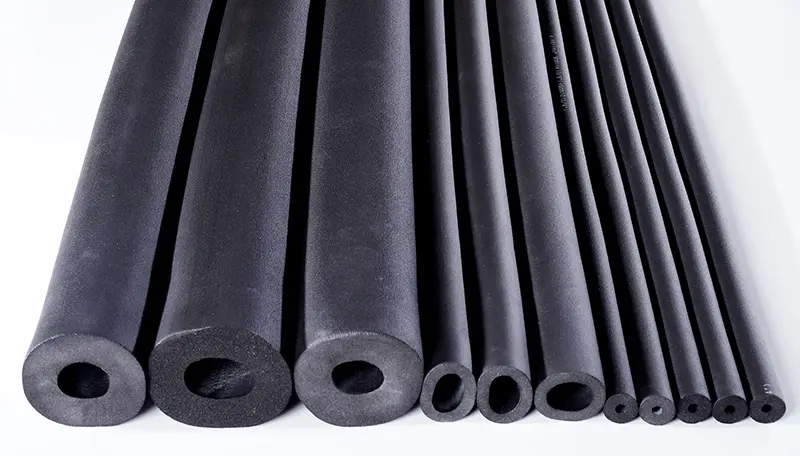
Explore our full line of nitrile rubber insulation tubes, ultra-low temperature sheets, waterproof rolls, and critical installation accessories like aluminum foil tapes.
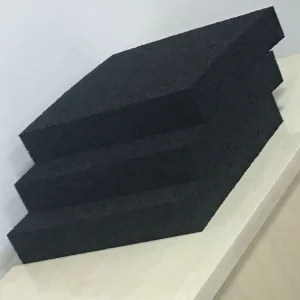
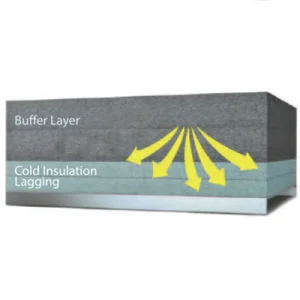
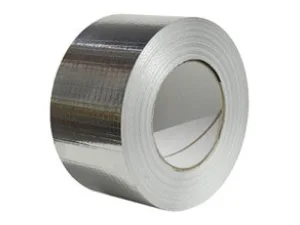
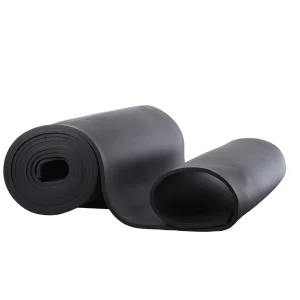
Browse specialized configurations of our elastomeric foam tube and sheet lines, formulated with enhanced densities, corrosion inhibitors, and thermal barriers.
As global industries aim to optimize thermal efficiency and reduce environmental footprints, the cryogenic insulation sector is evolving rapidly. Key trends shaping the industry include:
Combining the low thermal conductivity of silica aerogels with the flexibility and ease of installation of elastomeric rubber foam. This hybrid approach enables thinner insulation profiles in confined spaces, such as onboard LNG carriers and marine piping systems, without compromising thermal resistance.
Regulatory frameworks like REACH and RoHS are driving research into bio-sourced polymers and halogen-free fire retardants. Future elastomeric sheets will focus on minimizing smoke toxicity and acid gas emissions during fire events, prioritizing environmental and personnel safety.
Traditional insulation joints are prone to vapor leaks over time due to thermal movement. Next-generation systems feature cross-linking adhesive compounds that maintain flexibility at sub-zero temperatures, ensuring the vapor barrier remains intact throughout the system's operational lifetime.
Integrating thin-film moisture sensors directly onto the pipe surface prior to applying elastomeric foam. These sensors monitor humidity levels in real-time, allowing operators to detect and locate moisture ingress or early corrosion without stripping the insulation.