 Kingflex
Kingflex
Kingflex
Explore our primary selection of closed-cell elastomeric rubber foams engineered for demanding thermal environments.
In modern industrial, commercial, and residential construction, exterior duct networks serve as the primary vascular system for heating, ventilation, and air conditioning (HVAC) systems. Standard outdoor installations are subject to extreme thermal swings, mechanical damage, moisture absorption, and solar ultraviolet degradation. Uninsulated or poorly insulated ducts result in severe thermal losses, condensation buildup, mold colonization, and premature system failure.
This technical whitepaper examines the deployment of premium NBR/PVC elastomeric rubber foam insulation manufactured in China. As a dominant global source of high-performance closed-cell thermal solutions, Chinese manufacturing centers combine structural raw material advantages, extensive R&D pipelines, and high-volume production efficiencies to deliver compliant thermal insulation systems worldwide.
Understanding the structural differences between NBR/PVC elastomeric rubber foam and traditional mineral fibers is vital for long-term project planning.
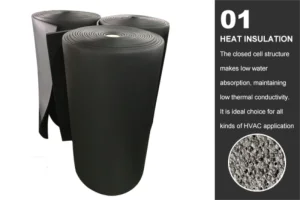
Features uniform closed-cell architectures resulting in thermal conductivity as low as ≤0.034 W/m·K at 0°C. This guarantees minimal temperature change over extended duct runs.
With a closed-cell ratio exceeding 98%, the material features an inherent moisture defense system (water vapor resistance factor μ ≥ 10,000) eliminating the need for separate vapor barriers.
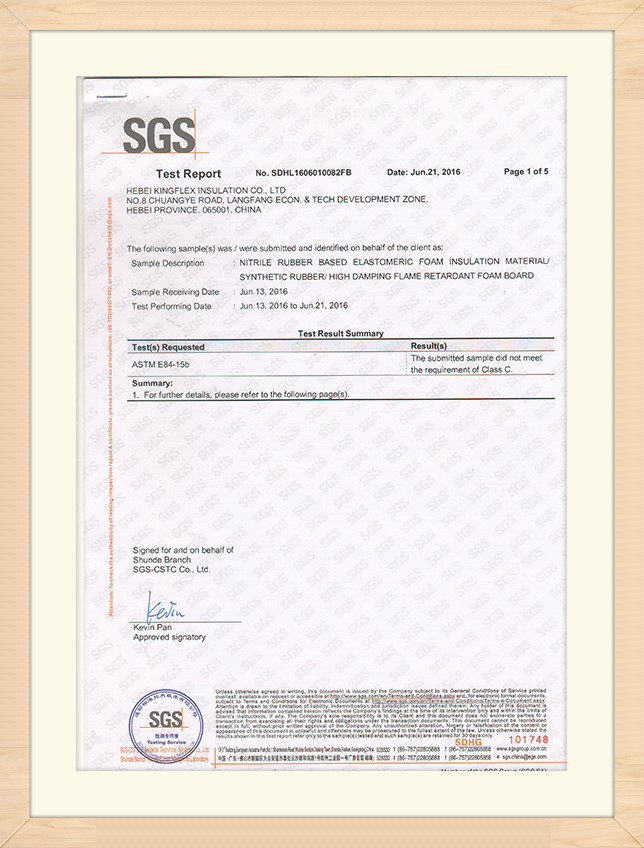
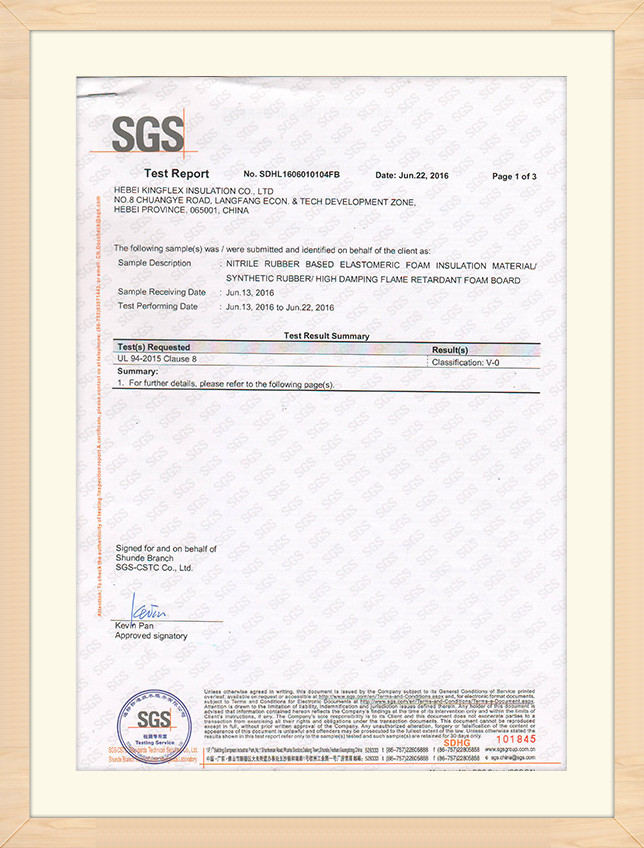
Formulated with integrated fire retardants, our rubber foam meets international standards like BS 476 Part 6/7, UL94, and ASTM E84, producing minimal smoke and preventing flame spread.
| Property / Characteristic | NBR/PVC Elastomeric Rubber Foam | Traditional Rock Wool / Fiberglass | Performance Benefit |
|---|---|---|---|
| Cell Structure | Closed-Cell (>98% integrity) | Open Fibrous Matrix | Prevents moisture infiltration and maintains thermal stability. |
| Thermal Conductivity (λ) | ≤ 0.034 W/m·K (at 0°C) | 0.035 - 0.040 W/m·K | Higher energy savings in thin-profile layouts. |
| Vapor Permeability (μ) | ≥ 10,000 (Built-in barrier) | Requires external foil jackets | Zero risk of moisture accumulation inside the insulation. |
| Flexibility & Installation | High elasticity, easy cut & slip-on | Brittle, irritating dust hazard | Reduces onsite installation time and protects worker health. |
| Corrosion Under Insulation (CUI) | Extremely Low (Non-wicking) | High (Traps water against ducts) | Extends exterior duct lifespan to 15+ years. |
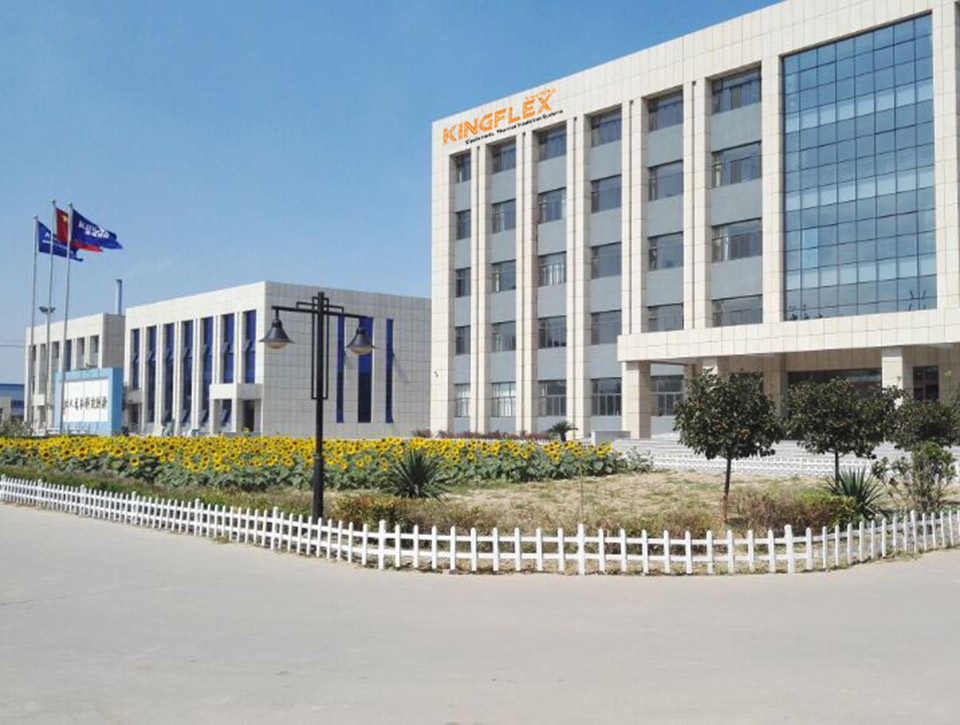
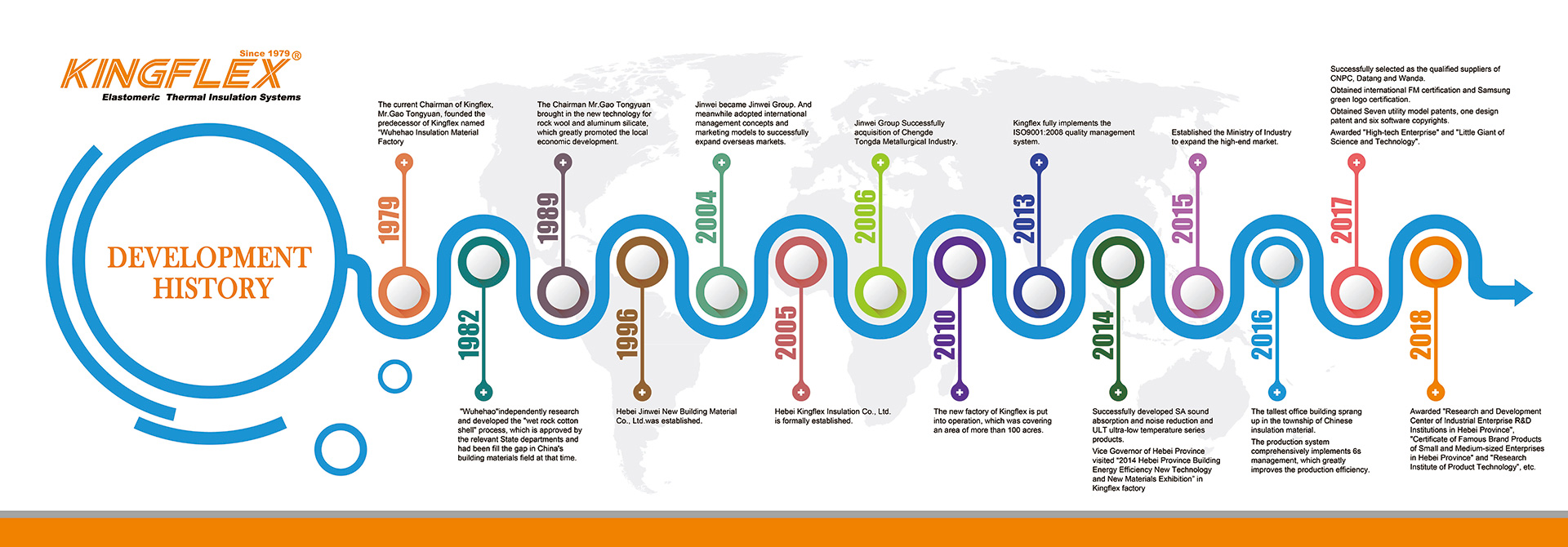
Based in Dacheng, China—the global center of green building insulation materials—our production operations combine massive scale with automated precision.
Kingflex Insulation Co., Ltd. operates five modern high-speed automatic production lines with an annual output capacity exceeding 600,000 cubic meters. This deep industrial integration enables direct sourcing of quality raw elastomers and additives, maintaining pricing stability and production scheduling advantages even during periods of global supply pressure.
By leveraging direct access to upstream chemical clusters, we maintain strict control over elastomer densities, plasticization cycles, and cellular distribution. This high output ensures consistent supply to projects spanning over 66 countries.
Exterior duct insulation must adapt to local environments. Here is how our NBR/PVC systems perform in different climates:
In hot, humid areas (such as Southeast Asia and coastal South America), exterior ducts are highly susceptible to surface condensation. Our high-density, closed-cell NBR/PVC prevents moisture penetration without the need for additional vapor barriers, protecting against mold growth and structure rot.
For systems operating in deep sub-zero settings (-40°C), thermal bridging can quickly build thick ice crusts. Our elastomeric configurations maintain flexibility and cellular integrity without shrinking or cracking, ensuring stable insulation performance.
Chemical processing units and coastal refineries face salt air and acid mist. The co-polymer formulation of NBR/PVC features excellent chemical resistance, safeguarding underlying metal ducts from corrosion under insulation (CUI).
To keep pace with evolving green building codes and carbon neutrality targets, our R&D team continuously refines our material designs. We focus on four key areas:
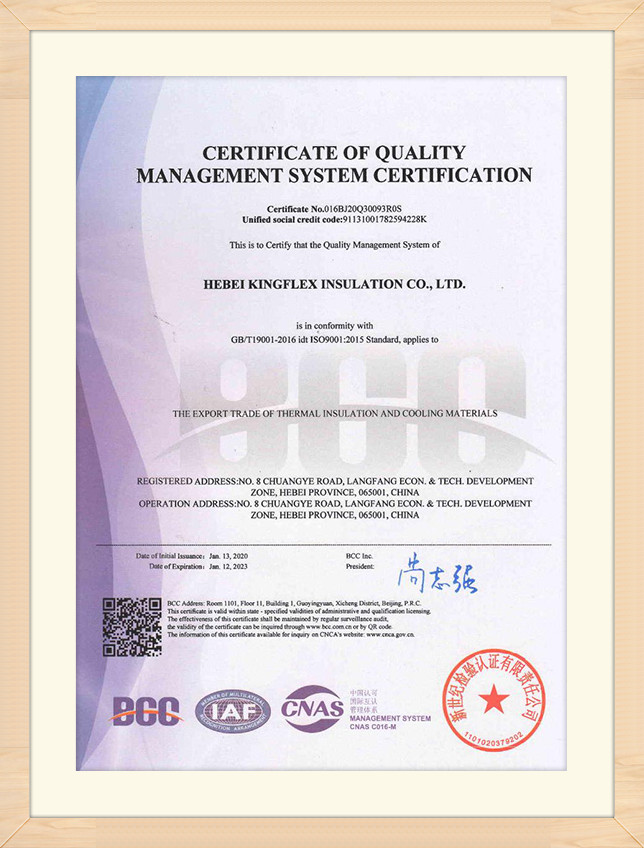
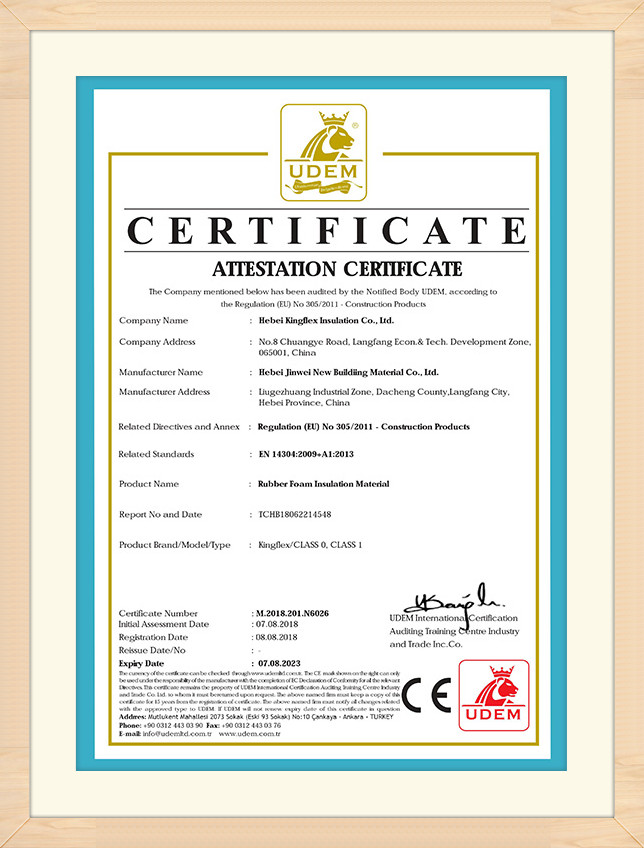
We back our product quality with verified international certifications, ensuring reliable performance in global construction projects.
Class 0 & Class 1 fire rating compliance for public building applications.
Meets European Union safety, health, and environmental protection requirements.
Verified self-extinguishing properties, low smoke density, and flame spread control.
Formulated without harmful heavy metals, PBDEs, or ozone-depleting substances.
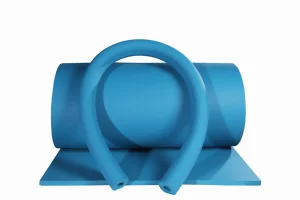
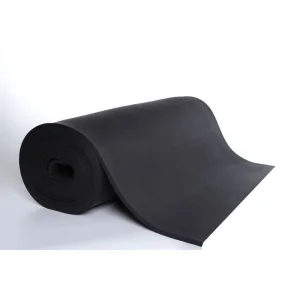
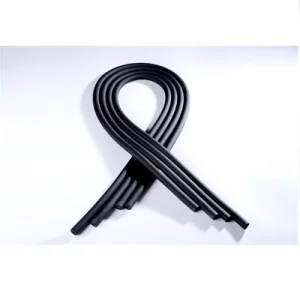
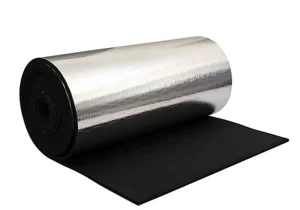
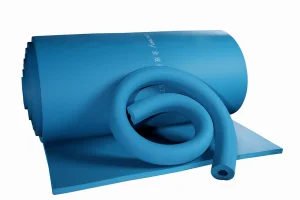
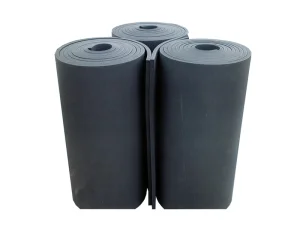
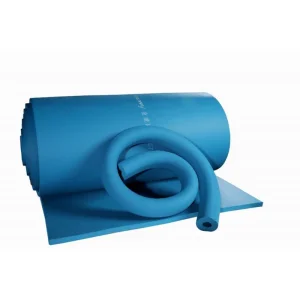
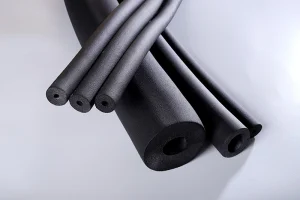
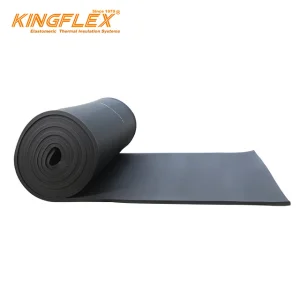
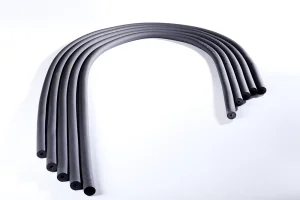
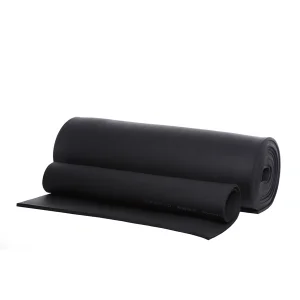
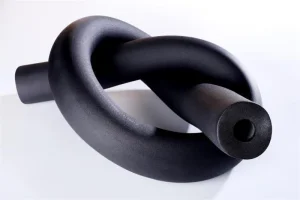
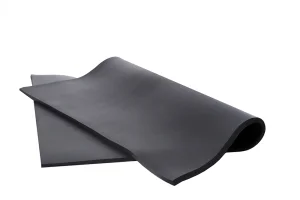
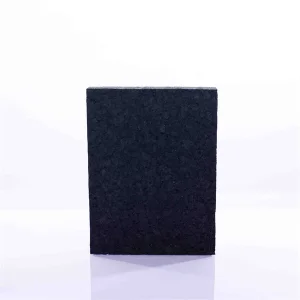
We manufacture rubber foam in both sheet rolls and pipe profiles to suit various duct configurations.
Primary Material: Industrial-grade NBR/PVC elastomer matrix.
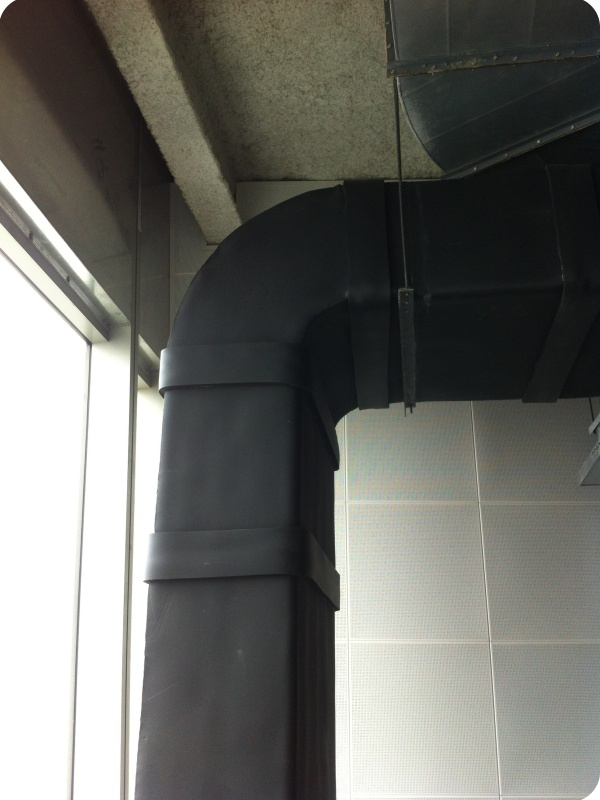
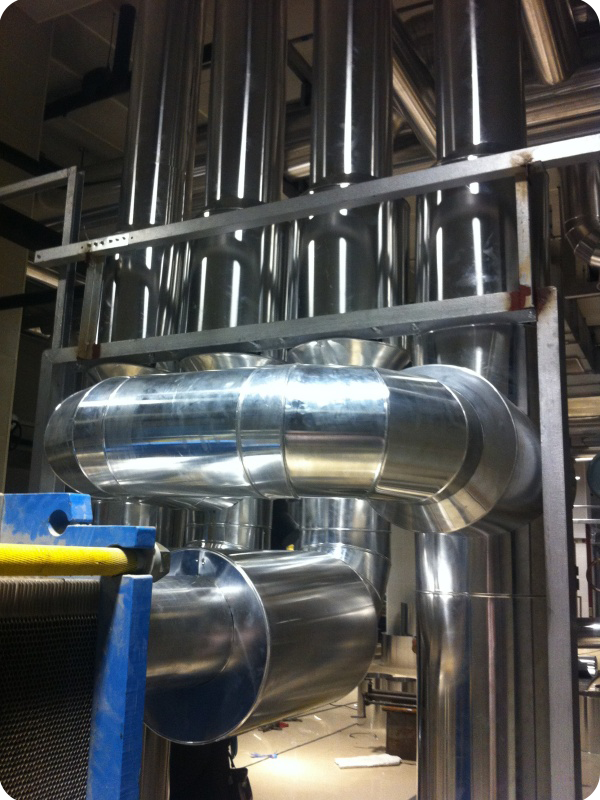
Primary Material: Continuous-extruded NBR/PVC tubing.
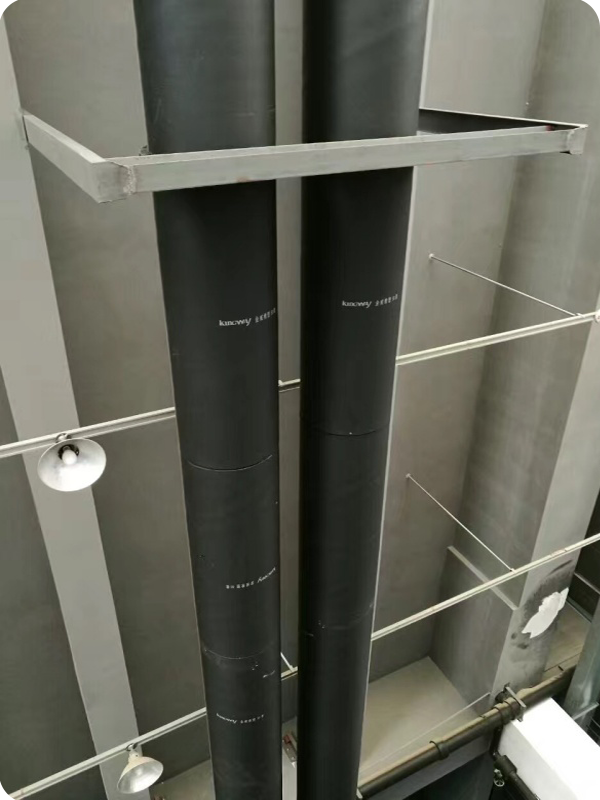
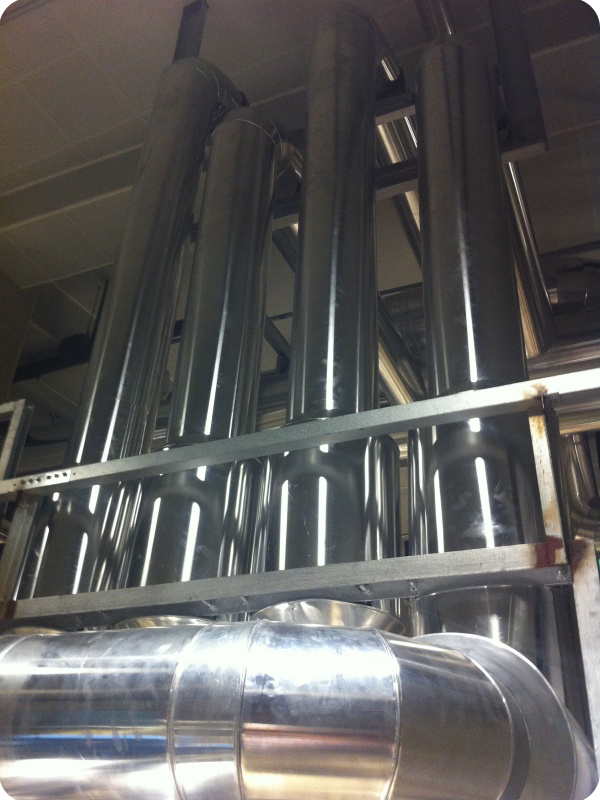
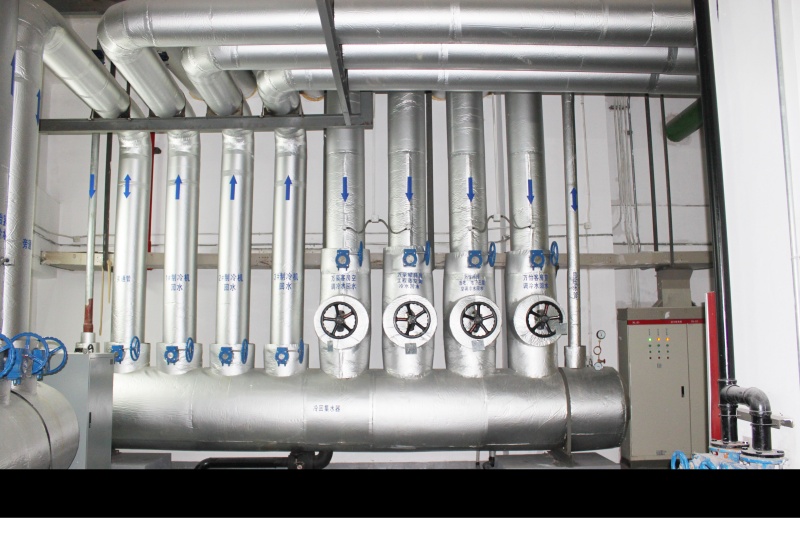
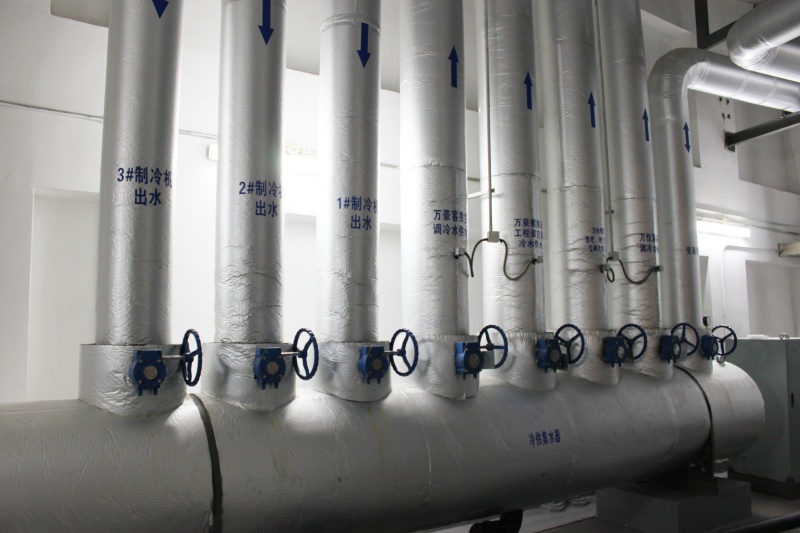
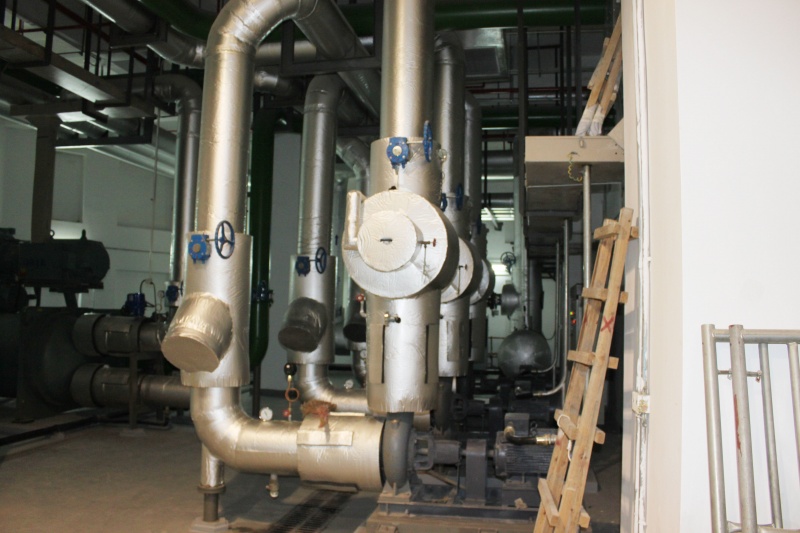
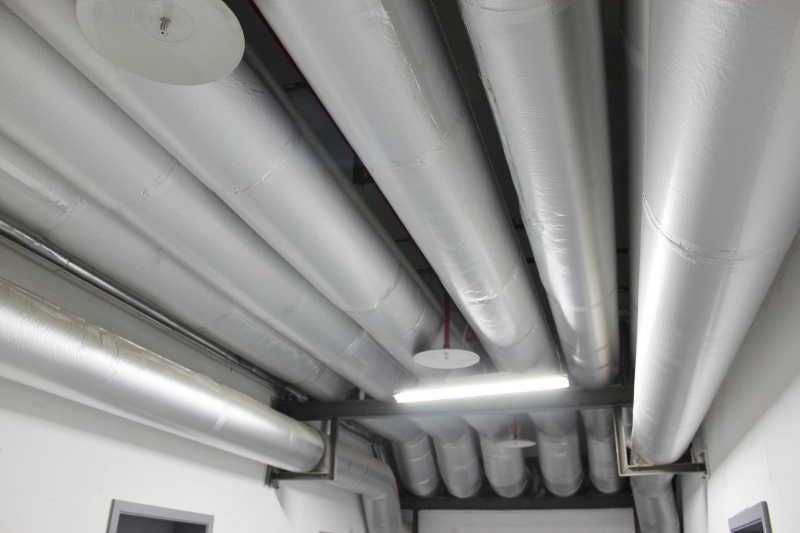
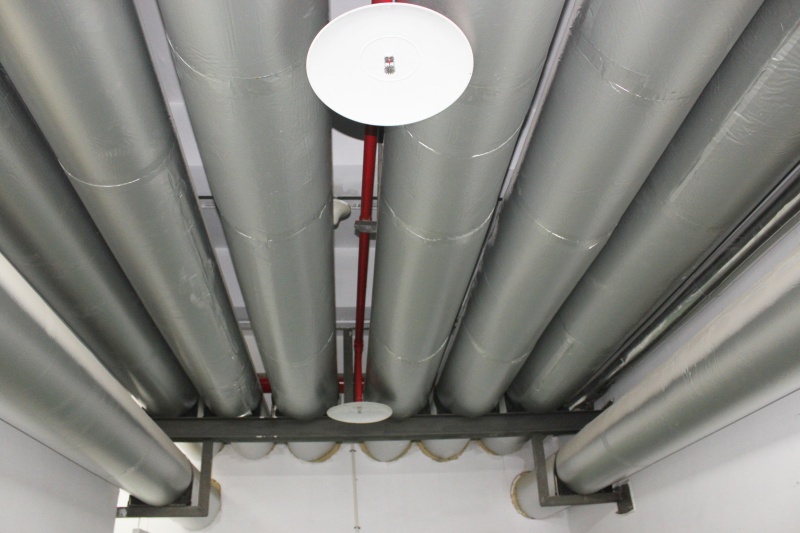
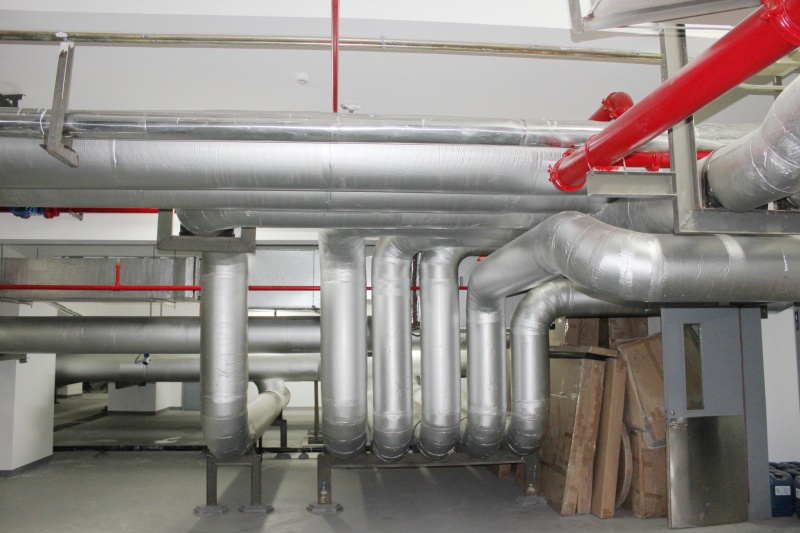
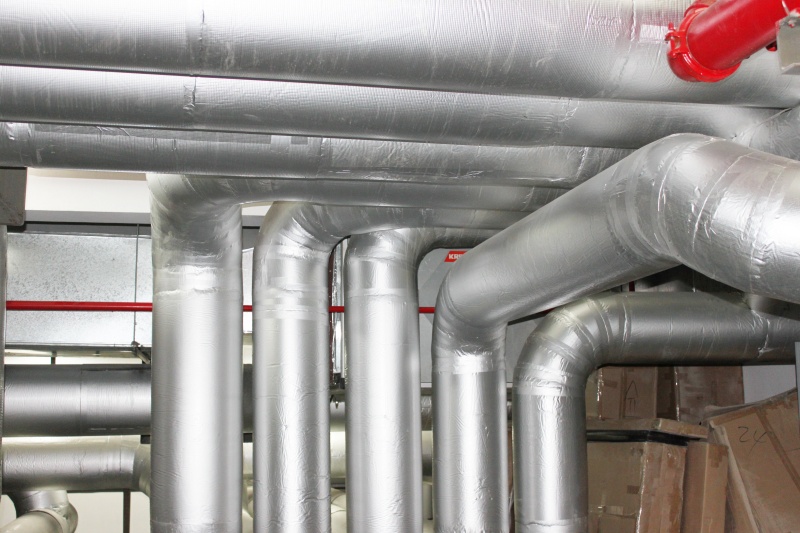
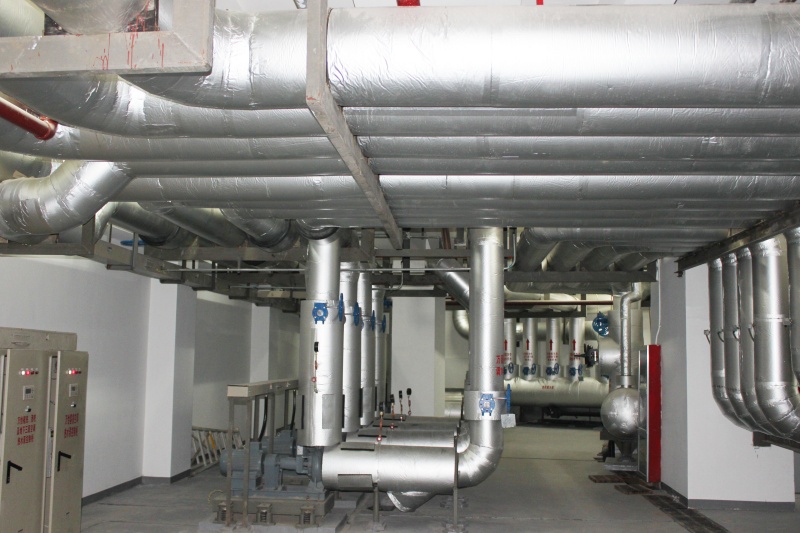
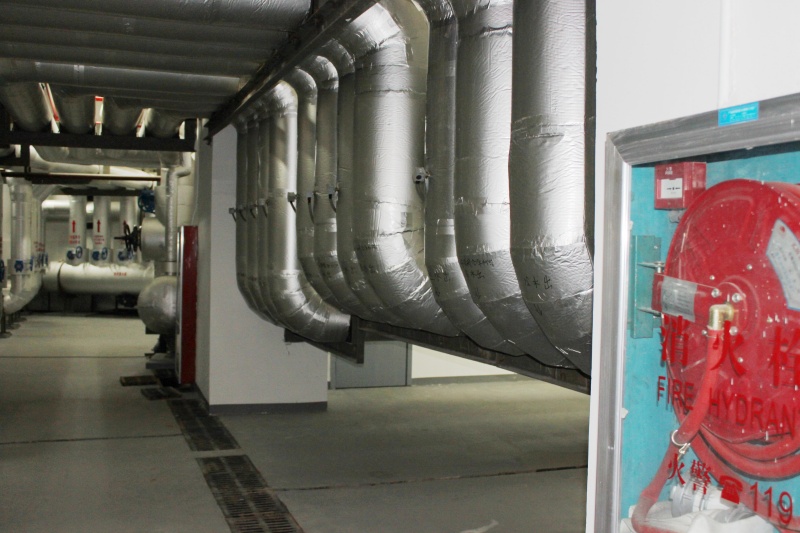
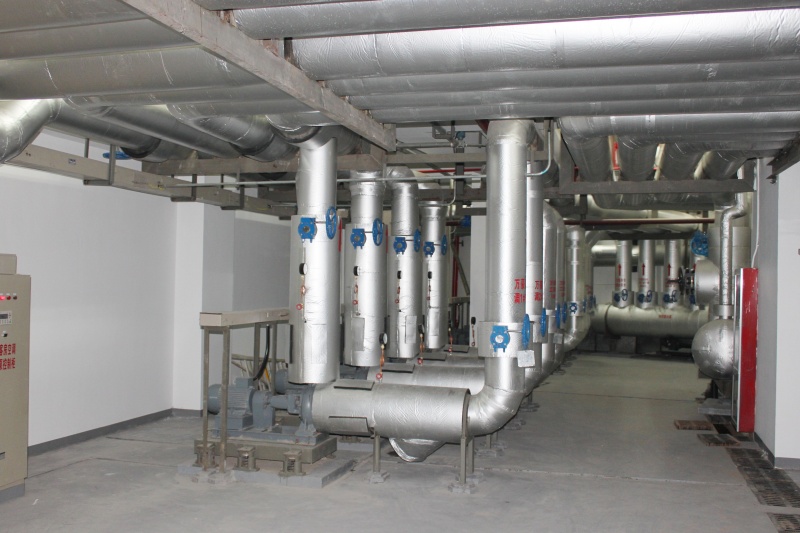
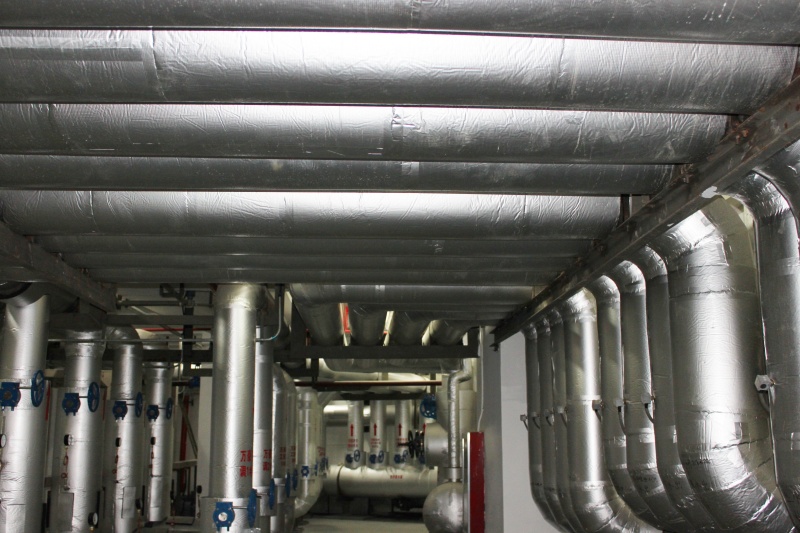
Our insulation materials have been used in large-scale commercial complexes, transportation hubs, cleanrooms, and petrochemical plants.

Find answers to common technical, design, and sourcing questions below.
We support global engineers, contractors, and distributors with responsive service and technical advice.




Discover our range of specialty soundproofing materials, high-density sheets, and pipe configurations.
Our engineering team can help with insulation thickness calculations, thermal loss analyses, and product specifications for your projects.
Consult an Insulation Expert