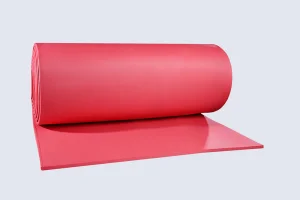
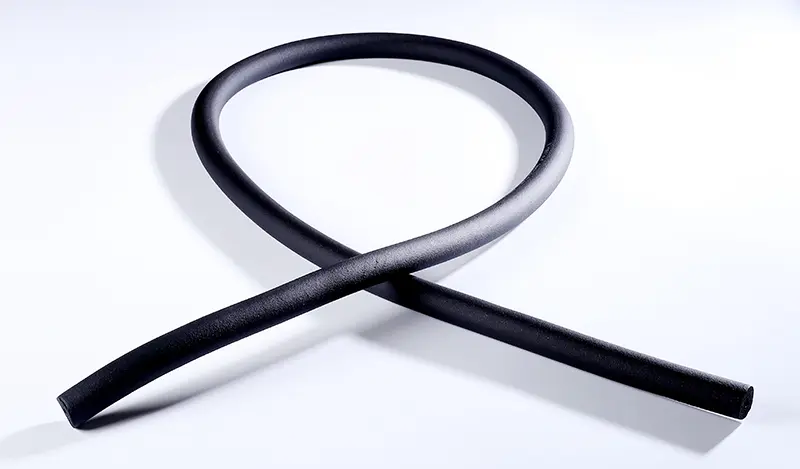
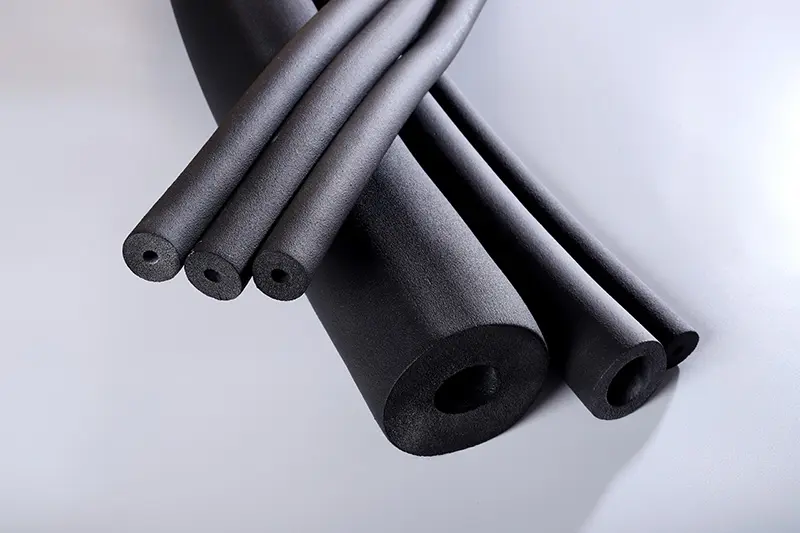
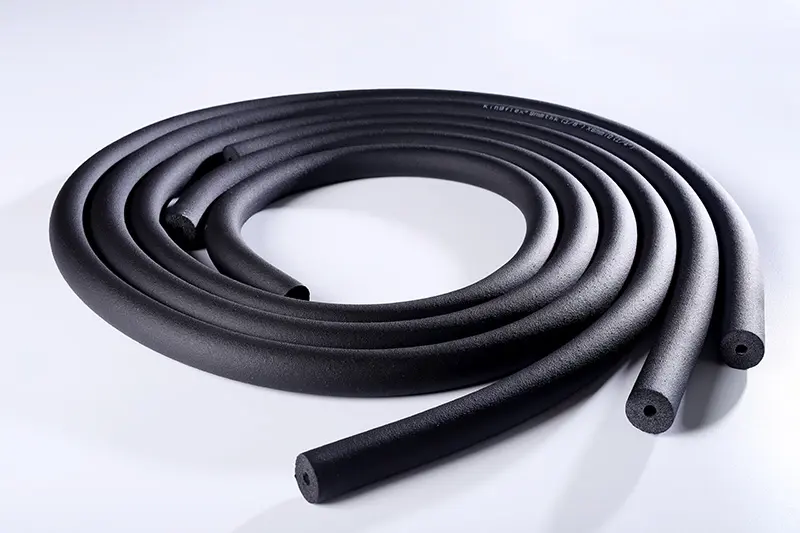
 Kingflex
Kingflex
Kingflex
Explore our premium grade elastomeric, low temperature, and thermal barrier systems optimized for mechanical lines.
Analyzing thermal conductivity, environmental impact, fire rating parameters, and structural stability.
As the construction and HVAC sectors align globally with strict green building benchmarks (such as LEED, BREEAM, and DGNB), the demand for high-efficiency insulation has skyrocketed. Our Glass Wool Insulation Boards represent the cutting-edge of inorganic fiber technology, engineered specifically to manage heat transfer, reduce environmental footprint, and optimize acoustic comfort in commercial walls, roofs, and mechanical duct systems.
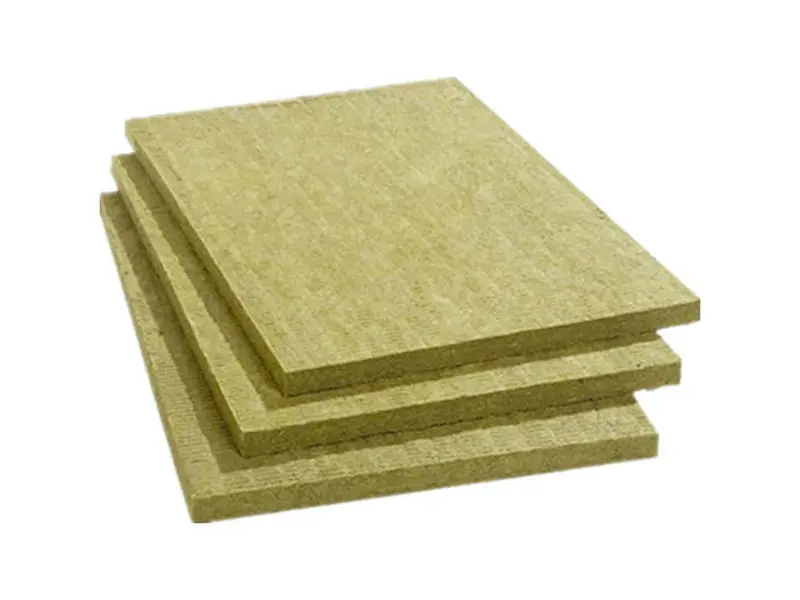
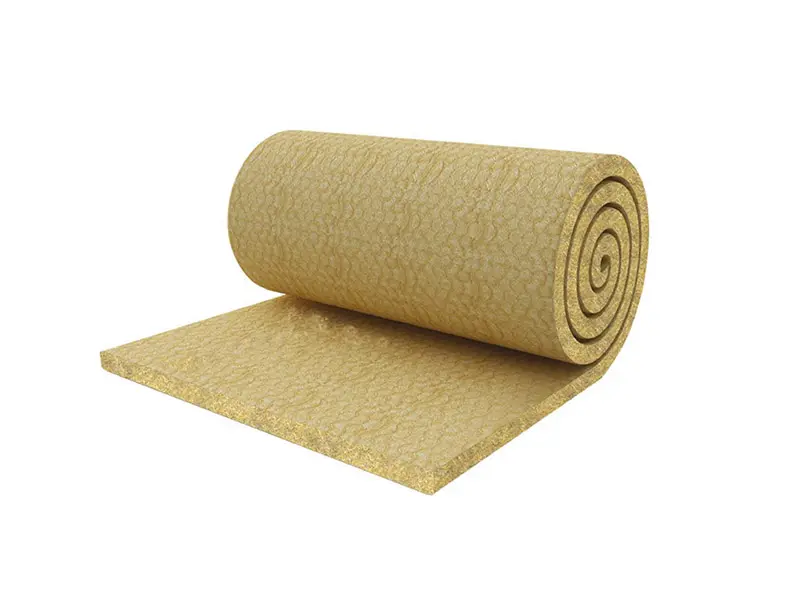
Glass wool is composed of fine, uniform glass fibers bonded together by a thermosetting resin, forming a lightweight, semi-rigid, or rigid structure. Compared to traditional organic foams, it delivers unmatched performance under elevated temperatures and is inherently fireproof. In global infrastructure developments, from district cooling plants in the Middle East to multi-family residential complexes in Europe, these boards serve as the thermal defense framework that keeps indoor environments isolated from temperature swings.
By using premium sand and recycled cullet, our manufacturing lines process raw silicate at temperatures exceeding 1300°C to spin long, flexible fibers with low shot content. This structural layout provides high mechanical resilience and limits fiber shedding during installation.
Our Glass Wool Insulation Boards deliver a thermal conductivity (λ) range of 0.031 to 0.040 W/mK at mean temperatures of 24°C, preventing thermal bridging and HVAC energy waste.
Inorganic silicate fibers are naturally non-combustible. Our products do not sustain flame, generate toxic gases, or release dangerous droplets when exposed to extreme heat.
The open-cell porous matrix of spun glass fibers traps sound energy, offering an Noise Reduction Coefficient (NRC) up to 0.90, making it ideal for mechanical room wall linings.
Understanding cost metrics based on raw density, thickness, facing materials (FSK, Alum Foil, Black Tissue), and customization limits.
| Density (kg/m³) | Thickness (mm) | Facing Options | Typical Applications | Est. Price Index (USD/m²) |
|---|---|---|---|---|
| 24 kg/m³ | 25mm / 50mm | Unfaced / FSK Facing | HVAC Duct Wrap, Commercial Wall Cavities | $1.80 - $2.90 |
| 32 kg/m³ | 50mm / 75mm | Alum Foil / Kraft Paper | Industrial Equipment Insulation, Mechanical Piping | $2.40 - $3.80 |
| 48 kg/m³ | 25mm / 50mm | Glass Cloth / FSK | Acoustic Partitions, Soundproofing Modules | $3.50 - $5.20 |
| 64 kg/m³ | 50mm | Black Glass Tissue (BGT) | Exposed Plenum Insulation, Generator Enclosures | $4.80 - $6.50 |
| 96 kg/m³ | 25mm / 50mm | Heavy Duty Foil / Faced | Heavy Industrial High-Load Thermal Barriers | $6.20 - $8.90 |
*Disclaimer: The prices listed above are estimates intended as a budgetary guide for architects and contractors. Actual pricing varies depending on regional delivery, bulk order scale, raw glass market variations, and customized dimensional requirements. Please contact our international sales office for a binding quote.
Over 40 years of engineering leadership, supplying thermal and acoustic insulation across 66 countries.
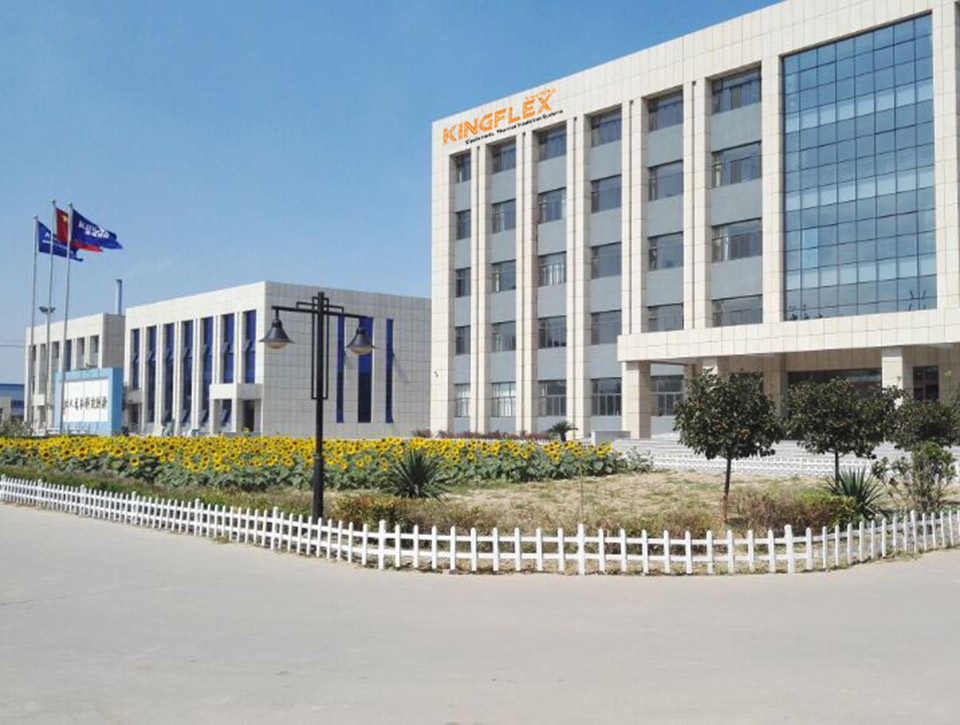
Kingflex Insulation Co., Ltd. is a professional manufacturing and trading combo for thermal insulation products. Kingflex's research development and production department is located in the well-known capital of green-building materials in Dacheng, China. It is an energy-saving, environmentally friendly enterprise concentrating on research and development, production, and sales. In operation, Kingflex takes energy saving and consumption reduction as its core concept. We provide insulation solutions by means of consultation, research and development, production, installation guidance, and post-sale service to lead the development of the global building materials industry.
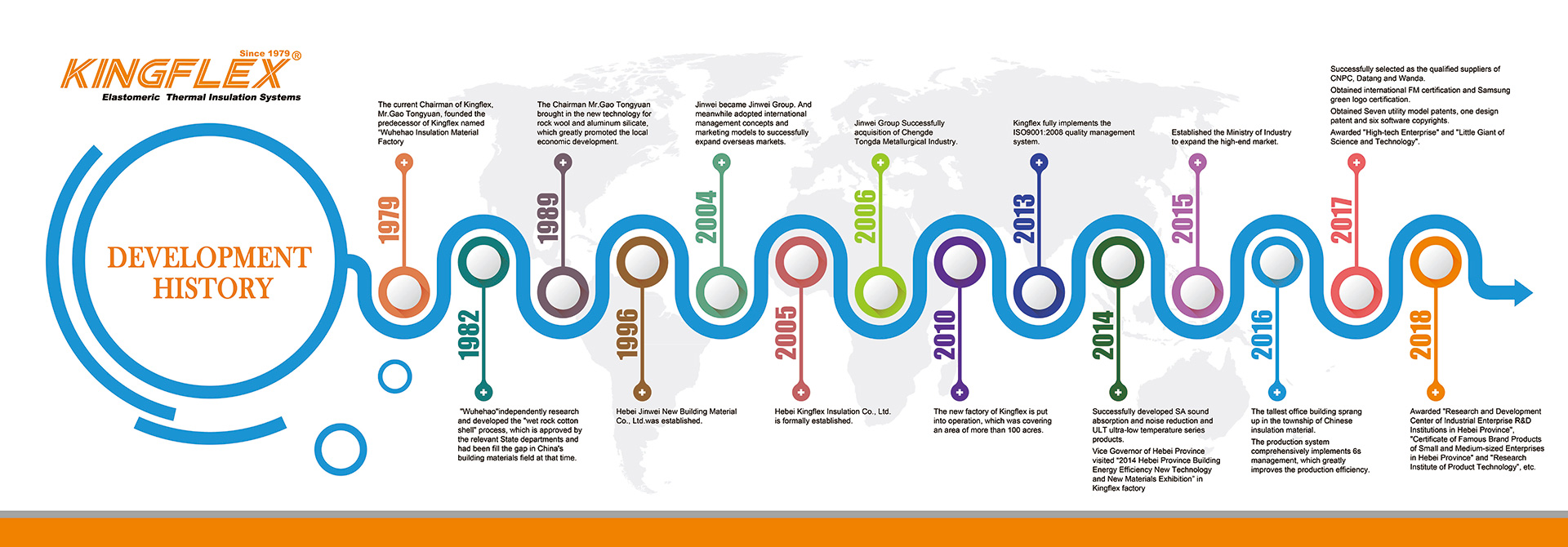
Kingflex is established by the Jinwei Group which has more than 40 years of history. Kingway Group was established in 1979. It was the first manufacturer of thermal insulation materials north of the Yangtze River. Through decades of technological iterations, we transitioned from basic mineral wool processing to advanced CNC-controlled, high-density, multi-line elastomeric and inorganic fiber operations, setting quality benchmarks across East Asia and global trade corridors.
How our thermal solutions perform under extreme environmental stress across mechanical, building, and industrial networks.
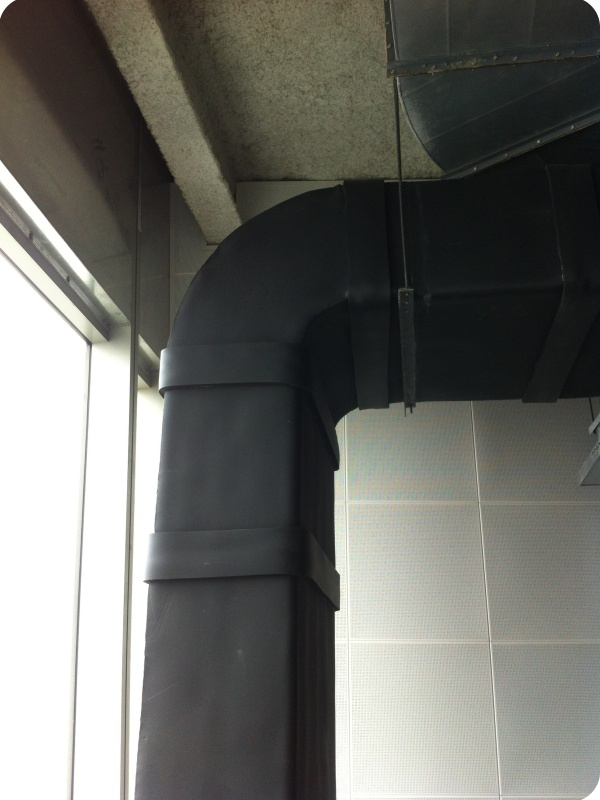
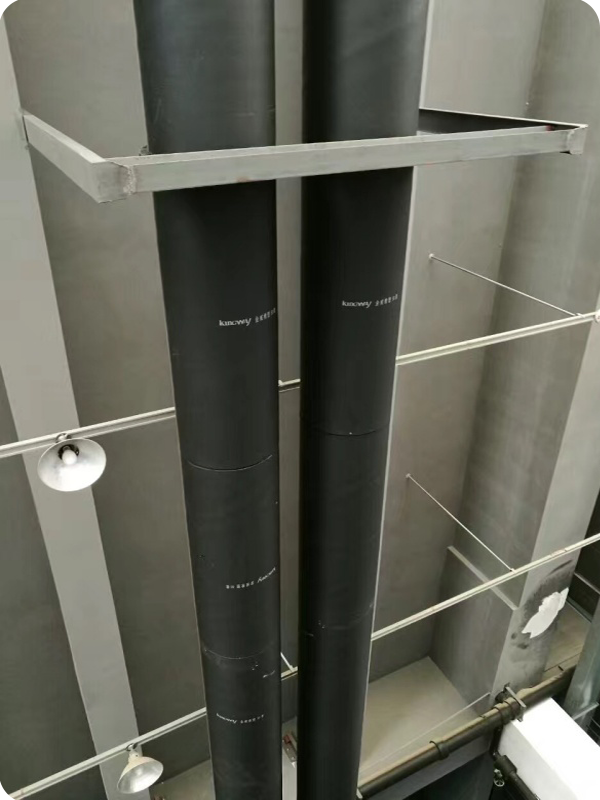
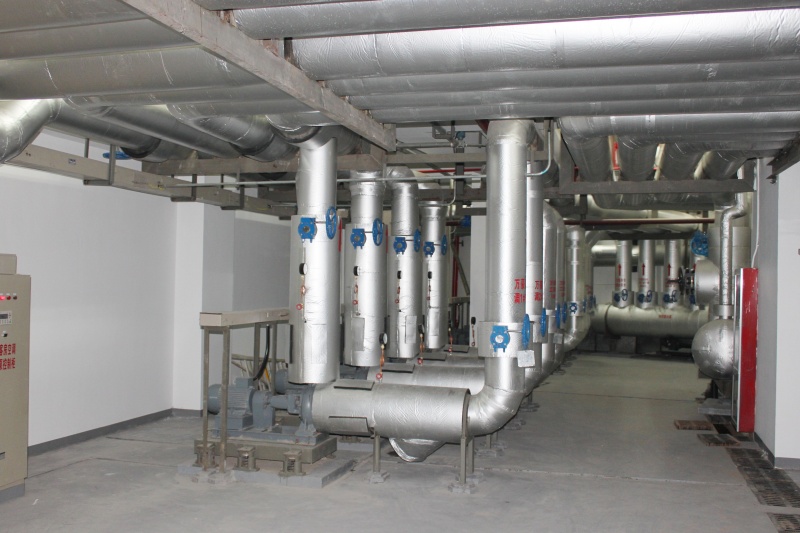
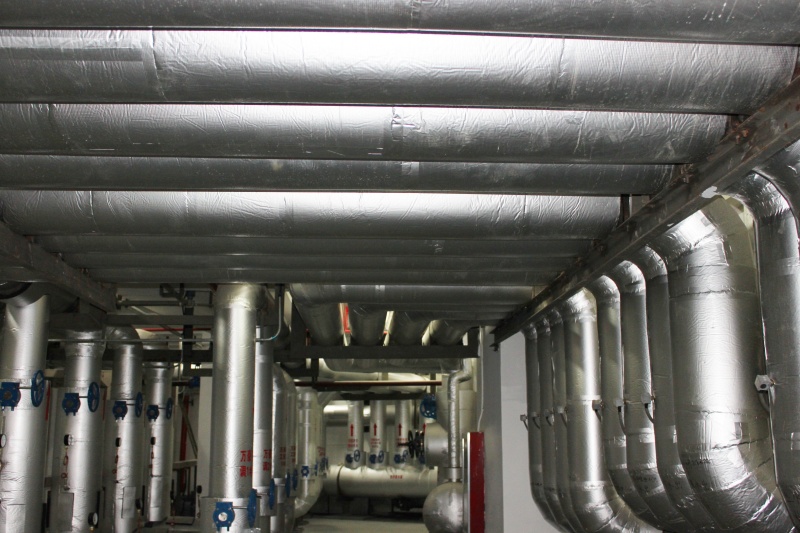
Thermal insulation for air ducts and pipes. Glass wool and elastomeric rubber foam sheets protect complex ventilation routes from condensation, heat loss, and vibration noise.
Wall, roof, and basement thermal & sound insulation. Used inside curtain walls and structural drywall systems to meet municipal fire-resistance parameters and energy efficiency regulations.
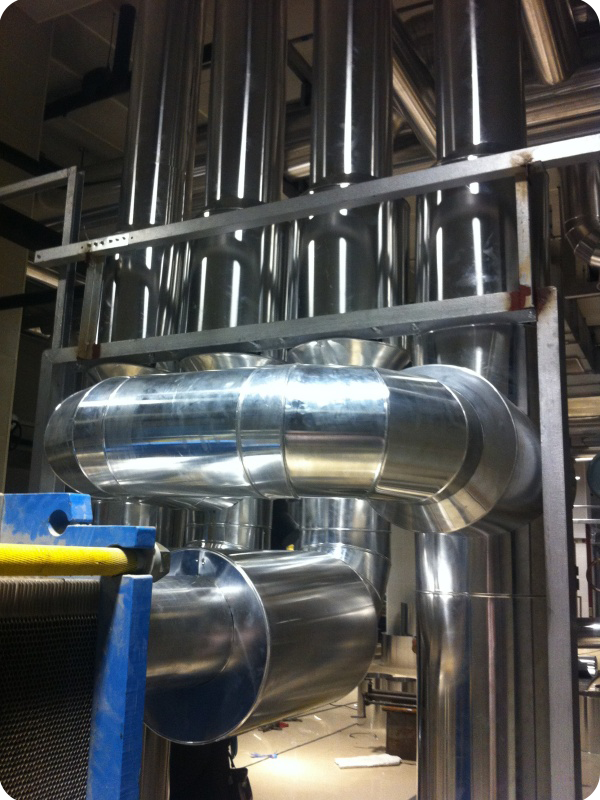
Heat insulation, sound insulation, and corrosion protection for process pipes, steam lines, heat exchangers, and storage tanks operating under continuous high temperatures.
Understand which insulation material matches your specific operational requirements.
| Performance Parameter | Glass Wool Insulation Board | Elastomeric Rubber Foam | Rock Wool Board |
|---|---|---|---|
| Base Composition | Inorganic Silicate Fiber | Synthetic Elastomer (NBR/PVC) | Basalt Rock & Slag Fiber |
| Service Temperature Limit | -120°C to +350°C | -40°C to +105°C | Up to +650°C |
| Fire Behavior Standard | Class A1 Non-Combustible | Class 0 / Class 1 Flame Retardant | Class A1 Non-Combustible |
| Moisture Resistance (μ) | Low (Needs Vapor Barrier facing) | High (Closed-cell system >98%) | Moderate (Needs water repellents) |
| Typical Density Range | 24 kg/m³ to 96 kg/m³ | 40 kg/m³ to 55 kg/m³ | 60 kg/m³ to 160 kg/m³ |
Our research and development team is guided by eight expert engineers with years of industrial chemistry experience. We perform tests for fire spread, thermal drift, dimensional variation, water absorption, and tensile strength on every manufacturing batch. Kingflex products have passed rigorous evaluations including BS 476, CE, REACH, RoHS, UL94, and ASTM standards, ensuring alignment with international building regulations.

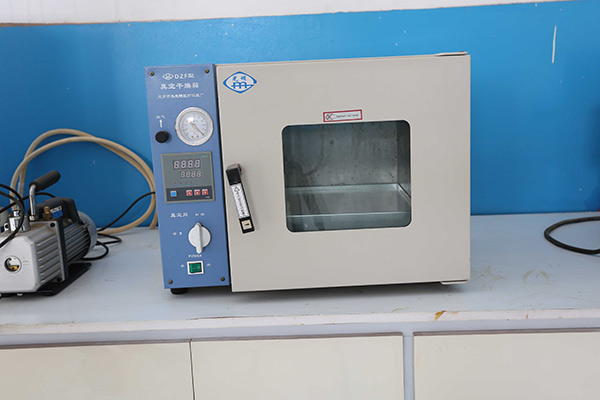
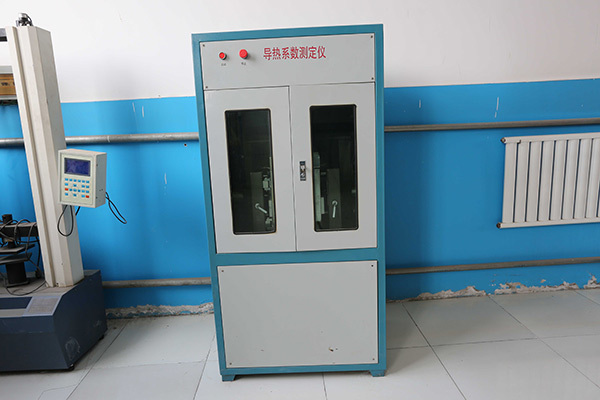
Global architectural specifications demand verifiable certification. We operate under ISO 9001 and ISO 14001, verifying that every square meter of material can be traced from raw sand and cullet to the final delivery site.
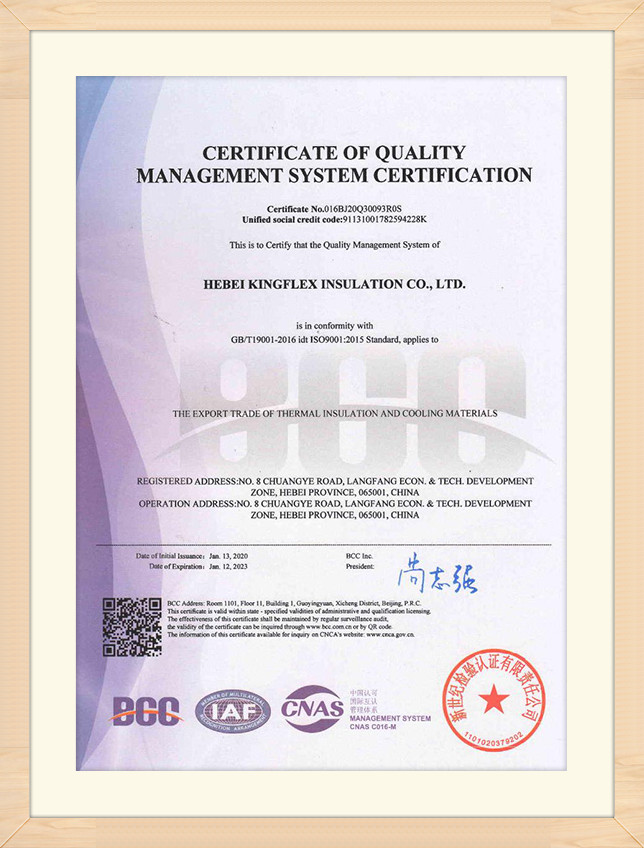
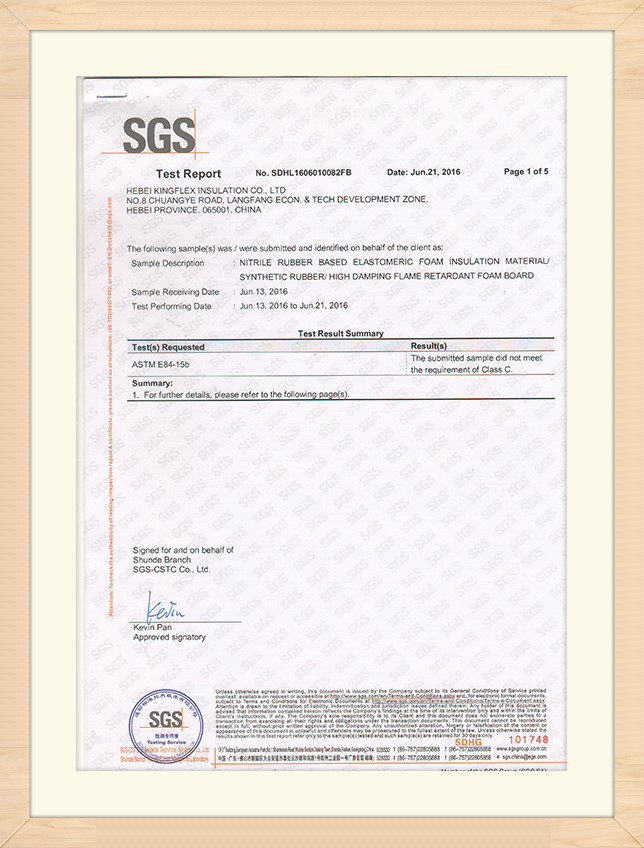
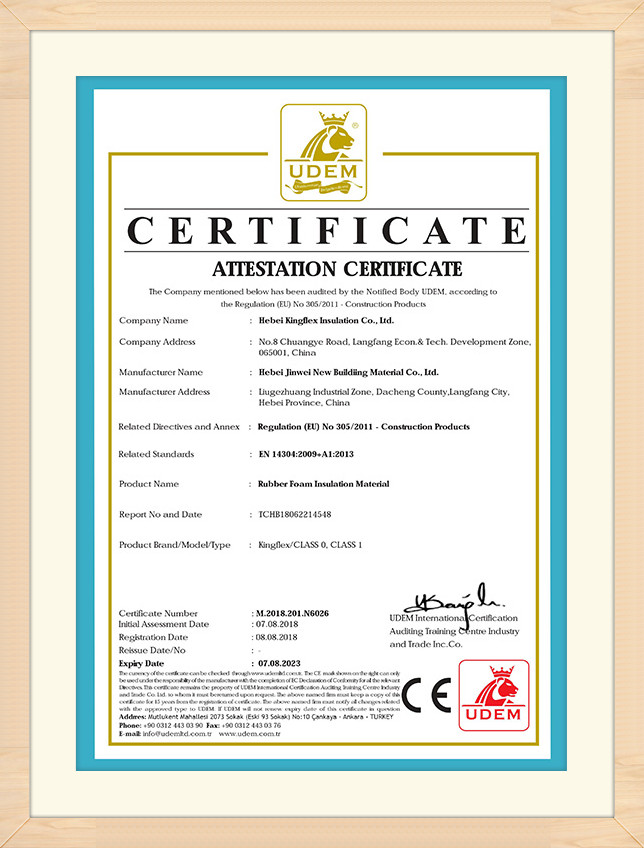
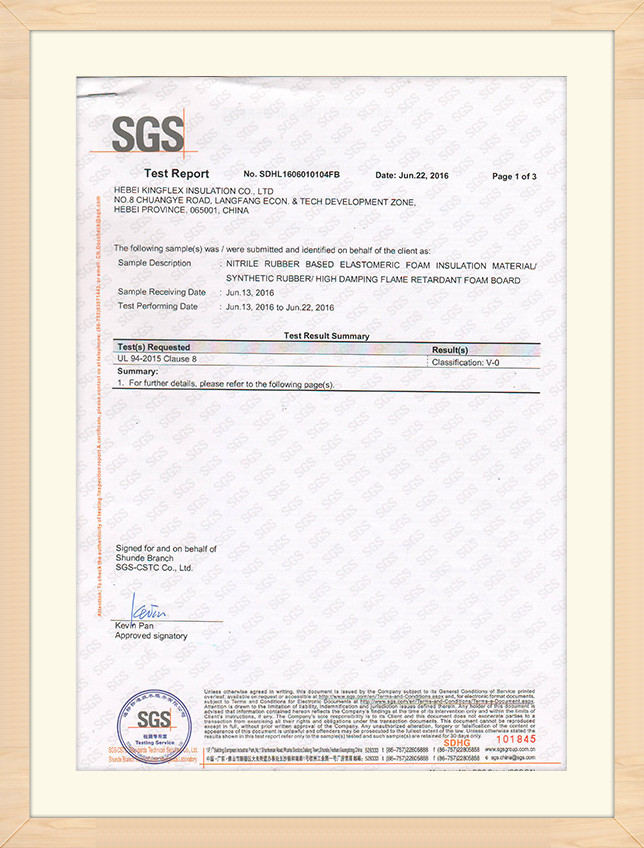
Meeting local building codes and environmental standards in Europe, North America, Southeast Asia, and the Middle East.
For international buyers, importing insulation from China requires trust in consistency, testing, and shipping efficiency. Kingflex has optimized this process over 16 years of direct export experience. With 5 fully automated assembly lines located in Dacheng, we prevent delays by offering continuous production that scales to meet demand peaks without sacrificing product density or thickness consistency.
In addition to physical product specs, our teams compile technical documentation, providing safety data sheets (SDS) and ecological disclosures for seamless customs clearance. We maintain partnerships with ocean container carriers, facilitating rapid, damage-free delivery to job sites worldwide.
Transitioning toward bio-based binders, zero-waste manufacturing, and lower global warming potential (GWP) metrics.
We are transitioning our chemical binders to starch-based, plant-derived alternatives. This removes formaldehyde off-gassing and improves indoor air quality metrics (IAQ) for office buildings.
Our goal is to increase the recycled glass content in our wool manufacturing to 70% by 2026. This lowers production energy use and reduces the processing temperatures of raw quartz sand.
Advanced centrifugal spinnerheads spin fibers down to average diameters of less than 4.5 microns, lowering thermal conductivity values close to the physical limits of trapped air.
Direct technical answers addressing installation, selection, prices, and applications.
A transparent look at our material processing steps and stock reserves ready for global export.
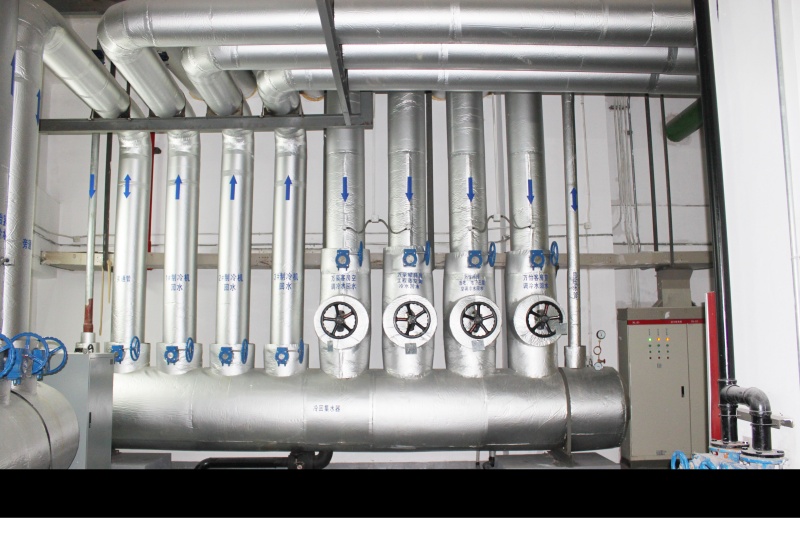
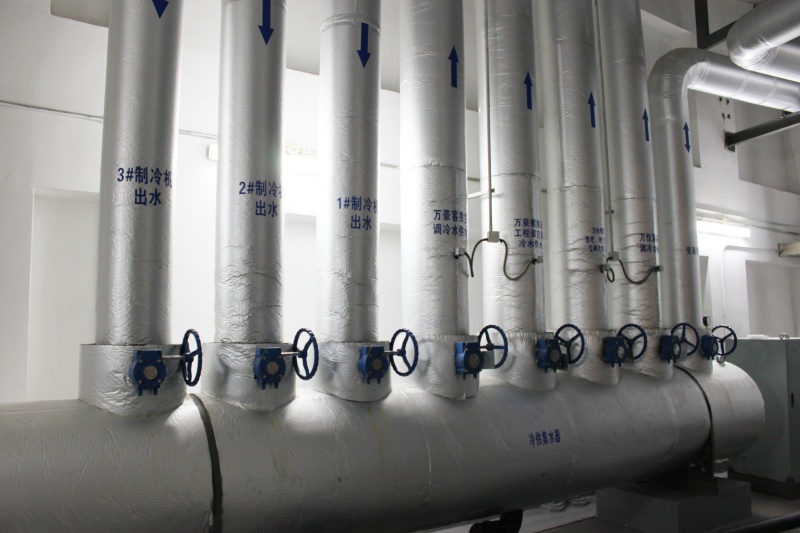

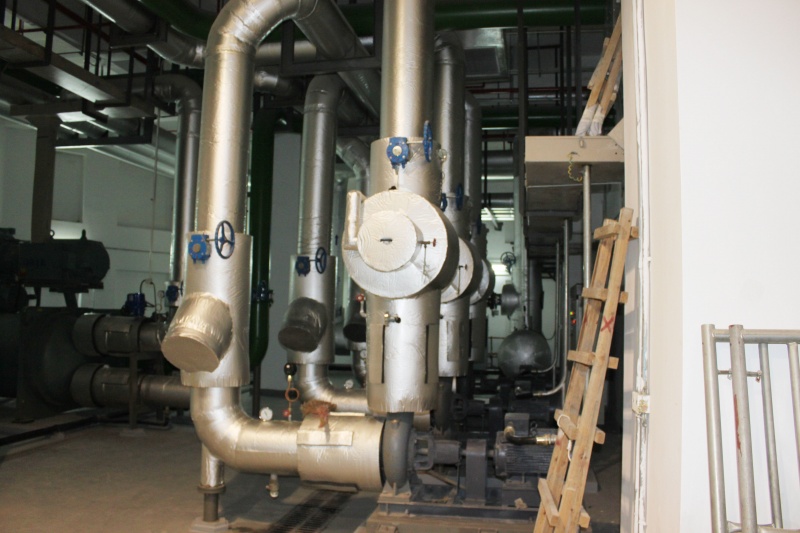
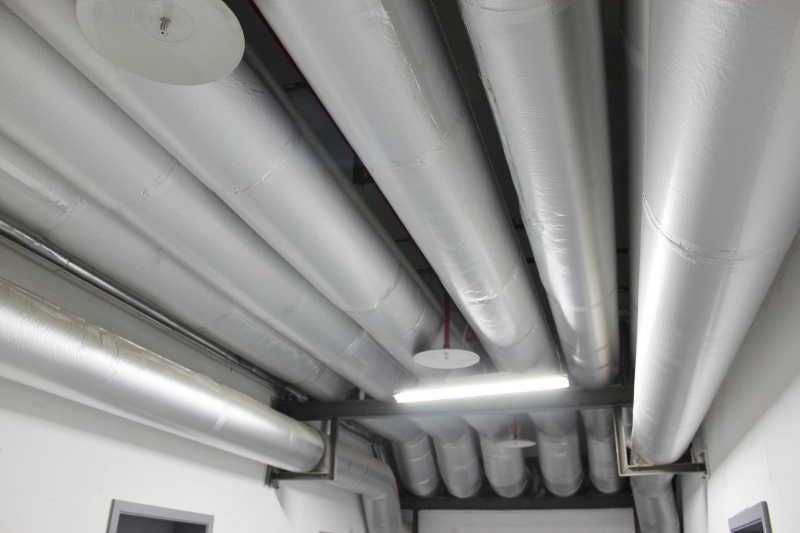
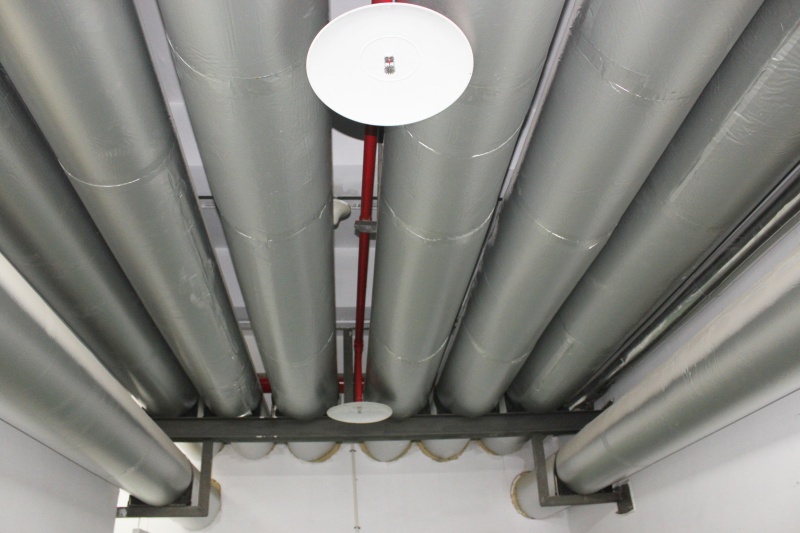
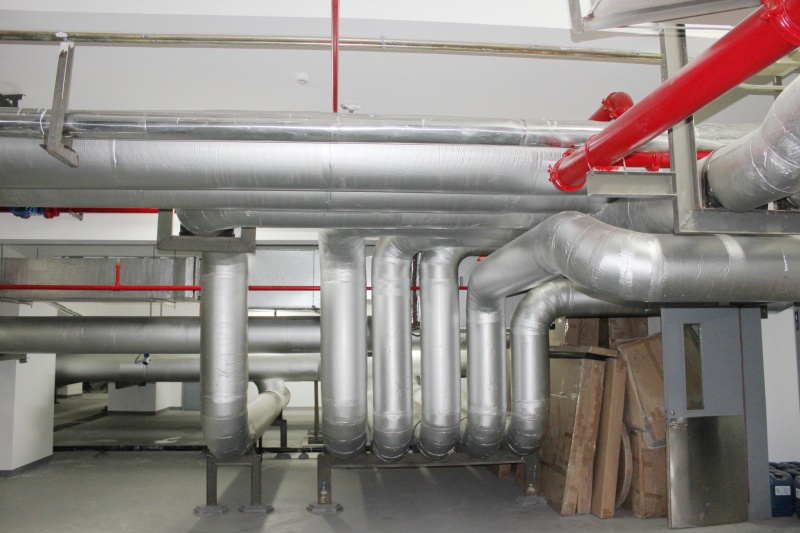
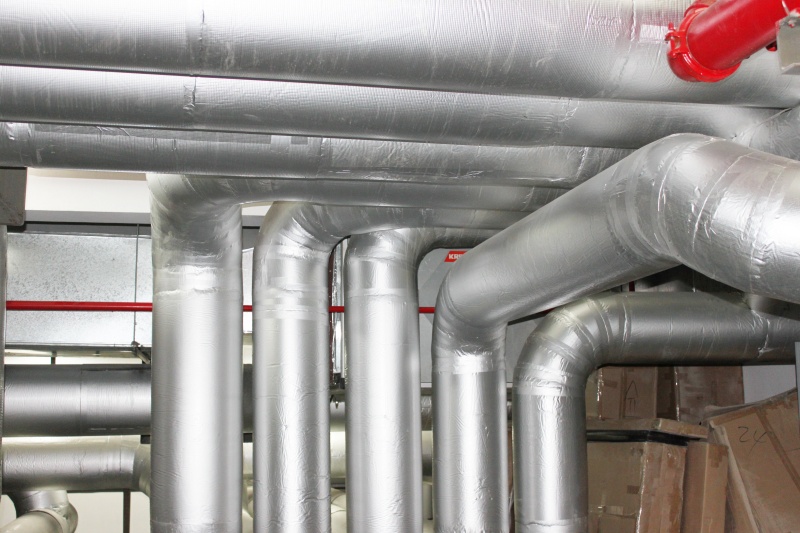
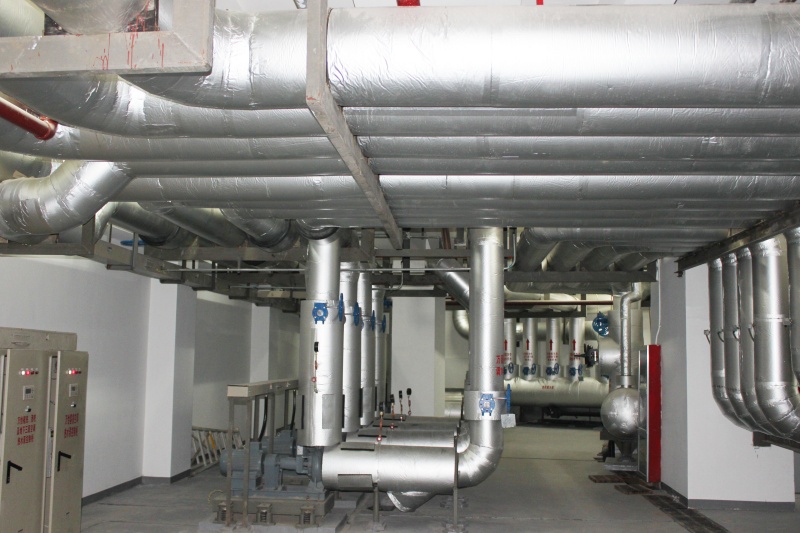
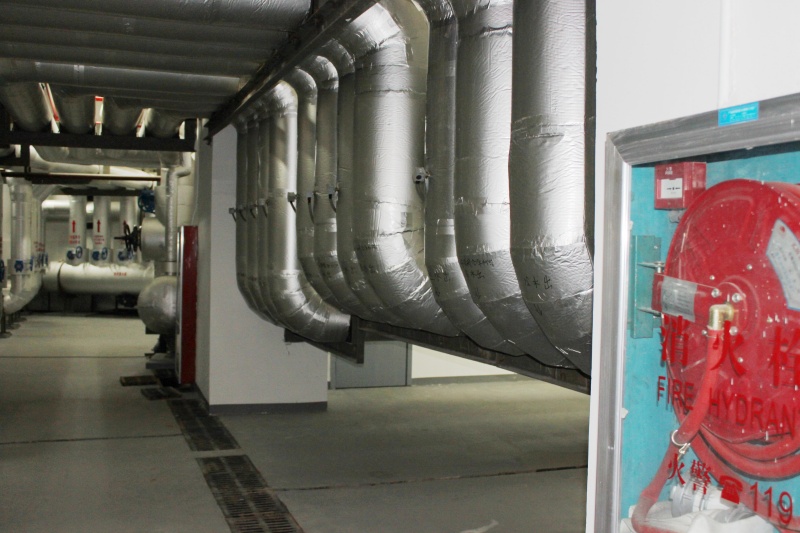
Explore our premium grade elastomeric, low temperature, and thermal barrier systems optimized for mechanical lines.
Specific variants designed for cryogenics, high heat shielding, and acoustic partitions.