 Kingflex
Kingflex
Kingflex
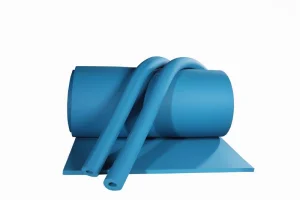
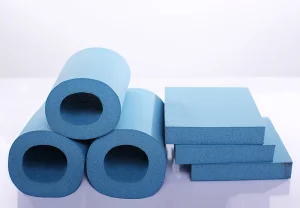
Explore our high-performance thermal, cryogenic, and sound-absorbing rubber foam insulation products engineered for global engineering demands.
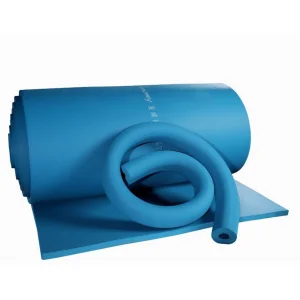
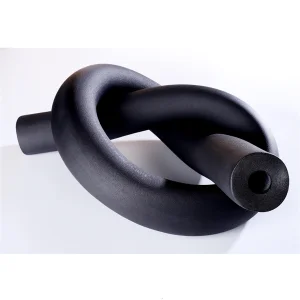
Decoupling structural vibration, mitigating impact noise, and improving energy conservation in modern architectures.
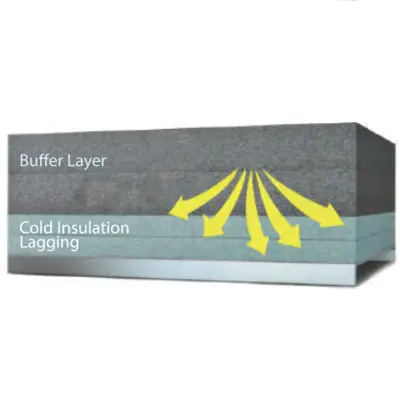
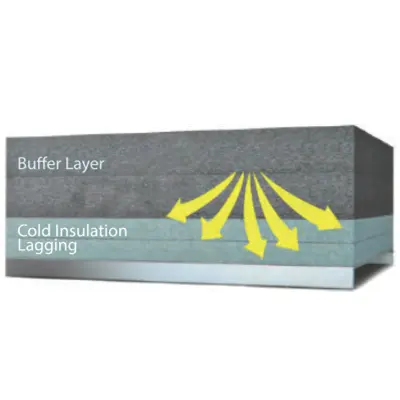
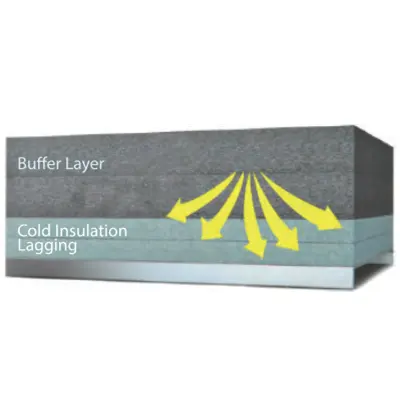
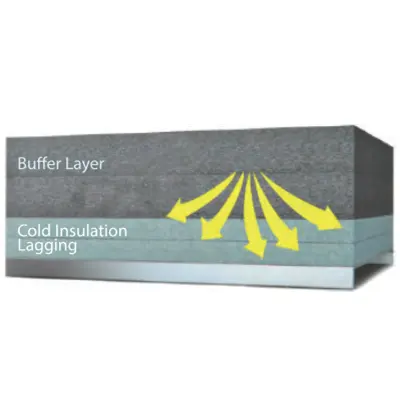
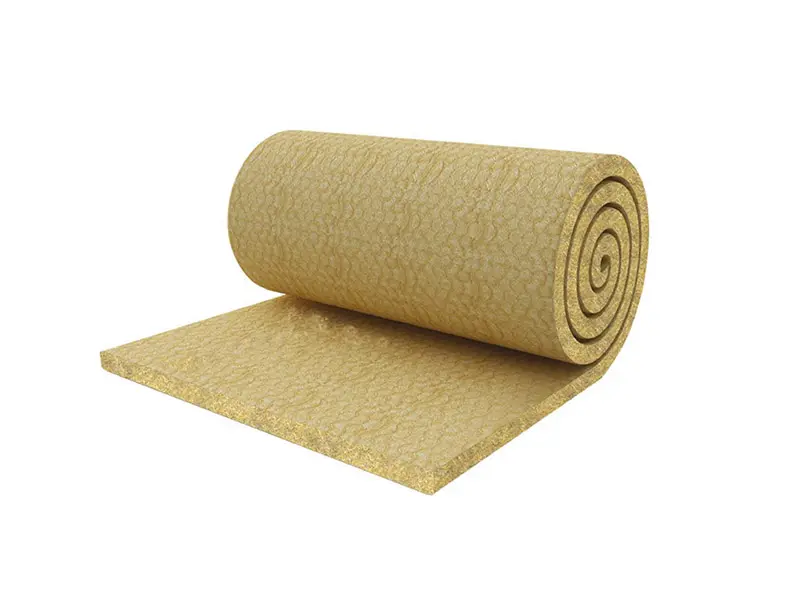
Sound-absorbing floor insulation functions by establishing an acoustic barrier that attenuates both structure-borne (impact) and airborne noise. In modern building design, the transmission of sound through concrete floor slabs and light-weight timber structures represents a primary challenge to environmental quality. Under-screed acoustic underlayments function as a mass-spring system, where the structural floor slab represents the mass and the flexible elastomeric membrane acts as the spring.
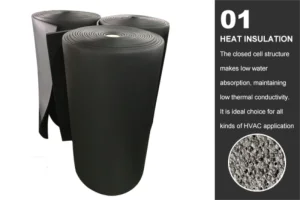
By introducing high-density, closed-cell NBR/PVC elastomeric structures, such as those engineered by Kingflex, designers achieve significant reductions in the Impact Insulation Class (IIC) and Sound Transmission Class (STC) ratings. When sound waves collide with the cellular matrix of NBR/PVC elastomeric rubber foam, the mechanical energy is dissipated as micro-thermal energy through the compression and friction of the trapped air pockets within the closed-cell membrane.
"Effective acoustic attenuation requires material consistency. A closed-cell rate exceeding 98% ensures that vibration vectors are scattered and dampened uniformly across the horizontal surface area, preventing acoustic bridging."
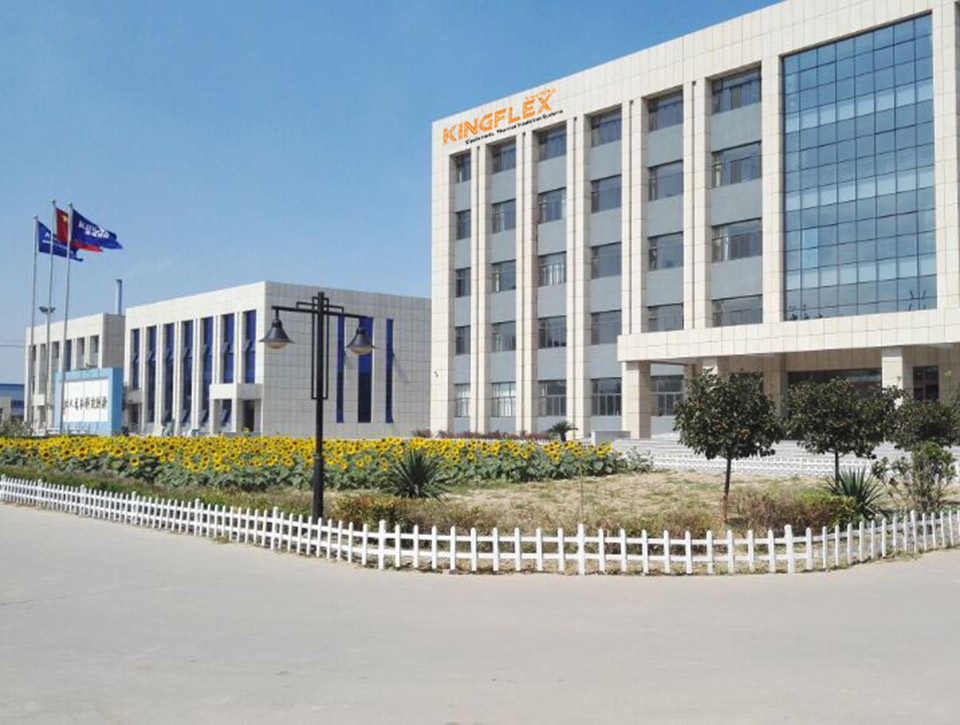
Dacheng County: A strategic clustering of R&D excellence, advanced raw materials, and high-capacity automated production lines.
The concentration of raw chemical processors, nitrile rubber suppliers, and foam manufacturers in Dacheng allows us to source polymer components at optimized cost bases. This local ecosystem translates to significant cost savings for worldwide distributors, EPC contractors, and global supply chains.
Our factory houses 5 large-scale automatic assembly lines capable of processing continuous-roll elastomeric sheets up to 50mm in thickness. Automated temperature controls and raw material injection assure precise density (40-55 kg/m³) and uniform micro-cell configurations across batch outputs.
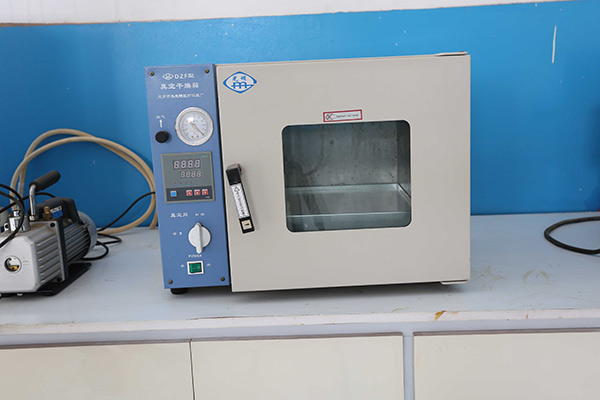
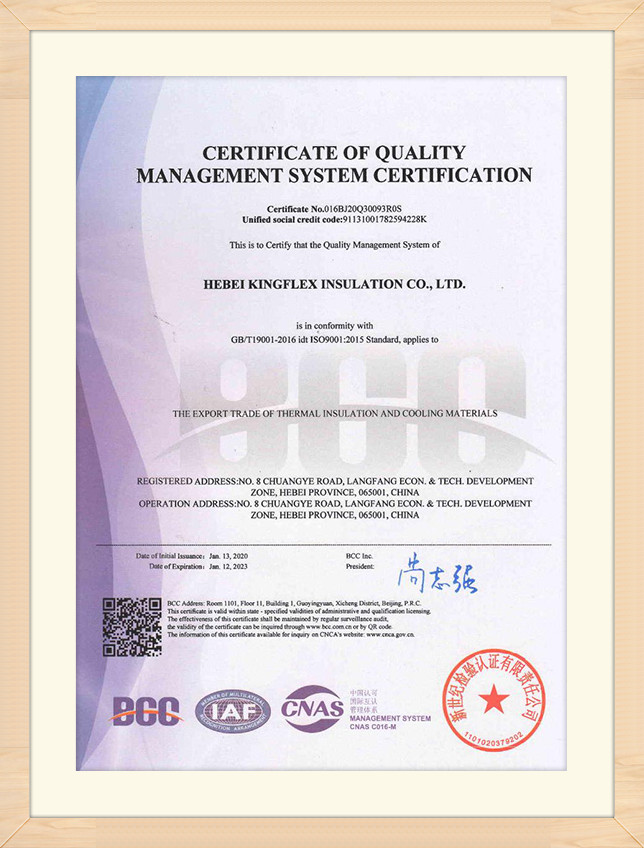
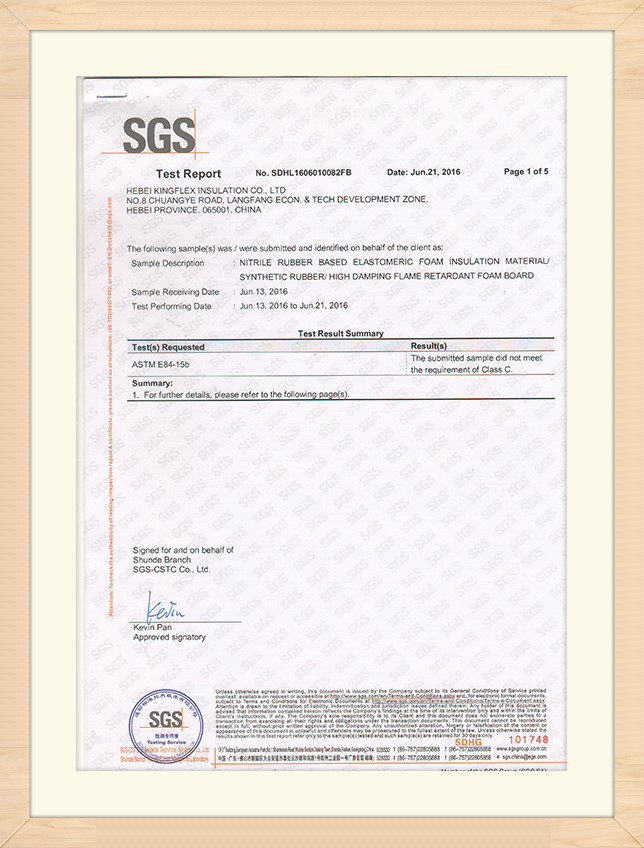
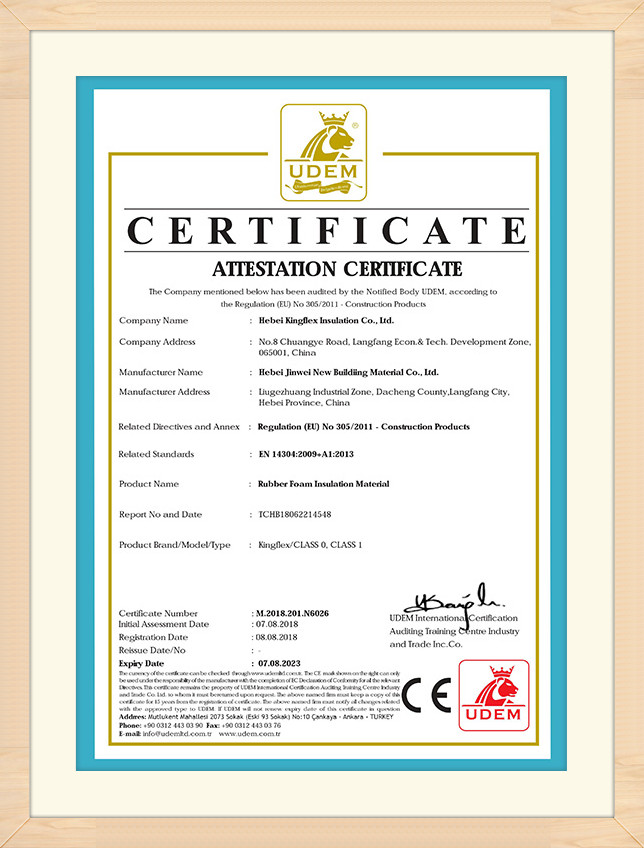
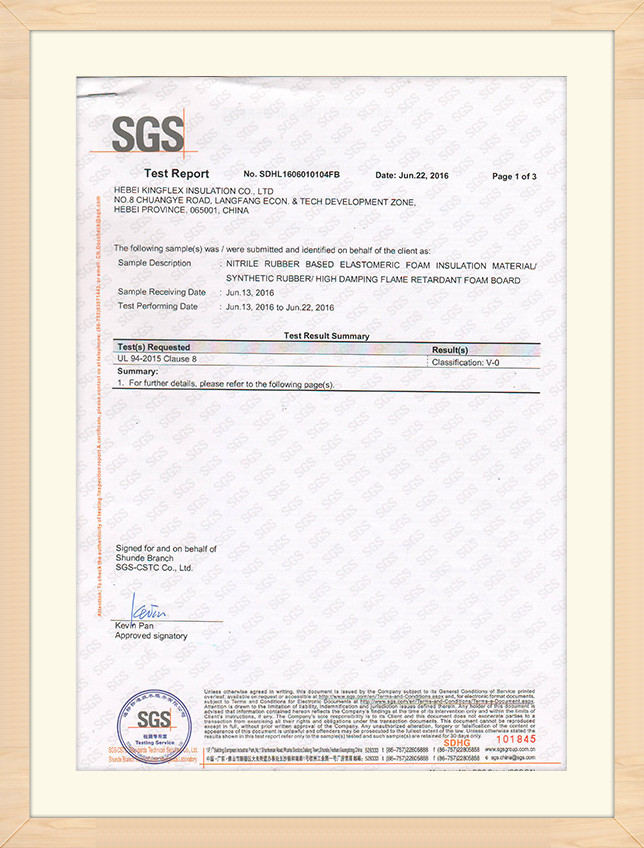
China's export-oriented factories maintain strict alignment with global standards, processing international approvals such as CE, REACH, RoHS, UL94, and BS 476. With structured traceability across production workflows, every batch is verifiable from chemical blending to warehouse dispatch.
How global requirements for decarbonization, building regulations, and smart acoustic insulation materials are reshaping product design.
With the global push toward Net Zero buildings, environmental certifications like LEED, BREEAM, and DGNB are imposing strict limits on VOC emissions. The formulation of NBR/PVC elastomeric foams is evolving toward halogen-free compounds and non-outgassing configurations. Factories are investing in advanced processing mechanisms that eliminate harmful blowing agents, resulting in insulation materials that are stable over a temperature range of -40°C to 105°C while maintaining neutral indoor air quality.
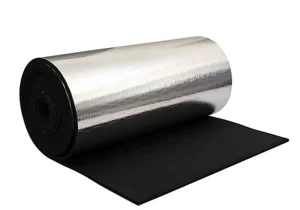
In modern construction, space-saving design is critical. Architects no longer wish to specify separate layers for structural sound attenuation and thermal resistance. Dual-property products, such as NBR/PVC foam with integrated low-density damping cells and protective foil coverings, offer optimal thermal conductivity values (λ ≤ 0.034 W/(m·K) at 0°C) coupled with high damping factors for structural impact noise. This multi-layered approach streamlines installation workflows, saving labor overheads on-site.
Engineered rubber foam structures are highly adaptable. Learn how they solve thermal leakage and mechanical acoustic issues across industries.
Installed directly under the floor screed, Kingflex sound-absorbing insulation sheets act as a viscoelastic separator. By isolating the dynamic load of walking, moving furniture, and drop impacts from the concrete building frame, they prevent noise transmission into the residential spaces below.
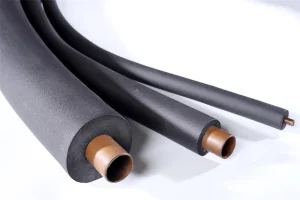
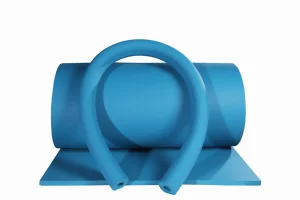
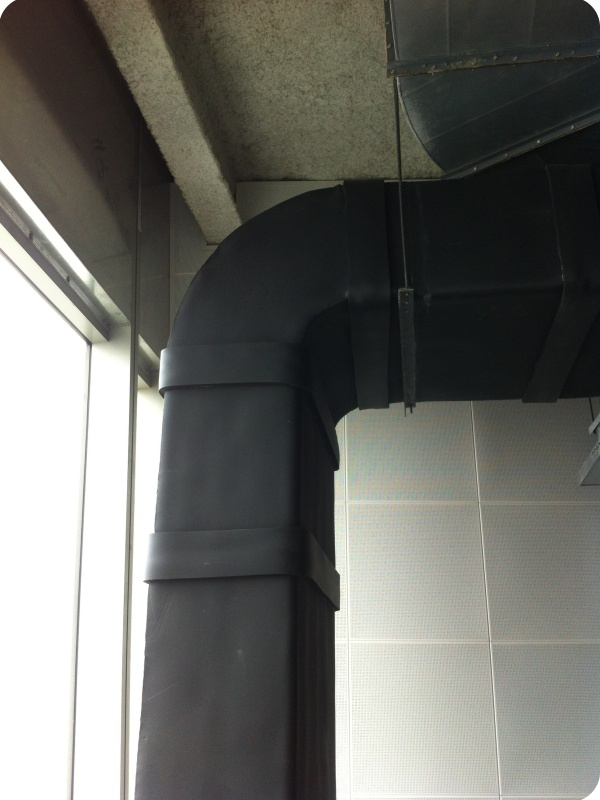
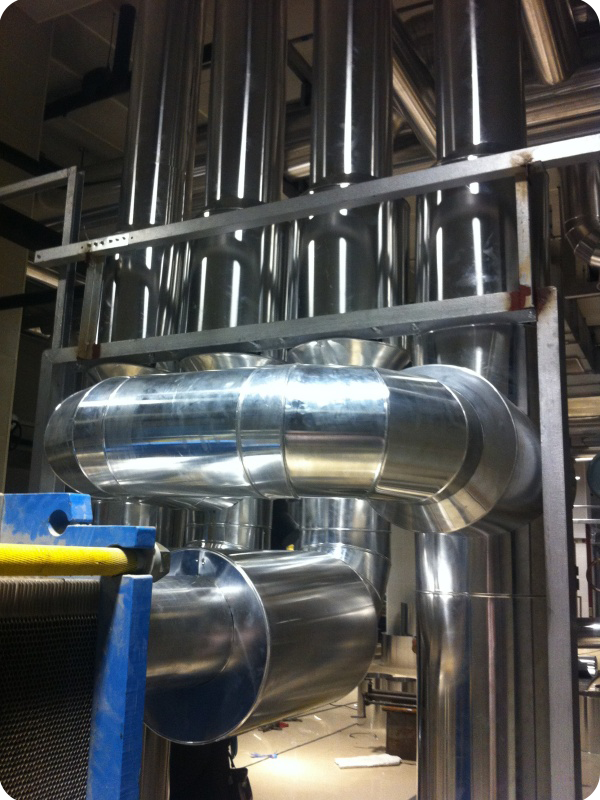
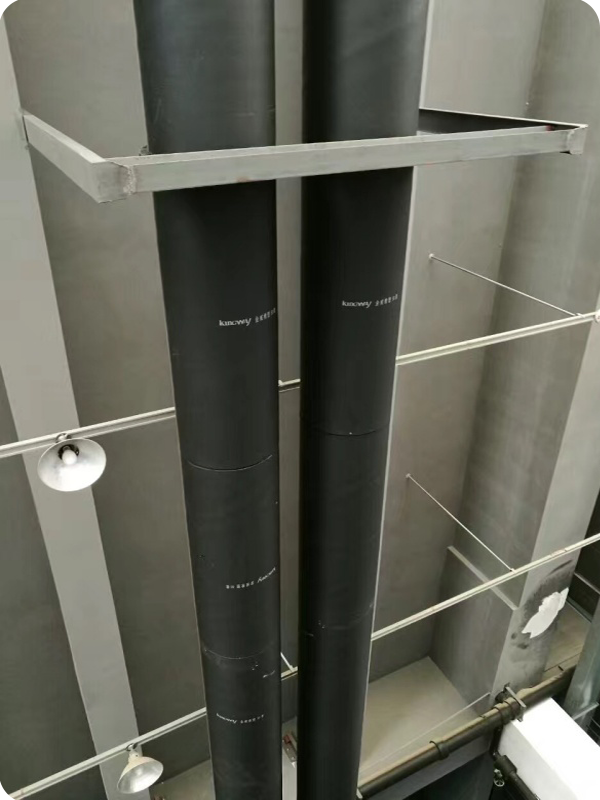
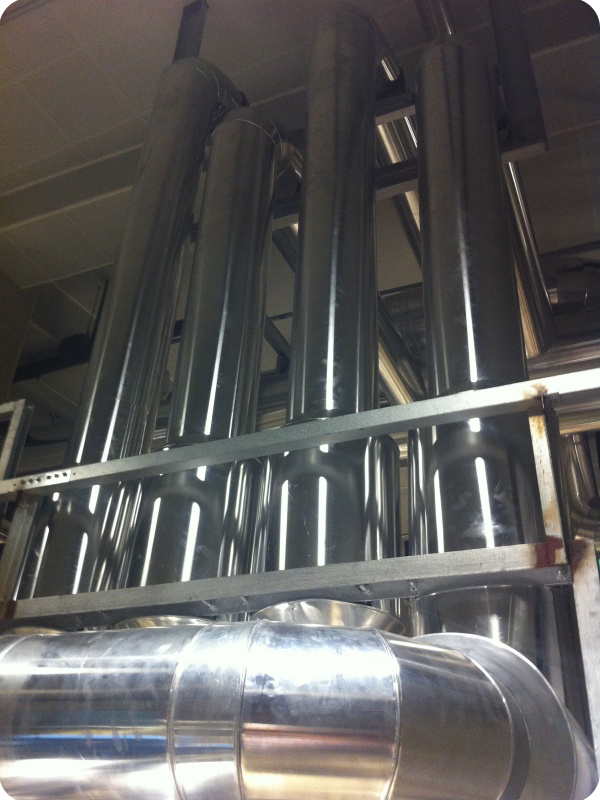
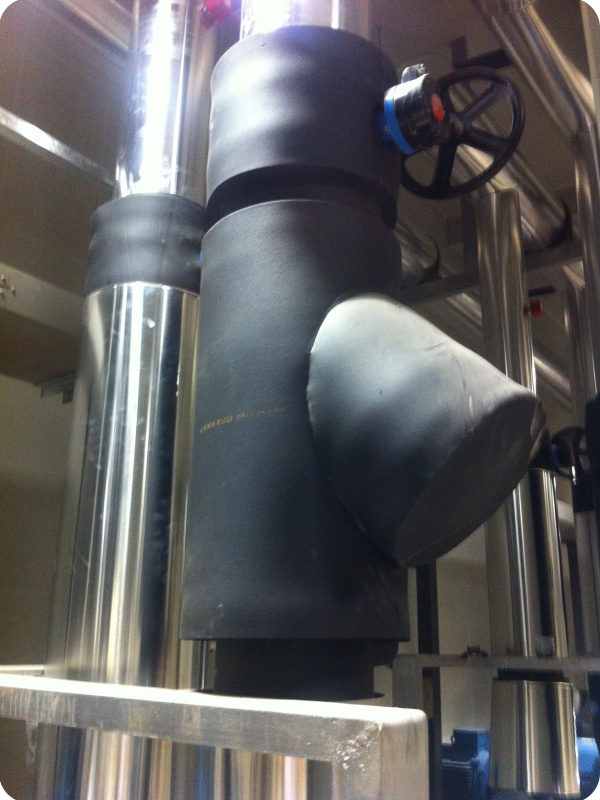
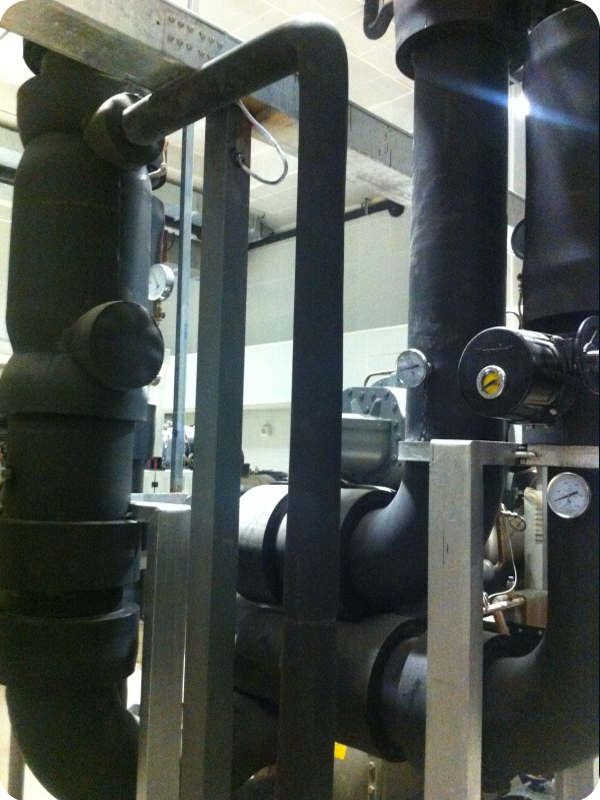
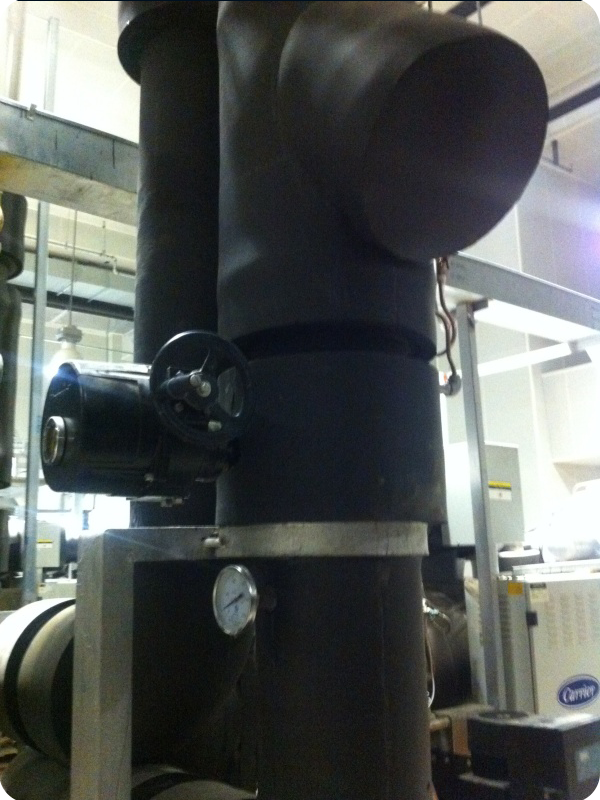
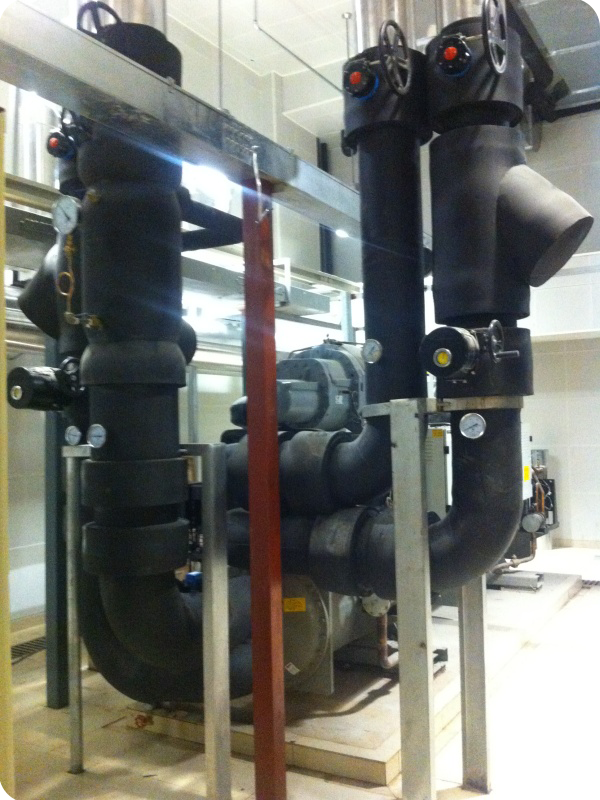
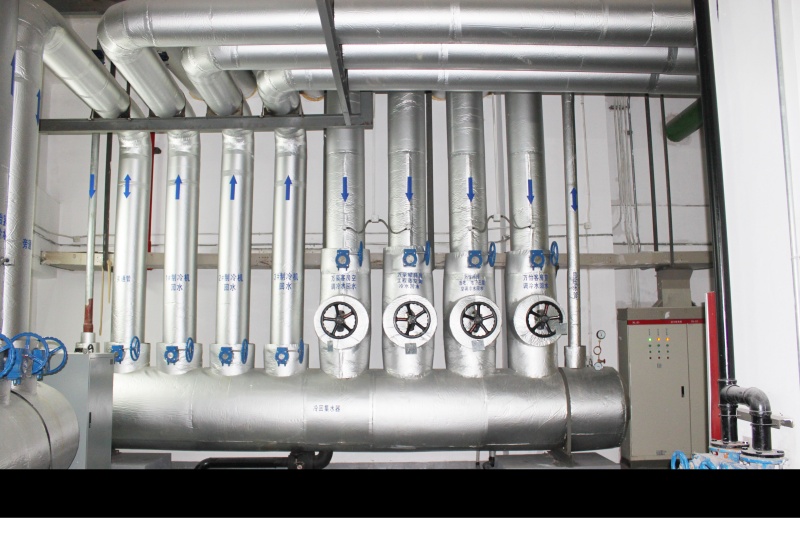
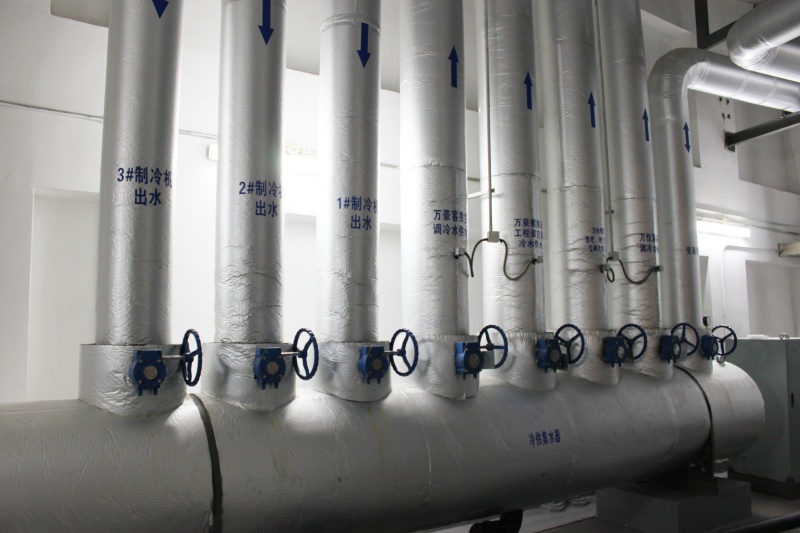
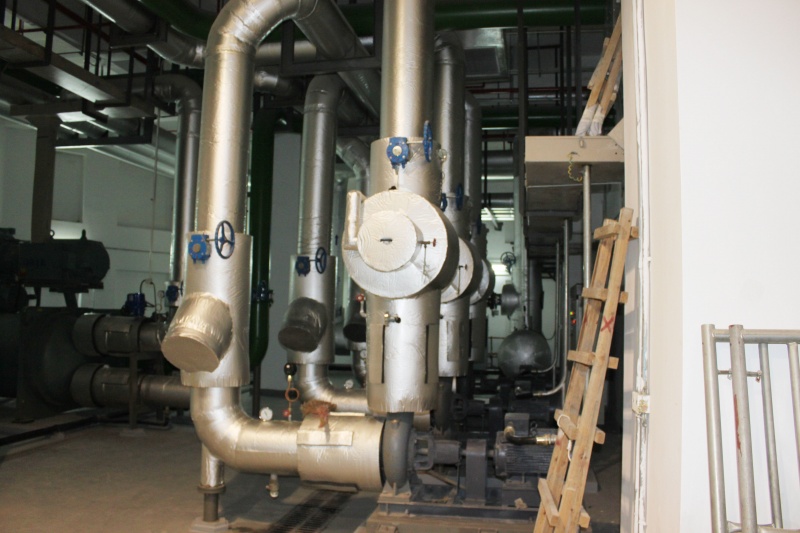
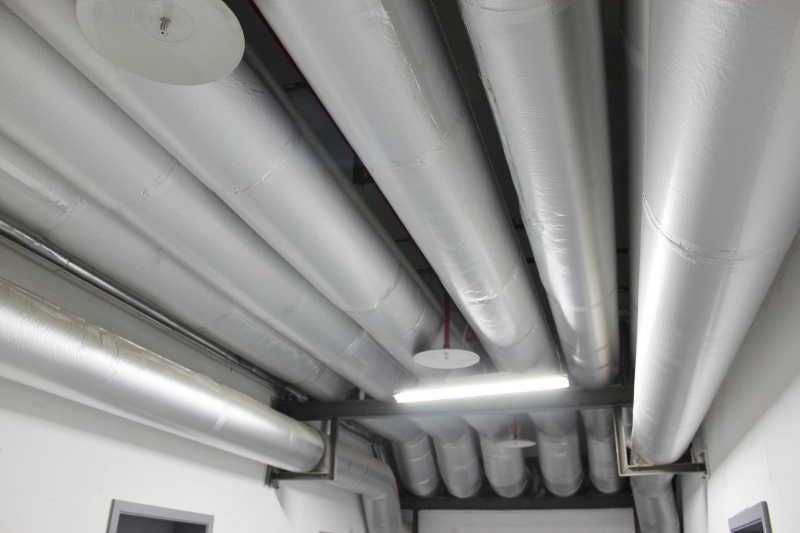
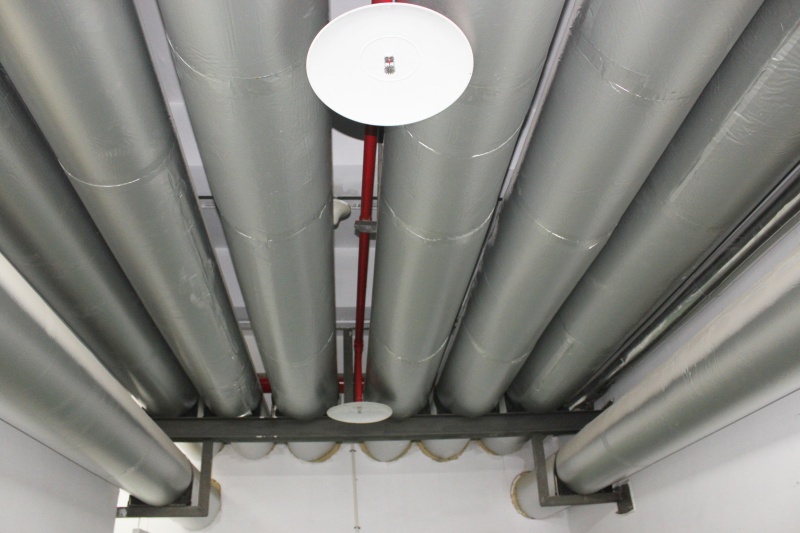
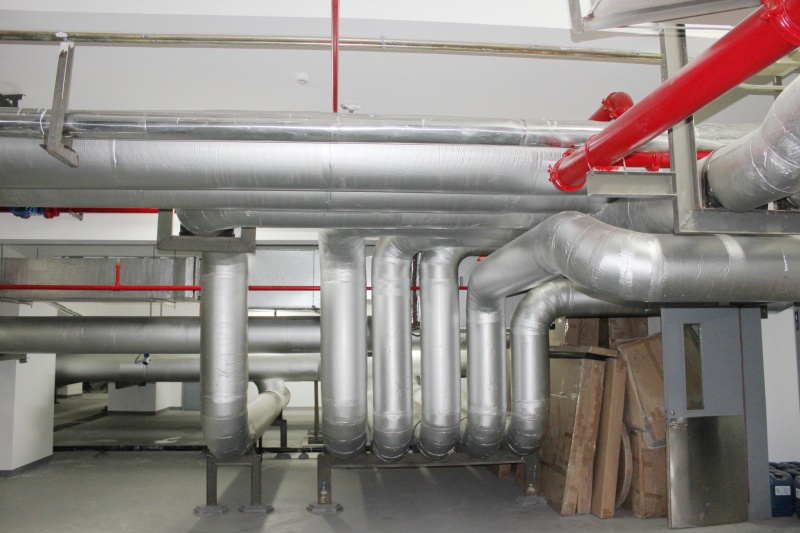
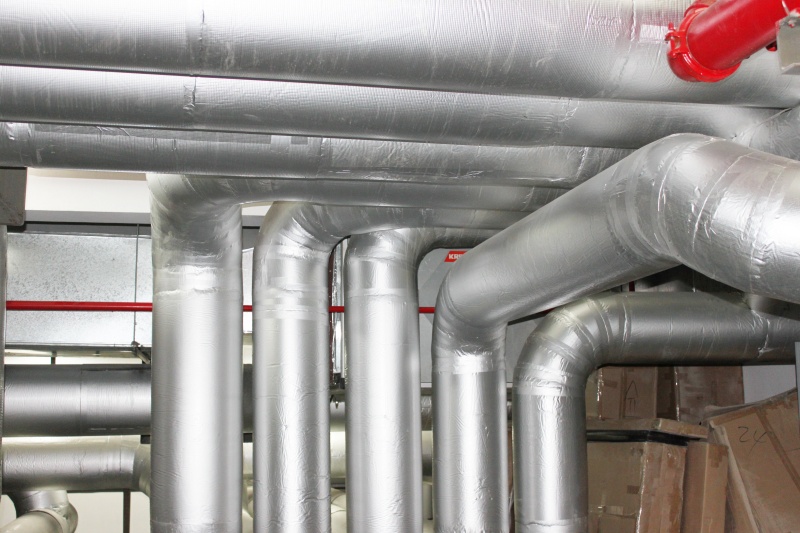
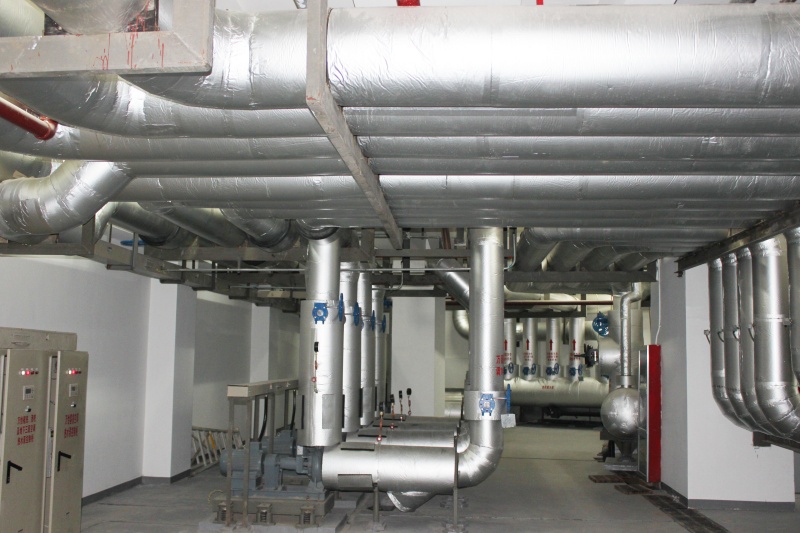
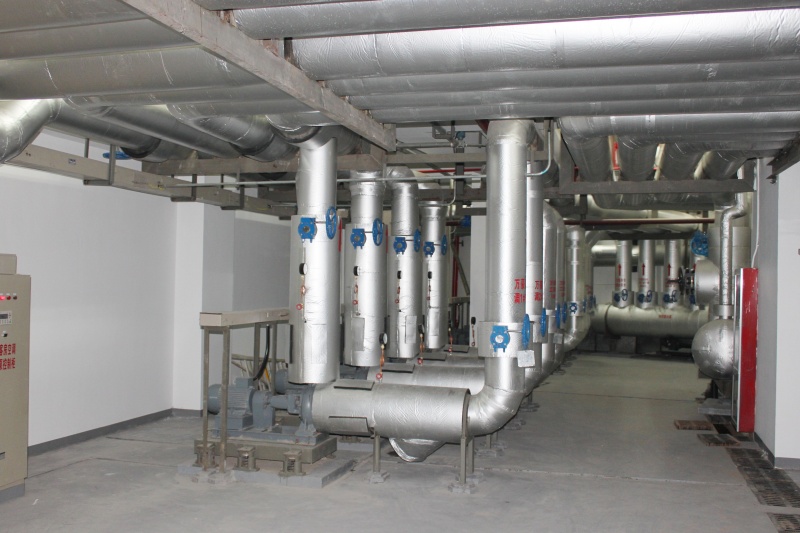
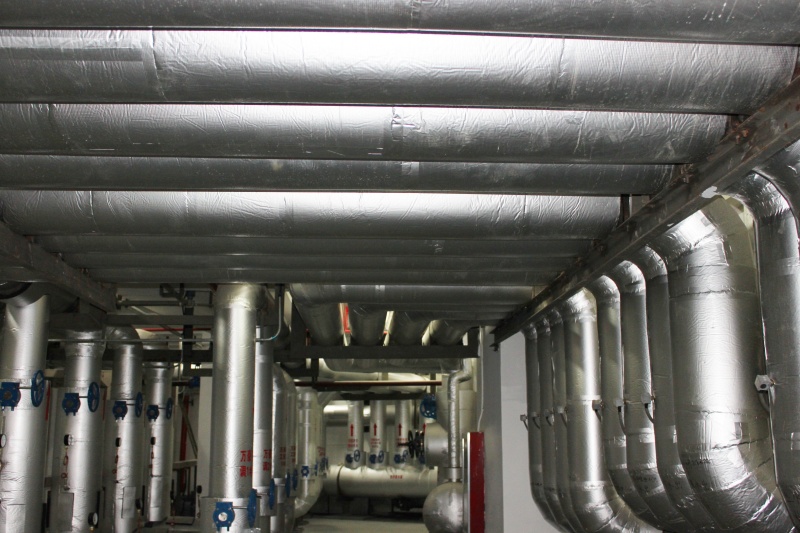
High-velocity air in HVAC ducting creates turbulent vibrations that propagate through structural walls. Applying elastomeric rubber foam tubes and sheets prevents thermal loss, eliminates surface condensation, and acts as an acoustic damper to deaden machine noise.
Operating in environments up to 105°C, our closed-cell rubber plastic structures provide a reliable vapor barrier, preventing moisture ingress and resulting corrosion under insulation (CUI). This is highly essential for petrochemical plants, food processing warehouses, and steam networks.
Scientific benchmarks verify the physical attributes of our premium elastomeric insulation lines. Compare technical specifications below.
| Material Class | Thickness Scope | Density Range | Service Temp. | Closed-Cell Rate | Fire Retardancy Standards |
|---|---|---|---|---|---|
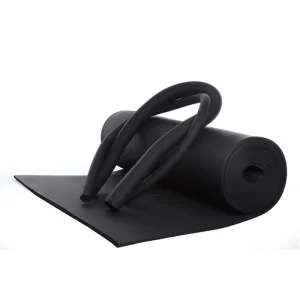
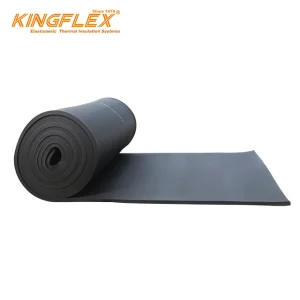
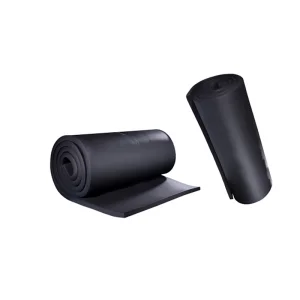
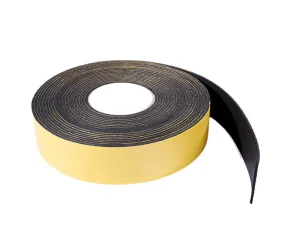
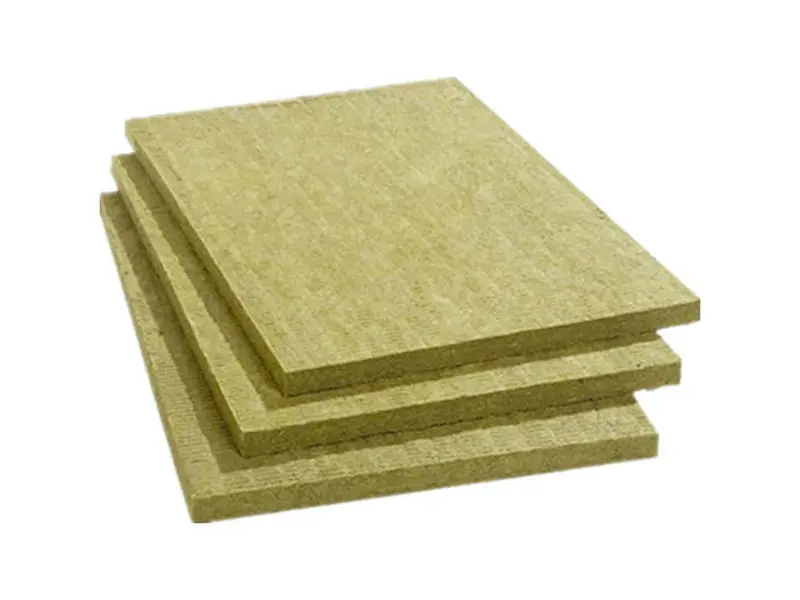
| Black NBR/PVC Rubber Foam Roll | 6mm - 50mm | 40 - 55 kg/m³ | -40℃ to 105℃ | ≥ 98% | BS 476 Class 0, UL94 V-0, Class B1 |
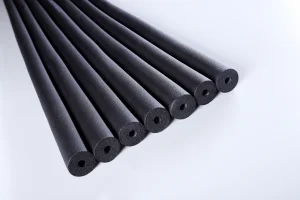
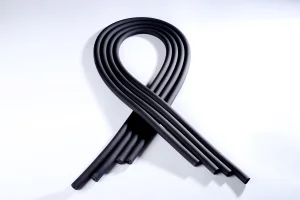
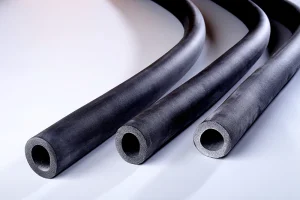
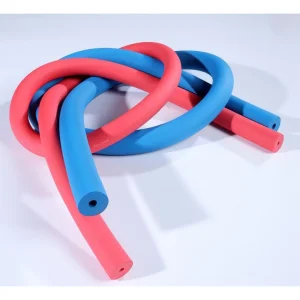
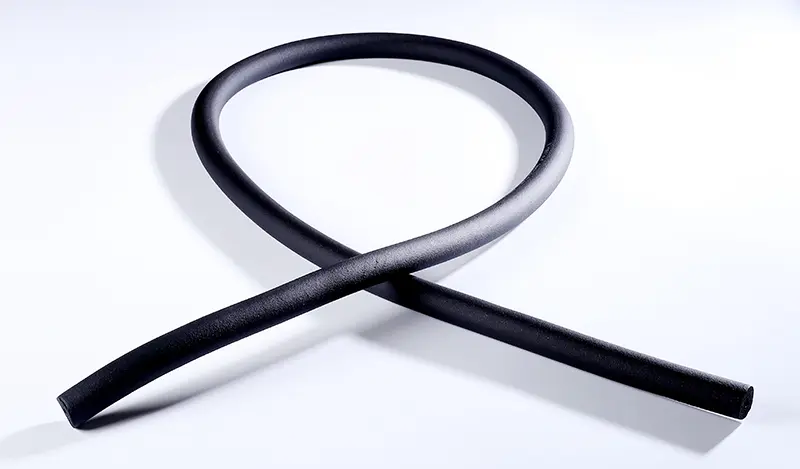
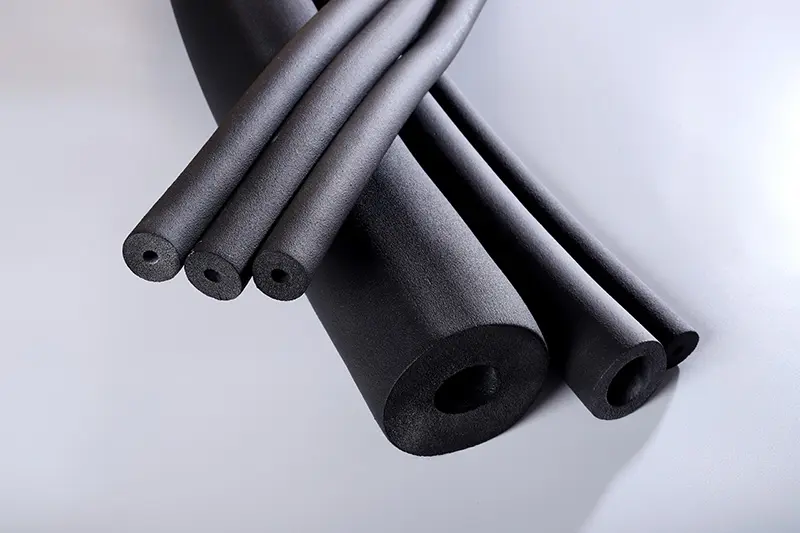
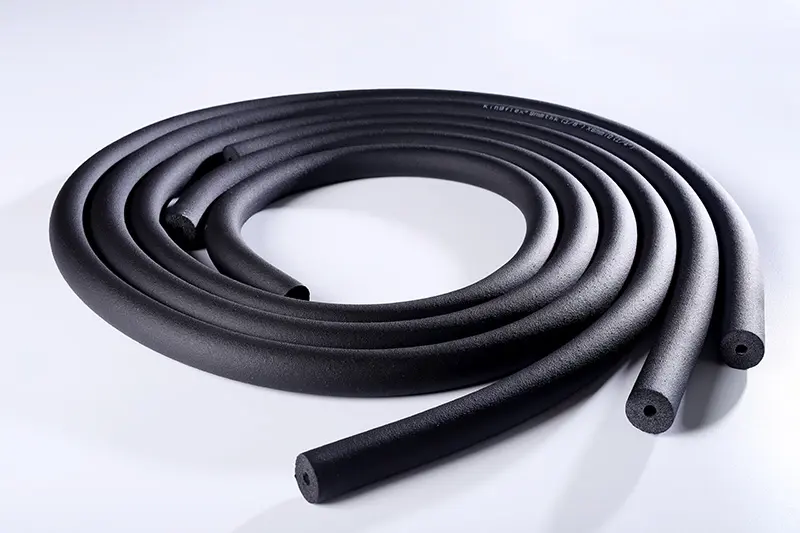
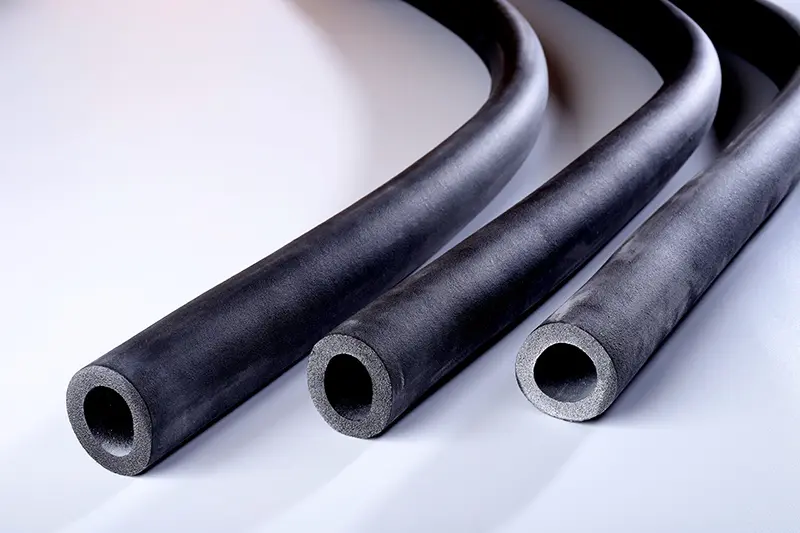
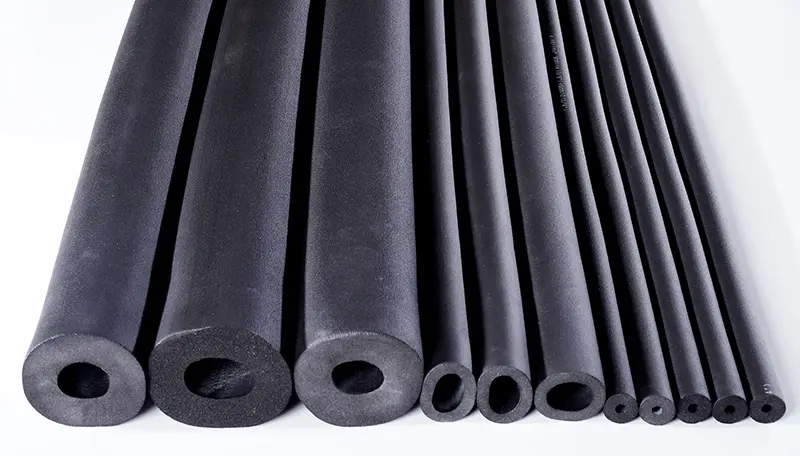
| Elastomeric Insulation Pipe | 9mm - 40mm (ID: 6-114mm) | 40 - 55 kg/m³ | -40℃ to 105℃ | ≥ 98% | ASTM E84, CE Certified, RoHS/REACH |
| Cryogenic Insulation Rubber | 13mm - 50mm | 60 - 80 kg/m³ | -200℃ to 125℃ | ≥ 99% | Ultra Low Temp Systems Approved, Class O |
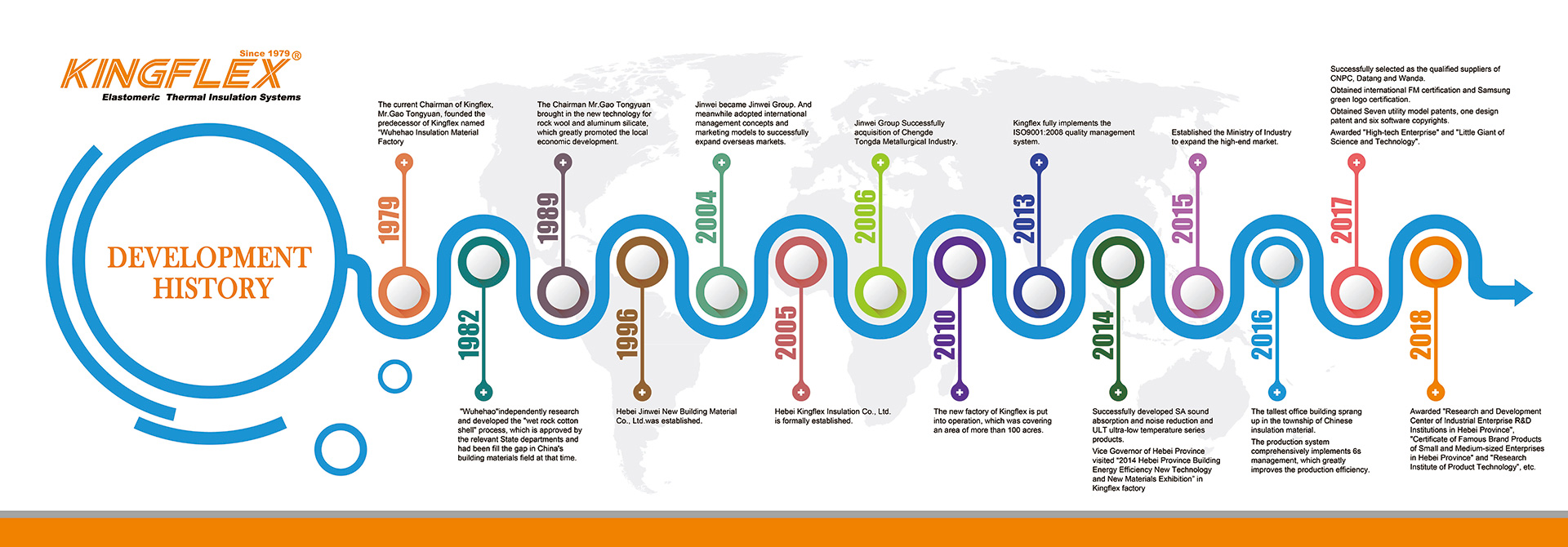
From the pioneering days of thermal insulation in northern China to leading global distribution routes, our trajectory is founded on reliability.
Established as the first thermal insulation manufacturer north of the Yangtze River, laying the foundation for professional research and polymer development in Dacheng.
Incorporated as a highly specialized manufacturing and trading combo, transitioning research and production models toward advanced closed-cell NBR/PVC technologies.
Commissioned 5 continuous high-capacity automated lines, increasing annual output capacity to 600,000 cubic meters to support global distribution and state energy grid networks.
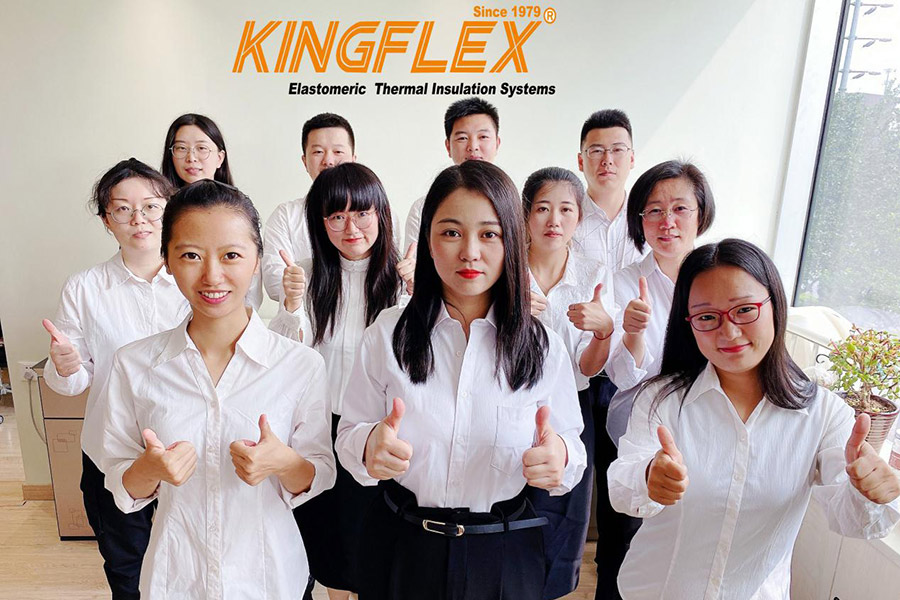
Exporting to over sixty-six countries, supported by a specialized team of 8 R&D engineers, 6 international sales consultants, and 230 technicians on active production lines.
Get answers to design specifications, material compositions, and performance parameters from our R&D engineers.
Retaining product options for pipeline systems, ultra-low temperature cryogenic networks, and heavy-duty structural insulation projects.