 Kingflex
Kingflex
Kingflex
Direct manufacturing catalog featuring high-density closed-cell elastomers and specialized sound insulation barriers.
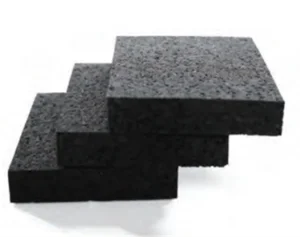
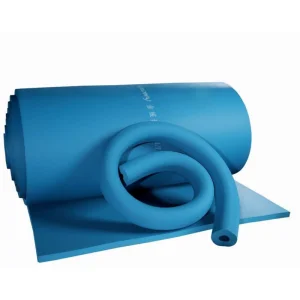
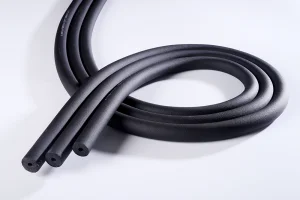
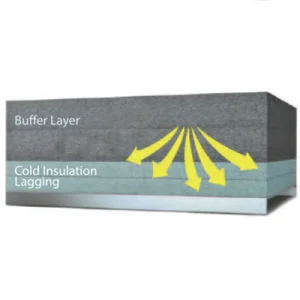
Modern architectural structures, petrochemical processes, and HVAC conduits demand precise insulation properties that prevent acoustic transmission while maintaining stringent thermodynamic efficiency. The optimization of rubber-based elastomeric foam systems rests on two primary physics principles: acoustic decay via cell structure interaction and restrictive thermal transfer paths.
Traditional open-cell structures are engineered specifically to trap sound energy, converting mechanical sound waves into heat energy through friction within the tortuous pathways of the interconnected voids. In contrast, closed-cell materials, such as NBR/PVC elastomeric foam, deliver a high water vapor diffusion resistance index (μ ≥ 10,000) and low thermal conductivity (λ ≤ 0.032 W/(m·K) at 0°C). However, through specialized manufacturing adjustments, open-cell flexible structures can also be developed to address low-frequency reverberations in critical system spaces.
Acoustic performance in industrial environments is measured using the Noise Reduction Coefficient (NRC) and Sound Transmission Class (STC). In structural HVAC design, noise is generated not only by airflow turbulence but also by mechanical vibrations traveling along ductwork. Kingflex's engineering team optimizes nitrile-butadiene rubber systems to balance density and porosity, ensuring effective structural damping.
By adjusting the compounding ratio of NBR and PVC during the extrusion and vulcanization process, the resulting cell wall flexibility can be configured to absorb acoustic pressure waves. This hybrid system reduces energy transmission over the 125 Hz to 4000 Hz frequency spectrum, which covers the majority of typical industrial and HVAC noise.
Physical parameters and testing tolerances for our flagship elastomeric foam insulation materials.
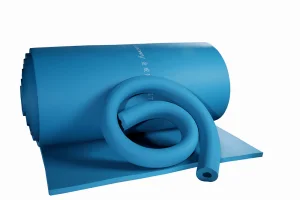
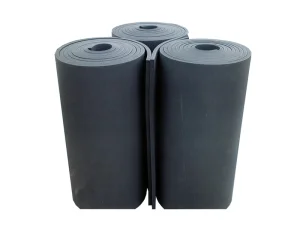
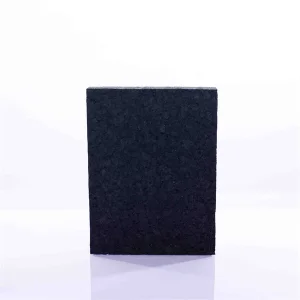
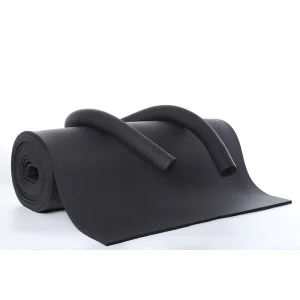
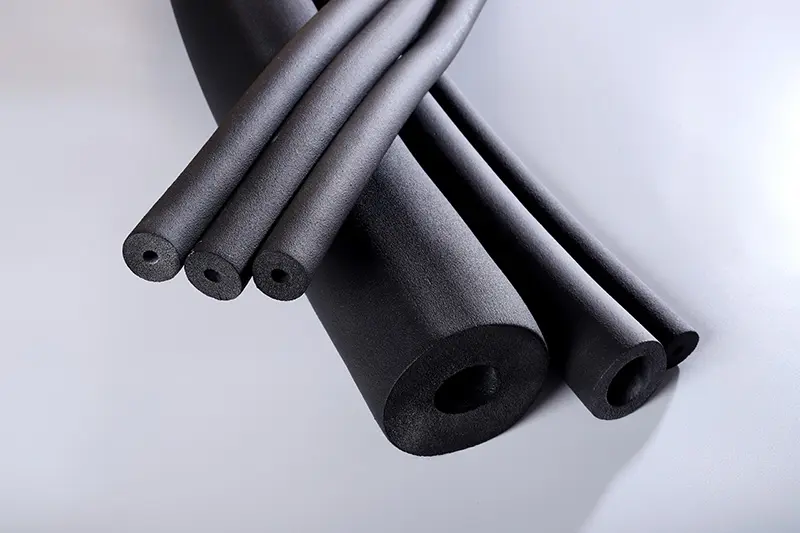
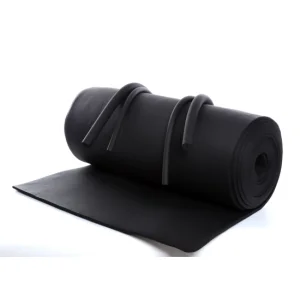
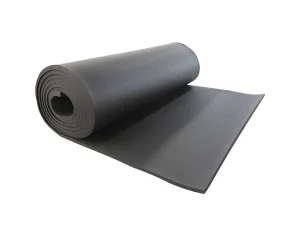
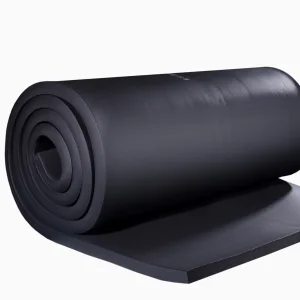
Designed for large-diameter pipelines, duct installations, and containment vessels, providing broad coverage and minimized thermal-bridge joints.
Material: NBR/PVC Composite
Thickness Range: 6mm - 50mm
Density: 40 - 55 kg/m³
Operating Temperatures: -40℃ to 105℃
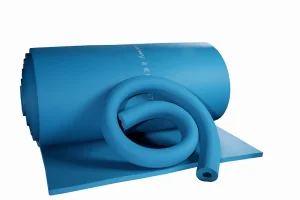
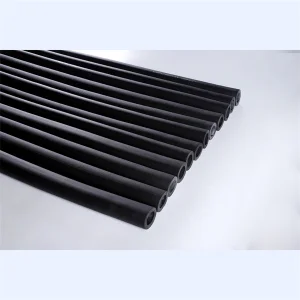
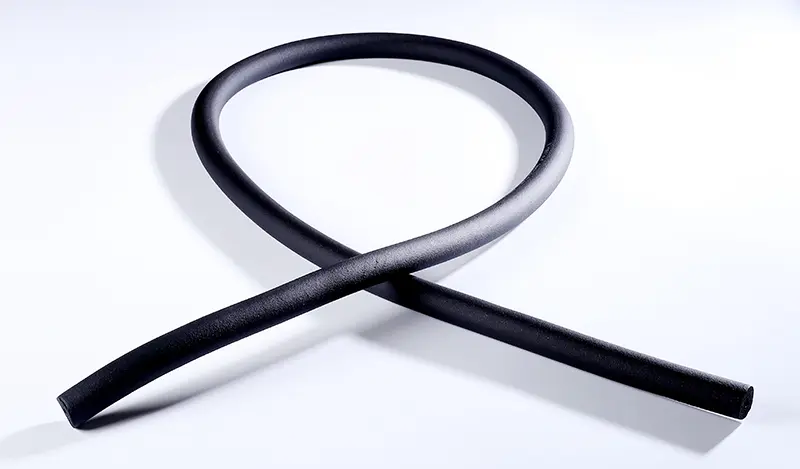
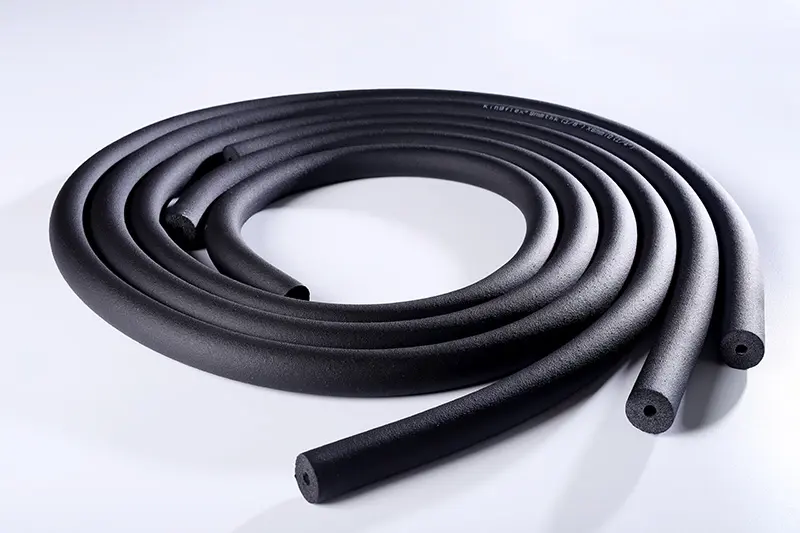
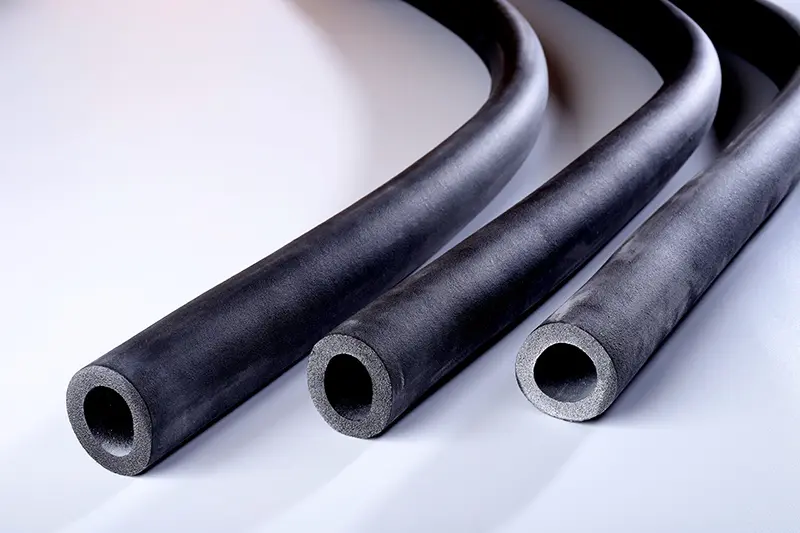
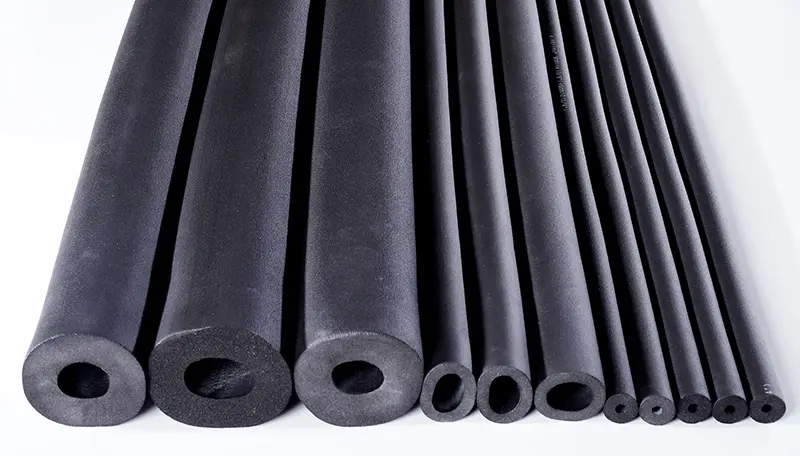
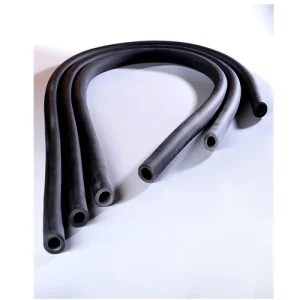
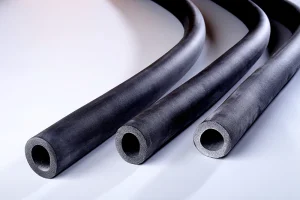
Tubular insulation designed for slip-on installations over HVAC copper conduits, steel process pipes, and plumbing lines.
Material: NBR/PVC Composite
Wall Thickness: 9mm - 40mm
Inner Diameter (ID): 6mm - 114mm
Density: 40 - 55 kg/m³
Operating Temperatures: -40℃ to 105℃
| Property Checked | Test Standard Reference | NBR/PVC Elastomeric Foam Performance | Rock Wool / Inorganic Alternative |
|---|---|---|---|
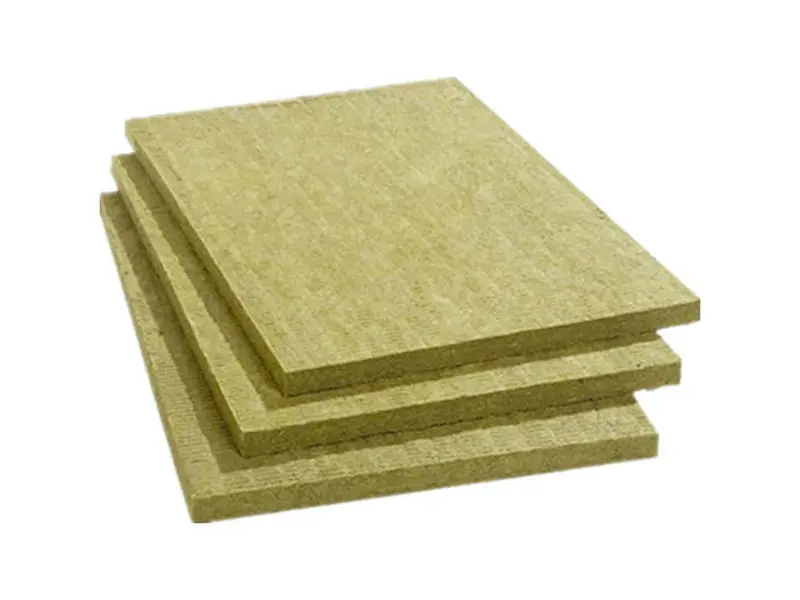
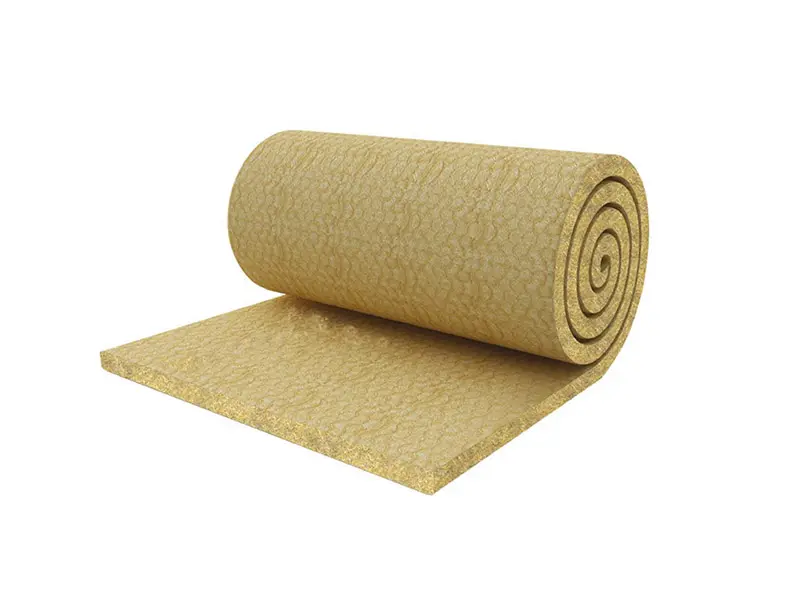
| Thermal Conductivity (λ at 0°C) | ASTM C518 / ISO 8301 | ≤ 0.032 W/(m·K) | ≤ 0.039 W/(m·K) |
| Water Vapor Permeability | ASTM E96 / BS EN 12086 | μ ≥ 10,000 (Built-in Vapor Barrier) | μ ≈ 1 (Requires External Jacket) |
| Reaction to Fire | BS 476 Part 6 & 7 / UL 94 | Class 1 / Class V-0 Self-extinguishing | Non-combustible (Class A1) |
| Acoustic Damping Capacity | ASTM C423 (NRC) | 0.45 - 0.70 (Structure-borne Noise Damping) | 0.80 - 0.95 (High Frequency Absorption) |
| Operational Life in HVAC | Field Evaluated | 10 - 15 Years (Constant Elasticity) | 8 - 12 Years (Susceptible to Settling) |
Where advanced material science meets sustainable energy conservation directives.
We are researching the integration of silica aerogel structures into the polymer base of elastomeric foams. This approach aims to reduce thermal conductivity below 0.024 W/(m·K), allowing for thinner insulation profiles without sacrificing thermal performance.
We focus on clean indoor air quality by replacing traditional chemical foaming agents with organic options. This shifts outgassing values below GreenGuard Gold limits, making the materials safer for use in hospitals, cleanrooms, and educational facilities.
We are transitioning a portion of our synthetic petroleum rubbers to bio-based monomers derived from sustainable agricultural byproducts, helping to lower the carbon footprint of our end products.
Engineered insulation configurations designed for specific industrial challenges.
In humid process environments, condensation on cold pipe systems can lead to mold growth, water damage, and accelerated piping corrosion. Our closed-cell rubber insulation prevents ambient air contact with cold pipe surfaces.
The high vapor resistance rating (μ ≥ 10,000) of our material acts as a built-in vapor barrier. This eliminates the need for outer foil jackets, saving labor costs during installation and reducing maintenance overhead.
Handling liquefied gases at temperatures down to -196°C requires specialized insulation. Traditional rigid materials can crack due to thermal contraction stresses.
Our cryogenic-grade elastomeric systems remain flexible at low temperatures, absorbing thermal expansion and contraction movements and reducing the risk of joint failure.
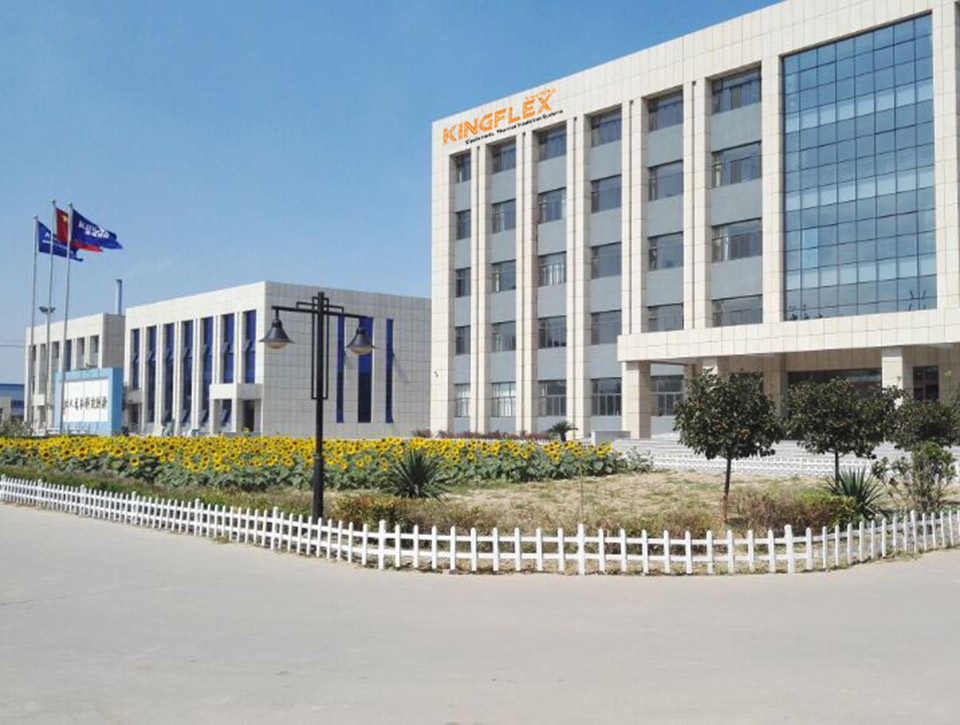
Kingflex is an energy-saving enterprise focused on the research, development, production, and sales of high-performance thermal and acoustic insulation materials. Based in Dacheng, China—a hub for green building materials—we provide complete insulation solutions, including consulting, R&D, production, and installation guidance.
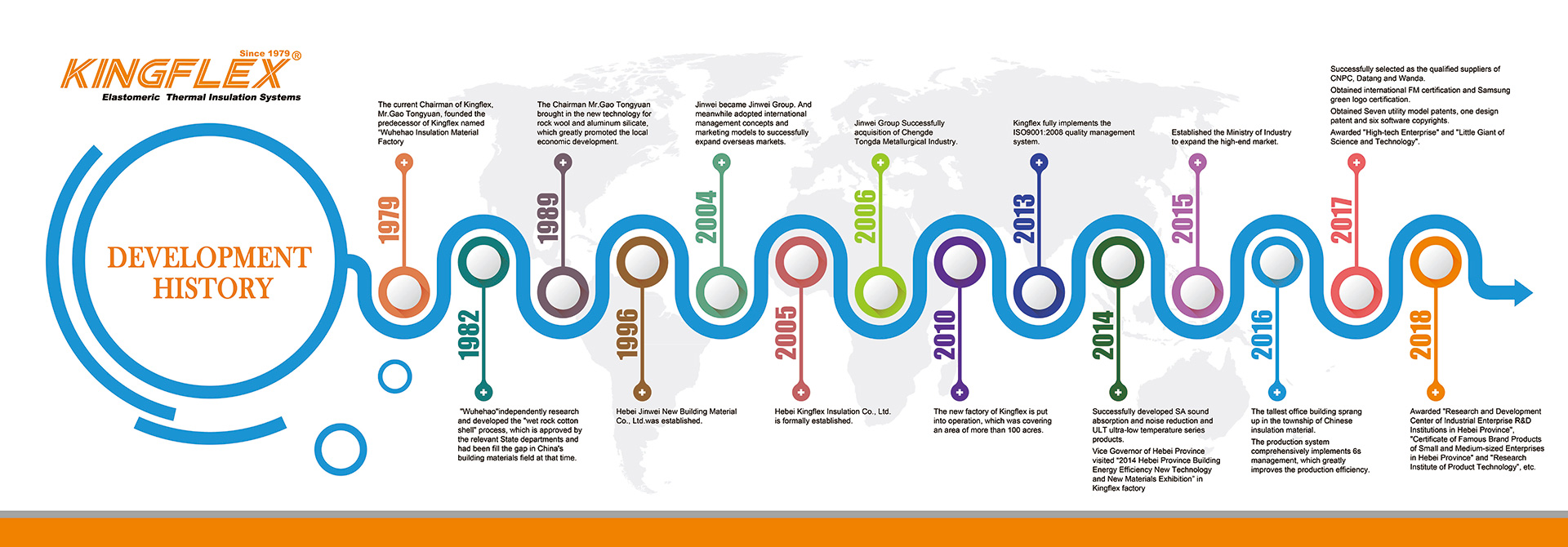
Established by the Jinwei Group, which has a manufacturing history dating back to 1979, Kingflex benefits from decades of production expertise. We operate five automated assembly lines, delivering an annual capacity of over 600,000 cubic meters to support projects worldwide.


How we leverage advanced automation to maintain output consistency and reduce processing lead times.
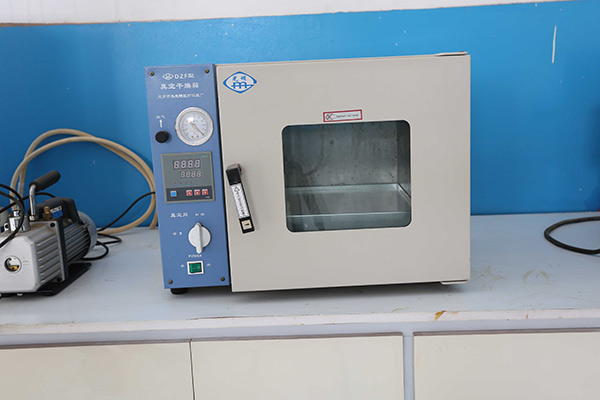
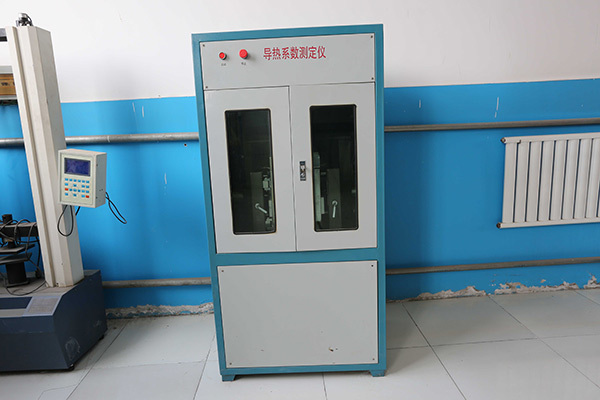
Our Dacheng manufacturing site uses automated mixing and extrusion lines to ensure precise chemical dosing for our NBR/PVC compound. Computer-controlled vulcanization temperatures produce a uniform cell structure throughout the material's thickness.
By using continuous inline quality monitoring, deviations in density and wall thickness are corrected in real time, keeping our output within tight design tolerances.
Our raw materials are sourced from regional chemical suppliers, shielding our production schedule from global shipping disruptions. This local integration allows us to keep production active and fill large orders on schedule.
Ensuring our products meet international building and environmental codes.
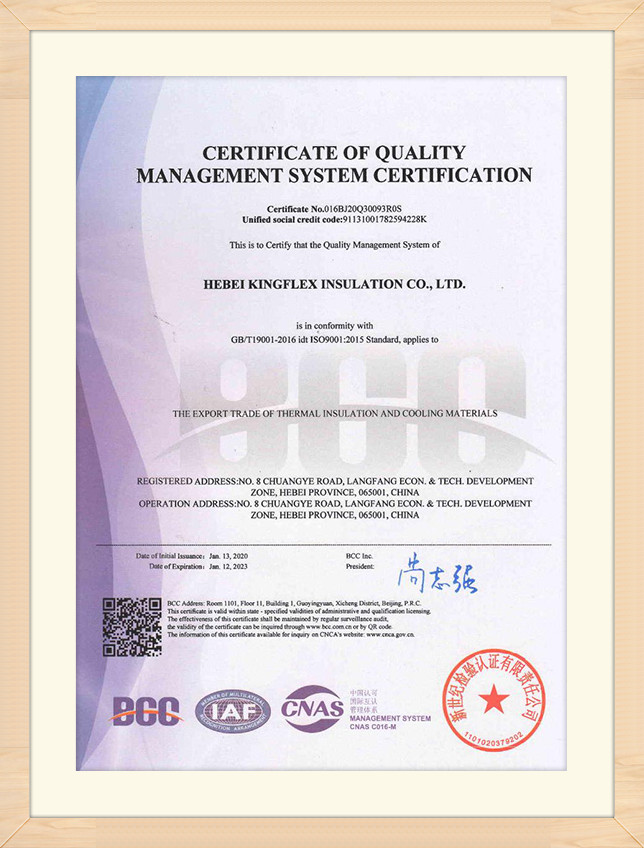
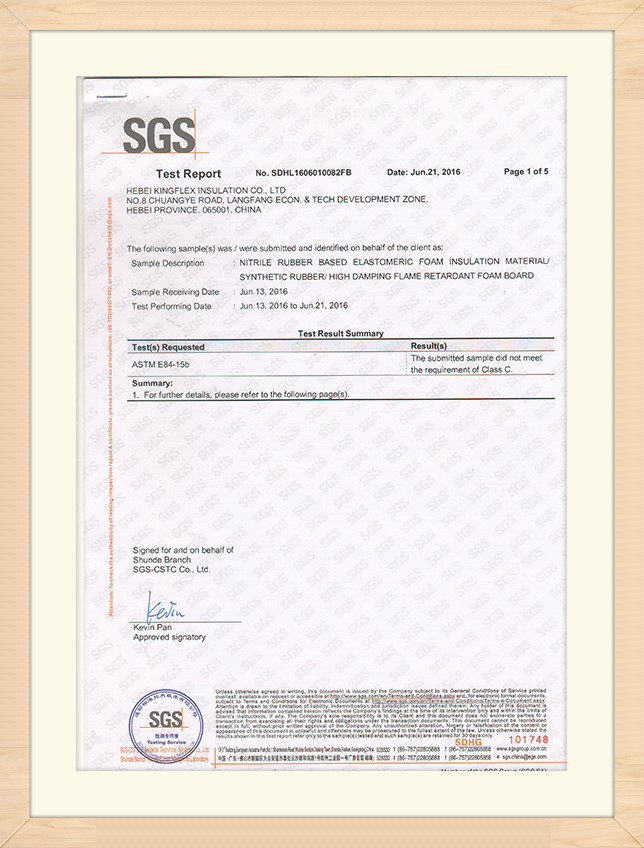
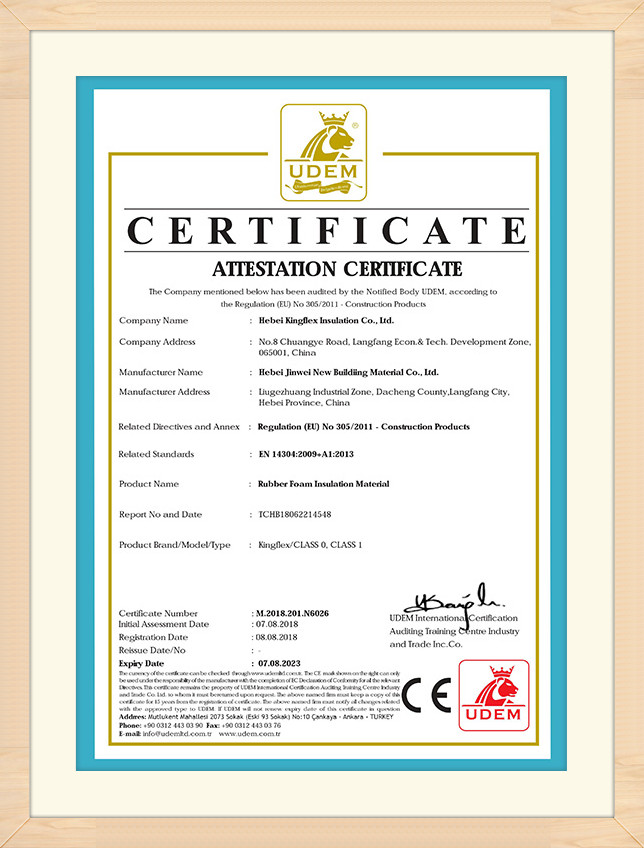
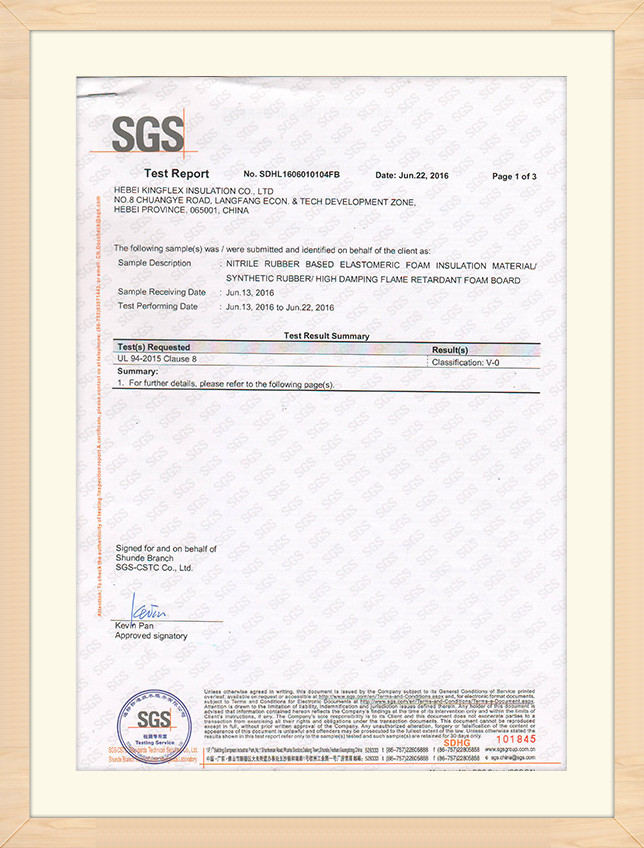
Our materials are designed and tested to comply with international fire safety standards, including BS 476 (Parts 6 & 7, Class 0/1) and UL 94 (Class V-0). These ratings confirm the material's flame-retardant and self-extinguishing properties under fire conditions.
Kingflex products comply with European REACH and RoHS standards, confirming they are free from heavy metals, PBDEs, and PBBs. Our manufacturing processes do not use CFCs, HFCs, or HCFCs, preventing ozone-depleting emissions during production.
We provide full batch traceability for our shipments, from raw material inspection through formulation, extrusion, and final quality control. This systematic approach ensures consistent, reliable performance for projects worldwide.




Specific compound formulations and product designs for unique acoustic and thermodynamic needs.
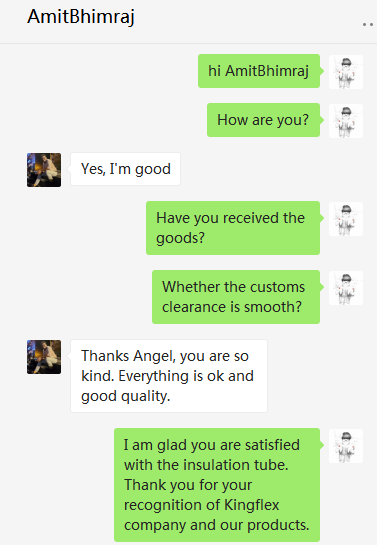
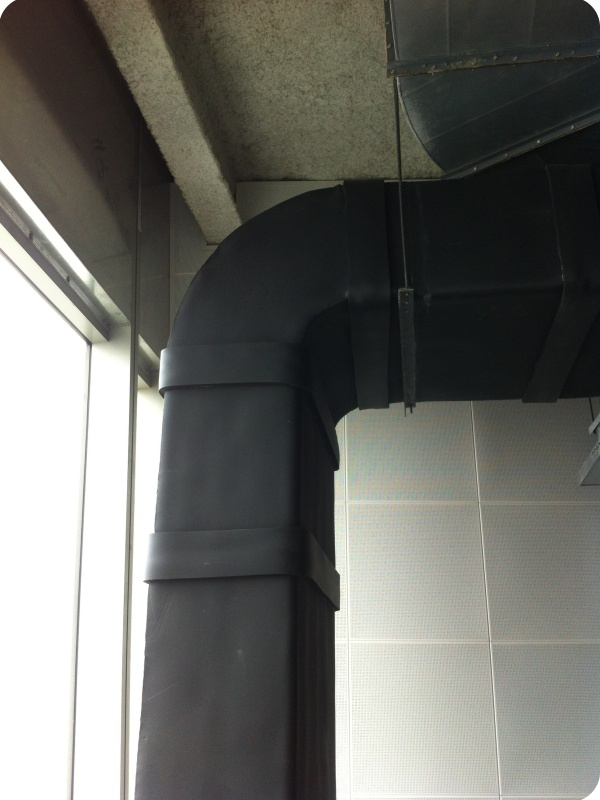
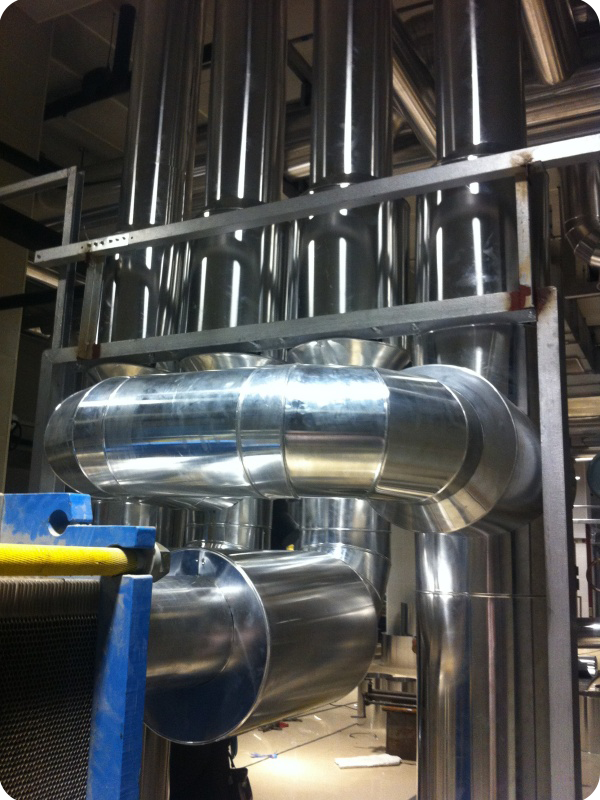
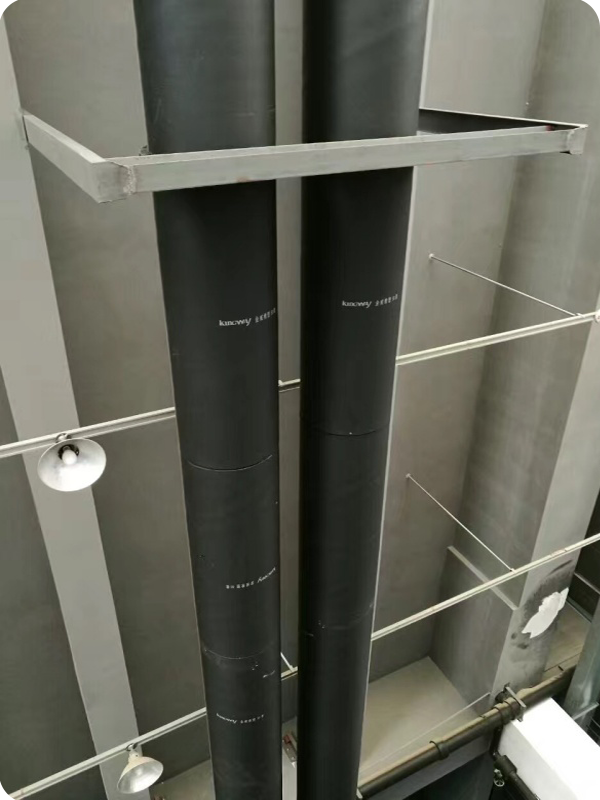
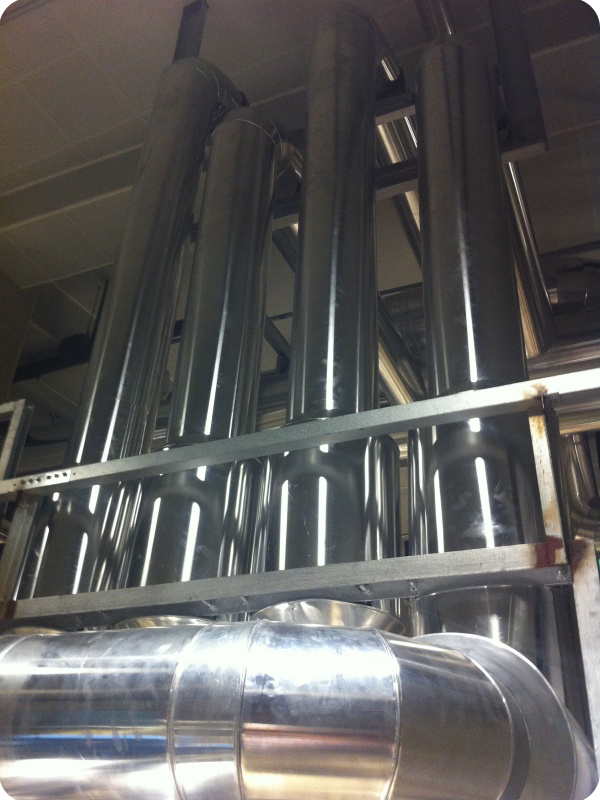
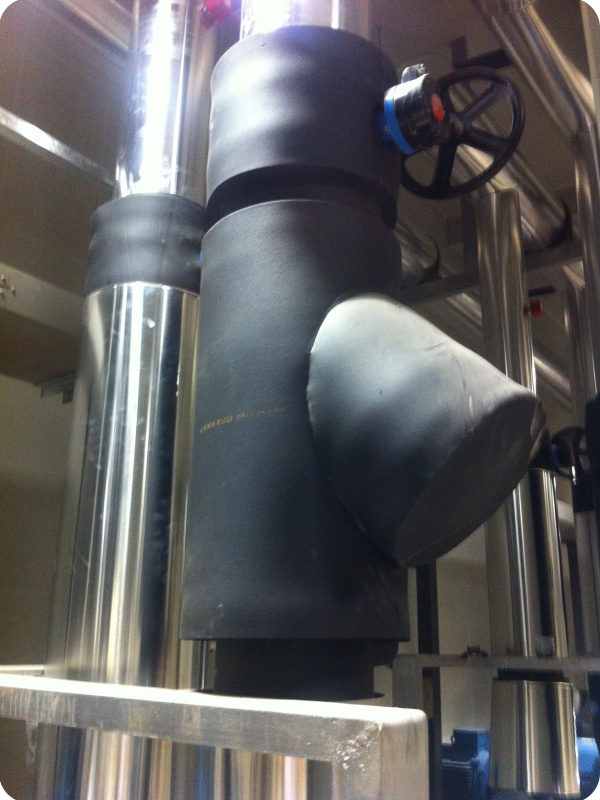
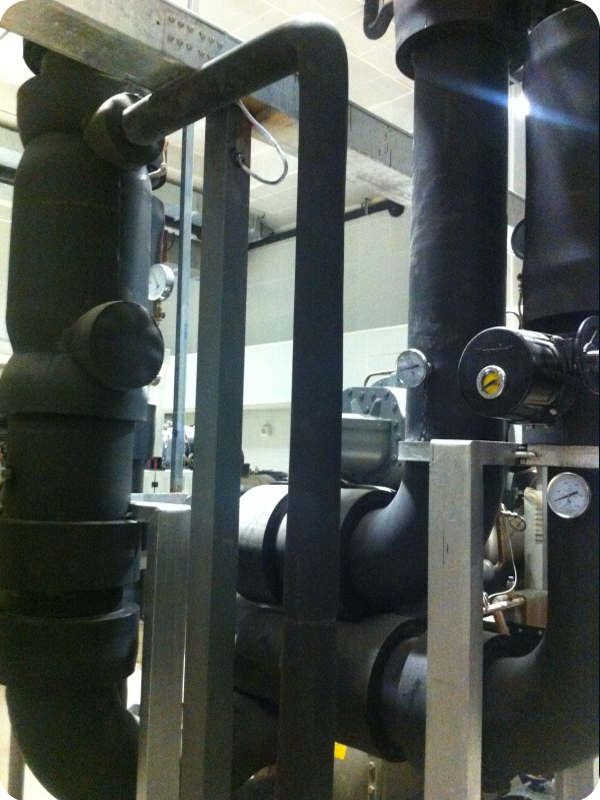
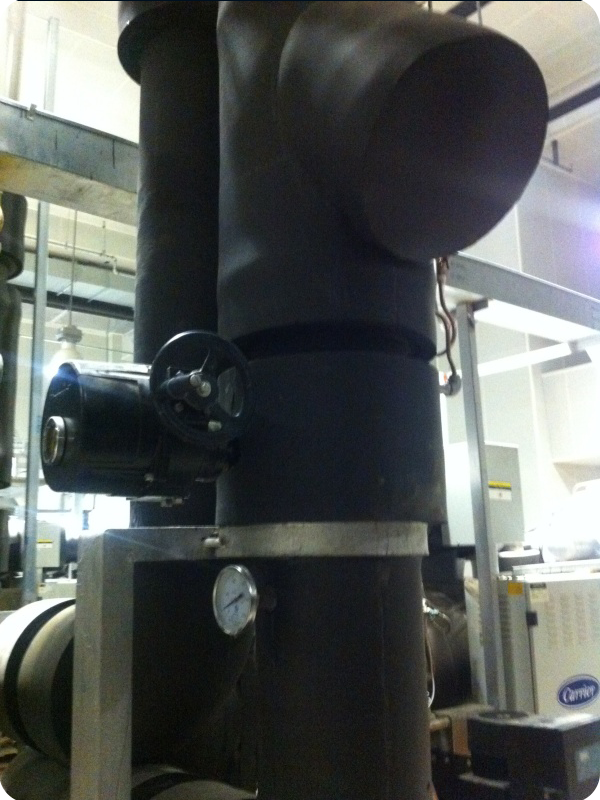
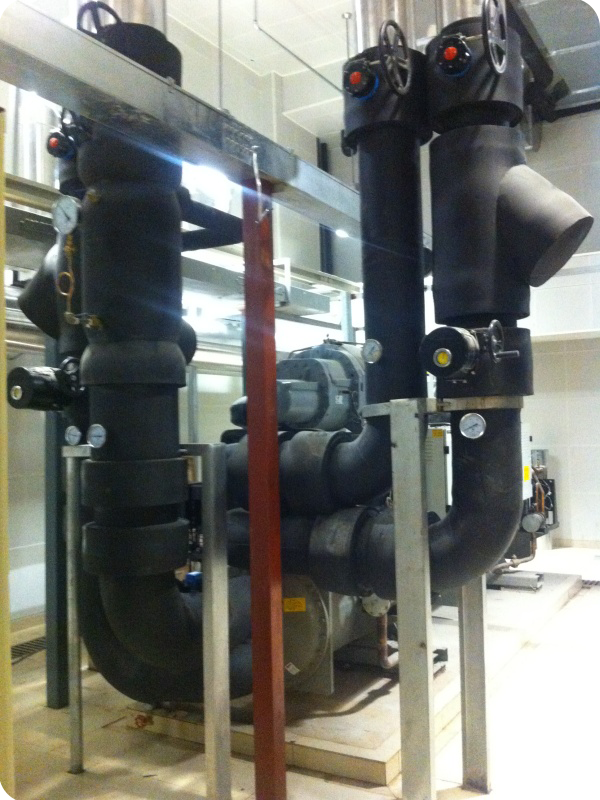
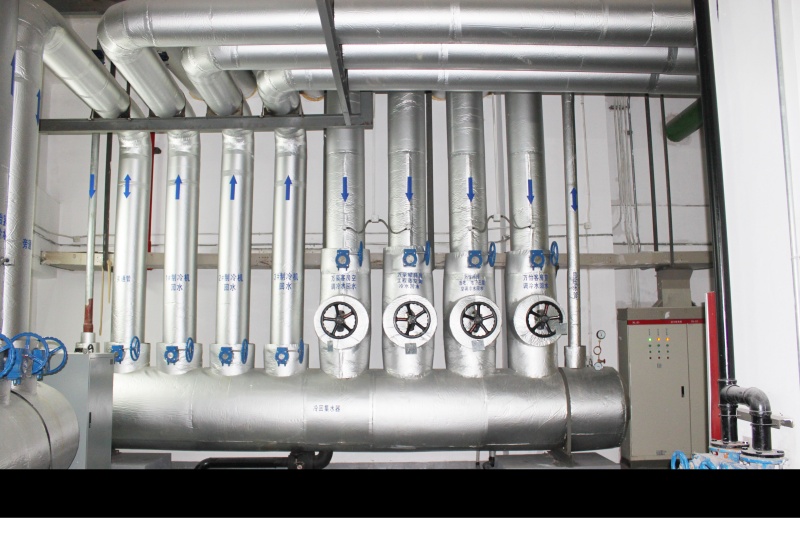
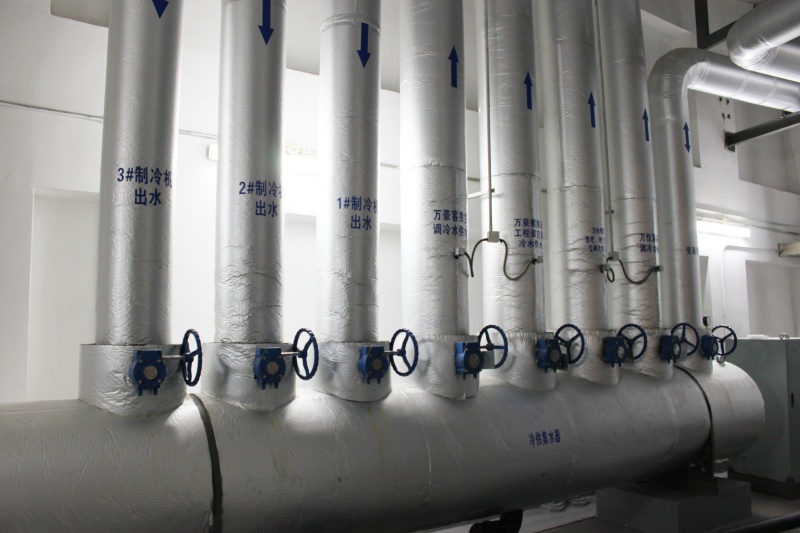
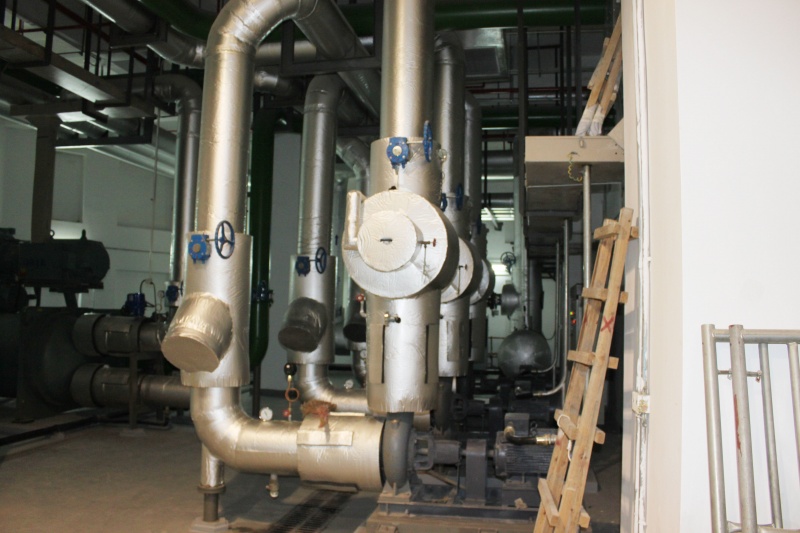
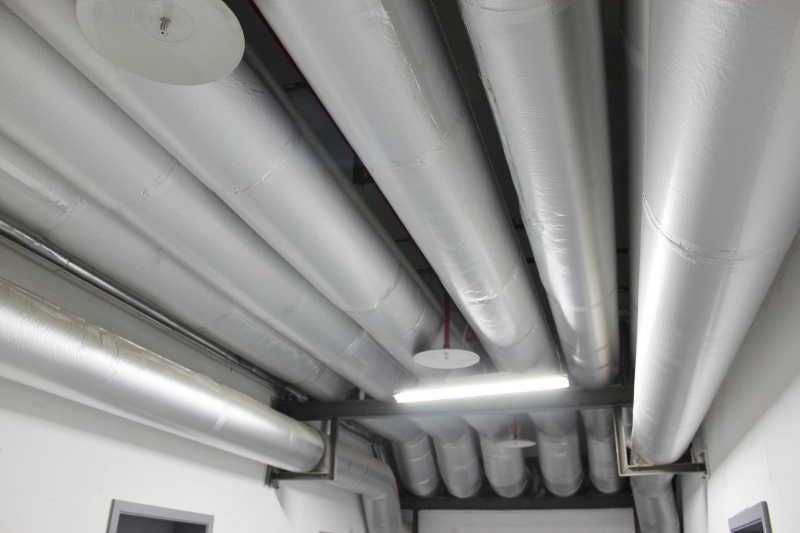
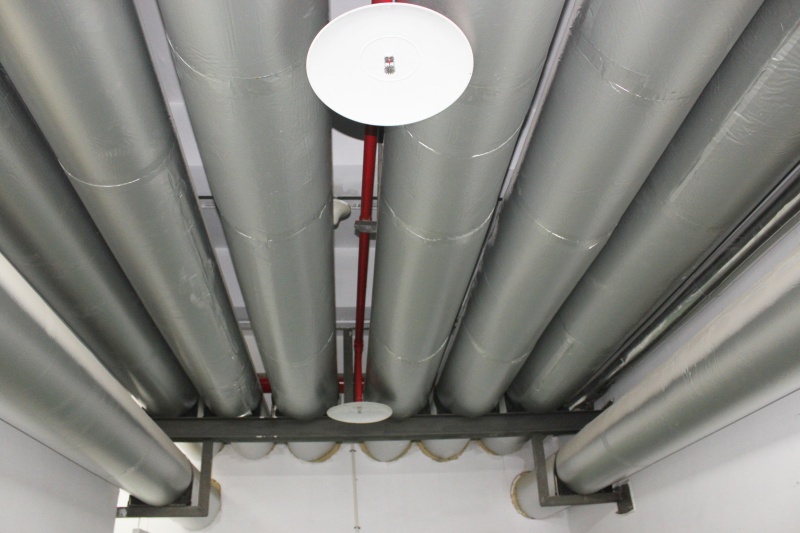
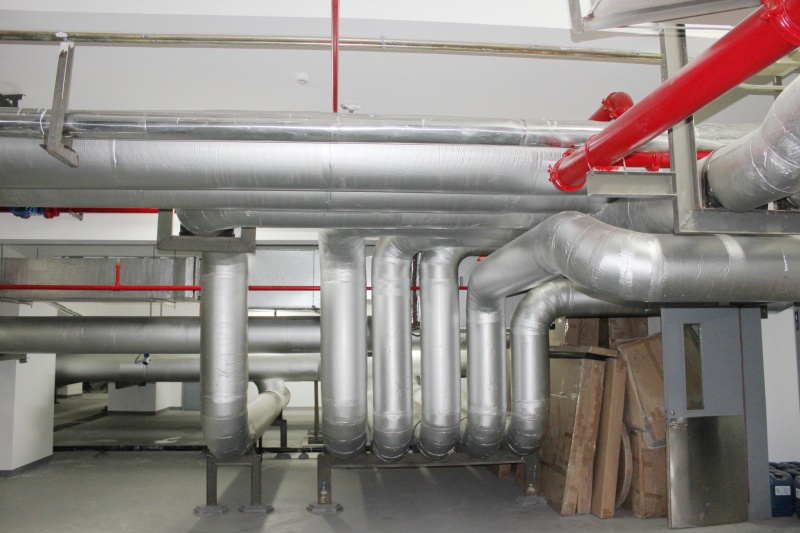
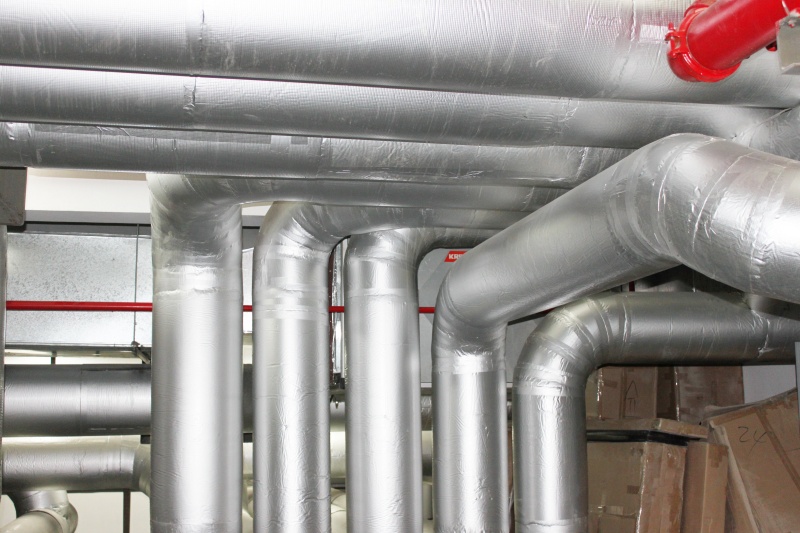
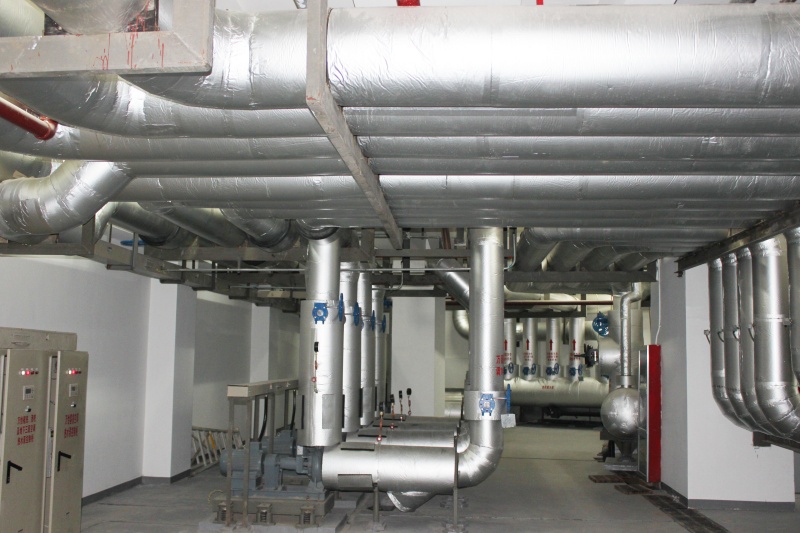
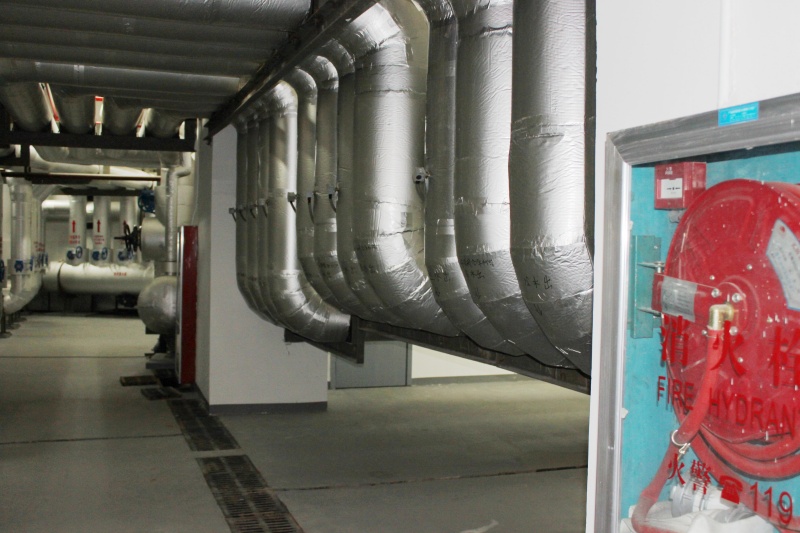
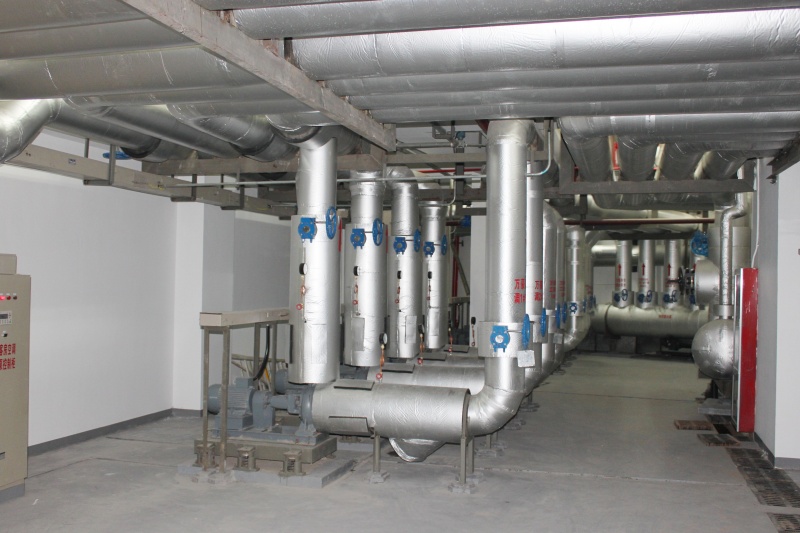
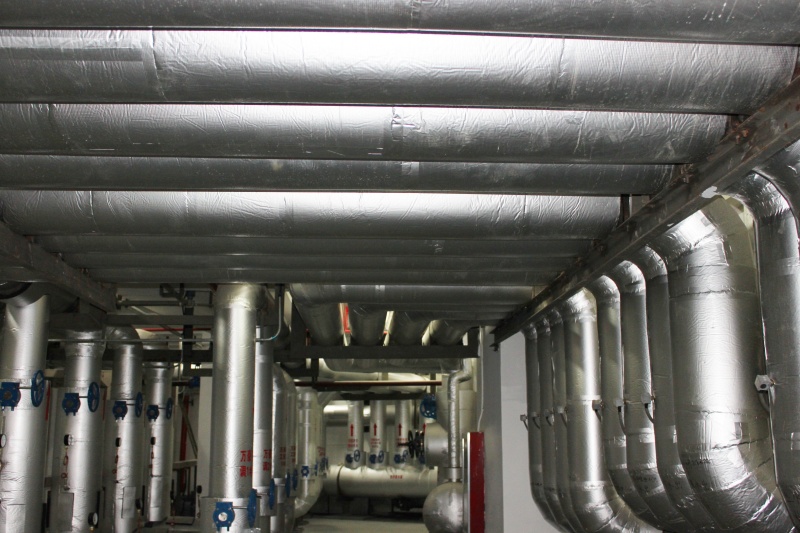
Performance verification across industrial plants, commercial centers, and residential HVAC infrastructures.

Technical answers to common engineering, procurement, and deployment questions.
Complete your layout specifications with additional specialized materials and accessory dimensions.