 Kingflex
Kingflex
Kingflex
Explore our elite range of anti-aging, flexible elastomeric rubber foam sheets, tubes, and cryogenic grade materials.
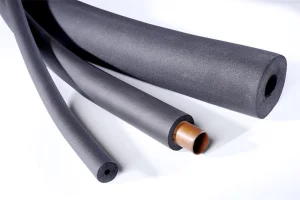
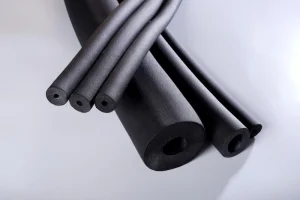
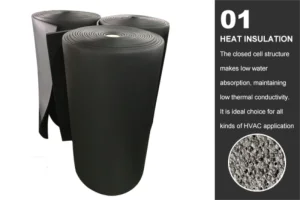
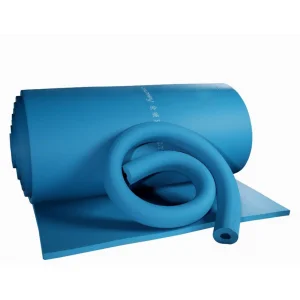
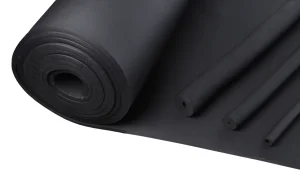
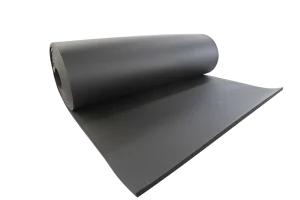
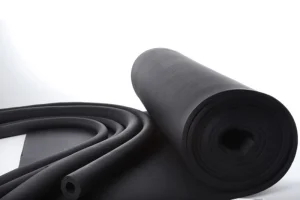
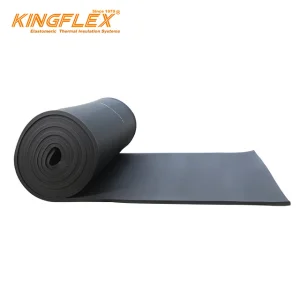
In modern construction and industrial process engineering, thermal insulation is no longer treated as a simple material accessory. Instead, it is evaluated as a critical system component directly impacting operational safety, decarbonization metrics, and lifecycle cost control. Across North America, Europe, and Asia-Pacific, energy efficiency directives (such as ASHRAE 90.1, EN 12828, and ISO 50001) are driving the demand for elastomeric closed-cell insulation materials that achieve low thermal conductivity and long-term durability.
Whether insulating HVAC water loops, petrochemical processing pipelines, or ultra-low temperature Liquefied Natural Gas (LNG) lines, the primary challenge remains consistent: mitigating moisture ingress and preventing condensation. When moisture penetrates insulation, it causes corrosion under insulation (CUI), elevates the thermal conductivity ($\lambda$-value), and degrades the insulation structure. This guide acts as an expert-level blueprint, outlining proper installation techniques, structural design considerations, and performance specifications that ensure maximum system longevity.
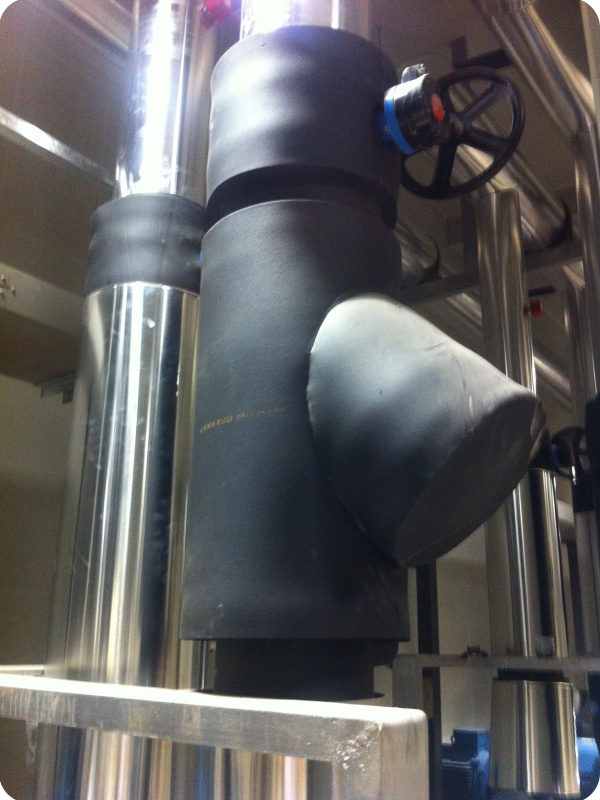
Ensure structural integrity and eliminate thermal bridging with these five critical field operations.
Ensure the metallic pipe surface is free of grease, dust, rust, and moisture. Clean with industrial solvent when required. Any micro-voids under the insulation can harbor condensation, causing premature pipe corrosion.
For tube insulation, split the tubes longitudinally along the pre-marked line using a sharp cutting knife. Always use a template for curves and T-joints to ensure a tight seam without stretching the material.
Apply a thin, even coat of Kingflex specialized adhesive to both cut edges. Allow the adhesive to achieve "tack-dry" state (typically 3–8 minutes depending on weather) before pressing the joint edges firmly together.
Push the insulation pieces together rather than pulling them. Compressed joints prevent gaps from forming due to material shrinkage at low operating temperatures. Seal all seams with heavy-duty vapor barrier tape.
At pipe hangers and support brackets, use high-density elastomeric support inserts (Kingflex Hanger Blocks) to prevent compression of the insulation. Never allow the pipe hanger to clamp down directly on the standard foam.
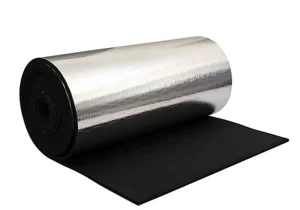
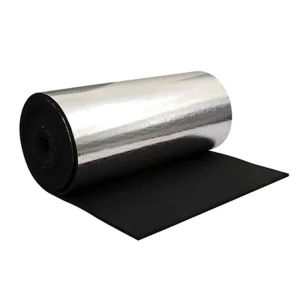
For outdoor applications, apply aluminum foil-clad sheets or a secondary UV-resistant coating within 36 hours. Direct solar radiation degrades bare NBR foam structures over time, causing micro-cracks.
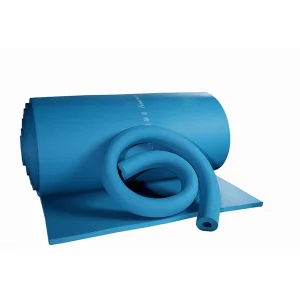
Our elastomeric foam insulation products are manufactured under rigorous QA/QC protocols to yield uniform cell configurations, high elasticity, and consistent density.
| Product Category | Key Materials | Thickness Range | Density Range | Operating Temp. |
|---|---|---|---|---|
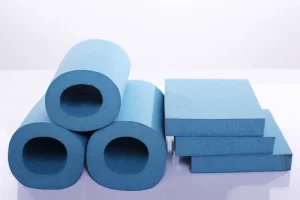
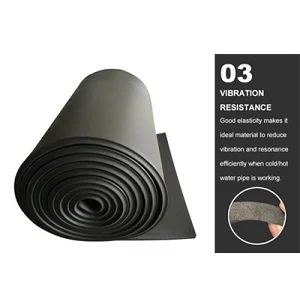
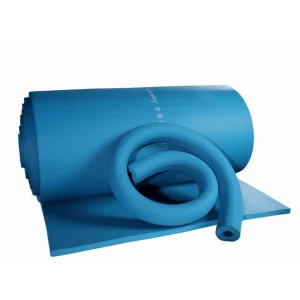
| Black Rubber Foam Sheet Roll | NBR / PVC Blends | 6mm – 50mm | 40 – 55 kg/m³ | -40℃ to 105℃ |
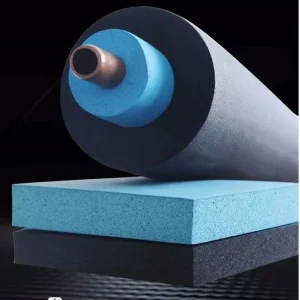
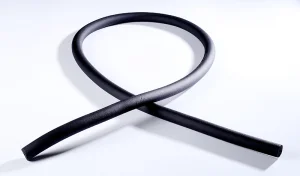
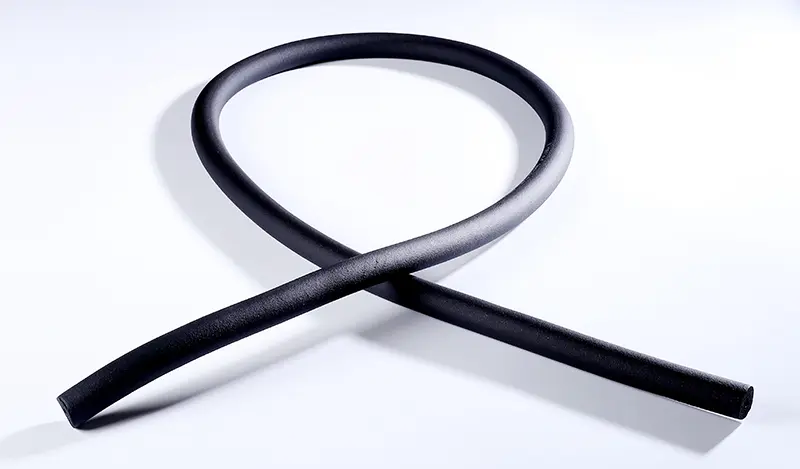
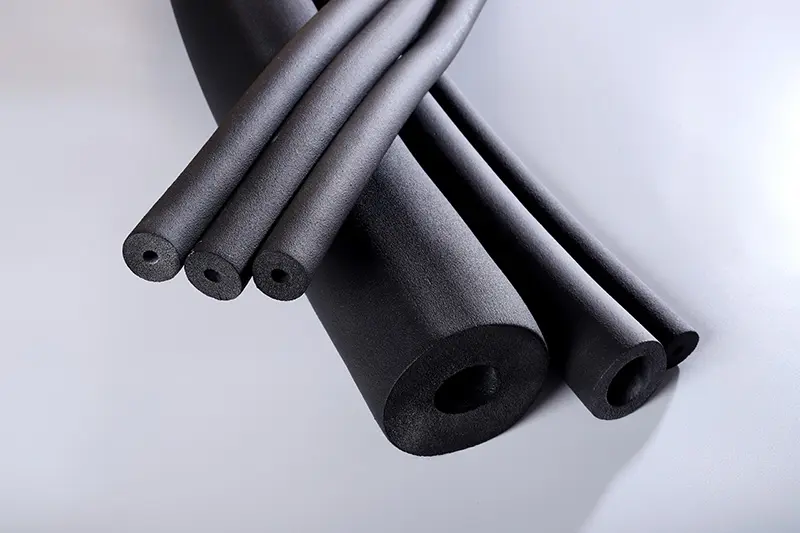
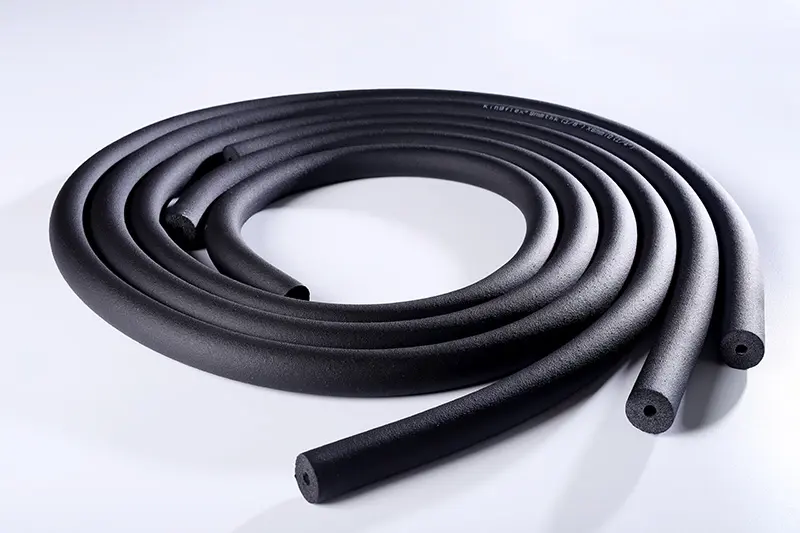
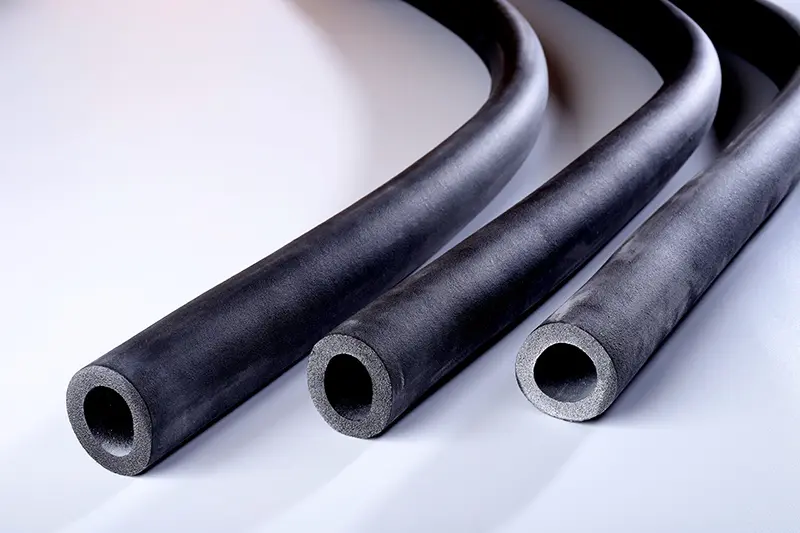
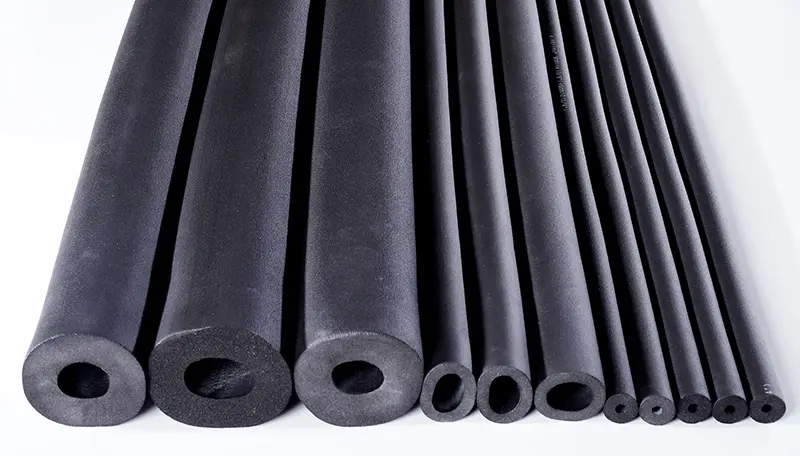
| Black Rubber Foam Pipe Tube | NBR / PVC Blends | 9mm – 40mm (ID: 6mm – 114mm) | 40 – 55 kg/m³ | -40℃ to 105℃ |
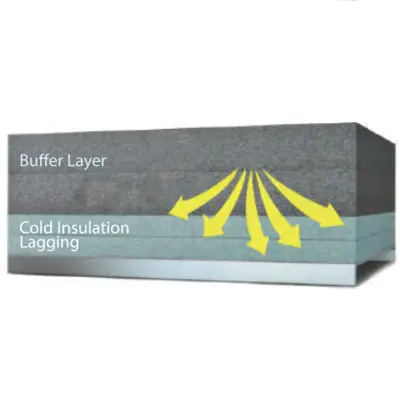
| Cryogenic Insulation Systems | Modified Elastomeric Foam | Custom Multi-layered | 50 – 65 kg/m³ | -200℃ to 125℃ |
Primary Material Performance Advantages:
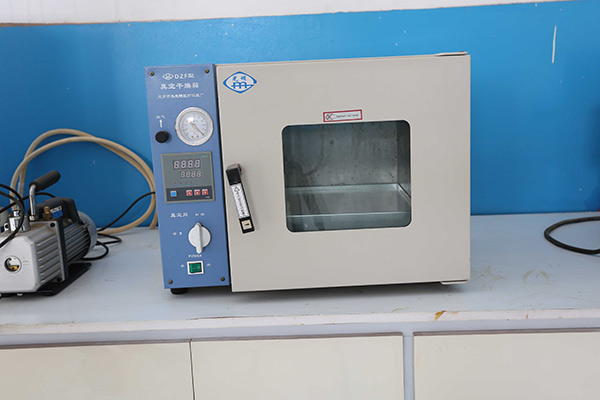
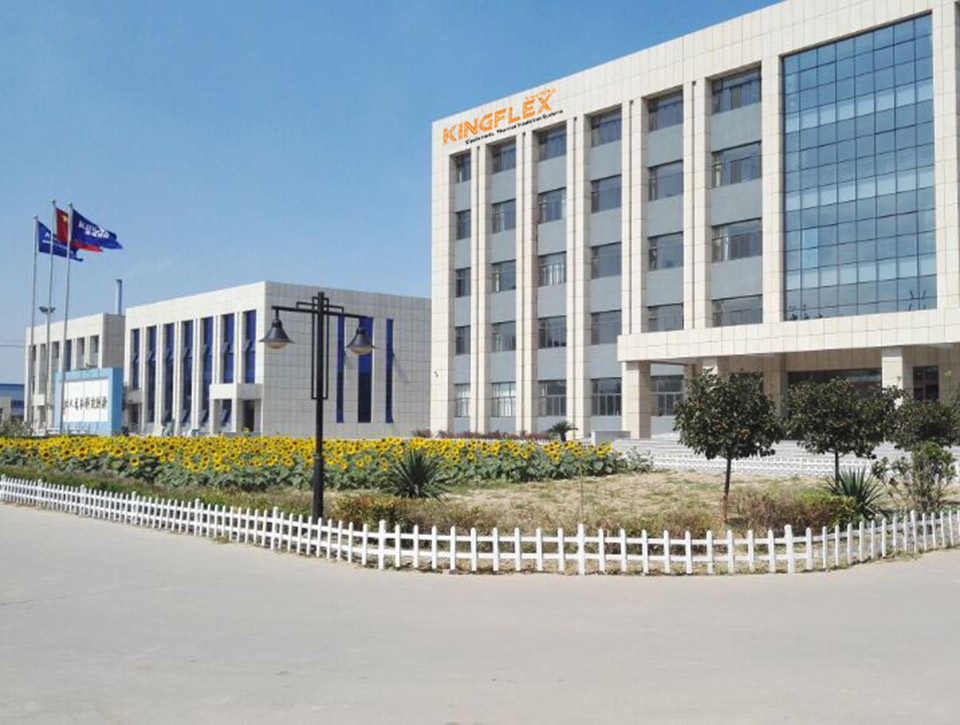
Kingflex Insulation Co., Ltd. is a professional manufacturing and trading combo for thermal insulation products. Our research, development, and state-of-the-art production facilities are located in Dacheng, China—the globally recognized capital of green-building materials. By grouping our operations in this industrial cluster, we benefit from complete local raw material supply chains, highly skilled chemical process engineers, and optimized logistics networks.
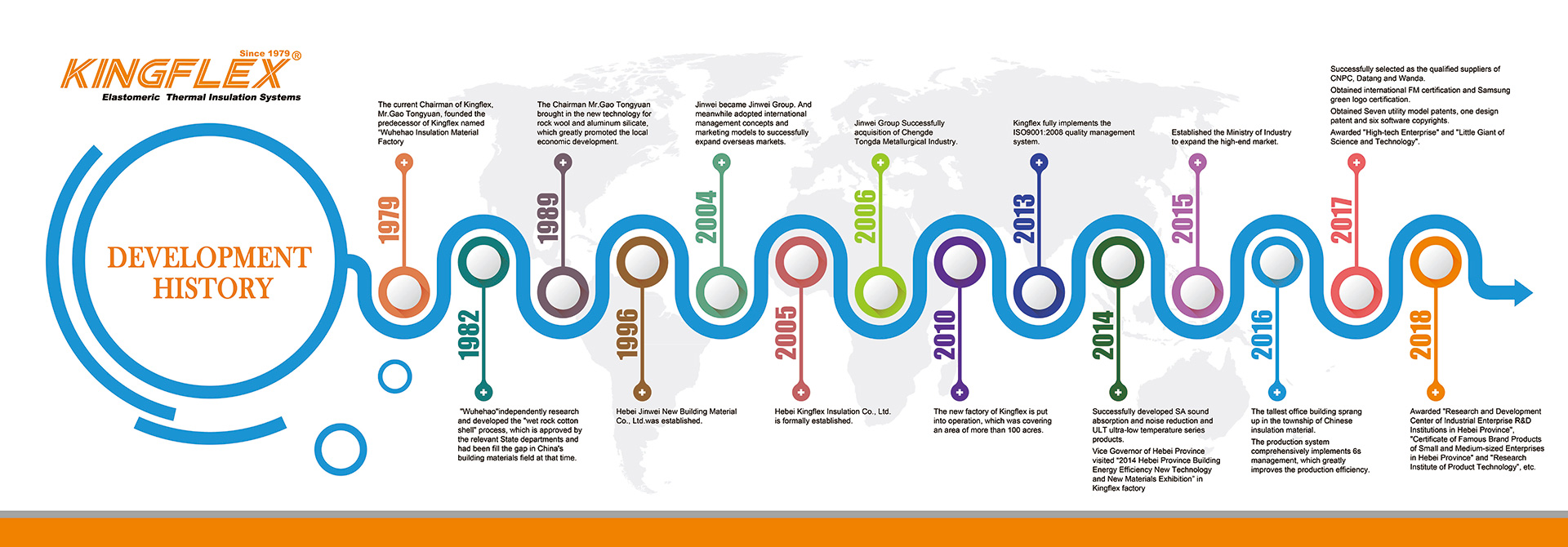
Established by the Jinwei Group, which boasts more than 40 years of history, Kingway Group was established in 1979 as the first manufacturer of thermal insulation materials north of the Yangtze River. We have inherited decades of technical expertise while investing heavily in smart factory automation.
Ensuring uniform cellular expansion, stable density, and a massive annual capacity exceeding 600,000 cubic meters.
Our Dacheng plant operates under strict ecological controls, leveraging modern filtration and thermal recycling to lower carbon footprints.
With a dedicated international logistics division, Kingflex products have been exported to more than sixty-six countries over the past 16 years.
We trace, test, and certify every batch to ensure conformity to the most demanding international building codes.
Each batch of Kingflex rubber foam is stamped with a unique manufacturing ID. We maintain complete production logs for up to 10 years, ensuring full structural accountability.
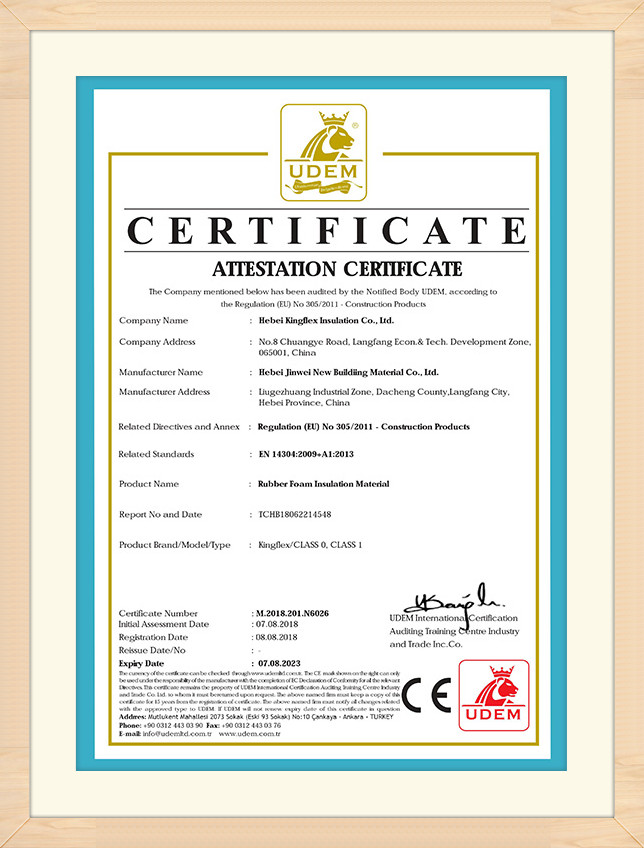
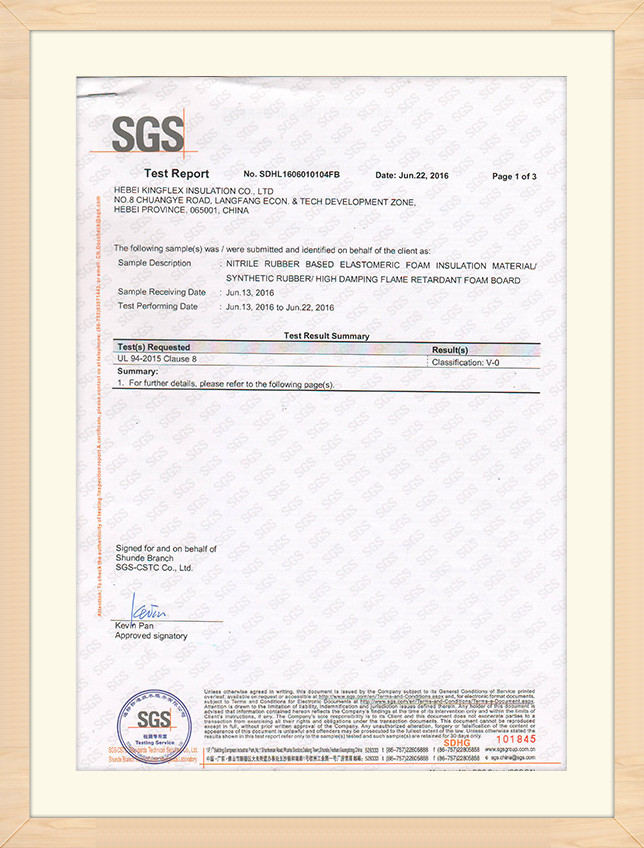
Tested under international standards including BS 476, CE, REACH, RoHS, UL94, and ASTM. Our products generate low smoke toxicity during fire events.
With 8 professional R&D engineers, we formulate customized elastomeric compositions to meet unique density, flexibility, and thermal conductivity specs.

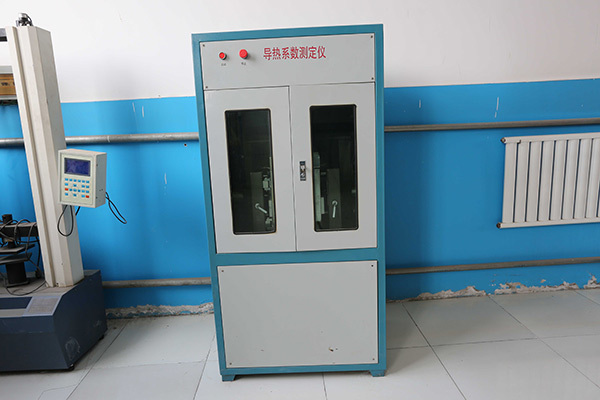
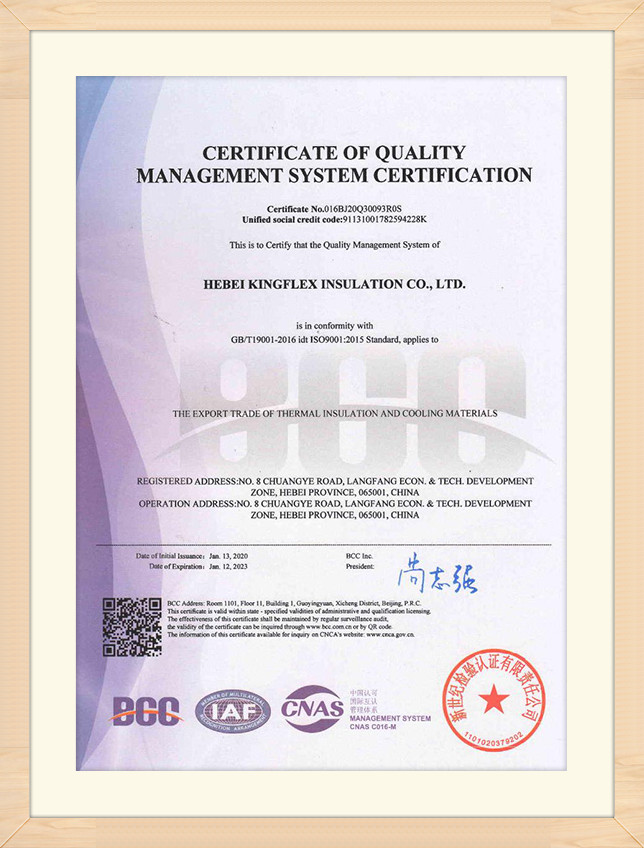
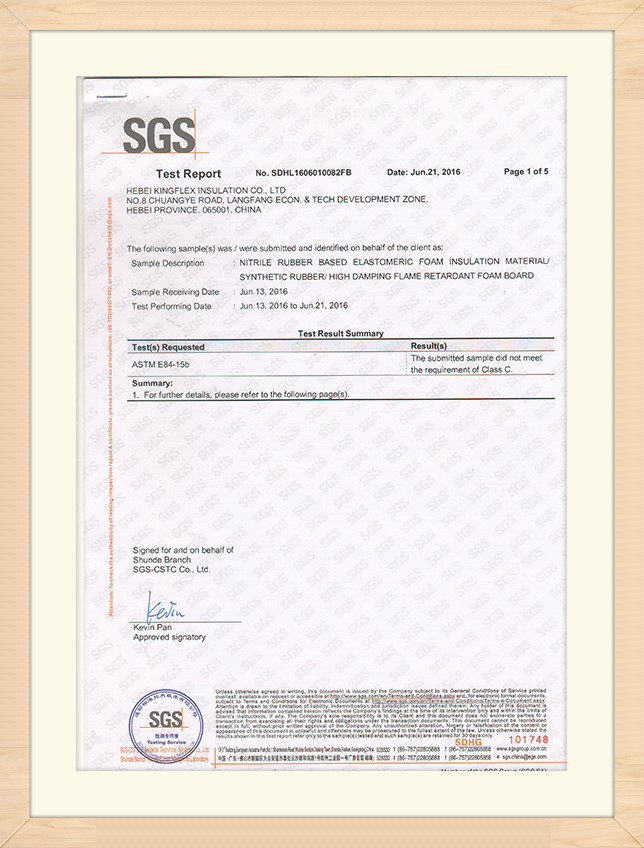

From deep cryogenic processes to high-ambient tropical commercial HVAC, Kingflex is deployed worldwide.
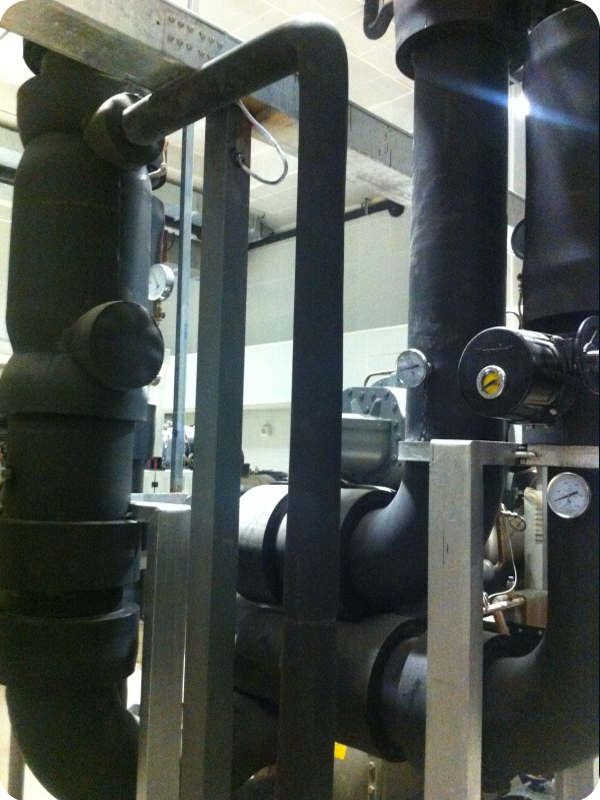
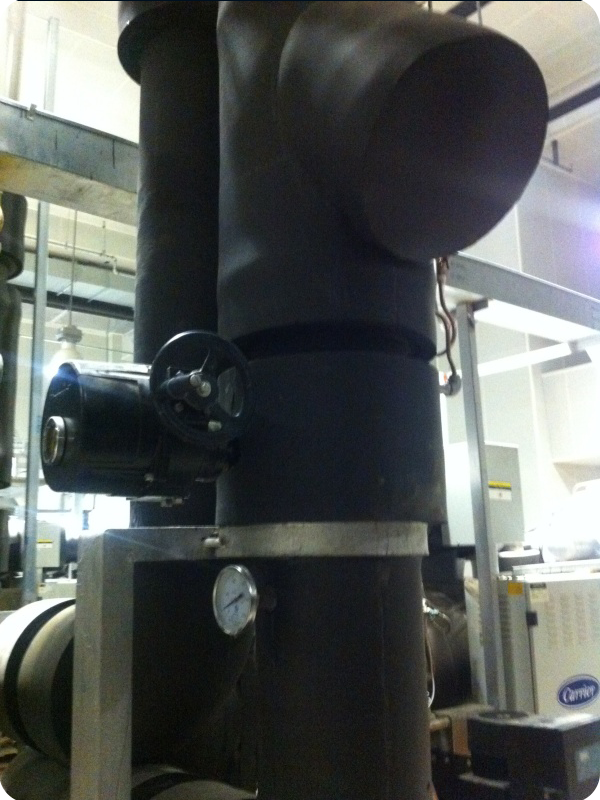
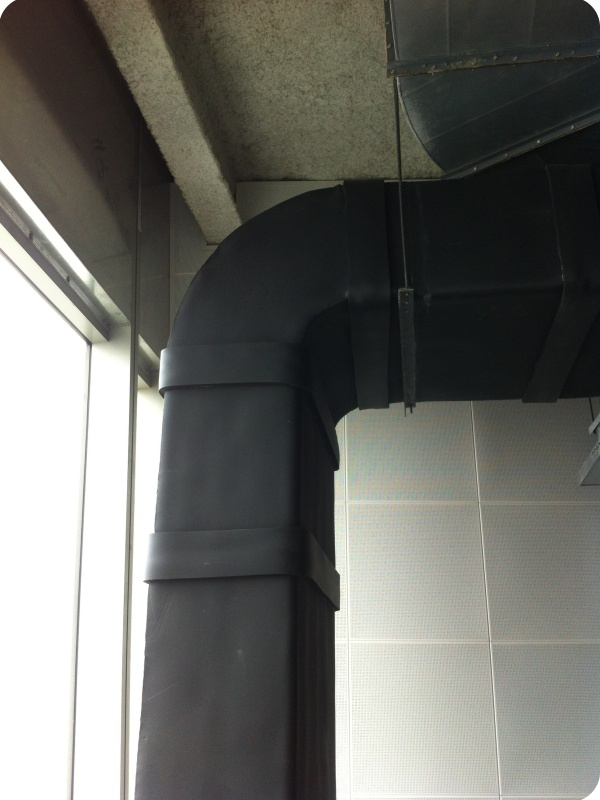
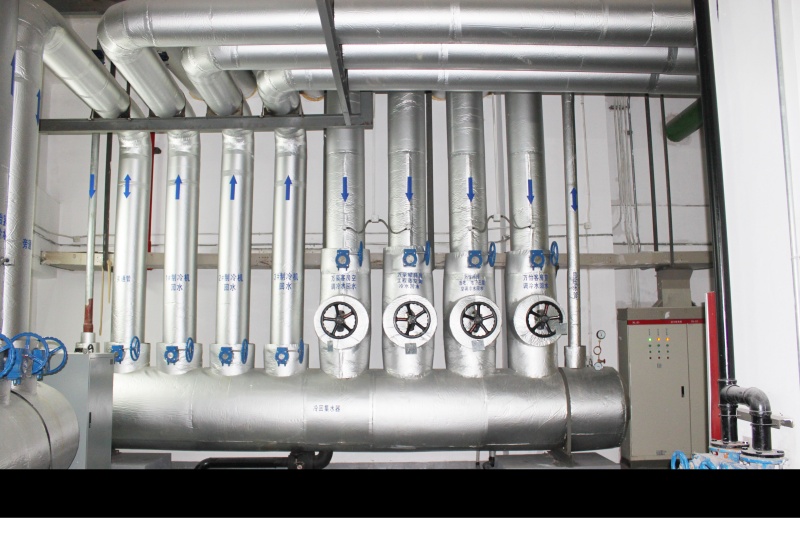
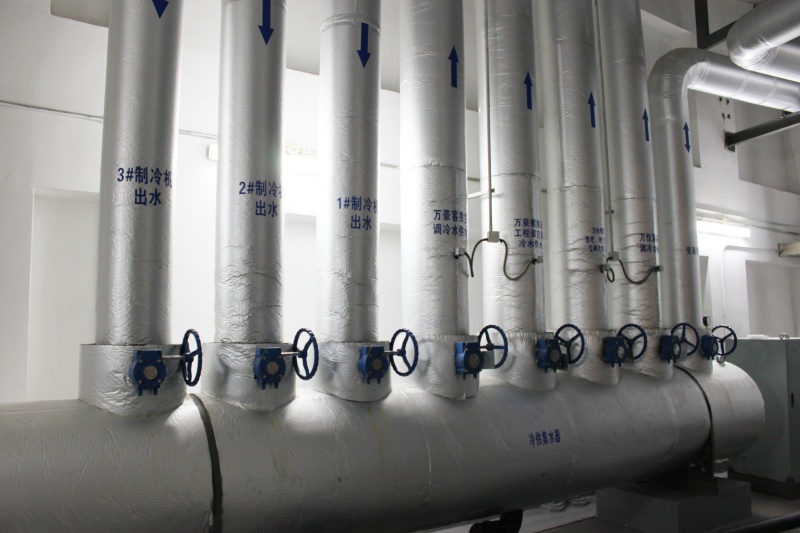
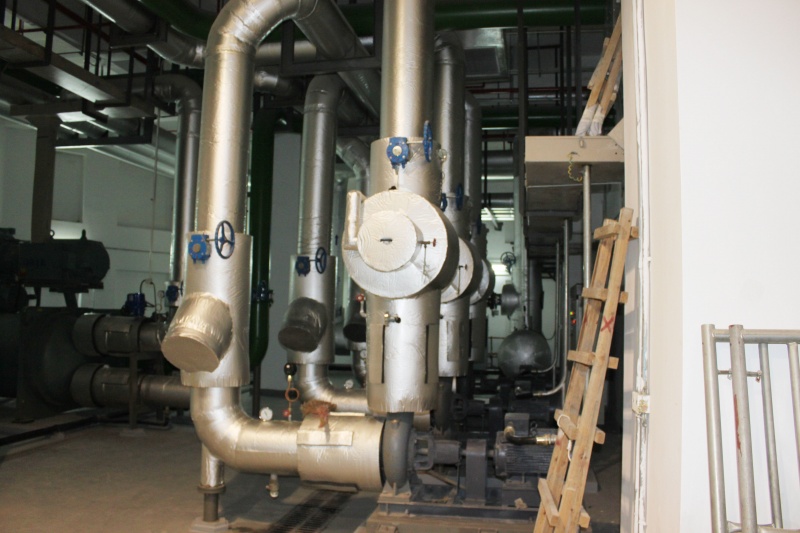
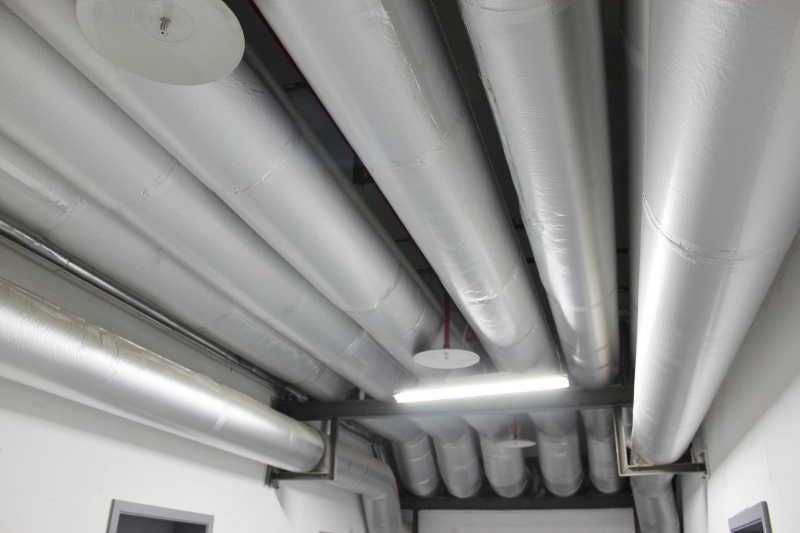
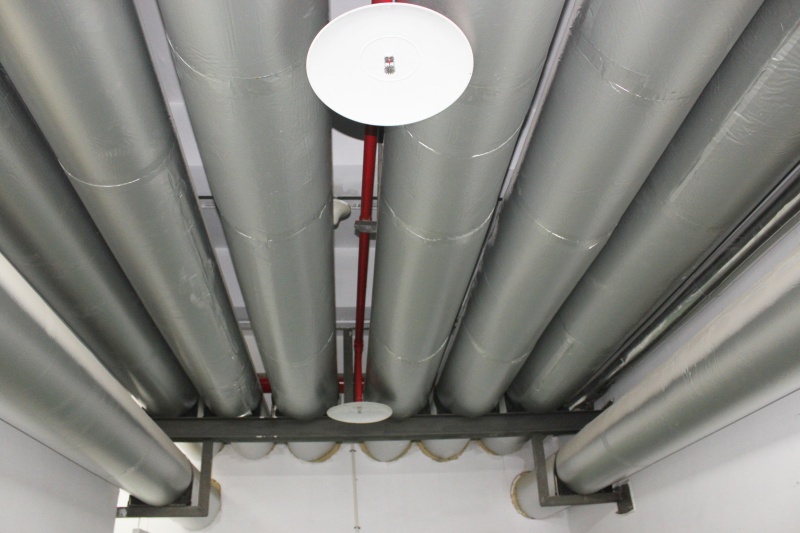
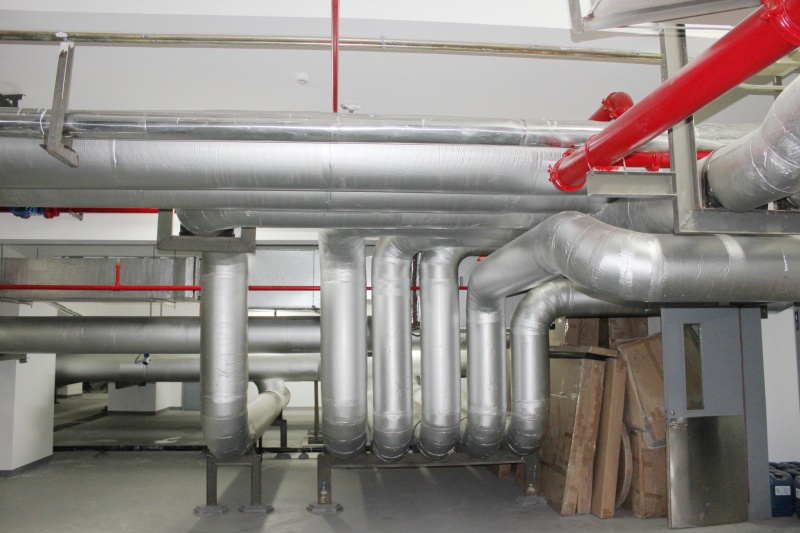
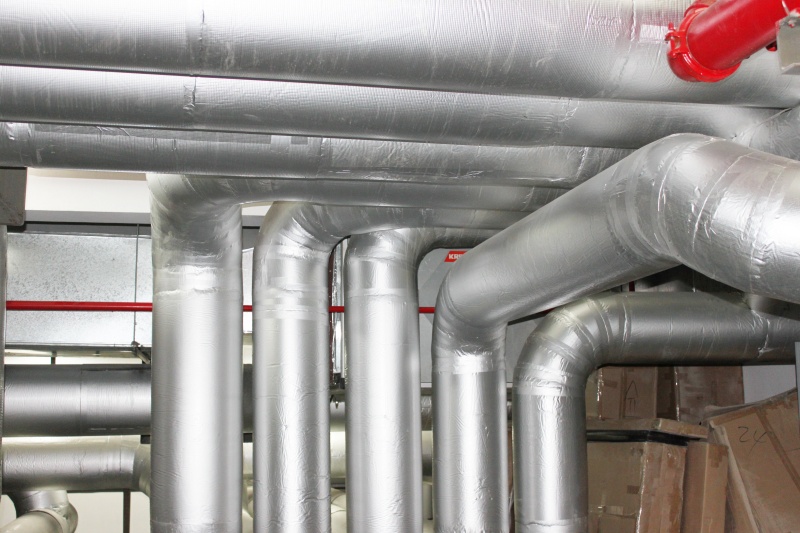
Deployed in central air conditioning chilled/hot water loops and condensate drainage lines for hotels, malls, and modern data centers.
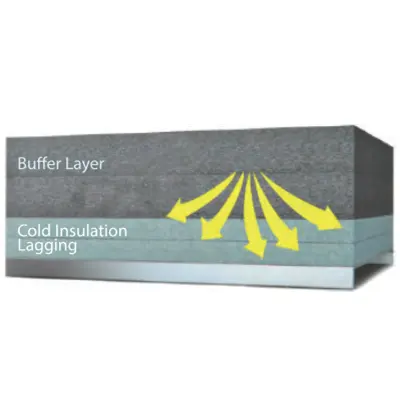
Specifically engineered for cold insulation in liquefied natural gas (LNG) terminals and chemical process pipelines down to -200℃.
Designed for thermal insulation and acoustic dampening on heavy chemical processing equipment, steam pipelines, and tanks.
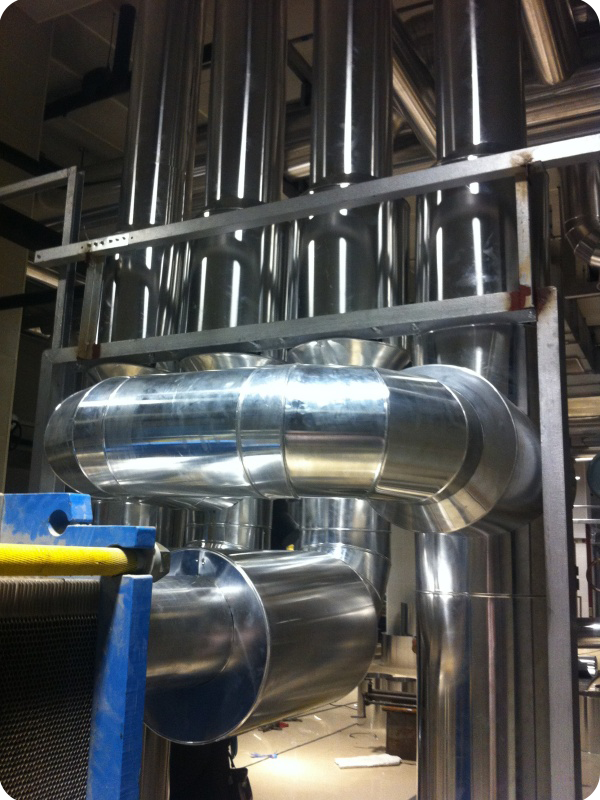
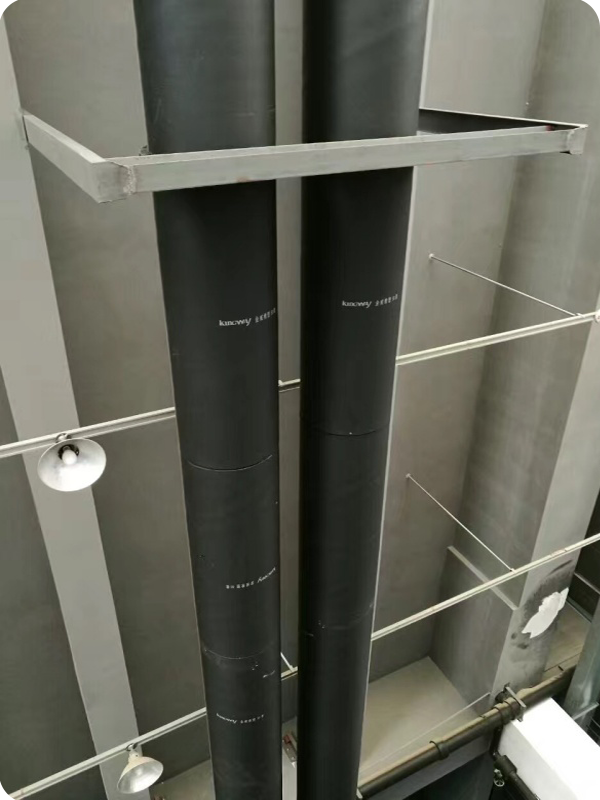
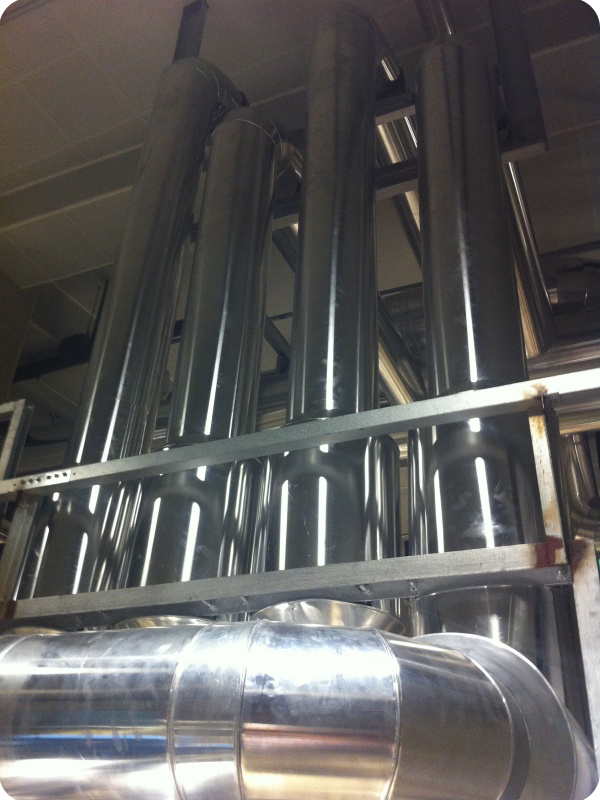
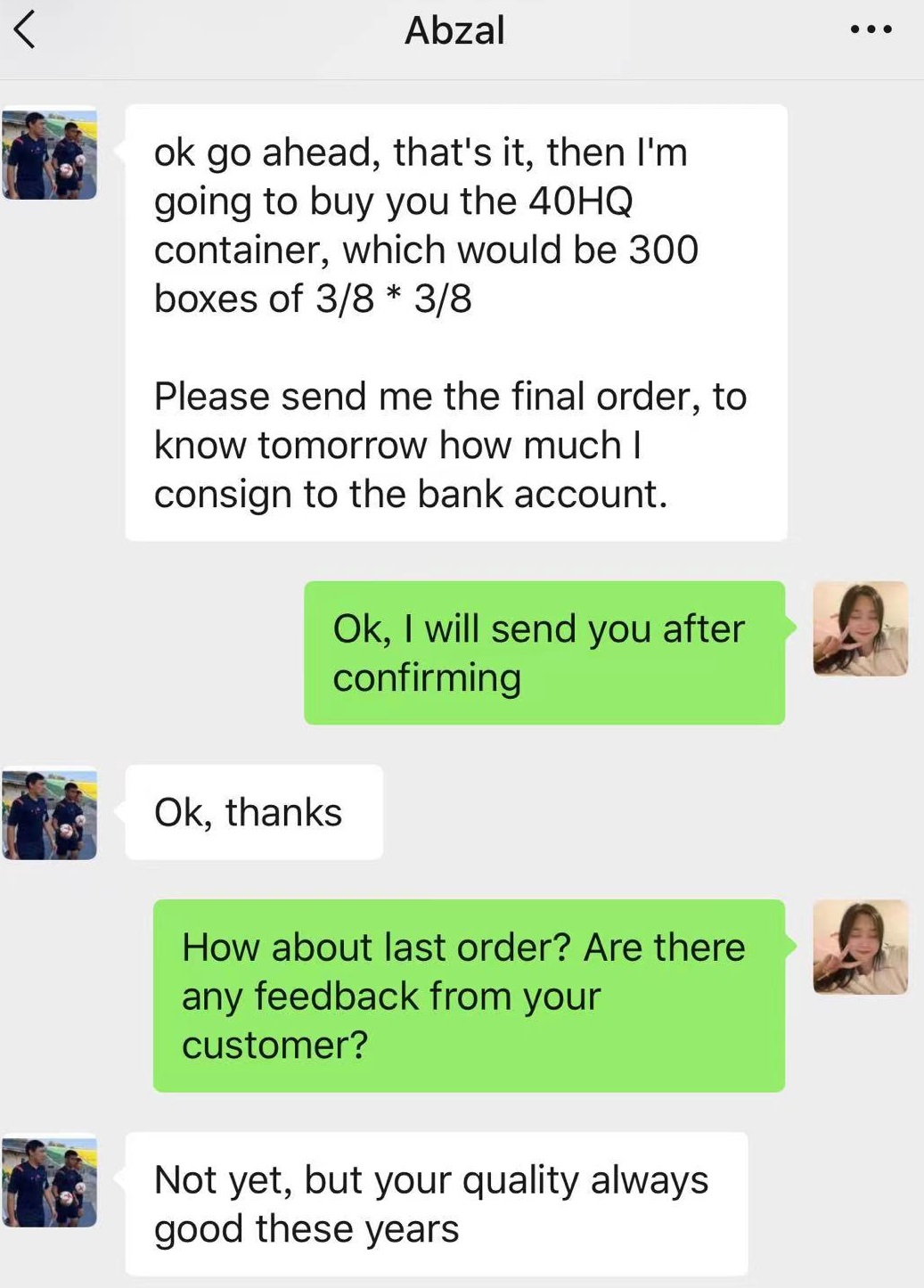
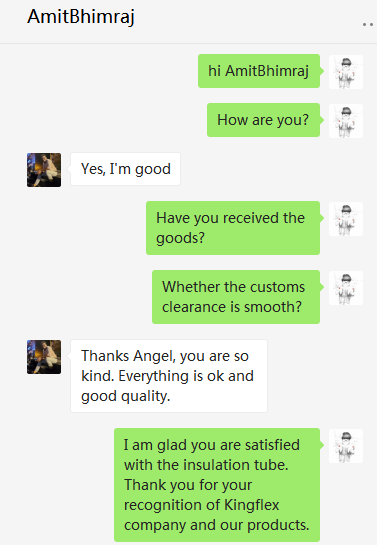
Trust is earned through transparency. We provide real-time updates and direct access to our logistics, technical support, and QA teams. Below are screenshots of direct communications demonstrating our rapid response and technical consulting for global supply chain procurement.


Whether executing installations under high-humidity conditions in Southeast Asia or freezing winters in Northern Europe, our NBR/PVC closed-cell foams maintain their thermal characteristics and structural integrity over decades.

We are pushing the boundaries of material science to create the next generation of insulation systems.
Researching agricultural waste-derived polyols to replace petrochemical sources, reducing embodied carbon of our foam materials by up to 30%.
Developing "smart insulation jackets" with embedded micro-sensors that continuously monitor humidity levels underneath, alerting operators to potential CUI risks.
Optimizing NBR polymer chemistry to exceed EN 13501-1 Class B-s1,d0 standards, making them safer for use in tight tunnels and transport networks.
Clear answers to common questions about design specifications, installation, and compliance.
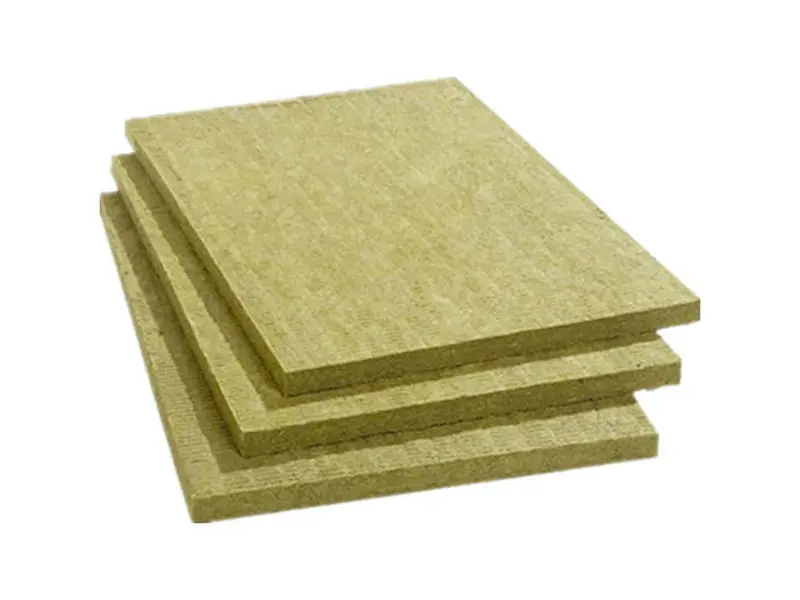
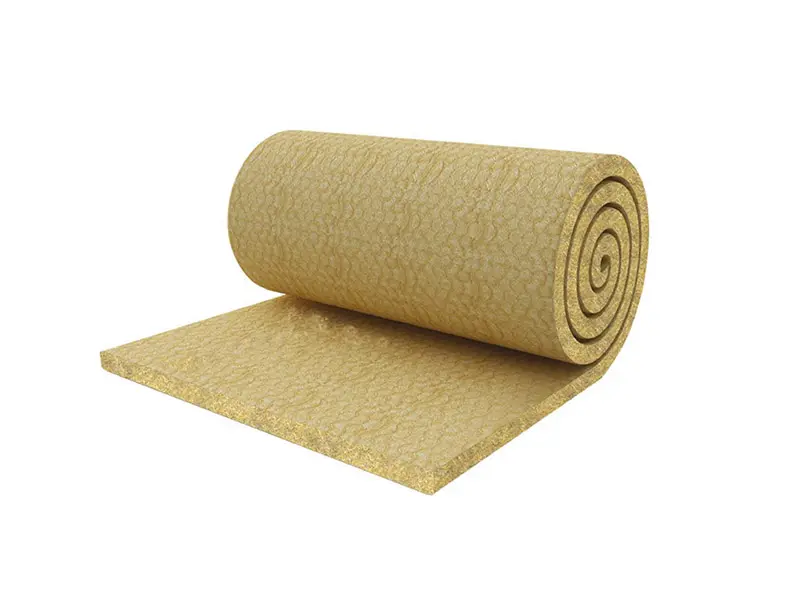
Engineered options featuring aluminum foil coverings, specialized low-temperature profiles, and high-density mineral wool.

A visual tour of our automated production lines, testing laboratories, packaging systems, and raw material yards.