 Kingflex
Kingflex
Kingflex
Ensure structural integrity with high-performance insulation rolls, tubes, and specialized cryogenic materials designed for commercial HVAC/R and industrial plants.
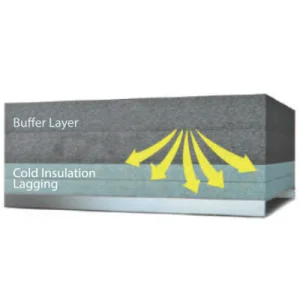
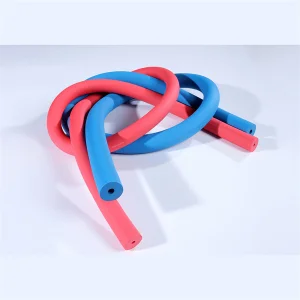
In structural engineering and thermodynamic pipeline designs, the integrity of a thermal barrier rests entirely on the continuity of its installation. Closed-cell NBR/PVC elastomeric rubber foam insulation is widely preferred for HVAC ducts, chilled water pipes, and cryogenic pipelines. However, even a 1mm deviation or ragged cut at joint connections can create localized thermal bridges, leading to condensation, structural corrosion under insulation (CUI), and thermodynamic energy losses.
This is where specialized pipe insulation knives become a critical variable in structural procurement. Unlike standard utility blades, professional insulation knives are specifically engineered to slice through flexible elastomeric foam and high-density fiberglass wool without tearing, compressing, or dragging the inner core structure. Slicing with a dull or inappropriate tool destroys the closed-cell matrix, diminishing the material’s ≥98% closed-cell rate and dropping its moisture-resistant performance.
SEO Insight & Technical Compliance: When sourcing "Wholesale Pipe Insulation Knife Suppliers", industrial engineers look for kit-level systems containing double-edged carbon-steel serrated knives (for mineral wool blankets) and straight-ground razor edges (for flexible NBR/PVC tubes). Optimal joint cuts allow the self-adhesive components to bind securely without micro-gaps.
Major infrastructure projects, including large-scale chemical plants, aerospace hangars, district cooling systems, and national electric grids, require hundreds of thousands of meters of insulation pipes. To support these deployments, procurement managers seek combined shipments of insulation material and their associated application tools (knives, adhesive applicators, jointing tapes).
Procuring wholesale insulation knives directly from manufacturers like Kingflex ensures tool-material compatibility. A high-quality insulation knife must feature:
Condensation control is the primary objective in cold-pipe insulation. For low-temperature refrigeration lines or cryogenic piping, liquid moisture migrating through open cuts will freeze, expand, and structurally destroy the insulation layer. By combining premium elastomeric rubber foam sheets with sharp, factory-calibrated cutting tools, contractors can maintain structural sealing at every joint. The high elasticity and compression resilience (over 80%) of Kingflex closed-cell rubber ensures that after a precise cut, the joint segments match perfectly and form an airtight vapor barrier when bonded.
| Technical Parameters | Black Rubber Foam Sheet Roll | Black Rubber Foam Insulation Pipe |
|---|---|---|
| Material | NBR/PVC blend for flexible handling | NBR/PVC engineered compound |
| Thickness Range | 6mm - 50mm | 9mm - 40mm |
| Inner Diameter (ID) | N/A (Flat sheet/roll form) | 6mm - 114mm compatible |
| Core Density | 40 - 55 kg/m³ | 40 - 55 kg/m³ |
| Service Temperature Limit | -40℃ to 105℃ | -40℃ to 105℃ |
| Thermal Conductivity (λ) | Low and stable at ambient conditions | Uniform closed-cell heat blockage |
As the construction and industrial sectors move toward net-zero carbon footprints, insulation technologies are adapting. Future trends in installation systems include automated prefabricated pipe joints cut using multi-axis CNC machines and robotic cutters. However, field adjustments remain unavoidable. High-grade manual cutting kits, incorporating specialized insulation knives, are evolving to include replaceable blade heads, laser-guided cutting alignments, and eco-friendly coatings to align with green-building guidelines (such as REACH and RoHS standards).
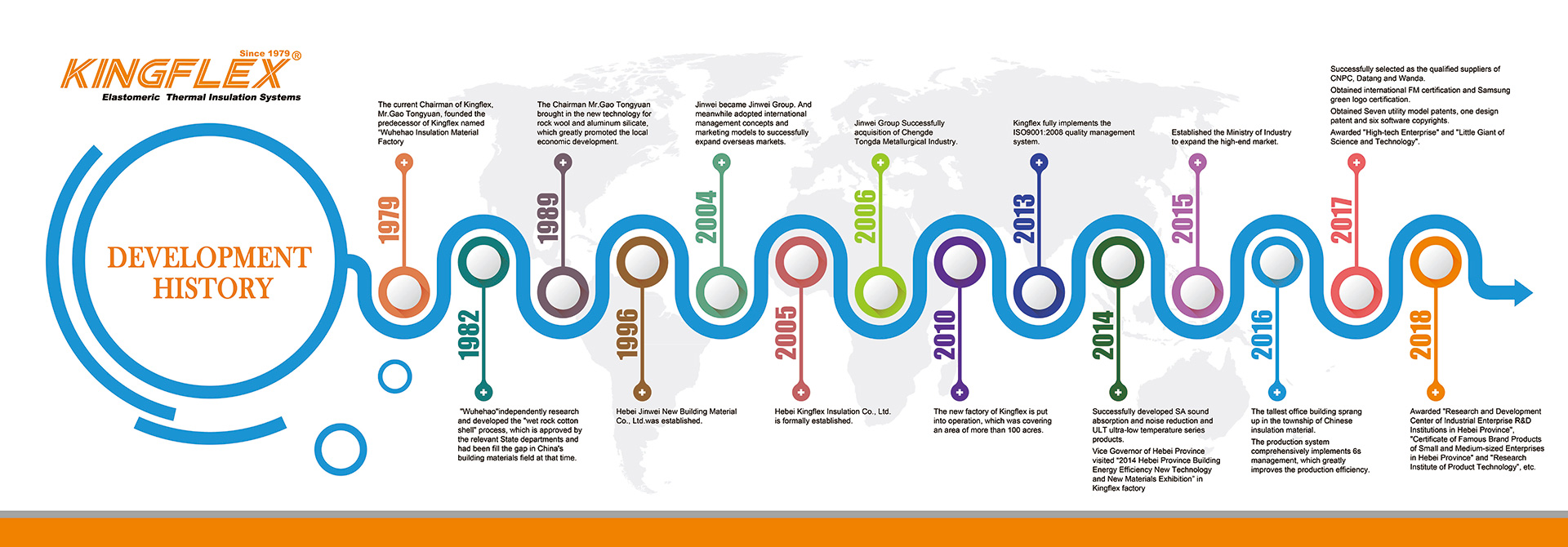
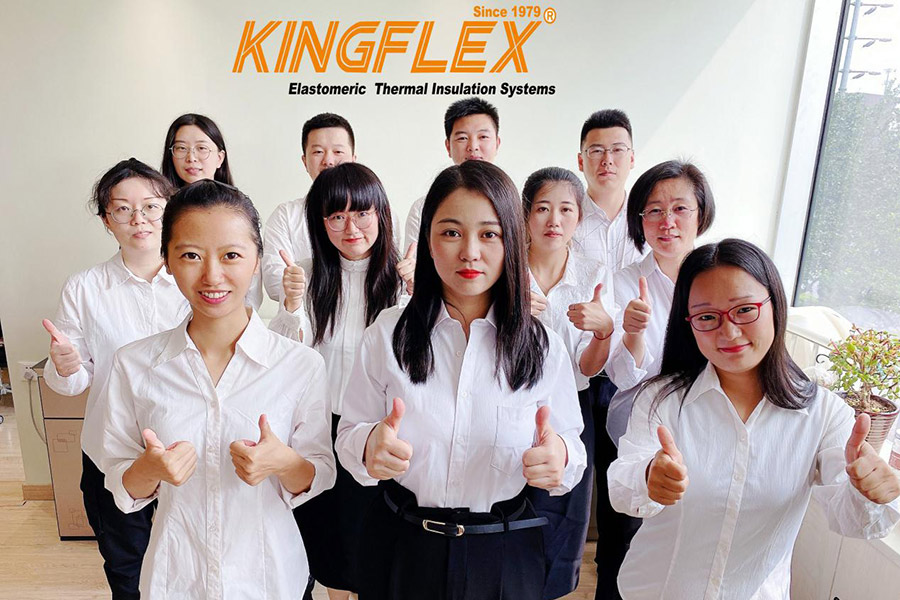
Kingflex employs 8 specialized R&D chemical and thermodynamic engineers, 6 international sales associates, and 230 factory floor workers to maintain strict production standards.
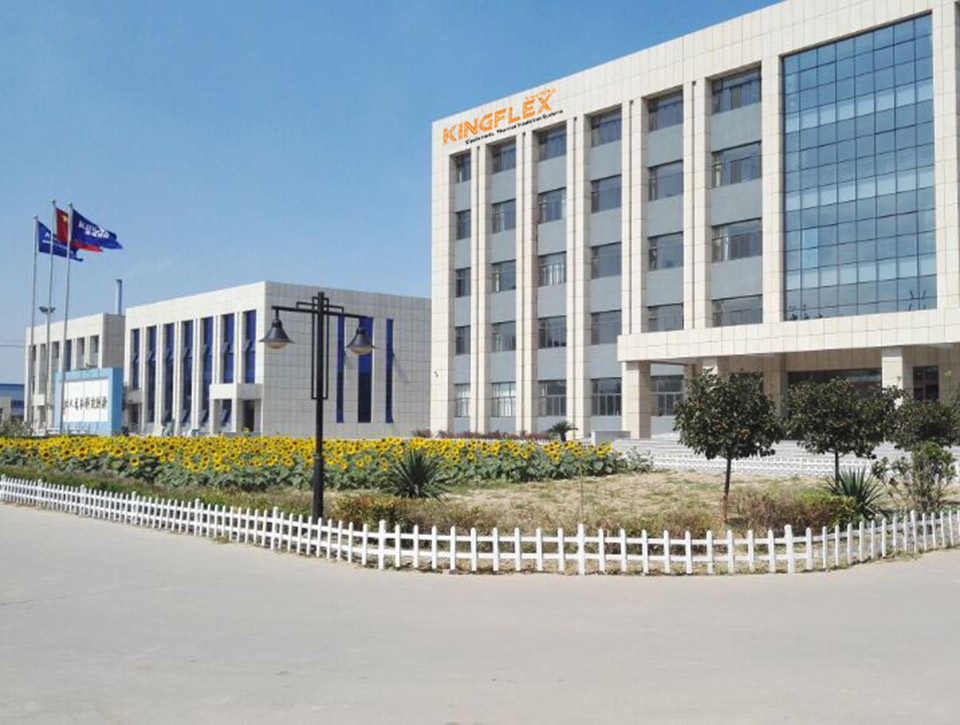
Our continuous extrusion lines ensure absolute dimensional uniformity across all rubber foam rolls and insulation pipes. For large-scale procurement of pipe insulation knives and thermal barriers, uniformity guarantees that standard pre-cut miter templates work seamlessly without causing alignment issues.
5 continuous, high-volume lines maintain consistent product density. The even distribution of cells prevents local cold pockets and helps prevent thermal bridging.
Our R&D department regularly tests the cell structures of extruded rubber foam to verify density consistency within the 40-55 kg/m³ range across all batches.

Testing laboratories monitor the materials' resistance to heat transfer at various temperatures to confirm compliance with global specifications.
Kingflex materials undergo third-party certification testing to verify safety compliance, fire ratings, and environmental standards across international jurisdictions. This includes test reports and certifications under BS 476, CE, REACH, RoHS, UL94, and ASTM standards.
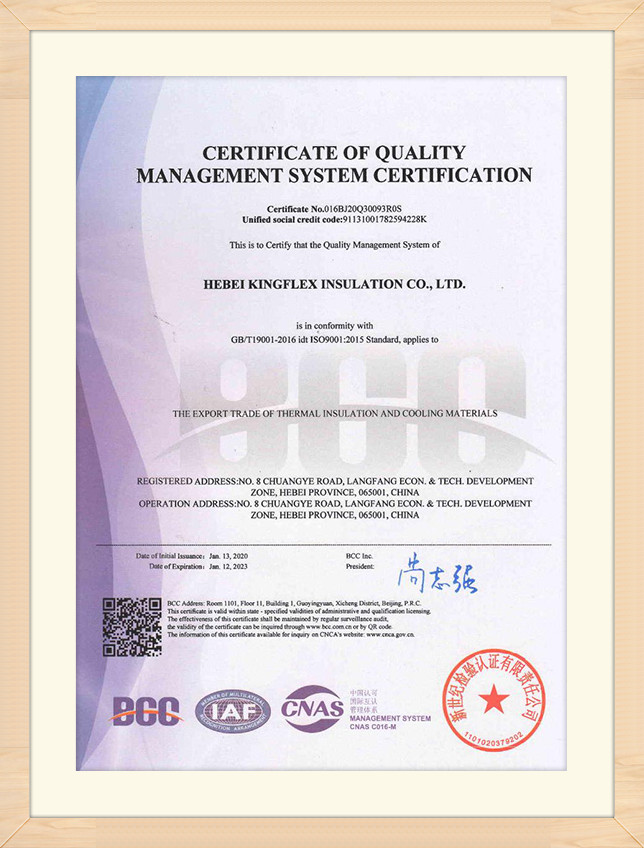
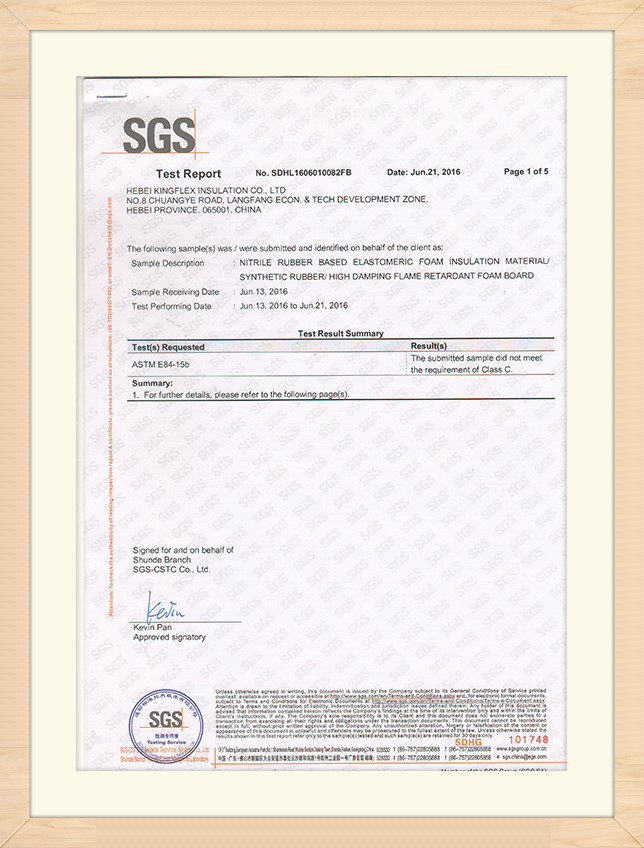
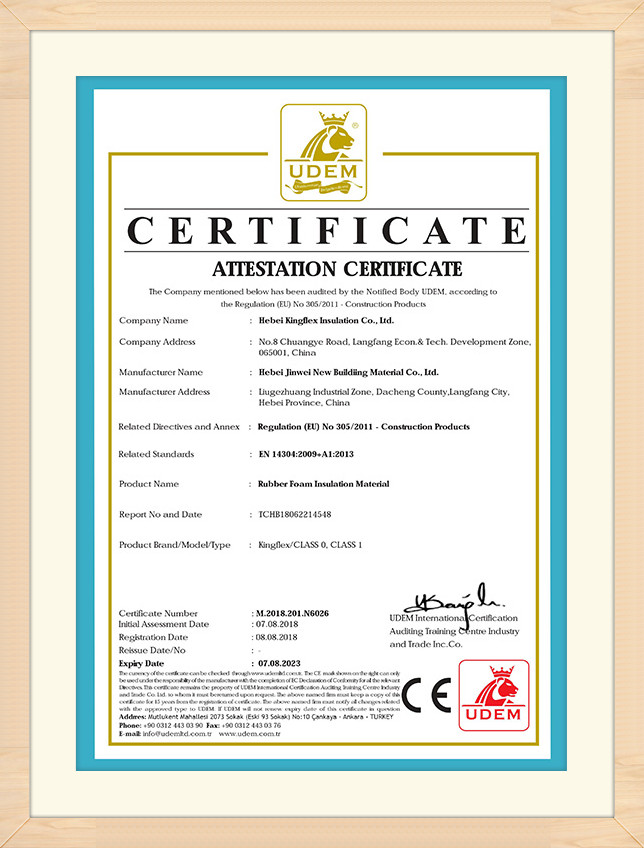
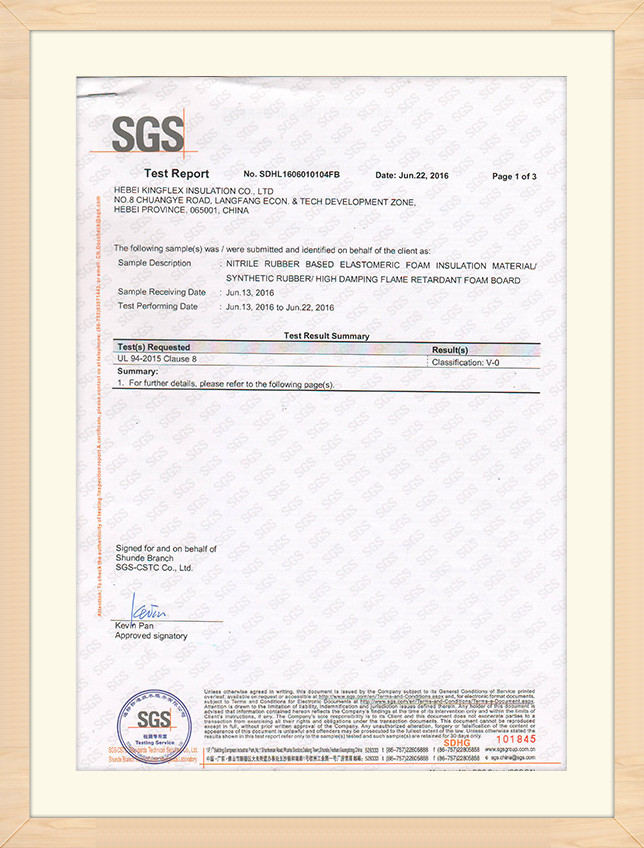
Customer feedback from over 66 countries reinforces our focus on product quality. Kingflex products feature full lot-number traceability, allowing engineering managers to trace installation metrics from the factory floor to the job site.
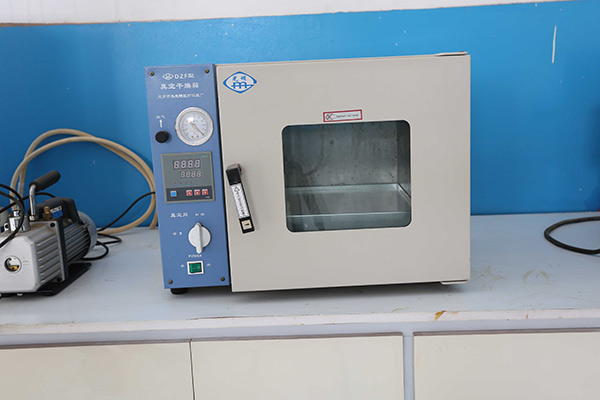
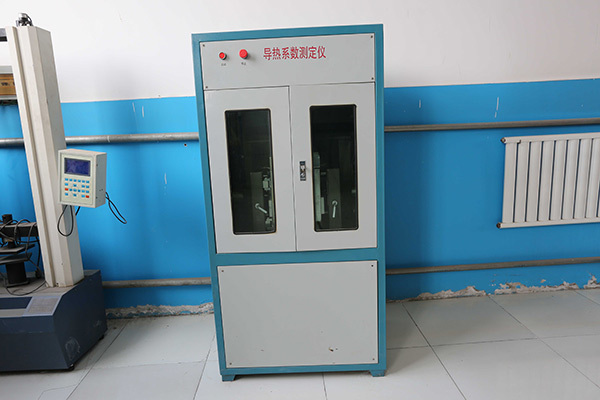

Choosing the correct density, thickness, and material type is necessary to maintain proper thermodynamic efficiency. Below are the design specifications for our flagship closed-cell lines.

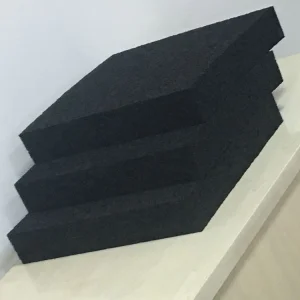
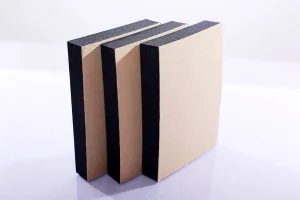
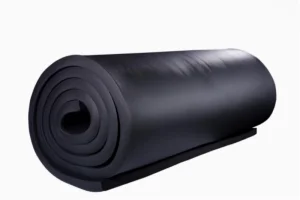
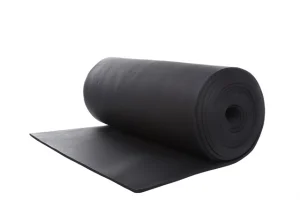
A highly flexible sheet insulation material designed for wrapping larger ducts, vessels, and complex industrial structures.
| Material Type | NBR/PVC Compound |
| Thickness | 6mm - 50mm |
| Core Density | 40 - 55 kg/m³ |
| Temperature Range | -40℃ to 105℃ |
| Application | HVAC ducts, large machinery rooms, wall sound barriers |
Note: The closed-cell structure (>98%) provides resistance to moisture vapor transmission, ensuring consistent thermal conductivity over long service periods.

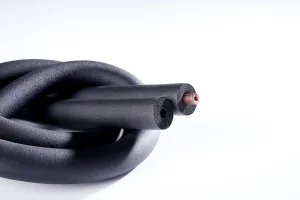
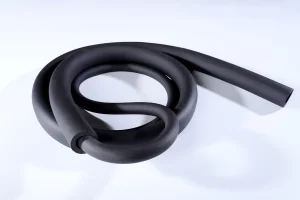
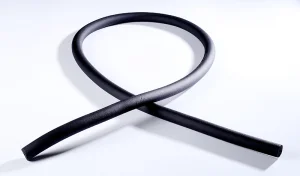
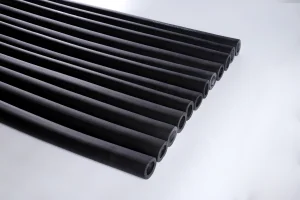
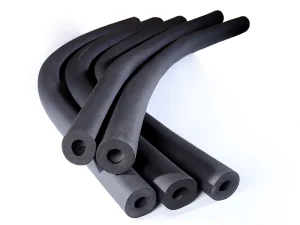
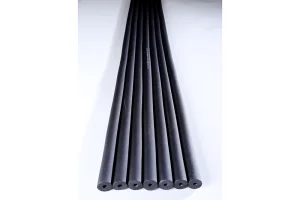
Pre-extruded closed-cell rubber sleeves designed for quick installation on plumbing, heating, and cooling pipe networks.
| Material Type | NBR/PVC Compound |
| Thickness | 9mm - 40mm |
| Inner Diameter (ID) | 6mm - 114mm |
| Temperature Range | -40℃ to 105℃ |
| Application | HVAC piping, plumbing lines, solar systems, industrial processing |
Note: Precision manufacturing ensures a snug fit over pipes, reducing the risk of air pockets where moisture could condense.
Our logistics and account management teams provide progress tracking and quality assurance checks for every shipment, maintaining supply chain transparency.

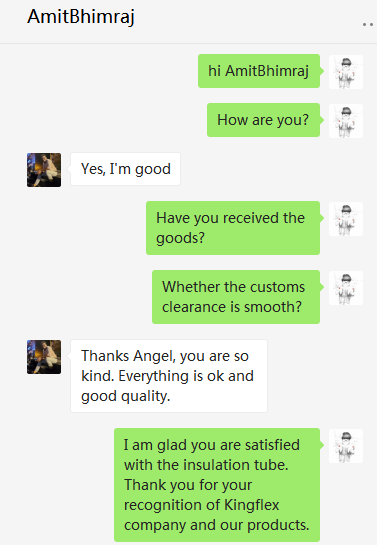


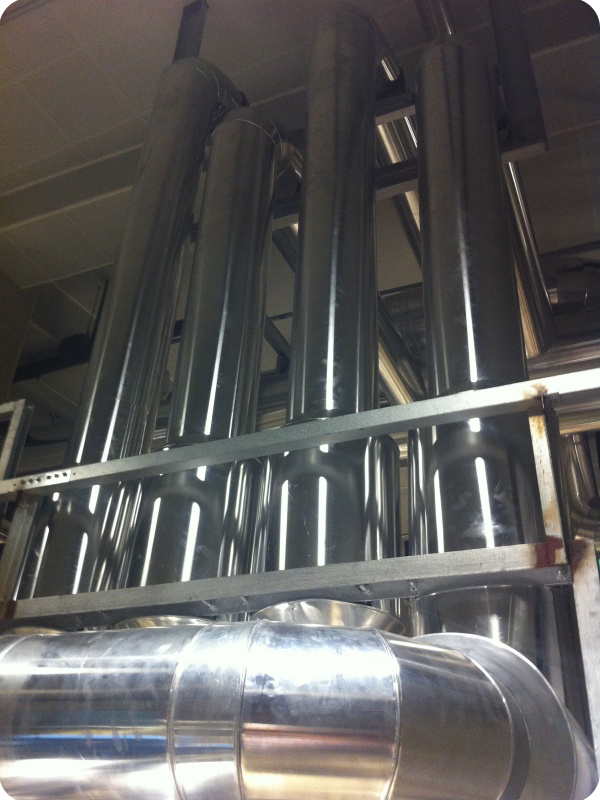
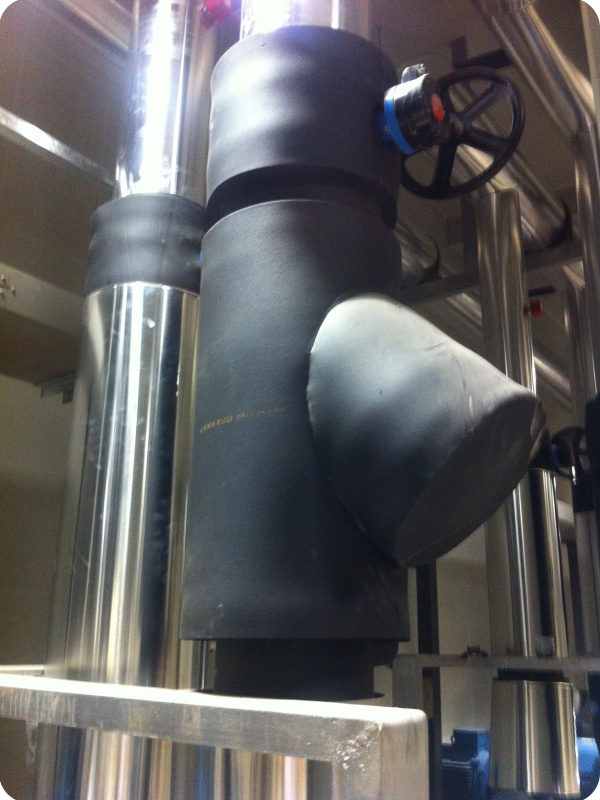
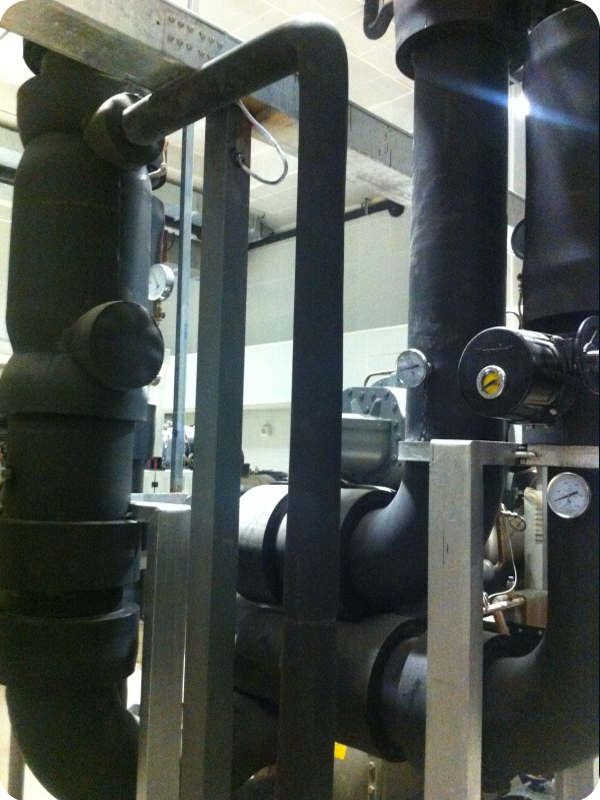
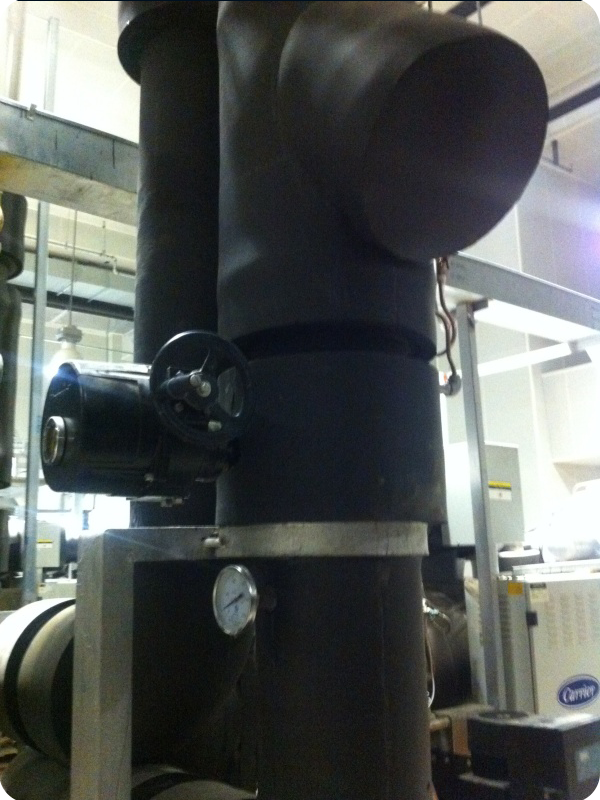
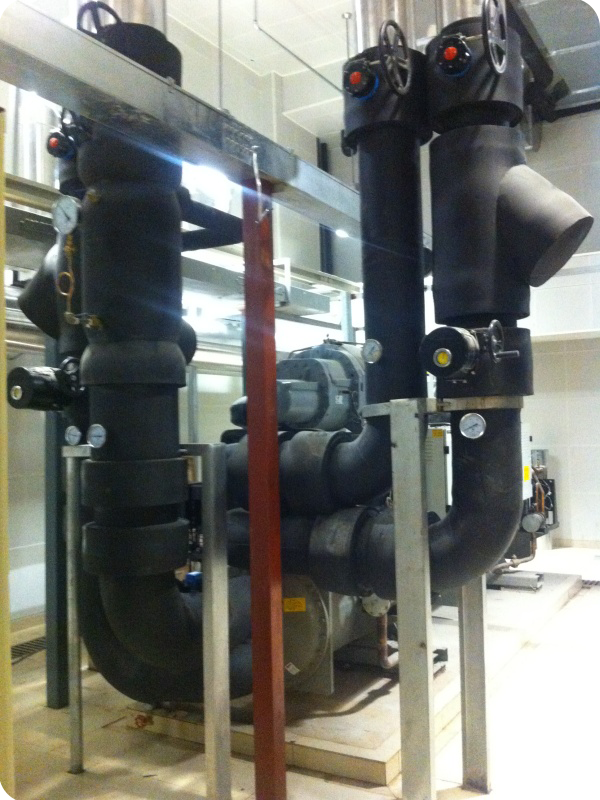
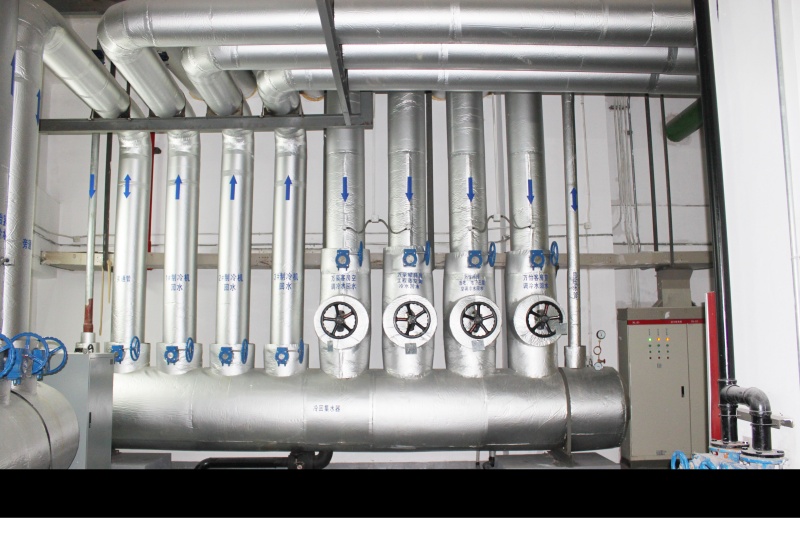
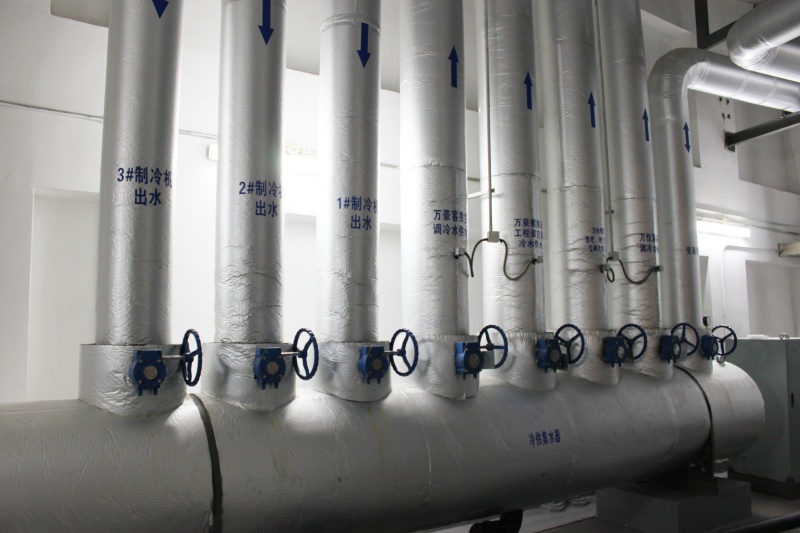
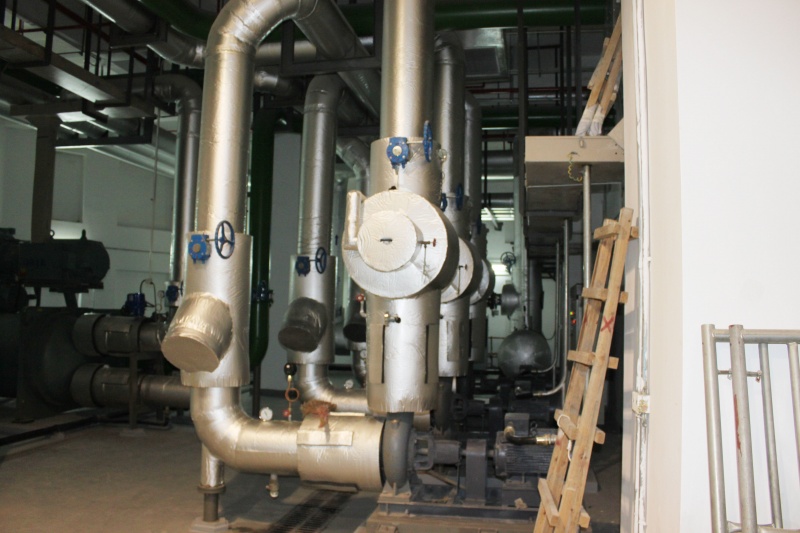
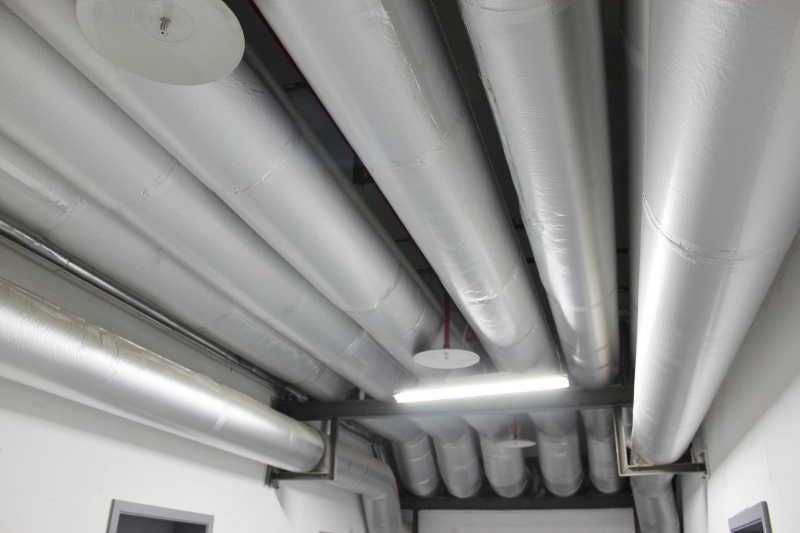
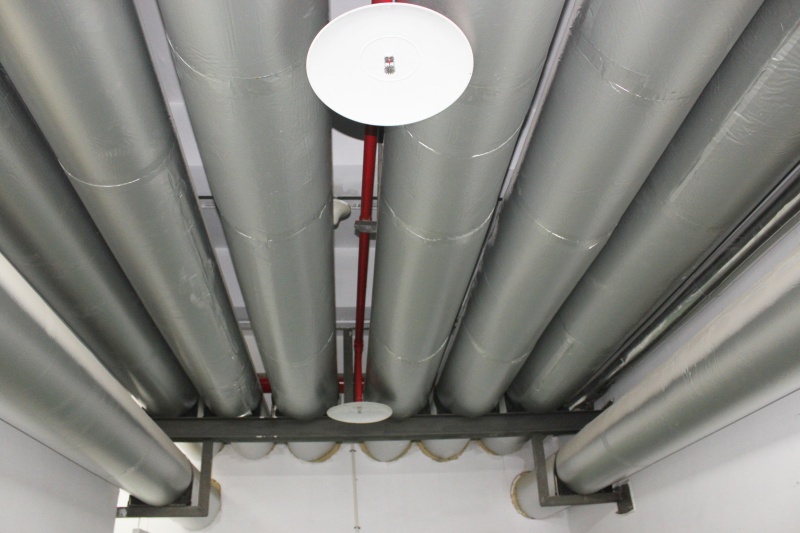
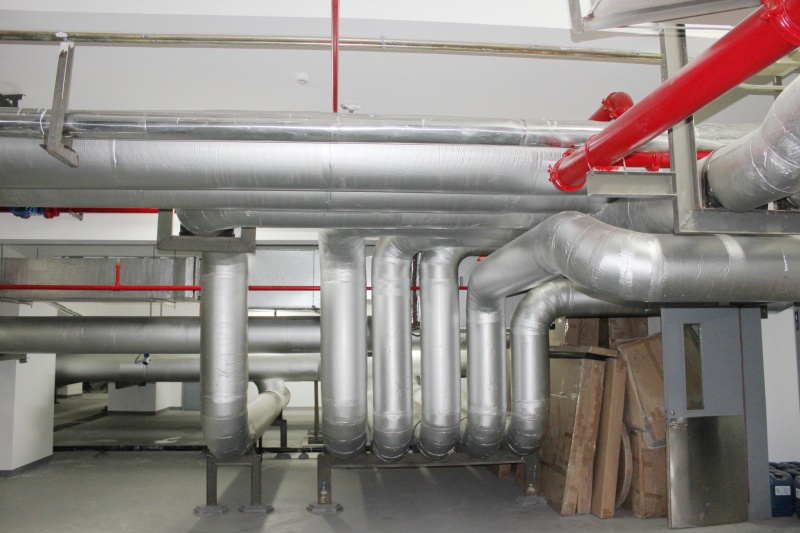
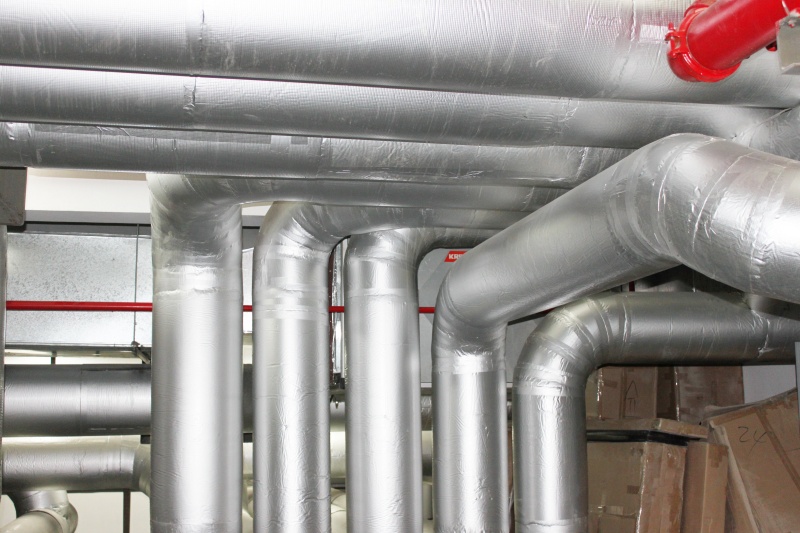
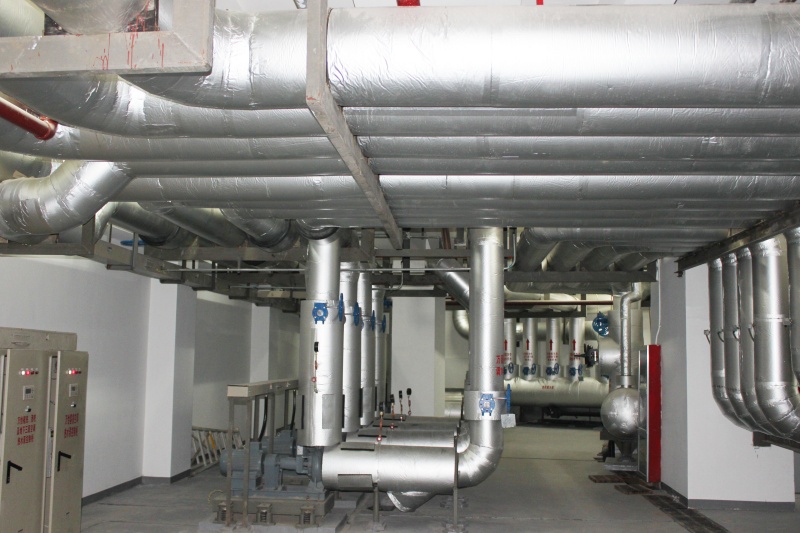
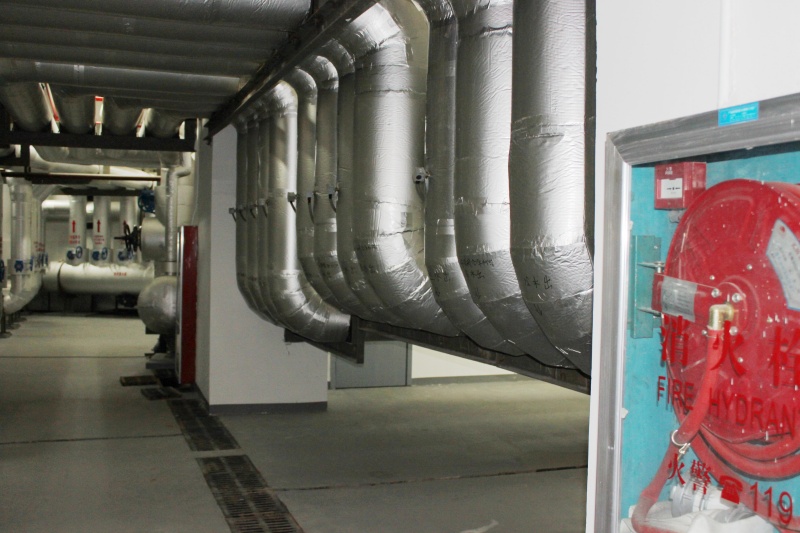
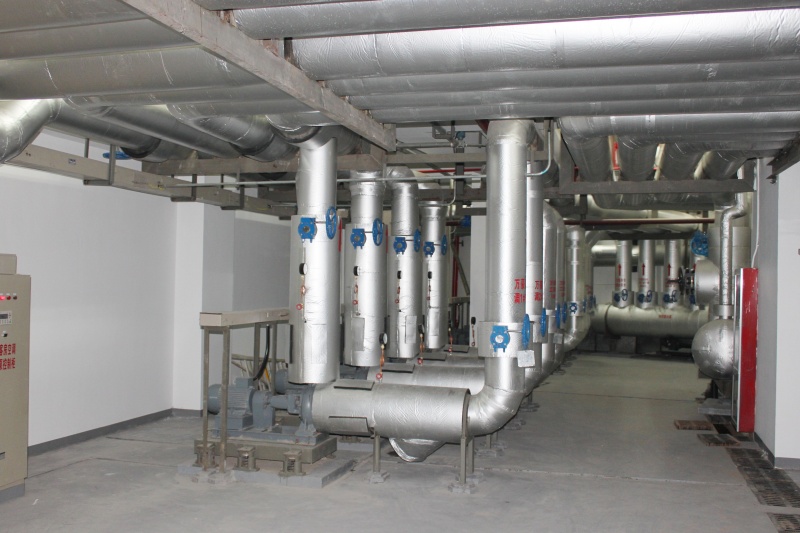
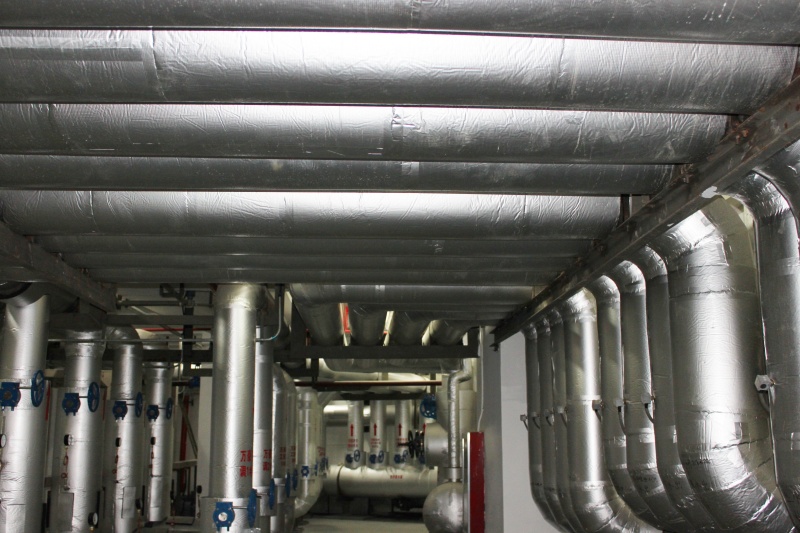
The following images illustrate real-world installations of Kingflex elastomeric closed-cell rubber foam materials on building ventilation, cooling pipe networks, and industrial steam piping systems.
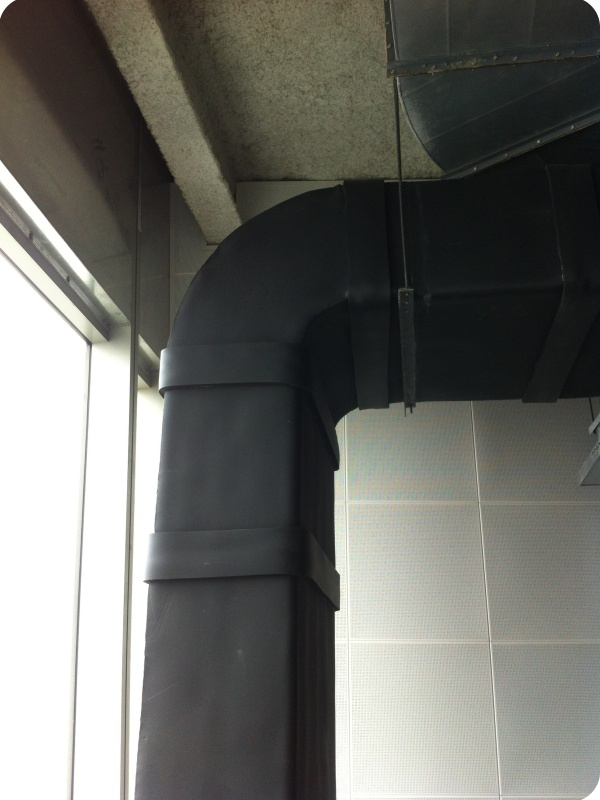
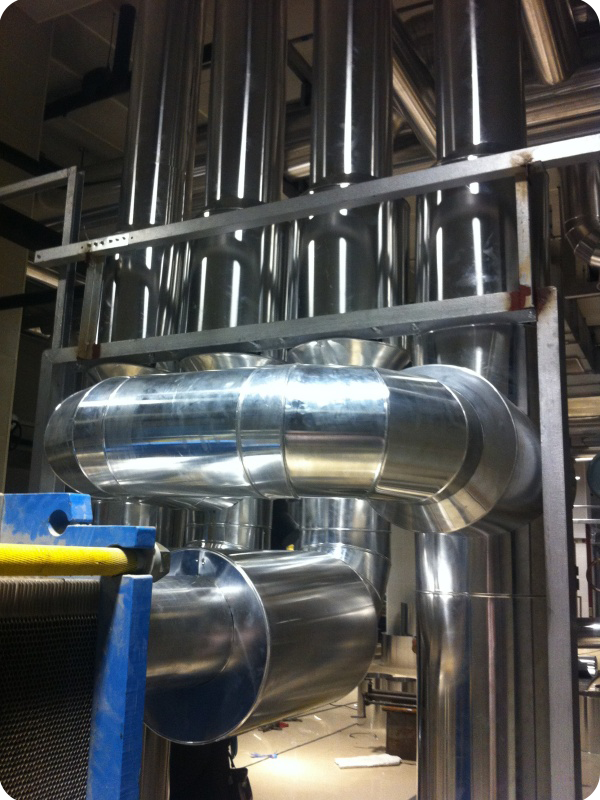
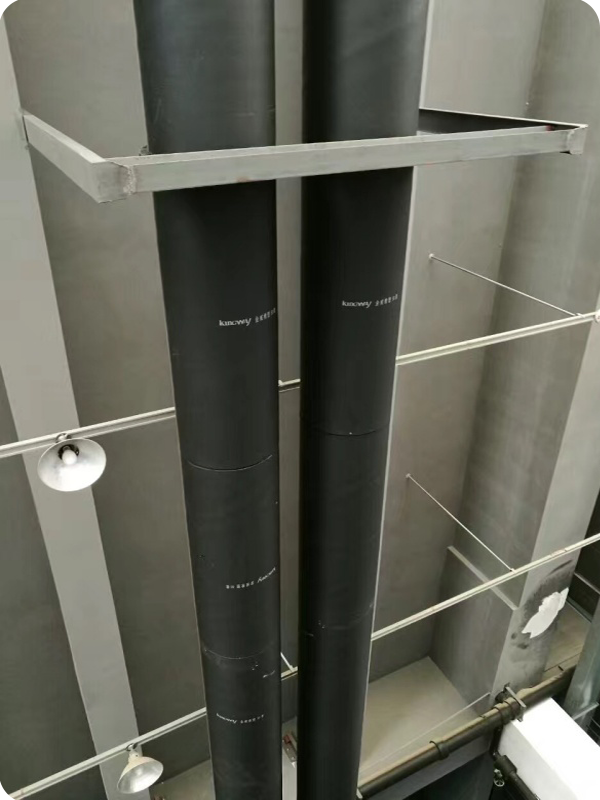

Review standard and project-specific questions regarding rubber foam installation, tool requirements, compliance certifications, and maintenance cycles.
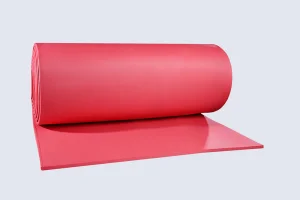
Select specialized thermal configurations, including colorful NBR sheets, sound-absorption panels, thick-walled insulation tubes, and cryogenic-grade components.