 Kingflex
Kingflex
Kingflex
Explore our high-performance thermal insulation systems designed for global distribution and critical industrial applications.
In modern industrial process engineering, HVAC operations, and cryogenic manufacturing, thermal energy management represents a primary cost driver. A professional Pipe Insulation Cost Calculator is not merely a tool for price estimating; it is an analytical instrument used to determine the critical balance point between capital expenditure (CAPEX) on insulation material installation and operational expenditure (OPEX) incurred due to heat loss or gain. By accurately calculating variables such as thermal conductivity (λ), surface emissivity, wind velocity, and ambient relative humidity, engineering teams can determine the optimal economic thickness of insulation required to prevent condensation, control process temperature deviations, and dramatically reduce greenhouse gas emissions.
"The primary objective of thermal insulation calculation models is to prevent surface condensation on cold pipelines and to keep process fluid temperatures within strict operating thresholds while maximizing long-term energy savings."
Under-insulating pipes results in constant energy leakage and exposes the system to condensation, which inevitably leads to Corrosion Under Insulation (CUI)—one of the most expensive degradation issues in industrial plant management. Conversely, over-insulating brings diminishing returns where the additional material cost fails to justify the marginal energy savings. By leveraging mathematical equations validated by standards like ASTM C680 or ISO 12241, calculators compute heat flux based on pipe diameter, process temperature range, and insulation characteristics. This allows procurement specialists and systems designers to draft precise project bills of materials (BOM) backed by verifiable thermal performance forecasts.
Solid technical capabilities and manufacturing scale drive high efficiency and lower cost for projects worldwide.
Backed by 8 professional R&D engineers continuously testing and refining rubber foam elasticity, moisture resistance factor (μ), and flame-retardant performance.
Fully compliant with BS 476, CE, REACH, RoHS, UL94, and ASTM standards. High traceability protocols ensure consistency for nuclear, marine, and commercial projects.
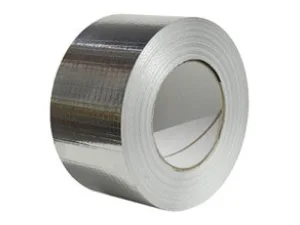
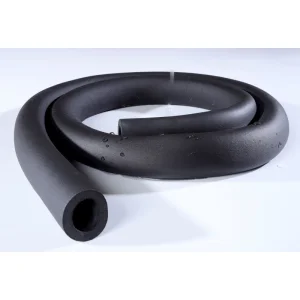
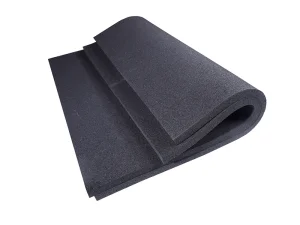
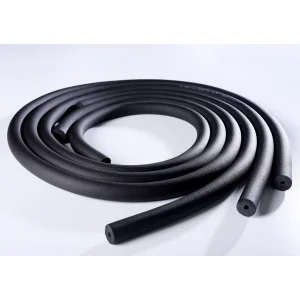
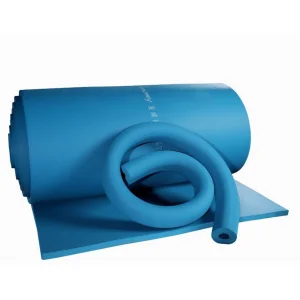
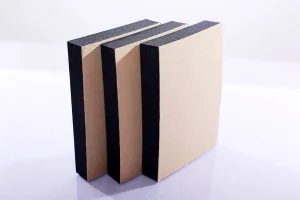
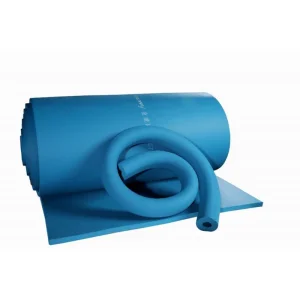
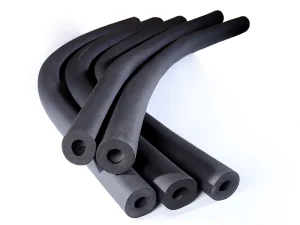
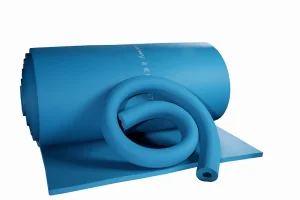
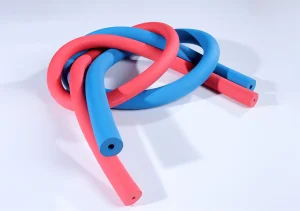
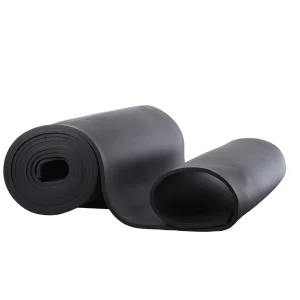
We supply complete systems including self-adhesive sheets, flexible tubes, vapor barrier foils, high-temperature adhesives, and custom-engineered cryogenic profiles.
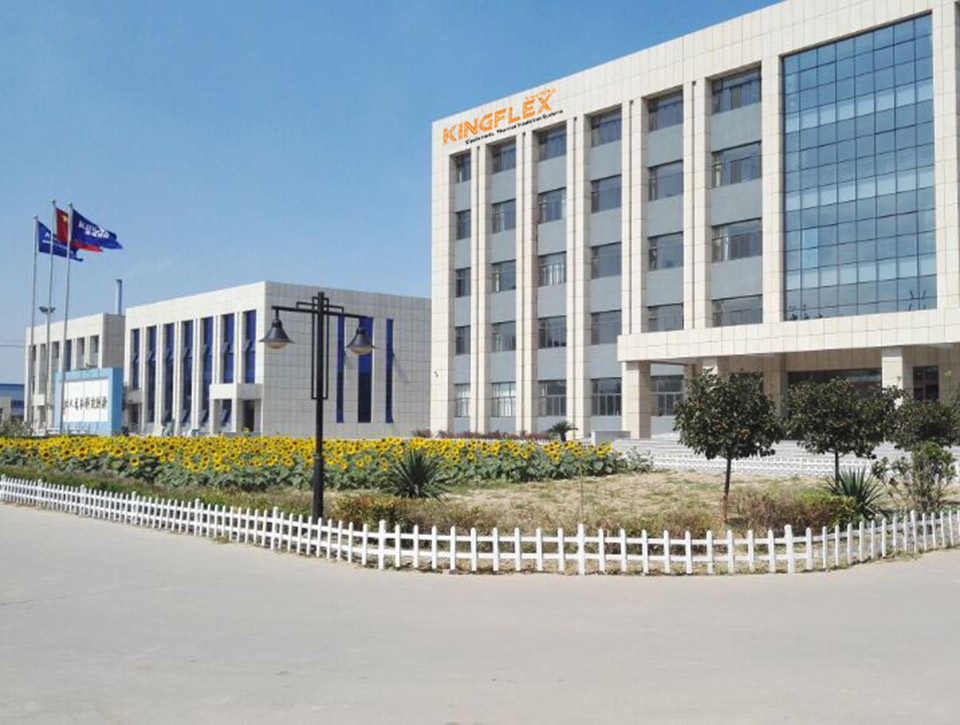
Kingflex Insulation Co., Ltd. is a professional manufacturing and trading combo for thermal insulation products. Kingflex's research development and production department is located in Dacheng, China, the well-known capital of green building materials. It is an energy-saving, environmentally friendly enterprise focusing on research and development, production, and sales.
In operation, Kingflex takes energy saving and consumption reduction as its core concept. We provide insulation solutions by means of consulting, research and development, production, installation guidance, and post-sale service to lead the development of the global building materials industry.
Kingflex was established by the Jinwei Group, which has more than a 40-year history. Established in 1979, Jinwei Group was the first manufacturer of thermal insulation materials north of the Yangtze River, creating a legacy of engineering trust and manufacturing reliability.
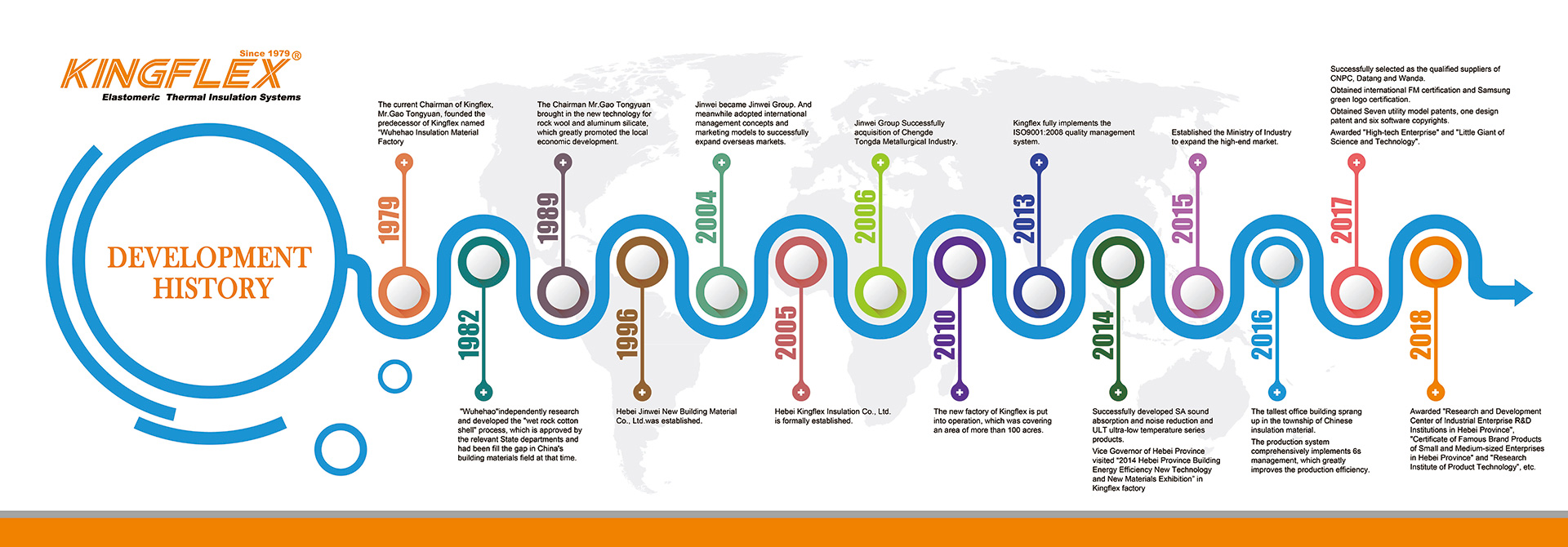
Industrial scale developed over four decades of thermal engineering expertise.
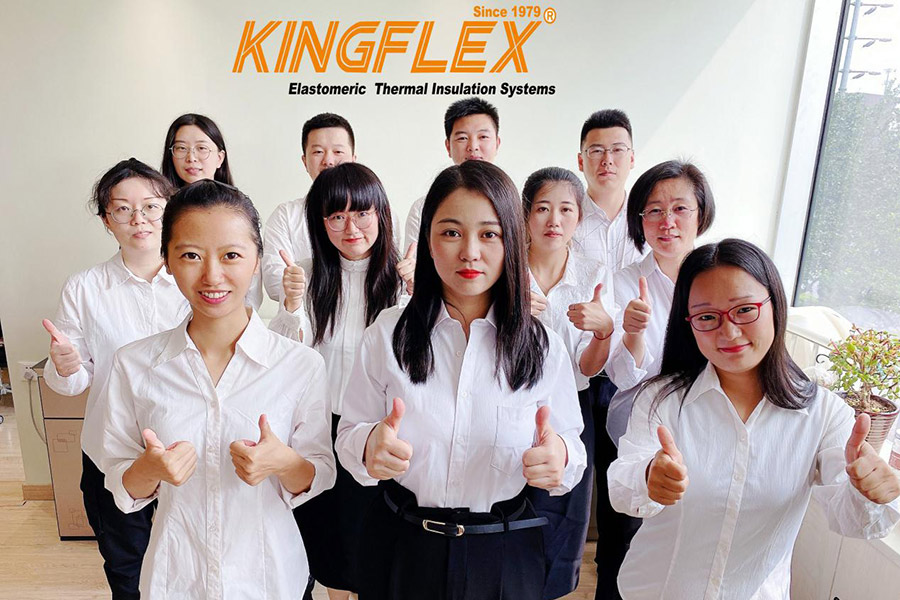
8 professional engineers in R&D alongside 230 skilled production employees.

Continuous foaming lines ensuring uniform closed-cell geometry across all batches.
Sourcing pipe insulation globally involves evaluating shipping logistics, material consistency, raw chemical prices, and production scale. Chinese industrial clusters, particularly Dacheng in Hebei Province, offer structural advantages that cannot be replicated elsewhere:
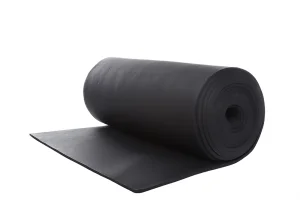
At ultra-low temperatures, such as in LNG transport piping or liquid nitrogen loops, standard insulation materials fail. Exposure to these extreme gradients causes thermal stress fractures and moisture ingress, leading to heavy ice build-up and structural failure. Kingflex's elastomeric insulation is formulated with density ranges from 40 to 55 kg/m³ and is designed to operate down to cryogenic limits. The flexible molecular structure absorbs thermal contraction without cracking, maintaining a reliable vapor barrier that keeps cold process systems dry and efficient.
Compare our standard product range to select the optimal materials for your installation parameters.
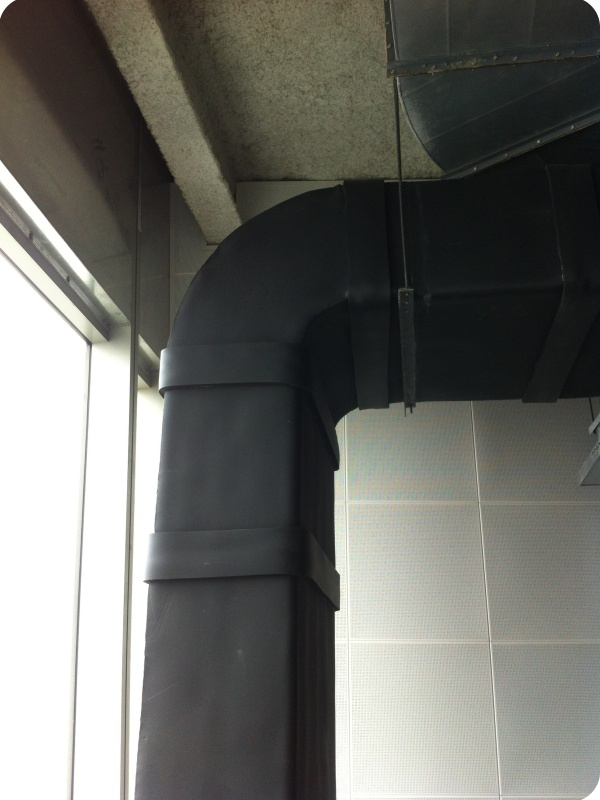
| Material Base | NBR / PVC Blend |
| Thickness Range | 6mm - 50mm |
| Density | 40 - 55 kg/m³ |
| Temperature Range | -40℃ to 105℃ |
Central air conditioning ductwork thermal insulation; wall, roof, and basement thermal & sound attenuation; industrial vessels and chemical process storage tanks; maritime bulkheads.
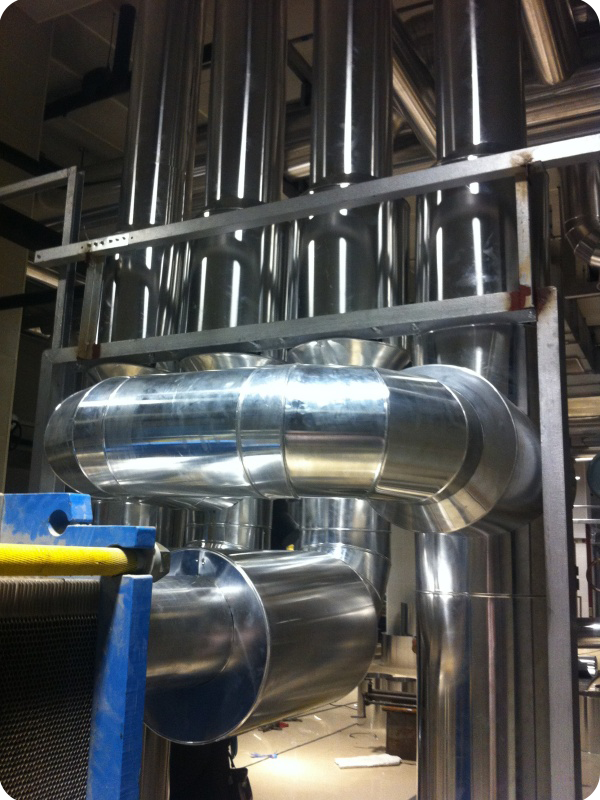
| Material Base | NBR / PVC Blend |
| Thickness Range | 9mm - 40mm |
| Inner Diameter (ID) | 6mm - 114mm |
| Density | 40 - 55 kg/m³ |
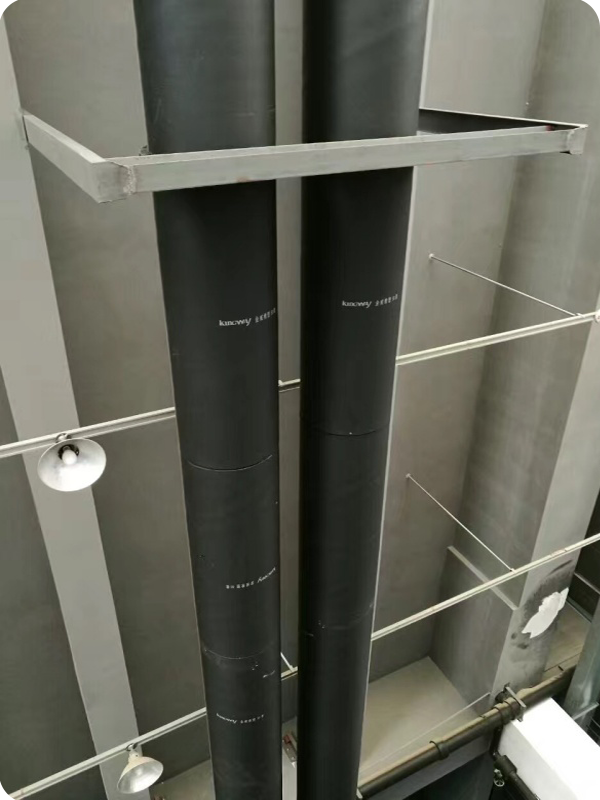
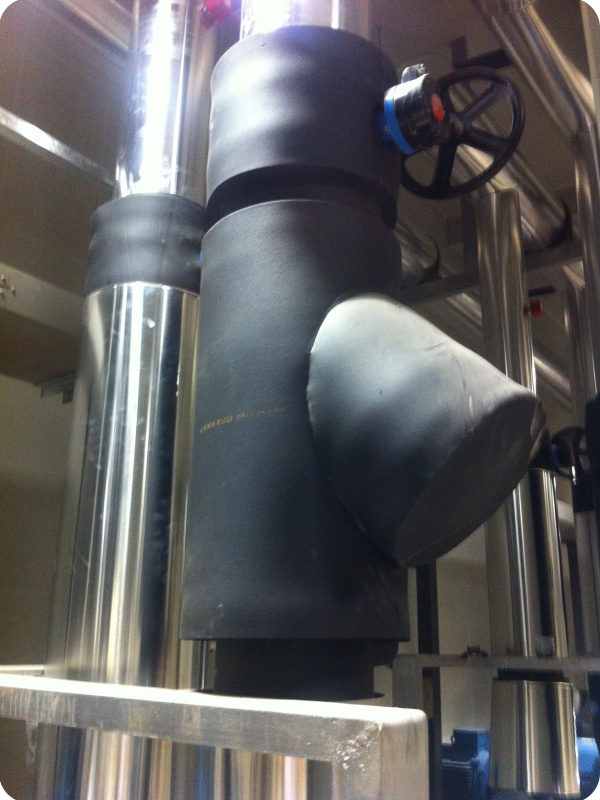
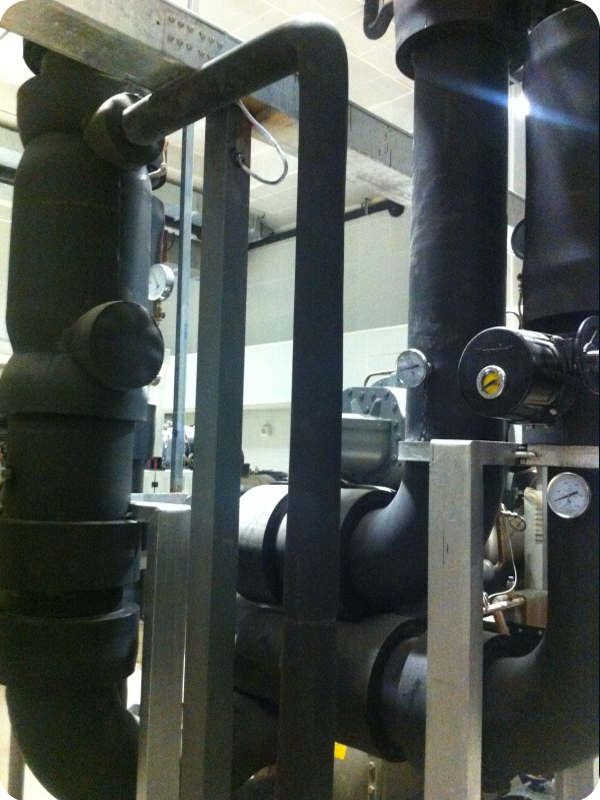
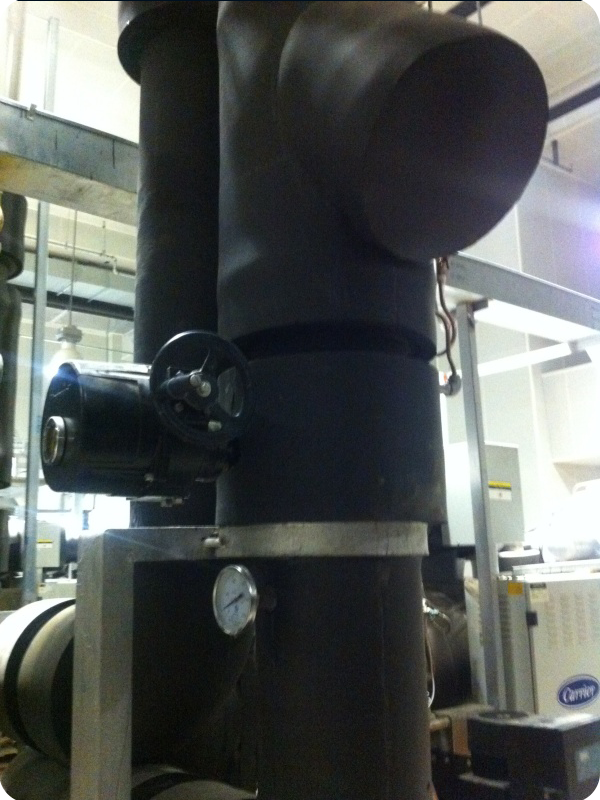
HVAC chilled water piping, domestic hot water system protection, solar water heating lines, high-pressure steam distribution pipes, and cold chain industrial transport refrigeration lines.
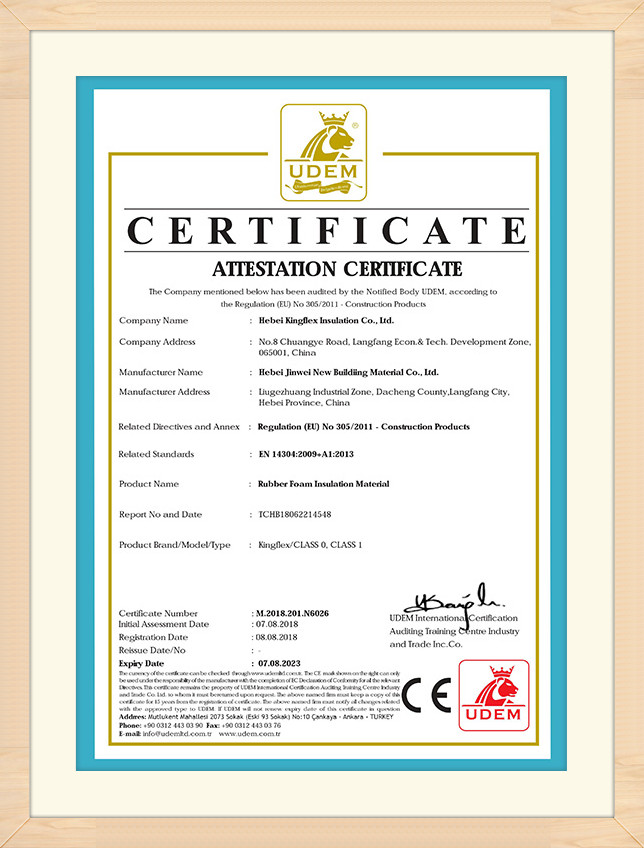
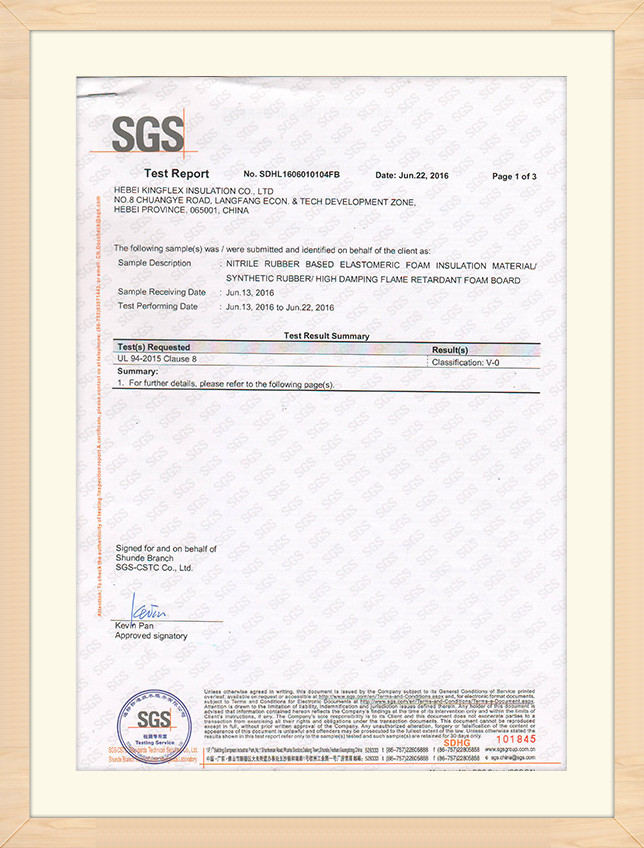
Authorized performance testing certificates guarantee compliance with international safety and ecological guidelines.
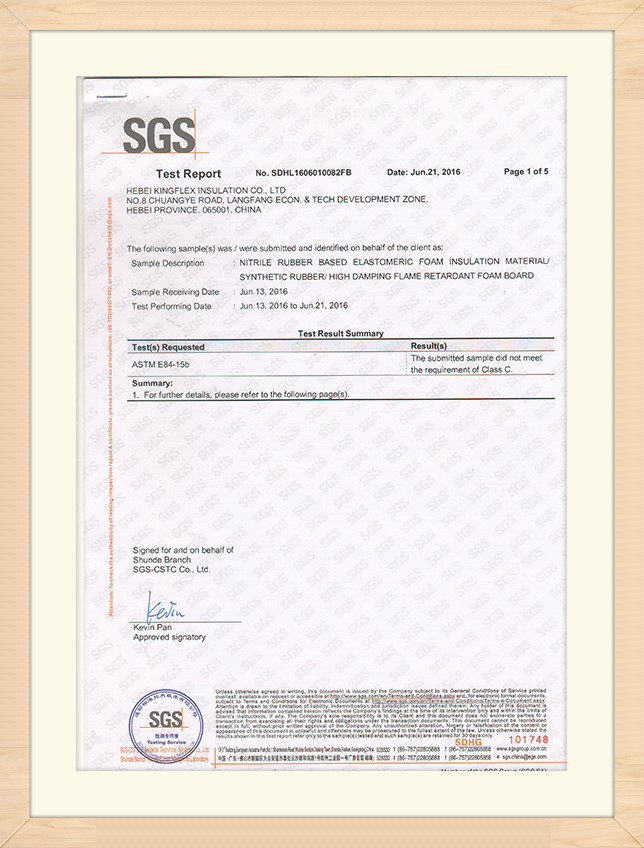
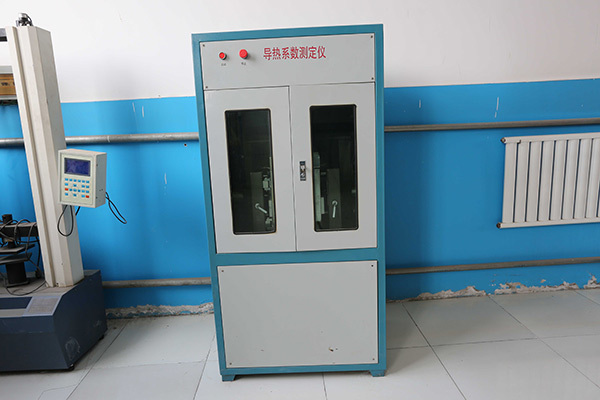
BS 476 Fire Class Testing
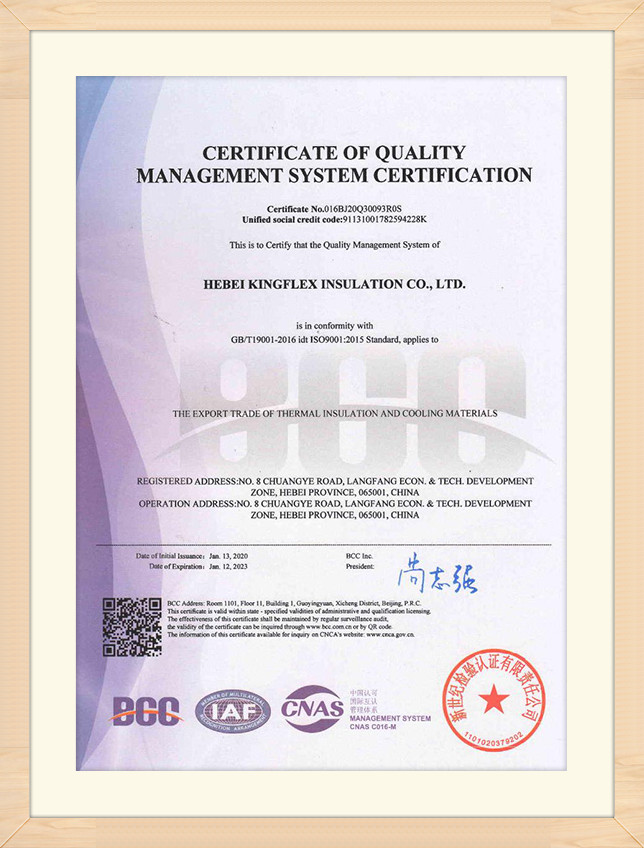
ISO 9001 System Compliance
CE / EN 14304 Certification

REACH & RoHS Compliance
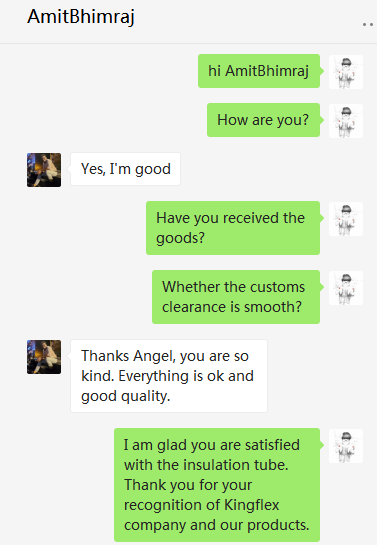
Verifying our quality standards through client communications and active on-site project feedback.




As governments globally implement stricter regulations on energy consumption, the role of mechanical insulation has transitioned from a basic safety requirement to a core component of sustainability plans. Up to 70% of energy usage in heavy manufacturing, oil refining, and district HVAC networks goes toward heat transfer. Poorly insulated fittings, valves, flanges, and piping networks act as energy sinks, constantly losing heat to the surrounding environment.
By using an advanced Pipe Insulation Cost Calculator, engineers can model the exact reduction in CO₂ equivalent emissions that will result from increasing insulation thickness by specific steps (e.g., from 25mm to 50mm). These calculations allow companies to quantify environmental benefits, helping them qualify for energy-efficiency grants, carbon credits, and green building designations like LEED or BREEAM.
Determining the right insulation requires assessing several factors: the temperature of the fluid inside the pipe, ambient air temperature, relative humidity, pipe material, and wind speed for outdoor systems. For cold water pipes, calculating the dew point of the surrounding air is critical. If the surface temperature of the pipe falls below the dew point, condensation will form, leading to mold growth, water damage, and accelerated corrosion (CUI). The calculator determines the minimum thickness needed to keep the outer surface temperature above the dew point, preventing these issues.
Our thermal insulation systems are deployed across commercial developments, district cooling networks, and petrochemical complexes.
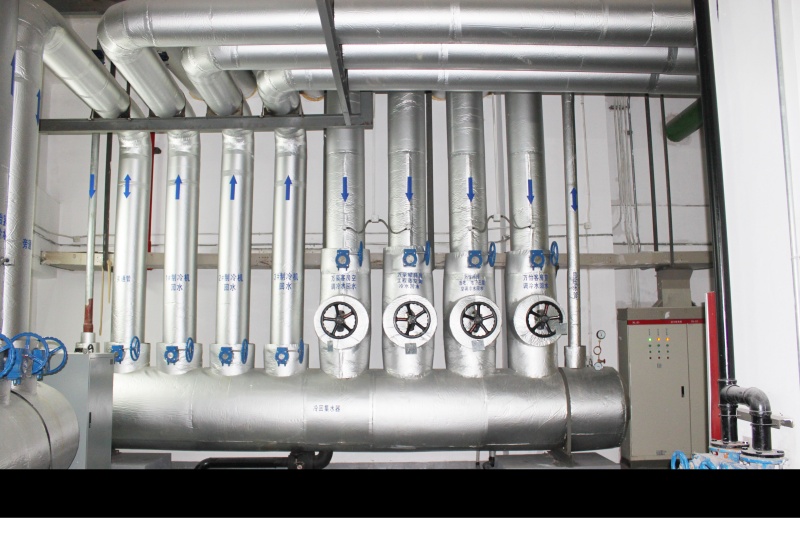
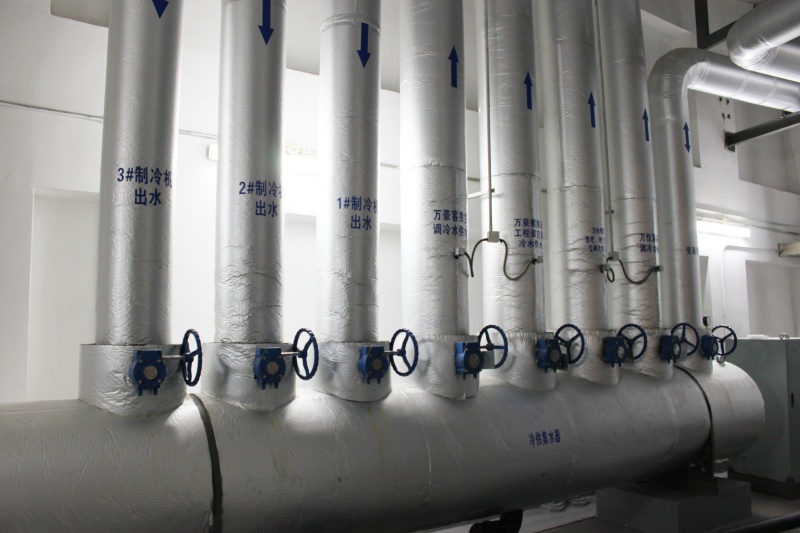

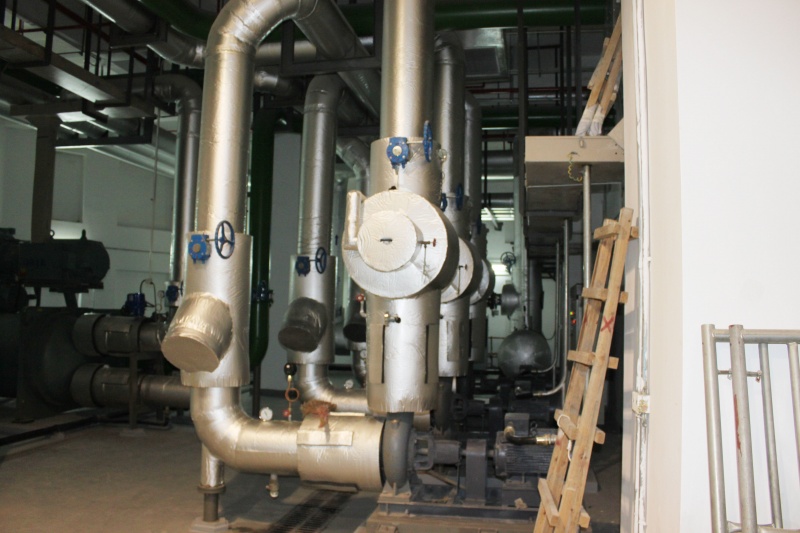
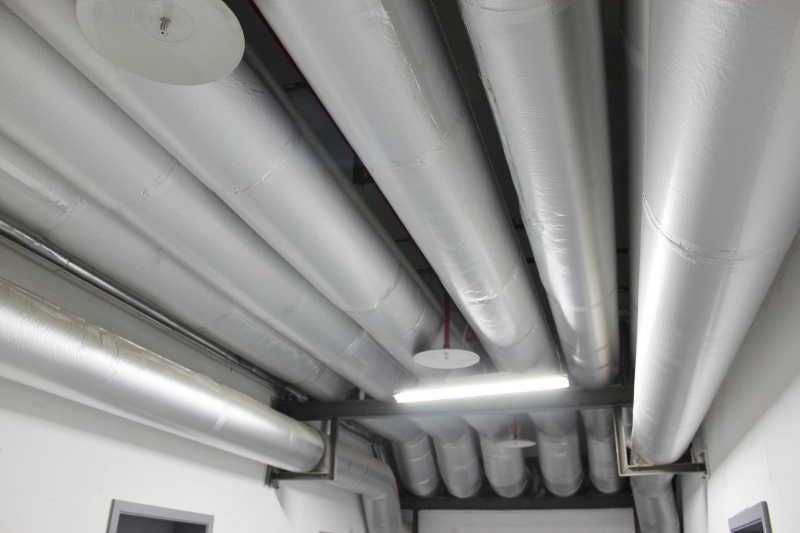
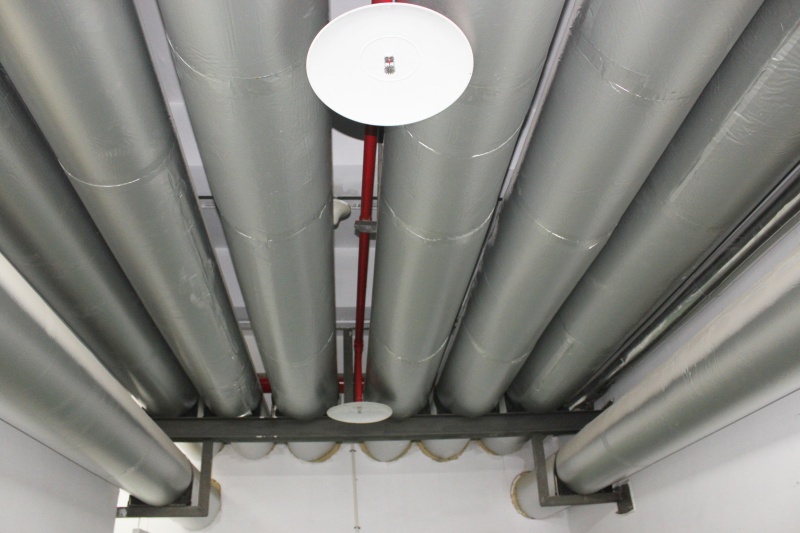
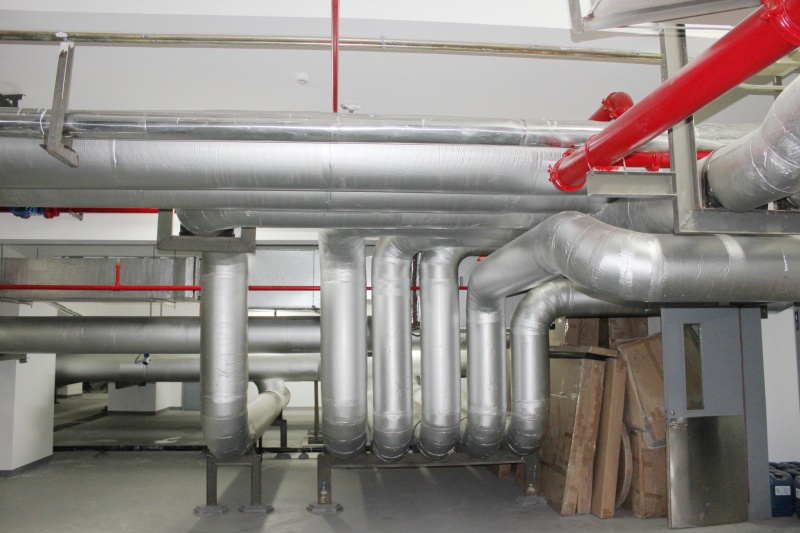
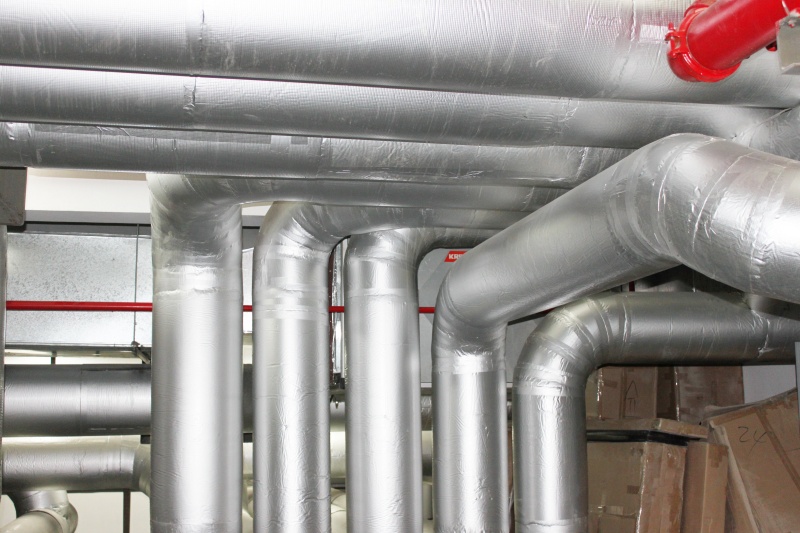
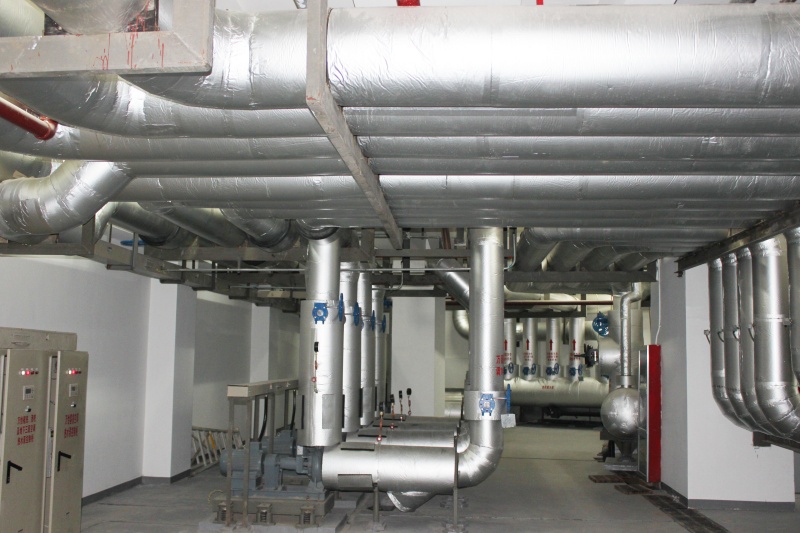
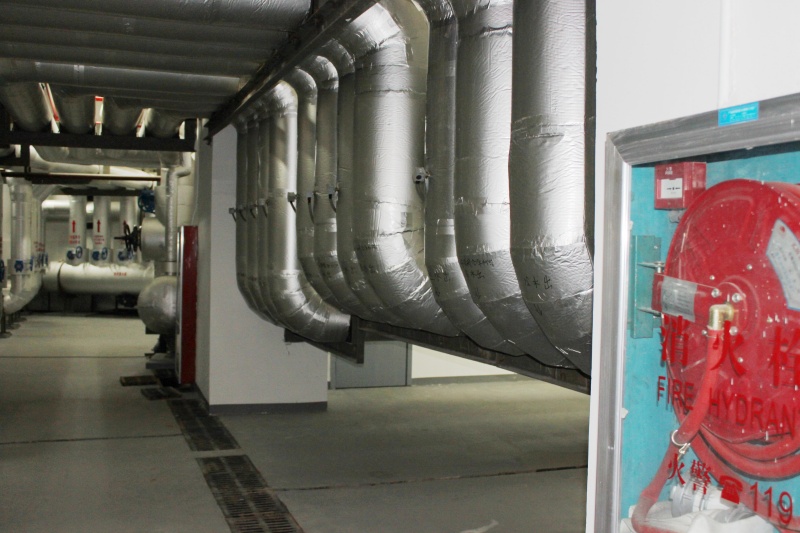
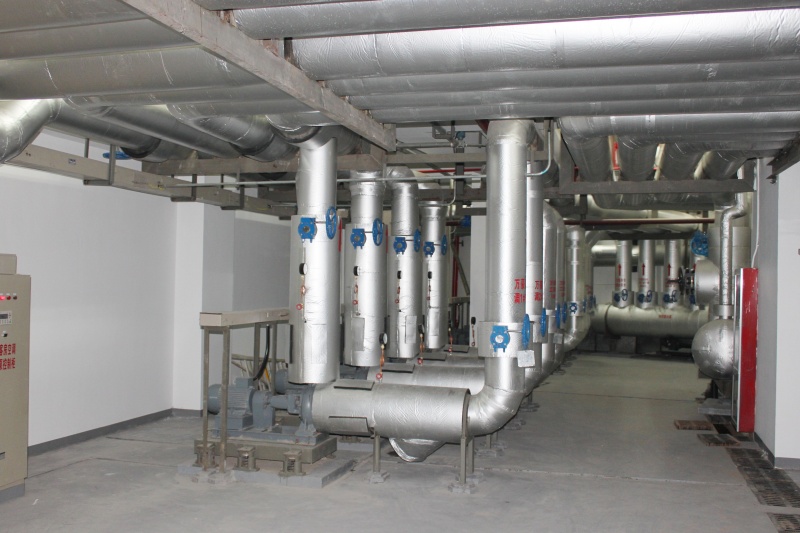
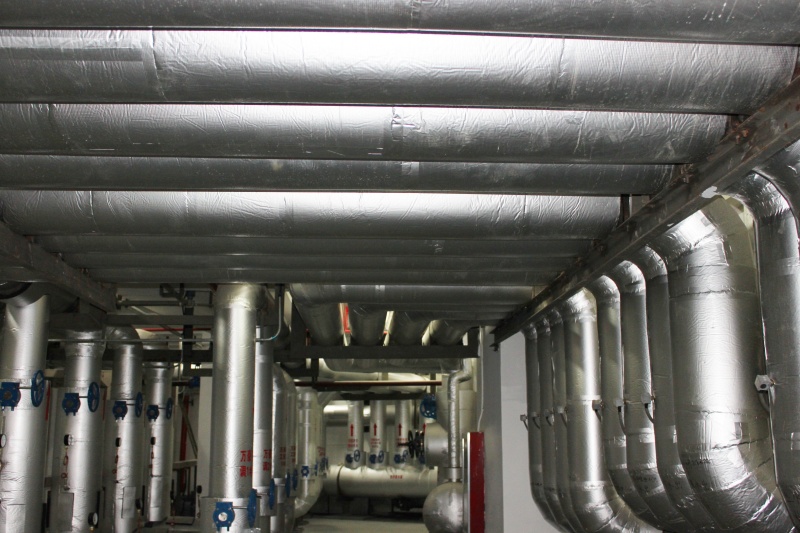
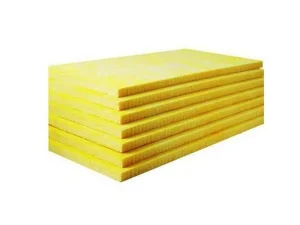
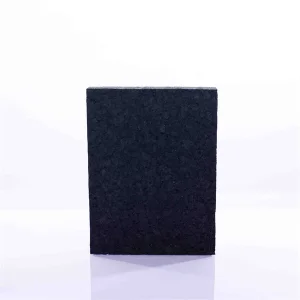
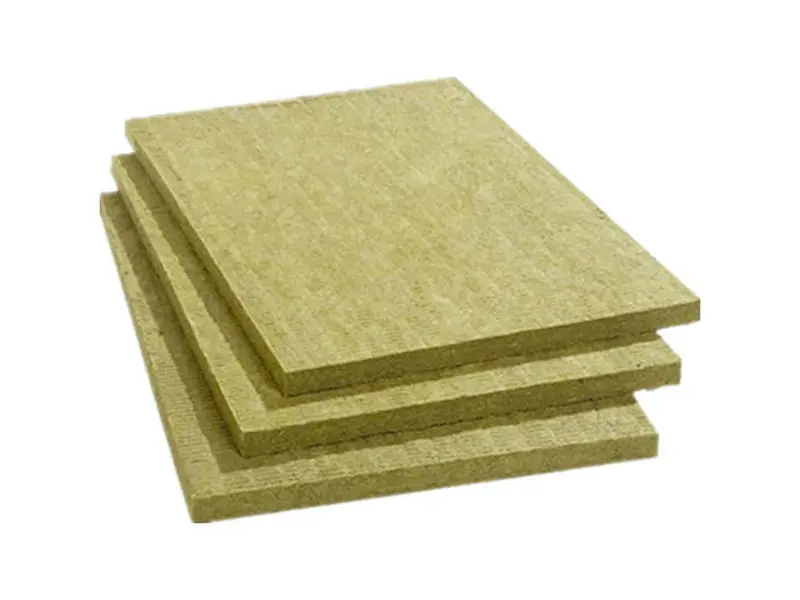
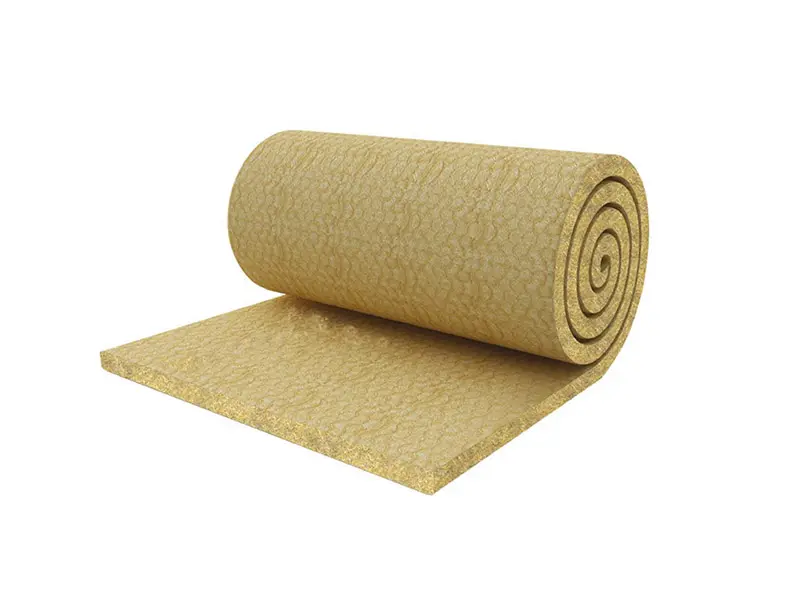
Our product lines include custom-extruded pipe profiles, flame-retardant industrial insulation boards, and high-performance rock wool systems.

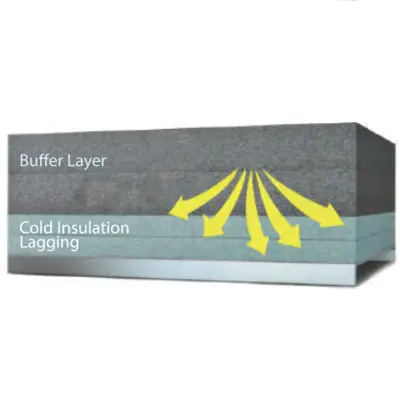
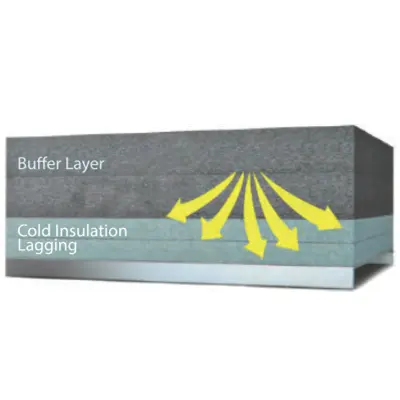
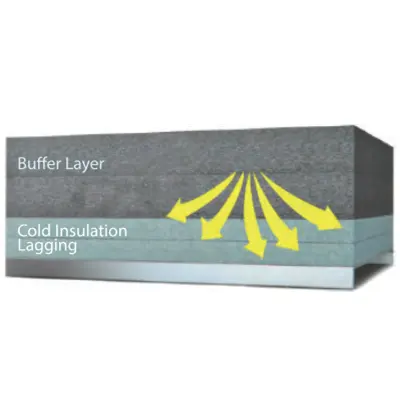
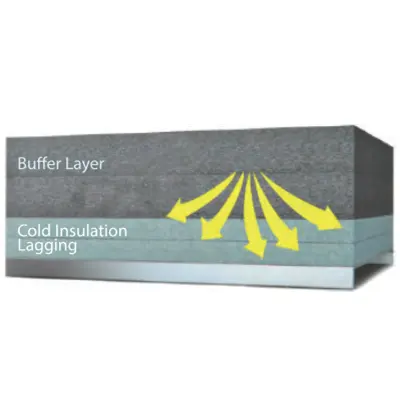
For cold pipe systems, vapor barrier performance is critical. Water vapor molecules are highly dynamic and will seek to move from warmer outdoor air toward the cold pipe surface. If the insulation material allows vapor penetration, water will condense within the insulation structure, reducing its thermal performance. Wet insulation loses its ability to resist heat transfer, accelerating structural deterioration and rust on the pipe surface.
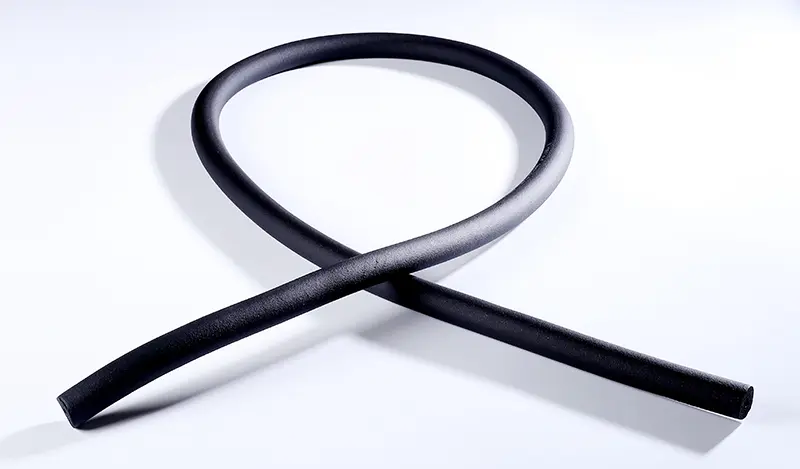
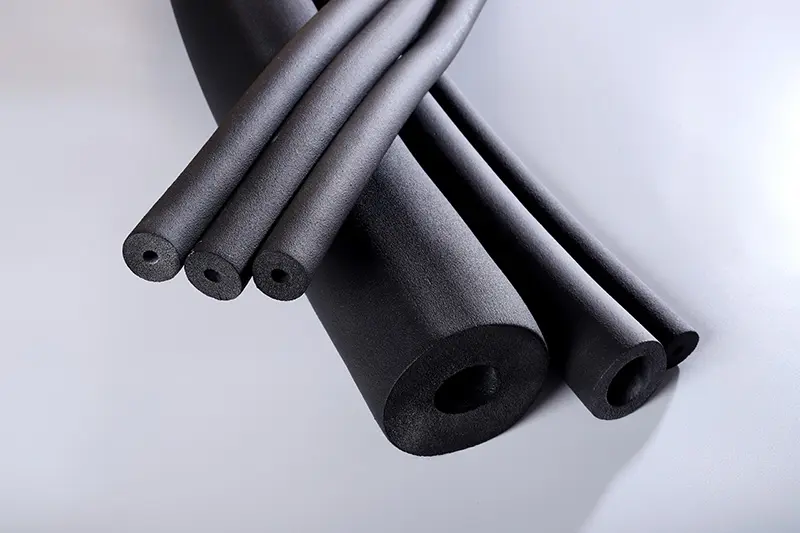
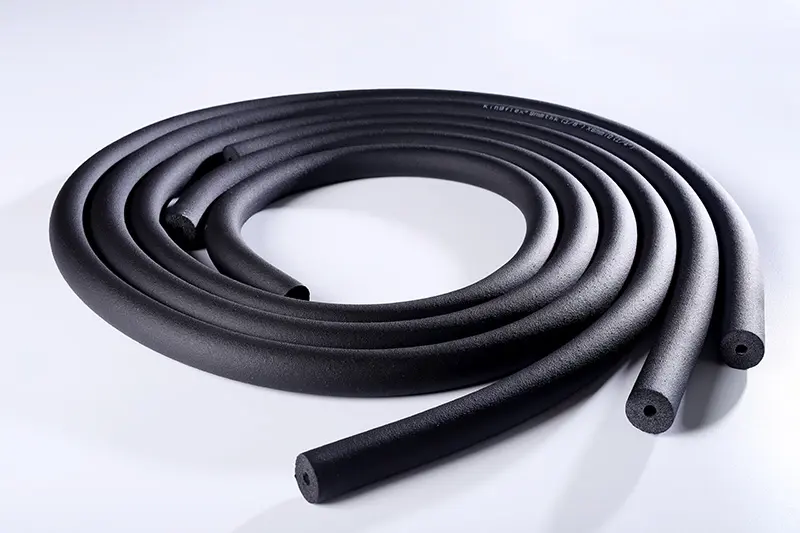
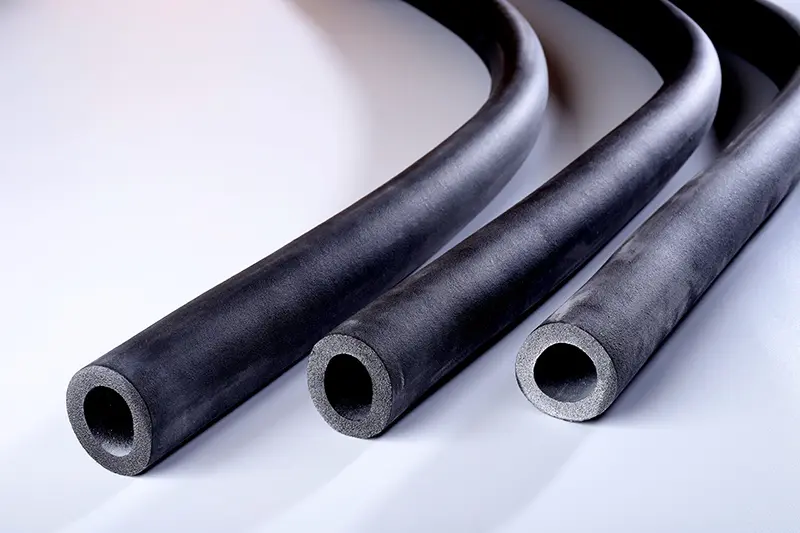
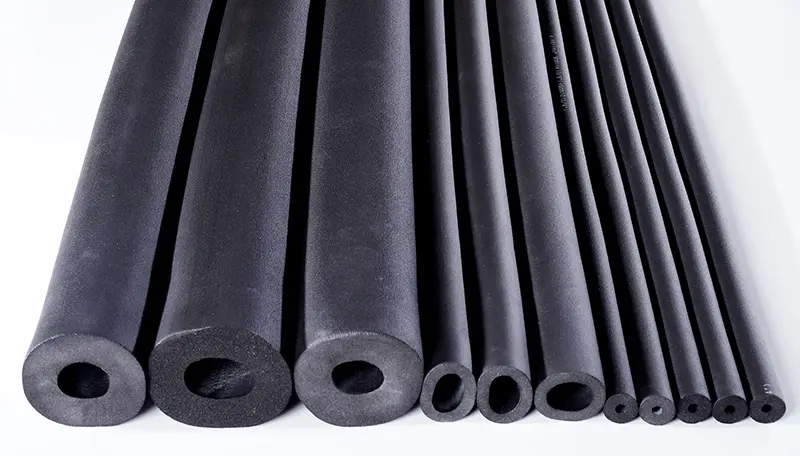
Kingflex elastomeric foam insulation features a closed-cell structural matrix that functions as a continuous vapor barrier throughout the material's thickness. Unlike open-cell products that require a separate outer vapor barrier foil, our closed-cell structure prevents vapor transmission directly, ensuring reliable thermal conductivity and system protection over its service life.








Technical clarifications on elastomeric thermal systems and purchasing processes.
Our catalog covers domestic plumbing, commercial HVAC, and heavy industrial plant installations.