 Kingflex
Kingflex
Kingflex
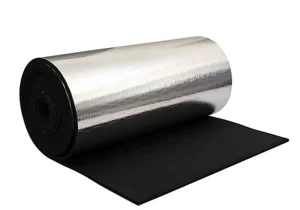
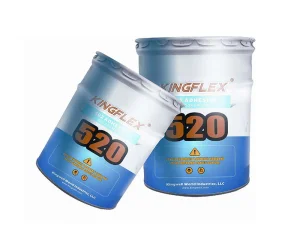
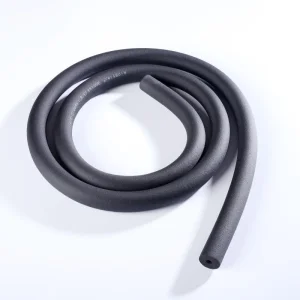
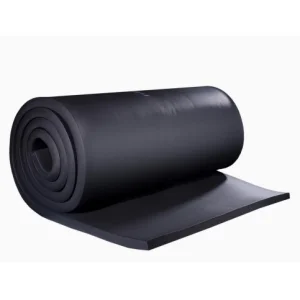
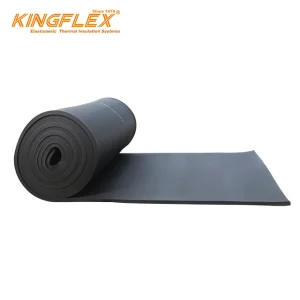
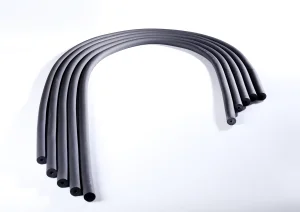
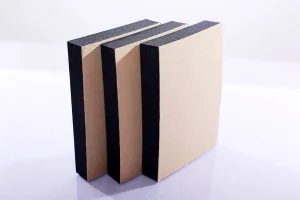
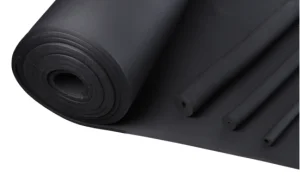
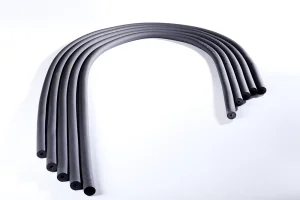
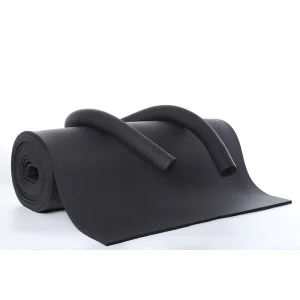
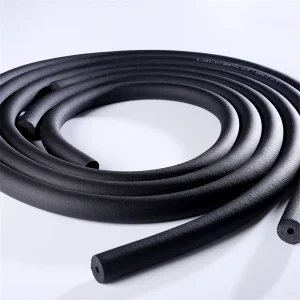
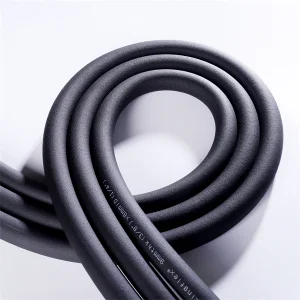
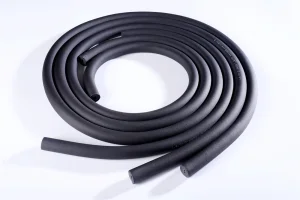
Explore our core thermal insulation tubes, sheet rolls, and specialized chemical accessories engineered for modern AC copper pipe configurations.
Selecting top-tier wholesale air conditioner copper pipe insulation is critical for HVAC engineering integrity. In refrigeration systems, air conditioner copper pipes must operate under extreme temperature differentials. Warm, ambient moisture contacting uninsulated chilled copper lines immediately condenses. This causes mold, structural damage to building walls, and galvanic oxidation. High-quality closed-cell rubber foam insulation, manufactured under strict international standards, creates a complete thermal barrier. This ensures long-term operational efficiency and prevents energy loss.
This comprehensive whitepaper explores the critical engineering specifications, global manufacturing advantages, testing standards, and thermal properties that procurement directors and mechanical engineers must analyze when sourcing HVAC lineset insulation systems.
China's green building material capitals, such as Dacheng, possess massive economies of scale. Organizations like Kingflex Insulation Co., Ltd. operate 5 large automatic assembly lines, delivering an annual capacity exceeding 600,000 cubic meters. This scale ensures stable lead times for global massive-scale developments.
Leading Chinese plants integrate R&D to optimize the elastomer molecular matrix. By utilizing custom NBR/PVC blends, factories achieve homogeneous, micro-cellular structures. This optimization achieves high moisture resistance (μ-factor ≥ 10,000) and extremely low thermal conductivity (λ ≤ 0.034 W/(m·K)).
Export-grade manufacturers strictly adhere to international code benchmarks. Top-tier factories maintain compliance with BS 476 Part 7 Class 1, CE, REACH, RoHS, UL94, and ASTM C534 standards, ensuring seamless project acceptance by global building inspection authorities.
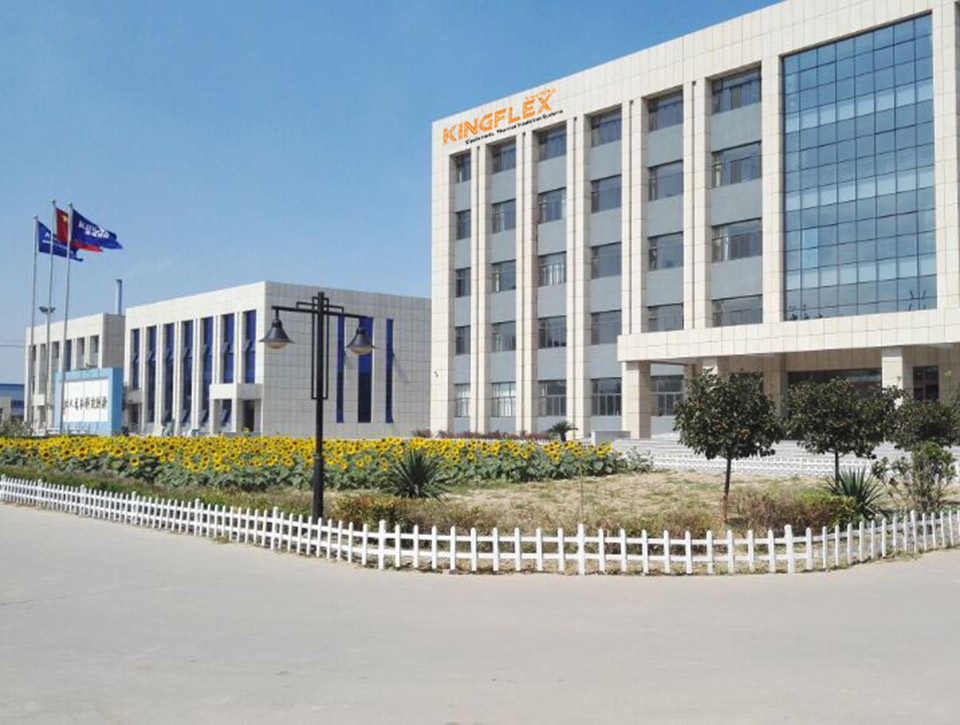
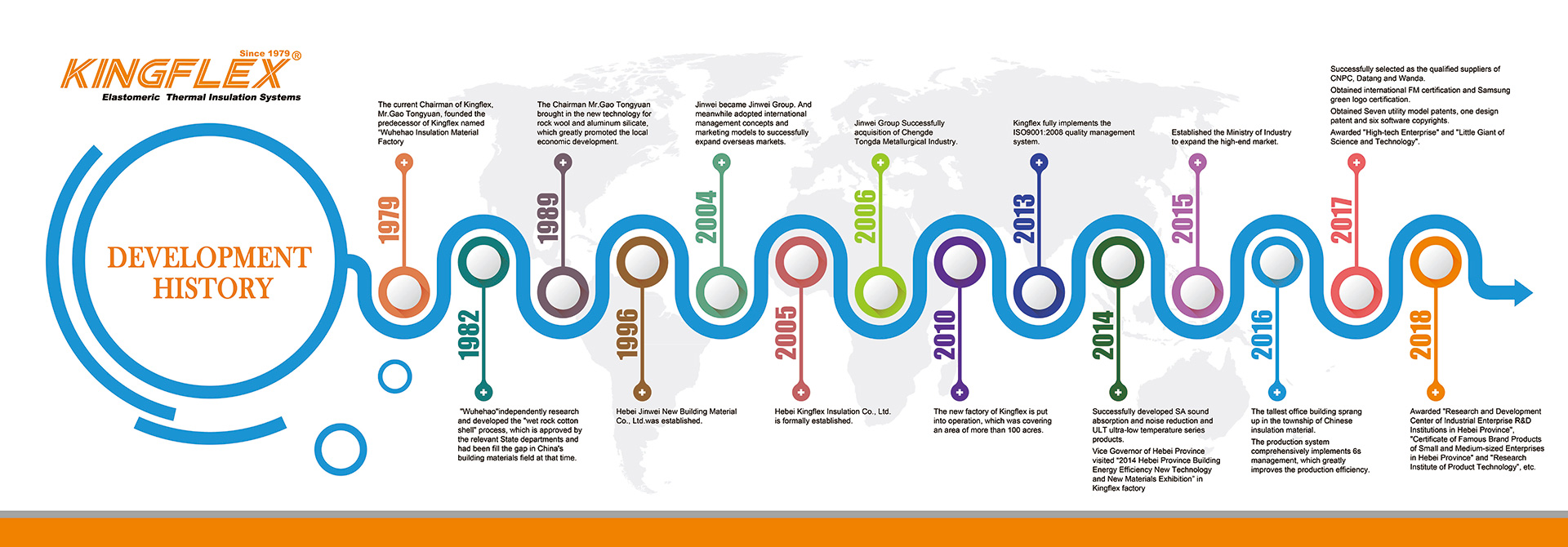
Established by the Jinwei Group (now boasting more than 40 years of industrial legacy since its inception in 1979), Kingflex was the first thermal insulation manufacturer north of the Yangtze River.
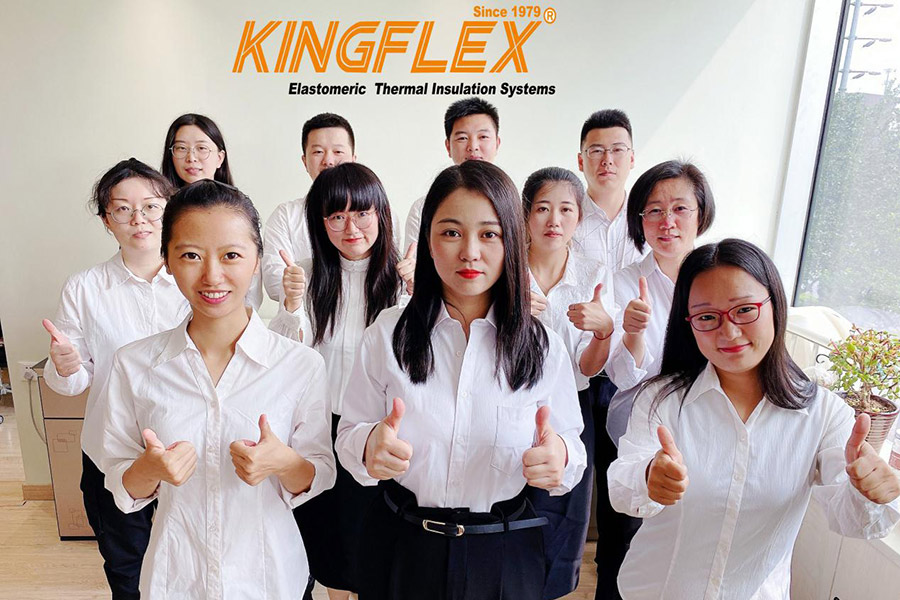
Today, Kingflex operates as a professional manufacturing and trading combo, concentrated on the research, development, and sales of energy-saving, environmentally friendly insulation systems. With 8 professional engineers in the R&D department, 6 international sales specialists, and 230 skilled production technicians, we provide end-to-end consulting, installation guidance, and post-sale support globally.
The performance of HVAC copper tube insulation depends entirely on its raw physical properties. The closed-cell ratio of NBR/PVC elastomer governs moisture absorption resistance. Uninsulated or poorly insulated linesets permit atmospheric humidity to bypass the thermal barrier, causing water build-up within the cells.
| Physical Property Parameter | Standard Specifications (NBR/PVC) | Testing Protocol / Compliance |
|---|---|---|
| Closed-Cell Rate | ≥ 98% (Extremely stable thermal insulation) | ASTM D2856 |
| Density Range | 40 - 55 kg/m³ (Uniform fine foaming structure) | GB/T 6343 / ASTM C303 |
| Thermal Conductivity (λ) | ≤ 0.034 W/(m·K) at 0 °C (Excellent thermal protection) | ASTM C177 / EN ISO 8497 |
| Service Temperature Range | -40 °C to +105 °C (Chilled/Hot water pipelines) | EN 14706 / ASTM C411 |
| Moisture Resistance Factor (μ) | ≥ 10,000 (Strong water vapor barrier) | BS EN 12086 |
| Fire Performance | Flame Retardant, self-extinguishing off fire | BS 476 Part 7 Class 1, UL94 V-0 |
| Compression Resilience | Over 80% recovery rate | ASTM D1667 |
"Designating insulated air conditioning linesets with an engineered NBR/PVC closed-cell matrix reduces system power draw by 15-22% over its lifespan by avoiding thermal leakage and evaporator coils overcompensation."
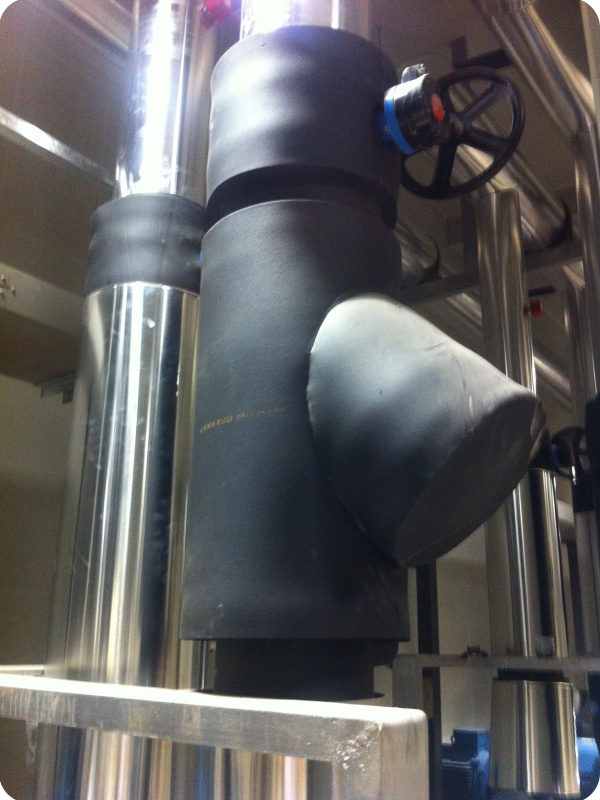
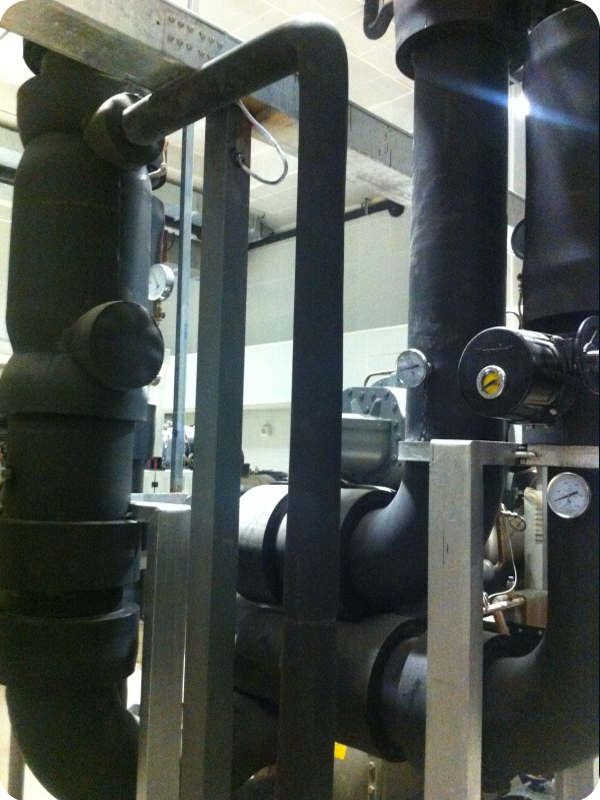
From commercial HVAC ducts to high-precision petrochemical networks, elastomeric insulation ensures structural reliability.
Insulation for chilled/hot water pipes, condensate line networks, and central air ventilation ducts. Highly resistant to high humidity in subtropical climates, eliminating structural drywall water staining.
Thermal and cold insulation for heavy-duty process steam networks, cold storage gas supply pipelines, and petroleum refining equipment. Prevents pipe corrosion under insulation (CUI).
Specialized low-temperature rubber foam designed to withstand extreme cold environments (-40°C). Crucial for cold-chain warehousing, aerospace testing chambers, and medical supply chain infrastructure.
Installed in hotels, hospitals, and transit hubs where low-smoke, non-toxic fire retardancy is critical. Meets international fire safety parameters, giving building managers peace of mind.
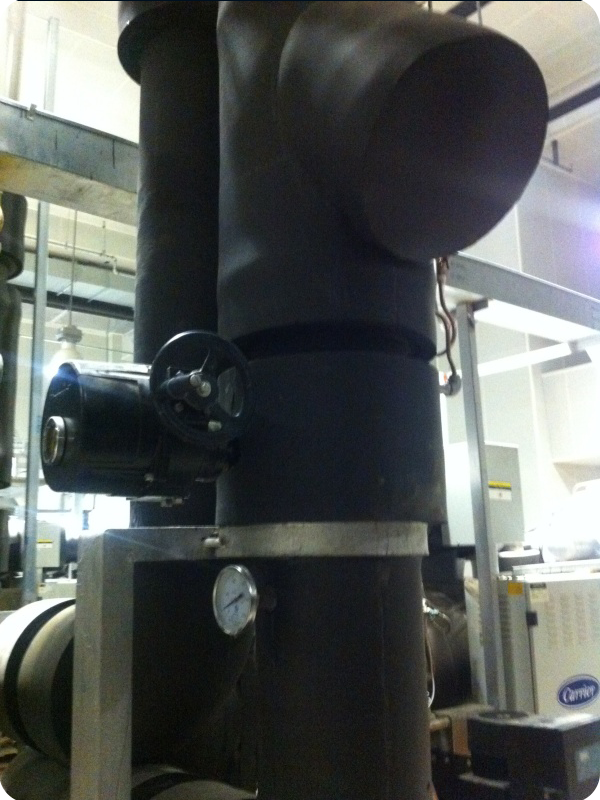
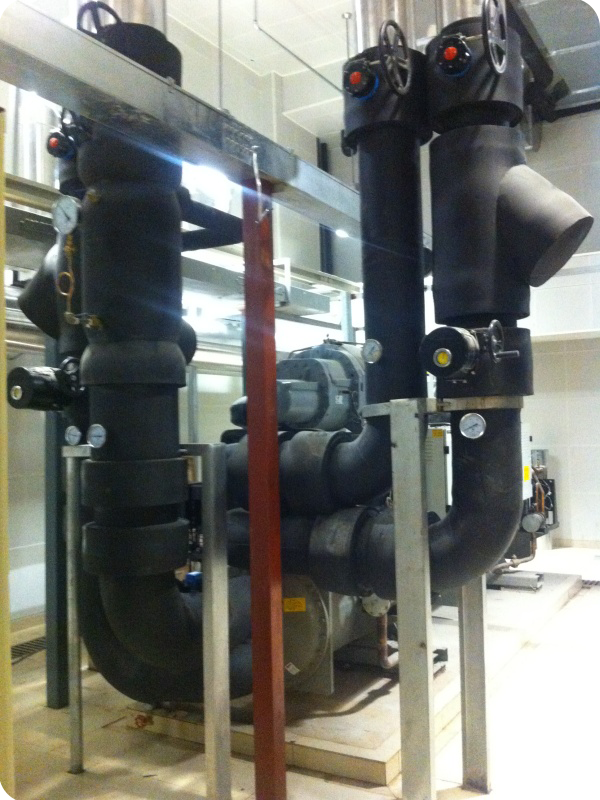
Proof of field capability across heavy commercial installations and rigorous industrial deployments.
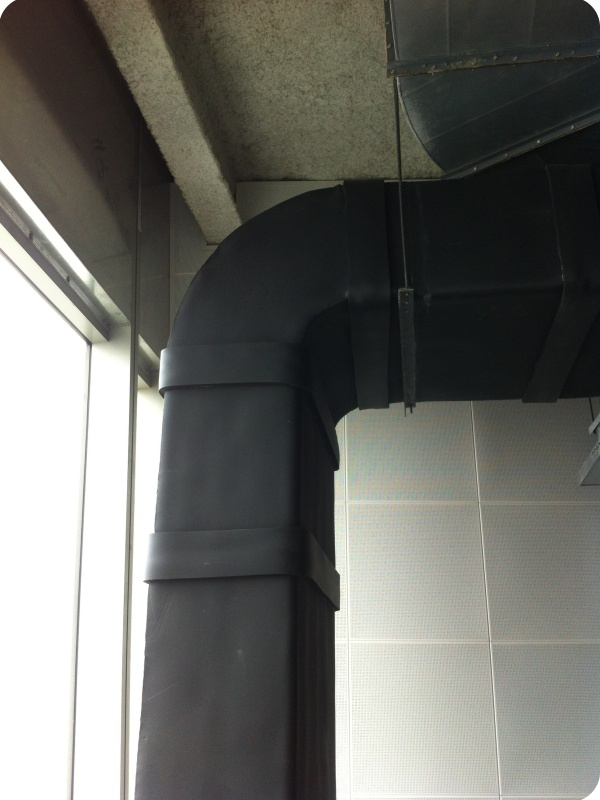
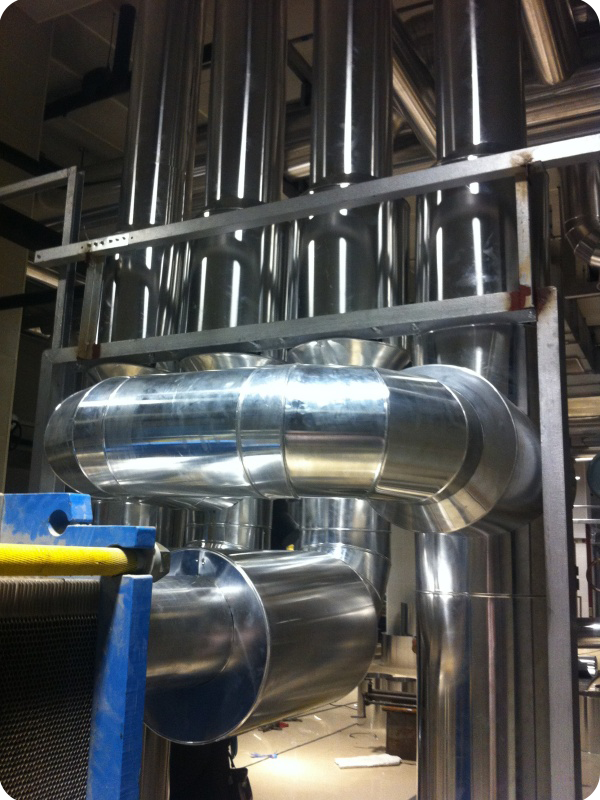
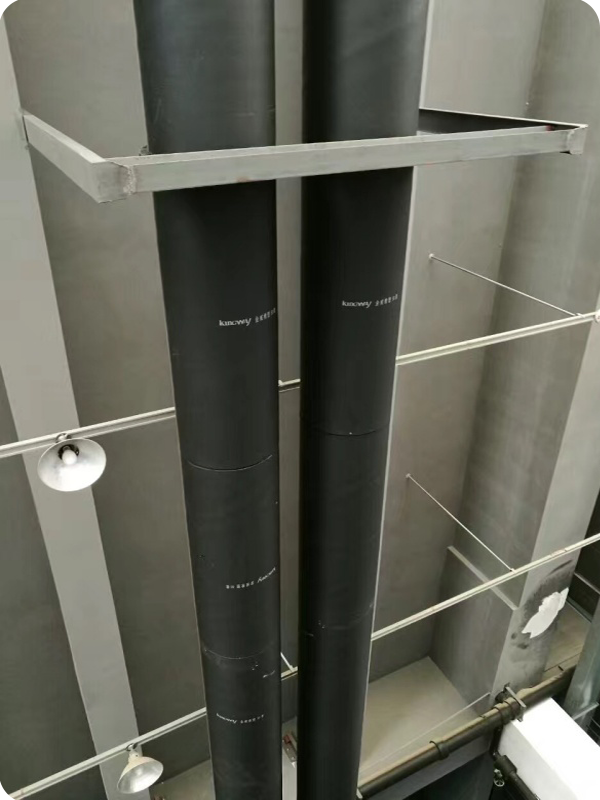
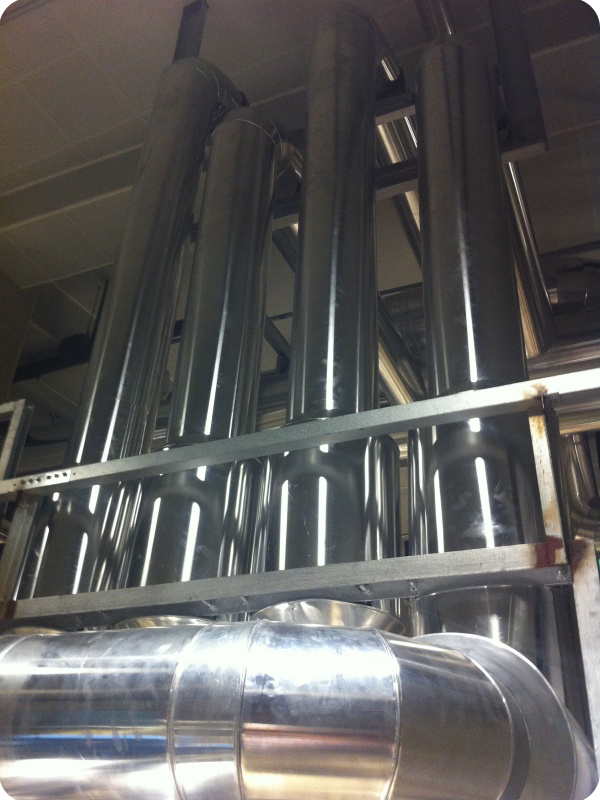

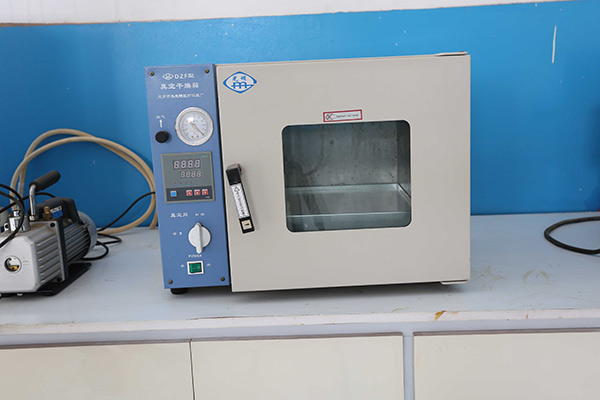
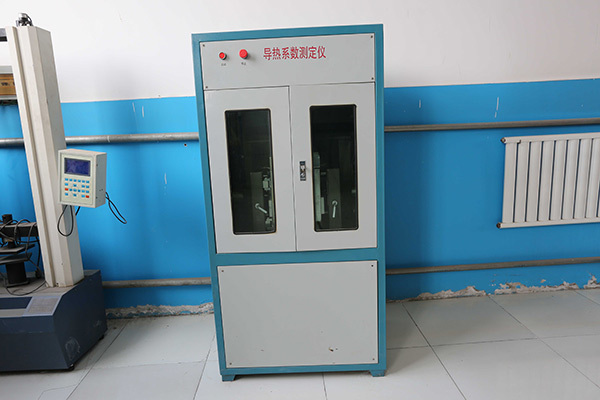
Kingflex Insulation operates on the principle that safety and durability cannot be compromised. Our materials undergo rigorous internal testing before submitting to global classification bodies. Every production run is tracked back to its batch formulation, ensuring 100% material traceability.
Our dedicated technical laboratory tests thermal conductivity, smoke emission density, and water vapor absorption rate under extreme simulation cabinets. This continuous verification provides global contractors with the quality assurance required for large scale infrastructure.
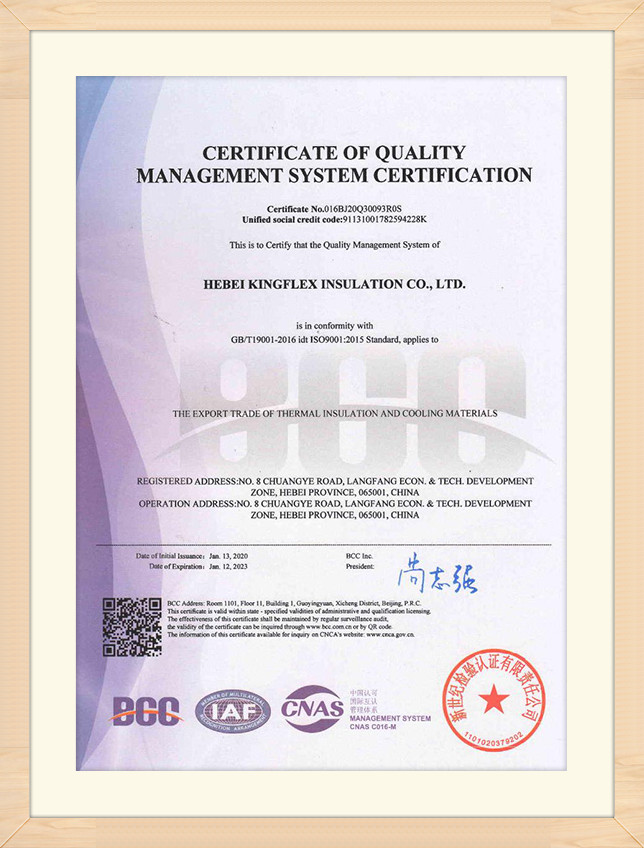
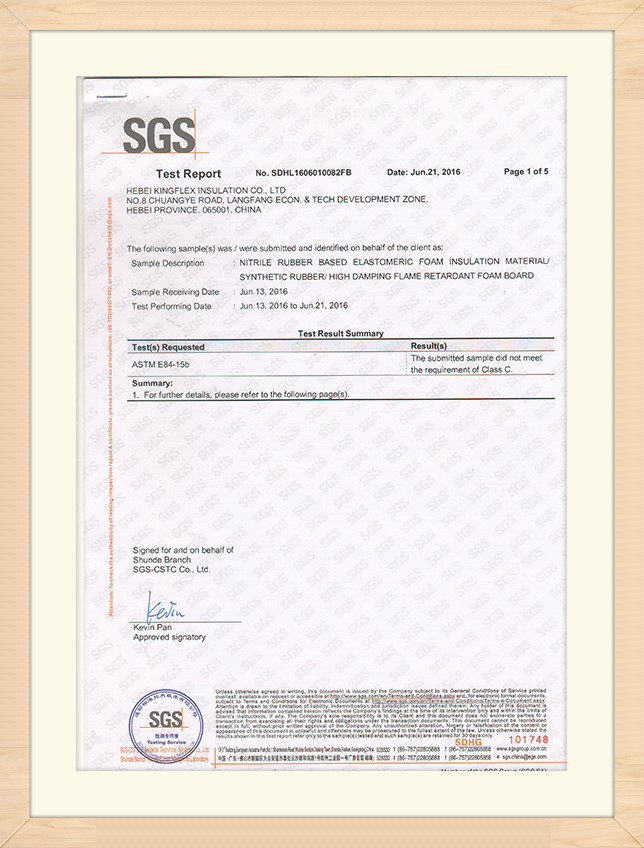
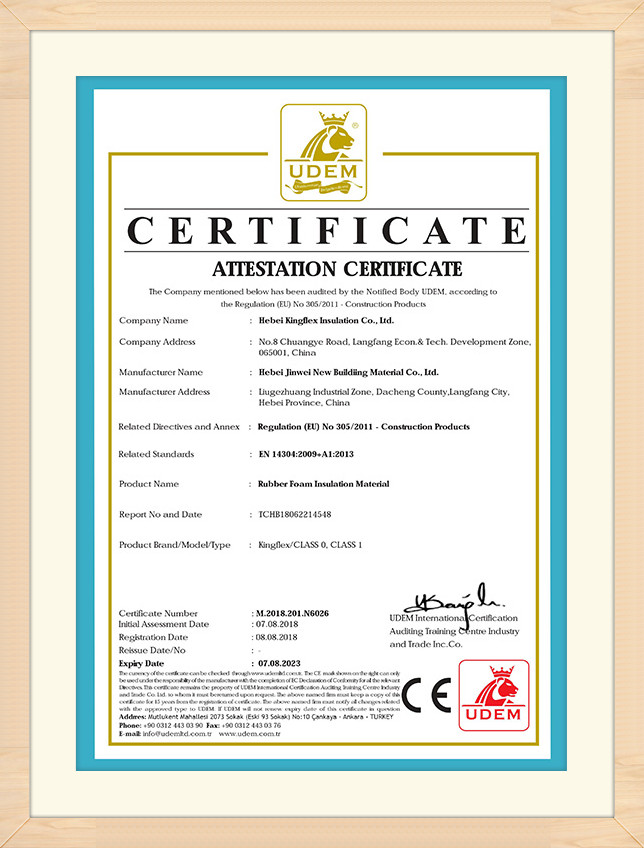
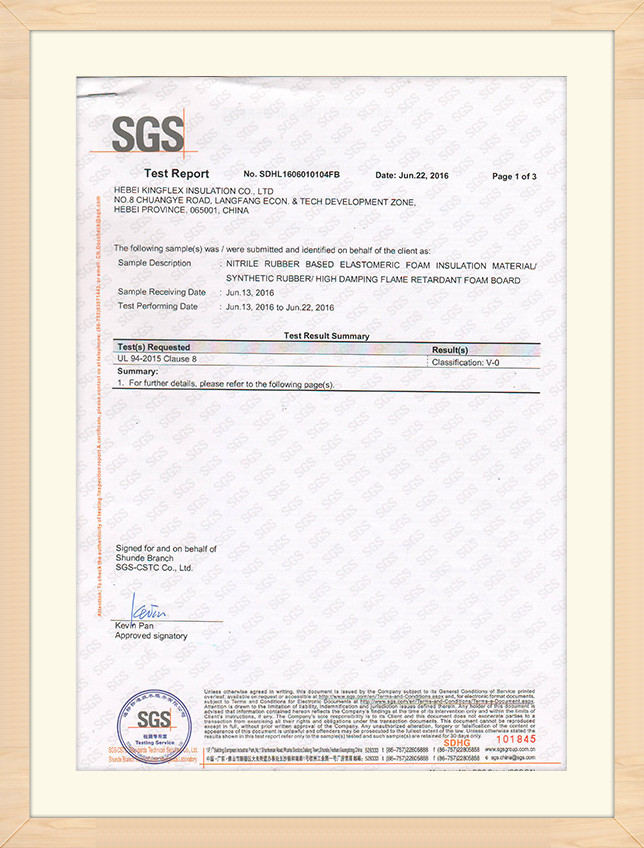
Procuring wholesale insulation materials requires careful analysis of long-term operational performance, cargo density control, and installation layout compliance. B2B buyers must evaluate these critical factors:
Detailed explanations covering material properties, installation techniques, and HVAC code requirements.
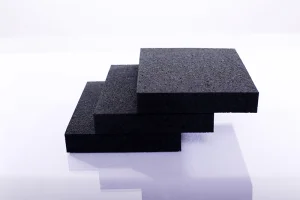
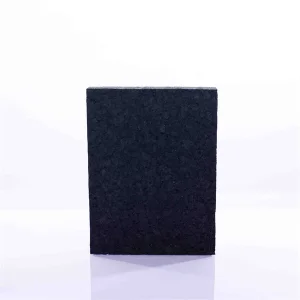
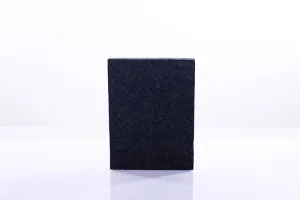
A closer look at the actual textures, structures, and chemical formulas of Kingflex HVAC solutions.
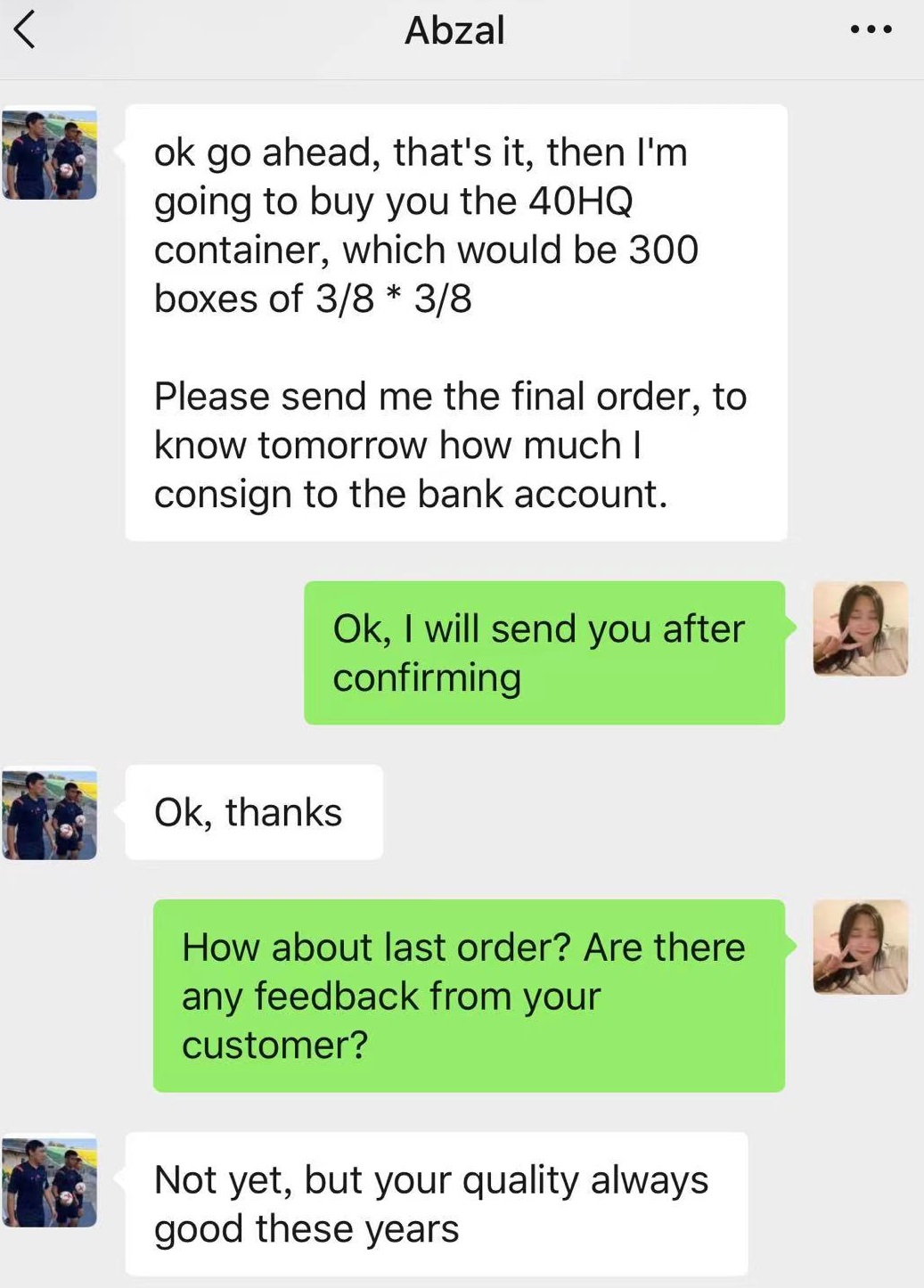
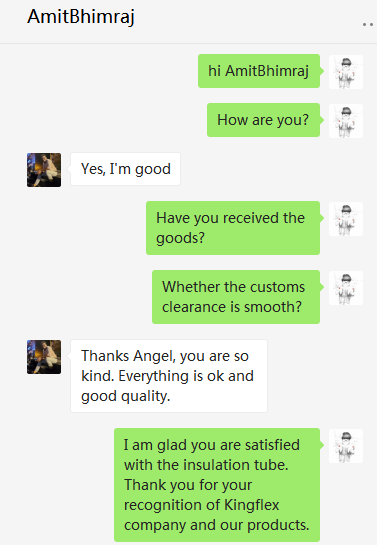
Transparent communication, clear technical solutions, and fast logistics form the basis of our long-term global partnerships.


Complete your procurement list with Kingflex's signature flexible sheets, insulation pipes, and specialty components.