 Kingflex
Kingflex
Kingflex
Engineered to mitigate thermal bridging, suppress acoustic resonance, and prevent pipe sweat under extreme temperature fluctuations.
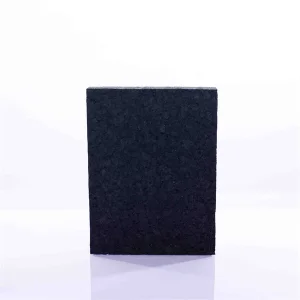
Modern commercial refrigeration, central heating, ventilation, and air conditioning (HVAC) systems are massive consumers of energy. In highly industrialized setups—ranging from district cooling hubs to pharmaceutical cold storages—the thermal efficiency of refrigerant distribution lines determines operating feasibility. Sub-optimal insulation doesn't simply result in power loss; it accelerates system degradation, leads to catastrophic pipe corrosion under insulation (CUI), and compromises building safety through condensation and toxic indoor mold formation.
As regulatory architectures like the European Green Deal and ASHRAE Standard 90.1 tighten emission margins, global engineering and procurement directors are shifting focus toward high-traceability, elastomeric closed-cell insulation. The market demands solutions that possess exceptionally low thermal conductivity (λ), zero vapor permeability, and robust structural density to survive the physical stresses of industrial installation.
How systemic changes in environmental policy, chemical science, and material design are altering procurement specifications globally.
The global phase-down of hydrofluorocarbons (HFCs) under the Kigali Amendment forces the implementation of natural alternatives like CO₂ (R-744), Ammonia (R-717), and hydrocarbons (propane/butane). These green refrigerants run at substantially different operating temperatures and pressures, demanding highly specialized elastomeric matrices capable of handling extreme cryogenic transitions without cracking or thermal failure.
Stricter regional building fire codes (such as BS 476 Part 6 & 7 Class 0 in the UK, ASTM E84 in the Americas, and EN 13501-1 in Europe) require elastomeric materials to exhibit flame retardant, self-extinguishing behaviors. Manufacturers are redesigning NBR/PVC polymer formulations with halogenated additives and smoke suppressants to assure compliance while protecting air quality in high-occupancy structures.
Global supply chain compliance demands digital product passports. From feedstock raw rubber chemical verification to post-consumer circularity, tracking material data from factory floors to building sites ensures transparency and meets the rigorous criteria set by LEED and BREEAM certifications.
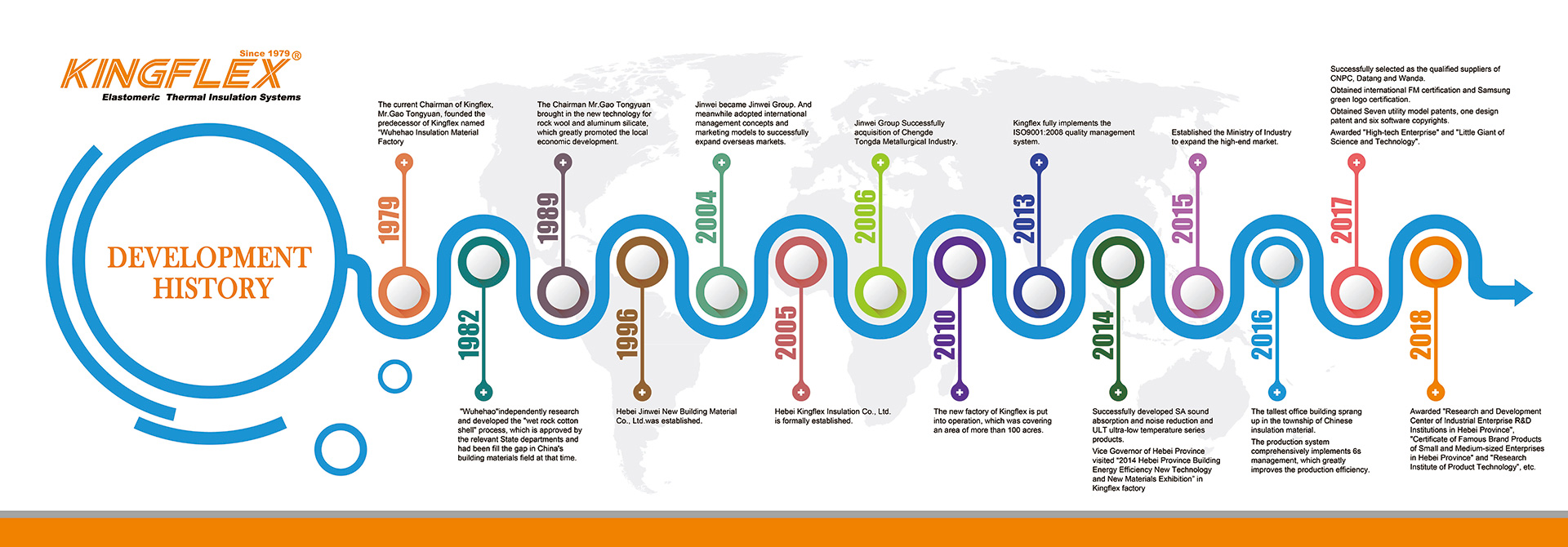
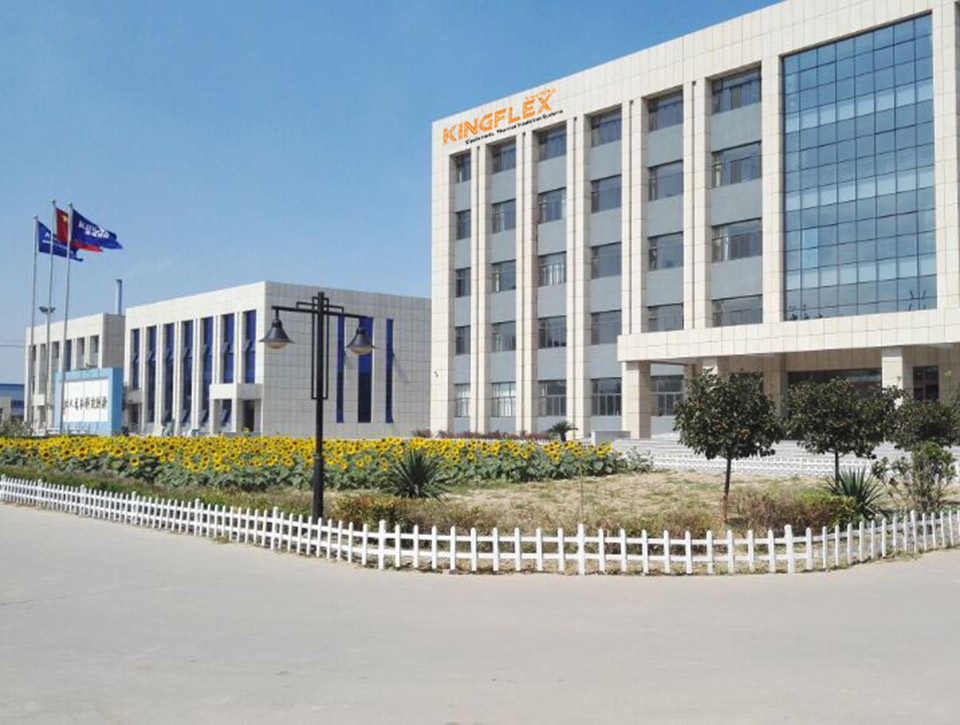
Kingflex Insulation Co., Ltd. stands as a premium manufacturing and trading combo optimized specifically for professional-grade thermal insulation products. Nestled in Dacheng, China—historically and globally acclaimed as the epicenter of green-building material development—we fuse state-of-the-art research with dynamic market scaling.
Our organization is built upon the foundational legacy of our parent company, the Jinwei Group. Established in 1979, the Jinwei Group carries over 40 years of pioneering history, marking its presence as the very first manufacturer of thermal insulation materials north of the Yangtze River. Today, Kingflex carries that banner forward, prioritizing carbon reduction, system durability, and comprehensive technical consulting.
At our manufacturing site, automation drives consistency. Kingflex operates 5 large-scale fully automatic extrusion and foaming assembly lines. With an annual production capacity surpassing 600,000 cubic meters, our facilities are officially designated by the Ministry of Energy, the Ministry of Electric Power, and the Ministry of Chemical Industry as a preferred material supplier.
What does this capacity offer to a global procurement officer? Under fluctuating raw material markets and global logistics interruptions, our local raw rubber vertical integration and automatic batching ensure pricing stability and rapid dispatch. Over the last 16 years, Kingflex has successfully exported its advanced insulation solutions to more than sixty-six foreign countries, backing mega-developments in Europe, the Americas, Southeast Asia, and the Middle East.
A statistical breakdown of our manufacturing strength, quality metrics, and international presence.
Accurate specifications for mechanical planning, thermal load calculations, and HVAC project implementation.
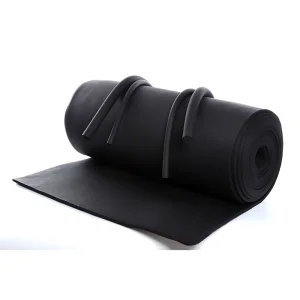
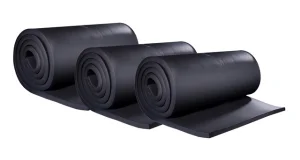
| Parameters | Standard Specifications |
|---|---|
| Material Matrix | NBR/PVC (Nitrile-Butadiene Rubber / Polyvinyl Chloride Blend) |
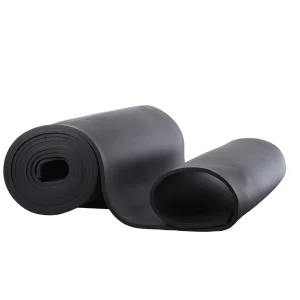
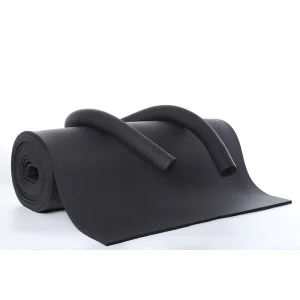
| Available Thickness Range | 6mm to 50mm |
| Density Class | 40kg/m³ to 55kg/m³ |
| Service Temperature Limit | -40℃ to 105℃ |
| Thermal Conductivity (λ) | ≤ 0.034 W/(m·k) at 0℃ |
| Closed-Cell Proportion | Over 98% |
| Compression Resilience | Over 80% |
| Fire Retardancy Rating | Flame retardant, self-extinguishing off fire (Class 0 / Class 1 / B1 standard compliant) |
* Custom laminations (foil facings, adhesive backings) are available upon project registration.
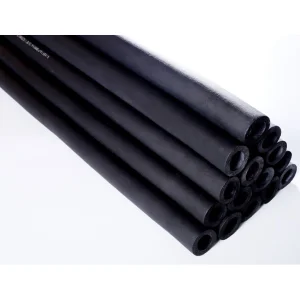
| Parameters | Standard Specifications |
|---|---|
| Material Matrix | NBR/PVC Closed-cell Polymer |
| Thickness | 9mm to 40mm |
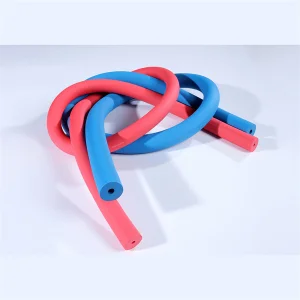
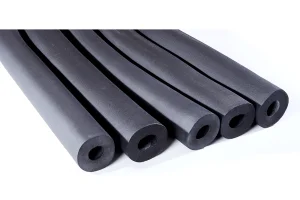
| Inner Diameter (ID) | 6mm to 114mm (Optimized for standard copper and steel refrigerant line sizes) |
| Density | 40kg/m³ to 55kg/m³ |
| Service Temperature Range | -40℃ to 105℃ |
| Water Permeability Resistance | High moisture resistance factor (μ ≥ 10,000) |
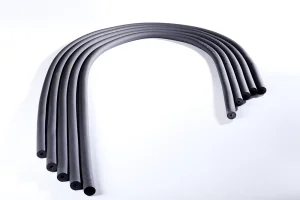
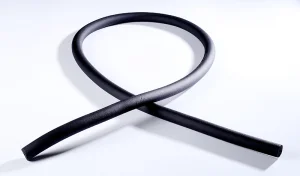
| Physical Features | Extremely flexible; professional pipe spraying equipment ensures even coating and clean seams. |
Exploring the targeted performance dynamics of Kingflex insulation solutions across key industries.
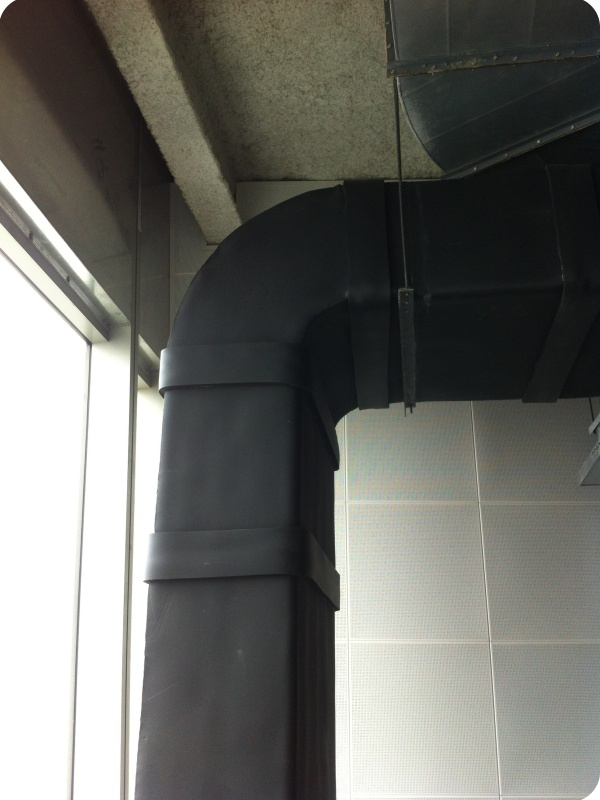
Condensation prevention is critical in central ducting and chilled water loops. Our NBR/PVC sheets prevent surface water pooling, preserve ceiling structures, and sustain compressor performance in large hotels, commercial offices, and medical facilities.
Plumbing networks in cold environments risk pipe freezing, expansion, and structural bursting. The low thermal conductivity of Kingflex elastomeric foam maintains local water temperatures and acts as a mechanical defense against rapid freezing cycles.
Industrial cold chains, biological repositories, and sub-zero storage facilities depend on precise cooling maintenance. Our specialized flexible cryogenic systems insulate cold transmission lines down to -40℃ without losing material elasticity or structural strength.
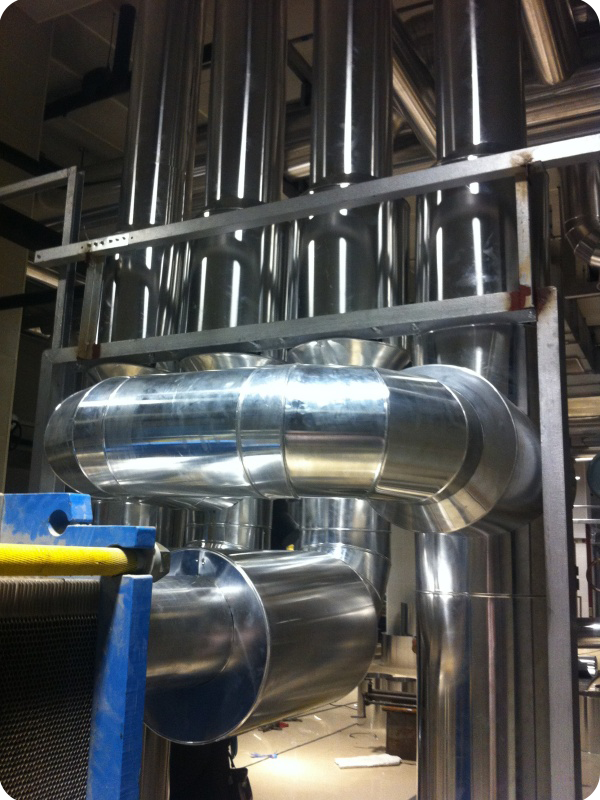
Chemical processing plants, refineries, and manufacturing mills route hot gases and steam over extensive pipe networks. Elastomeric insulation reduces thermal energy leakage, keeping ambient temperatures comfortable and protecting workers from high-heat pipes.
High-speed passenger trains, underground subways, and maritime ships require lightweight, flame-retardant, and low-smoke thermal insulations. Our products comply with transportation safety standards, preventing thermal bridging in complex spaces.
Modern structures must block noise from equipment rooms and ventilation ducts. Kingflex elastomeric foams absorb high-frequency sounds, serving as a dual thermal-acoustic barrier for roofs, crawl spaces, and interior walls.
Continuous investment in polymer research ensures our materials satisfy the rigorous technical requirements of international engineering audits.
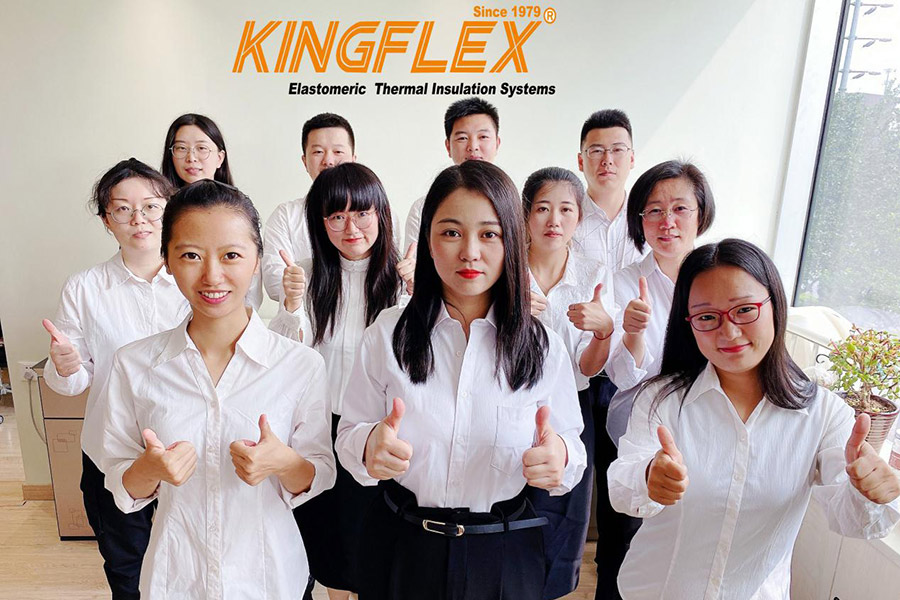
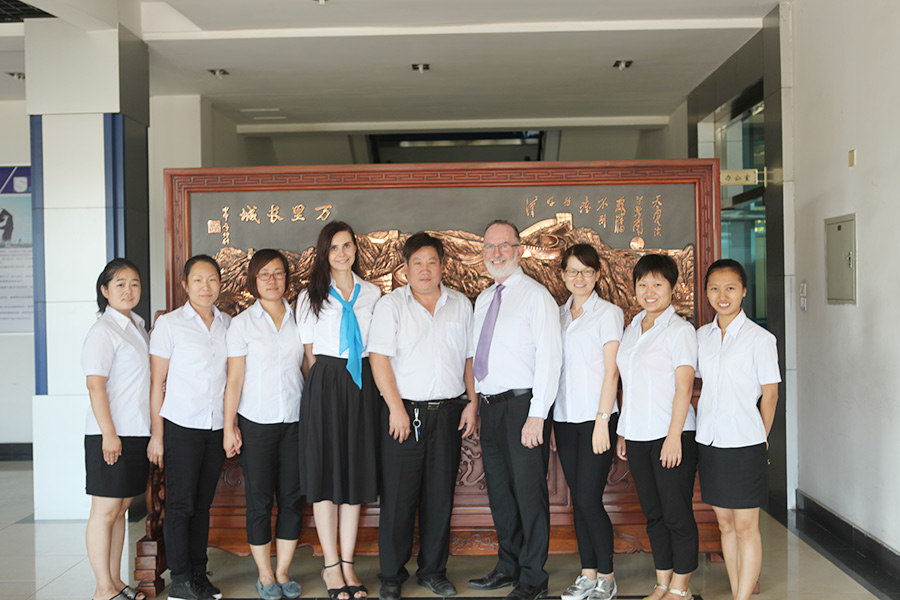
For Kingflex, innovation is driven by practical application. Our dedicated R&D department employs 8 professional engineers who continuously refine cellular configuration, thermal efficiency, and polymer safety characteristics. With 230 skilled production professionals and 6 dedicated international sales managers, we coordinate custom product adjustments, handle logistics, and provide engineering consultations globally.
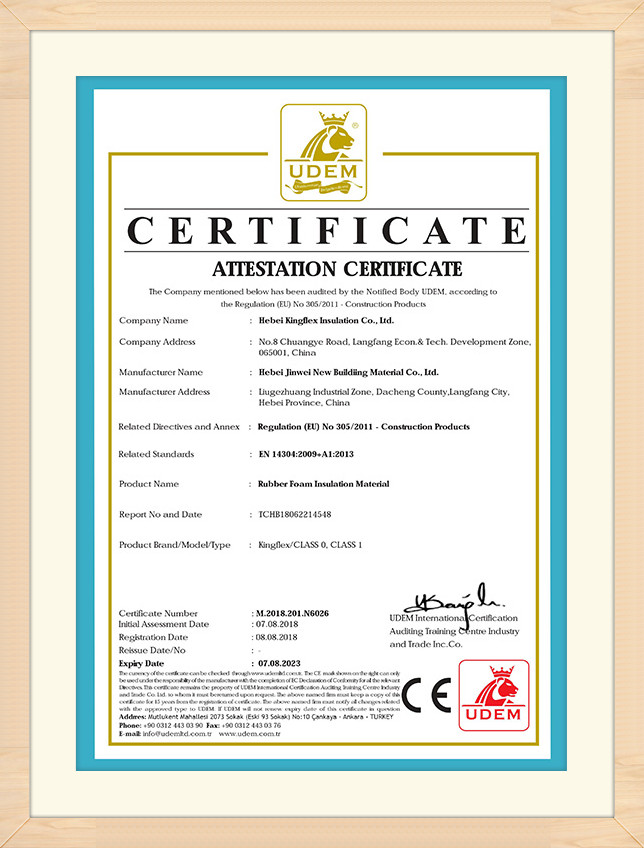
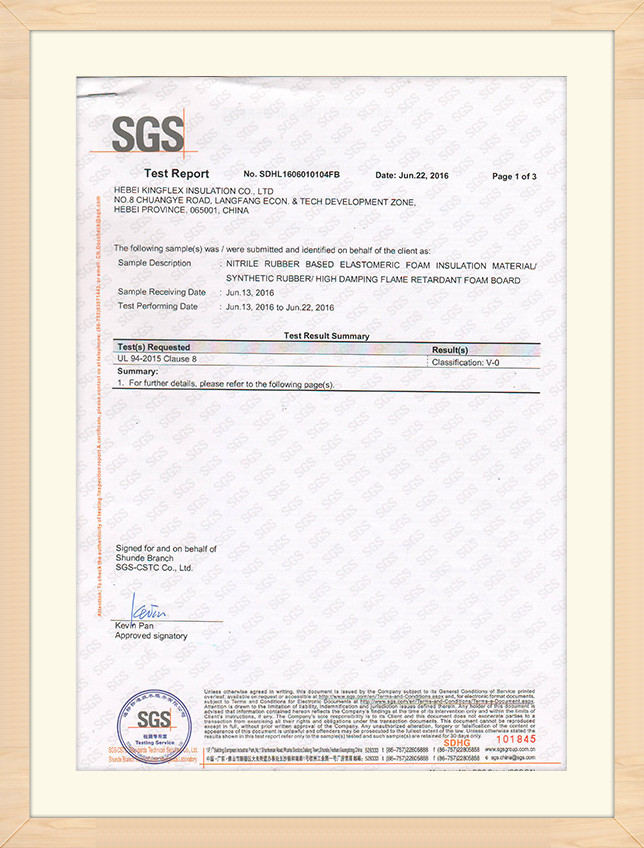
Our products comply with standard testing systems such as BS 476, CE, REACH, ROHS, UL94, and ASTM. Every production run undergoes cell inspection and moisture permeability testing to guarantee reliable field performance.

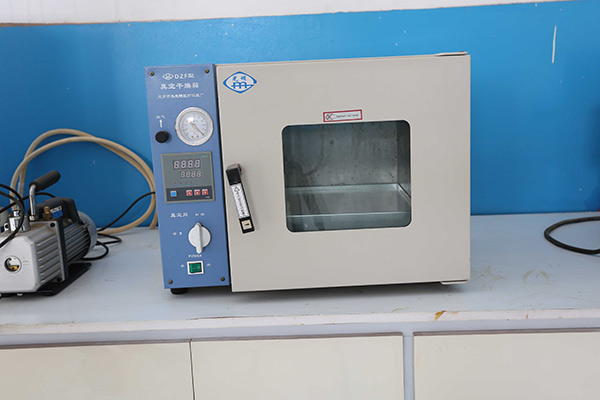
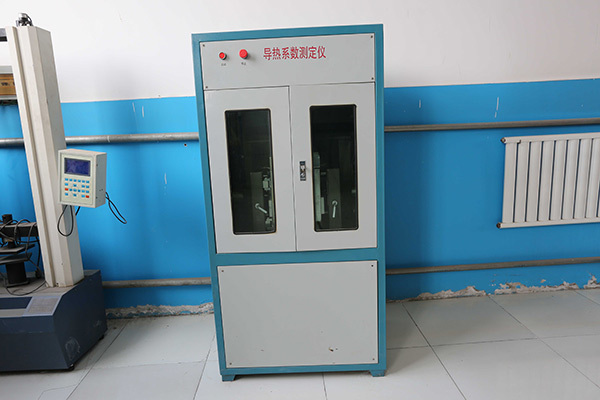
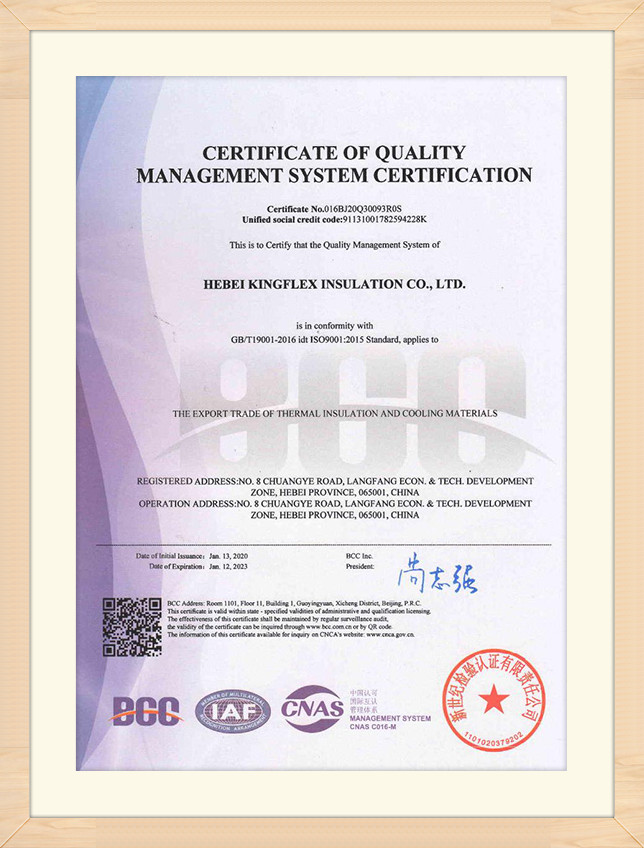
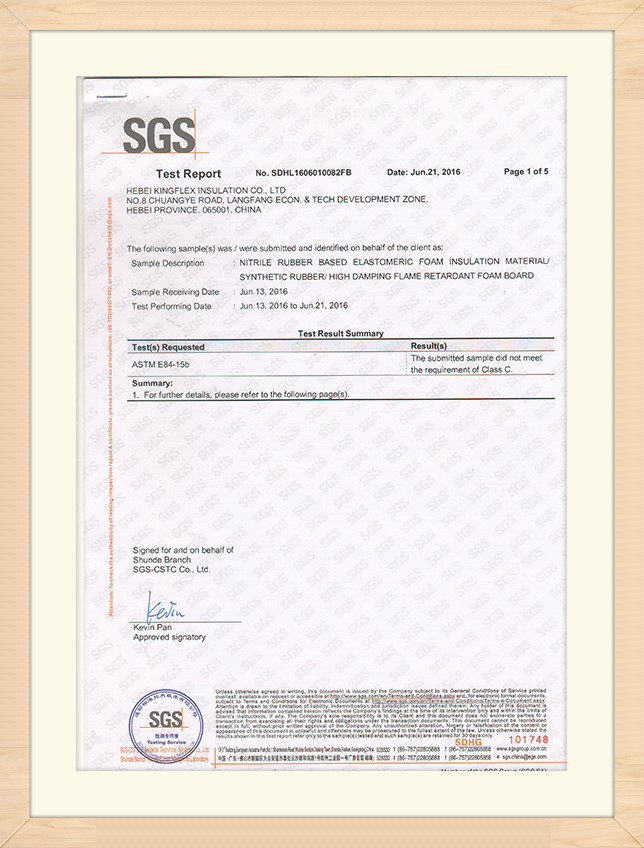
A snapshot of our industrial supply chain operations, project sites, and close coordination with international buyers.
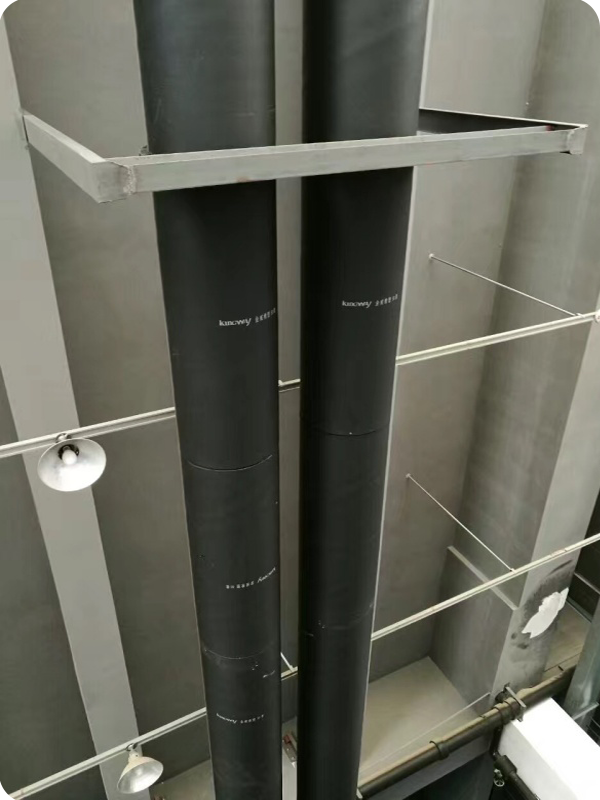
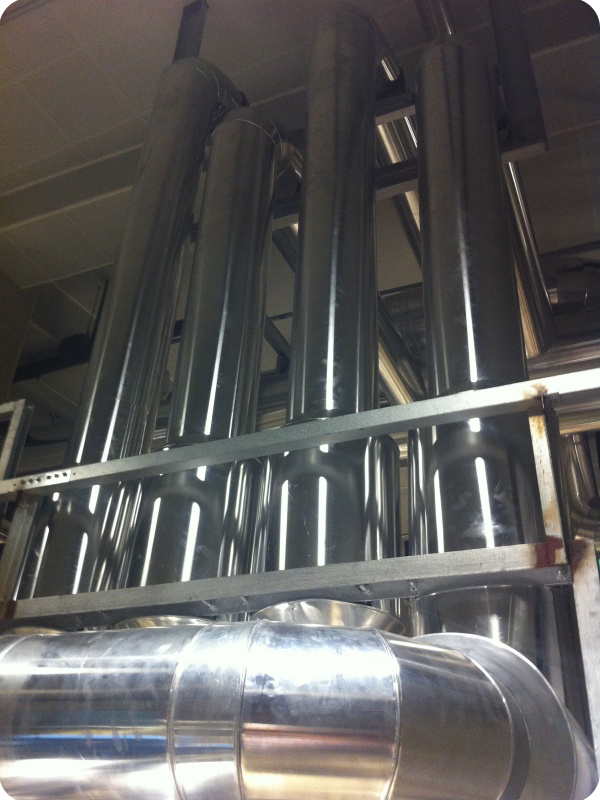
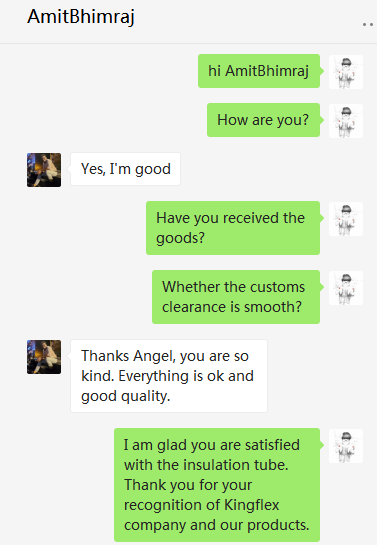
We work closely with structural developers, building material wholesalers, and engineering contractors to keep deliveries aligned with installation schedules. Our logistics department coordinates direct factory loadings, manages container space, and processes standard shipping documents to avoid delays at import customs.





Inside the automated continuous foaming and vulcanization lines of Kingflex's facility in Dacheng, China.
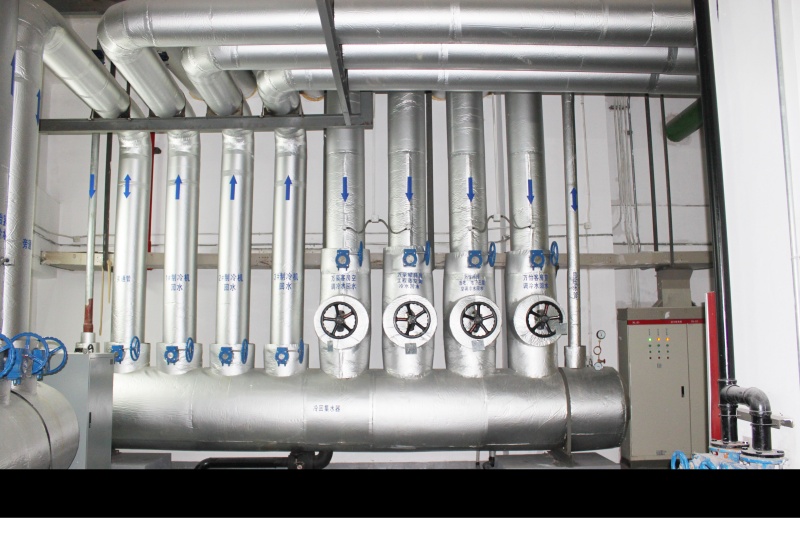
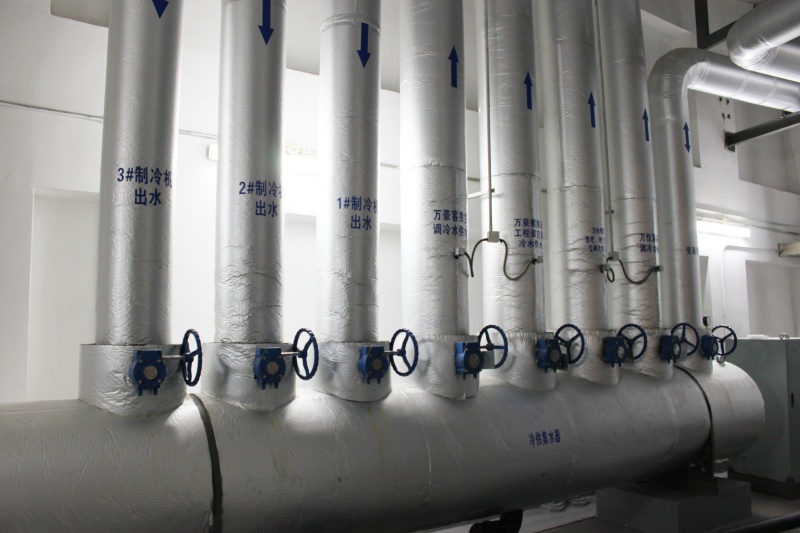

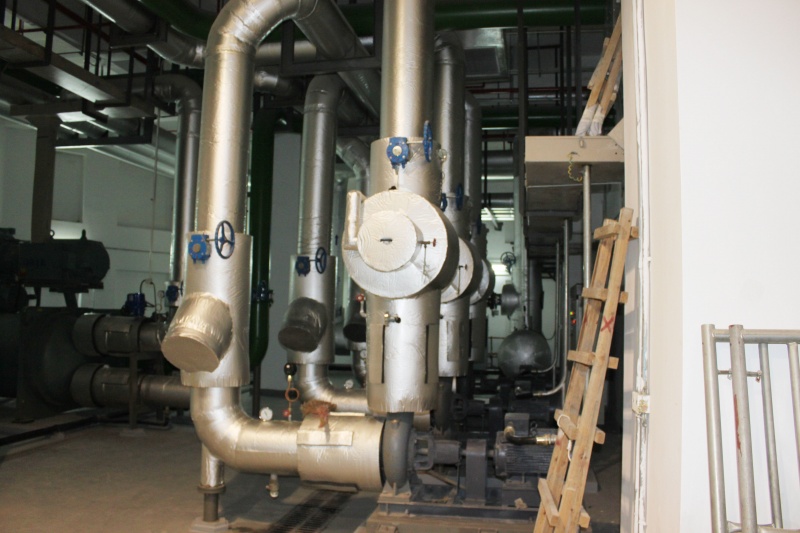
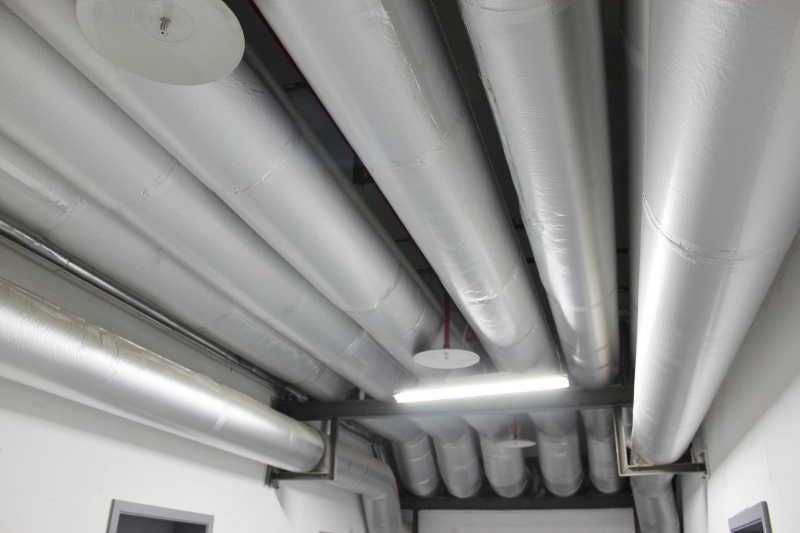
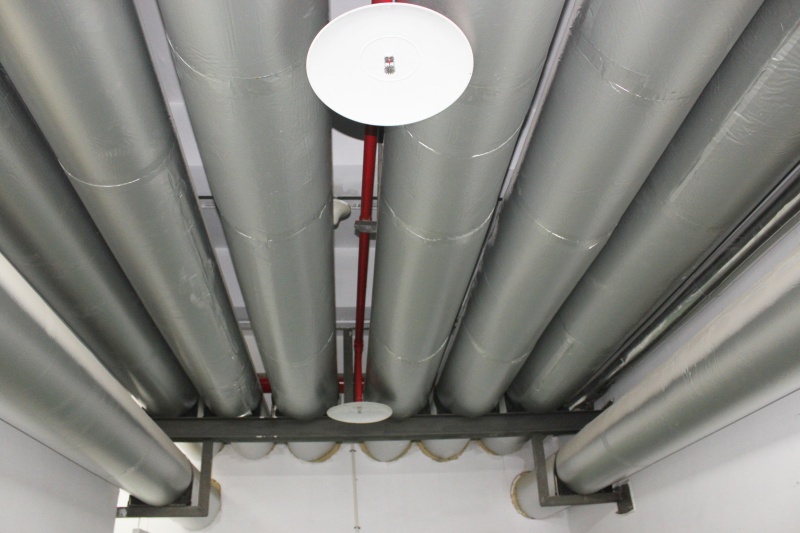
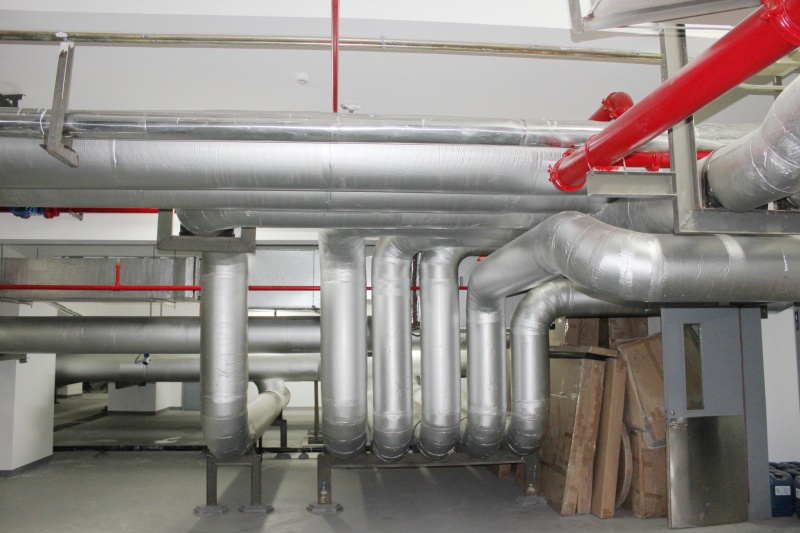
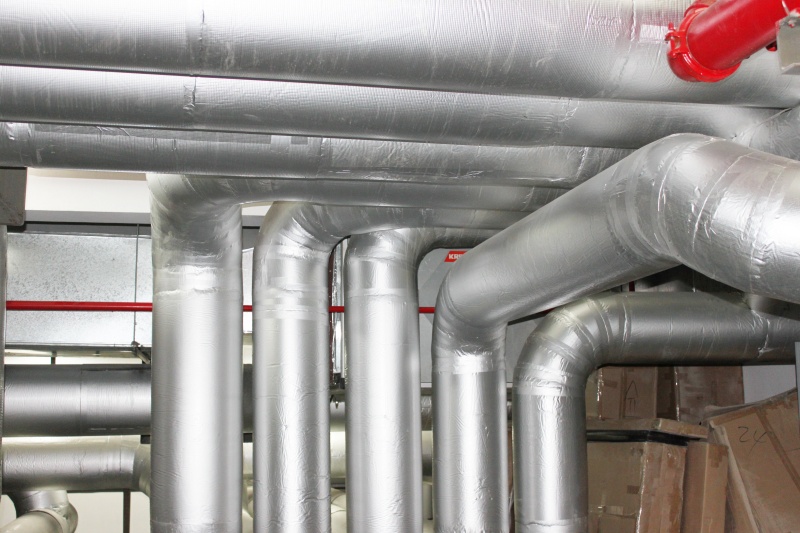
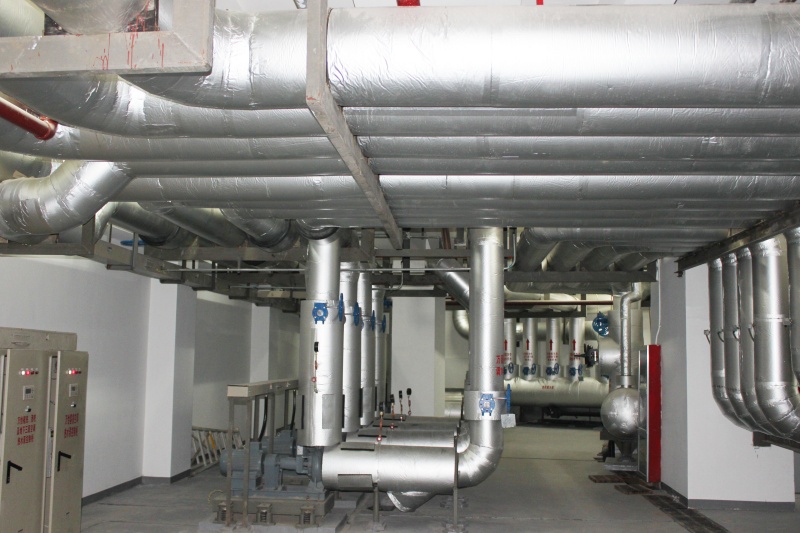
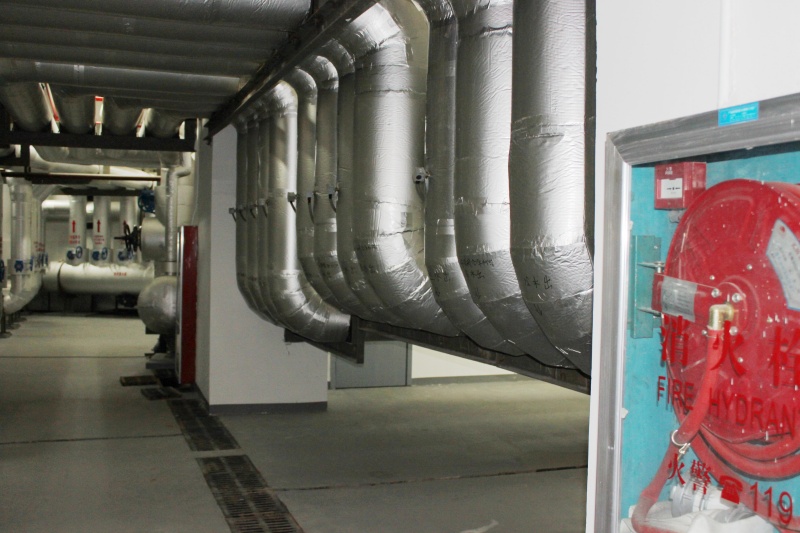
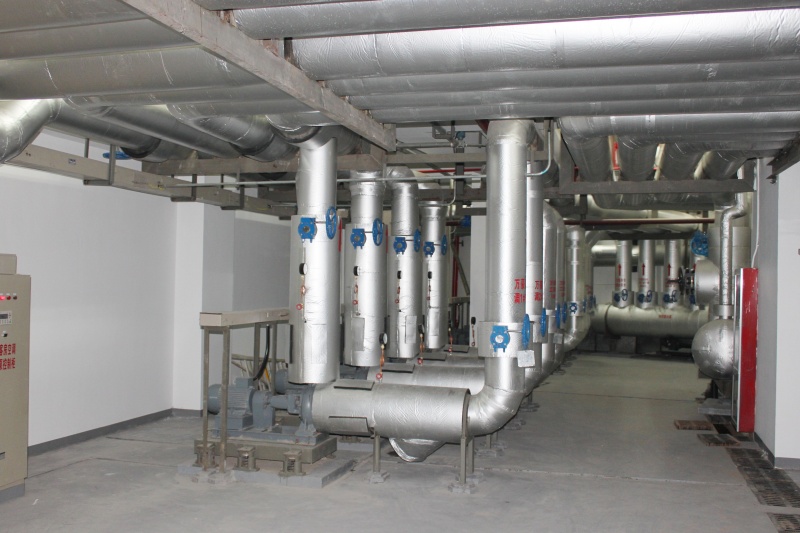
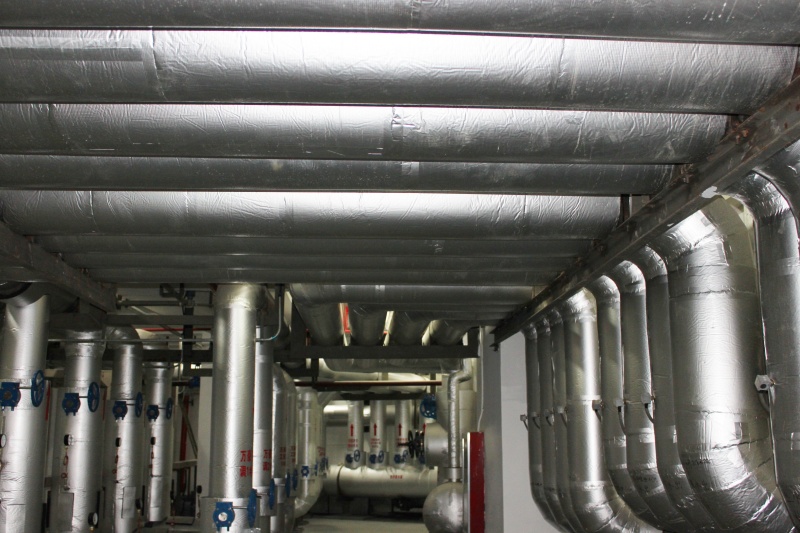
Explore specialized elastomeric, cryogenic, and high-temp mineral fiber materials engineered for complex installations.
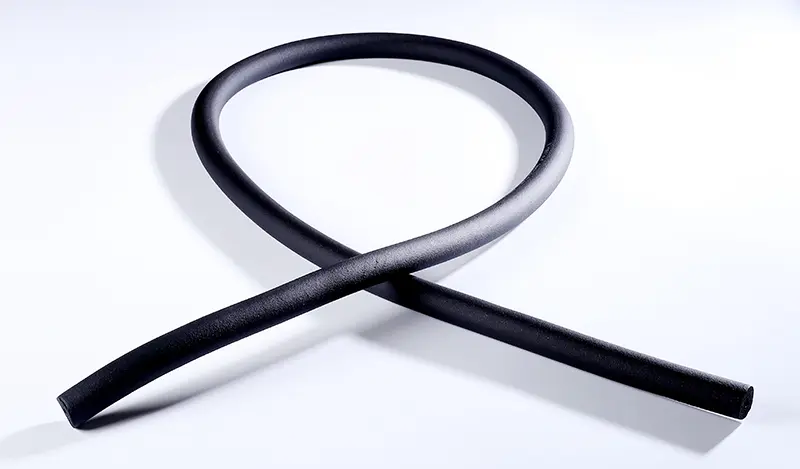
Flexible closed-cell piping insulation optimized for HVAC condensation prevention.
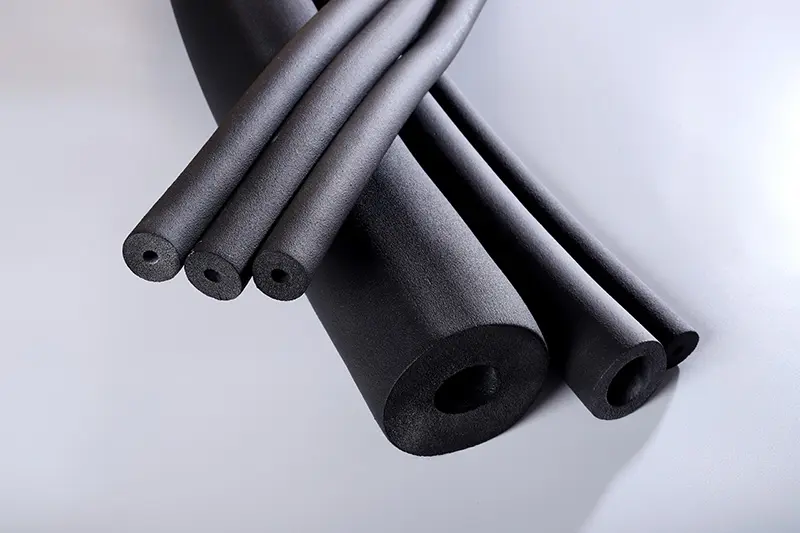
Formulated to resist acid, alkali, and chemical corrosion in harsh industrial locations.

Flexible design speeds up complex layout routing and saves installation time.
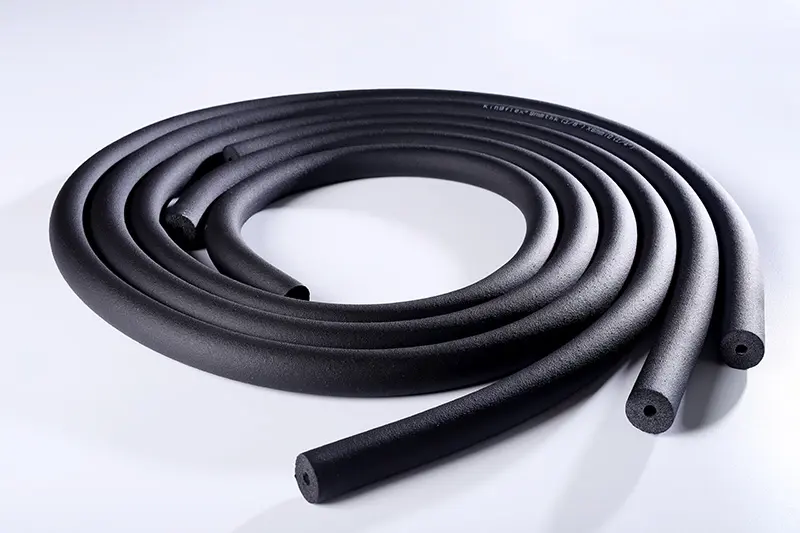
Industrial standard split or solid pipe insulation for HVAC water networks.
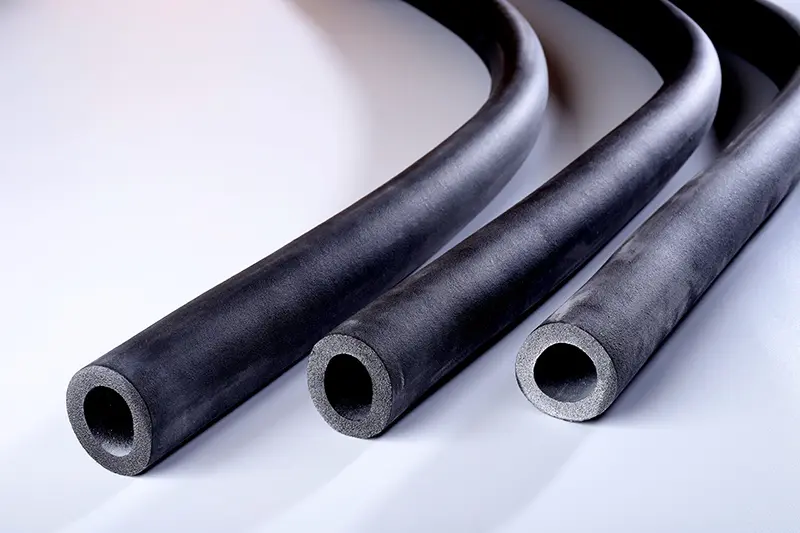
Standard NBR/PVC composition designed to maintain line temperatures in cold environments.
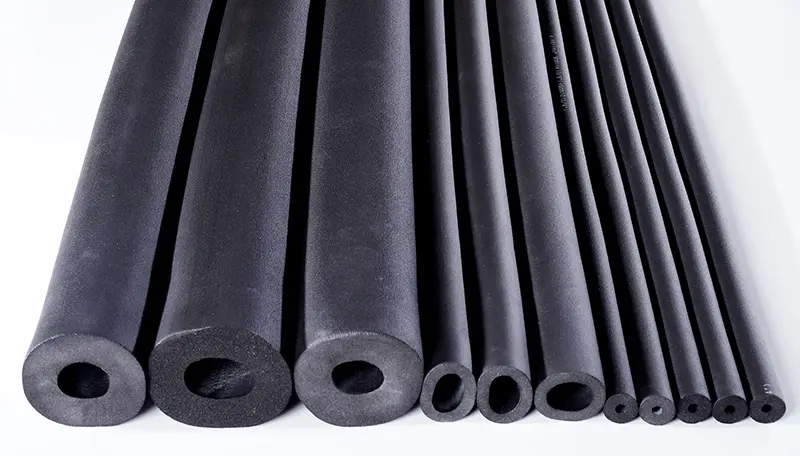
High-density extrusion helps commercial ventilation lines operate efficiently.
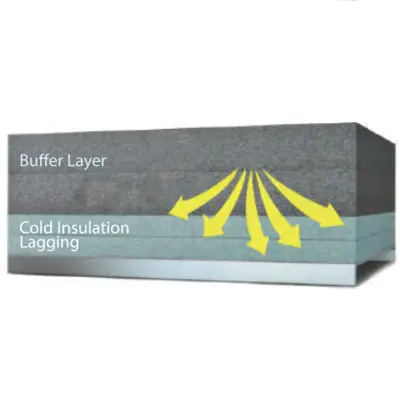
Resilient structural design provides load protection for buried utility lines.
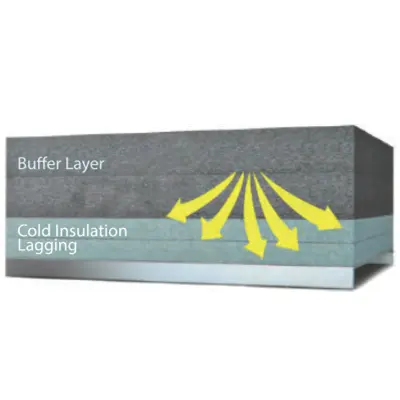
Specially developed to resist thermal stress in cryogenic processing plants.
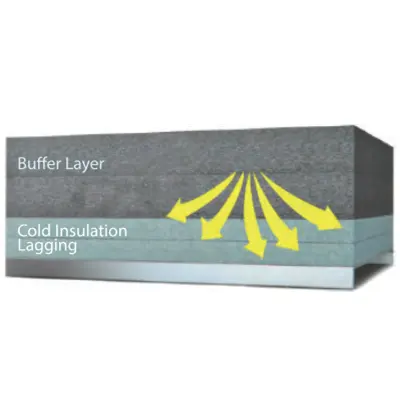
Durable formulation designed to handle extreme temperature changes safely.
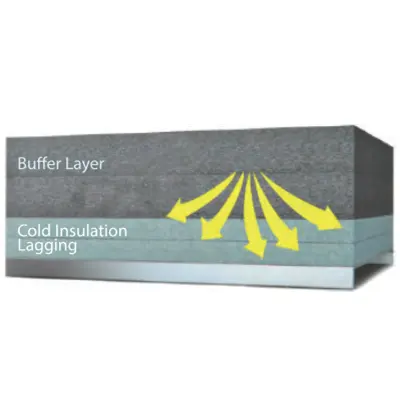
Prevents moisture infiltration and ice accumulation on liquid gas distribution pipes.
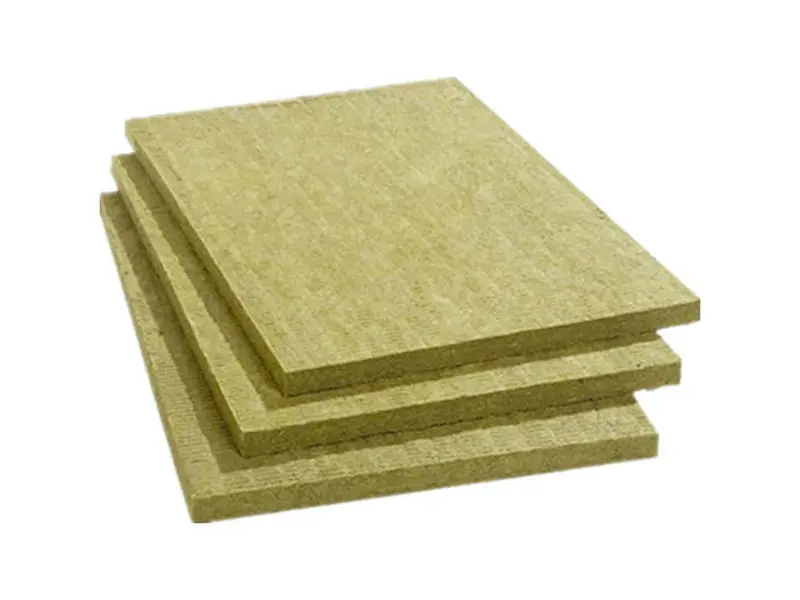
High-density structural core delivers excellent fire protection for high-temperature setups.
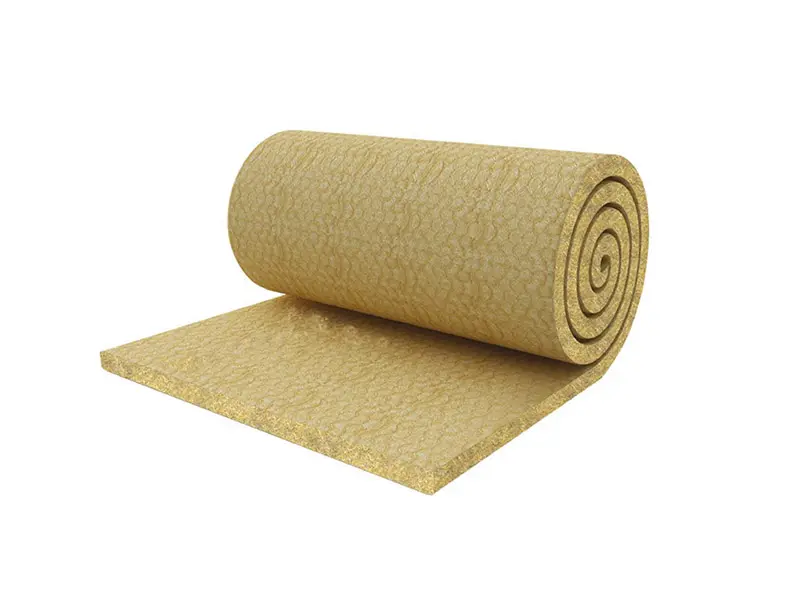
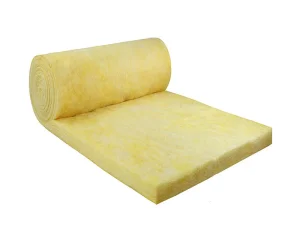
Flexible mineral fiber wrapping protects industrial exhaust ducts and ovens.
Direct answers from our engineering division regarding quality metrics, standard compliance, and product customization.
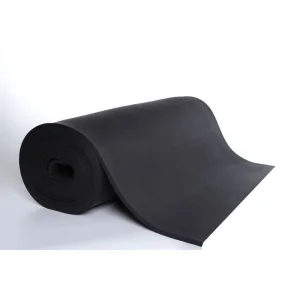
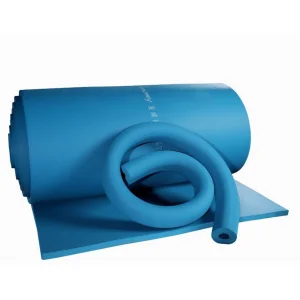
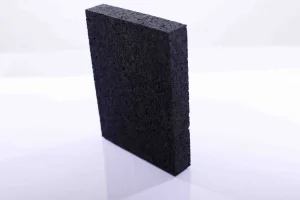
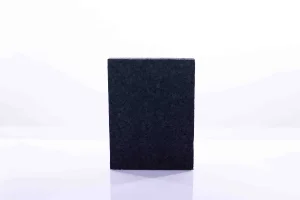
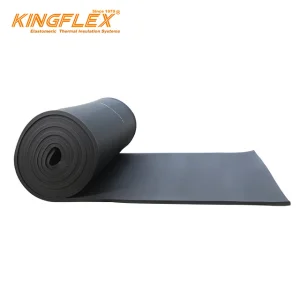
Premium NBR/PVC sheets, self-adhesive panels, and sound damping configurations shipped globally from our factories.