 Kingflex
Kingflex
Kingflex
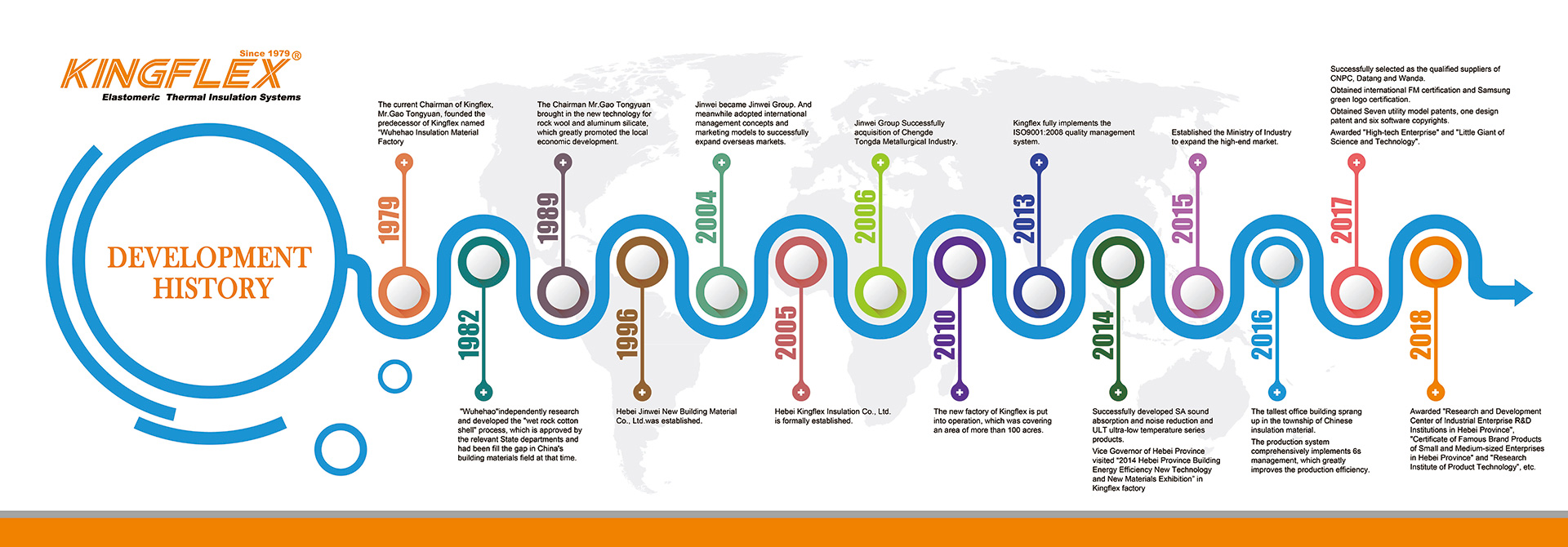
Celebrating 40+ Years of Manufacturing Integrity & Global Influence
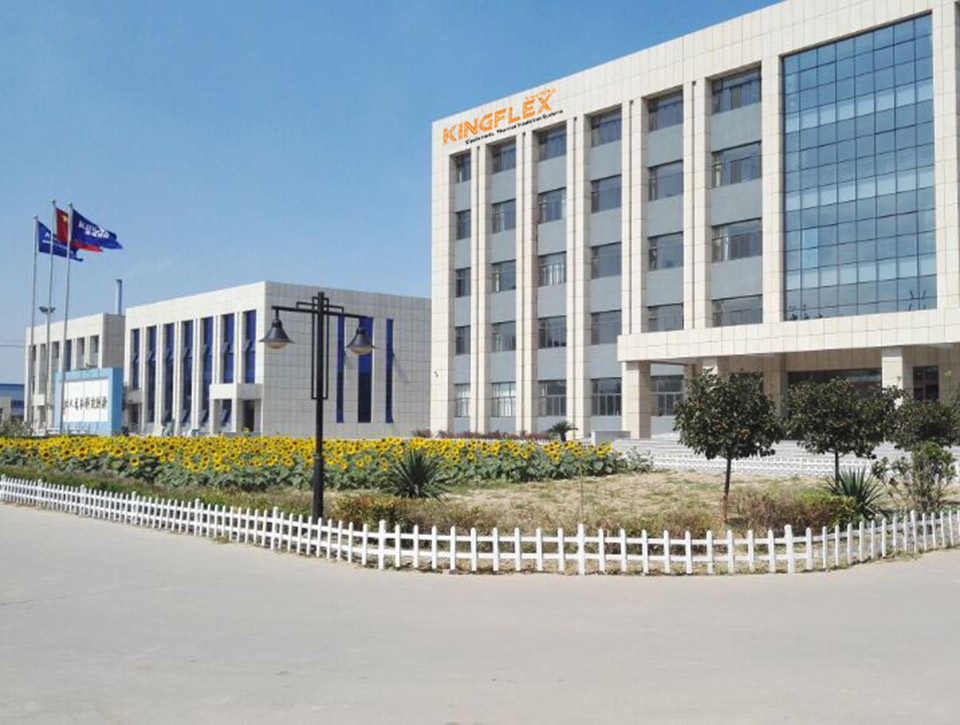
Established in 1979 by the Jinwei Group, Kingflex Insulation Co., Ltd. proudly stands as a foundational force in thermal protection manufacturing. Located in Dacheng, the recognized capital of green-building materials in China, we are an energy-saving, environmentally conscious combo enterprise that integrates consultation, R&D, advanced production, installation guidance, and comprehensive post-sale systems.
As the pioneer thermal insulation materials manufacturer north of the Yangtze River, Kingflex has systematically expanded its capacity. Operating 5 modern, fully automated assembly lines, we achieve an annual output exceeding 600,000 cubic meters. This immense production power has positioned us as the designated key supplier for major national authorities, including the Ministry of Energy and the Ministry of Chemical Industry.
In modern industrial infrastructure, energy conservation and condensation control are critical components of sustainable development goals. Polyethylene (PE) and Elastomeric thermal insulation materials have emerged as the absolute standard for commercial HVAC, cryogenic installations, and process piping systems worldwide.
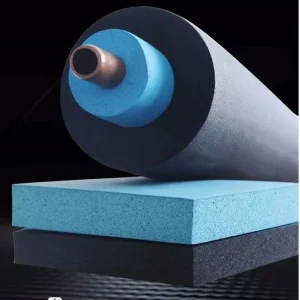
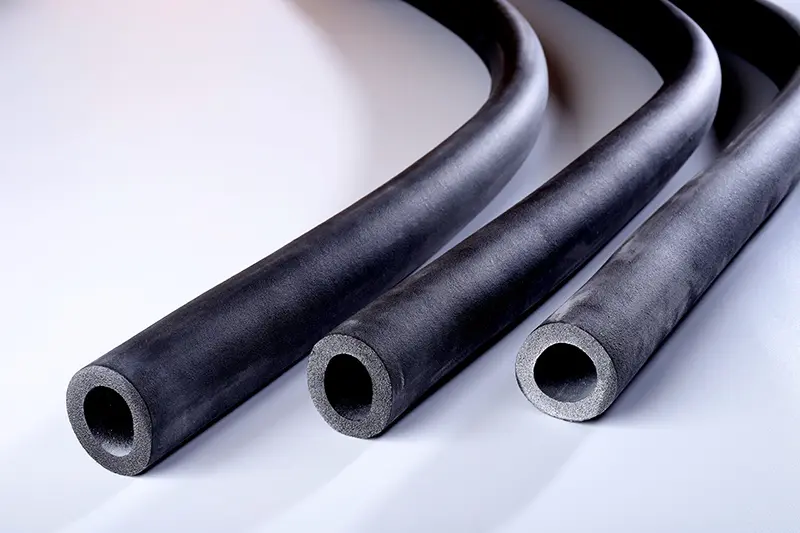
Closed-cell polyethylene and nitrile-butadiene rubber (NBR) foams prevent moisture ingress at a molecular level, maintaining a stable thermal conductivity coefficient (λ) under high ambient humidity conditions. Essential for high-rise buildings and transit terminals.
For systems handling liquefied gases, low-temperature liquids, and chemical processes down to -200 °C, customized elastomeric insulation provides critical flexural durability and crack resistance, preventing thermal bridging and pipe bursts.
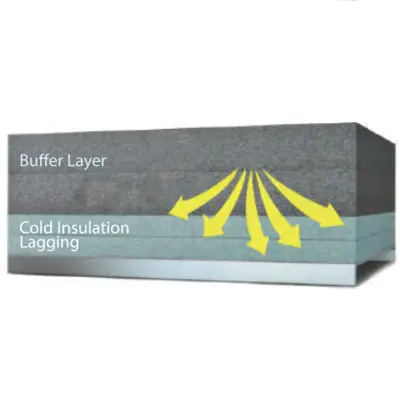
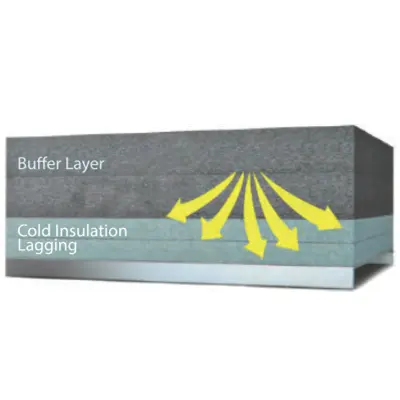
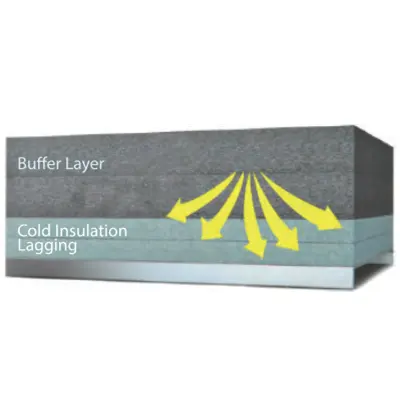
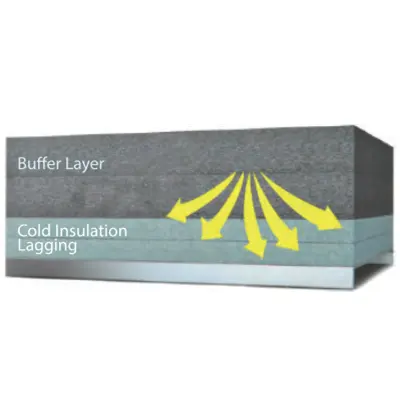
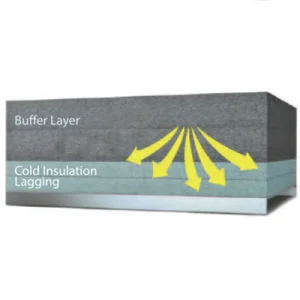
Damping structural vibrations and dampening acoustic transmission through piping is crucial in heavy machinery rooms and cleanrooms. High-density structures absorb shockwaves efficiently, offering dual thermal-acoustic functionality.
Our commitment to rigorous scientific testing and state-of-the-art automation drives our technical achievements.
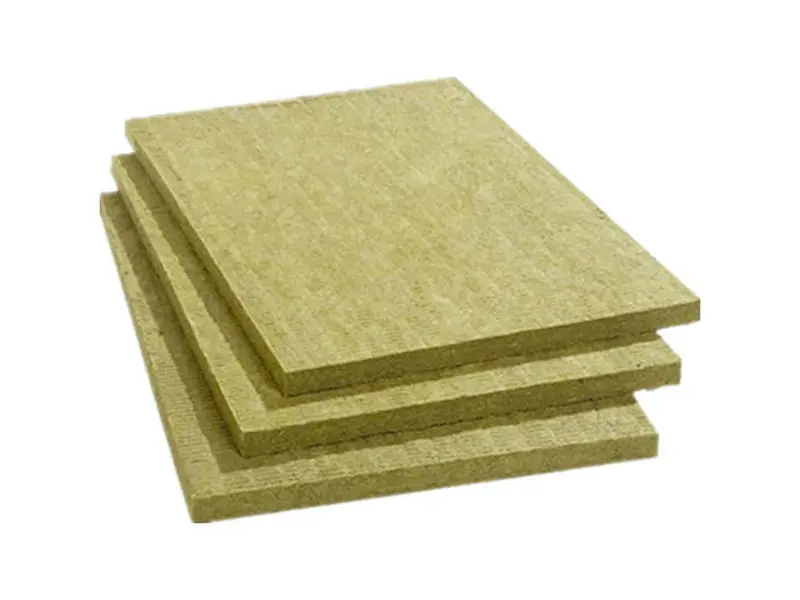
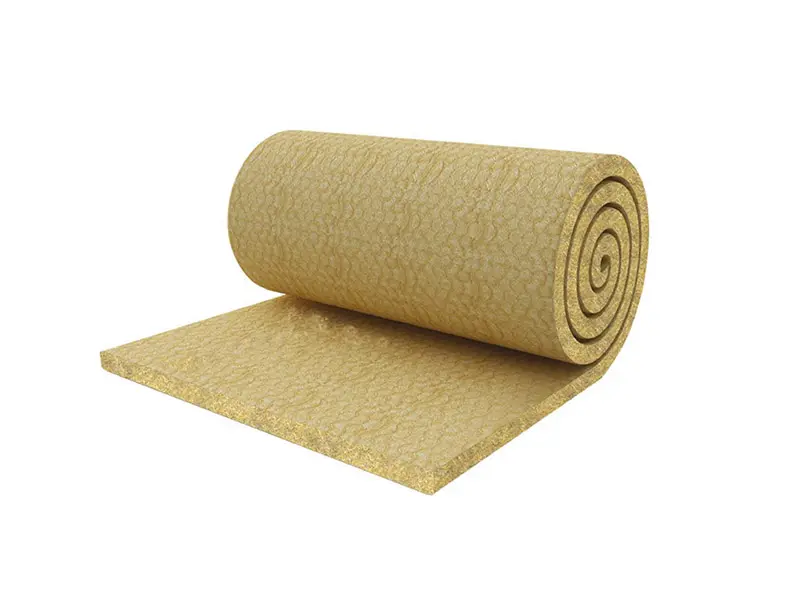
Choosing the correct insulation material demands a complete understanding of thermal properties, moisture barriers, and fire dynamics. The matrix below outlines how Kingflex elastomeric and polyethylene structures compare to traditional materials under critical environments.
| Performance Characteristic | Kingflex Closed-Cell Elastomeric / PE | Traditional Rock Wool Insulation | Fiberglass Insulation Boards |
|---|---|---|---|
| Thermal Conductivity (λ at 0°C) | ≤ 0.034 W/(m·K) (Highly stable) | ≤ 0.040 W/(m·K) (Degrades if wet) | ≤ 0.036 W/(m·K) (Requires vapor barrier) |
| Vapor Permeability Coefficient (μ) | ≥ 10,000 (Built-in moisture shield) | Low (Relies strictly on jacket integrity) | Moderate (Permeable to moisture) |
| Temperature Spectrum | -200°C to +105°C (Extreme range) | Up to +650°C (High heat focus) | Up to +230°C (Not for cryogenics) |
| Installation Complexity | Flexible, easy cutting, self-adhering option | Brittle, structural support required | Fibrous dust release, protective gear needed |
| Moisture Absorption | <0.2% by volume (Structural integrity preserved) | High capillary absorption | High moisture absorption |
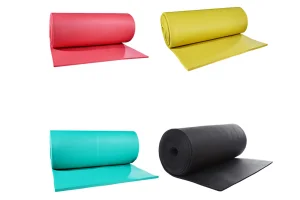
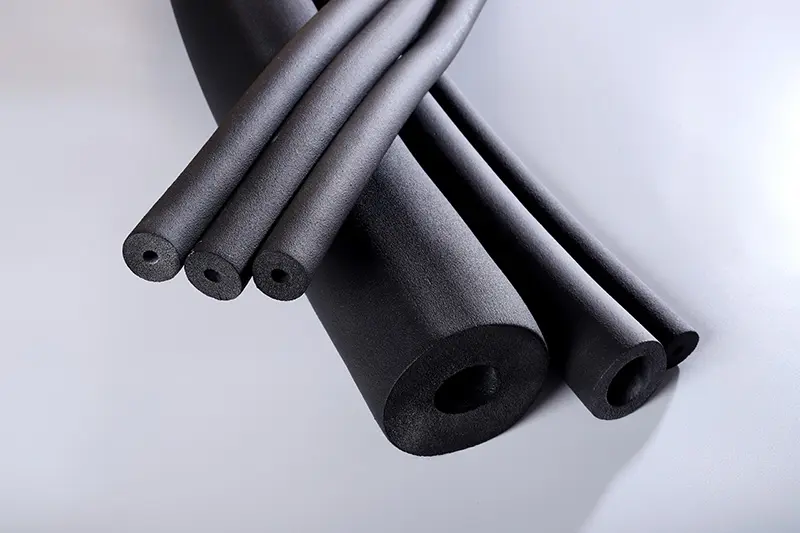
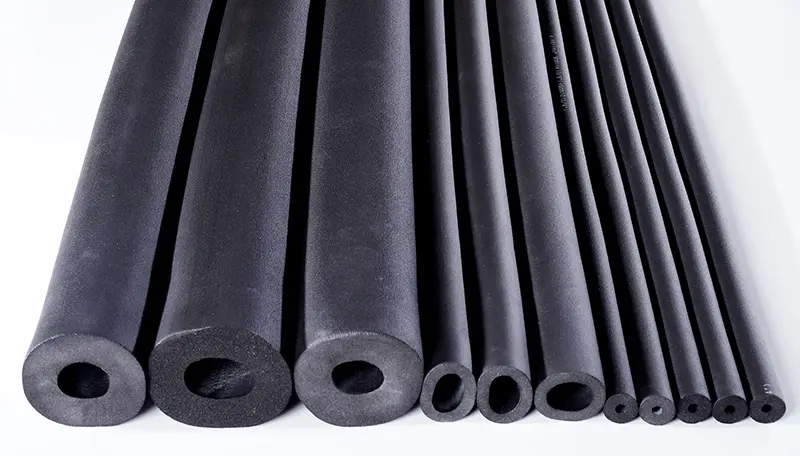
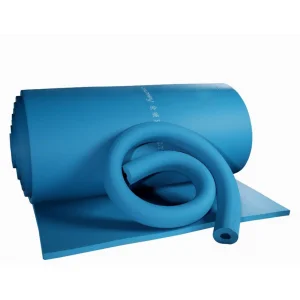
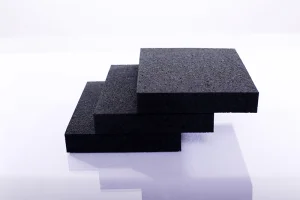
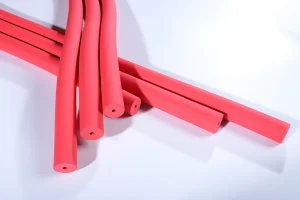
Our core manufacturing processes utilize customized NBR, PVC, and PE chemical structures to optimize insulation thickness and maximize space efficiency.
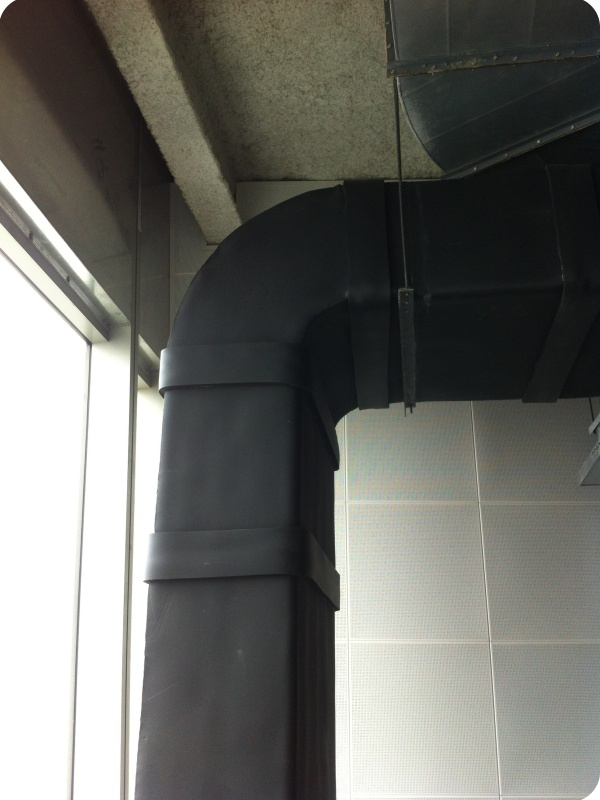
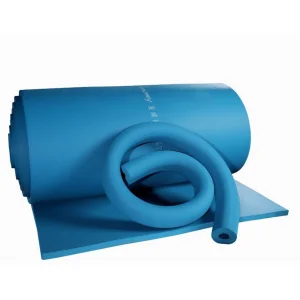
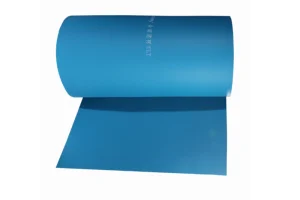
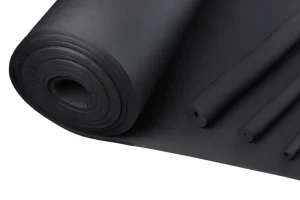
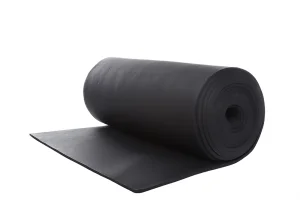
Standard Dimension:
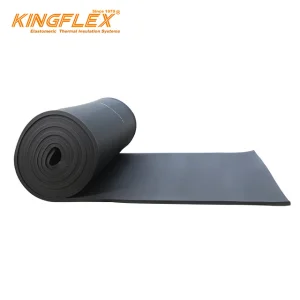
Material: Premium NBR/PVC blend
Thickness Option: 6mm - 50mm
Density Profile: 40 - 55 kg/m³
Service Temperature Range: -40℃ to 105℃
Advantages:
• Extremely uniform micro-cell expansion (Closed-cell rate > 98%)
• Exceptional flexibility with >80% compression resilience
• Self-extinguishing flame retardant chemistry
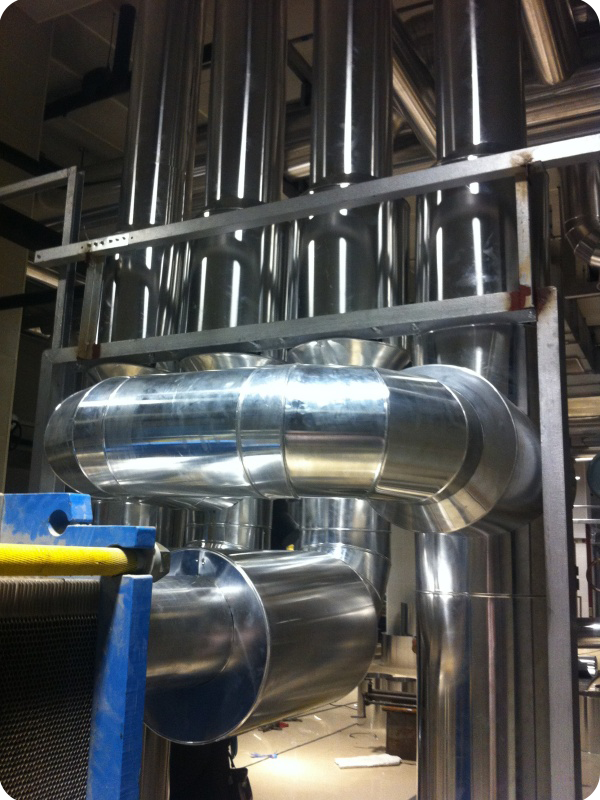
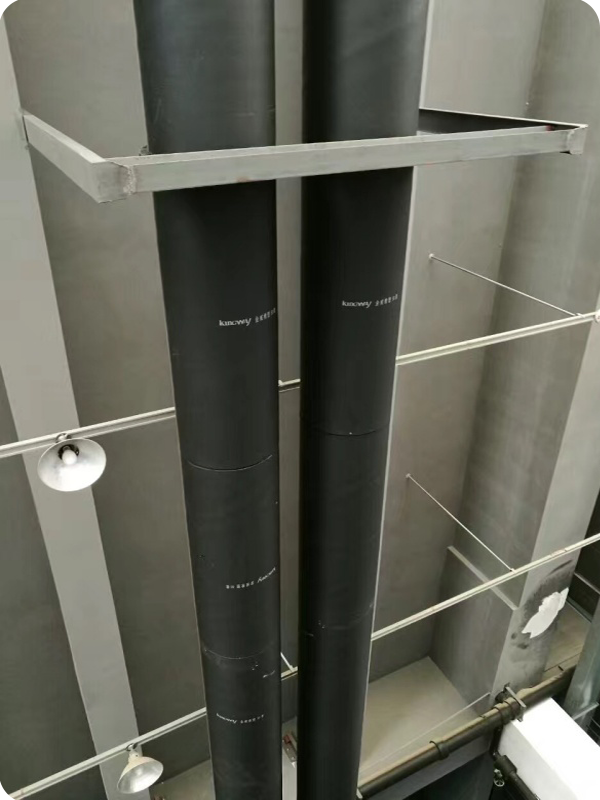
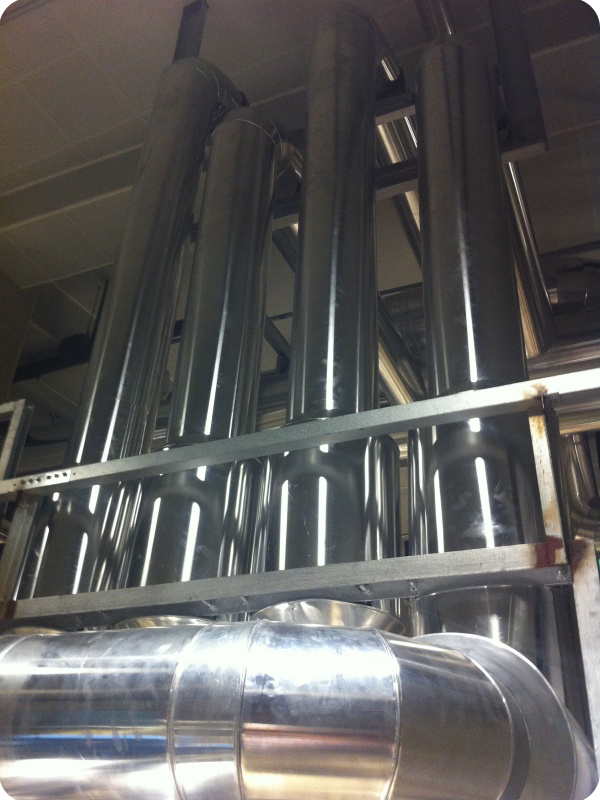
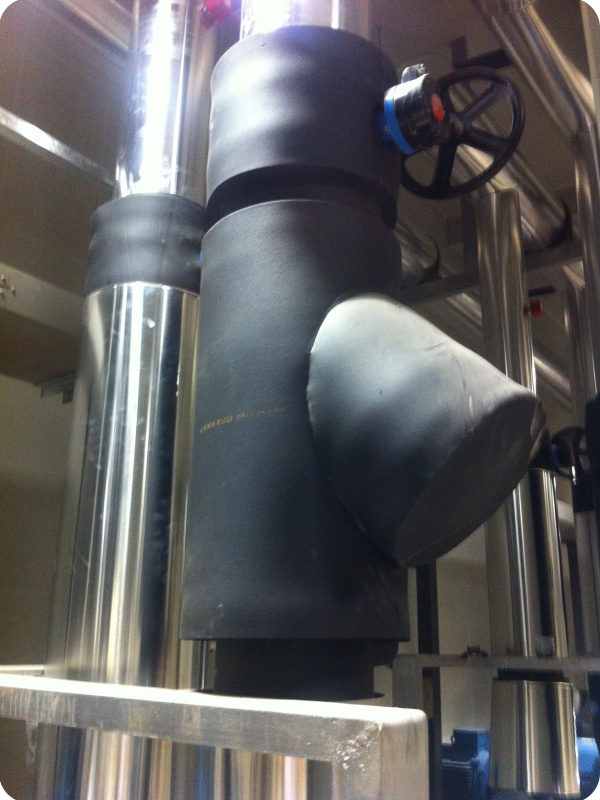
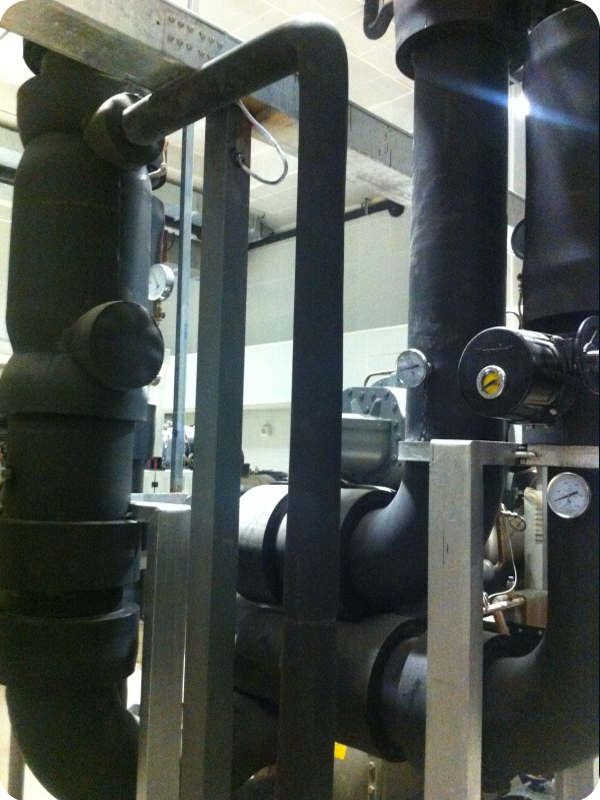
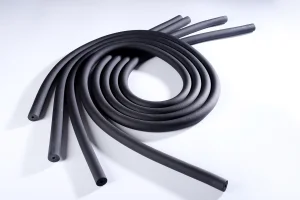
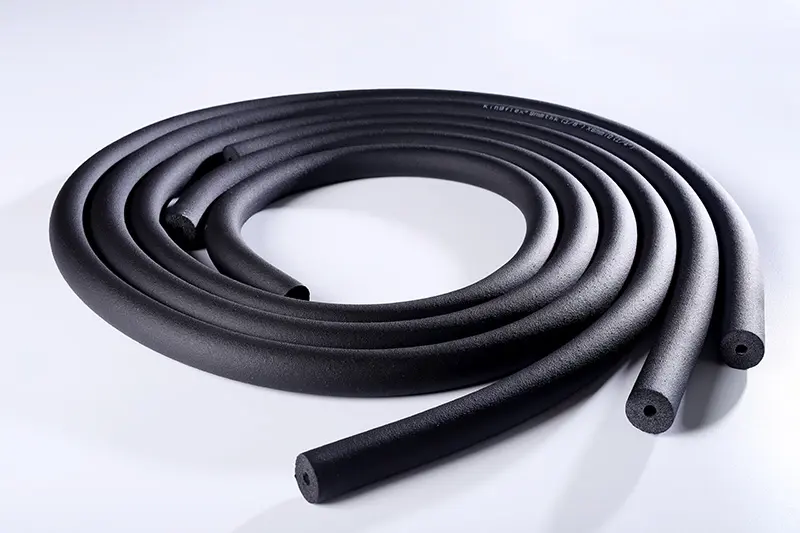
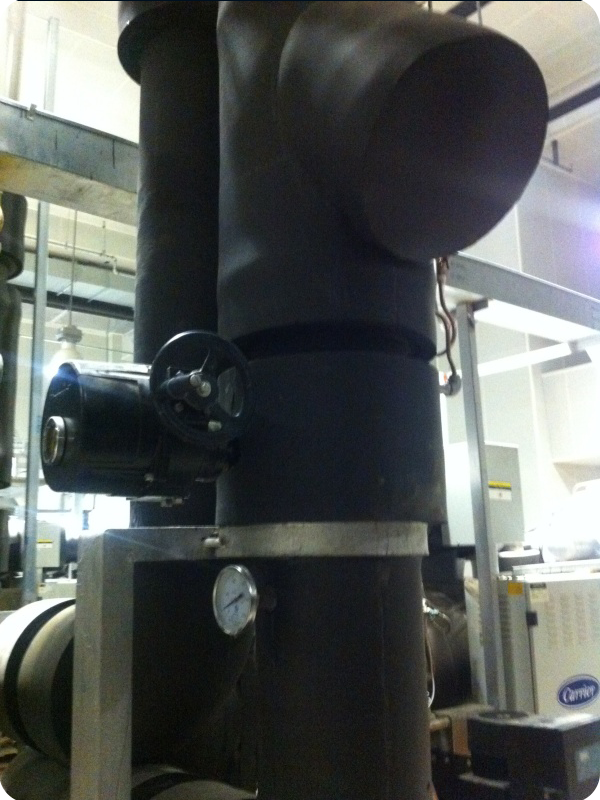
Standard Dimension:
Material: Industrial NBR/PVC blend
Thickness Option: 9mm - 40mm
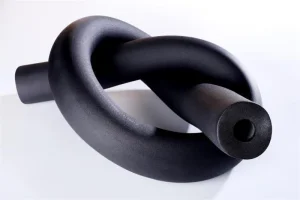
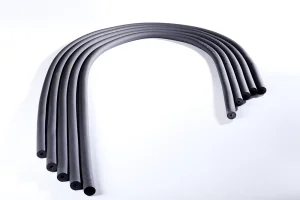
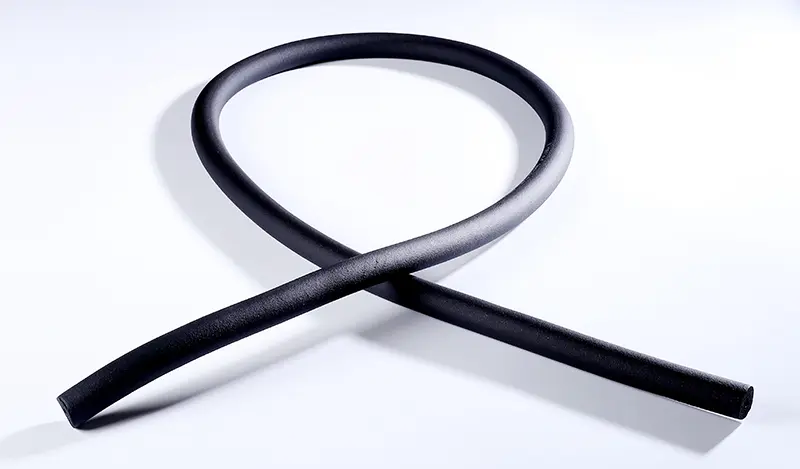
Inner Diameter (ID): 6mm - 114mm
Service Temperature Range: -40℃ to 105℃
Key Advantages:
• Advanced coating consistency via state-of-the-art spray heads
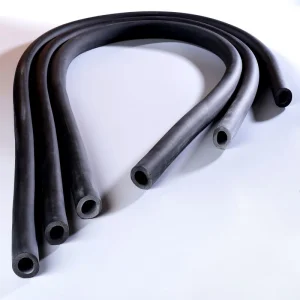
• Structural configuration minimizes installation stress and joints
• Provides reliable freeze and split protection for industrial piping
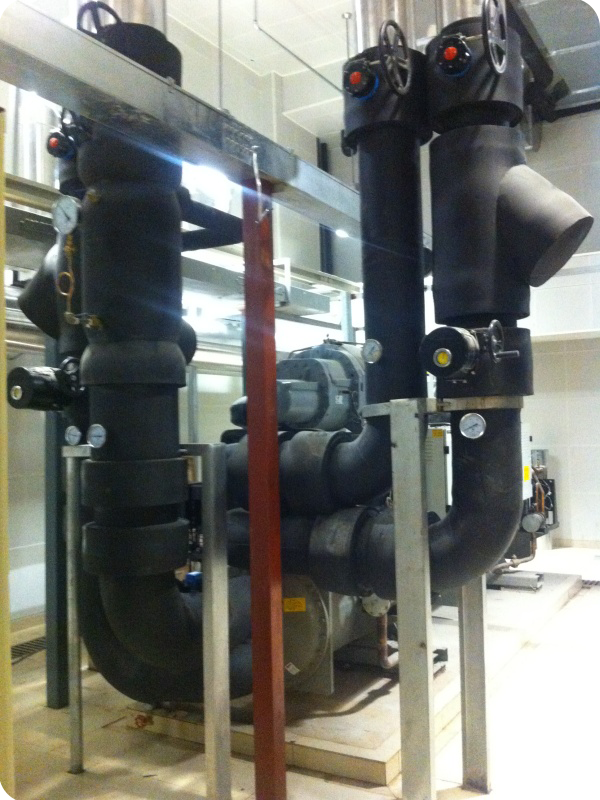
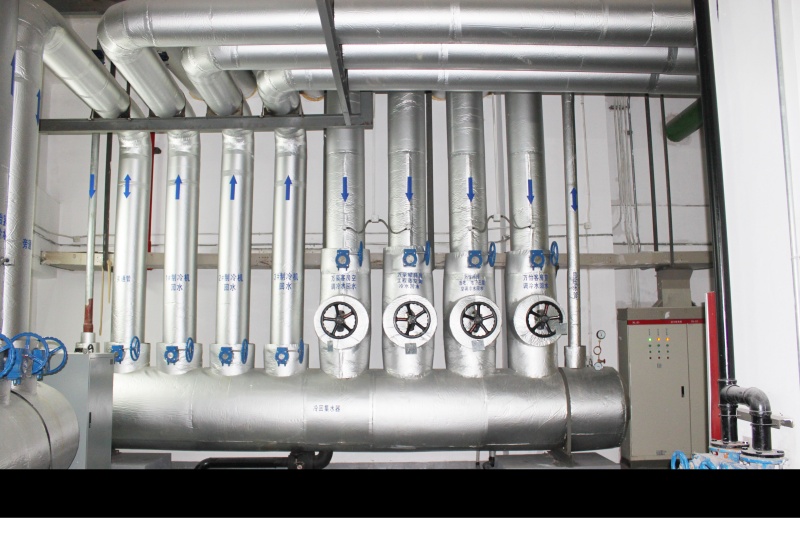
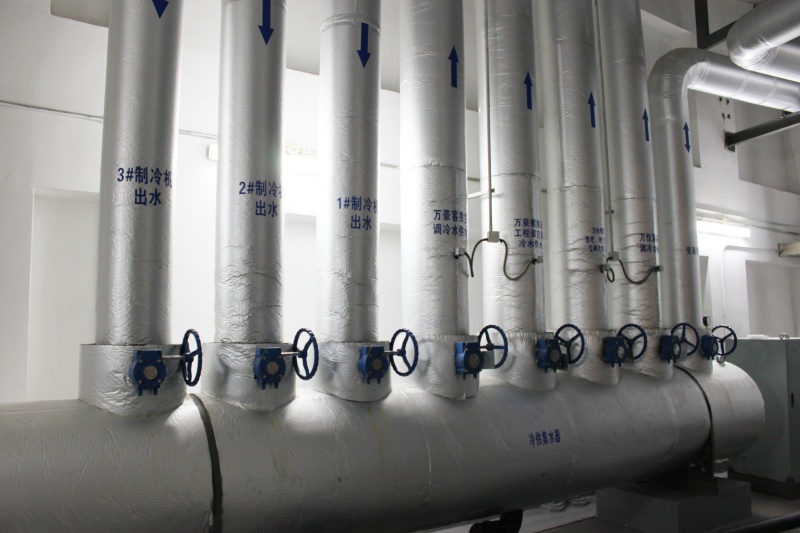
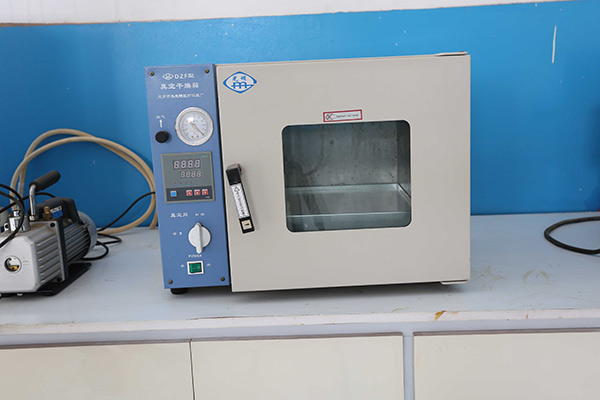
Kingflex maintains a rigorous quality assurance loop, utilizing eight specialized materials engineers in our dedicated R&D department. Our systems ensure complete compliance with structural standards around the globe.
Our manufacturing and processing lines output product lines certified to international benchmarks, verifying fire safety, chemical purity, and thermal integrity.
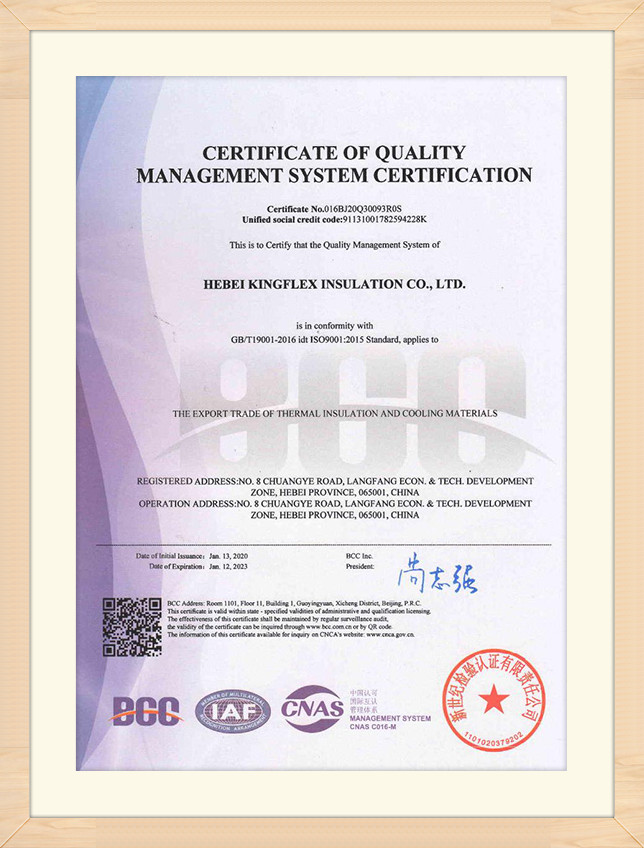
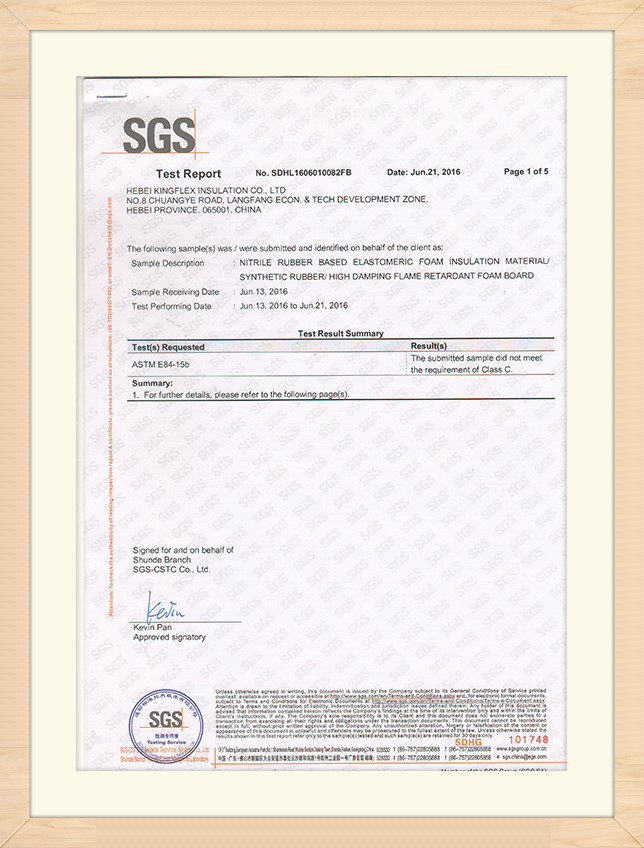
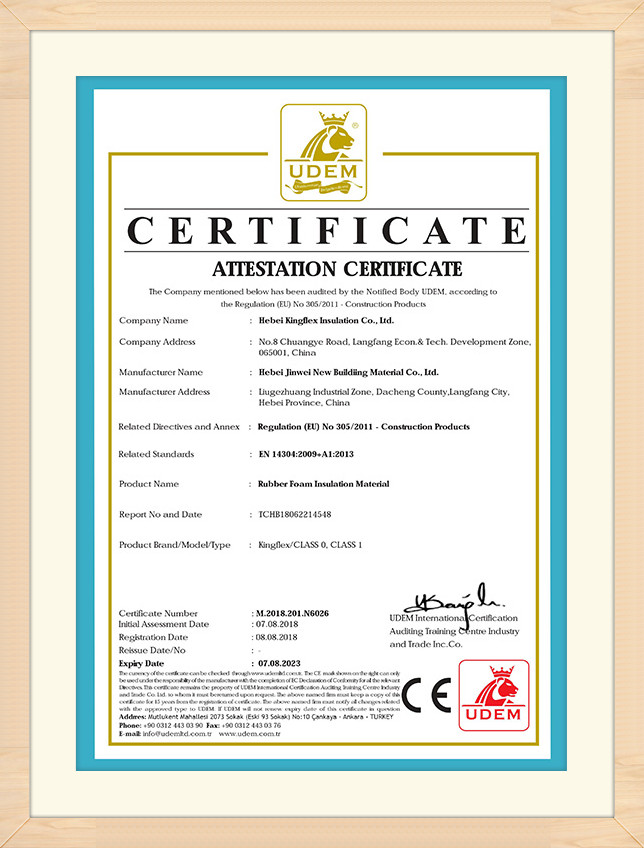
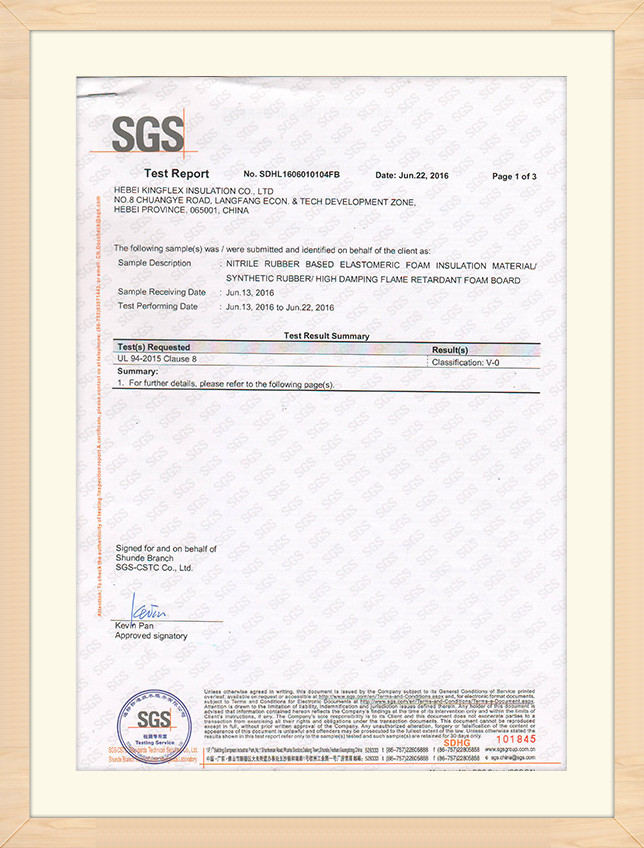

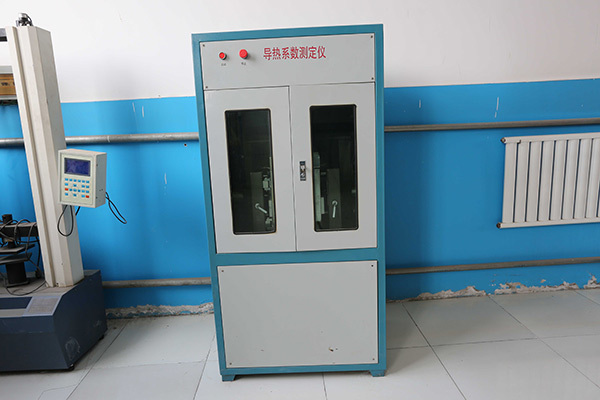
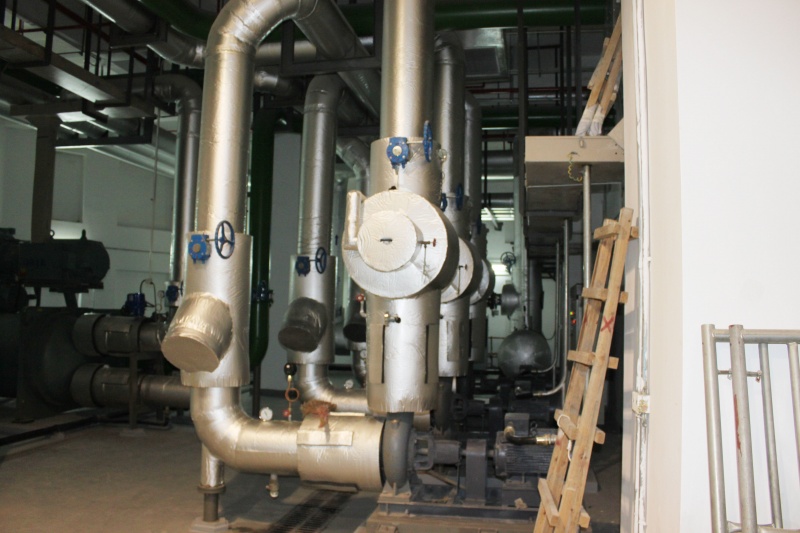
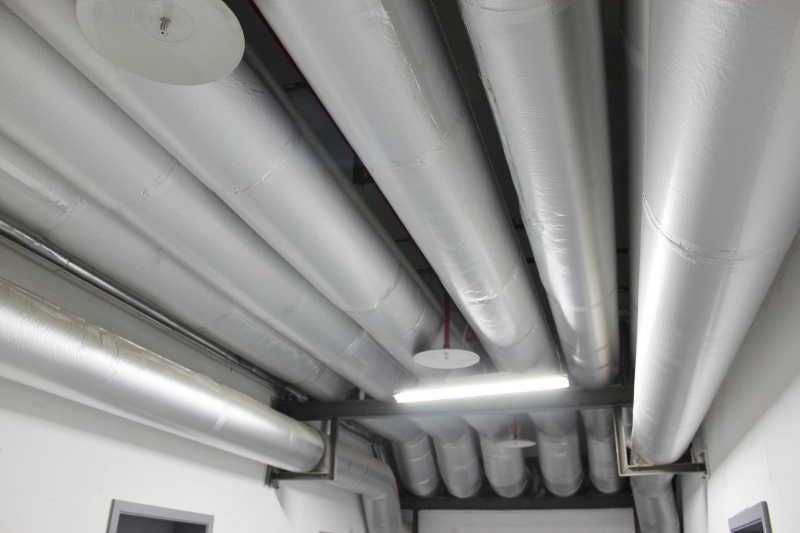
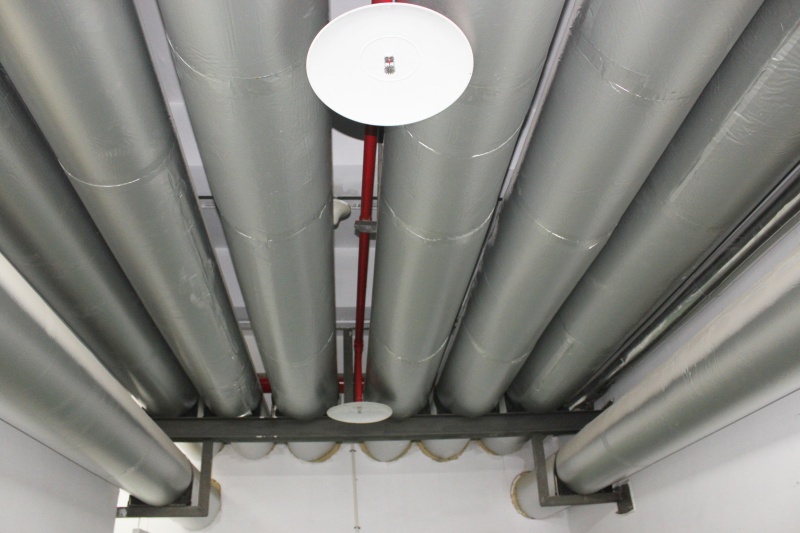
Kingflex insulation systems are deployed across chemical plants, transportation hubs, commercial skyscrapers, and energy infrastructure in over 66 countries.

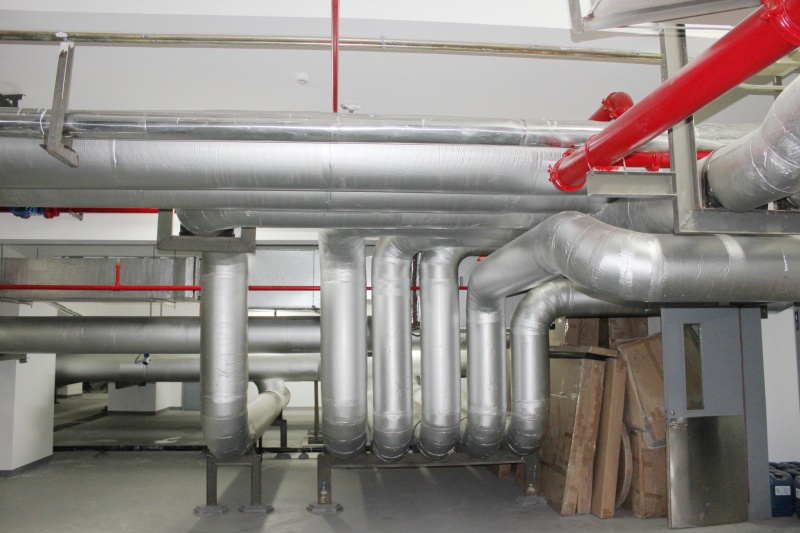
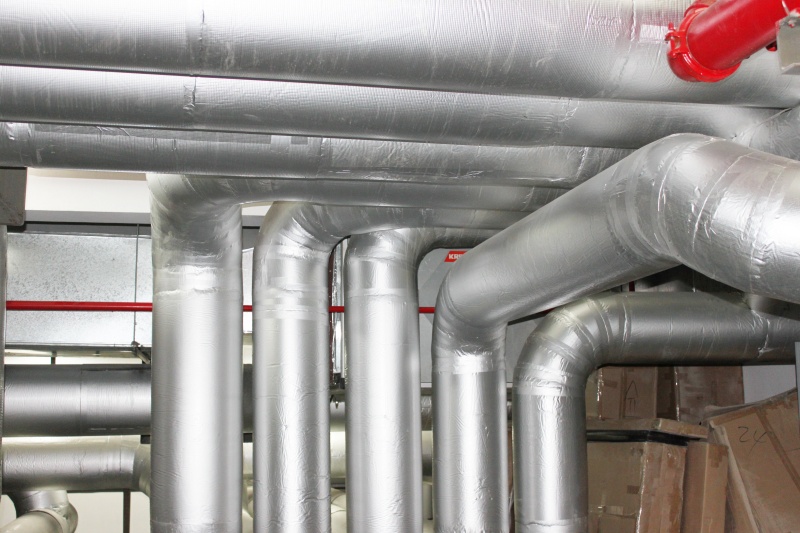
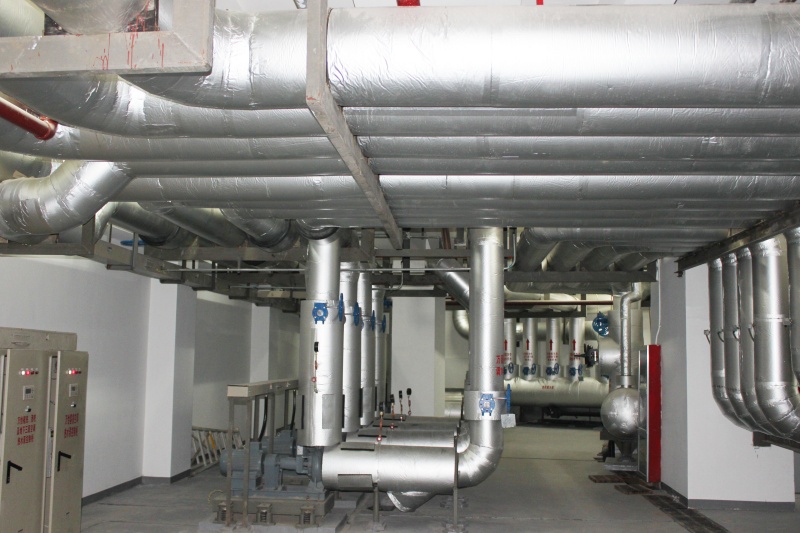
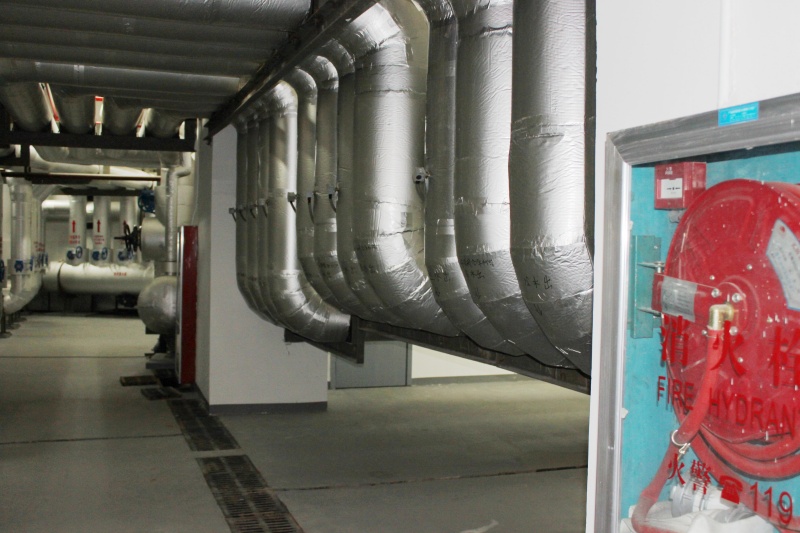
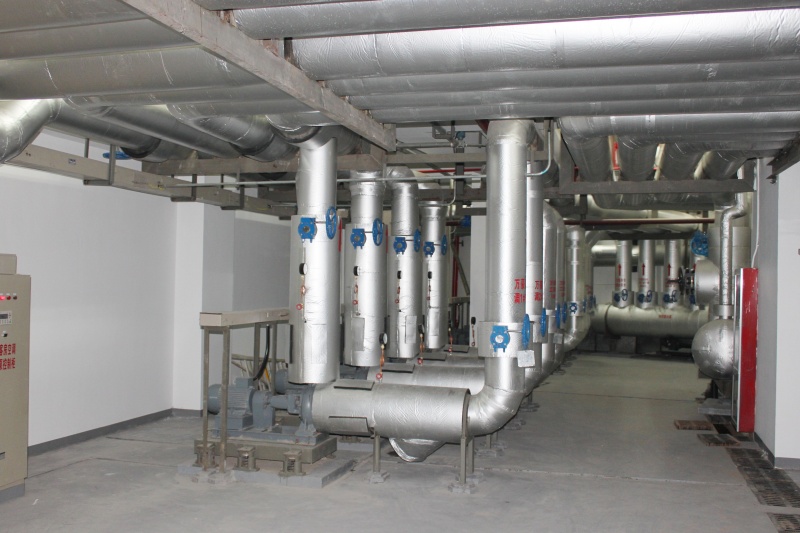
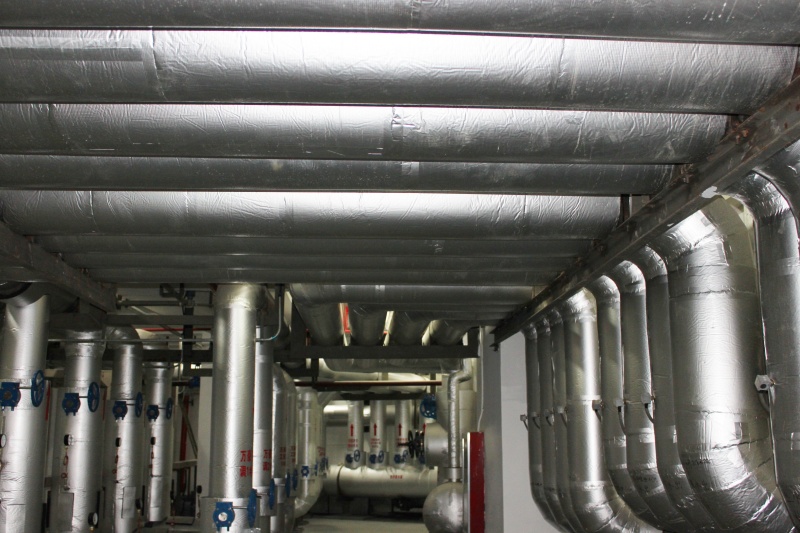
Our dedicated professional support structure ensures that complex industrial specifications are accurately addressed. Our active communication lines demonstrate our responsiveness to project requirements worldwide.

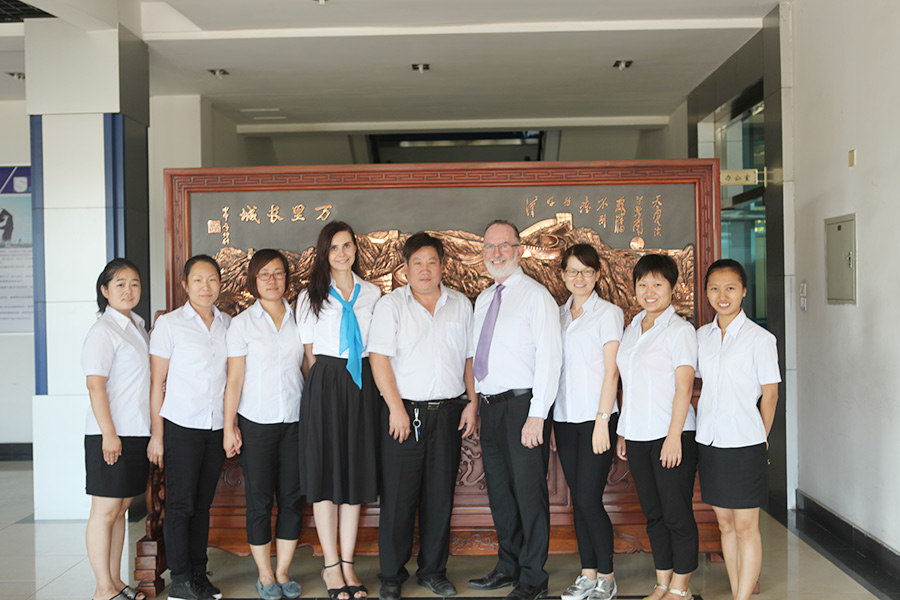
Our engineering and logistics teams work in tandem to coordinate custom manufacturing sizes, special density targets, and complex shipping configurations.
We work directly with contractors, estimators, and mechanical engineers, ensuring clear, real-time communication from initial consultation to final delivery on-site.





Understanding thermal conduction at the molecular level is key to selecting high-efficiency insulation. Heat transfer occurs via solid-state conduction, gas convection, and radiation. Closed-cell polyethylene and elastomeric rubber materials combat all three vectors through controlled cellular engineering.
By optimizing cellular density between 40-55 kg/m³, the solid matrix of the insulation is kept thin, reducing the path for heat transfer. This results in an exceptionally low thermal conductivity index (λ ≤ 0.034 W/m·K).
With a closed-cell rate exceeding 98%, nitrogen and carbon dioxide are trapped in thousands of isolated pockets. Because the gas cannot migrate or circulate, convective heat transfer within the material is effectively stopped.
Our material incorporates carbon black and high-opacity compounds into the polymer matrix. These additives absorb and scatter infrared radiation, keeping heat transfer to a minimum even under direct sunlight.
For cryogenic applications down to -200 °C, this cellular structure undergoes special curing to prevent stress cracking. When gases liquefy, standard open-cell materials fill with moisture and freeze into a solid thermal bridge. Kingflex's closed-cell design maintains flexibility and gas containment, preventing frost formation and protecting the mechanical pipe.
Professional insights from our engineering desk regarding installation, performance, and material chemistry.